by thomas@thomasbech.dk | Aug 13, 2026 | News
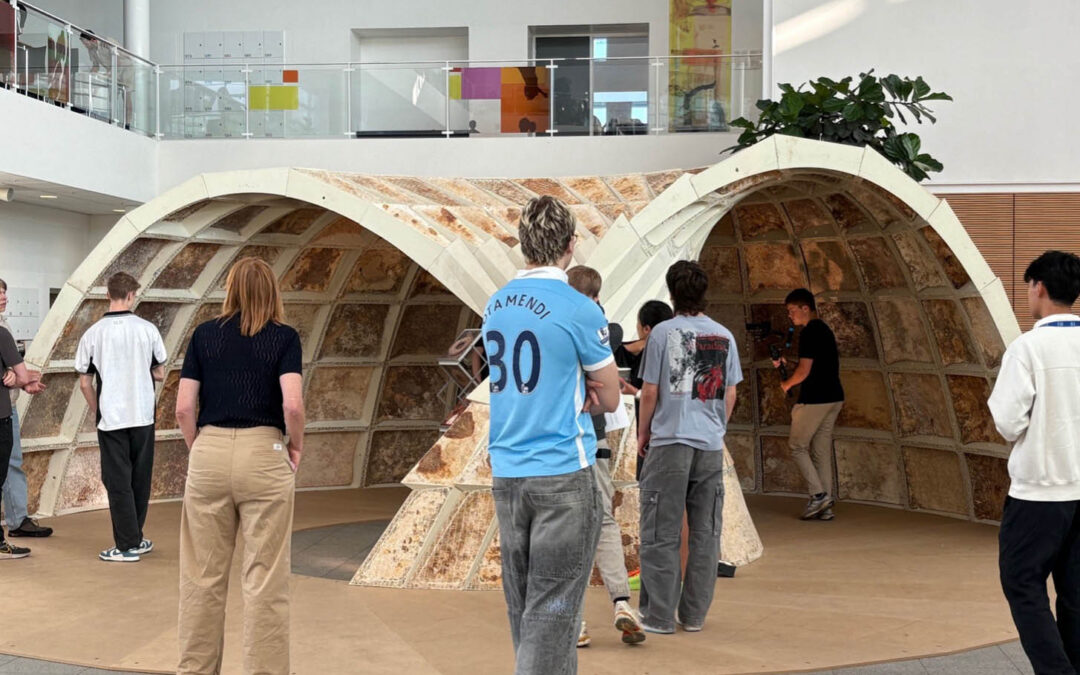
Danish AM Hub has received DKK 2.1 million in funding from the Tietgen Foundation for the project Skilled Workers 4.0, which will provide vocational school students with new skills in digital production, advanced 3D printing, bio-based materials and hands-on...
by thomas@thomasbech.dk | Apr 20, 2026 | News
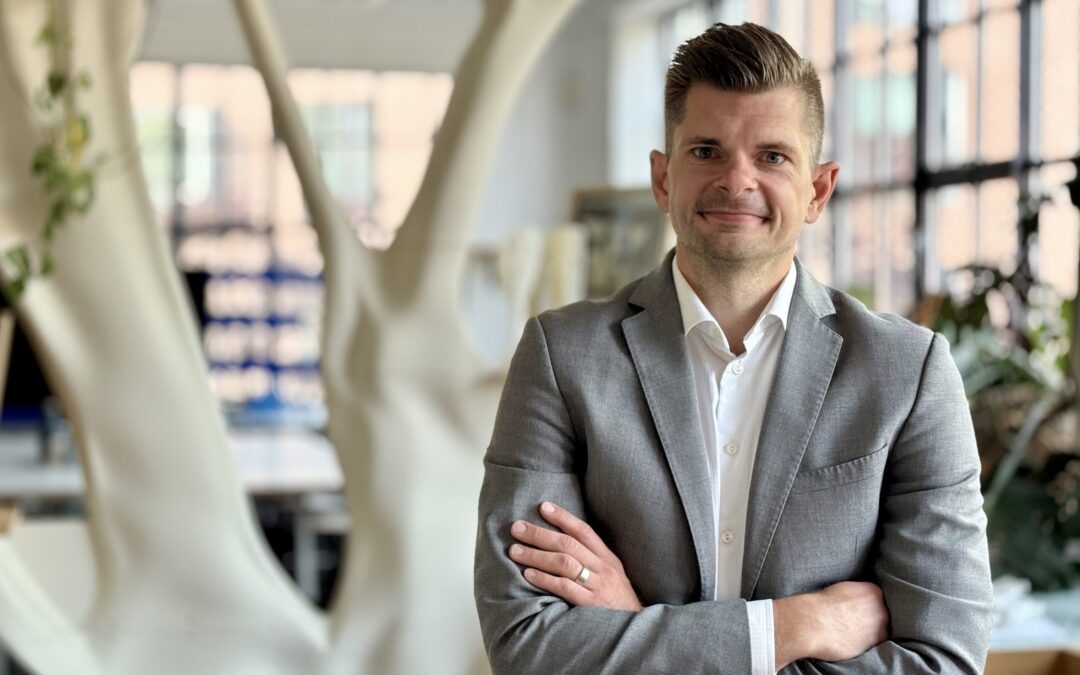
Denmark is good at creating new companies-but poor at making them big. That is why we need a Minister for Innovation who can bring a fragmented system together and get more out of billions in business support, writes Frank Rosengreen Lorenzen. The election campaign is...
by thomas@thomasbech.dk | Feb 18, 2026 | News
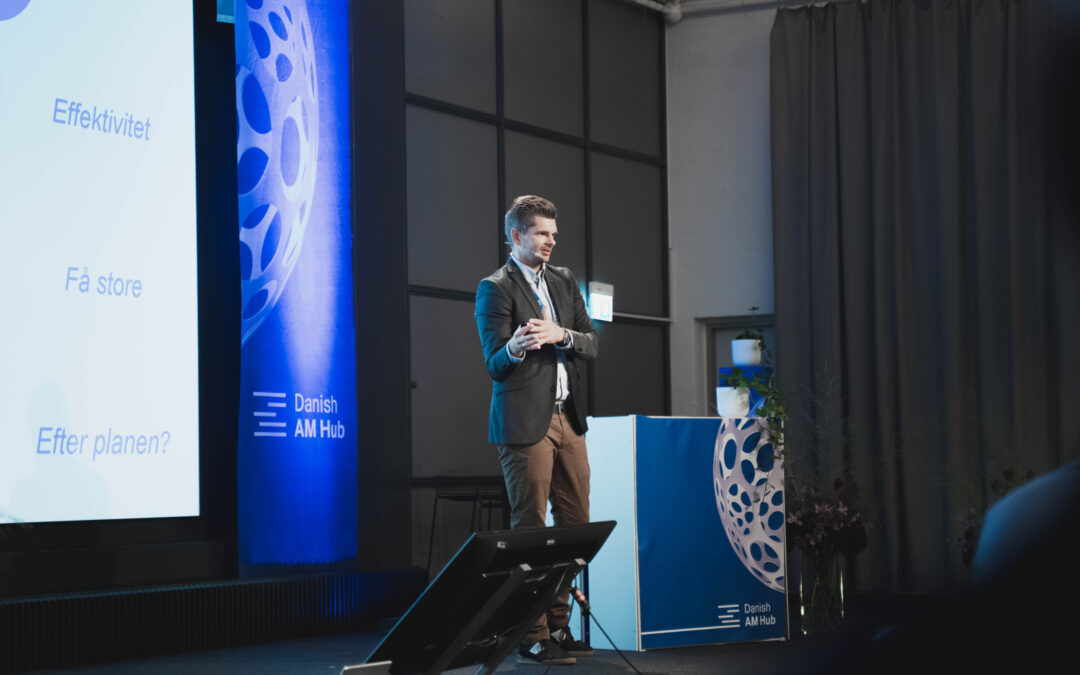
Lose the kilos in the supply chain-not only at the gym By Frank Rosengreen Lorenzen, Director, Dansk AM Hub The opinion piece was published on SMC.dk Danish companies are in top shape when it comes to efficiency. We train diligently: optimising processes, reducing...
by thomas@thomasbech.dk | Feb 18, 2026 | News
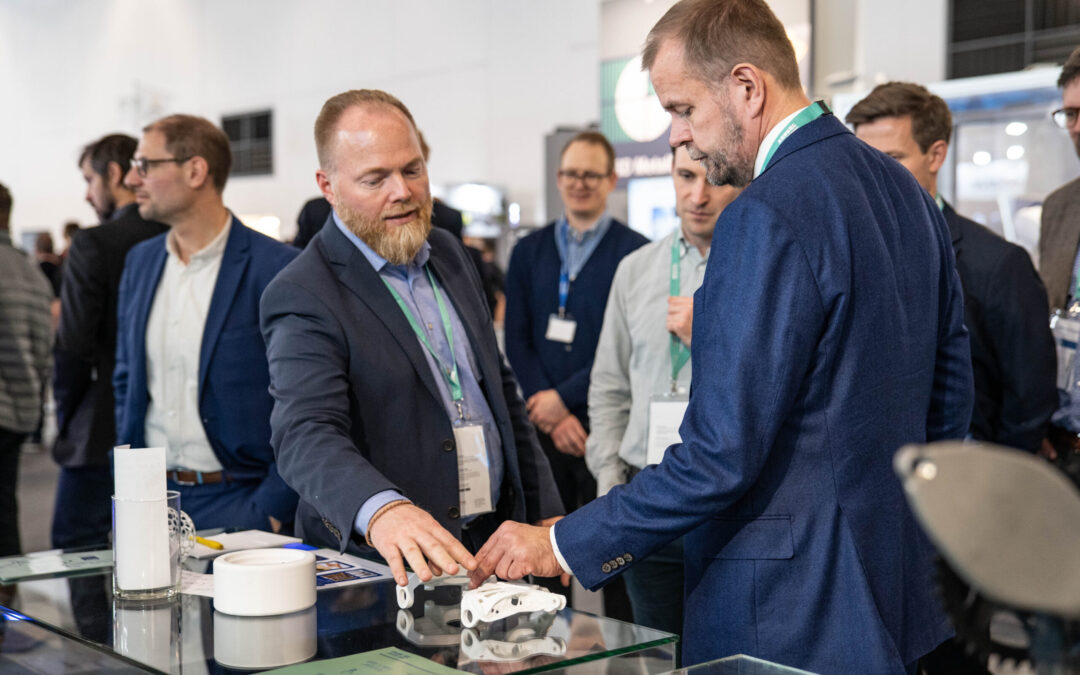
The stage is set. The technology is ready. And interest is greater than ever. In March, Dansk AM Hub goes on tour, bringing 3D printing and Additive Manufacturing to companies across the country. Tech Tour is a nationwide series of events where Dansk AM Hub-together...
by thomas@thomasbech.dk | Feb 18, 2026 | News
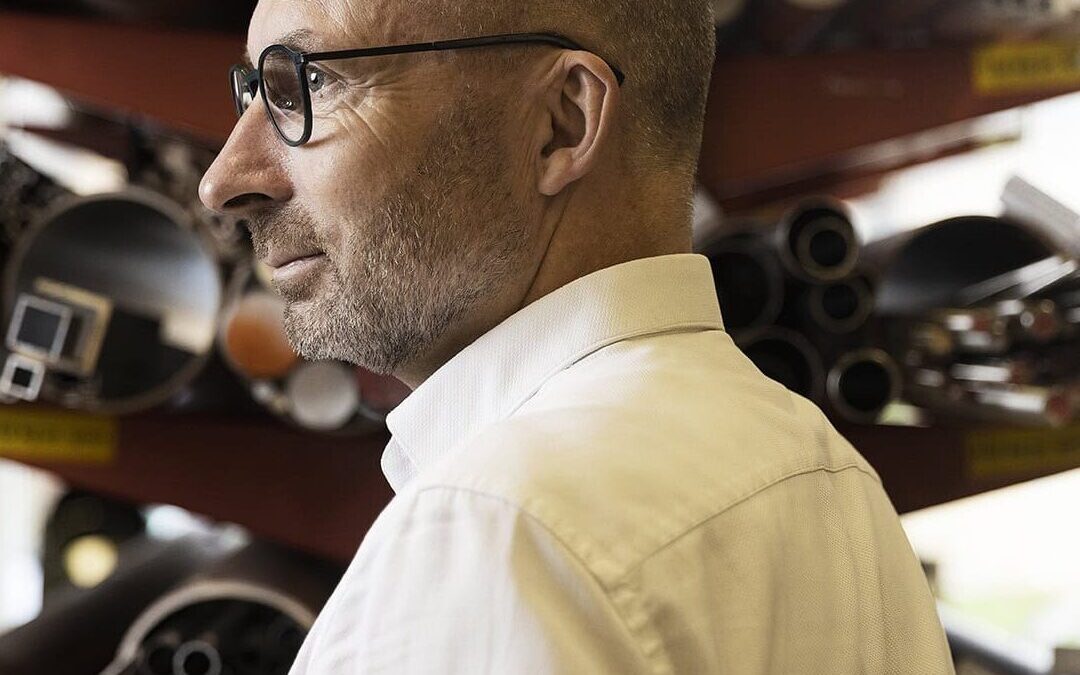
Just over a year ago, the Draghi report clearly underlined an uncomfortable reality: If Europe continues as it has, we risk falling decisively behind-technologically, industrially and economically. By Thomas Hofman-Bang, CEO, Industriens Fond The opinion piece has...
by thomas@thomasbech.dk | Dec 17, 2025 | News
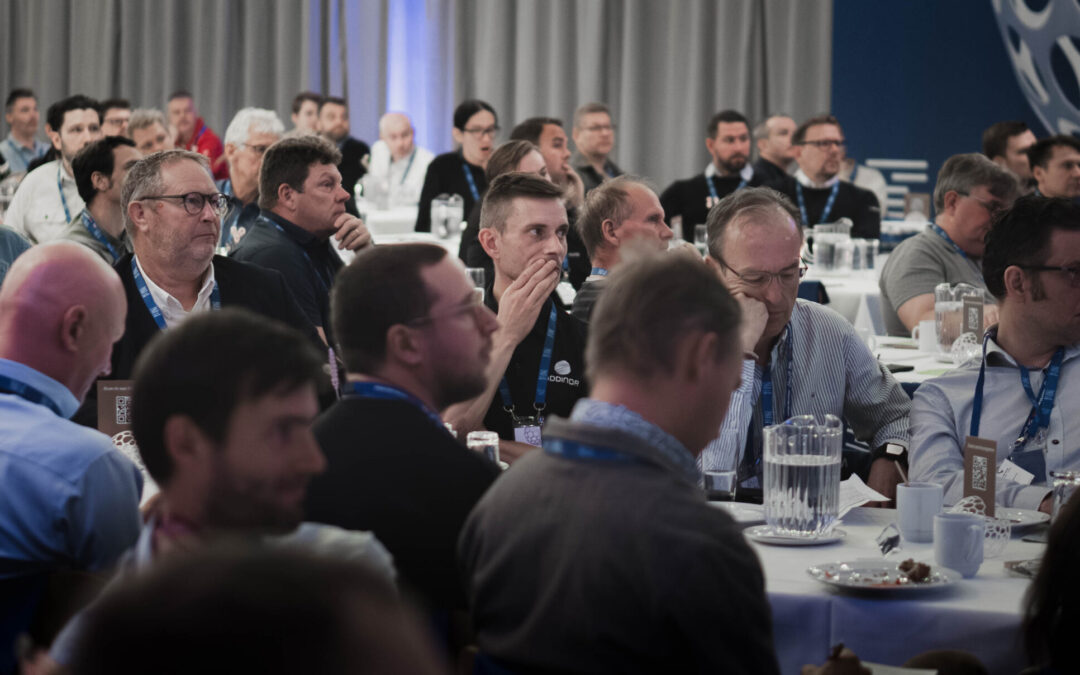
Dansk AM Hub launches a national network for metal 3D printing: To mature the technology in Danish industry Metal 3D printing is already fully operational in global industrial sectors such as aerospace, automotive, and energy, where the technology is changing how...
by thomas@thomasbech.dk | Dec 15, 2025 | News
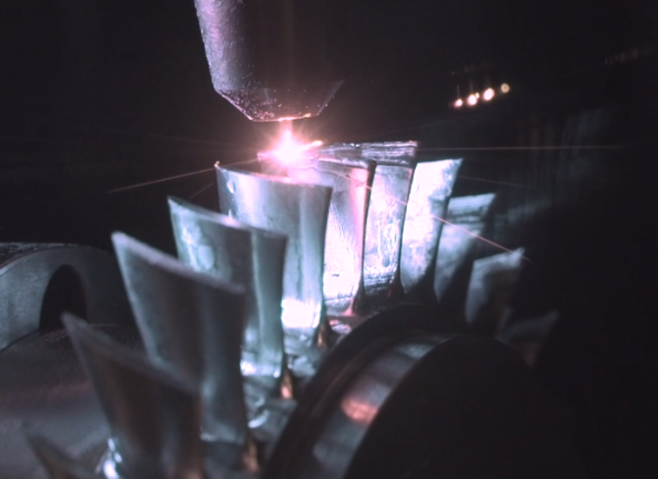
Circularity on the Factory Floor: New project focuses on extending service life in industry How can Danish manufacturing companies strengthen both competitiveness and sustainability without replacing all production equipment? This question forms the foundation for the...
by thomas@thomasbech.dk | Dec 1, 2025 | News
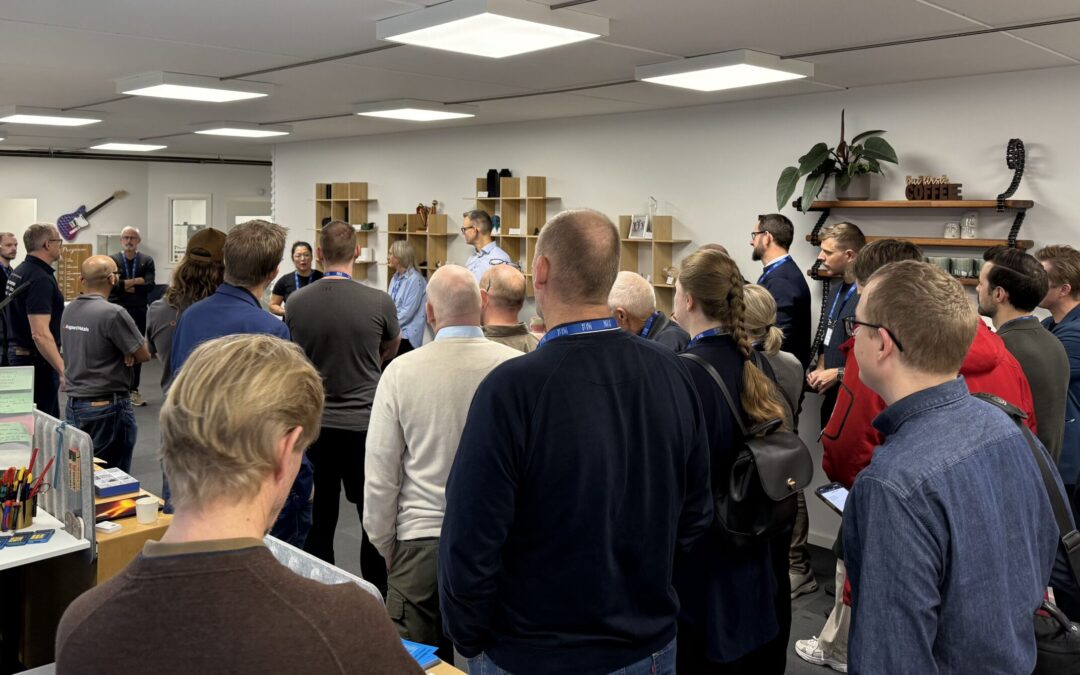
Well-attended Open House at 3D Infill: Great curiosity about 3D printing “You pay with your time and your commitment.” That was the deal-and pay they did, the participants at our Open House at 3D Infill in Slangerup on Tuesday, 25 November. In fact, they almost left a...
by thomas@thomasbech.dk | Nov 5, 2025 | News
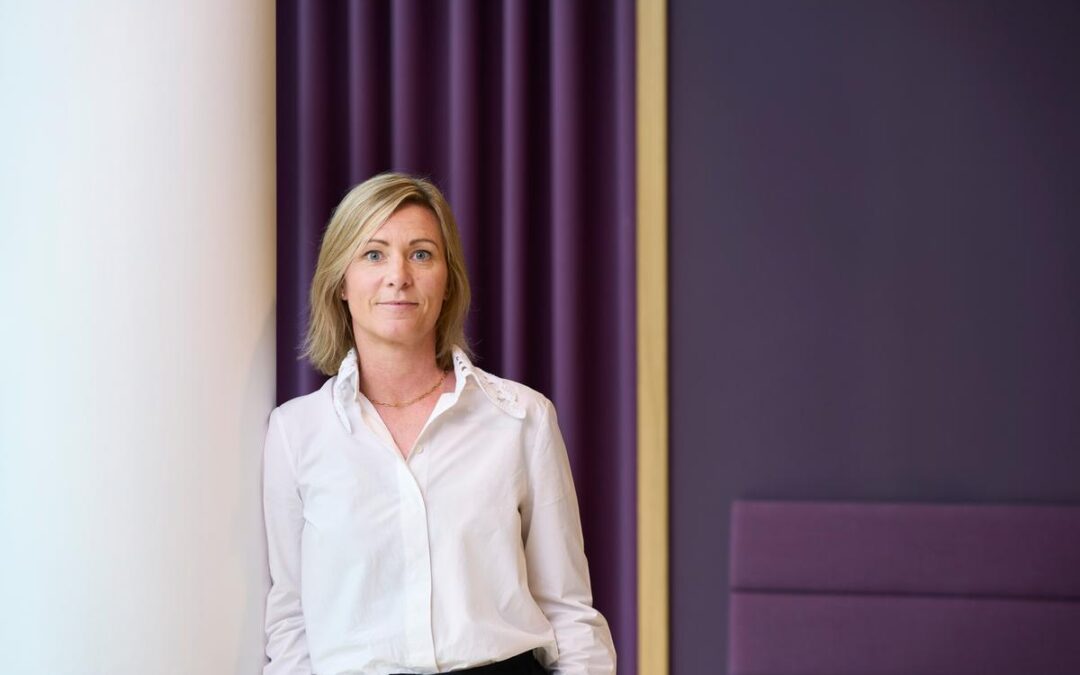
The Industry Foundation appoints an experienced green strategist to the Board of Dansk AM Hub Dansk AM Hub strengthens its Board with the appointment of Ingrid Reumert, Senior Vice President for Global Stakeholder Relations at Ørsted. With more than 20 years of...
by thomas@thomasbech.dk | Aug 18, 2025 | News
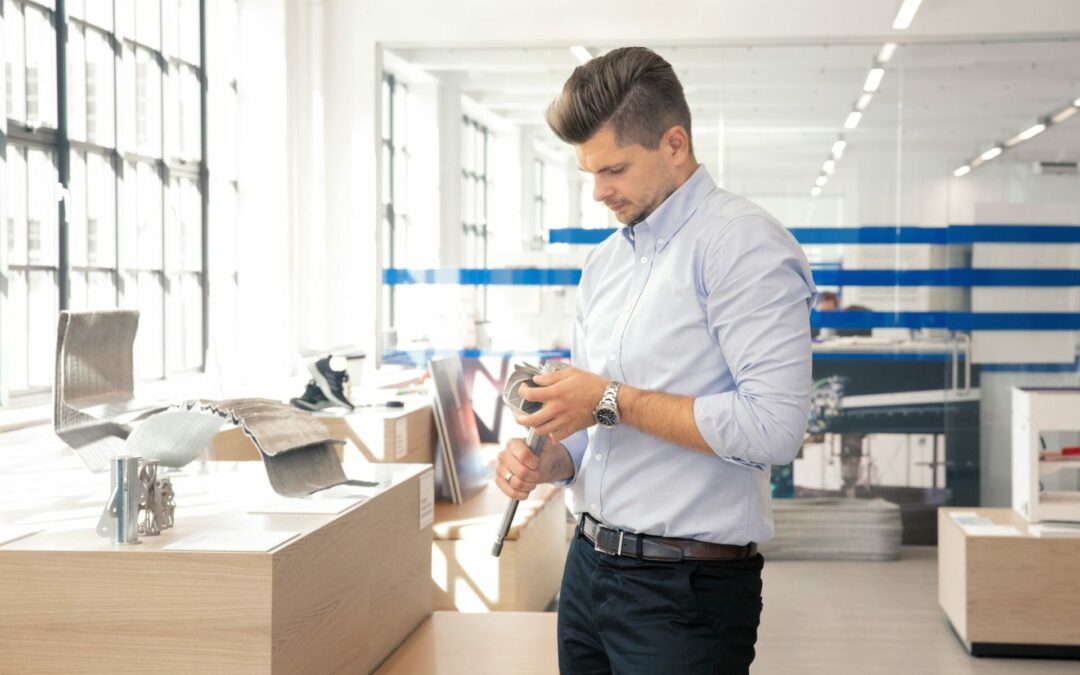
Innovation requires outstanding skills Tomorrow’s technological breakthroughs depend on strong vocational skills. That is why we must support the many young people competing for medals at EuroSkills in Herning. In September, the starting signal is given for EuroSkills...
by thomas@thomasbech.dk | Aug 12, 2025 | News
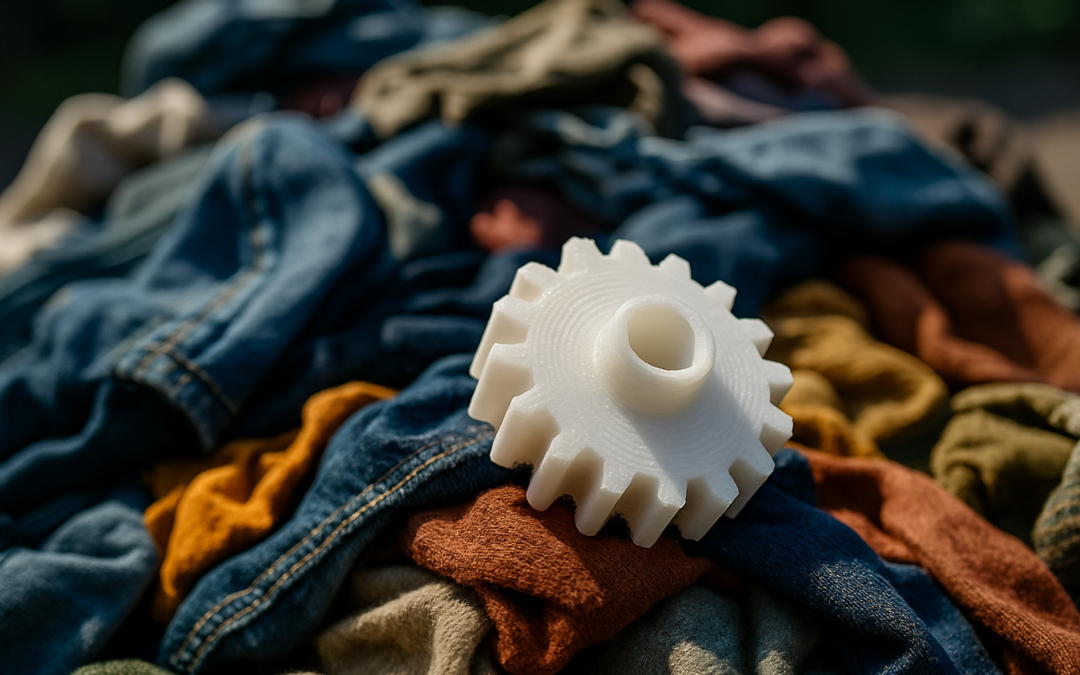
Tex2AM: New Danish project to turn textile waste into 3D printing A new Danish development project will investigate whether textile waste that is difficult to recycle can be given new life as 3D printing material. The project, known as Tex2AM, brings together partners...
by thomas@thomasbech.dk | Jul 10, 2025 | News
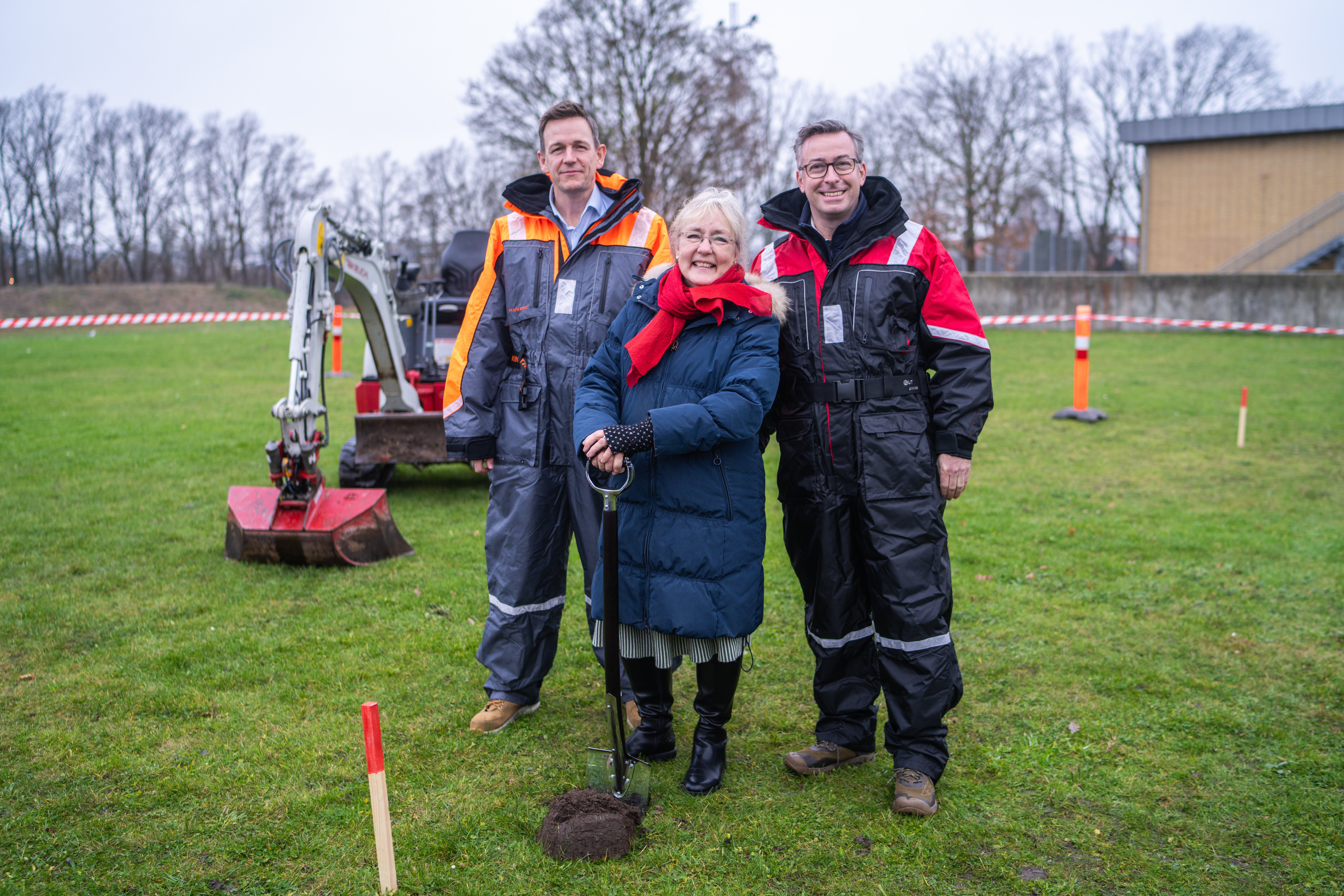
Dansk AM Hub expands with a new technology laboratory in Frederikssund Denmark has gained a new platform for the production of the future. Danish AM Hub, which works to make Denmark a leader in the use of new production technology and 3D printing, is now expanding its...
by thomas@thomasbech.dk | Jun 19, 2025 | News
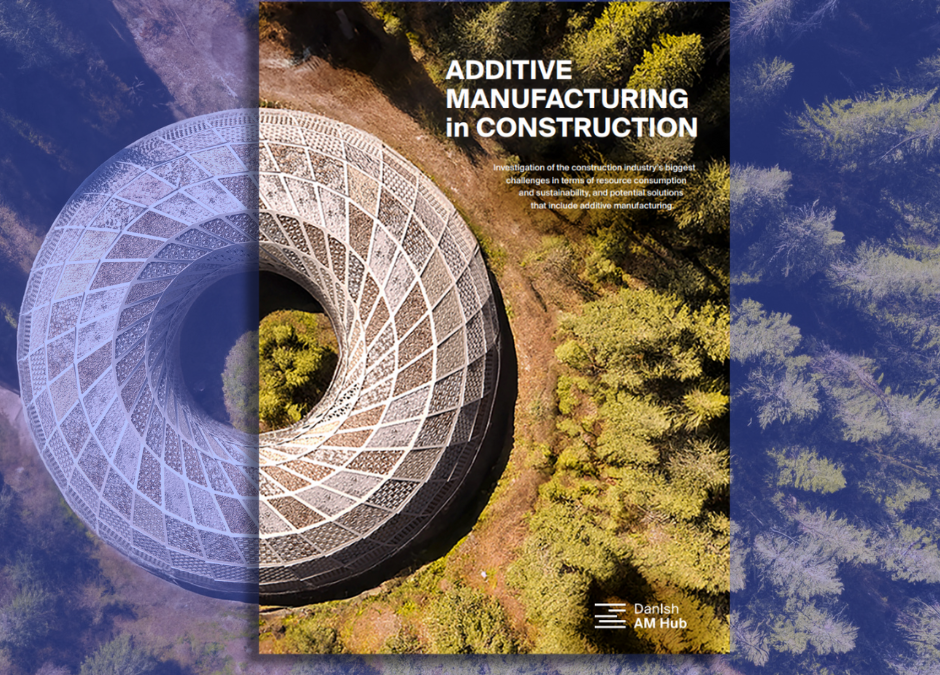
Print and build: Can large-scale 3D printing become a new tool for the construction industry? Less material consumption, lower CO2 emissions, new and more bio-based materials, and greater design freedom. A new report from Dansk AM Hub shows why 3D printing can be a...
by thomas@thomasbech.dk | Jun 17, 2025 | News
PRESS RELEASE Copenhagen, 17 June 2025 AM Summit returns in 2025 in a new format with a focus on small and medium-sized enterprises Following a successful AM Summit 2024, Dansk AM Hub now presents the next chapter: AM Summit 2025: SME Edition. The new edition will be...
by thomas@thomasbech.dk | Jan 21, 2025 | News
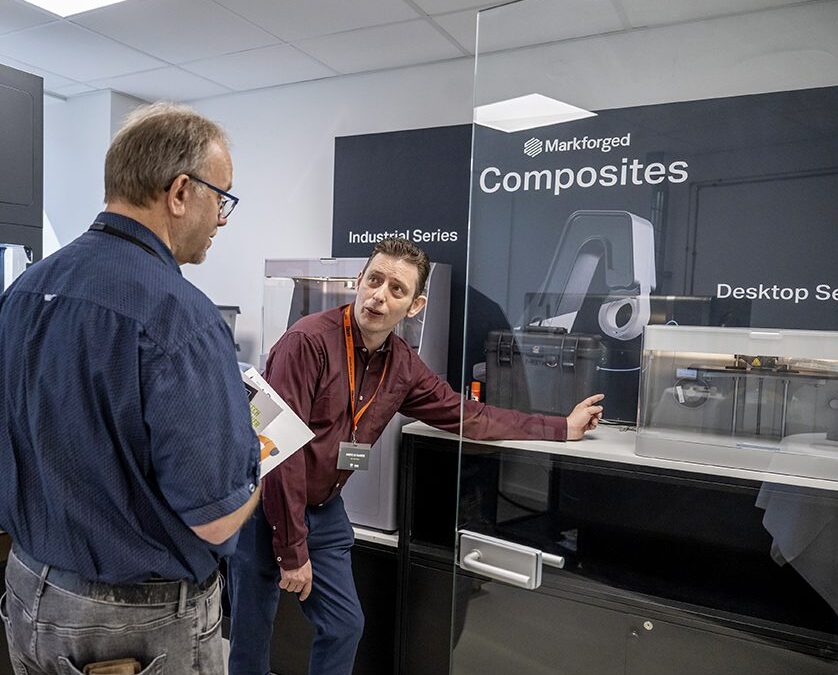
When IBA Nexttech first ran “Introduction to Industrial 3D Printing”, Peter Nissen from LEGO System A/S was among the participants in the continuing education programme. Peter works as a toolmaker, and he has become accustomed to working with additive manufacturing in...
by thomas@thomasbech.dk | Nov 18, 2024 | News
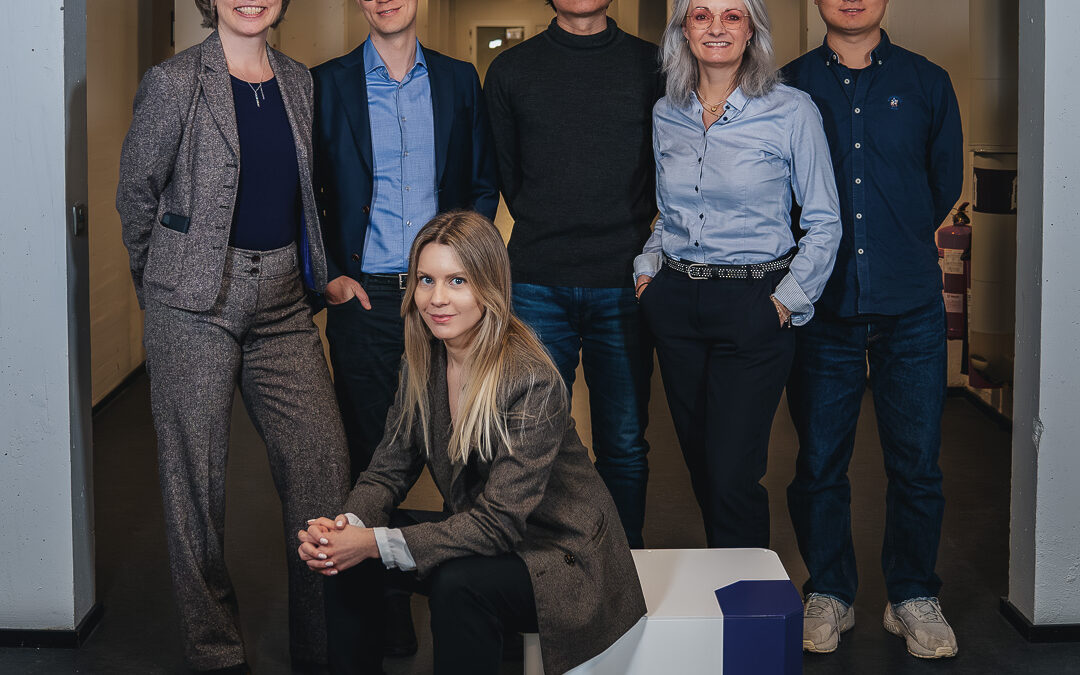
PERFI Technologies According to Anna Danielak and her colleagues, the hearing aid industry will soon have a before and after PERFI . “Following the launch of our user-friendly desktop printer, we aim to expand our solution,” she says. Anna Danielak is co-founder and...
by thomas@thomasbech.dk | Oct 31, 2024 | News
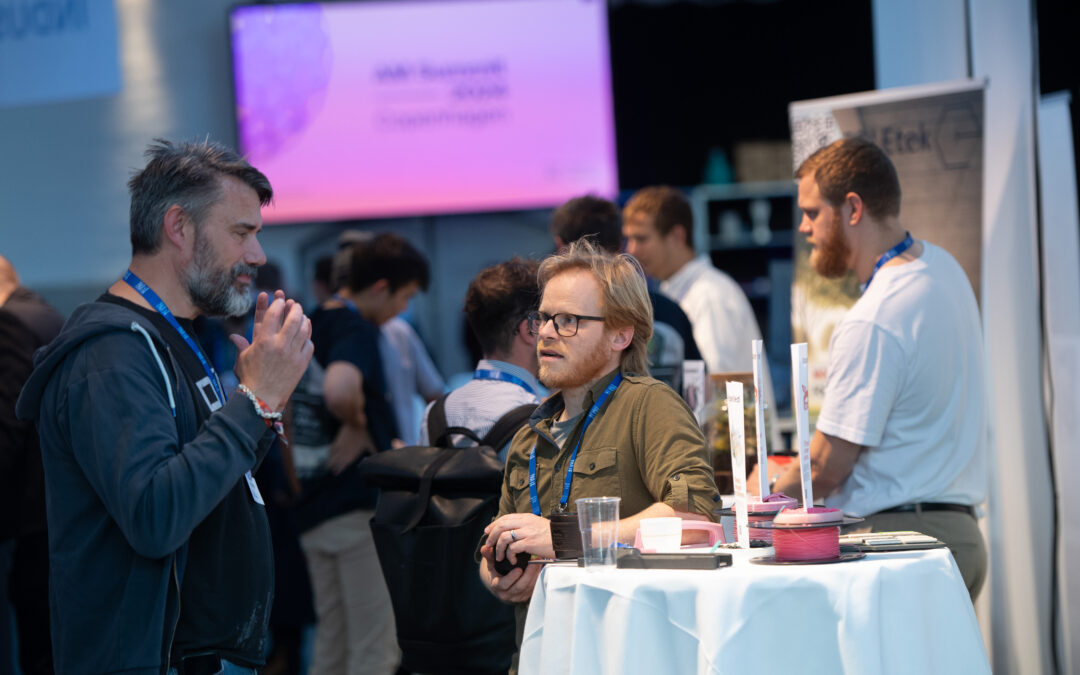
In the middle of Øksnehallen, Niels Appel stands smiling. On the tall café table in front of him are three very heavy glass bottles with blue plastic lids. Inside the bottles are not liquids, but grey metal powder, which Niels Appel, CEO of Asgaard Metals, moves...
by thomas@thomasbech.dk | Oct 30, 2024 | Events, News
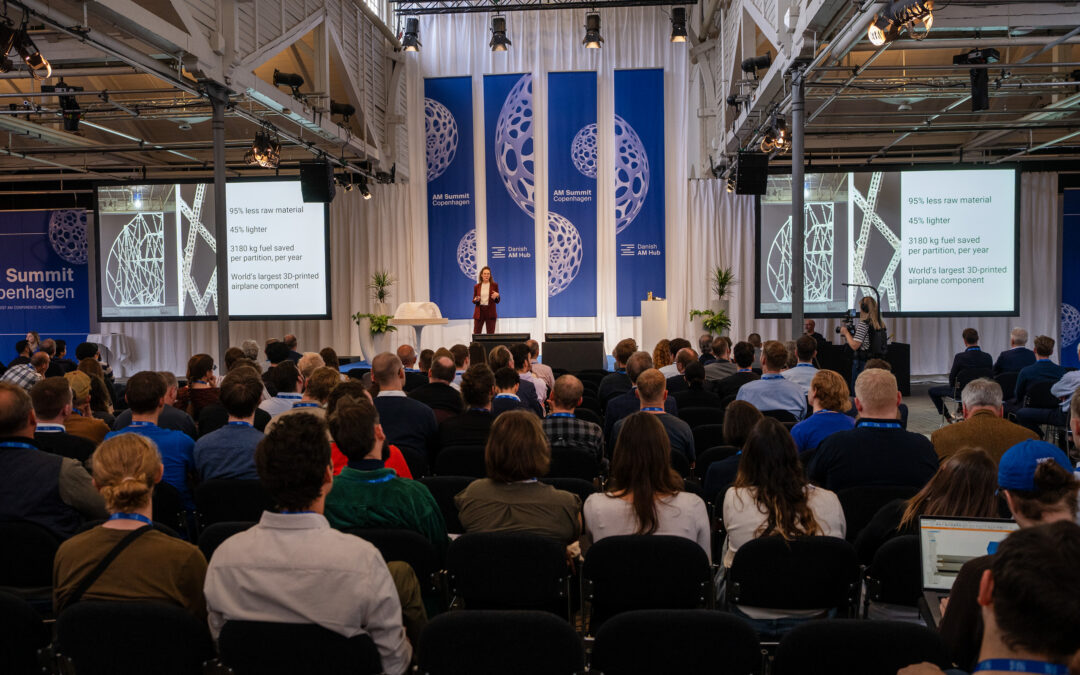
Overwhelming support-and a particular panel debate about a bicycle. Those two things made the biggest impression on CEO Frank Rosengreen Lorenzen as he looks back on the AM Summit that he and the rest of the team at Dansk AM Hub held on 24 October at Øksnehallen. 930...
by thomas@thomasbech.dk | Oct 30, 2024 | News
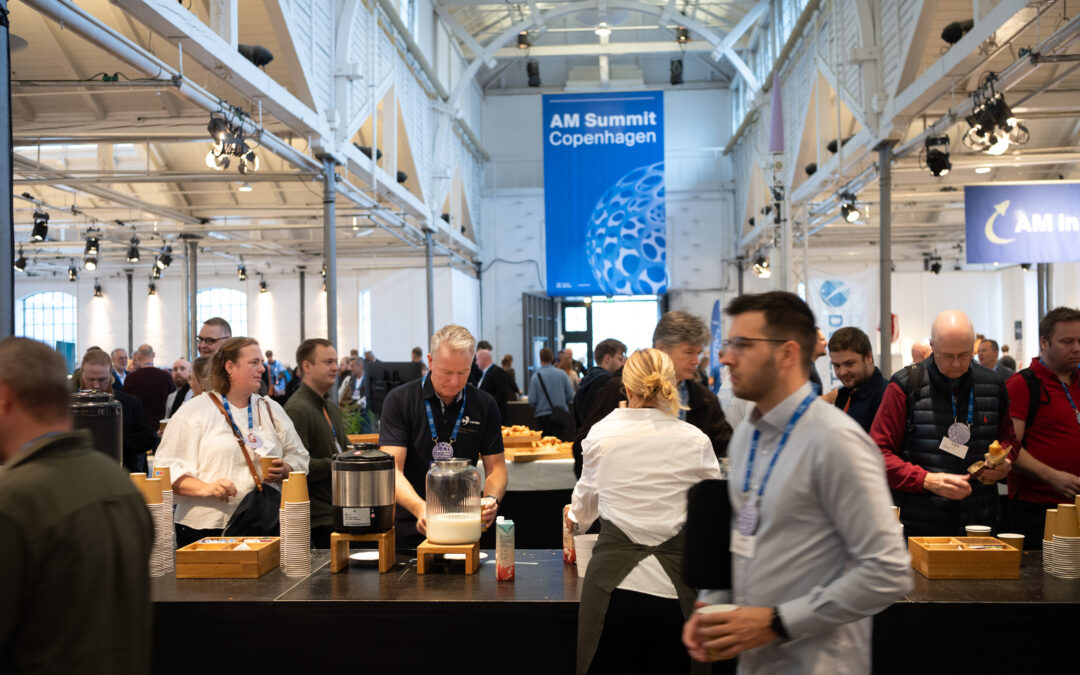
A professional family reunion celebration. That is one way to describe this year’s AM Summit, which took place on 24 October at Øksnehallen on Halmtorvet in Copenhagen. Many of the participants already knew each other-from collaborations, development projects, or as...
by thomas@thomasbech.dk | Sep 19, 2024 | News
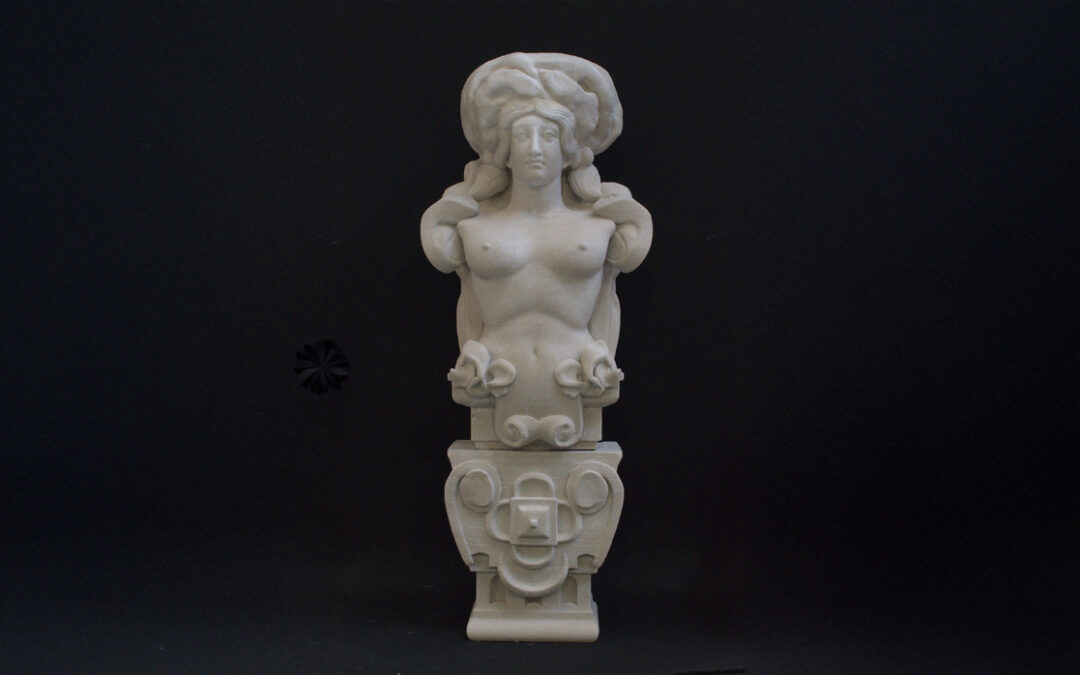
The disaster when the world-famous historic cathedral Notre Dame in Paris burned in 2019 was immense. Along with the cathedral, nearly 900 years of invaluable cultural heritage went up in flames. The cathedral became the talk of the world when the French author Victor...
by thomas@thomasbech.dk | Sep 16, 2024 | News
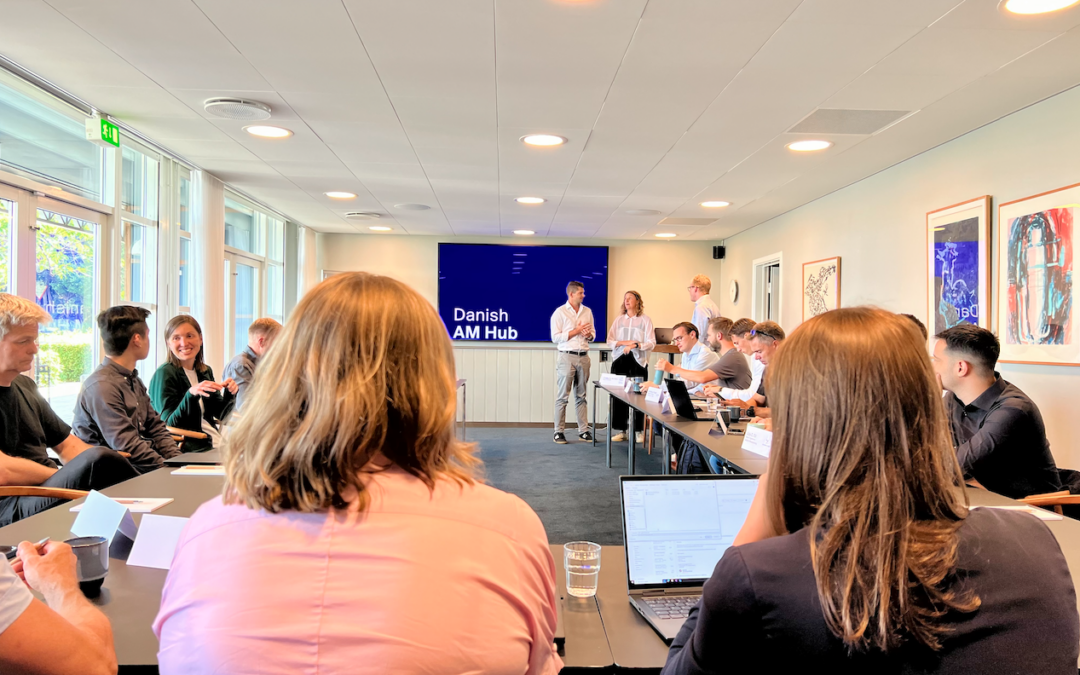
A sense of anticipation filled the air when eight leading Danish manufacturers-large and small-met in late August to test Dansk AM Hub’s new, groundbreaking CO2e calculator on products manufactured using Additive Manufacturing (AM) / industrial 3D printing. “We can...
by thomas@thomasbech.dk | Nov 28, 2023 | News
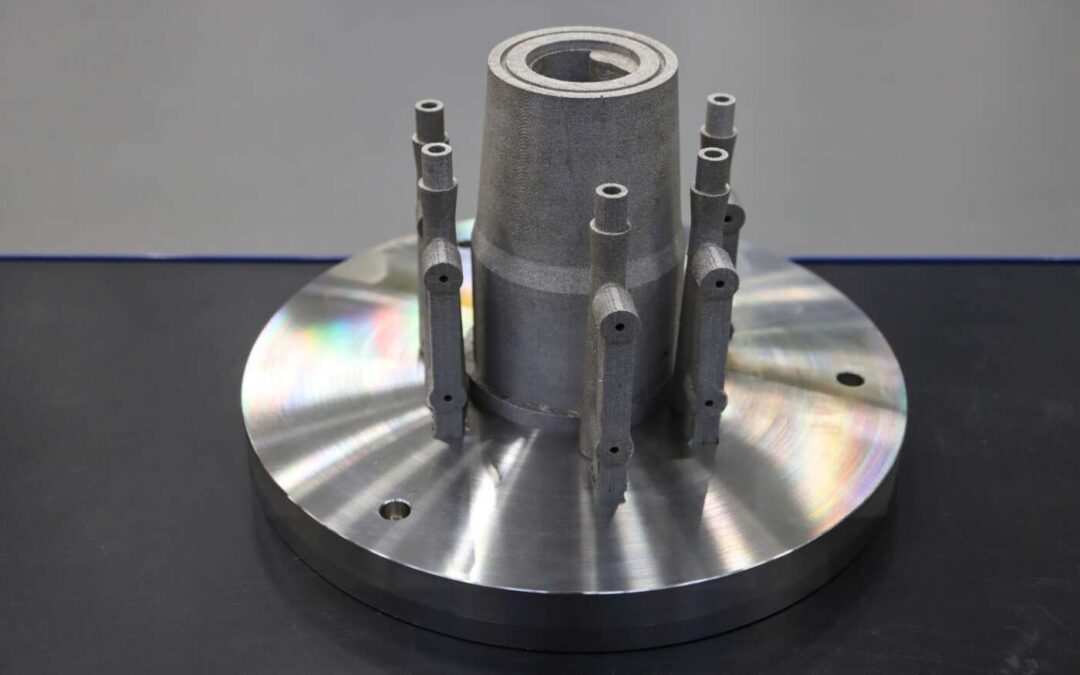
The Danish Parliament has allocated DKK 2.6 million in 2024 as a grant for establishing an AM Lab in Eastern Denmark-specifically in Frederikssund. The new training environment will give the region’s companies and young people in vocational education the opportunity...
by thomas@thomasbech.dk | Sep 29, 2023 | Events, News
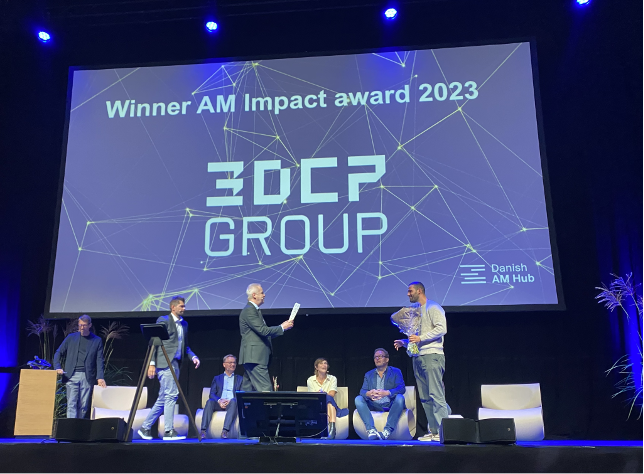
Denmark’s first additive manufacturing (3D printing) award is presented to an emerging startup that has printed a kindergarten in Ukraine. In connection with Dansk AM Summit 2023, held on 21 September at KB Hallen in Copenhagen, the entire Danish AM ecosystem and more...
by thomas@thomasbech.dk | Jun 12, 2023 | Improved Product & Functionality, News
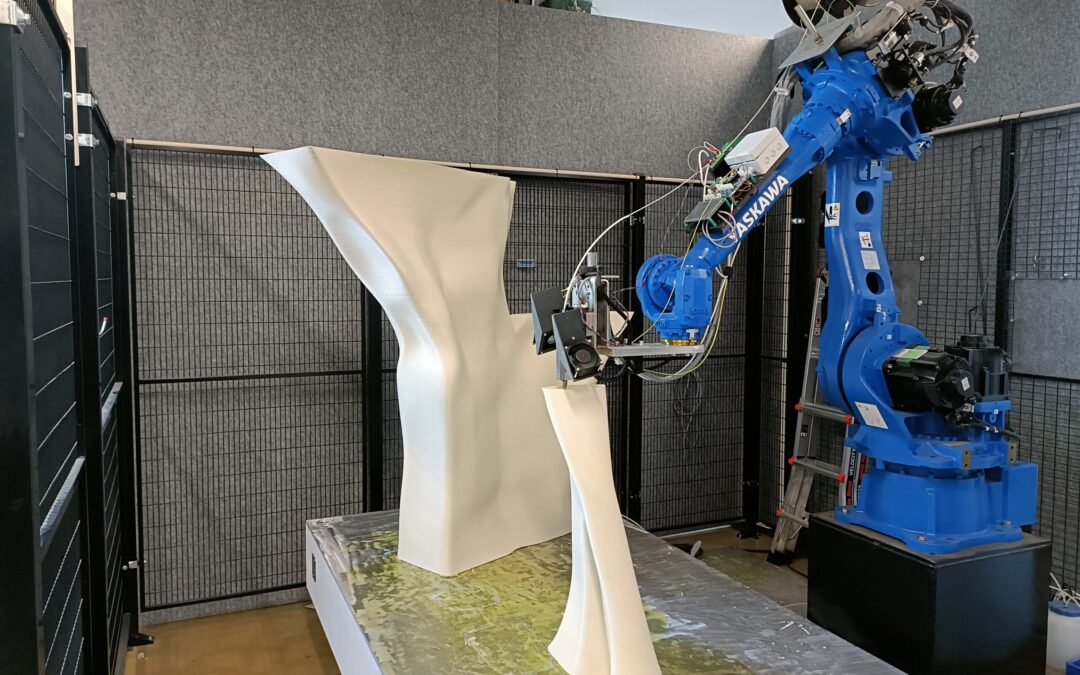
MDT A/S Meet Apex Wall – a 1:1 prototype of a wall Apex Wall was designed and 3D-printed in collaboration with MDT Flexible Products from Kolding and is a remarkable example of how topology optimisation can revolutionise the construction of 3D-printed, load-bearing...
by thomas@thomasbech.dk | Jun 9, 2023 | Events, News
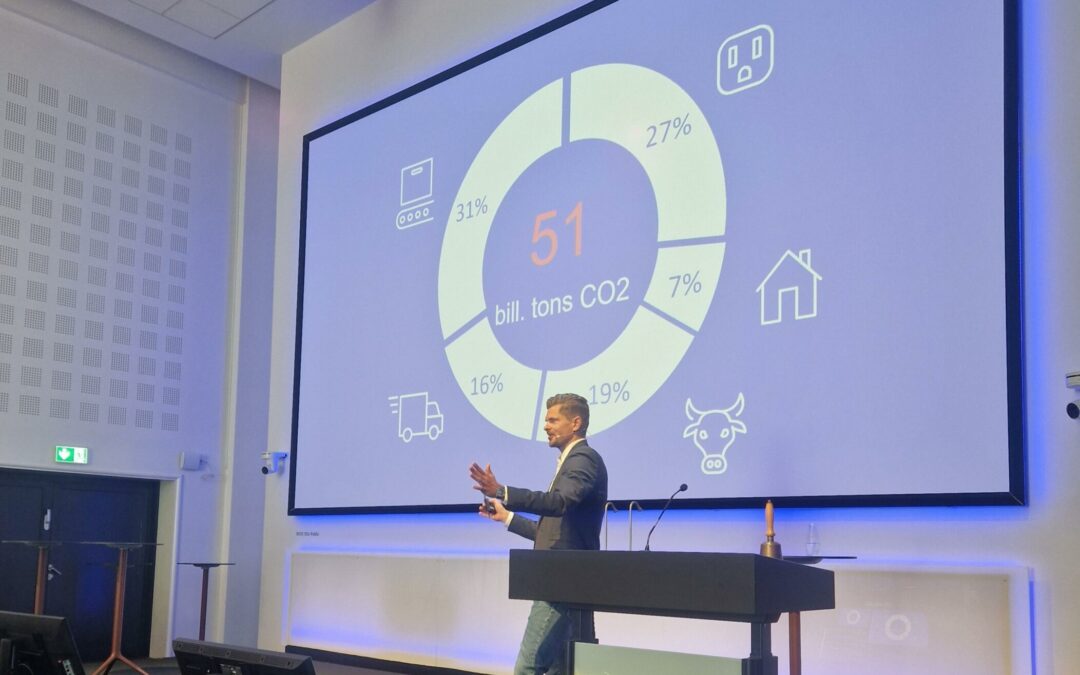
Is Additive Manufacturing the solution to our supply, security and climate crisis? Once again this year, the Danish Society of Engineers, IDA, put the spotlight on industry, manufacturing, automation and digitalisation at the conference `Industry 4.0 – The Intelligent...
by thomas@thomasbech.dk | Mar 24, 2023 | News
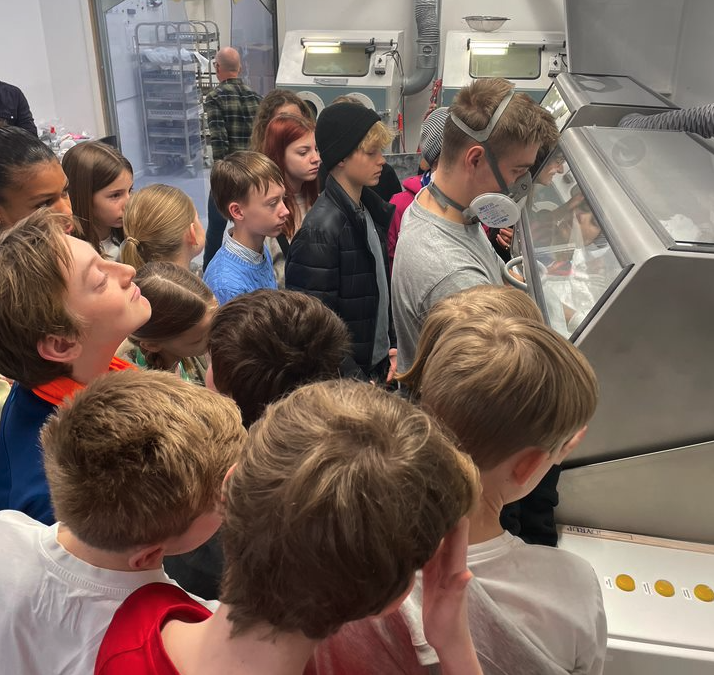
Year 6 swaps the classroom for a visit to Damvig’s 3D printing production During the visit, the pupils learned, among other things, how a company such as Prototal Damvig works with various 3D printing technologies in production, why it is a smart technology, what...
by thomas@thomasbech.dk | Mar 22, 2023 | News
Read the opinion piece at Altinget By og Bolig here. Let the technology of the future rebuild Ukraine By Frank Rosengreen Lorenzen, Director of Dansk AM Hub Denmark has made an important pledge to help rebuild Ukraine. In January, Prime Minister Mette...
by thomas@thomasbech.dk | Mar 17, 2023 | News
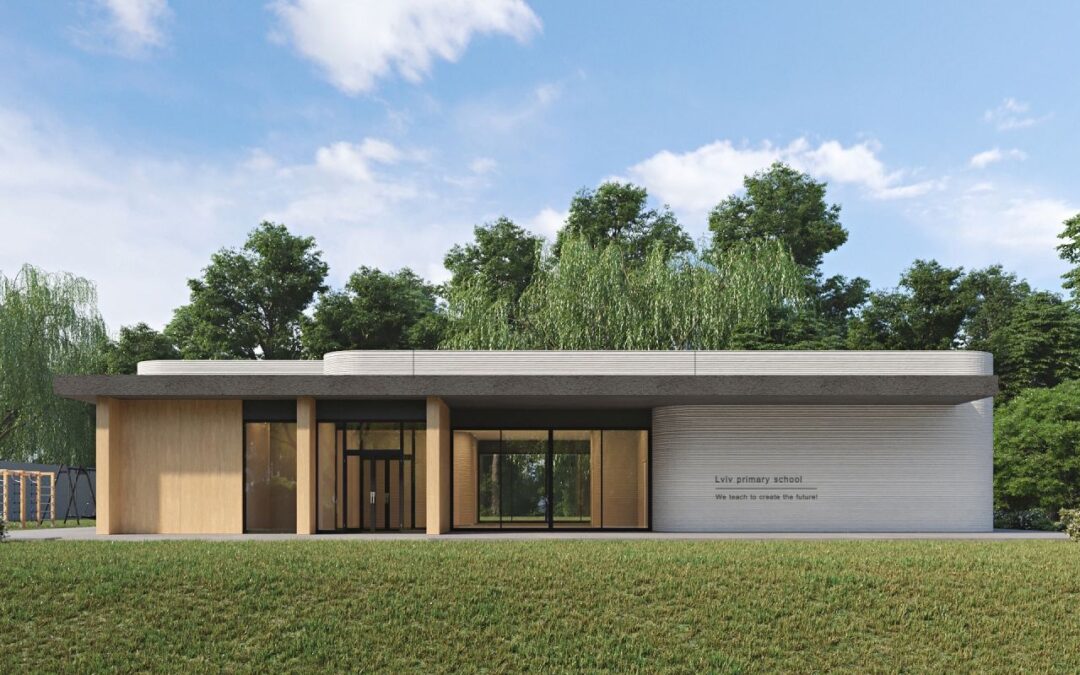
Danes rebuild Ukrainian nursery school with 3D printing Denmark has pledged to help rebuild Ukraine, and as recently as January, Prime Minister Mette Frederiksen emphasised that there is still much to be done. That is why a group of Danish engineers and architects...
by thomas@thomasbech.dk | Mar 3, 2023 | News
HI trade fair expands with the Danish Championship in 3D printing This year, the winner of the Danish Championship in 3D printing will be found at hi Tech & Industry Scandinavia in the 3D TECH area, which also features exhibitors and a conference...
by thomas@thomasbech.dk | Nov 17, 2022 | News
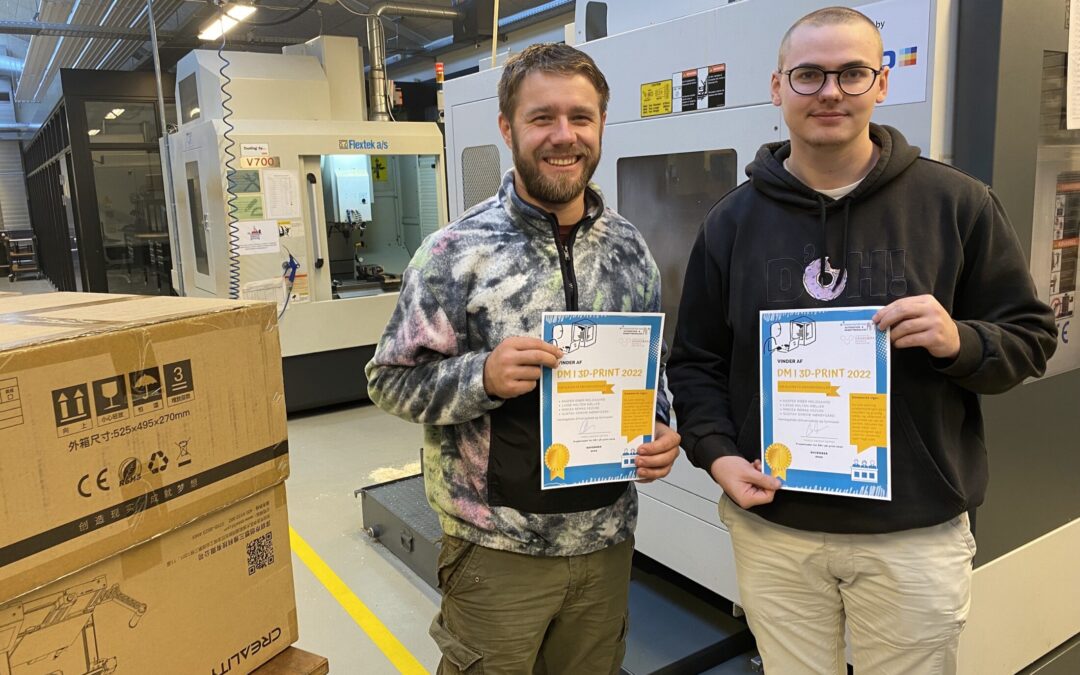
Herningsholm students win the Danish 3D Printing Championship again A team of four students from Herningsholm Vocational School and Gymnasiums came out on top when a winner was to be found in the nationwide competition, the Danish 3D Printing Championship for...
by thomas@thomasbech.dk | Oct 27, 2022 | News
The next generation is considering 3D printing as a career Seven out of 10 students were inspired to consider 3D printing as part of their career-a positive trend for the future of Danish manufacturing companies. In September and October 2022, nearly 300 students with...
by thomas@thomasbech.dk | Oct 12, 2022 | News
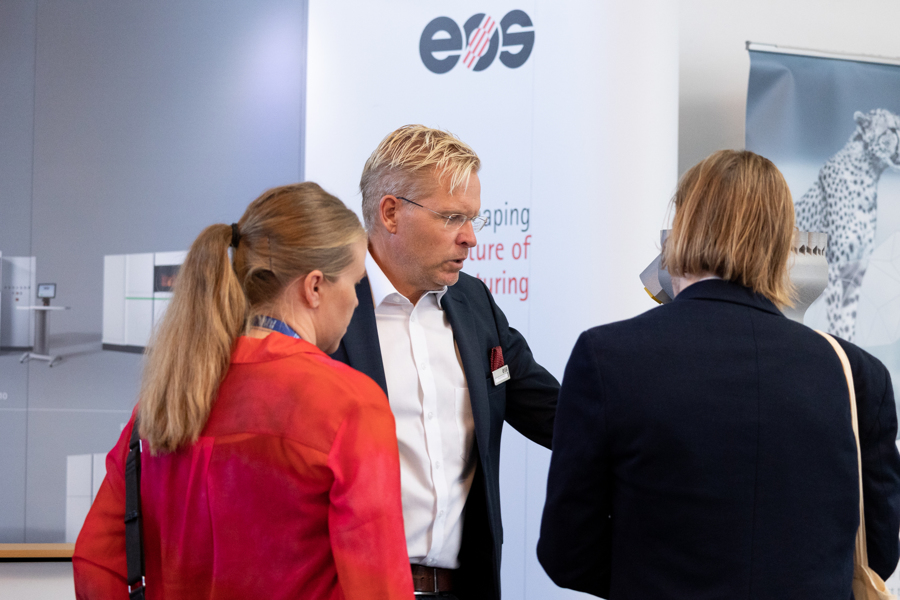
See pictures from this year’s exhibitors Carmo Formlabs Arburg EOS Protech PLM Group Create it REAL Prototal Damvig J. Krebs & Co. Materialise 3DVerkstan Royal Danish Academy 3D Prima TECCLUSTER WOHN Lostboylab Maker MTD Flexible Products 3DStep Amexci SDU...
by thomas@thomasbech.dk | Oct 11, 2022 | News
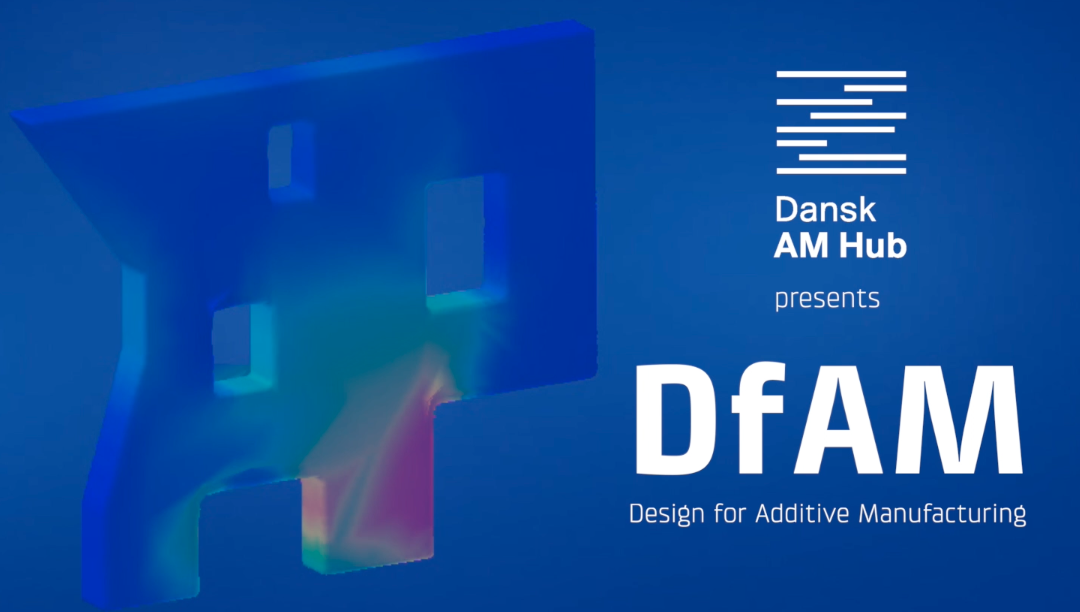
3D-printed designs put companies’ products on a diet During 2022, 15 Danish companies worked on redesigning a product or component using 3D printing through Dansk AM Hub’s innovation programme: Design for Additive Manufacturing (DfAM). Of these, 11 companies had a...
by thomas@thomasbech.dk | Oct 6, 2022 | News
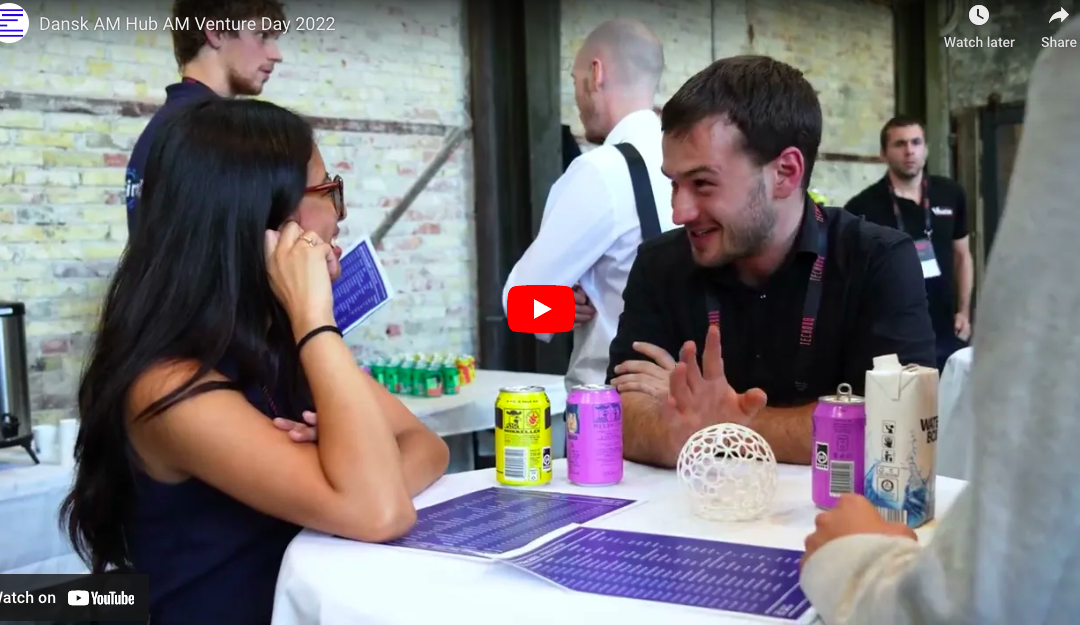
Strong interest in this year’s AM Venture Day On Thursday, 15 September, Dansk AM Hub, in collaboration with AM Ventures and Hello Tomorrow, held its annual AM Venture Day-an event where we bring together the most innovative startups in 3D printing/AM and match...
by thomas@thomasbech.dk | Oct 5, 2022 | News
Every other company continues using AM technology after a 3D printing hybrid programme Once companies have experienced the significant opportunities of hybrid manufacturing with 3D printing, many continue to explore its potential. After the third round of Dansk...
by thomas@thomasbech.dk | Oct 4, 2022 | News
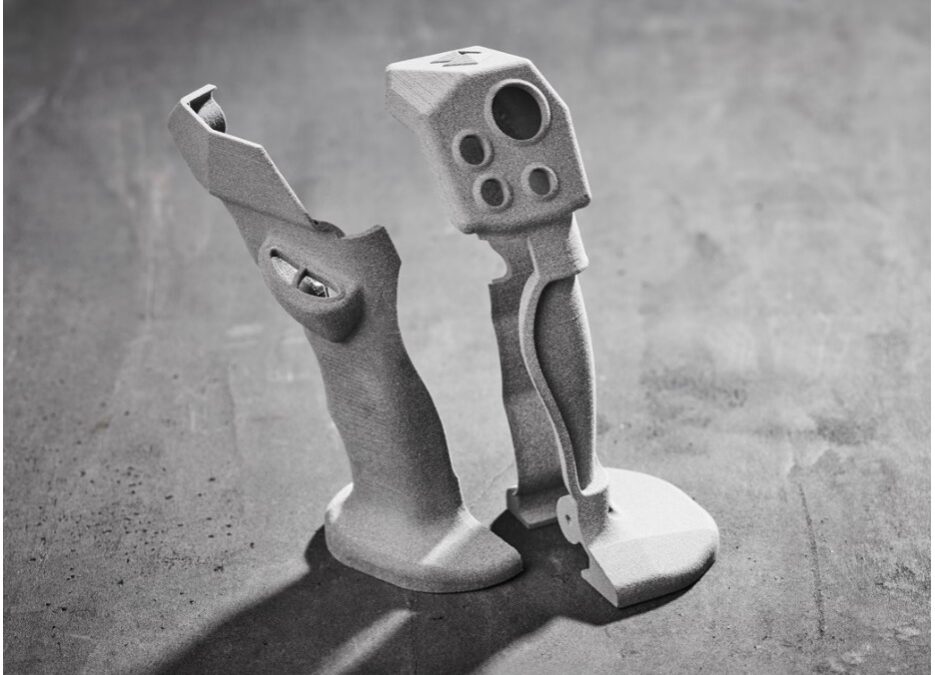
Maker programme inspires companies to adopt optimised design and production methods In 2022, Dansk AM Hub guided companies through a new project for the first time: the Maker programme. Here, four companies focused on optimising design strategies using additive...
by thomas@thomasbech.dk | Oct 4, 2022 | News
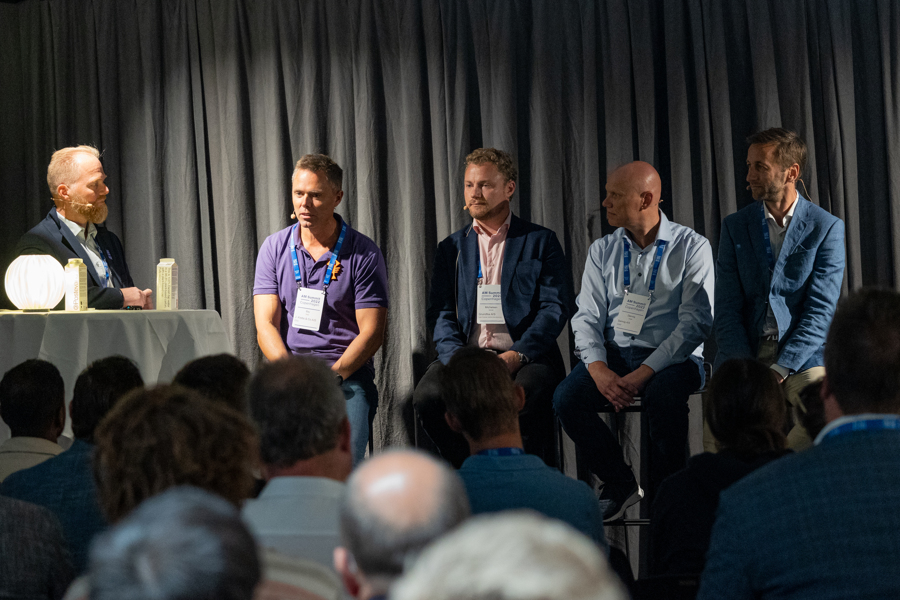
Learn from Danish AM Experts The session brought together four of Denmark’s leading frontrunners in 3D printing to share their insights into what is happening in the Danish AM landscape now and in the near future. The panel experts shared their perspectives on...
by thomas@thomasbech.dk | Oct 4, 2022 | News
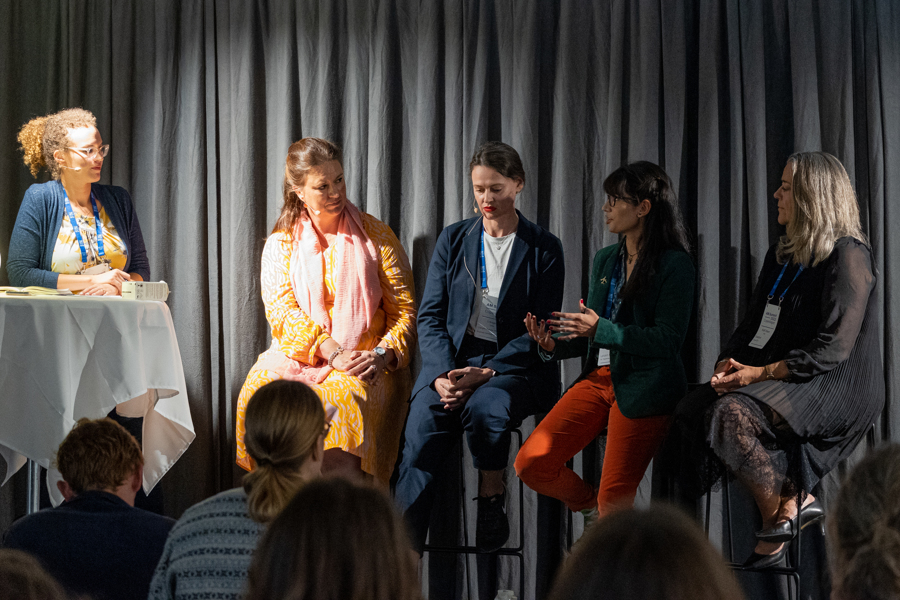
Women in 3D Printing The breakout session titled ‘Women in 3D Printing’ addressed the challenges and opportunities that sustainability offers to additive manufacturing users and innovators. As reflected in the session title, there was also a focus on the experience of...
by thomas@thomasbech.dk | Sep 29, 2022 | News
AM Summit 2022: The Movie 450 visitors – 44 speakers – 45 exhibitors! The fourth time was definitely the charm for AM Summit 2022. This year set another attendance record, with just over a 25% increase compared to 2021, and the highest attendance to date. On...
by thomas@thomasbech.dk | Sep 27, 2022 | News
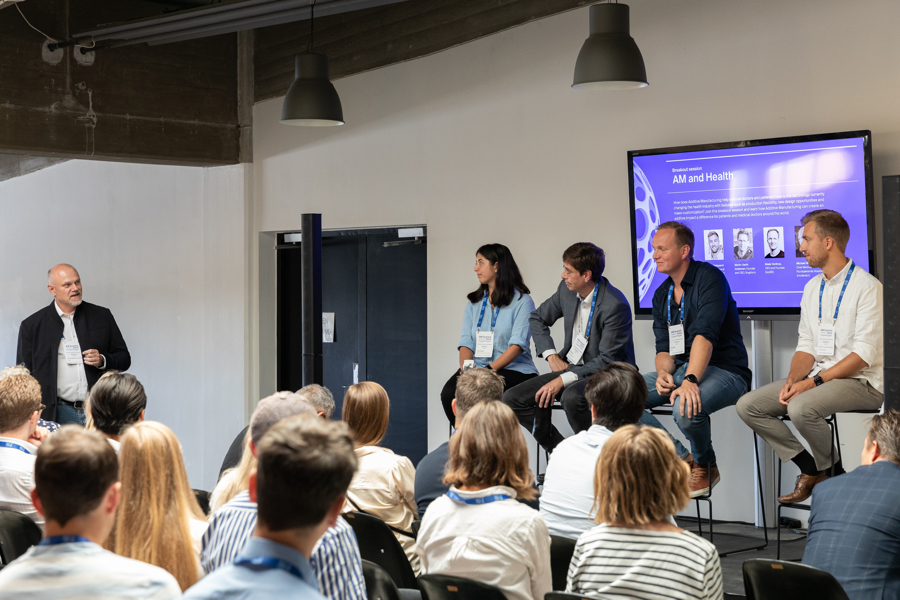
AM & Health AM Summit 2022 breakout session: The breakout session on Additive Manufacturing in the healthcare sector focused on how the technology can help doctors and patients, and how 3D printing can explore new design opportunities, enable mass customisation,...
by thomas@thomasbech.dk | Sep 27, 2022 | News
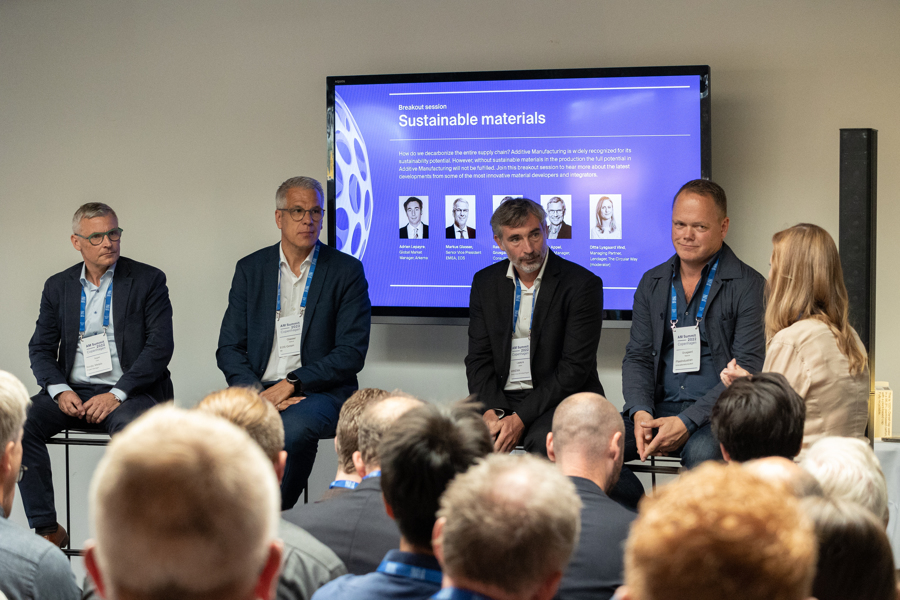
Sustainable Materials The AM Summit 2022 breakout session on Sustainable Materials focused on how we can decarbonize the supply chain by choosing and developing more sustainable materials. Additive Manufacturing is widely recognized for offering a range of...
by thomas@thomasbech.dk | Sep 14, 2022 | Events, News
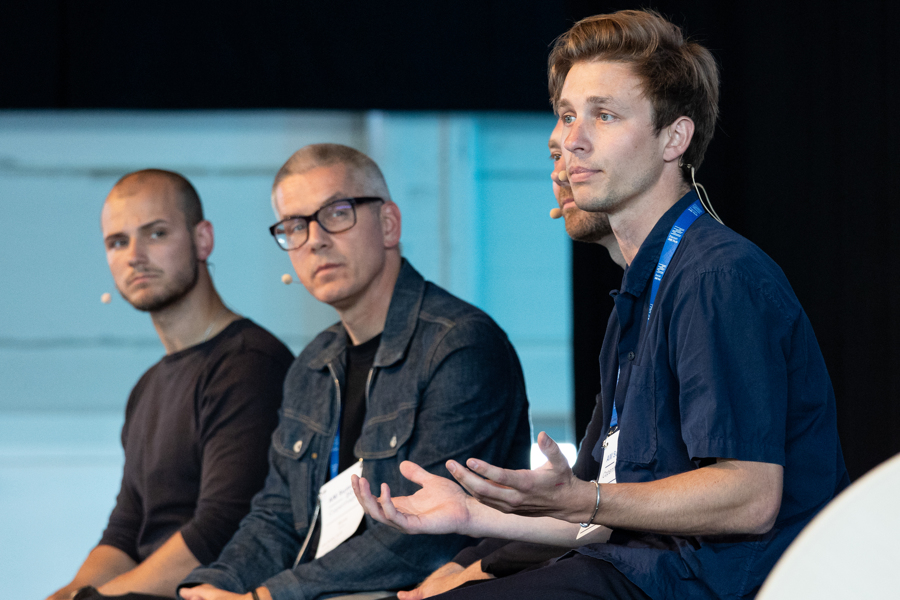
Changing Paradigms The AM Summit breakout session “3D Printing Sustainable Cities” focused on how additive manufacturing technologies can help build the sustainable cities of the future. 3D printing houses, systems, and components can help create more affordable...
by thomas@thomasbech.dk | Sep 14, 2022 | News
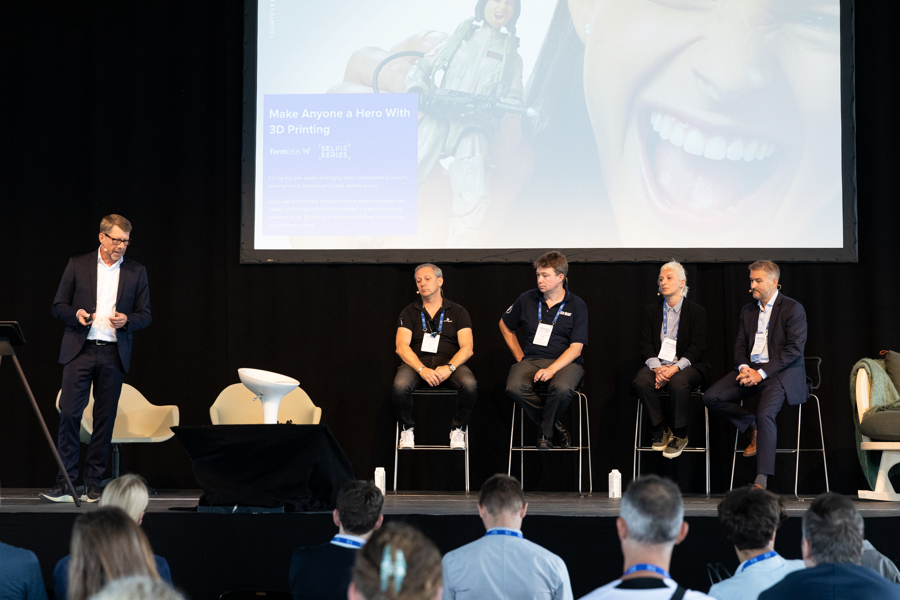
Changing Paradigms The AM Summit 2022 breakout session “Changing Paradigms” focused on how Additive Manufacturing has impacted-and will continue to impact-different manufacturing industries. The session brought together industry leaders using AM as an industry...
by thomas@thomasbech.dk | Sep 14, 2022 | News
AM Summit 2022: See photos of this year’s speakers Frank Rosengreen Lorenzen CEO, Danish AM Hub Melissa Orme Vice President of Boeing Additive Manufacturing, The Boeing Company Session: Generative Design * Introduction to Generative Design by Tim Frank Andersen, CEO...
by thomas@thomasbech.dk | Sep 13, 2022 | News
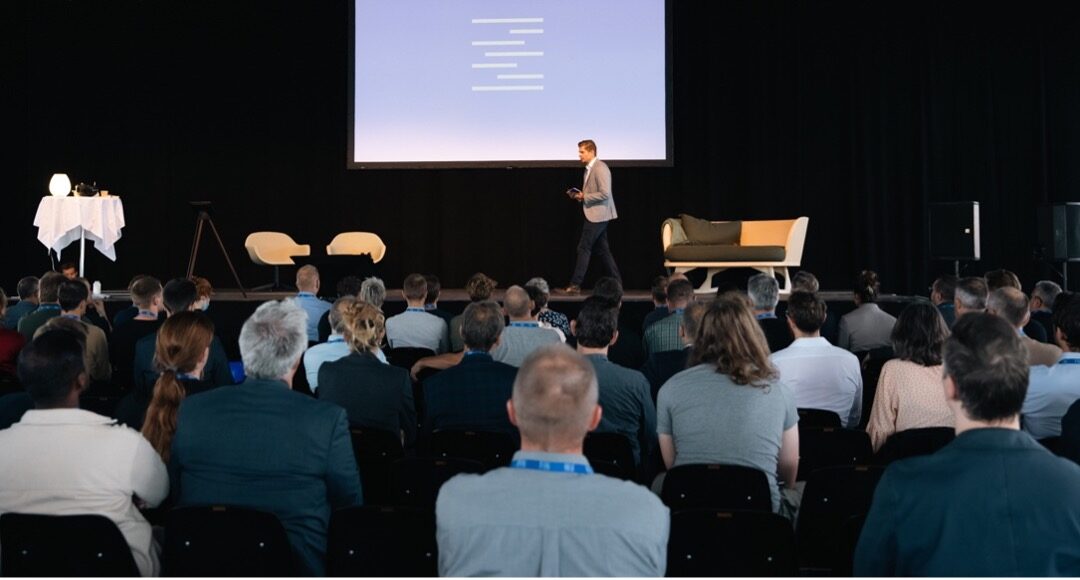
More people than ever gather for sustainable 3D printing conference The fourth time was definitely the charm for AM Summit 2022. This year set another attendance record with almost 450 visitors-an increase of just over 25% compared to 2021 and the highest attendance...
by thomas@thomasbech.dk | Sep 13, 2022 | News
More people than ever gather for a green 3D printing conference The fourth time is certainly just as lucky for AM Summit 2022, which once again set a record this year with nearly 450 visitors-an increase of just over 25% compared with 2021 and the highest number of...
by thomas@thomasbech.dk | Aug 4, 2022 | News
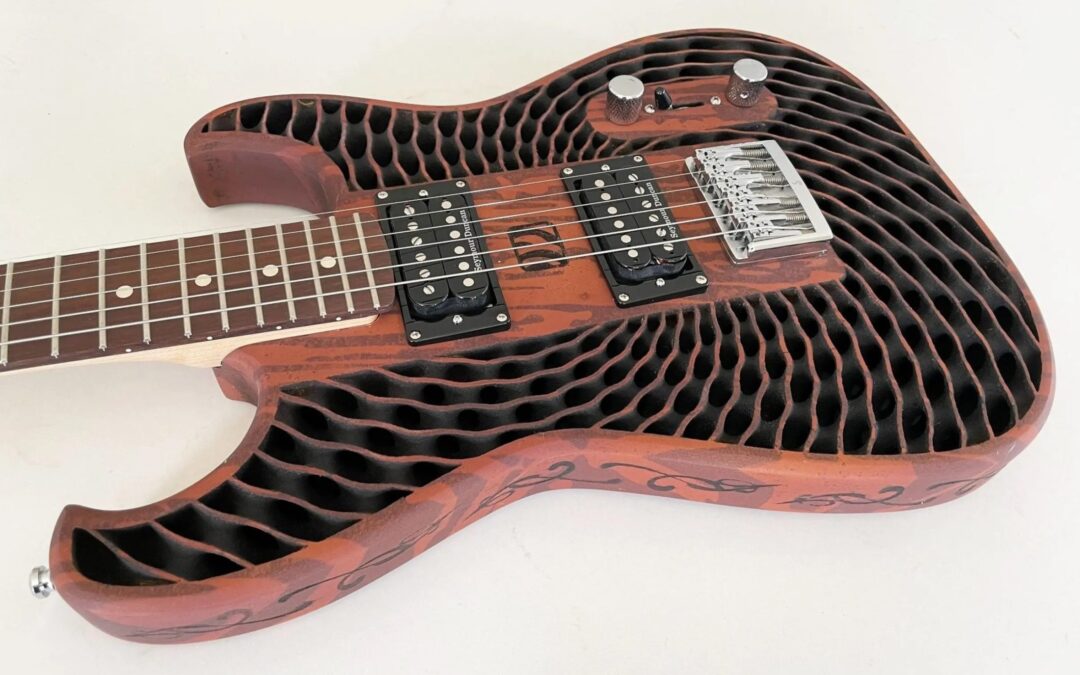
Live from AM Summit 2022: Guns N’ Roses rocks on a 3D-printed guitar You have probably never considered what rock music would sound like on a guitar that is 3D-printed from recycled sawdust. But if you are even the slightest bit curious or interested, Dansk AM Hub...
by thomas@thomasbech.dk | Jun 29, 2022 | News
Students and companies are already lining up for a new 3D printing programme The bell has barely rung for the first lesson of the country’s first higher education programme in industrial 3D printing before interested companies and students are ready to explore...
by thomas@thomasbech.dk | Jun 14, 2022 | News
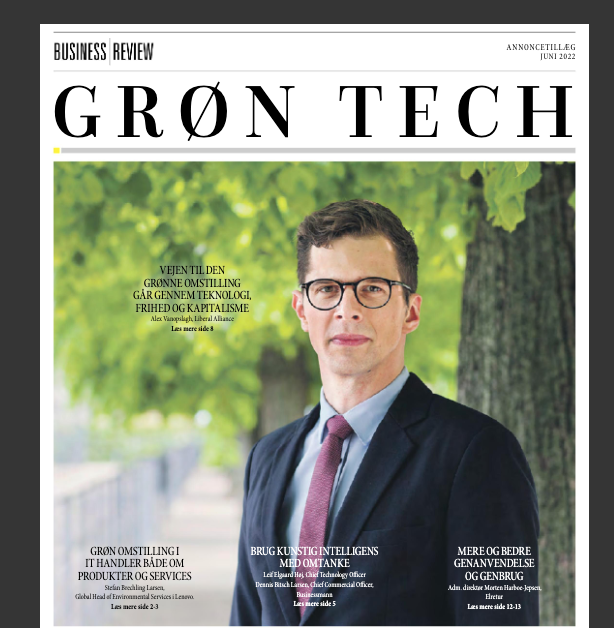
Green Tech supplement: How 3D printing can help keep Danish manufacturing in the green lead Soon, the Tour de France will roll through our green landscapes, and of course we are all hoping for a yellow leader’s jersey-but we are also focused on how we can help Danish...
by thomas@thomasbech.dk | Jun 13, 2022 | News
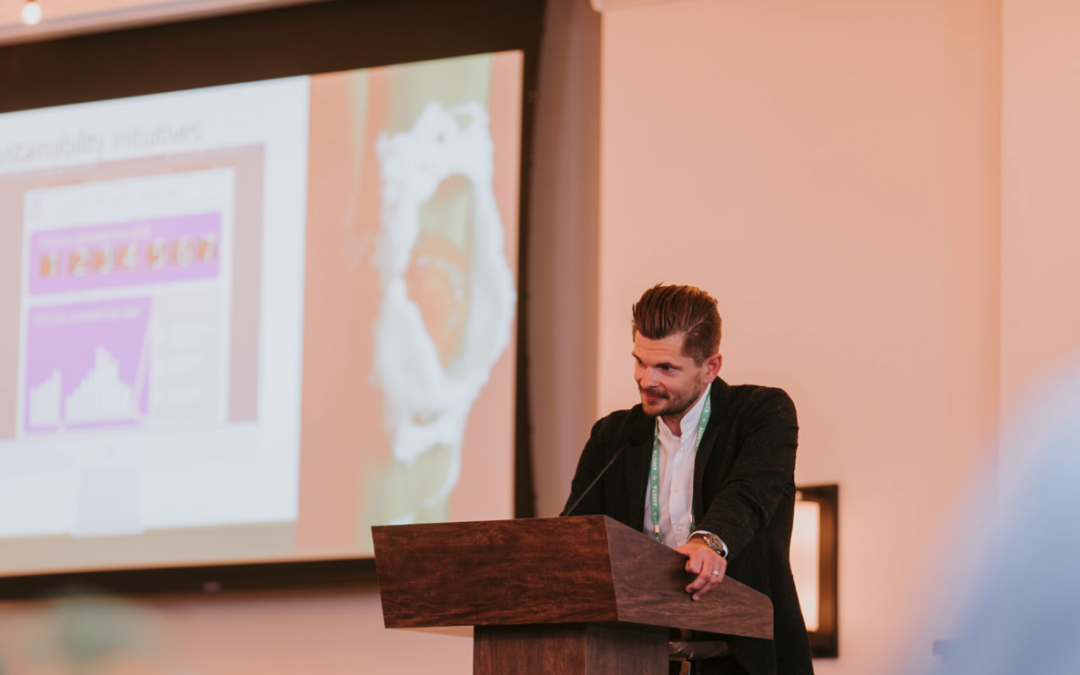
Dansk AM Hub speaks on sustainable Danish manufacturing at the AMGTA Summit How do we use Additive Manufacturing to develop, design, and produce the green products of the future? This was the question posed by the CEO of Dansk AM Hub, Frank Rosengreen Lorenzen, at the...
by thomas@thomasbech.dk | Jun 2, 2022 | News
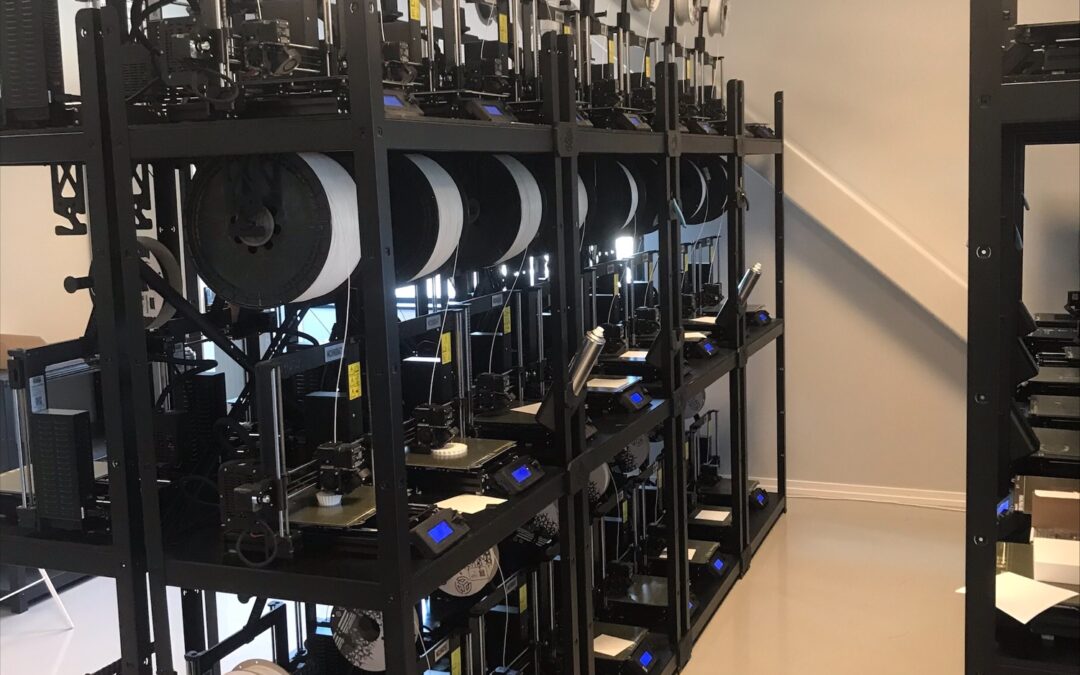
AM Summit marked the start of a new, strong collaboration At AM Summit 2021, the more than 350 participants interested in 3D printing had ample opportunity to network and inspire one another-and this was particularly seized upon by two of Dansk AM Hub’s...
by thomas@thomasbech.dk | May 12, 2022 | News
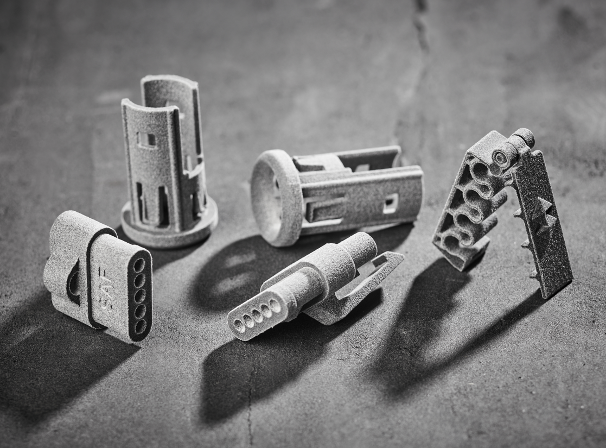
Prototal Damvig introduces new 3D printing technology to Denmark As the first in Denmark-and with the first machine in Europe-Prototal Damvig is expanding its production technology with SAF technology. It is a new 3D printing technology that enables faster...
by thomas@thomasbech.dk | Apr 29, 2022 | News
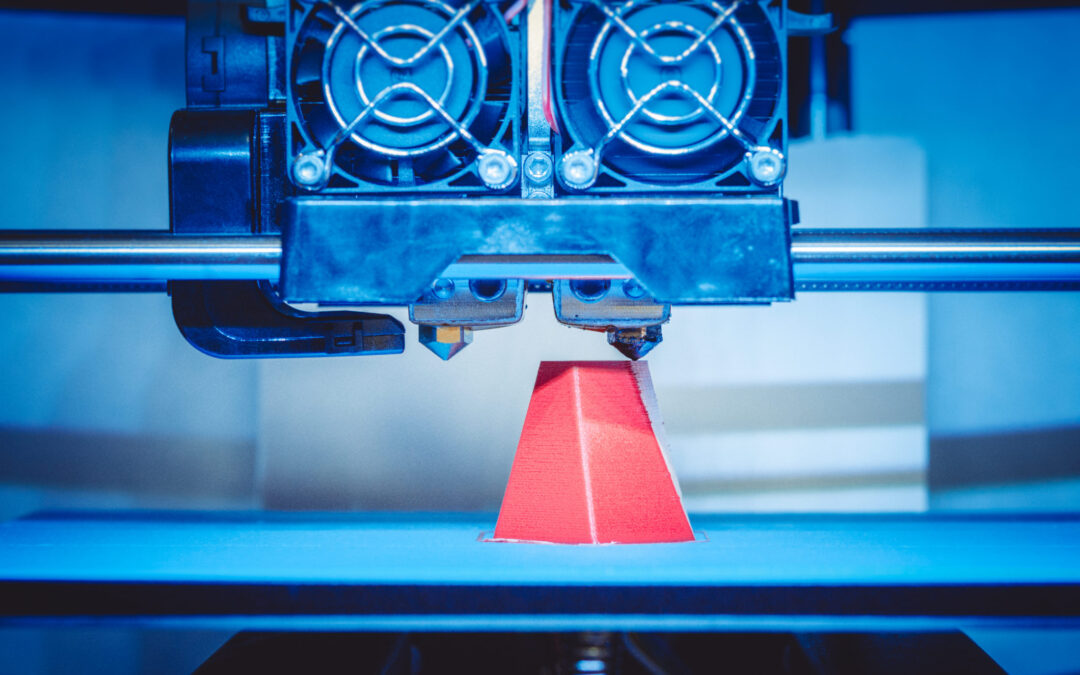
McKinsey: The AM sector has grown into a €13.4 billion industry with an annual growth rate of 22%, with the medical device industry leading the way An article from McKinsey & Company states that an analysis of the AM sector showed that in 2020 it had grown into a...
by thomas@thomasbech.dk | Apr 5, 2022 | News
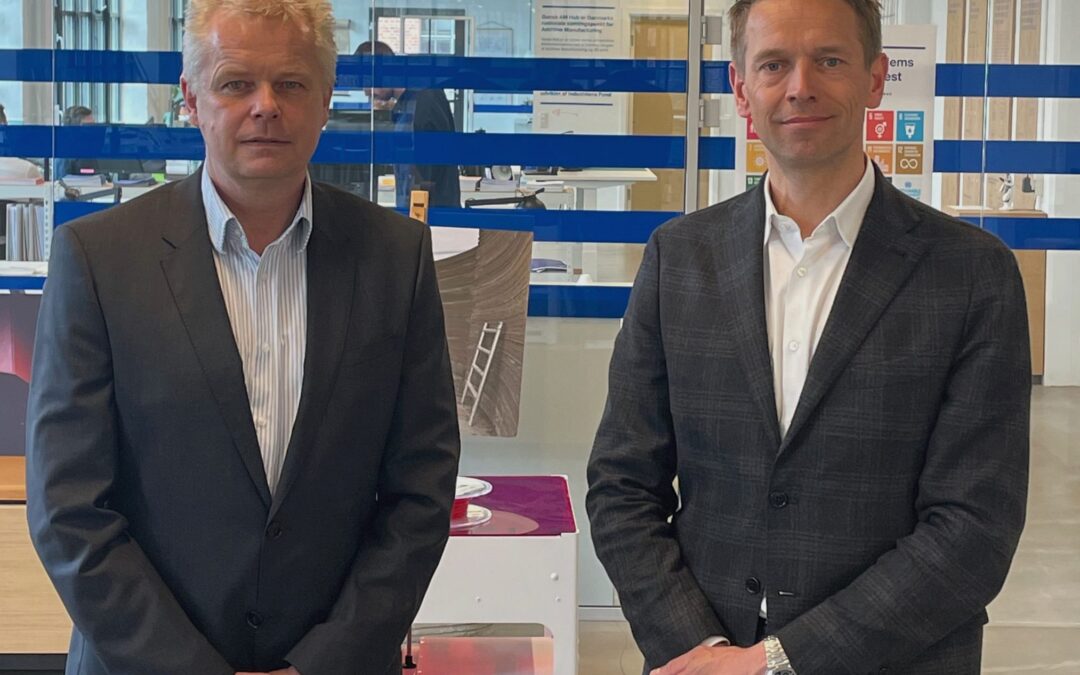
Dansk AM Hub appoints a new Chair of the Board Dansk AM Hub appoints a new Chair of the Board as 56-year-old Poul Skadhede takes up the position on 1 April 2022. Dansk AM Hub works to strengthen the competitiveness of Danish industry by promoting the use of Additive...
by thomas@thomasbech.dk | Mar 25, 2022 | News
More and more Danish manufacturing companies are using AM technology 3D printing has never been used as extensively as in 2021, when several Danish manufacturing companies combined printing technology with the use of green power and, in particular, experienced the...
by thomas@thomasbech.dk | Mar 24, 2022 | News
More manufacturing companies are using AM technology 3D printing reached unprecedented levels in 2021, as more Danish manufacturing companies powered their printing technology with green electricity and, in particular, experienced the technology’s sustainable...
by thomas@thomasbech.dk | Mar 10, 2022 | News
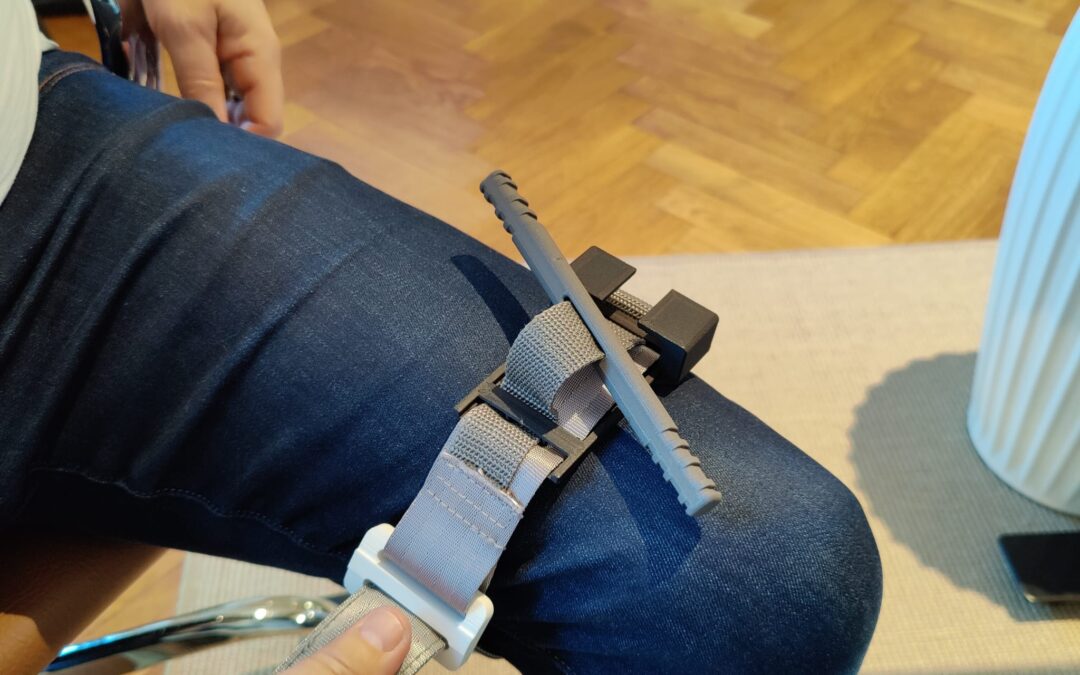
Danes 3D-print tourniquets for the wounded in Ukraine The Ukrainian military has an urgent need for help in the form of tourniquets for both wounded soldiers and civilians – and therefore the Danish 3D-printing community is now coming together to produce and...
by thomas@thomasbech.dk | Feb 4, 2022 | News
Danish companies seize the free opportunity to work with 3D printing With the 3DP Try-Out programme, Dansk AM Hub and Center for Industri have continued their collaboration to give Danish companies the opportunity to borrow and test a 3D printer for one month, with...
by thomas@thomasbech.dk | Jan 10, 2022 | News
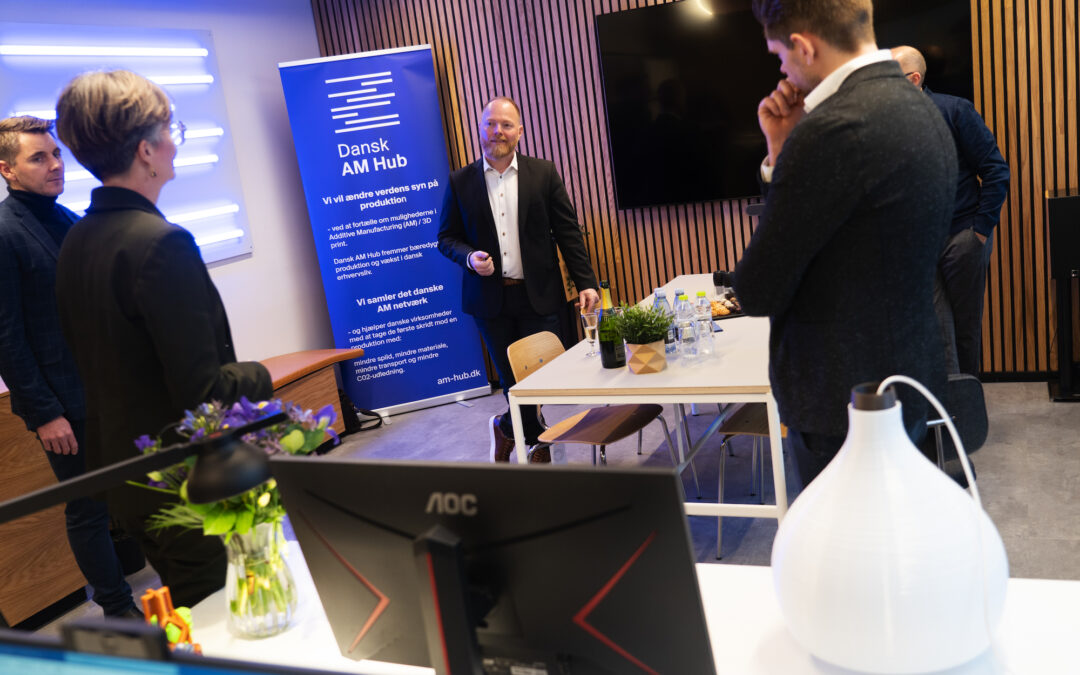
Mayor Dorte West visits the new Dansk AM Hub at Herningsholm Vocational School & Upper Secondary Schools. Dansk AM Hub opens AM hotspot in Jutland Ready, set, 3D print. In January 2022, Dansk AM Hub can finally open its new office in Jutland, from where...
by thomas@thomasbech.dk | Nov 18, 2021 | News
The winners of the nationwide 3D printing competition have now been announced On Wednesday, 17 November, the winners of a nationwide 3D printing competition for vocational school students were announced. The project was launched by the Knowledge Centre for Crafts,...
by thomas@thomasbech.dk | Nov 10, 2021 | News
Denmark gets its first 3D printing programme In the future, dusty books will be replaced by new and groundbreaking technology-more specifically AM and 3D printing technology. IBA (International Business Academy) in Kolding has, as the first educational...
by thomas@thomasbech.dk | Oct 28, 2021 | News
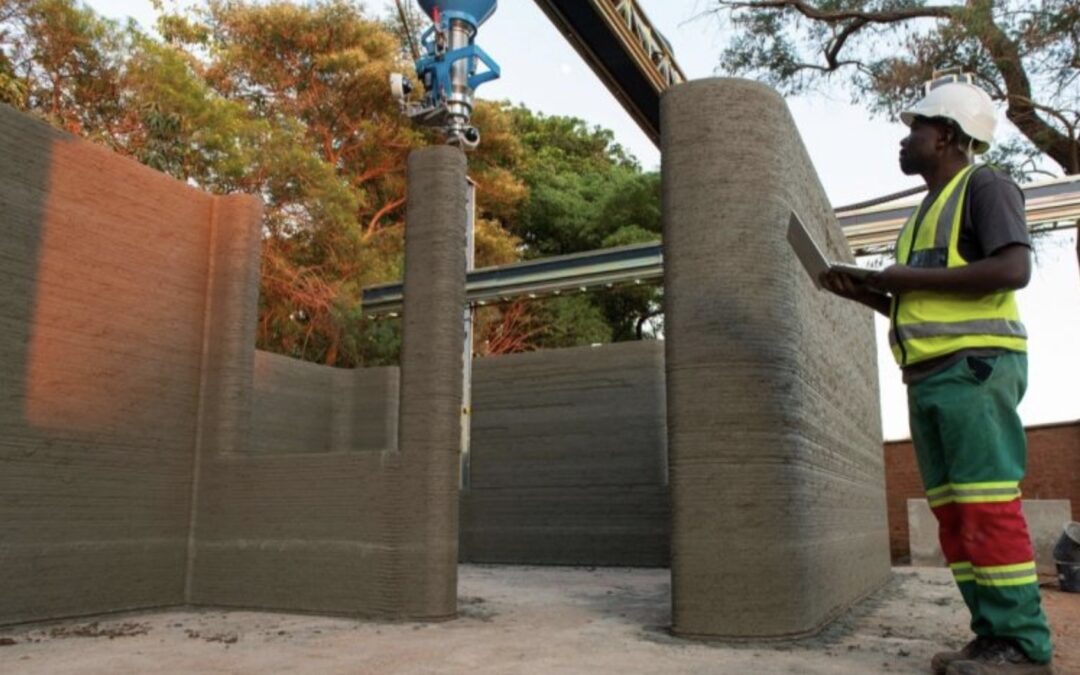
Danish AM technology is printing houses in Africa more sustainably Read the original article here. Denmark’s COBOD International has now 3D-printed the first house in Africa-specifically in Malawi. This is taking place in collaboration with 14Trees, which...
by thomas@thomasbech.dk | Sep 2, 2021 | News
See pictures from this year’s exhibitors EOS Protech + Stratasys PLM + HP Create it Real Prototal Damvig J. Krebs & Co. + Carmo Addifab Nordbo Robotics Arburg Tons.Bike Particle3D Zoles ATLANT3D NANOSYSTEMS Accura 3DVarius 3DVerkstan KADK Massivit3D PostProcess...
by thomas@thomasbech.dk | Sep 2, 2021 | Events, News
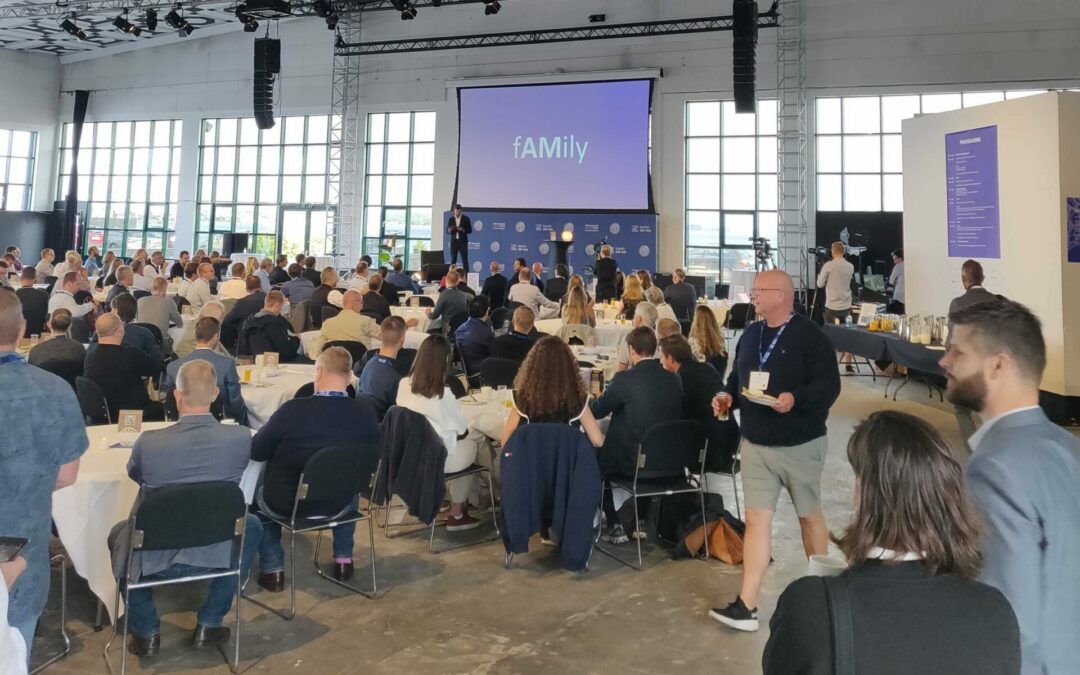
350 participants. 30 speakers. 40 exhibitors. In August 2021, Danish AM Hub held the annual AM Summit – Scandinavia’s biggest Additive Manufacturing conference – for the third time. And this year’s AM Summit set a record with the greatest support, both in terms...
by thomas@thomasbech.dk | Jun 16, 2021 | Business, News
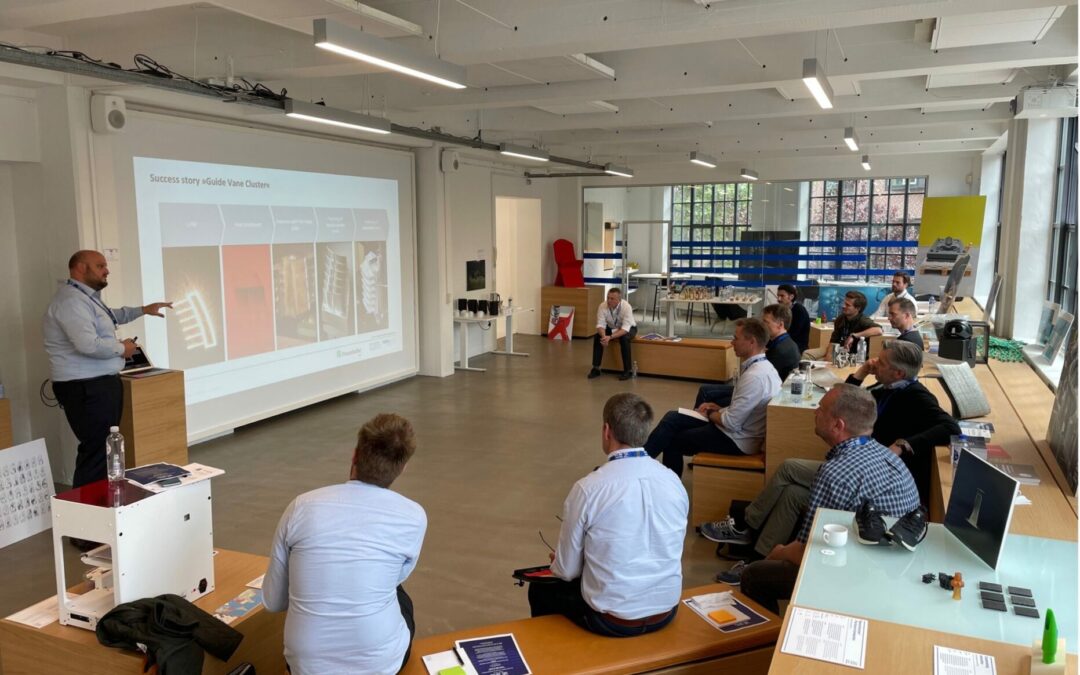
Our first Additive Manufacturing Roundtable – and what a success! Our Roundtable session focuses on AM in production – and the first kick-off workshop was about opportunities with soft tooling using Additive Manufacturing. We had the pleasure of bringing...
by thomas@thomasbech.dk | May 19, 2021 | Business, News
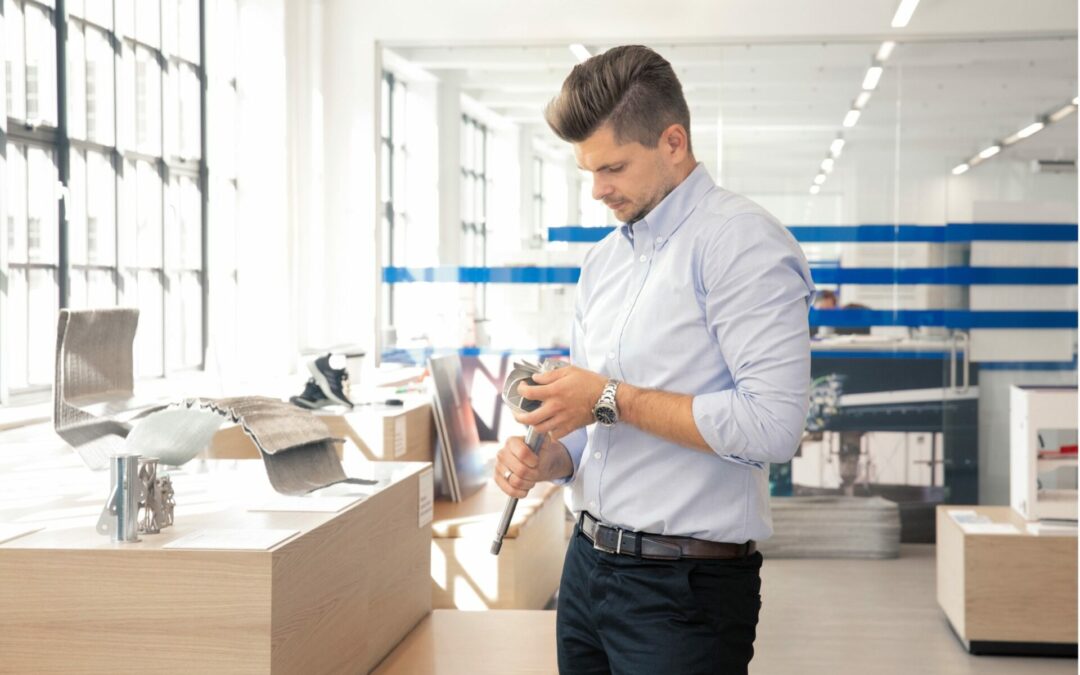
The Danish Industry Foundation is now further accelerating the adoption of industrial 3D printing through a reinvestment in Dansk AM Hub, which works to promote Additive Manufacturing (AM) among Danish manufacturing companies and, over the next four years, will make...
by thomas@thomasbech.dk | May 19, 2021 | Business, News
Something is 3D printed in the Kingdom of Denmark In 1600, William Shakespeare focused on Denmark when writing Hamlet, widely considered one of the most powerful and influential works of world literature. Today, additive manufacturing technology providers and...
by thomas@thomasbech.dk | Apr 28, 2021 | News
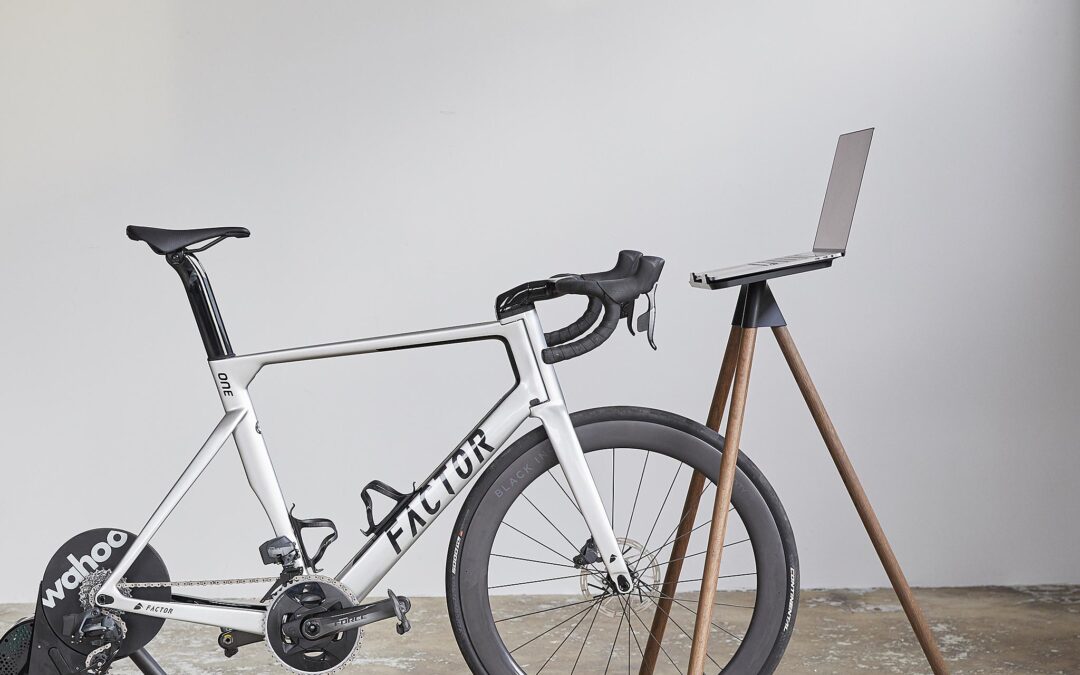
Manufacturing with Additive Manufacturing (AM) makes Danish manufacturing companies less dependent on foreign supplies and strengthens Denmark’s competitiveness. This will benefit companies’ competitiveness and make them more resilient to both future health crises and...
by thomas@thomasbech.dk | Apr 28, 2021 | News
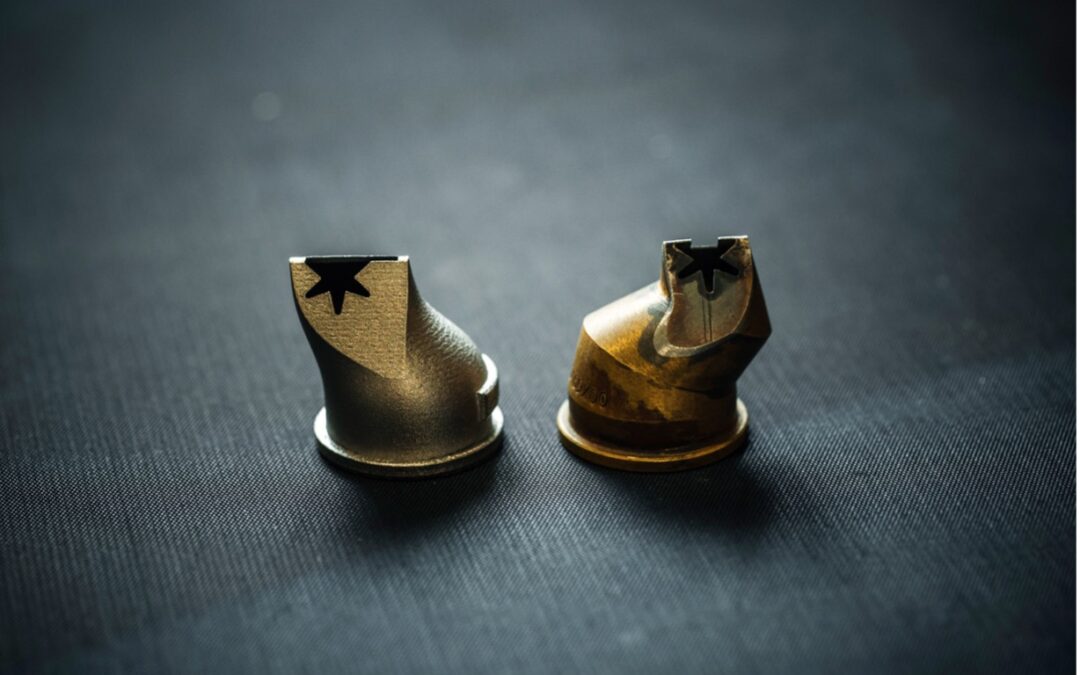
Additive Manufacturing (AM) in metal opens up many new opportunities for industrial production, where parts in, for example, steel, aluminium and titanium can be printed. This is particularly relevant for design, lead time and cost, and enables companies to adapt to a...
by thomas@thomasbech.dk | Apr 28, 2021 | News
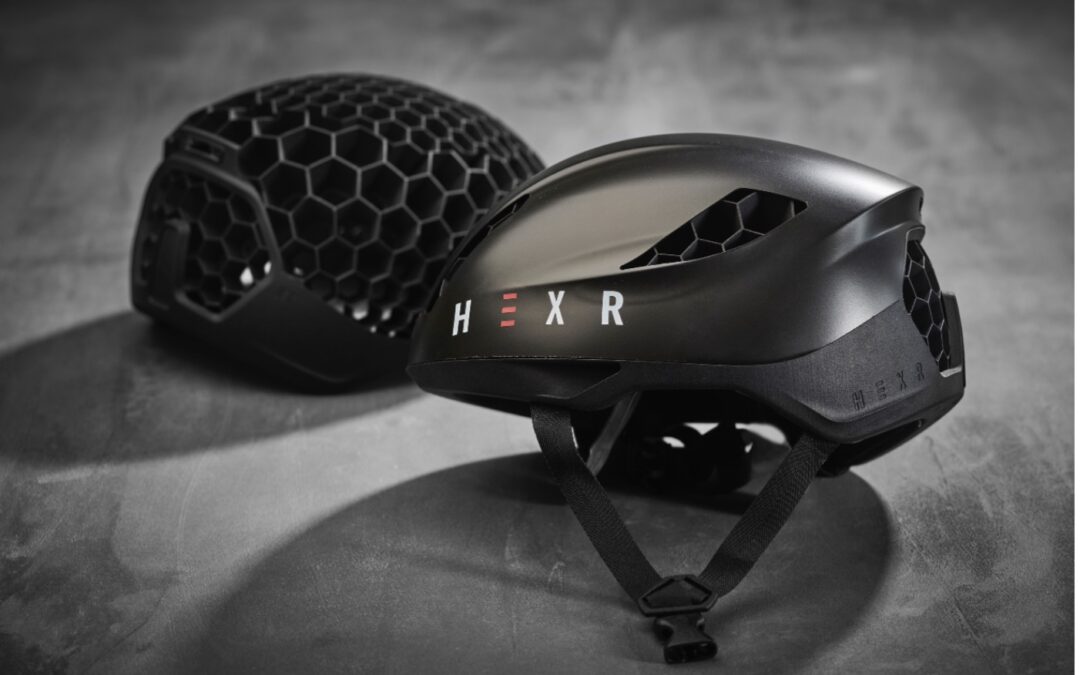
Additive Manufacturing (AM) holds the potential to write an entirely new chapter in Denmark’s collection of fairy tales. Not only can it, in the long term, contribute to a greener and more sustainable manufacturing sector and thereby help secure a Danish contribution...
by thomas@thomasbech.dk | Apr 28, 2021 | News
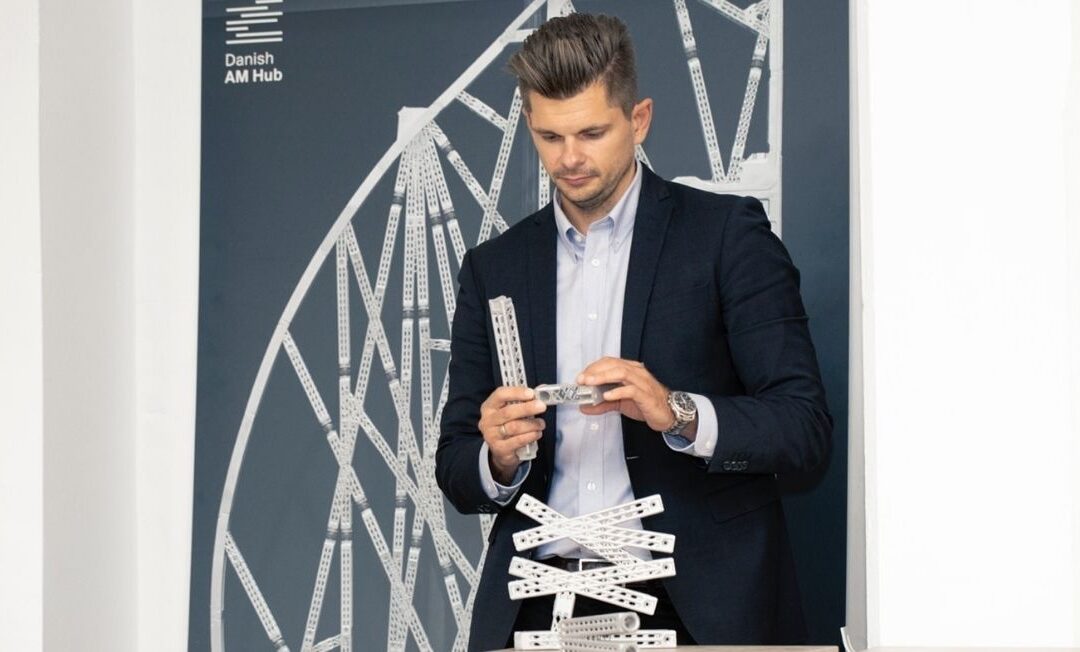
Additive Manufacturing (AM) is increasingly becoming a key driver in the green transition of the manufacturing industry, as more and more people recognise the technology’s potential. However, the full potential is still unrealised, and it is therefore necessary to...

by thomas@thomasbech.dk | Feb 10, 2021 | News
Danish, Swedish and Norwegian companies must join forces to strengthen 3D printing across the Nordic region, so that together we can enhance manufacturing companies’ competitiveness. This has been the vision of Dansk AM Hub, which over the past six months has...
by thomas@thomasbech.dk | Feb 1, 2021 | News, Report
Danish AM Report 2021: Potential for a sustainable future Mention 2020 and you inevitably mention the coronavirus pandemic. COVID-19 shaped most of the past year, creating increased awareness of AM technology as a powerful tool-even in times of crisis. The acute...
by thomas@thomasbech.dk | Dec 15, 2020 | News
3D metal printing is the solution if Danish manufacturing companies are to keep pace with developments and demand, especially from abroad. That is why Dansk AM Hub, in collaboration with Herning Municipality, is hiring someone to raise awareness and increase the use...
by thomas@thomasbech.dk | Sep 1, 2020 | News
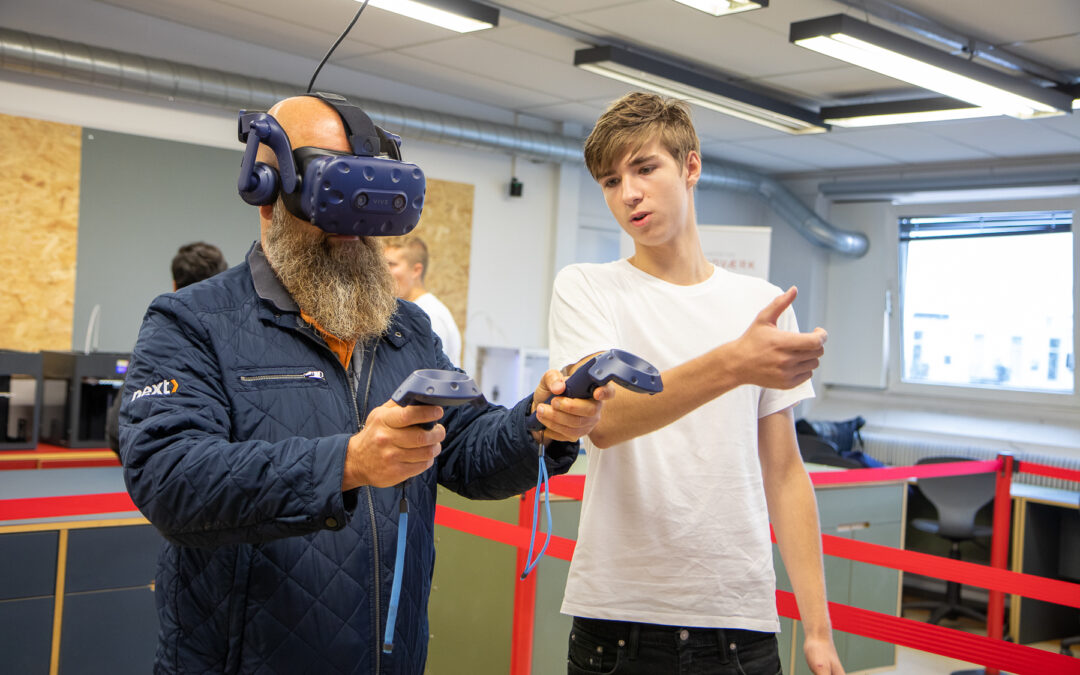
Knowledge centre opens 3D labs at three vocational schools Vocational school students can now get hands-on with 3D technology, and the construction trades are at the forefront of making use of the opportunities. The Knowledge Centre for Crafts – Design &...
by thomas@thomasbech.dk | Sep 2, 2019 | News
New CEO at Dansk AM Hub Dansk AM Hub has appointed 37-year-old Frank Rosengreen Lorenzen as CEO. Frank comes from KRING Innovation, where, as a Partner, he has been responsible for developing new business models based on innovative technology, including Additive...
by thomas@thomasbech.dk | Sep 14, 2018 | News
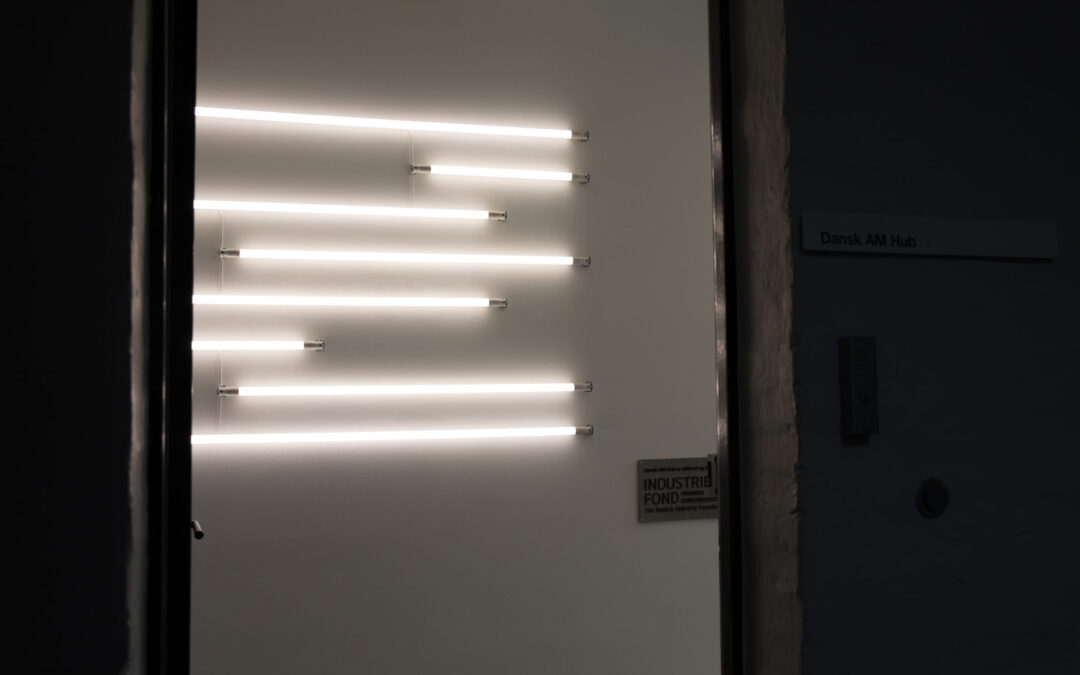
Dansk AM Hub inaugurated with high ambitions By Søren Winslew, published in 3DPdanmark on 11 September 2018 There was a strong turnout when Dansk AM Hub officially inaugurated its new premises in the former capsule factory on Carl Jacobsens Vej in Valby. And in a...