
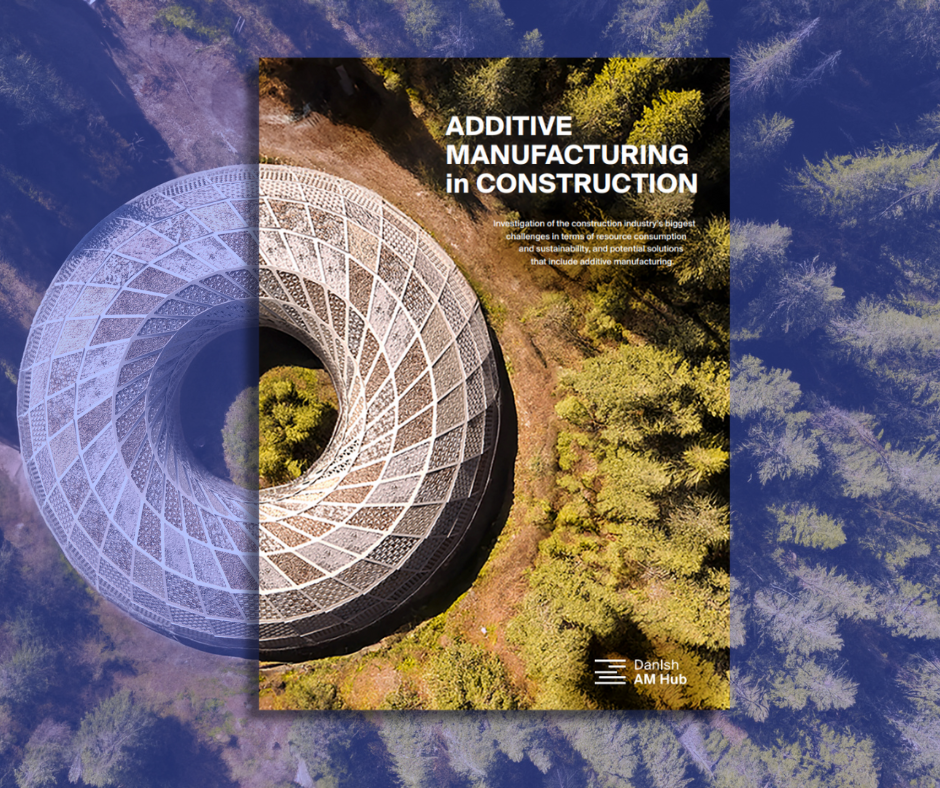
Print and build: Can large-scale 3D printing become a new tool for the construction industry?
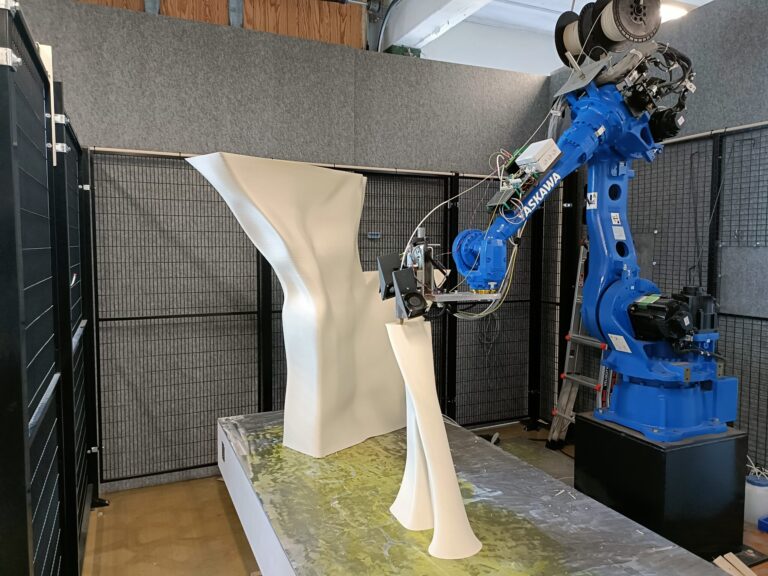
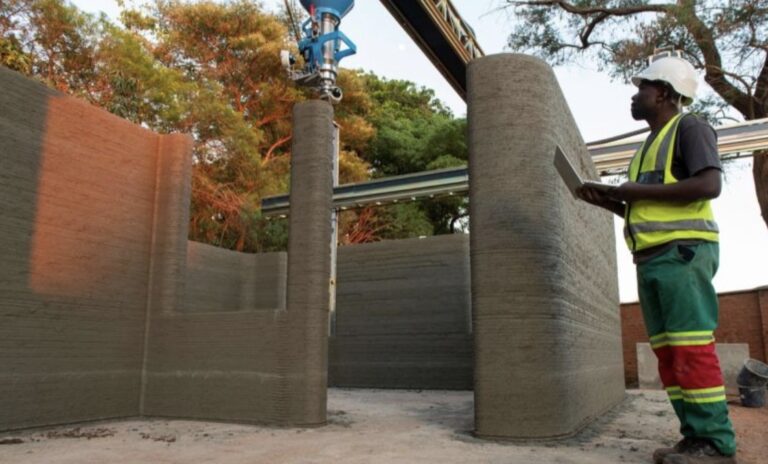
Less material consumption, lower CO2 emissions, new and more bio-based materials, and greater design freedom. A new report from Dansk AM Hub shows why 3D printing can be a tool that gives the construction sector entirely new and more sustainable opportunities.
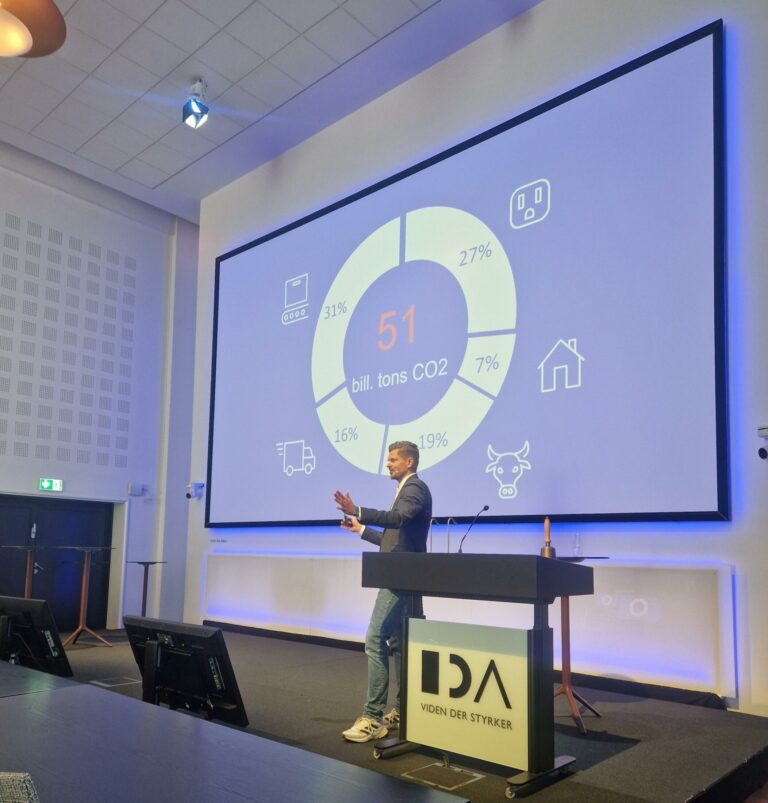
The construction sector plays a crucial role in society and shapes the framework of our everyday lives. At the same time, it is a sector with high resource consumption and a significant climate and environmental impact. Therefore, it is becoming increasingly important to explore new approaches and technologies that can make construction more sustainable-for example, by adopting entirely new tools.
A new report from Dansk AM Hub, supported by the philanthropic association Realdania, examines the potential of 3D printing in construction. And there is much to be gained.
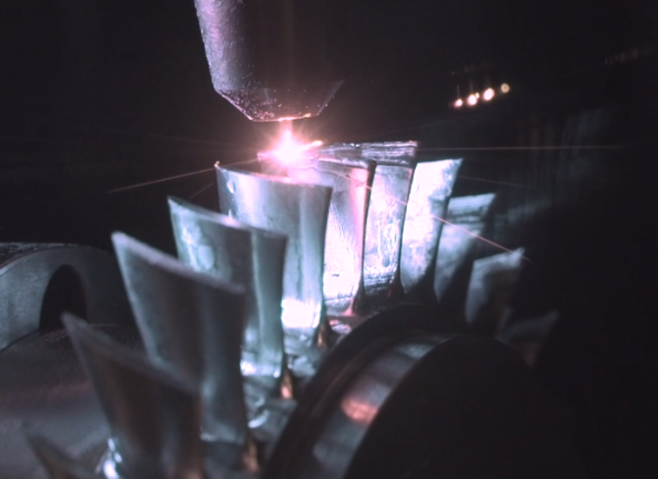
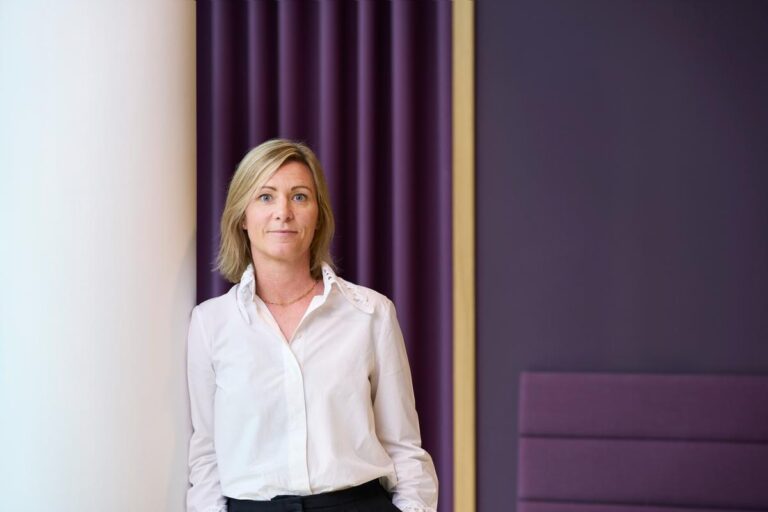
“3D printing has major advantages compared with conventional construction, and our report presents a large collection of the many fantastic projects around the world where new materials, design and 3D printing are being explored. Because the building or building components are printed layer by layer, you can tailor the amount of material to each individual project on site. You can also custom-design structures that take loads precisely, avoiding overdimensioning. In both cases, you avoid excessive material use,” says Birgitte Arendsdorf Olsen, Innovation Manager at Dansk AM Hub.
Printing with bio-based building materials
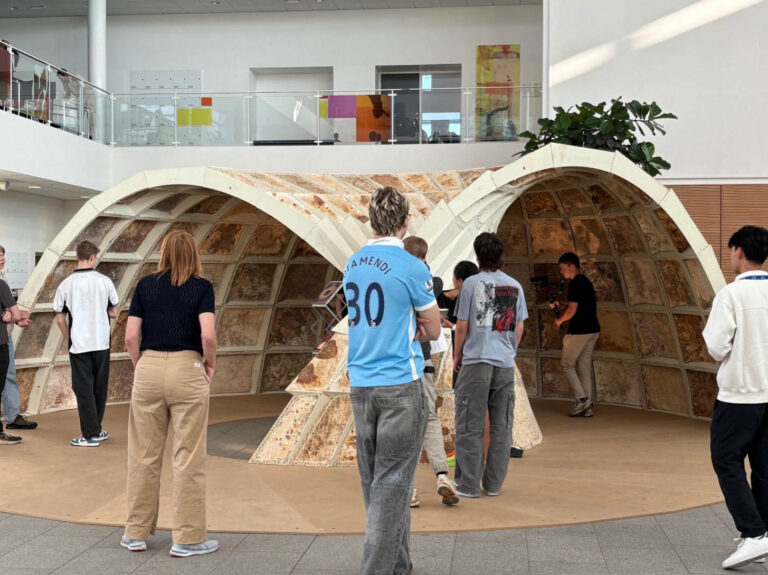
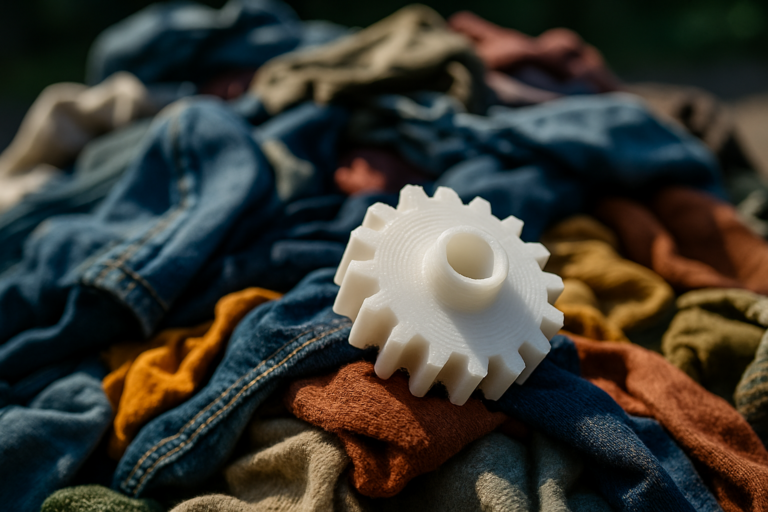
Lower material consumption results in significantly less waste and reduced CO2 consumption. At the same time, 3D printing is a shortcut to more new and experimental materials. For example, the printer can be fed with recycled plastic or bio-based materials such as hemp, eelgrass and clay. Similarly, it is possible to create, for example, panels where the shell is printed from recycled plastic and the infill is made from biogenic material such as mycelium.
“In Barcelona, they have printed a house using local soil excavated on site. I can easily imagine that, in the future, materials for the building will be harvested directly on the construction site. Just think how much transport we could save if just 10% of the materials on the plot could be used directly in the building,” says Birgitte Arendsdorf Olsen.
Lack of knowledge about 3D printing
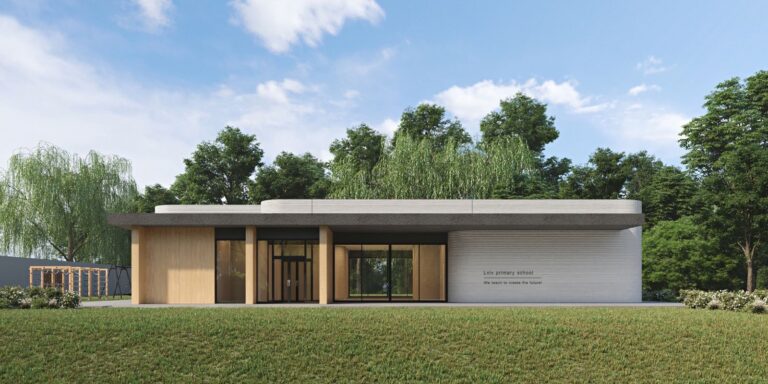
3D printing can also require fewer labour hours than traditional construction, provide greater design freedom, and make it possible to build buildings that can be easily disassembled. Despite the many advantages of the technology, 3D-printed buildings are still few and far between in Denmark. This is due to many preconceptions about aesthetics, a lack of knowledge about the technology, and current regulations that hinder the use of more experimental materials.
Therefore, there is a need for more partnerships across the construction value chain to realise the benefits, Birgitte Arendsdorf Olsen believes:
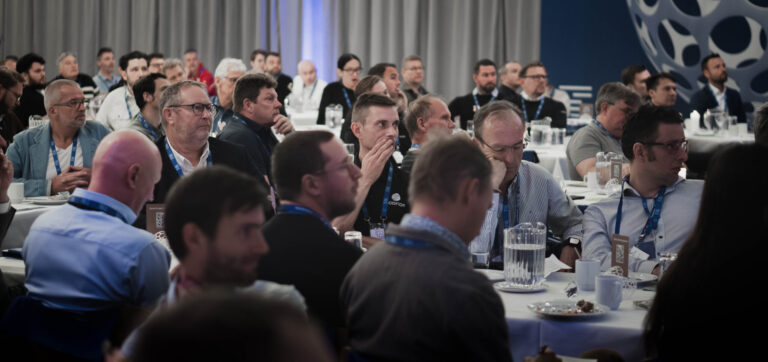
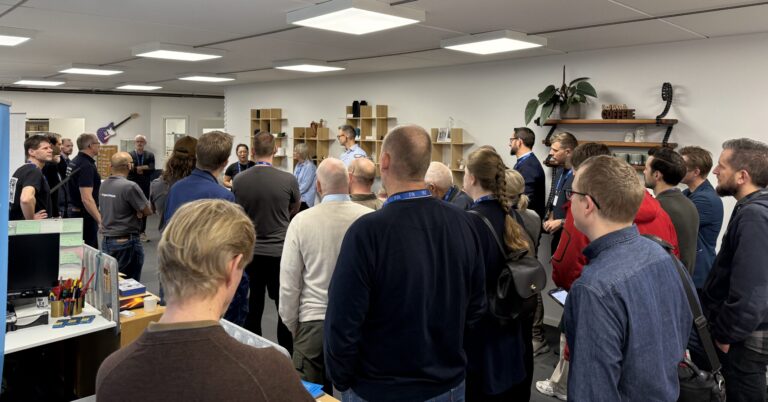
“We need more partnerships between producers of bio-based building materials, 3D printing manufacturers, and knowledge institutions if we are to take the technology to the next level. We also need more pilot projects, so we can raise awareness of the technology and break down preconceptions about 3D printing. And yes, we need building regulations that are less conservative towards new materials. There is plenty to tackle. But if we crack the code, we can create an entirely new and much more circular construction sector,” concludes Birgitte Arendsdorf Olsen.
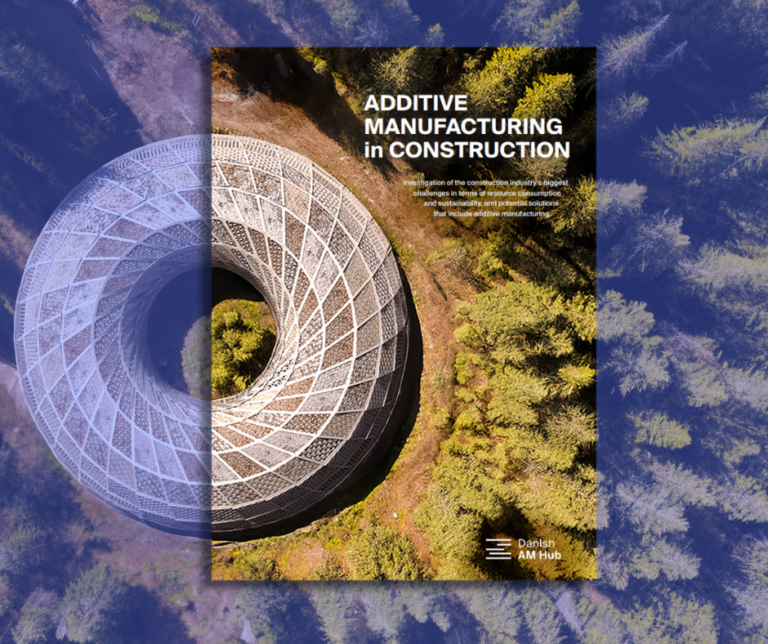
The report AM in Construction
The report AM in Construction is authored by Dansk AM Hub with contributions from Molio, Contec Lab and HD Lab.
The report is supported by Realdania and the Confederation of Danish Industry Foundation.