
Additive Manufacturing (AM) holds the potential to write an entirely new chapter in Denmark’s collection of fairy tales. Not only can it, in the long term, contribute to a greener and more sustainable manufacturing sector and thereby help secure a Danish contribution to the global green transition. In addition to making a difference for our planet, it can write a new chapter in Danish manufacturing history and place a green Denmark on the international manufacturing stage.
Text by Dansk AM Hub – the article can be read at Business Insights.
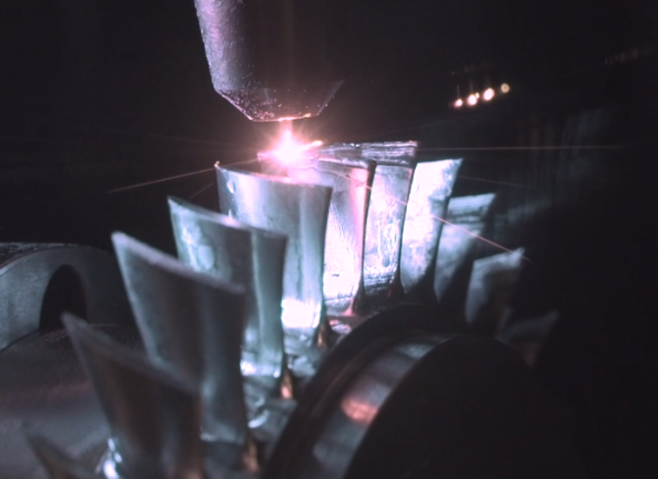
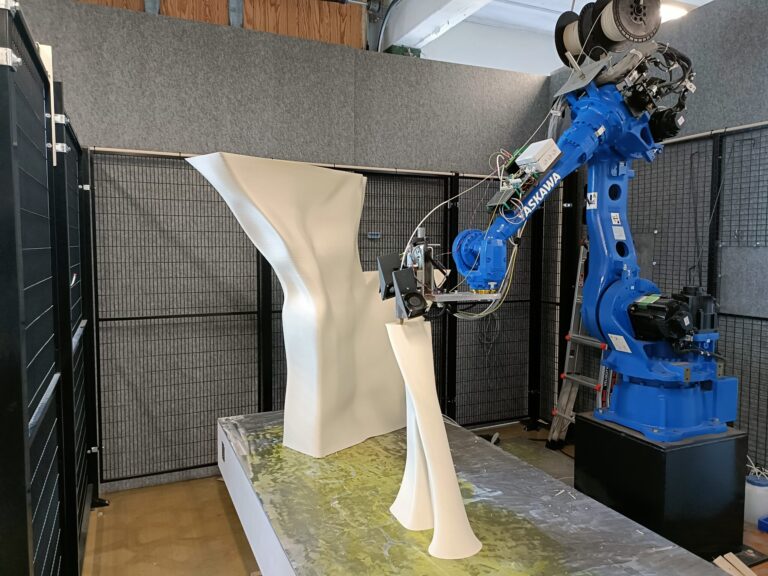
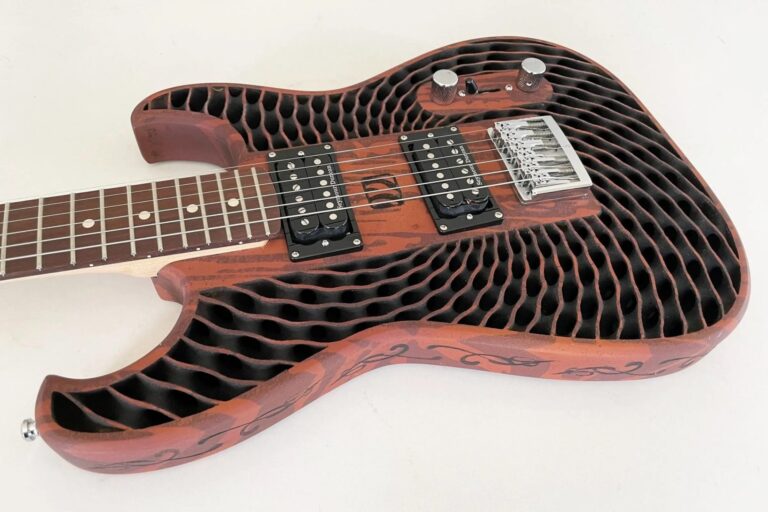
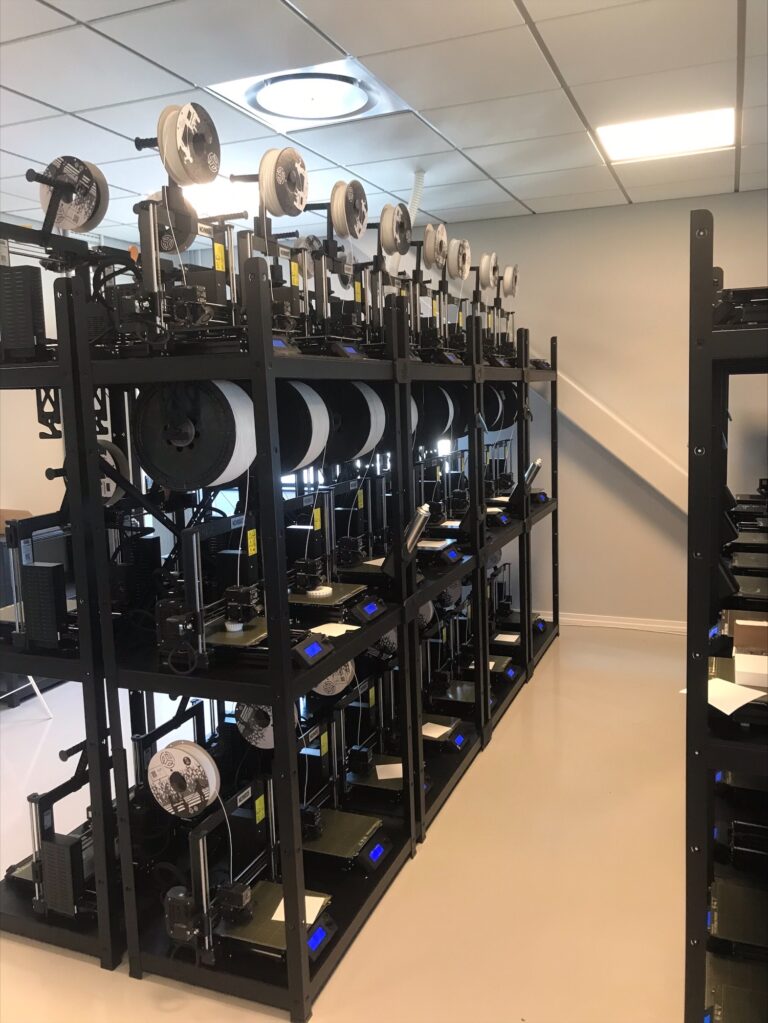
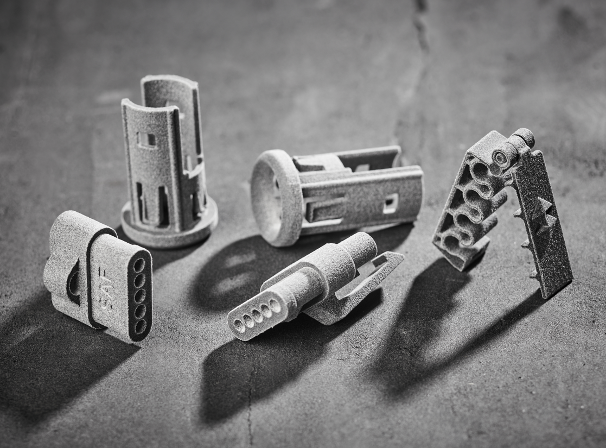
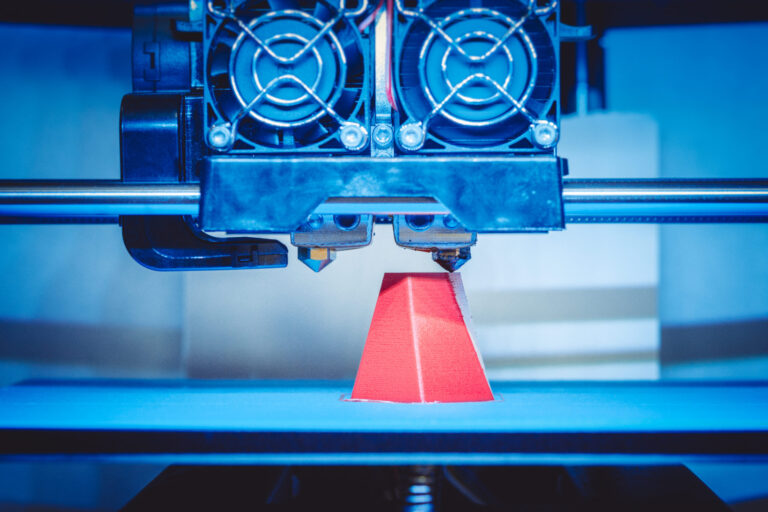
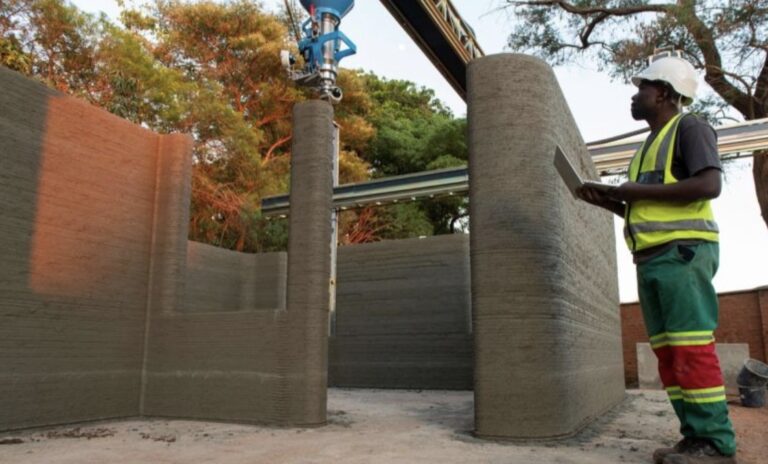
Additive Manufacturing (AM)/3D printing is already well known and widely used across large parts of global manufacturing. AM holds enormous transformative potential, as demonstrated in particular by the ability to digitally design an object with complete freedom and then print it in everything from plastic to titanium. Already today, houses are being printed in concrete, cars are being made by robotic printers, and manufacturing in general is being strengthened by AM.
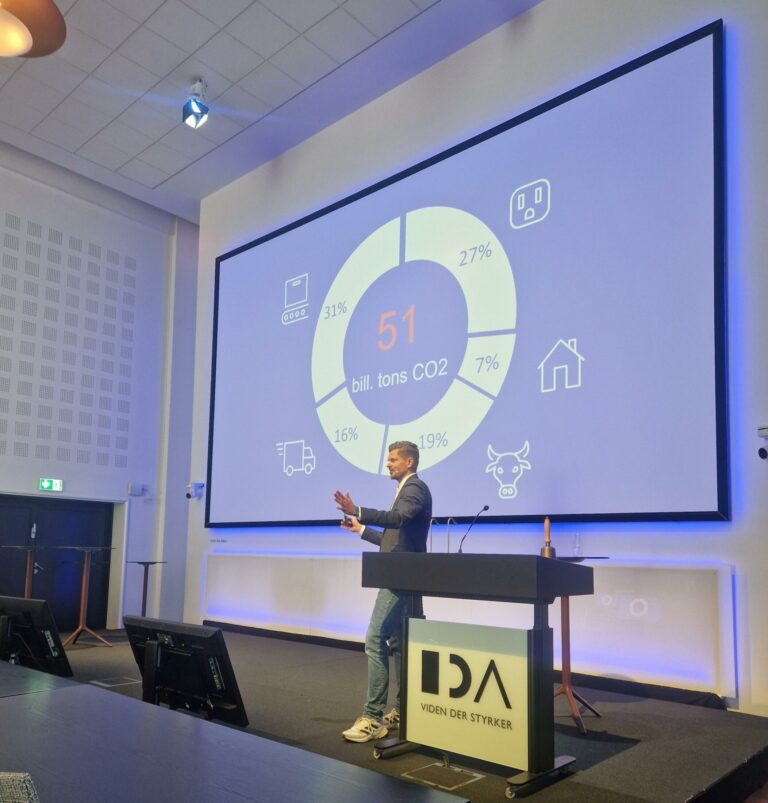
Additive manufacturing can, in itself, make a difference in the world, and the Danish AM community is already well underway with the technology. But in Denmark we have a particular ace up our sleeve that can make our development and efforts in additive manufacturing an important area of focus for other countries. We are one of the countries where the 3D printer can be plugged into a socket with one of the highest shares of green electricity from our many large renewable energy sources.
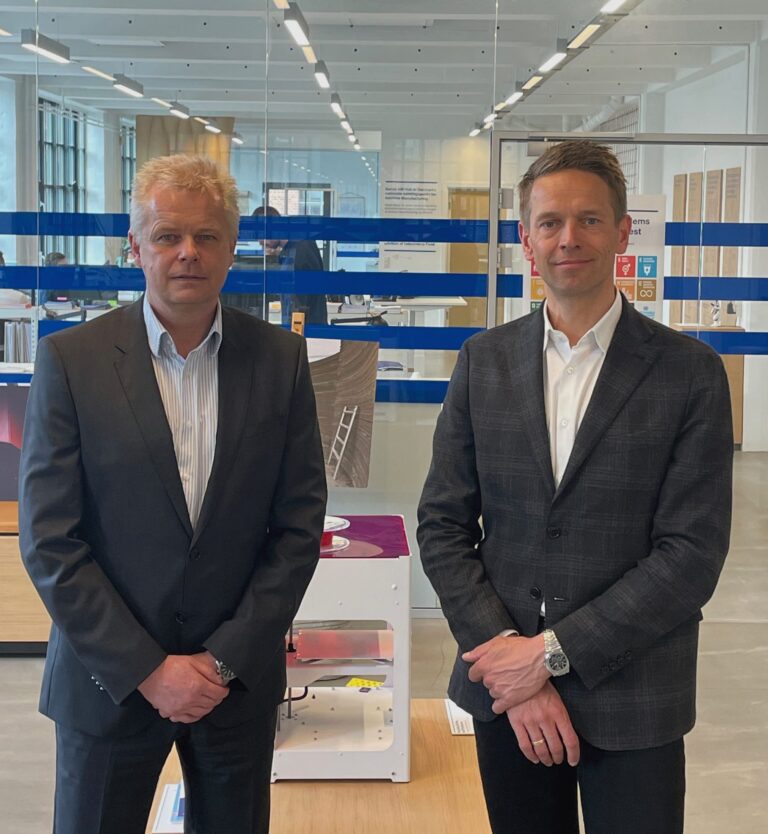
“It is a game changer for Denmark. In a few parts of the USA and in our Nordic countries, we have so much green energy that the technology can produce very sustainably. If Apple can invest six billion in a data centre in Viborg because of our green energy, strong power grid and secure supply, then major AM technology providers such as HP, EOS or Stratasys can also invest in Denmark to use our green energy for additive manufacturing, work with our strong manufacturing sector and AM experts, and thereby create an entirely new Danish manufacturing success story,” says Frank Rosengreen Lorenzen, CEO of Dansk AM Hub.
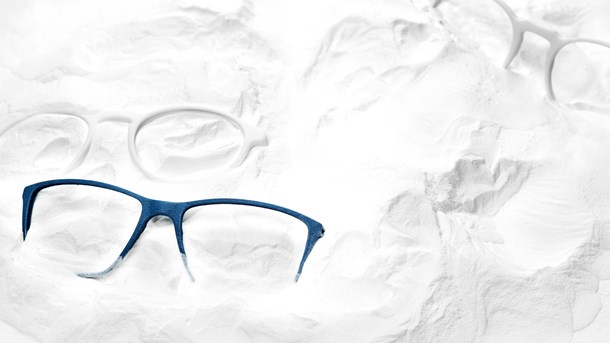
Danish company Monoqool was among the first in the world to launch 3D-printed glasses. Today they are sold in more than 1,000 optician stores worldwide, with the USA, China and Germany as the largest markets. Photo: Monoqool.
The courage to meet new demand
So it is neither the technology nor the printer that should be questioned-but rather the Danish mindset that needs to be challenged. Abroad, the AM potential is already being explored, especially in the aerospace and automotive industries, to which many Danish companies currently supply components.
“If demand in the future is for 3D-printed parts, Denmark must be first to supply them. But that requires that we dare to break free from the-I’m tempted to say old-fashioned-production processes on which we have built industrialisation, and instead explore the opportunities and advantages found in additive manufacturing,” says Frank Rosengreen Lorenzen, supported by the Chair of Dansk AM Hub’s Board:
Not only do we have a unique opportunity to strengthen Danish competitiveness-but with AM we can also create the manufacturing systems of the future, making it possible to keep business and production in Denmark instead of looking abroad for solutions, says Tue Mantoni, Chair of the Board of Dansk AM Hub & Vækstfonden.
Dansk AM Hub was established precisely to help Danish companies use AM technology and gain access to the commercial benefits in both the Danish and international markets.
“With Dansk AM Hub, we build a bridge from the Danish ecosystem to international players in order to bring knowledge and experience back to Denmark, so that the competitiveness of industry can be strengthened further,” says Thomas Hofman-Bang, CEO of Industriens Fond, which initiated and supports Dansk AM Hub.
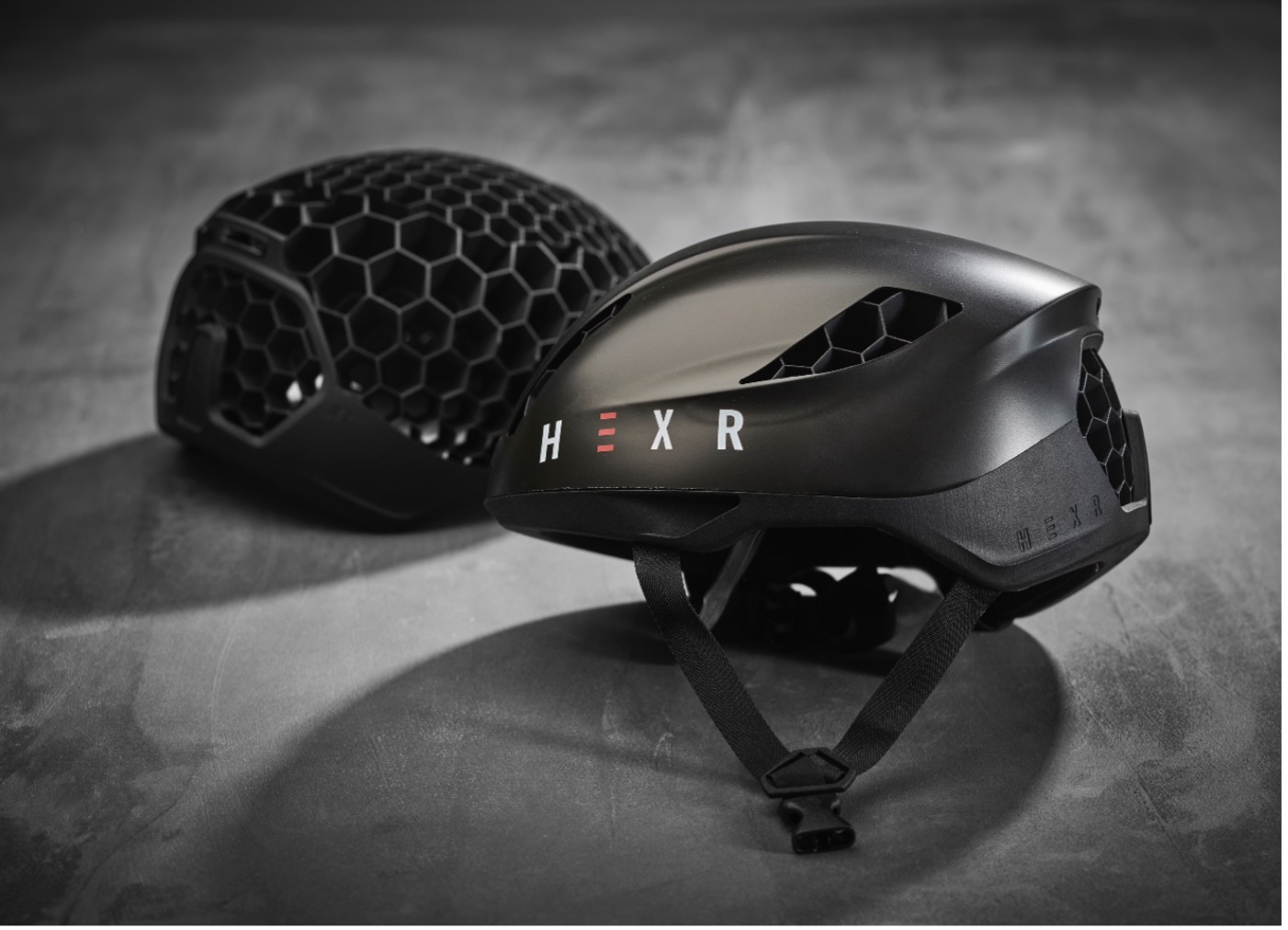
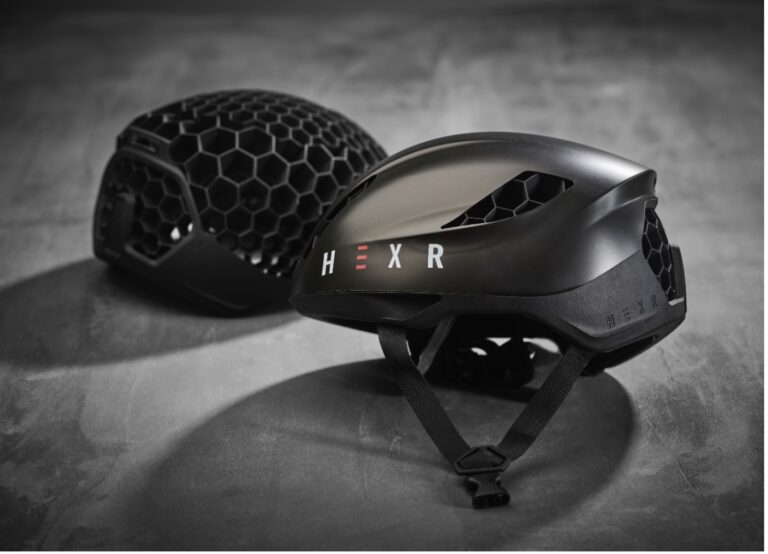
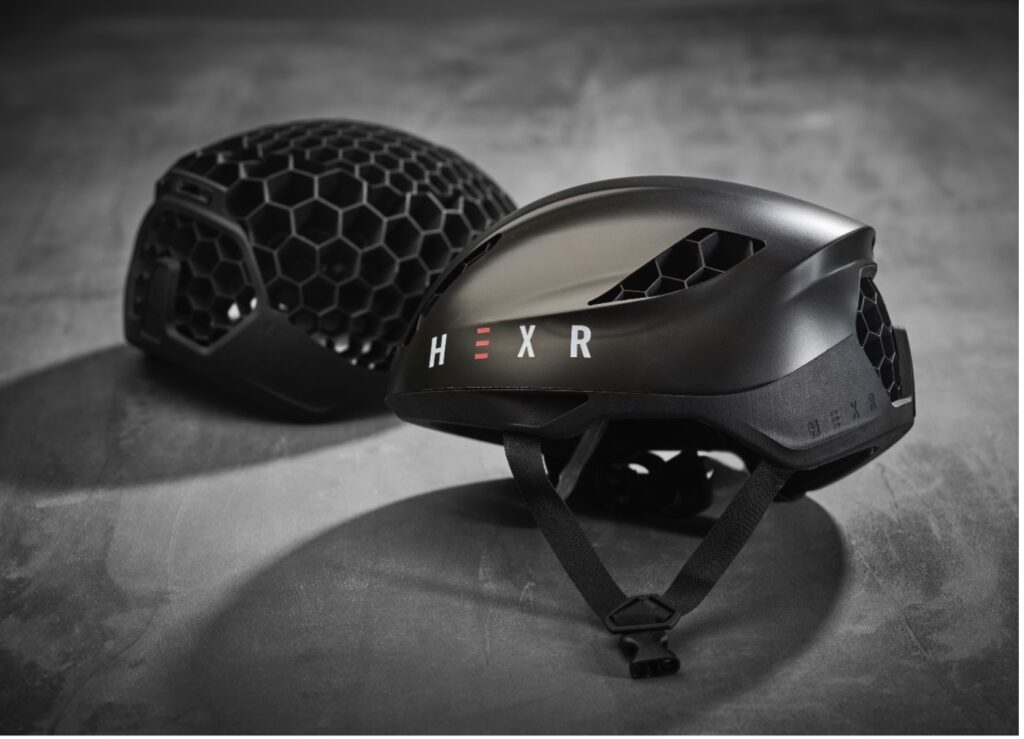
Damvig A/S and HEXR have collaborated to create a 3D-printed, smart alternative to conventional bicycle helmets, which can be designed and manufactured individually for the user in 100% biodegradable plant oil. Photo: Damvig A/S.
Danish additive technology for the benefit of all
The vision of Dansk AM Hub is precisely that Denmark should lead the way on the global sustainability agenda and market the country on the basis of its strong green electricity and manufacturing. The increased interest in Denmark and Danish manufacturing will strengthen competitiveness and create positive effects for society by creating and retaining Danish jobs and improving our exports-but also by strengthening cohesion for the 90% of all manufacturing jobs located outside the capital.
“Let us lead the way with investments in additive technology in Danish manufacturing and thereby create a new Danish manufacturing success story-with strong roots in sustainability,” is the call from Frank Rosengreen Lorenzen:
“It will undoubtedly generate international interest and turn eyes towards our nation. We have the capacity and the competencies to replace the label we have long been used to seeing on many products, so that ‘Made in China’ becomes ‘Made in Denmark’-and not just manufactured in Denmark, but sustainably manufactured in Denmark. A Danish AM manufacturing success story awaits us, and it is only up to us to decide when we will embark on it.”