
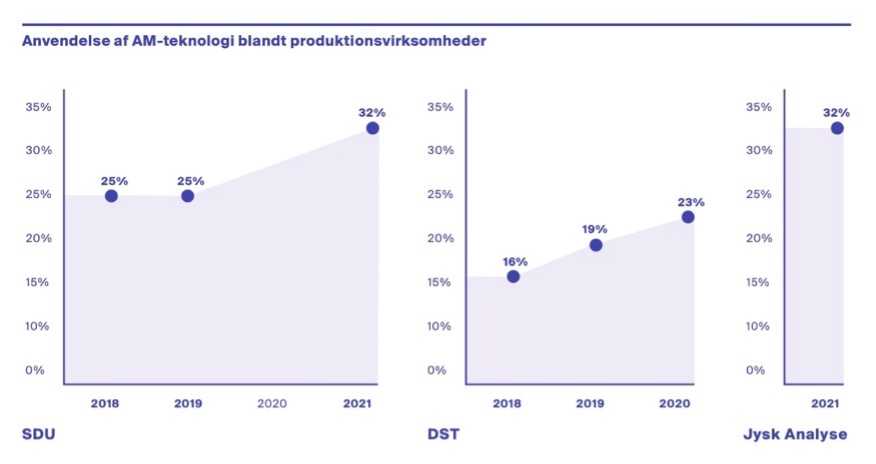
More manufacturing companies are using AM technology
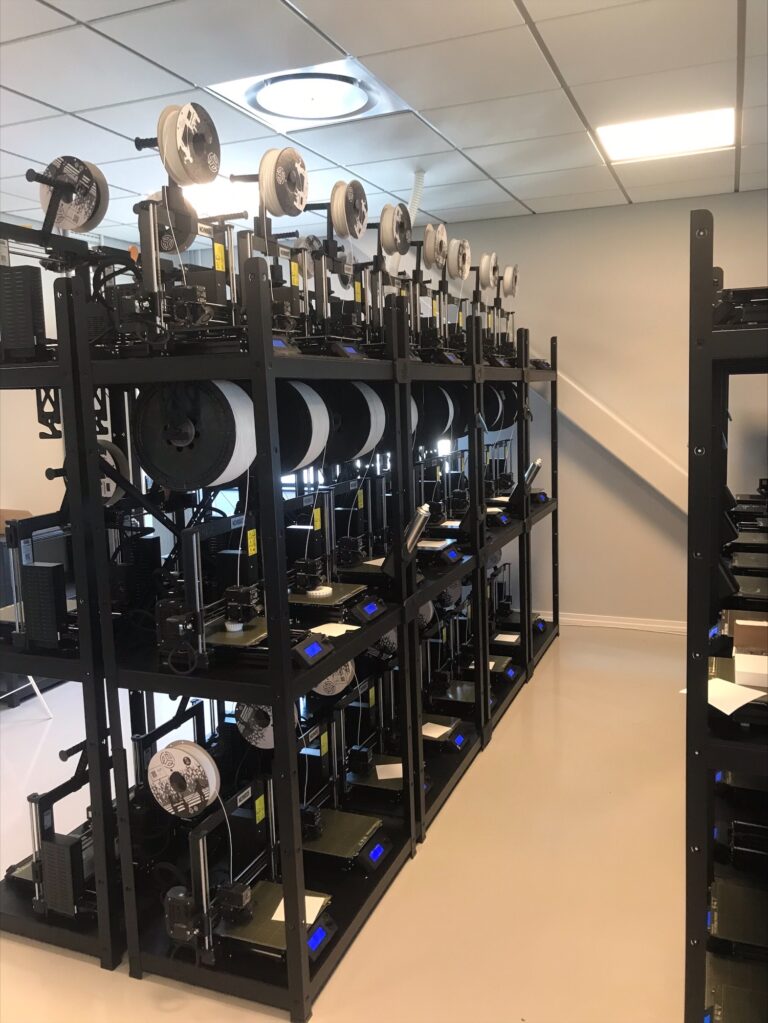
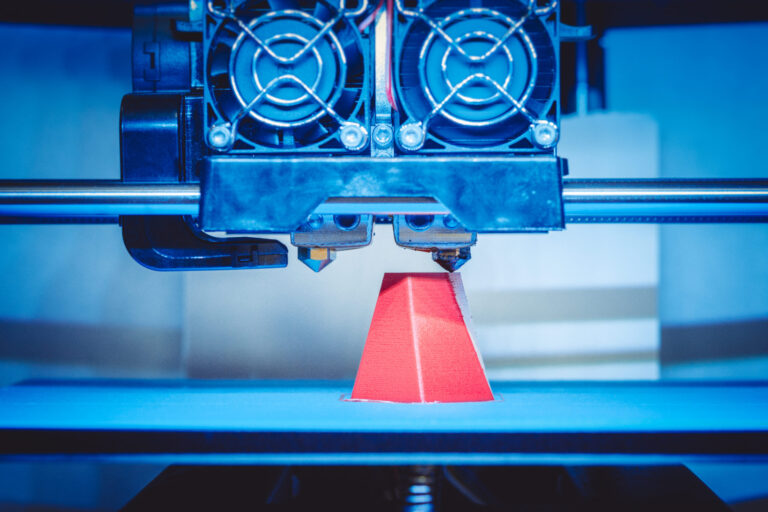
3D printing reached unprecedented levels in 2021, as more Danish manufacturing companies powered their printing technology with green electricity and, in particular, experienced the technology’s sustainable potential.
According to the latest AM Report 2022, the use of Additive Manufacturing (AM) / industrial 3D printing increased steadily from 2018 to 2021. New studies from the University of Southern Denmark and Jysk Analyse show that one third of companies used AM technology in 2021, a significant increase since 2018, when SDU found that only one quarter of companies used the technology. The same positive trend is also seen in studies by Statistics Denmark, which likewise show an increase from 2018 to 2020.
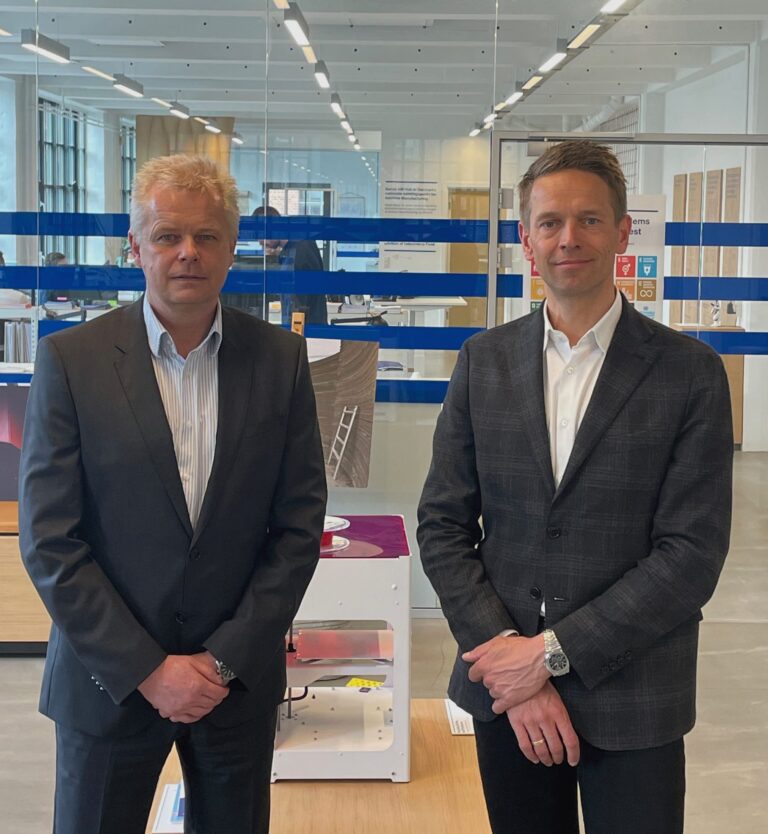
“It is absolutely positive that more Danish companies are adopting the technology and are thereby able to create production that reduces material use, waste and transport, and increases more customised, circular and simply better products and components. Overall, we are achieving smarter production,” says Frank Rosengreen Lorenzen, CEO of Dansk AM Hub.
The AM Report is published annually by Dansk AM Hub, which works to strengthen the competitiveness of Danish industry by promoting the use of AM and 3D printing-particularly to help companies take the first steps towards more sustainable production, where AM enables local on-demand production with less transport and lower CO2 emissions.
“And this year’s mapping clearly shows that our efforts to spread AM technology in Denmark are succeeding,” says a satisfied CEO.
Greater focus on the sustainable potential
Among the decisive factors in the decision to use the technology are speed and ‘time-to-market’, but the results also indicate a greater focus on the sustainable potential among the manufacturing companies that use the technology.
According to SDU, one in five of these companies has used AM specifically to create more sustainable production with reduced material consumption and waste, as well as developing products that are easier to recycle. And according to Jysk Analyse, 69% of companies use AM technology to produce more customised products, which can reduce material consumption and thereby contribute to more sustainable production.

“Denmark can become the country that produces the green products the world will demand if we learn to master new production technologies such as 3D printing. We have known traditional production with casting and milling since the Bronze Age, but there is great untapped potential in 3D printing,” says Frank Rosengreen Lorenzen, who notes in particular that, according to the study, more companies in 2021 experienced a greater sustainability impact from producing with the technology than they had expected.
The same message comes from the Danish Industry Foundation, which initiated and developed-and continues to support-Dansk AM Hub:
“Danish companies must be more sustainable than they are today, because it is crucial that industry plays an active role and helps drive progress if we as a society are to succeed in the green transition. The results of the analysis show a positive development, because Danish industry must prioritise sustainable production and look at new technological solutions such as Additive Manufacturing, which holds a very special sustainability potential,” says Thomas Hofman-Bang, CEO of the Danish Industry Foundation.
Ongoing barrier
Although it is positive that more companies are adopting AM technology, there is still a need to raise awareness of how AM technology is applied in practice in manufacturing companies, and how the technology has the potential to enable more sustainable production.
According to Dansk AM Report 2022, the most widespread barrier to implementing AM technology is that companies cannot see that the technology is relevant to their business area.
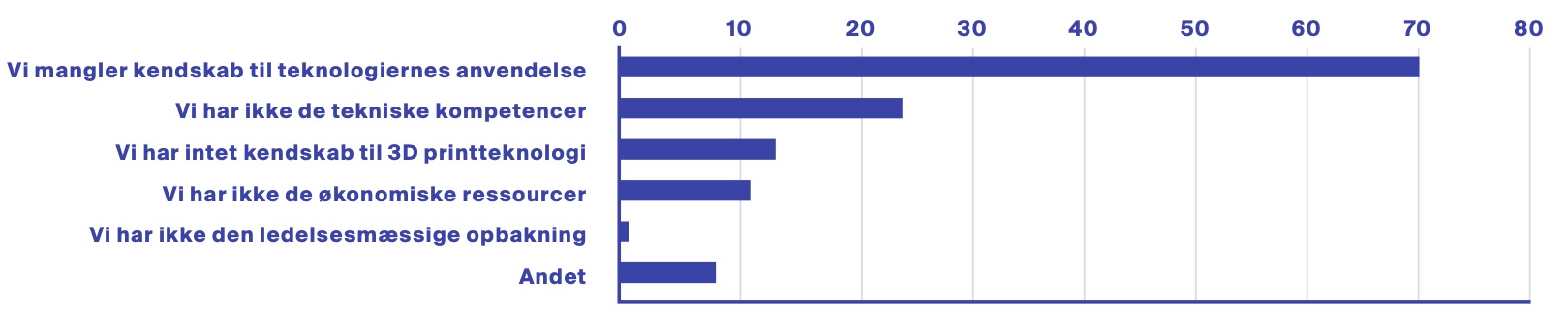
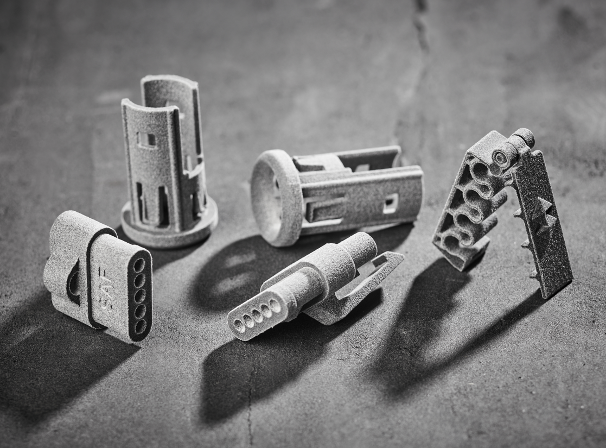
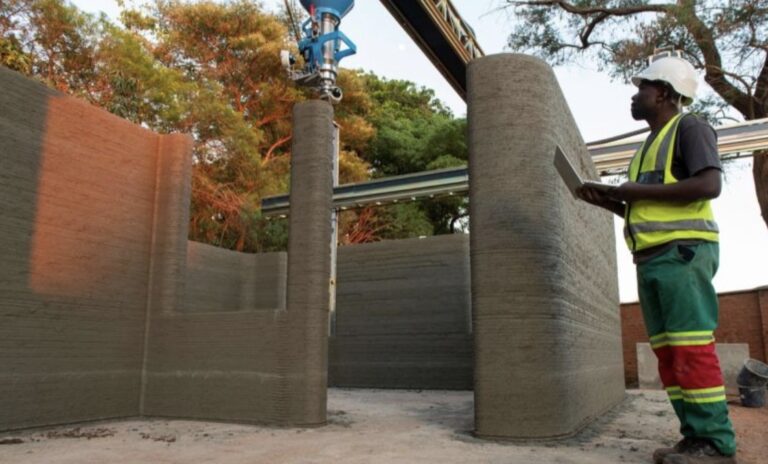
“The technology is no longer the challenge. There is now a multitude of printers and software, and you can print in materials such as concrete, titanium, glass, plastic, chocolate, composites, etc. The major challenge today is that industry lacks knowledge of how, as manufacturers, they can build a business model around 3D printing, how they can design and develop an AM component or product, and how they document the environmental benefits,” says Frank Rosengreen Lorenzen:
“In the coming years, we must demand of our production that it dares to break free from the-dare I say old-fashioned-production processes on which we have built industrialisation, and instead explore the opportunities and advantages that exist in additive manufacturing.”