
The disaster when the world-famous historic cathedral Notre Dame in Paris burned in 2019 was immense. Along with the cathedral, nearly 900 years of invaluable cultural heritage went up in flames.
The cathedral became the talk of the world when the French author Victor Hugo published the work “The Hunchback of Notre Dame” in 1831, in which the bell ringer spoke with the cathedral’s gargoyles-including the demon Le Stryge, which had now gone up in flames.
Notre Dame is not the only historic building to have faced a comprehensive reconstruction. In April, a major fire ravaged Børsen in central Copenhagen, and the owner-Dansk Erhverv-must now ensure that Børsen is restored to its former glory.
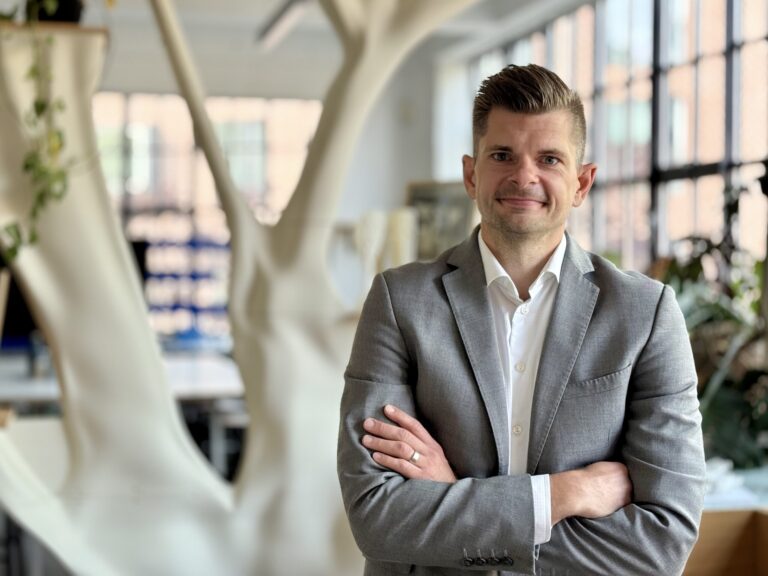
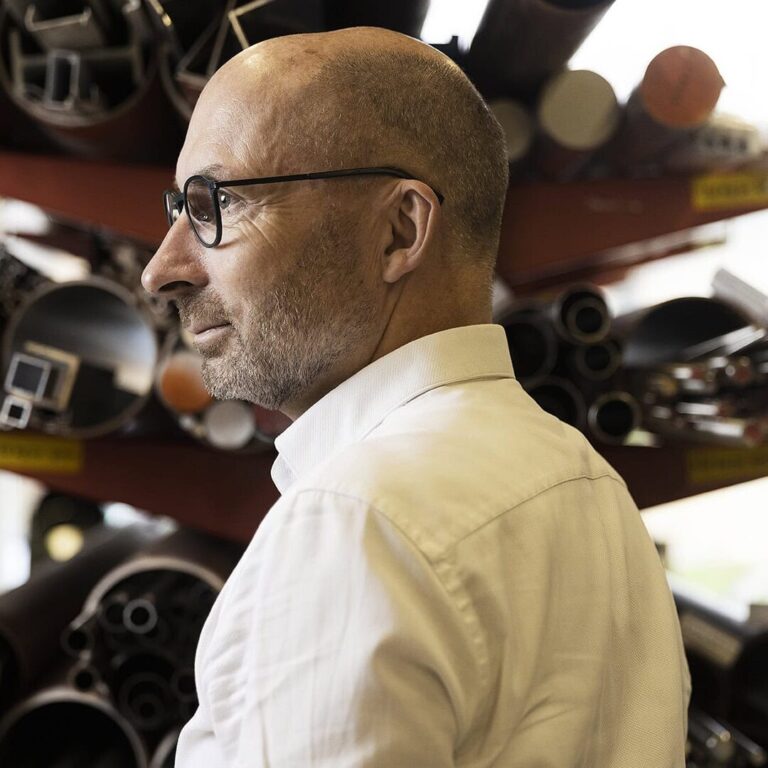
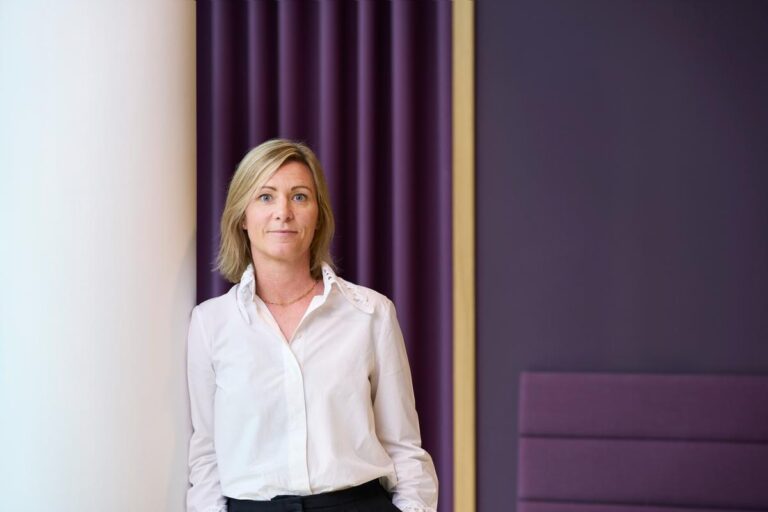
And here, the methods of the past should be combined with the technology of the future, says architect Matteo Baldassari.
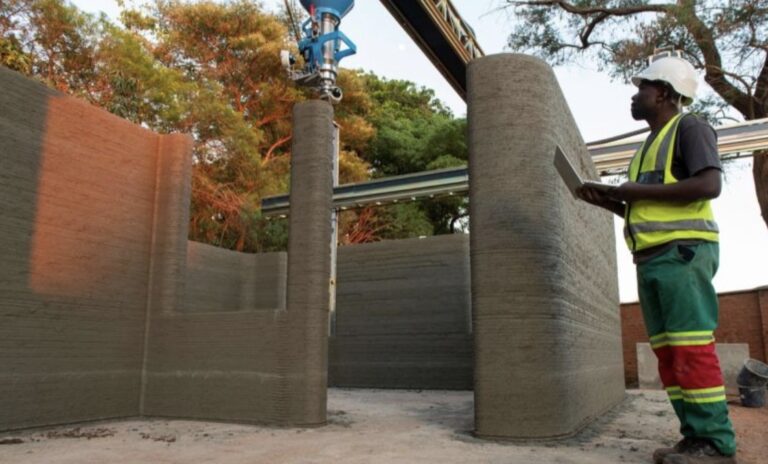
“3D printing and the reuse of materials offer a modern solution for reconstruction. It makes it possible to recreate intricate structures in a more affordable way without compromising the geometric complexity and sustainability that are so important in modern construction.”
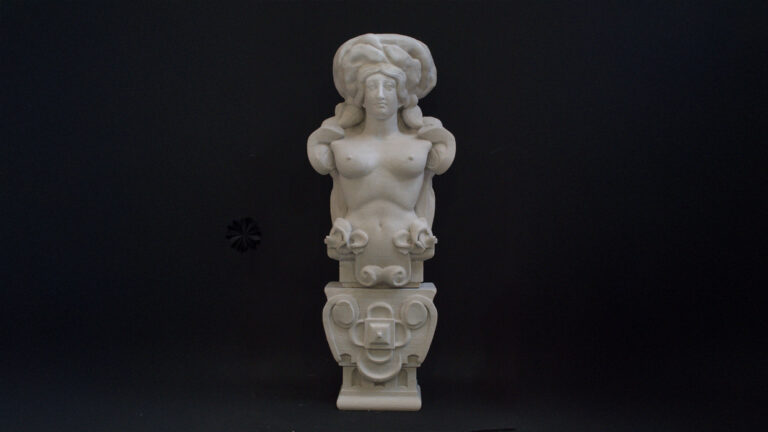
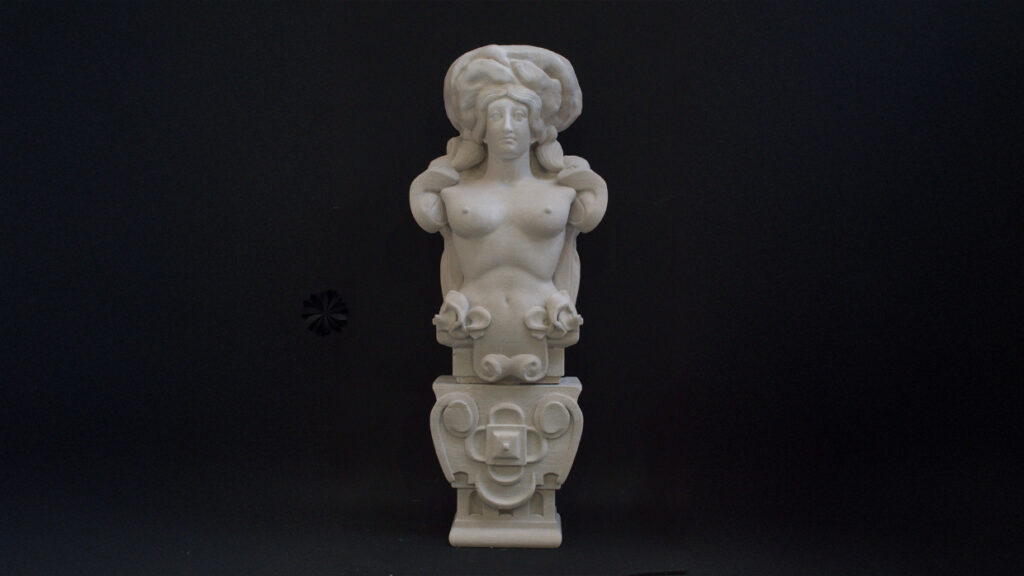
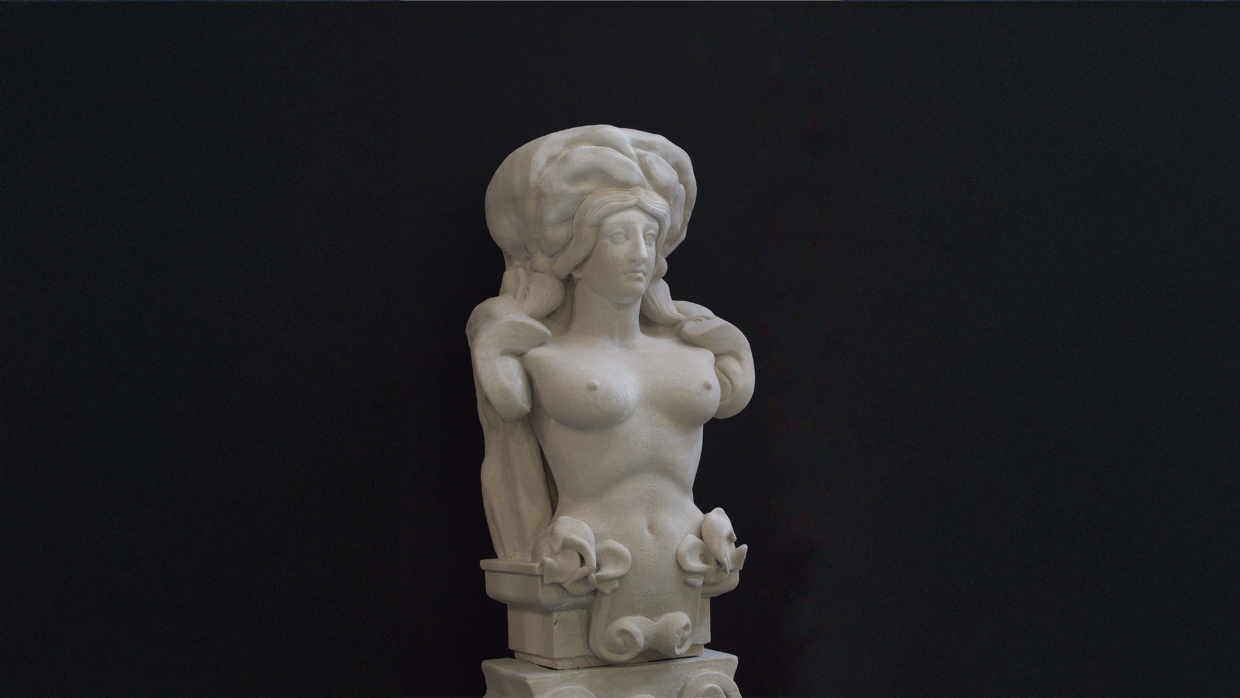
Has recreated detailed figure
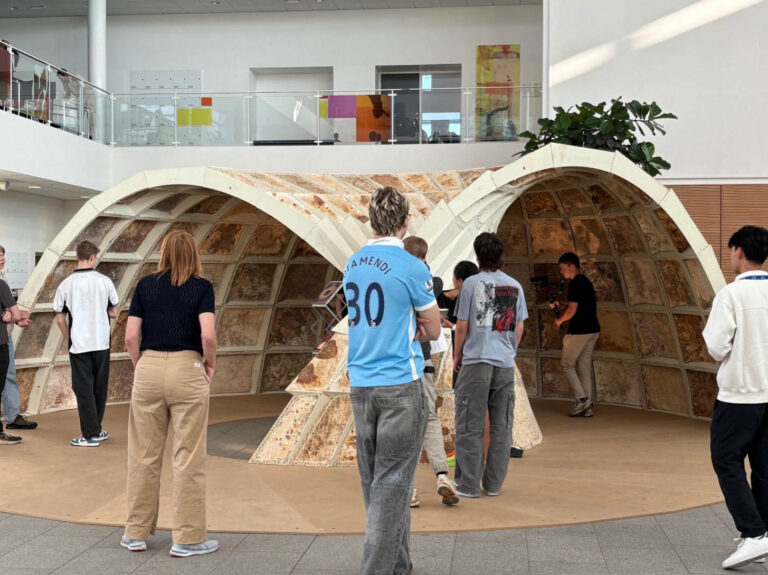
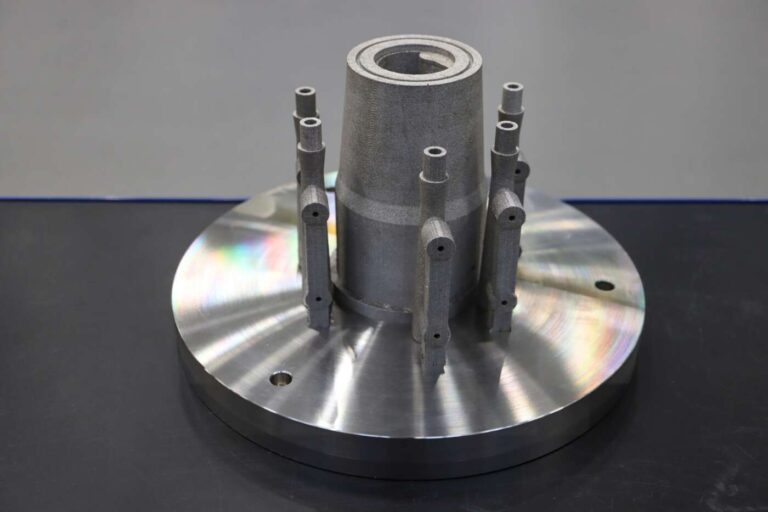
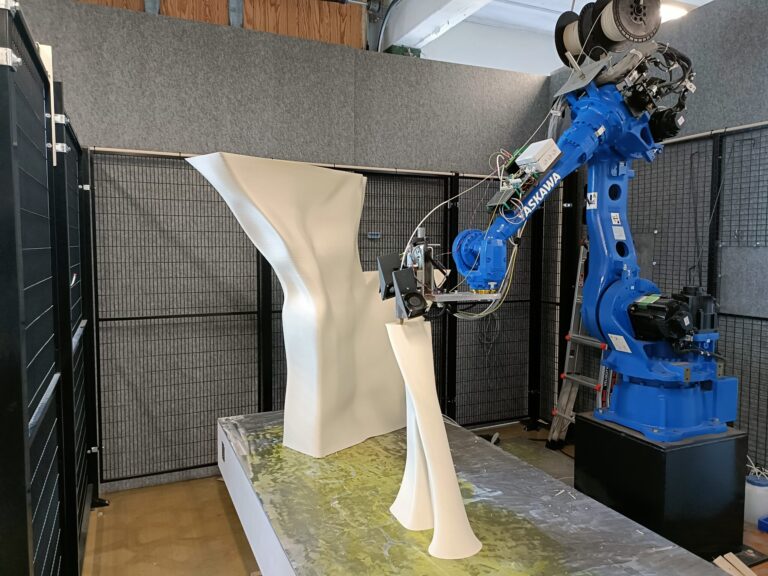
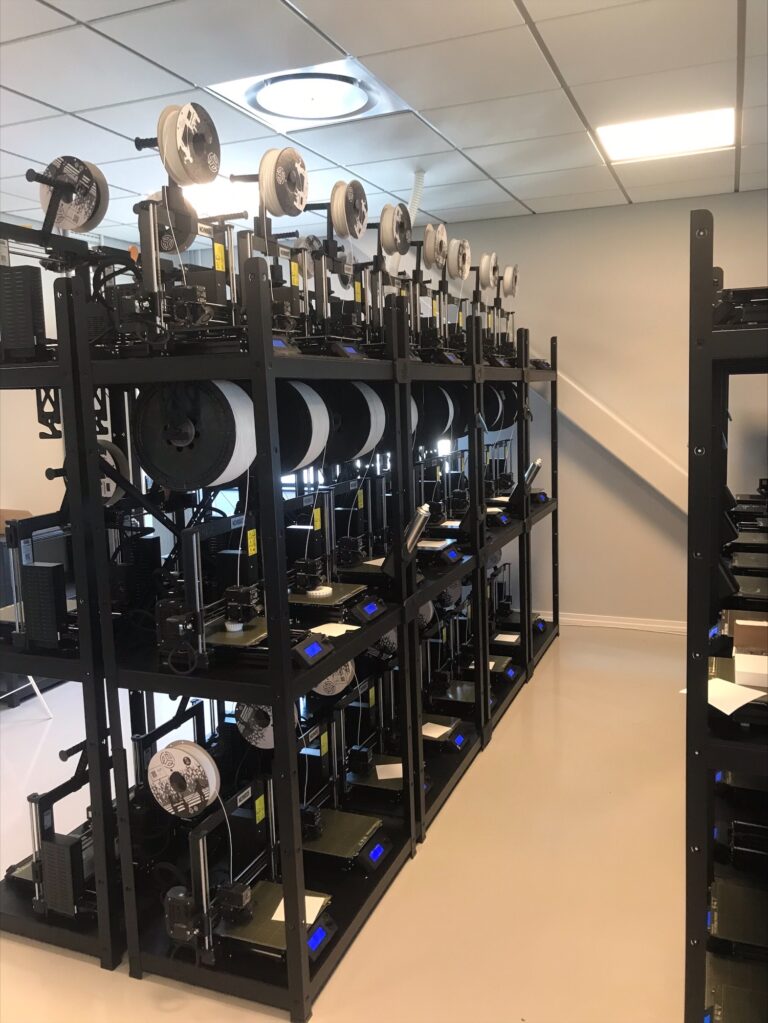
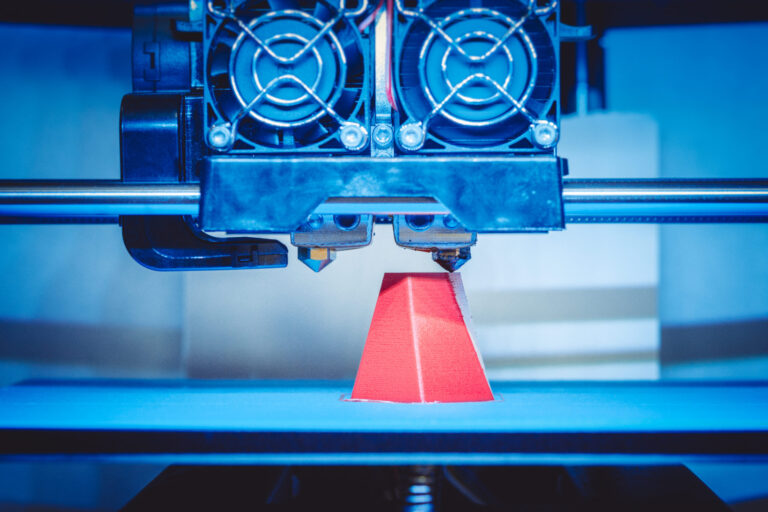
Together with Eric Geboers, Matteo Baldassari is co-founder of the Dutch company Concr3de, which produces 3D printers that, using powder, can create and recreate elements in everything from stone to stainless steel.
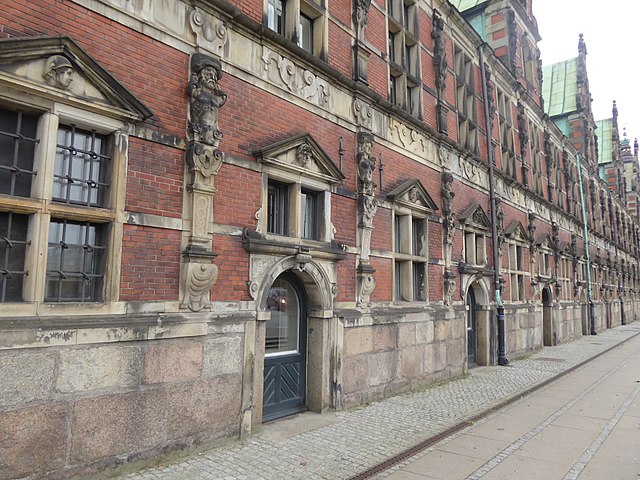
Photo: Leif Jørgensen/Wikimedia Commons
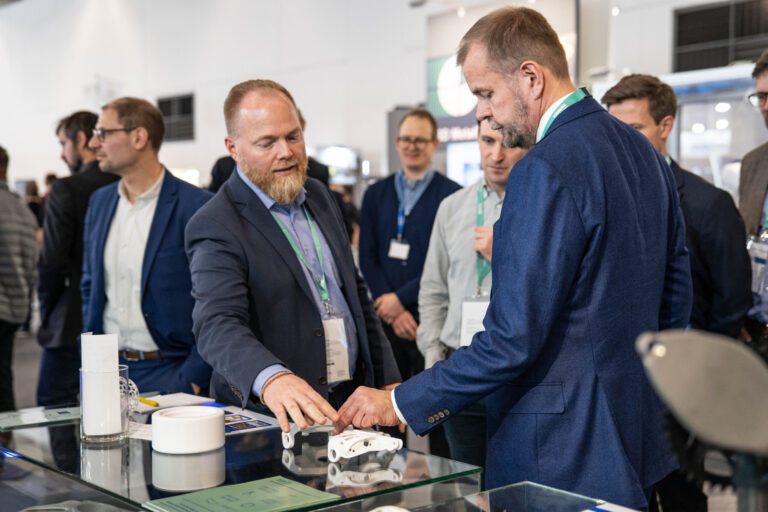
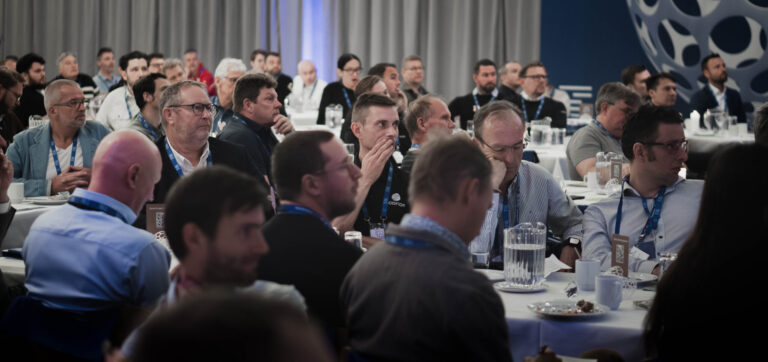
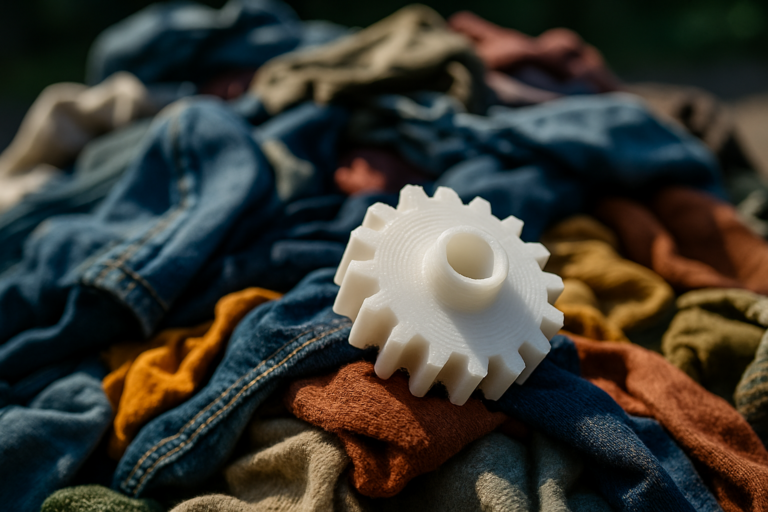
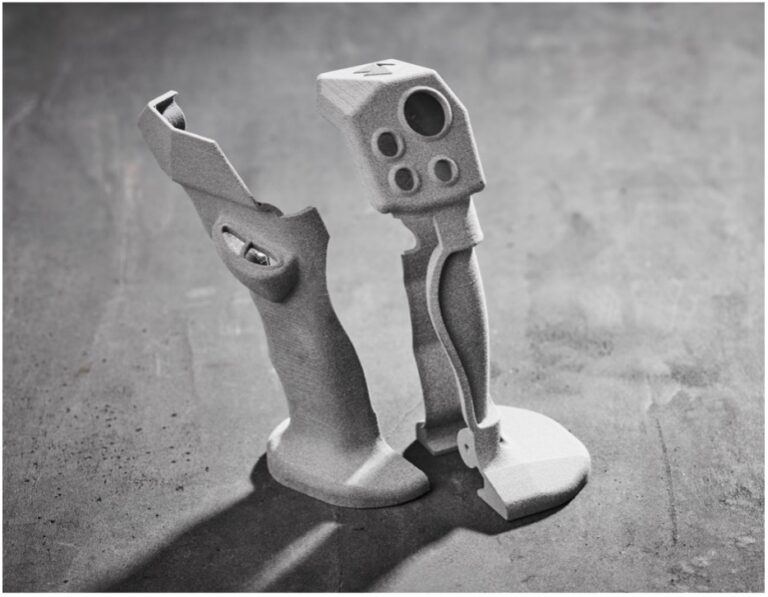
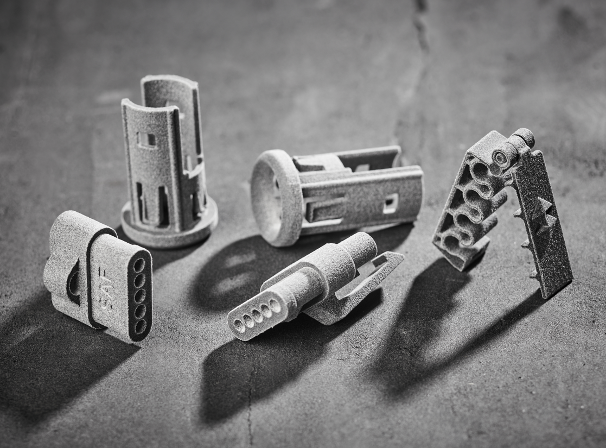
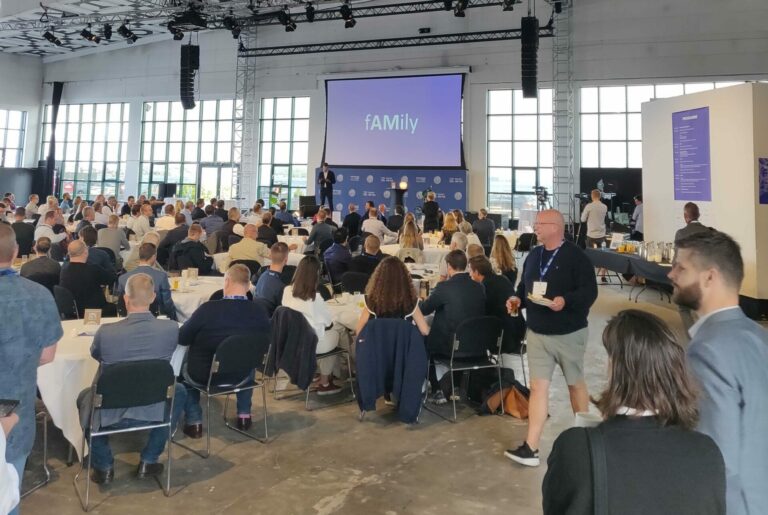
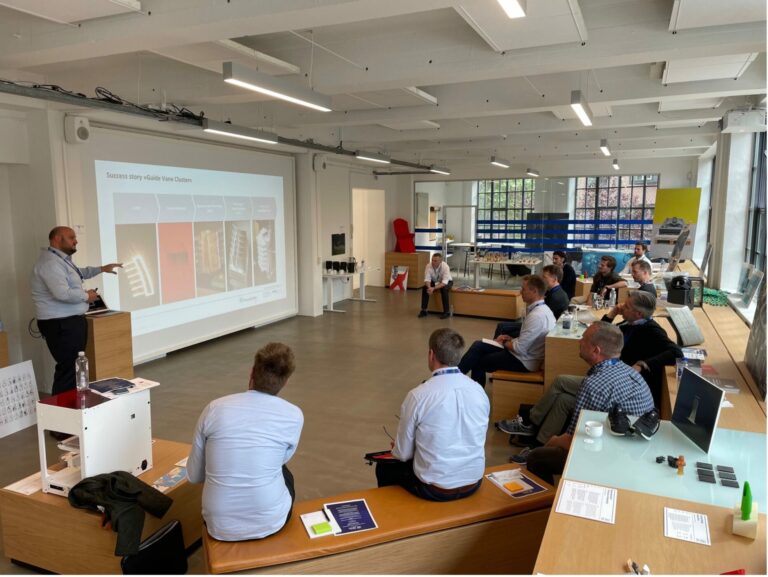
Elements such as the figures from Børsen’s façade, which Concr3de has printed and is bringing to the AM Summit 2024 conference, taking place on 24 October at Øksnehallen.
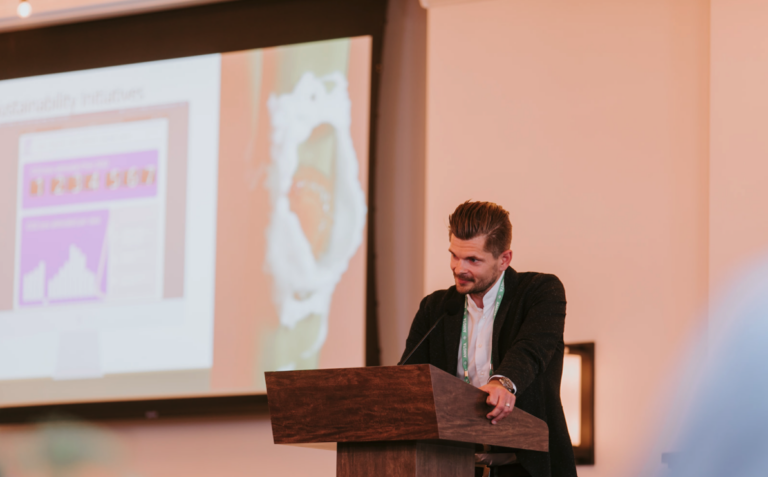
“When parts of a building are missing or too damaged to restore, 3D printing can produce accurate replacements based on historical records or existing examples,” says Matteo Baldassari, who is a keynote speaker at AM Summit 2024.
Printed famous demon
The work on the figure from Børsen’s façade is not the first time Concr3de has shown that 3D printing can be the way forward for restoring historic buildings.
After Notre Dame burned down, Concr3de printed, based on 3D scans, Le Stryge, which adorned the roof of the Gothic cathedral in Paris. The materials were limestone and ash-materials that were almost indistinguishable from the remains after the fire.
What tasks can 3D printing solve in connection with the reconstruction of historic houses?
“3D printing can create precise replicas of intricate architectural details such as cornices, stucco, and other decorative elements that may be too difficult or expensive to produce by hand. Custom components that match the original design can be produced quickly and accurately,” Matteo Baldassari notes, among other things.
 Because precisely the challenges of future restorations of important buildings could be one of many, the architect believes.
Here, Matteo Baldassari sees how modern craftspeople, among other things, will face hard work when they have to balance historical accuracy with modern requirements and necessities.
“Original materials may no longer be available, or they may be rare, making it difficult to match the original construction. At the same time, modern craftspeople may need to learn and apply traditional building techniques that are no longer widely used,” he says.
When the modern becomes an obstacle
At the same time, it can be difficult to make room for modern necessities such as plumbing and electrical systems in buildings constructed before running water, drainage, and artificial light at the flick of a switch became part of everyday life.
“The challenges require craftspeople not only to possess technical skills, but also a deep understanding of history, materials science, and modern construction techniques. At the same time, they must be able to collaborate effectively with historians, architects, conservators, and regulatory authorities,” says Matteo Baldassari.
He encourages all owners of historic buildings to have their buildings 3D scanned, should an accident occur:
“3D scanning can create detailed digital models of existing structures and elements, which can then be printed. This ensures that the design is preserved for future reference and restoration. In addition, the scans can be included in digital archives that can be used for future restorations or educational purposes.”
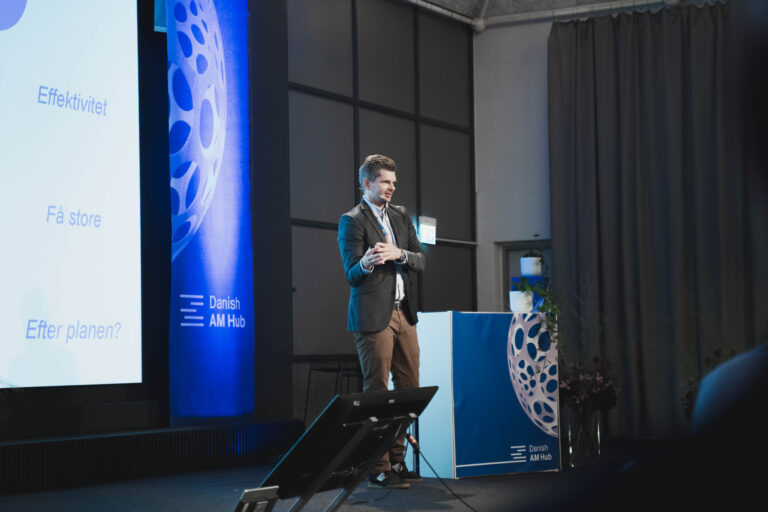
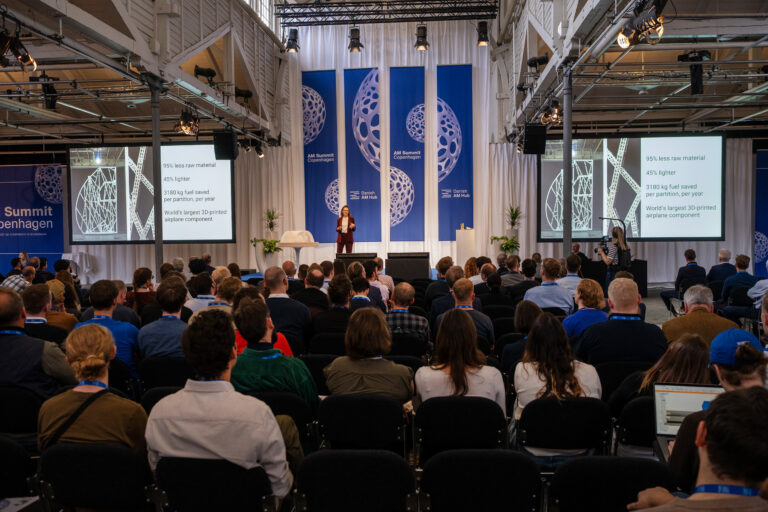
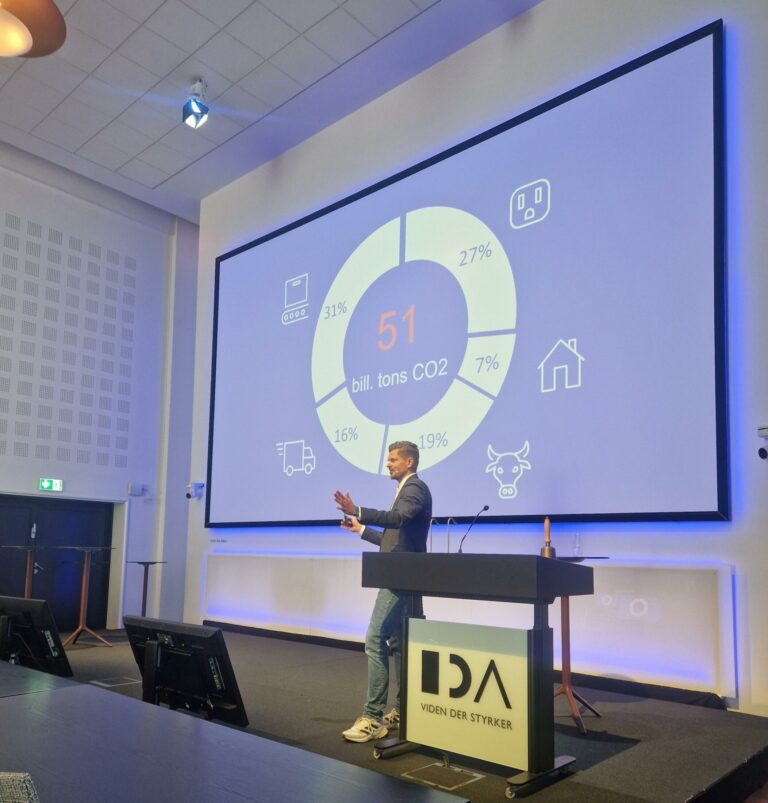
Matteo Baldassari will talk about his work on the Main Stage at AM Summit 2024 from 14:00.