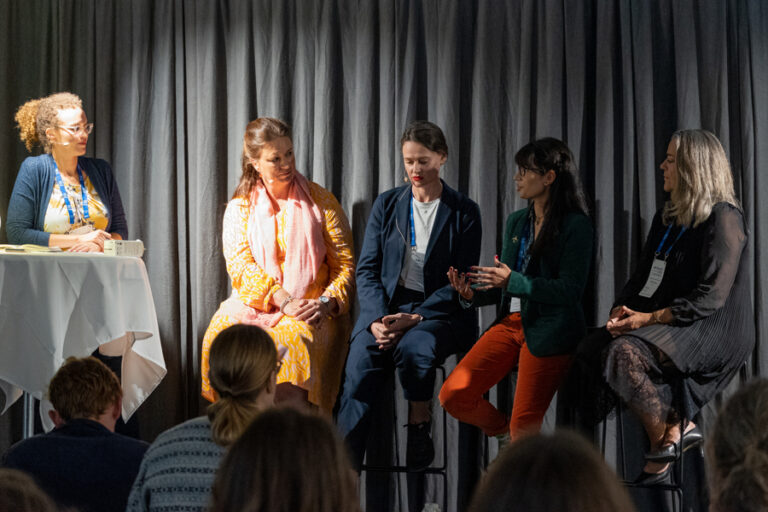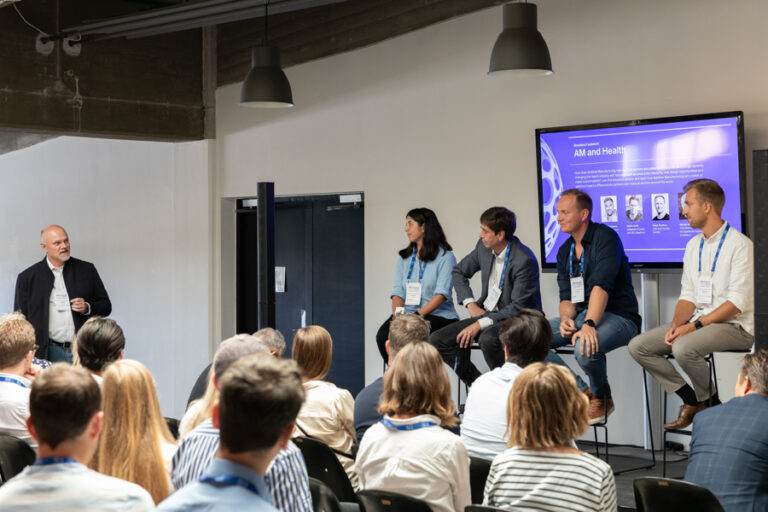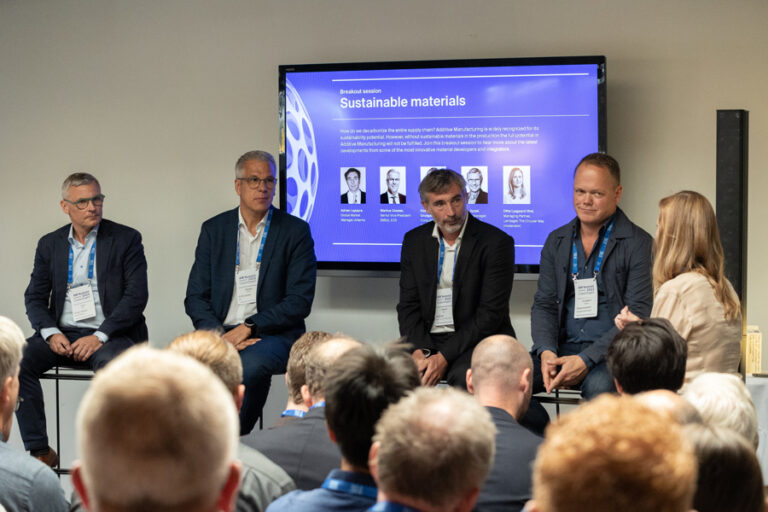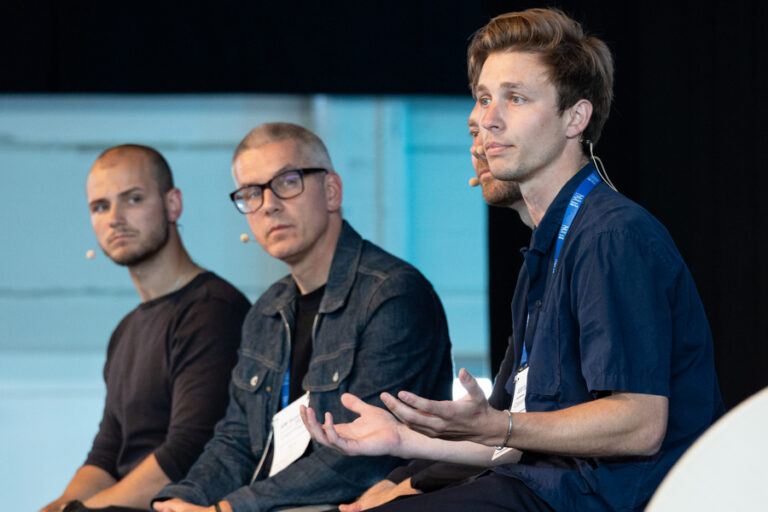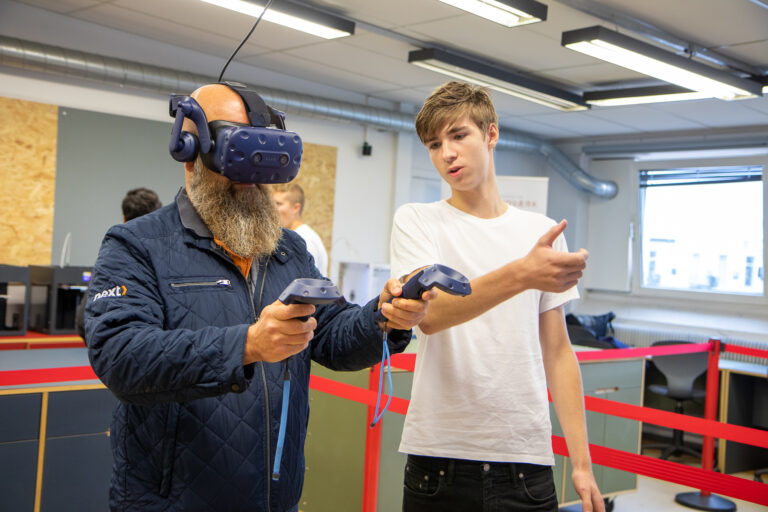

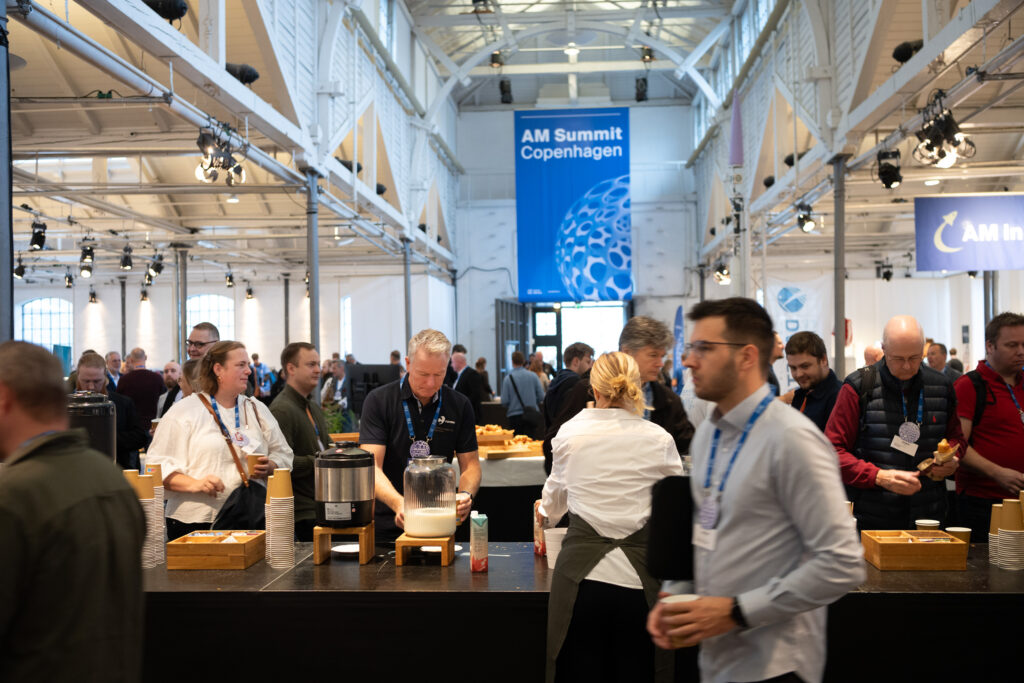
A professional family reunion celebration.
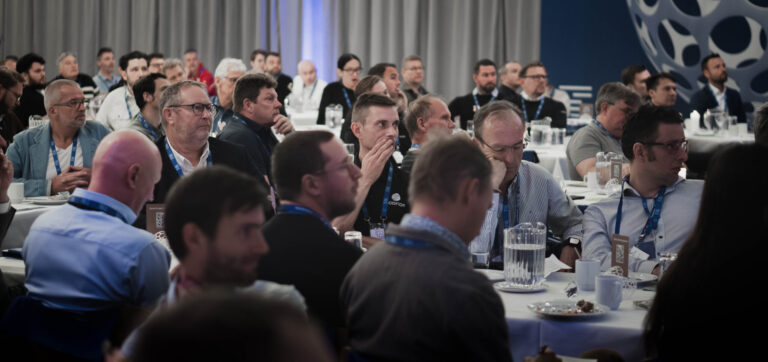
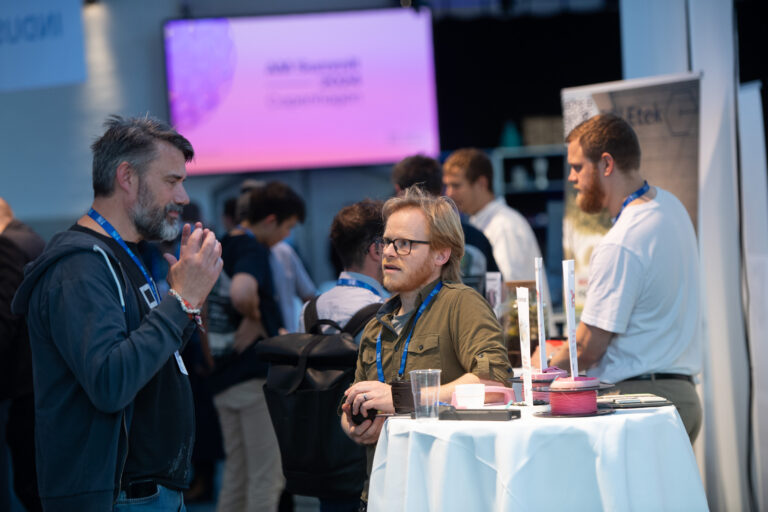
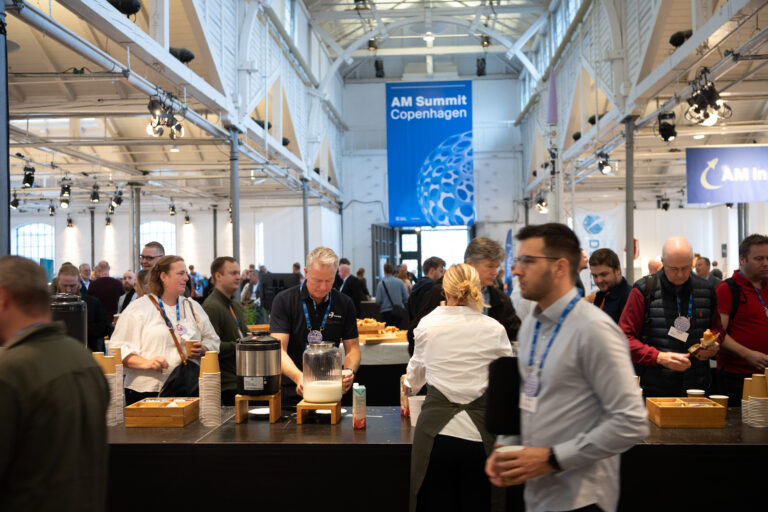
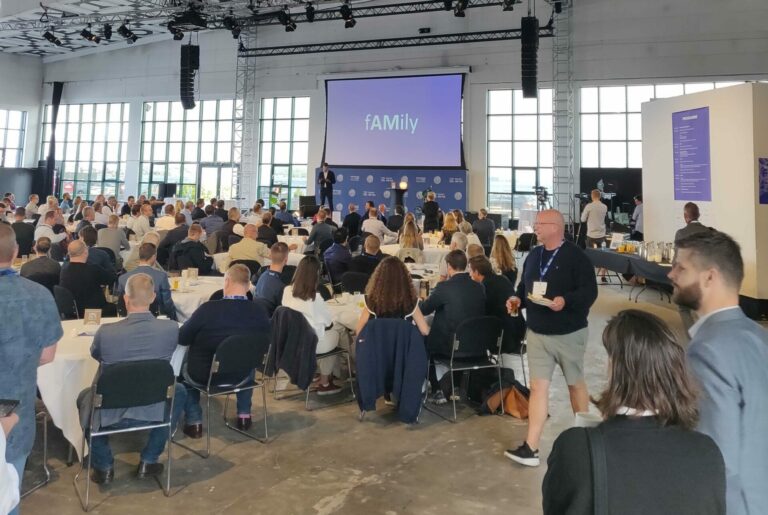
That is one way to describe this year’s AM Summit, which took place on 24 October at Øksnehallen on Halmtorvet in Copenhagen. Many of the participants already knew each other-from collaborations, development projects, or as customers and suppliers. Or from previous years’ AM Summit. Others simply shared a common interest and fascination with the staggering possibilities of AM technology.
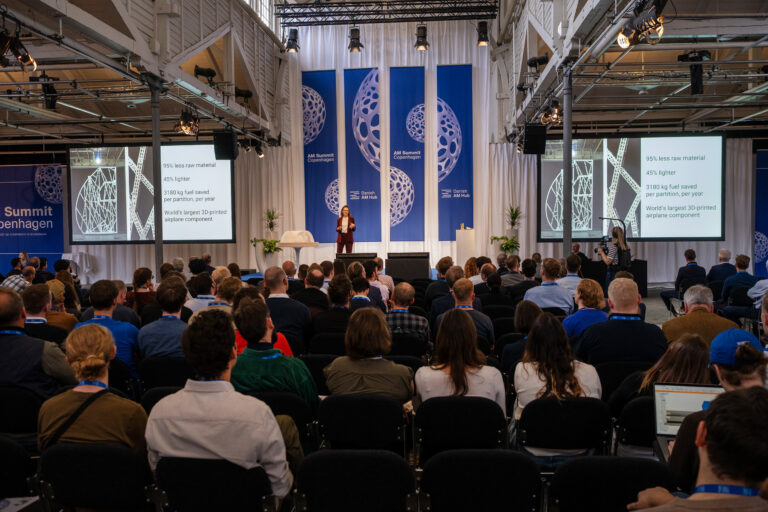
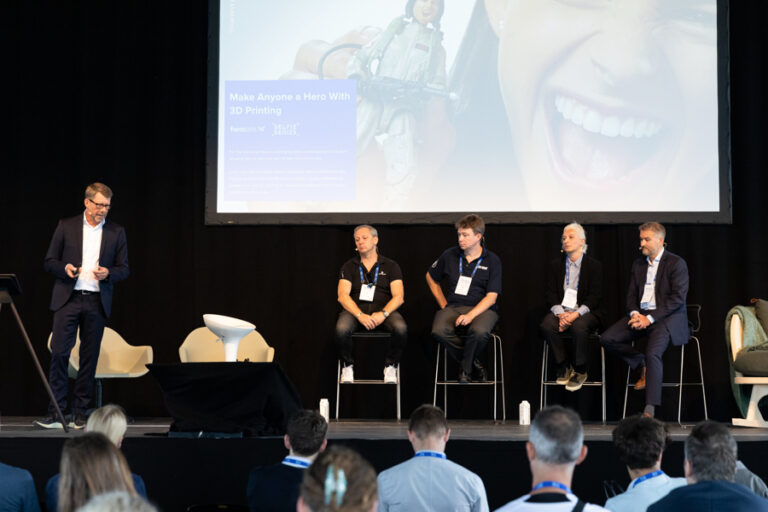
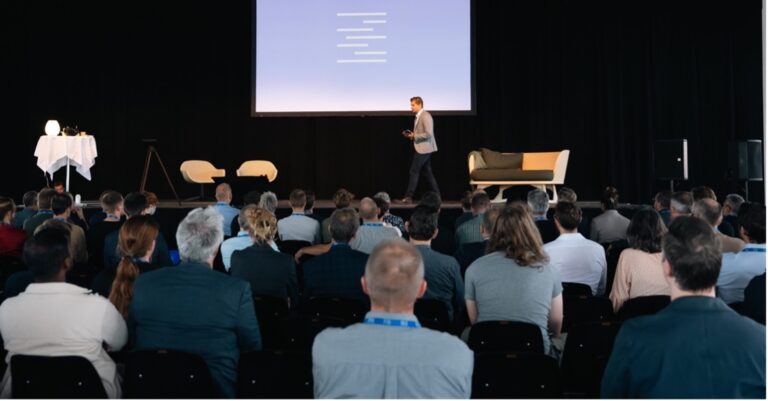
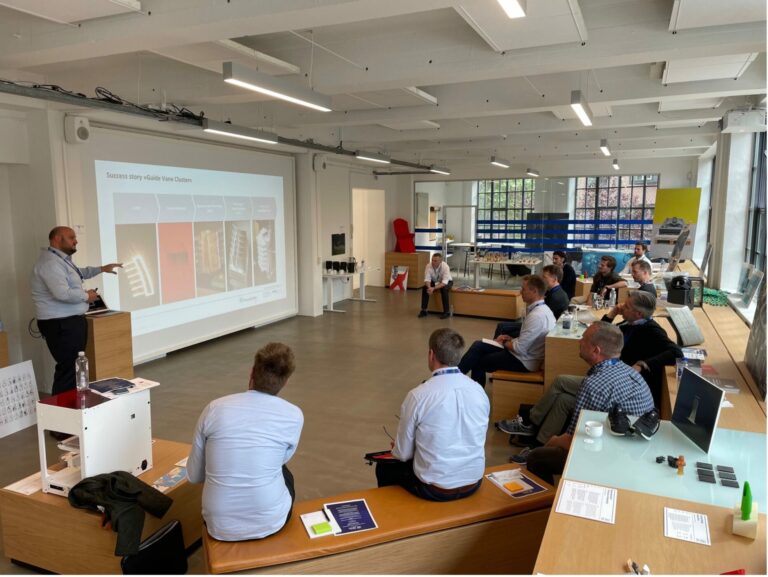
930 participants gathered for a day packed with presentations and talks spanning a wide range-from some of the world’s leading experts in 3D printing and Additive Manufacturing to newcomers pitching their startups and talking about their first steps into the market.
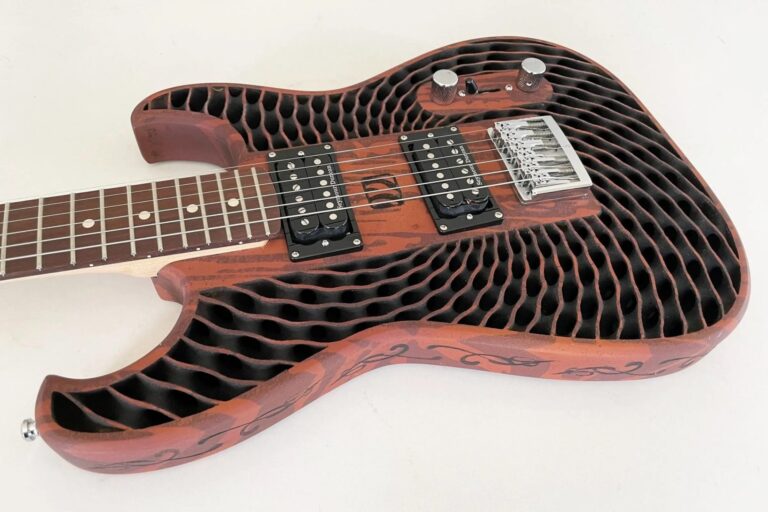
There were materials specialists, software developers, hardware manufacturers-designers, researchers, investors, innovators, and many people who have had great ideas and brought them to life with 3D printing in a wealth of innovative creations. Vegan salmon, artificial reefs for harbours, a house built from mushrooms and waste, and 3D-printed fashion, to name just a few of the more eye-catching examples.
The curious development engineer
Many participants were interested in hearing about the latest advances and technologies. Development engineer Hans Henrik Iuel from pickup manufacturer Ortofon uses AM Summit to find new ways to leverage 3D printing.
“I want to see what we can do with 3D printing-where development is heading. We want to push the boundaries of what we can achieve, and I’m also interested in the environmental benefits, because our customers care about sustainability and about production polluting less,” said Hans Henrik Iuel.
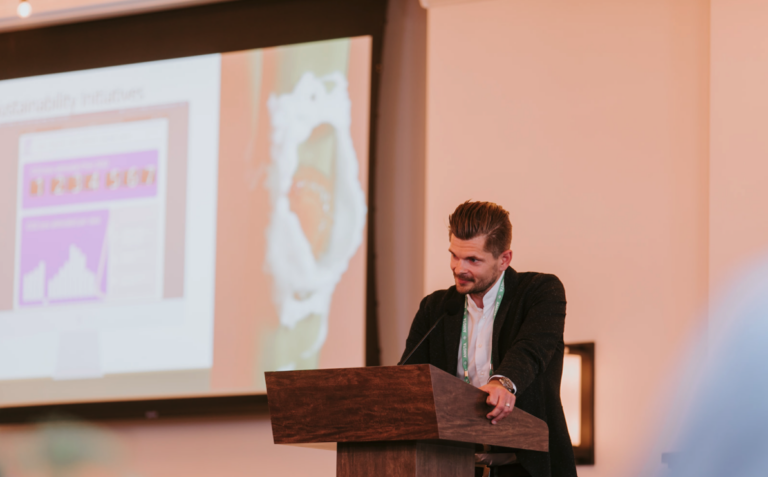
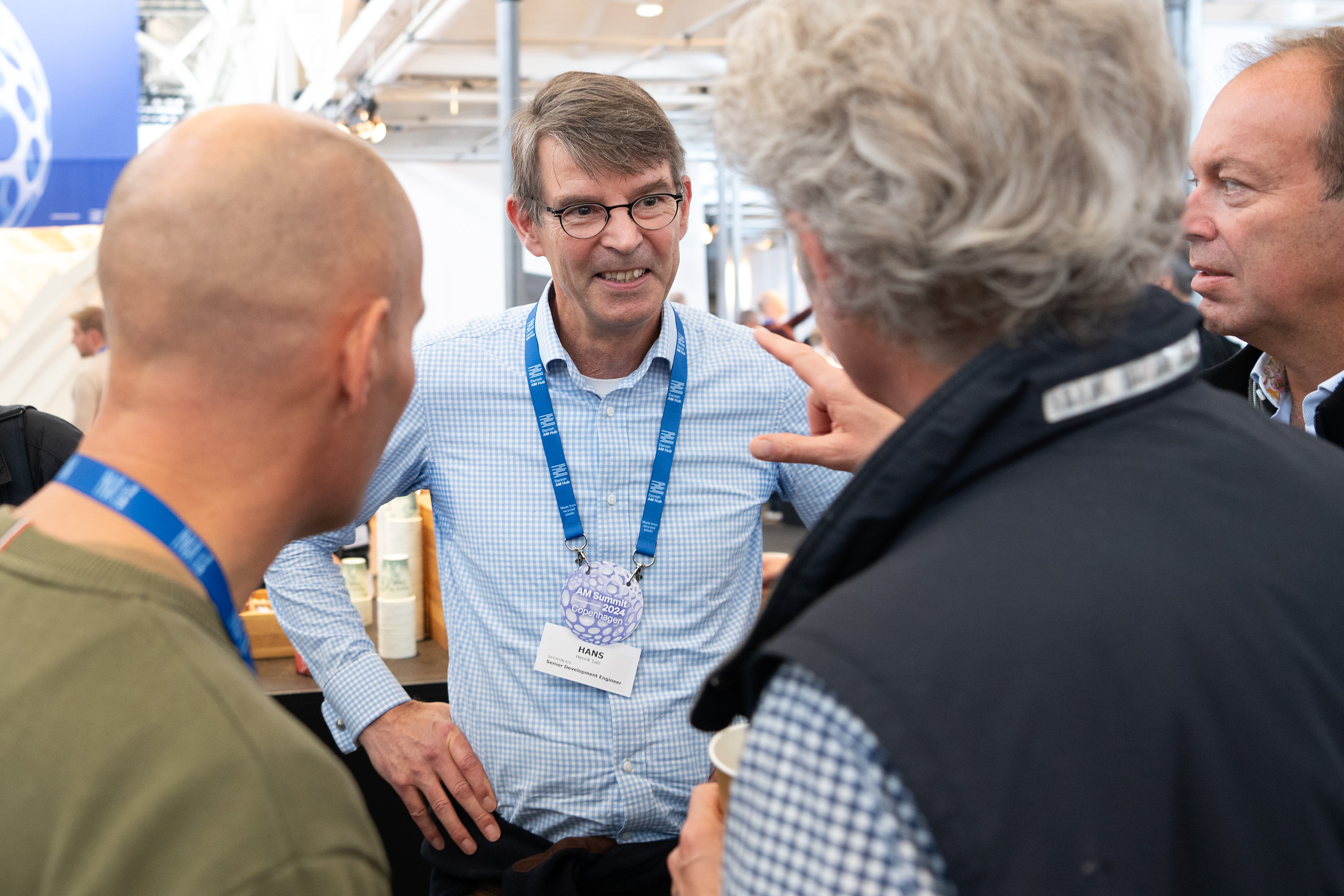 Development engineer Hans Henrik Iuel from Ortofon also used AM Summit to network with former colleagues and partners. Photo: Thomas Sjørup.
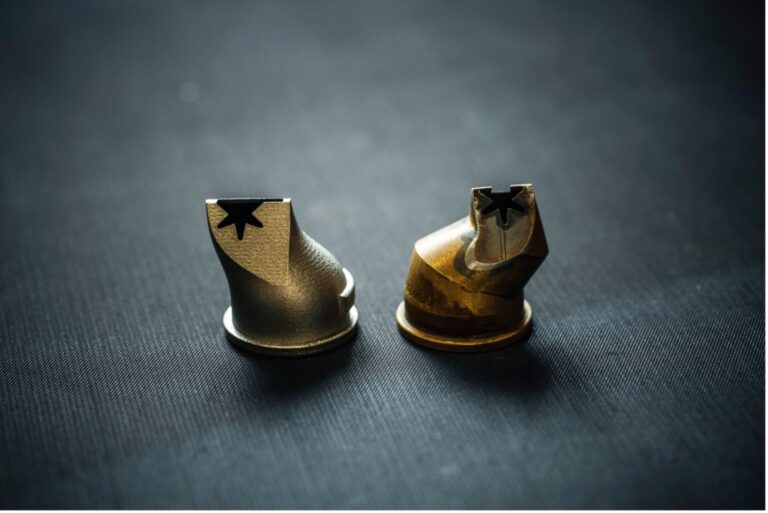
Ortofon manufactures turntable cartridges in Nakskov and uses a 3D printer in-house to produce fixtures for production. These are devices that assemblers clamp the cartridge into when, for example, they need to pad-print the company name on them. Ortofon also has a hollow intermediate part of the cartridge 3D-printed in titanium, which is filled with a powder to reduce vibrations. The intermediate part is printed at the Danish Technological Institute, which also participates at AM Summit.
“We can’t make the intermediate part without 3D printing, so I definitely need to go and talk to DTI, just as I want to talk to other metal-printing people. And then I’ll mingle with former R&D colleagues I know from my time at Nokia and Ambu. AM Summit is very much about networking for me,” said Hans Henrik Iuel.
Engineer at Ambu: We need to push ourselves in development
A little later, the development engineer had a cup of coffee with Jan Guldberg from Ambu, which manufactures medical devices in plastic for hospitals and emergency services. Guldberg is also interested in new trends, and he is particularly focused on materials.
“Today I want to keep up with whether there are new, exciting things we can bring into our own organisation. We need to push ourselves internally in development with the latest in 3D printing. AM Summit often features discussions about new, environmentally friendly and sustainable materials, and I expect to pick up tips on that,” said Jan Guldberg from Ambu.
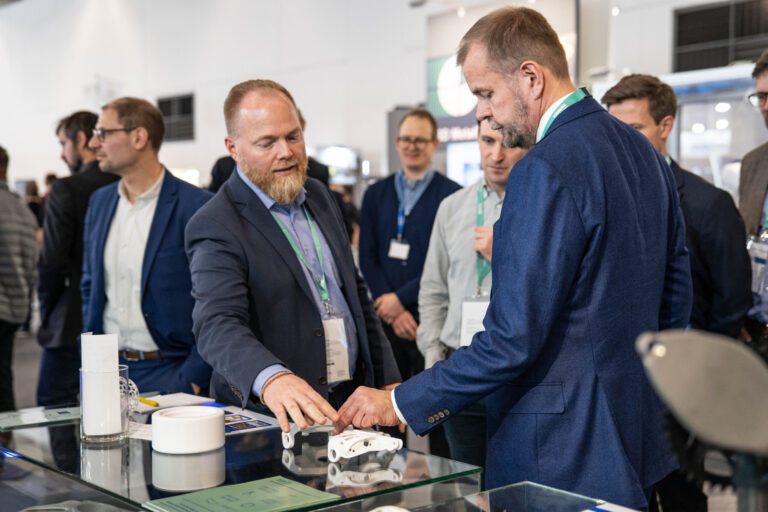
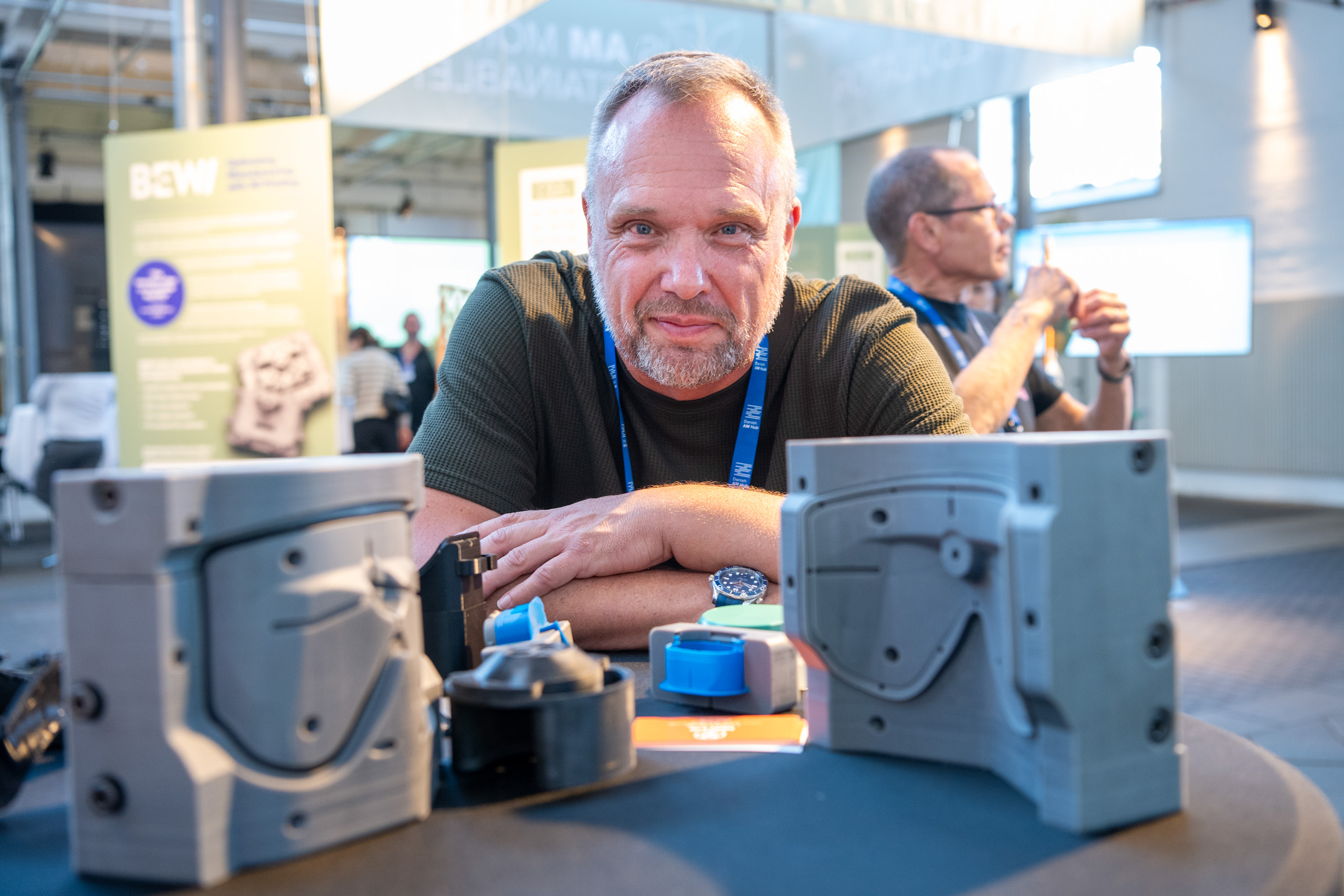 Principal engineer Jan Guldberg from Ambu is visiting the stand of the plastics company J. Krebs & Co, which he collaborates with regularly. Photo: Thomas Sjørup.
He explained that Ambu uses 3D printing for prototyping and development of new endoscopes, which are devices for endoscopic examinations. Ambu produces 3D-printed prototype components in plastic in-house and has injection-moulding tool parts with optimised cooling 3D-printed in steel by suppliers.
“Plastic has to be cooled during the moulding process. We make many components in a short time, so it is very important to optimise the moulding process and the cooling and reduce production time. Here, 3D printing can create the optimal mould parts that we use in production,” said Jan Guldberg, who described the Danish plastics industry as rather small.
“So there is a great opportunity to network with people in the industry here at AM Summit. We help each other.”
Nature as the great teacher
A major theme at AM Summit was biomimicry-or biomimetics in Danish. Several speakers and exhibitors showed how they solve problems by drawing inspiration from, or imitating, nature’s forms and patterns.
Biomimicry was exactly what participant Kristine Garde from DTU Skylab was looking forward to diving into. She is originally a biologist, but today works as a section manager at DTU’s innovation hub.
She listened to presentations by biomimicry experts Beth Rattner and Ayla Kiser on the main stage. Beth Rattner, former director of the Biomimicry Institute, spoke about how nothing in nature goes to waste because everything breaks down into nutrients that are reused. She compared this with AM, where objects can be broken down and the materials recycled to 3D-print new objects. The use of waste and new materials was particularly interesting to Kristine Garde.
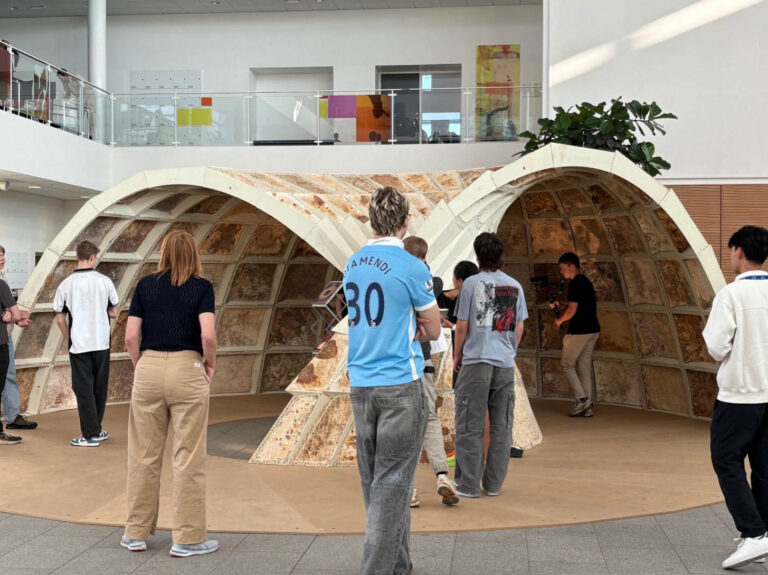
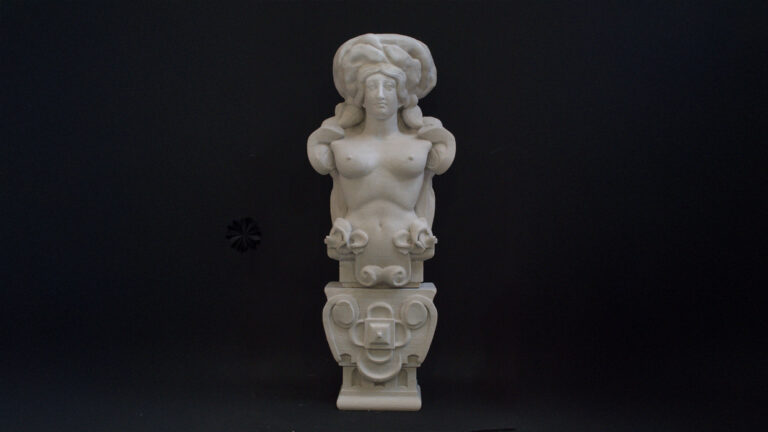
“It was extremely interesting to hear about all the new materials people are printing in-for example, wood, and then the new approach that Matteo Baldassari and Concr3de are working on, where they create new statues from old ones (with binder jetting, where the 3D printer adds a binder to powder that may come from broken-down objects, ed.). And I loved the pavilion and all the possibilities it brings,” said Kristine Garde about the I AM MSHRM pavilion, which BIG Architects and Dansk AM Hub have developed together with the companies MDT and Naturpladen.
The Summit provides an overview
The striking, beautiful pavilion was exhibited centrally in Øksnehallen. It is made from frames designed by BIG and 3D-printed by MDT from waste and recycled bioplastic. In the frames, Naturpladen let mushroom mycelium grow and then heated the panels in an oven to create a hard surface.
Kristine Garde used AM Summit both to gain an overview of new trends and to maintain contacts. DTU Skylab runs 12 workshops and laboratories for DTU startups, supporting them with everything from food to metalworking, as well as conventional 3D printing. She also wanted to stay in touch with Skylab’s suppliers, some of whom were exhibitors.
“We work, among others, with Prototal and EXO360, and we would like to build a strong network of suppliers. Then we can tell our startups that they can talk to the suppliers when we can no longer help them,” said Kristine Garde, who called herself an engineer in disguise, even though the presentations also awakened the biologist in her.
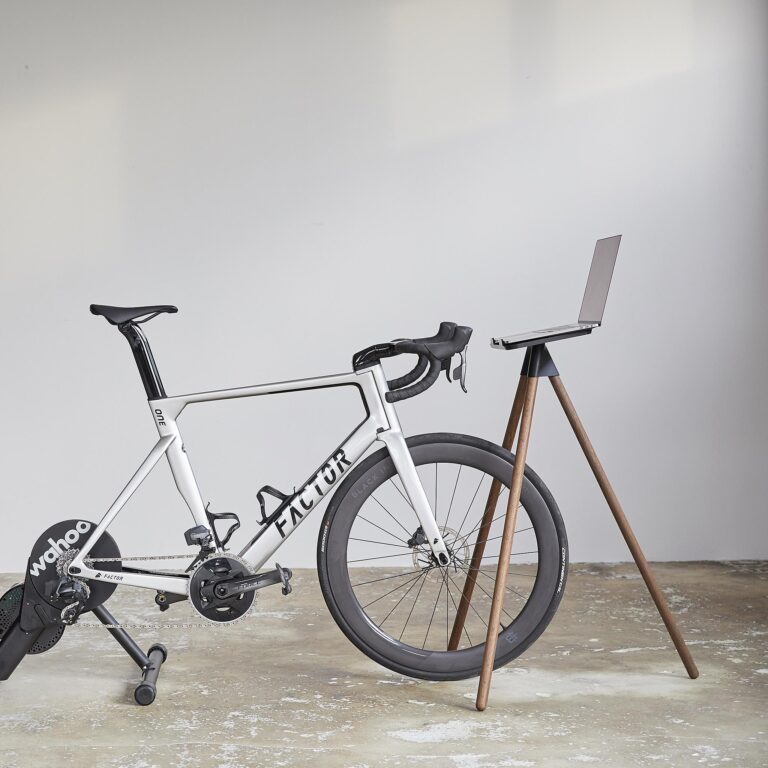
“It was so great to hear about the world’s fastest bike, where the designers drew inspiration from the humpback whale. And I recognised silicate microalgae in the patterns Ayla Kiser showed in her slides,” said Kristine Garde, who as a biologist worked specifically with microalgae.
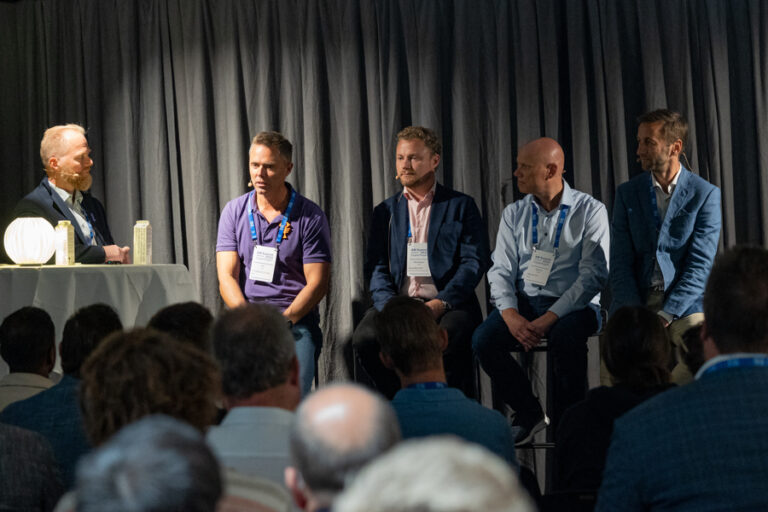
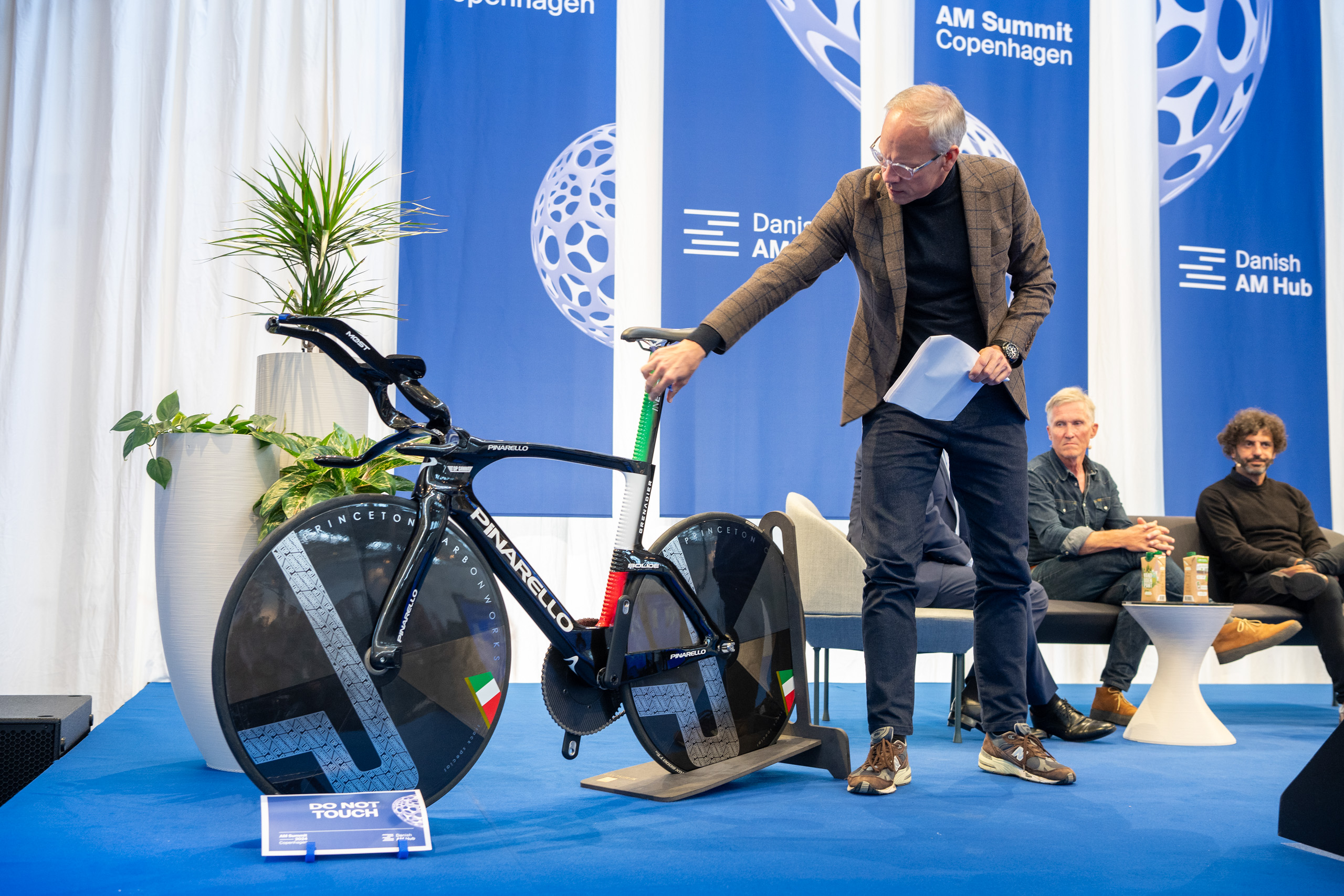 Moderator Dennis Ritter points out the distinctive folds on the seat tube of the world’s fastest bike. The manufacturer Pinarello and designer Luca Oggiano (right in the picture) drew inspiration from the humpback whale’s so-called tubercles-small bumps on the fins. Photo: Thomas Sjørup.
She has followed 3D printing for years, and at this AM Summit she experienced a breakthrough.
“For a number of years, 3D printing didn’t move forward that much. But now something is happening.”
Young innovators are ready to take over
Dansk AM Hub has sought to drive that development, among other things by supporting startups through a dedicated startup programme. Øksnehallen also echoed with pitches from entrepreneurs who use AM and 3D printing as their preferred production method.
But very young innovators also took part in AM Summit, which featured a so-called 3D printing hackathon. Here, teams of three students from different programmes were to collaborate on designing and 3D-printing plastic carabiners with new functions.
DTU student Arthur Nissen was one of them. He worked together with, among others, an architecture student, and through three rounds-also called iterations with feedback-they developed a white plastic bottle holder that can hang from a belt with a carabiner. The journey there was educational.
“We worked under time pressure, and it was extremely exciting. We had different knowledge, and that made the discussions good, so we could enrich each other. For example, I learned something new about how to get plastic to fit into other plastic and be able to move like a joint,” said Arthur Nissen, as the printer worked on the final version of the bottle holder, which was presented at the closing session in front of the bar in Øksnehallen.
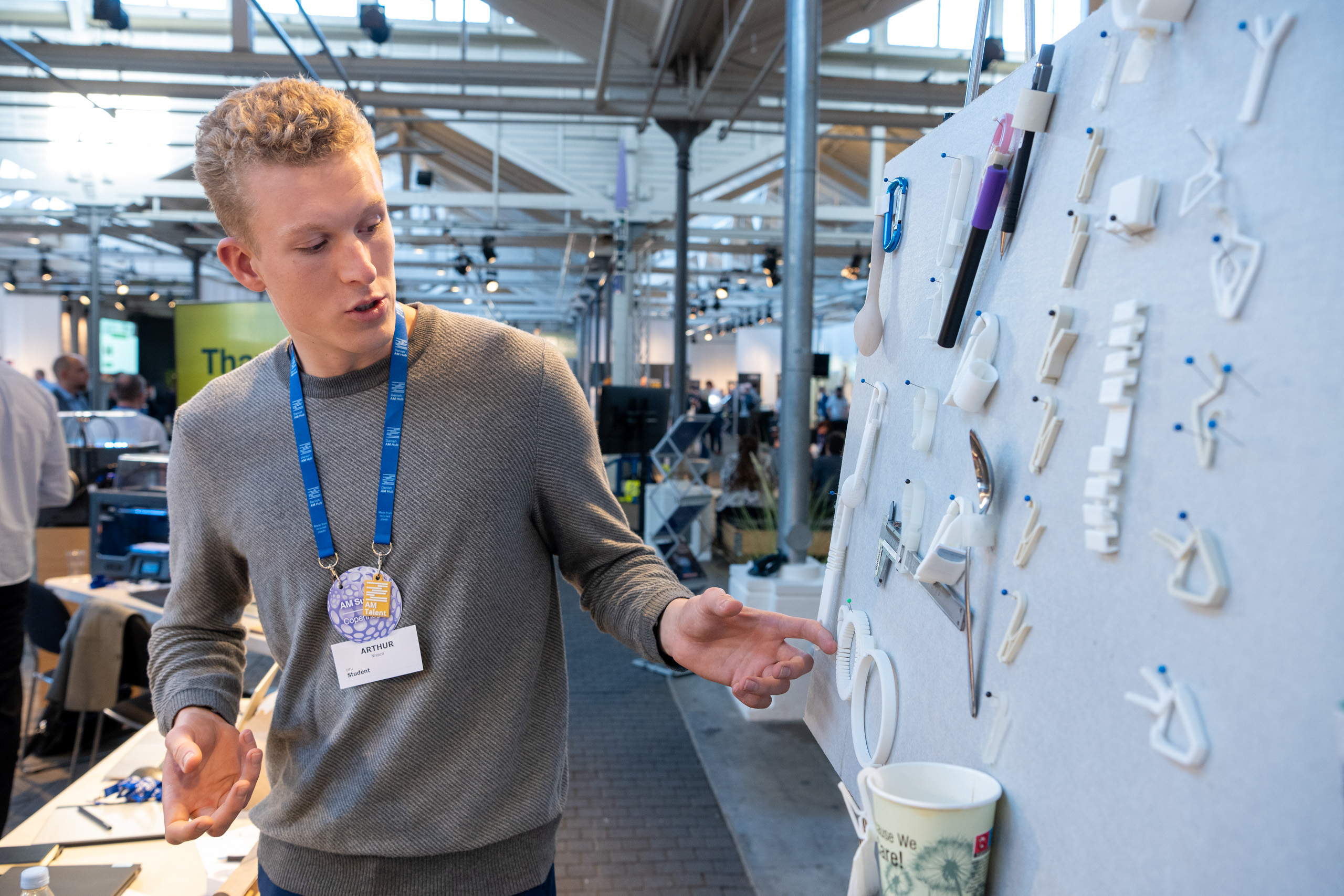 Master’s student Arthur Nissen by the noticeboard where the students show the results of their hackathon sprints. The team’s third and final version of the bottle holder with carabiner is still in the printer at this point. Photo: Thomas Sjørup.
Everything suggests that AM and 3D printing have a bright future ahead with Arthur Nissen and his peers. The young master’s student in Materials and Manufacturing described himself as a huge fan of 3D printing.
“I’ve been interested in AM and 3D printing since I was in high school eight years ago. Once you start 3D printing, you can’t help it. My room was filled with plastic gadgets-everything from cable holders to Frisbee holders and plastic art. In the end, my family got tired of 3D-printed Christmas gifts. But I know that I’m going to work with 3D printing.”