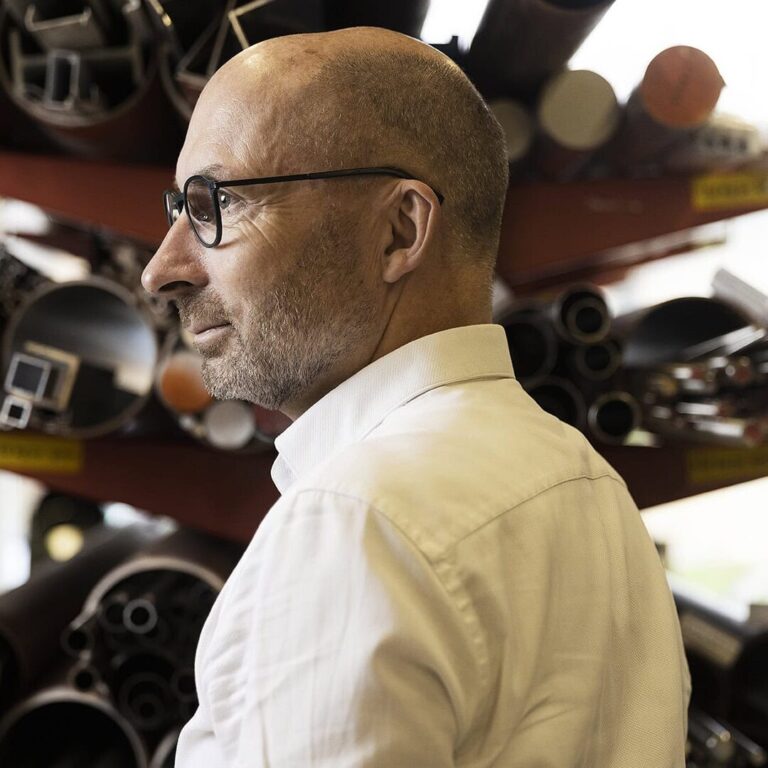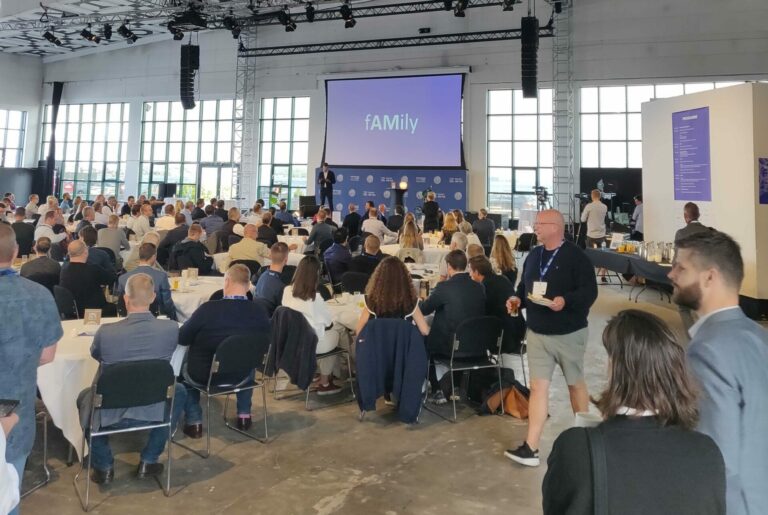

Overwhelming support-and a particular panel debate about a bicycle. Those two things made the biggest impression on CEO Frank Rosengreen Lorenzen as he looks back on the AM Summit that he and the rest of the team at Dansk AM Hub held on 24 October at Øksnehallen.
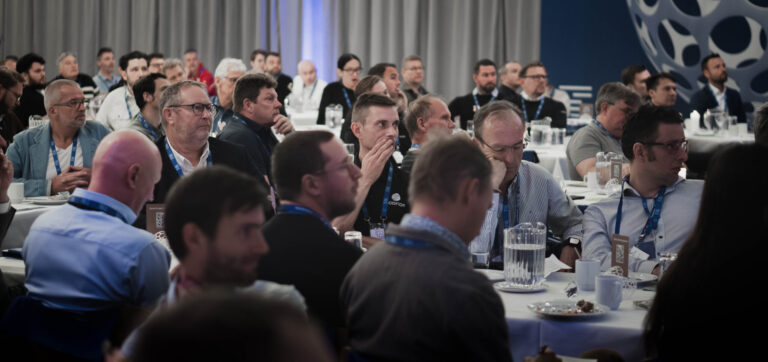
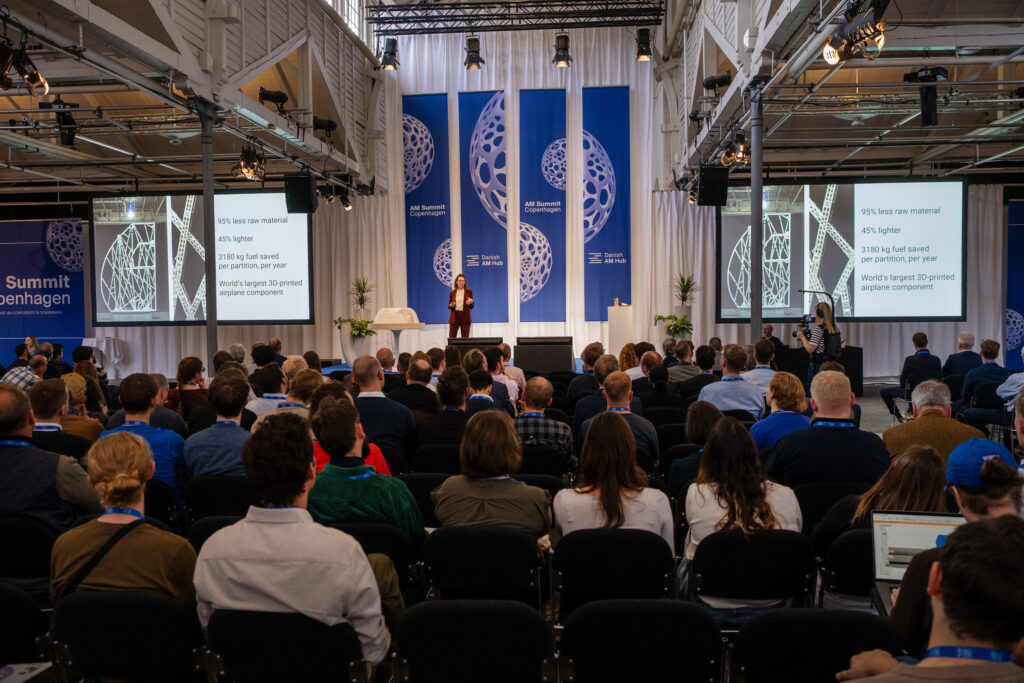
930 professionals signed up for the record-breaking conference, and Frank Rosengreen Lorenzen describes that result as more than satisfactory.
“It is huge when you work with a potentially promising technology that Denmark does not focus on that much. That scale is difficult to compare with any other conference about using new technology to improve production. It was incredibly good to see.”
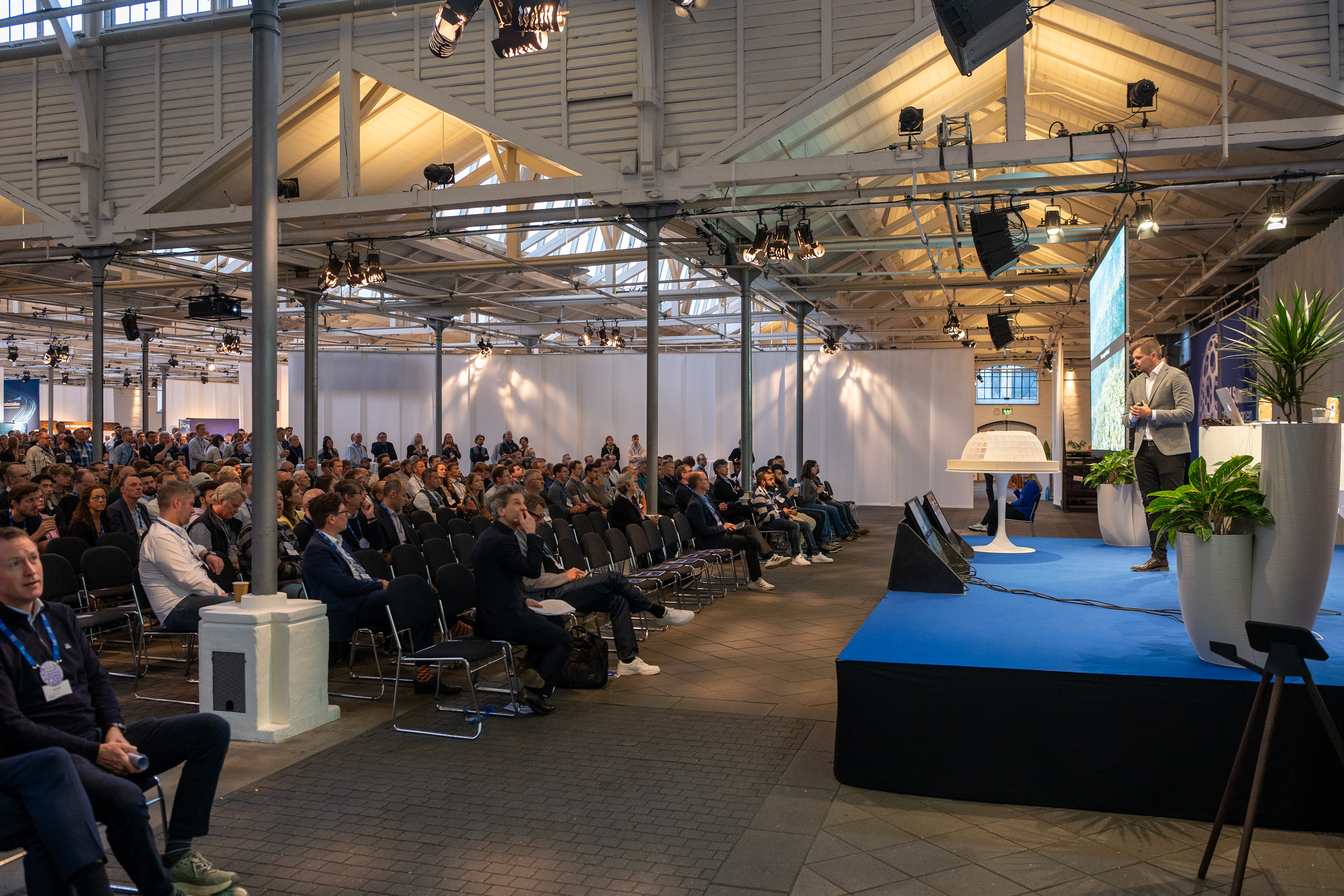
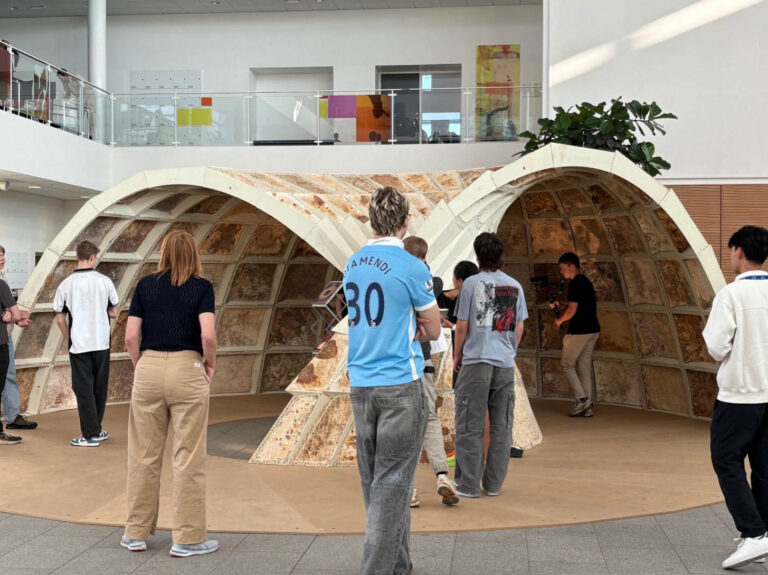
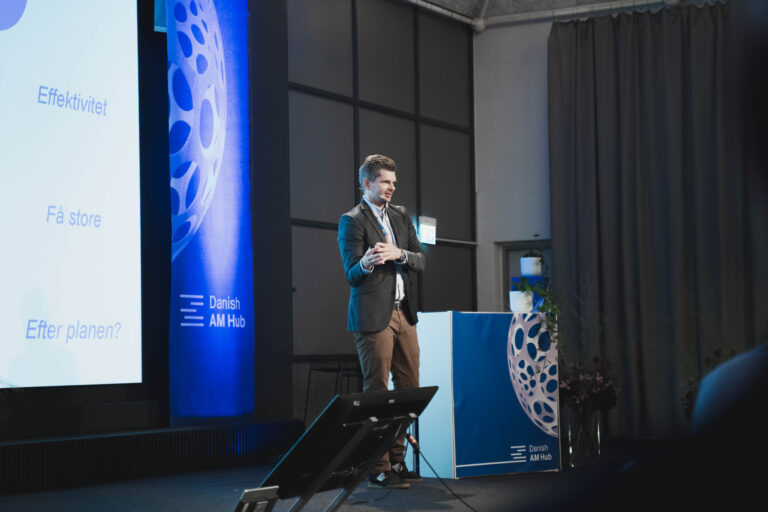
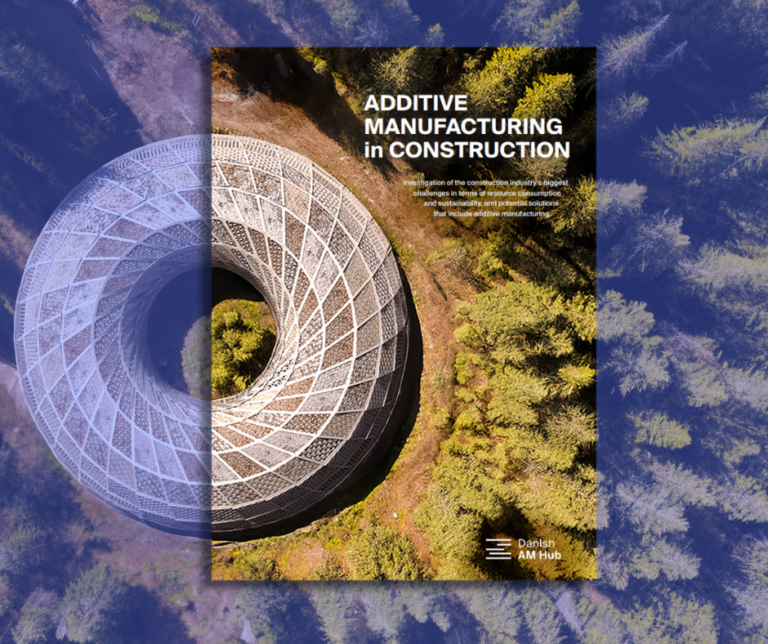
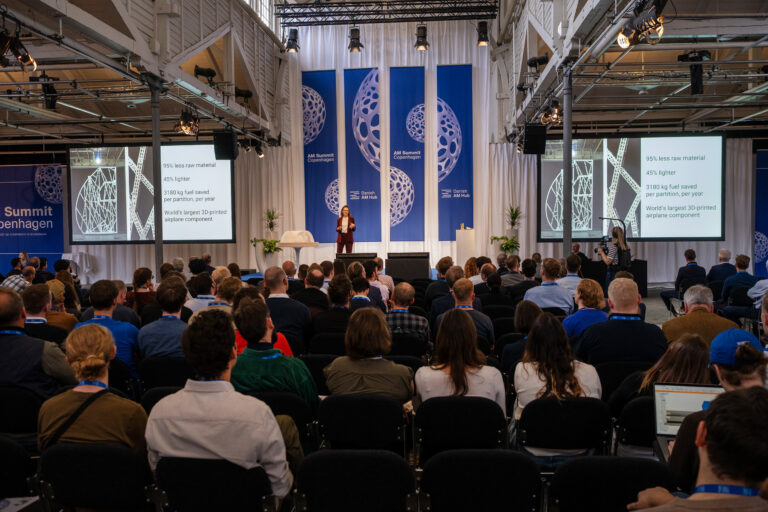
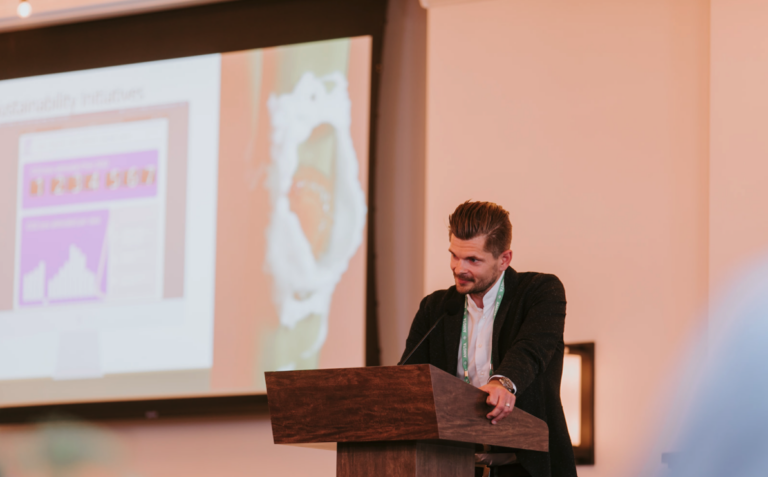
Caption: CEO Frank Rosengreen Lorenzen opened AM Summit on the main stage next to a model of the 3D-printed mushroom house that could be experienced at Øksnehallen. Photo: Thomas Sjørup
He believes the turnout shows that participants recognise and buy into Dansk AM Hub’s mission to create more sustainable production and products with AM technology and industrial 3D printing.
“Production is often about repetition and cutting costs. We create a free space where you get out of the groove. There is so much potential in Danish industry to become even more innovative and test new materials and circular production. We draw people out of their everyday routines at AM Summit,” says Frank Rosengreen Lorenzen.
New times require new production methods
For the CEO, the turnout at Øksnehallen almost felt like a movement within sustainable production.
“People come to AM Summit because they want to be part of a movement-where it is not about making things we can buy on TEMU. They want to create sustainable products, and with AM and AI they can make sustainable, competitive products that the world is asking for. Why should we print the same things we can make with today’s manufacturing methods? It is about leveraging the possibilities of technology to get to a better place.”
Frank Rosengreen Lorenzen is aware that it is not easy to change course and make much greater use of 3D technology. But there are so many advantages that, in his view, there is no way around it.
“The days when, as a manufacturer, you ordered large quantities of materials and assembled them in all directions without thinking about what would happen to the product afterwards are changing. Out of sight, out of mind-and we have made the money-no longer applies.”
Frank Rosengreen Lorenzen believes several presentations at the conference showed that there is a great need for manufacturers to think differently-both for the sake of the planet and customers’ wishes. Among other things, biomimetics expert Ayla Kiser mentioned that, according to a report, by 2050 there will be more plastic than fish in the world’s oceans, measured by weight.
“We need to design and optimise differently. We need to consolidate many parts into one part and add more functions to it. We need to create greater durability and make it possible to disassemble the product so we can recycle it. Will it be difficult? Yes. But everything is difficult before it becomes easy,” says Frank Rosengreen Lorenzen.
Debate about 3D-printed super bike became the CEO’s stock cube
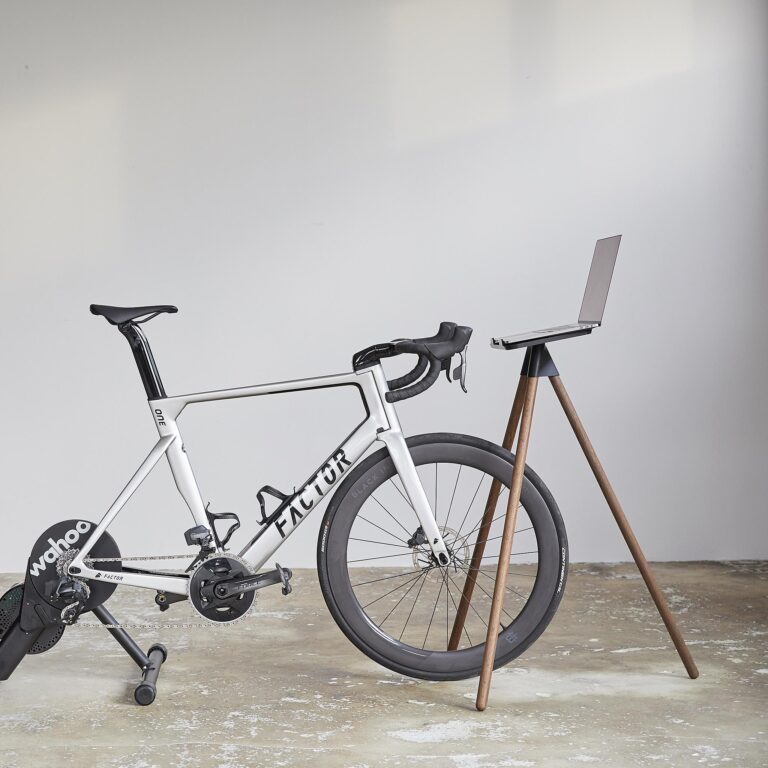
And then we come to the panel debate about the world’s fastest bicycle, which made such a strong impression on Frank Rosengreen Lorenzen.
On stage stood the world’s fastest bicycle, which is 3D-printed. The bicycle on which Italian rider Filippo Ganna set the hour record in 2022, and which the Italian track cycling team now wins medals on.
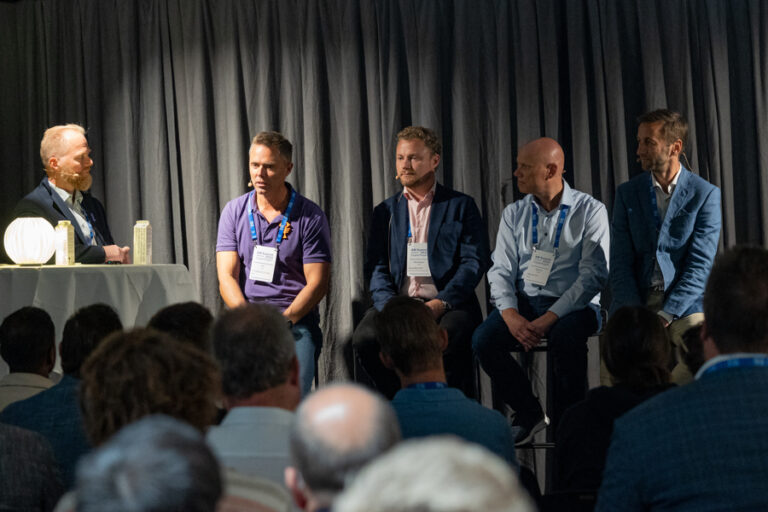
The panel consisted of AM expert Joris Peels, wind-optimisation expert Luca Oggiano, and former cyclist and sports director Brian Holm. The three men concluded that it is no longer the rider, but the bicycle that wins.
And that the best riders gravitate towards the teams with the best engineers to build the bikes-especially with 3D printing. Joris Peels said that a team today even has 3D printers in their mobile bike workshop at the Tour de France, and that this will become everyday practice going forward.
“The debate was a wake-up call for Danish manufacturing, and that applies whether you make bicycles or hydraulic blocks. Do we want to be on the team that has the technology available and can make that bicycle? Or do we want to be on the team that thinks 3D printing is a bit too expensive and too much hassle? I know which team wins. The panel unpacked that so clearly for the audience, and in that way it became a stock cube of everything our mission is about,” says Frank Rosengreen Lorenzen.
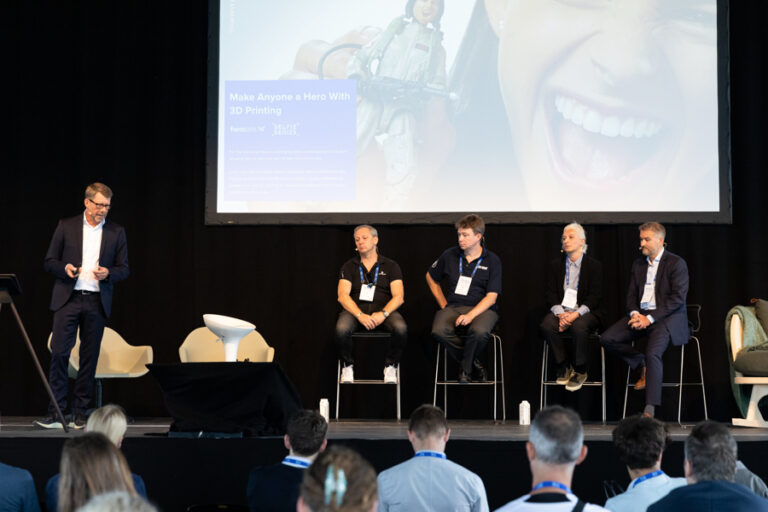
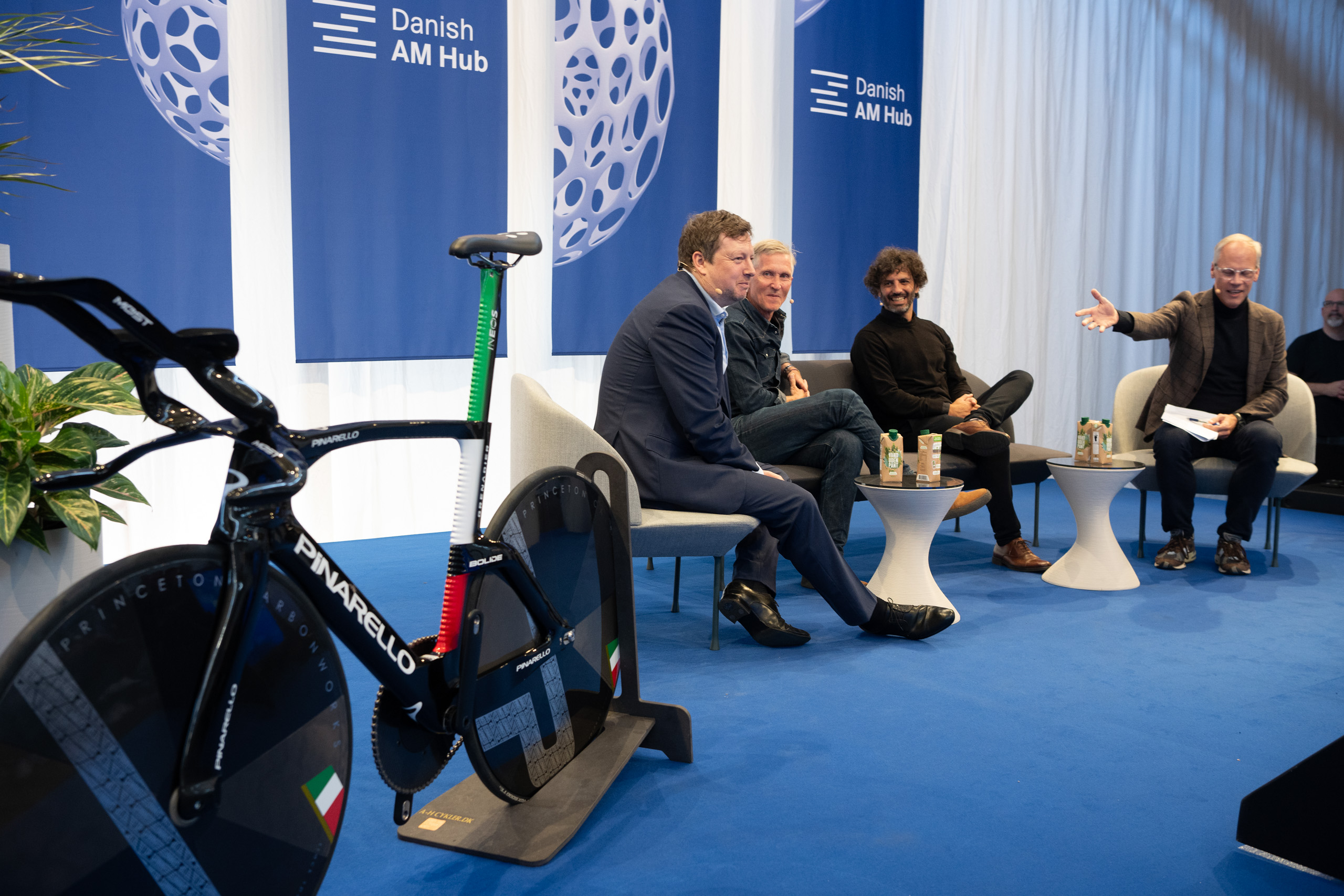 Caption: The panel debate about the world’s fastest bicycle and the technology behind it was very well attended. From left: AM expert Joris Peels, sports director Brian Holm, wind-optimisation expert Luca Oggiano, and moderator and sports commentator Dennis Ritter. Photo: Thomas Sjørup
China and the USA are moving fast on 3D printing
He saw the clear message confirmed in the conversations he had with several experts and speakers before and during the conference.
“It strikes me that there is an escalating geopolitical competition around 3D printing, which China in particular-but also the USA-is investing heavily in. They are building 3D-printing factories because the technology has the potential to disrupt things. And it gives me a sinking feeling when I hear how aggressively they are doing it,” says Frank Rosengreen Lorenzen.
At the same time, he is also pleased by the enormous amount of innovation that emerged at AM Summit.
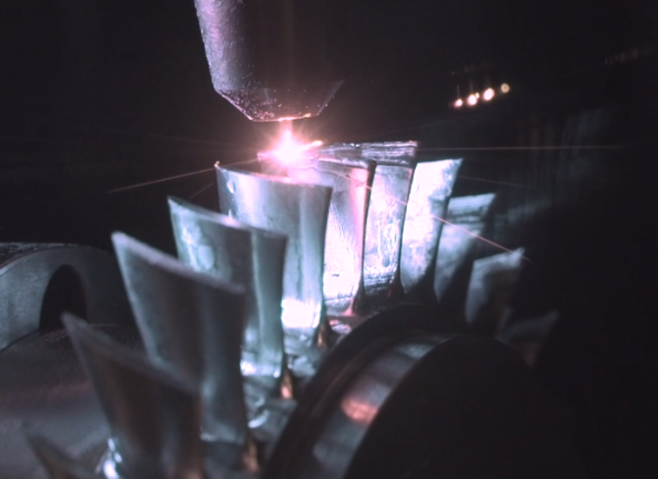
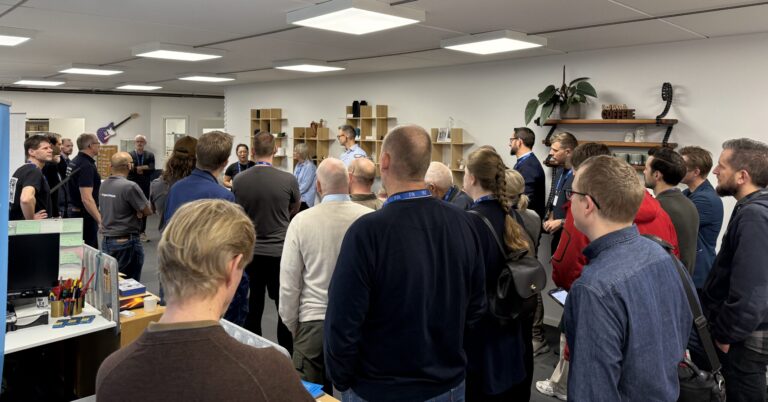
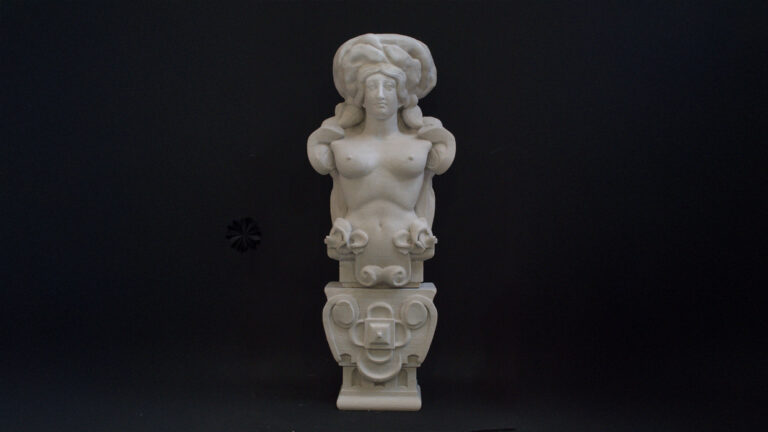
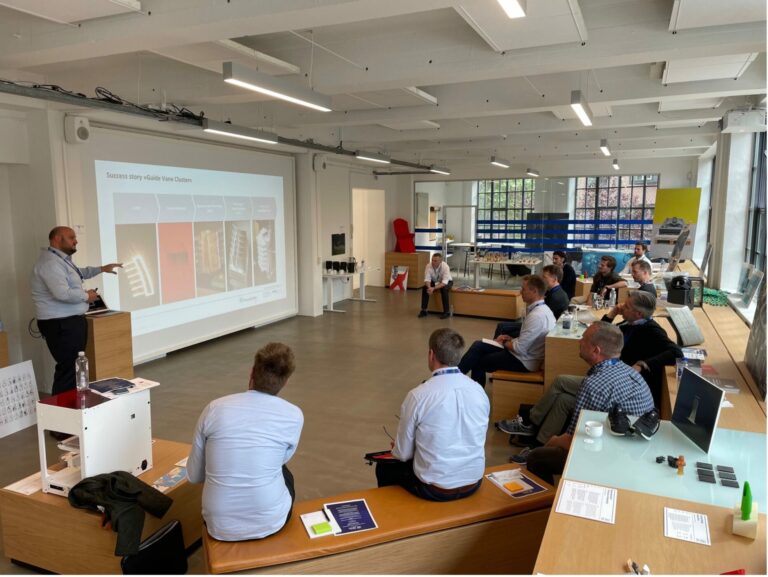
“It also strikes me how much 3D printing itself is developing across the 27 technology types it encompasses. For example, when Matteo Baldassari from Concr3de shows how they make statues from powder using binder jetting with a machine they have developed themselves. Or when we visit DTU Construct, which has built a metal printer itself. That makes me optimistic, and I see a promising future for the technology in Danish manufacturing.”
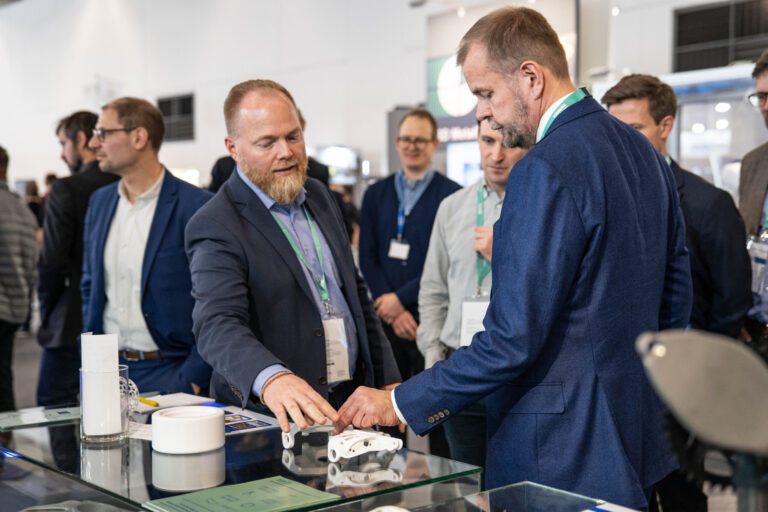
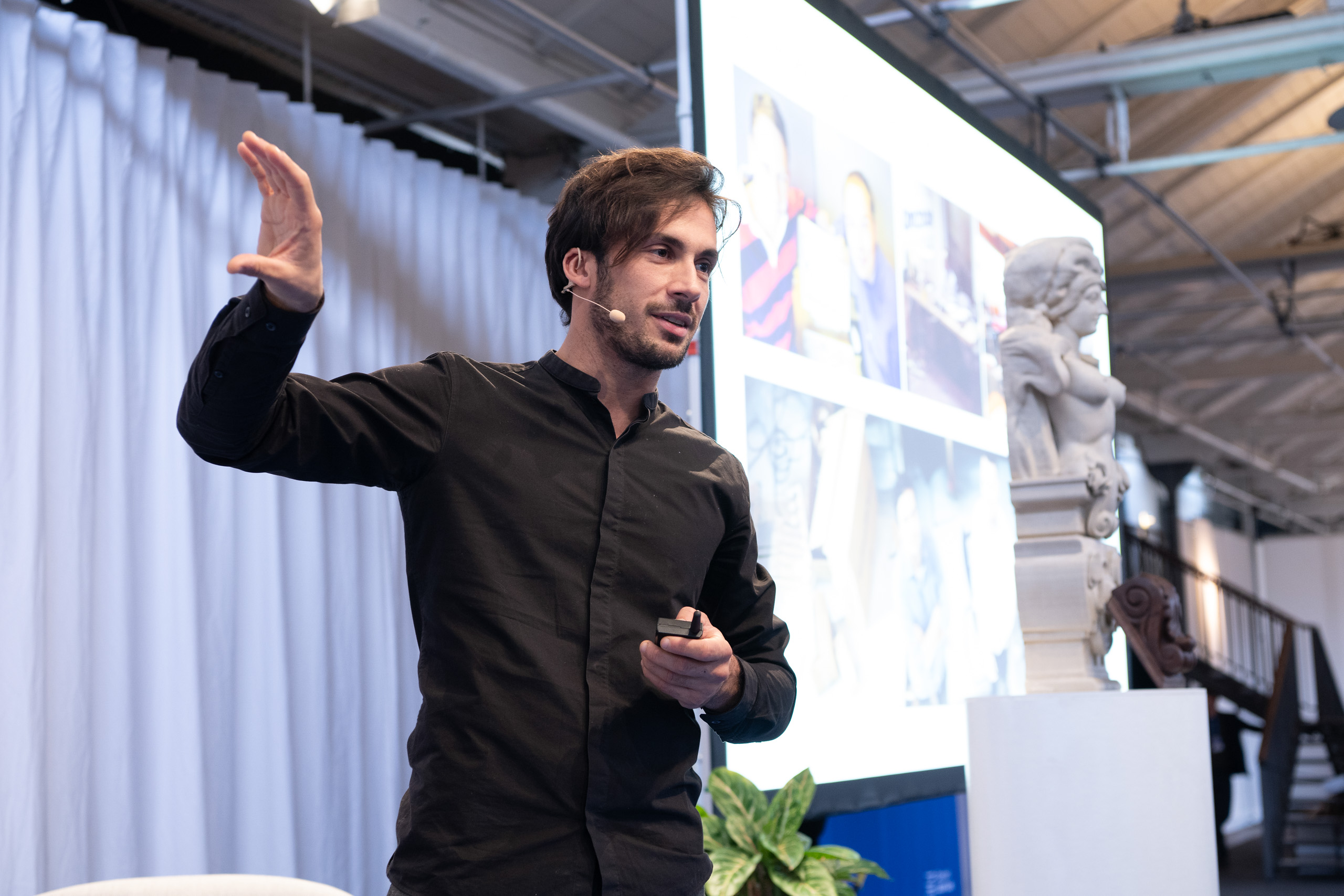 Caption: Matteo Baldassari explains how his company Concr3de recreates statues by 3D printing with recycled powder and binder-binder jetting. Photo: Thomas Sjørup