
Changing Paradigms
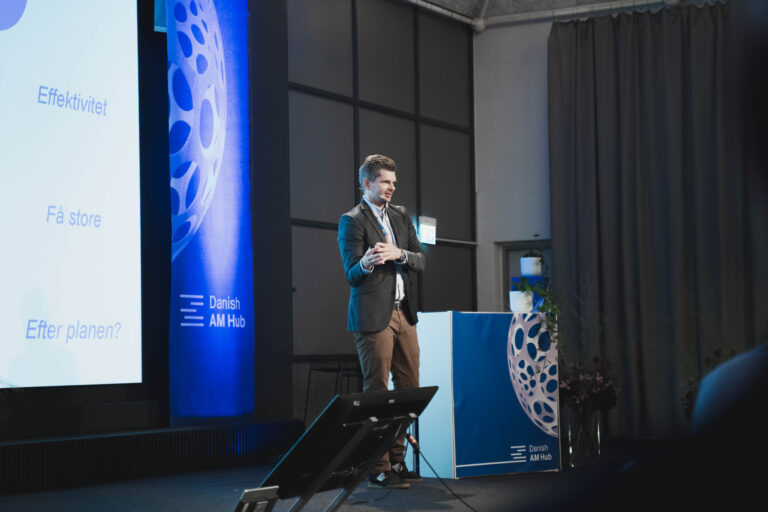
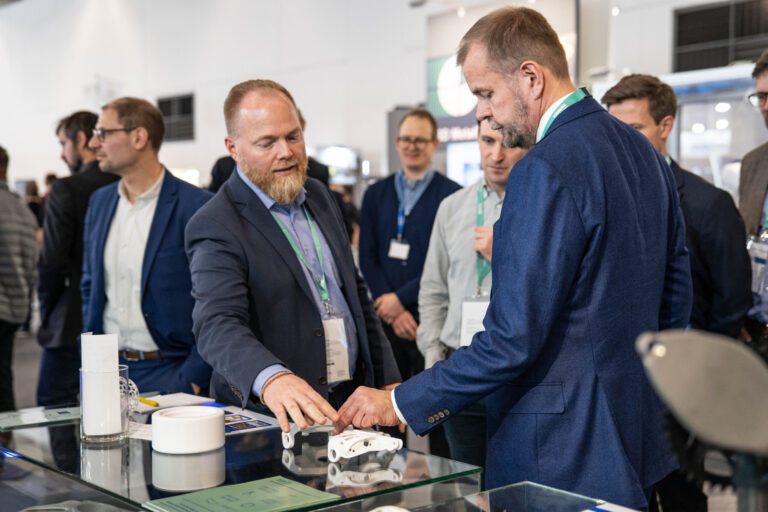
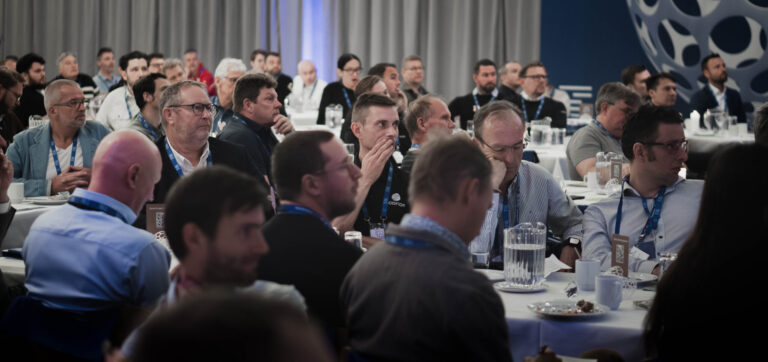
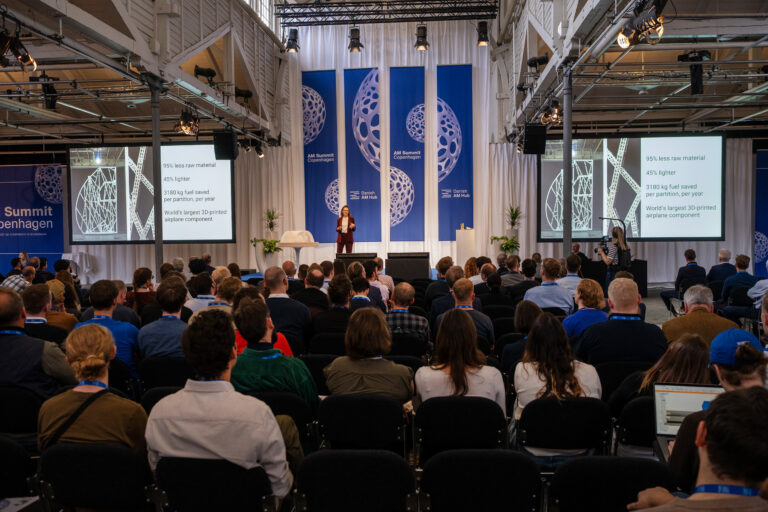
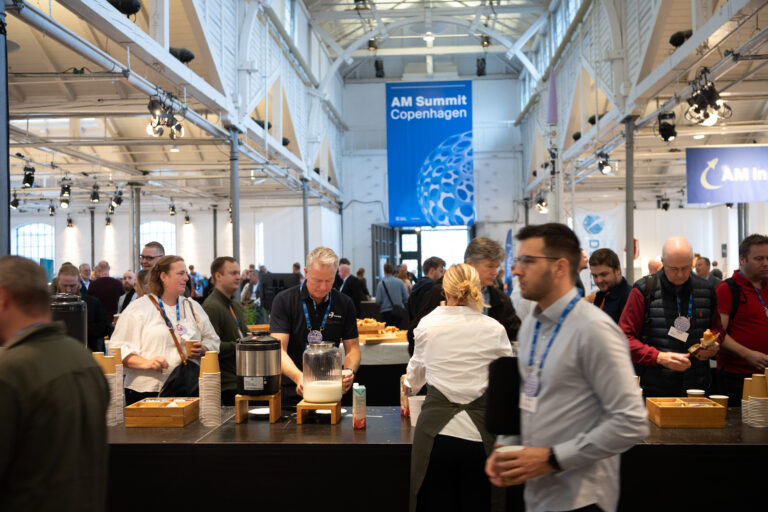
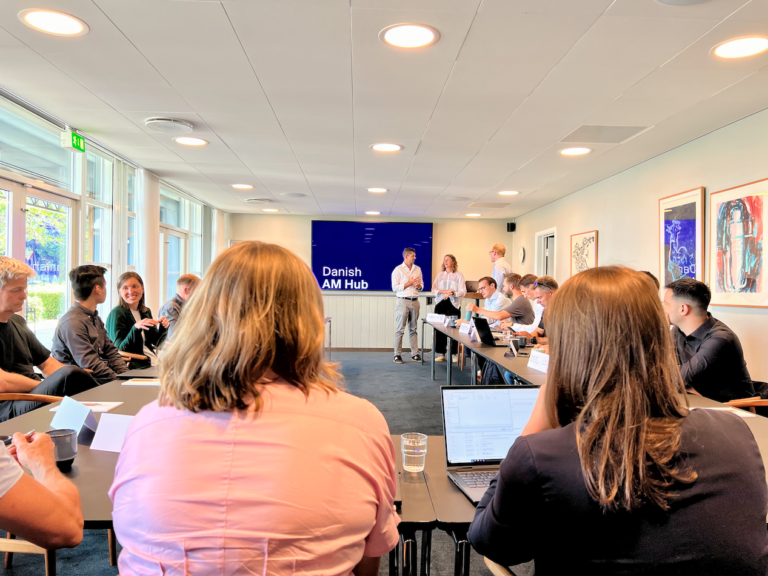
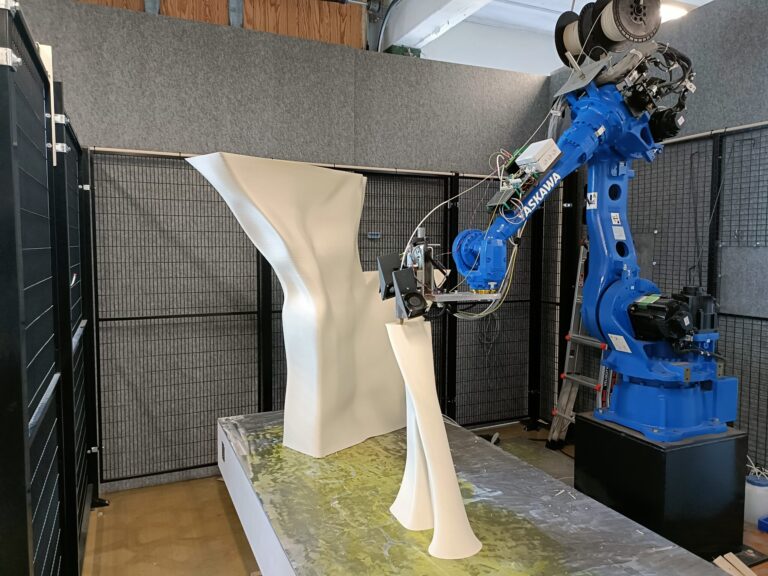
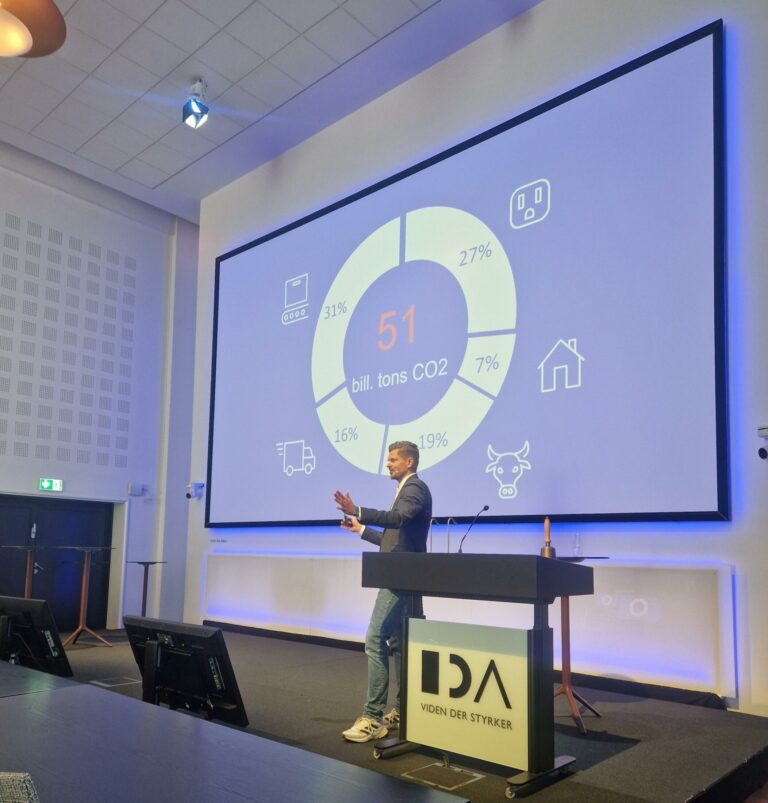
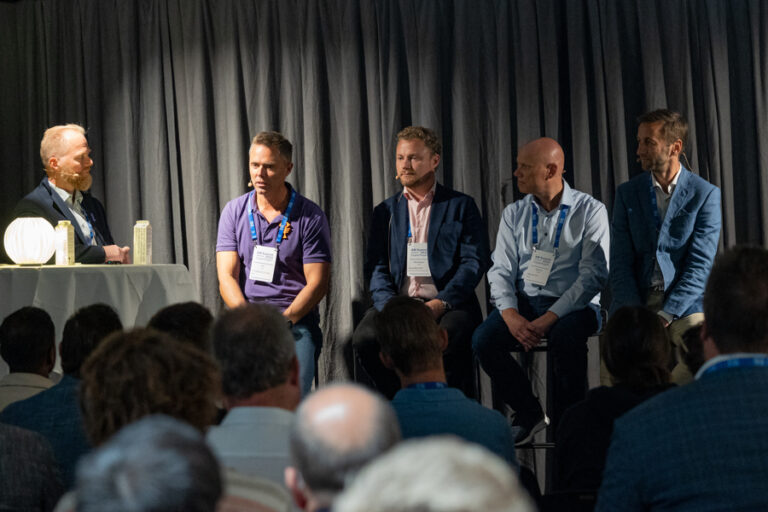
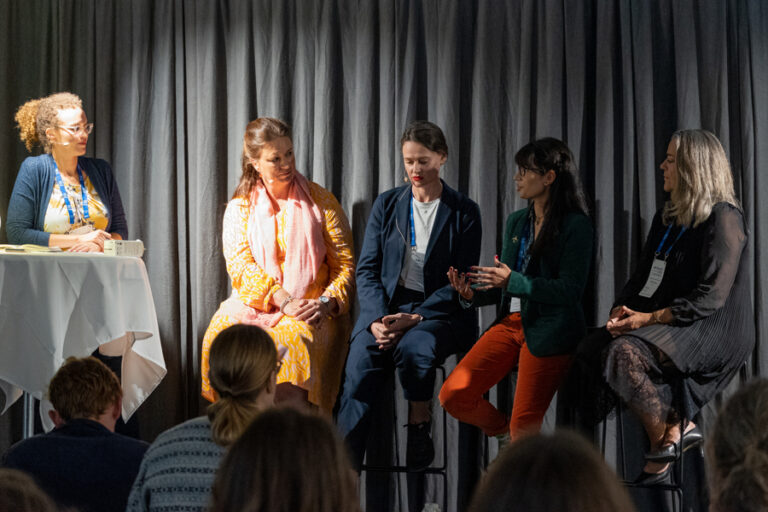
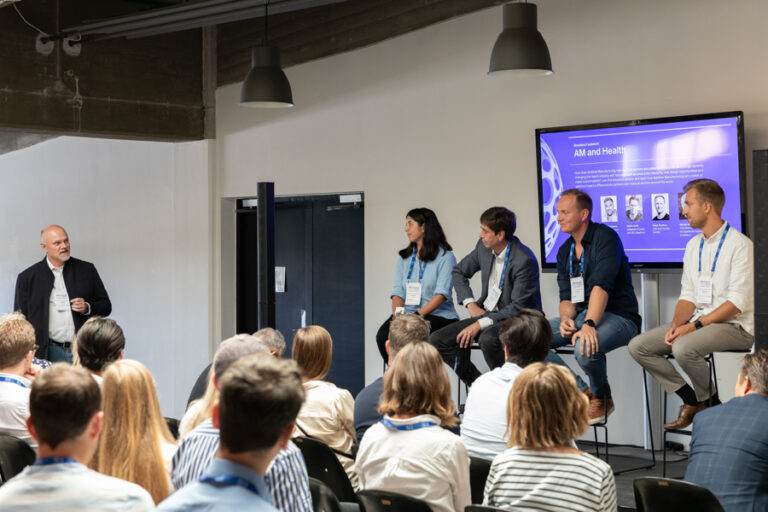
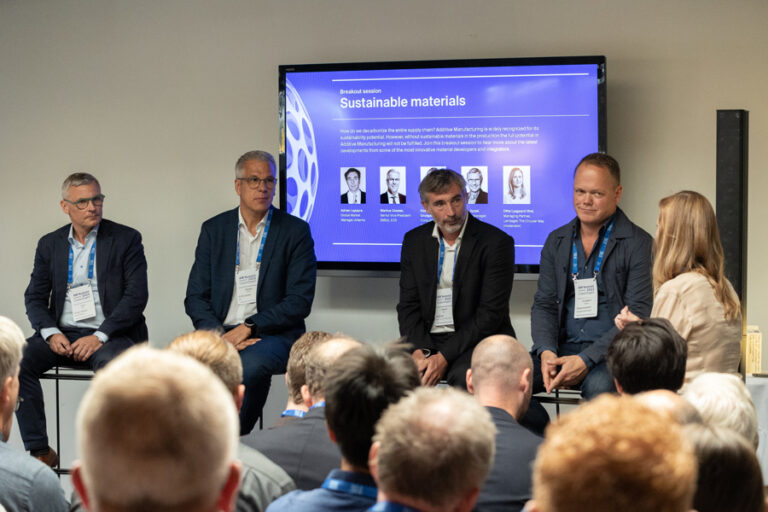
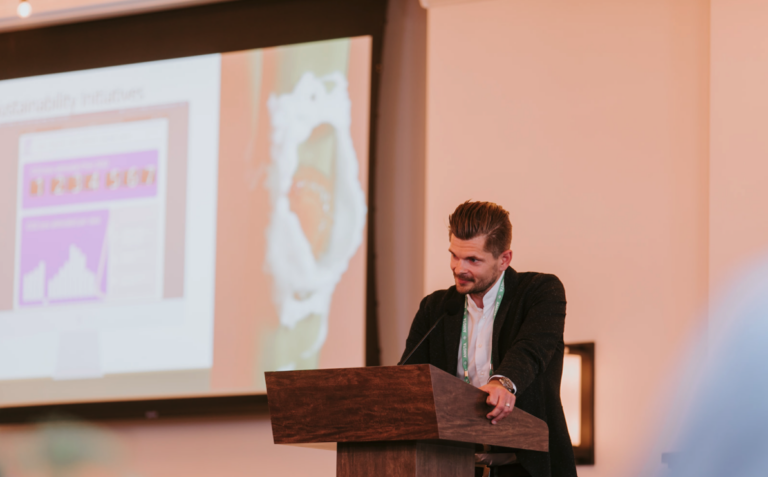
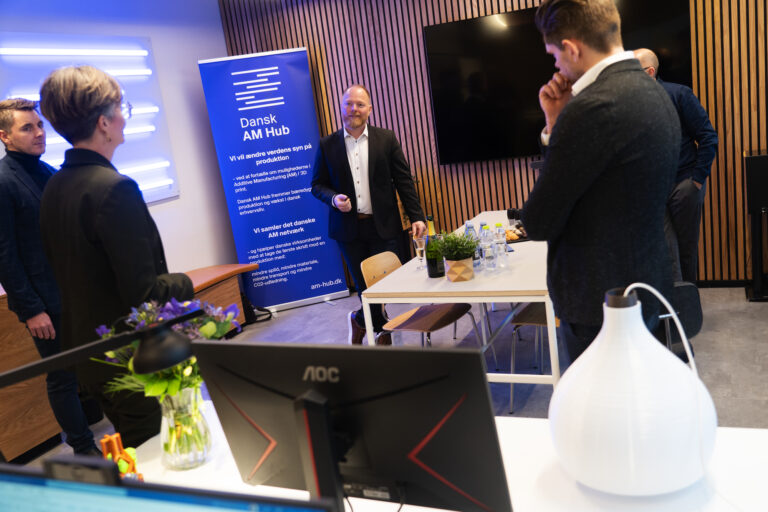
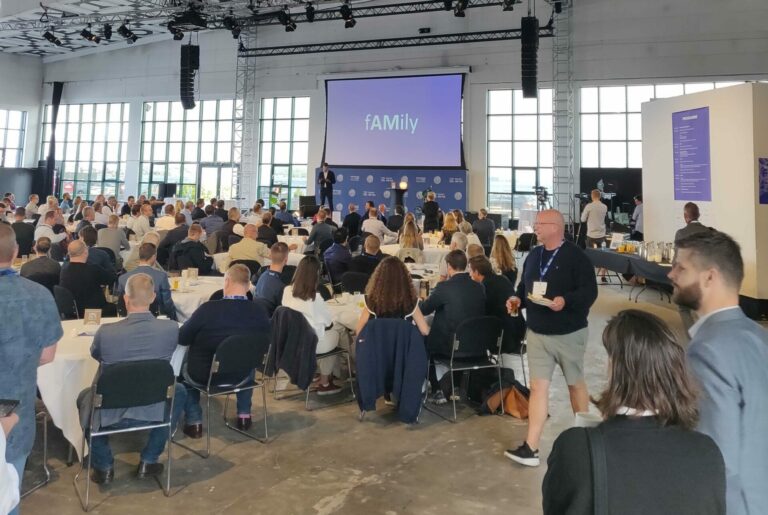
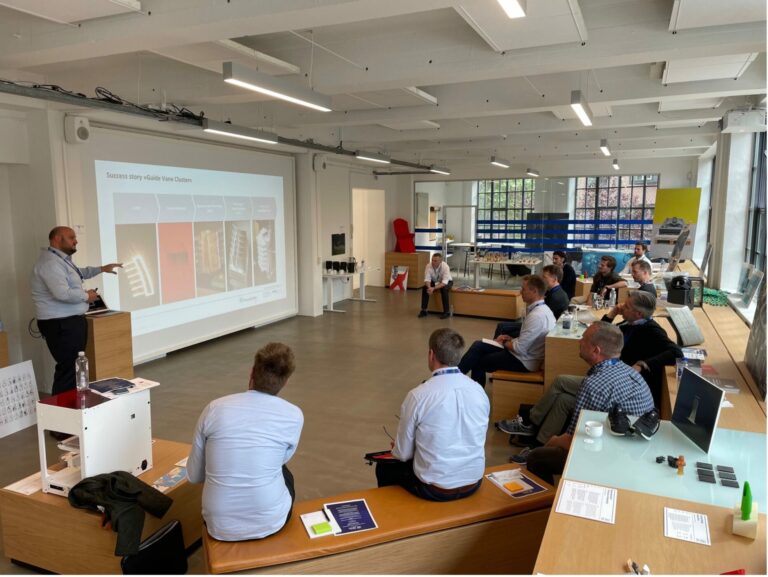
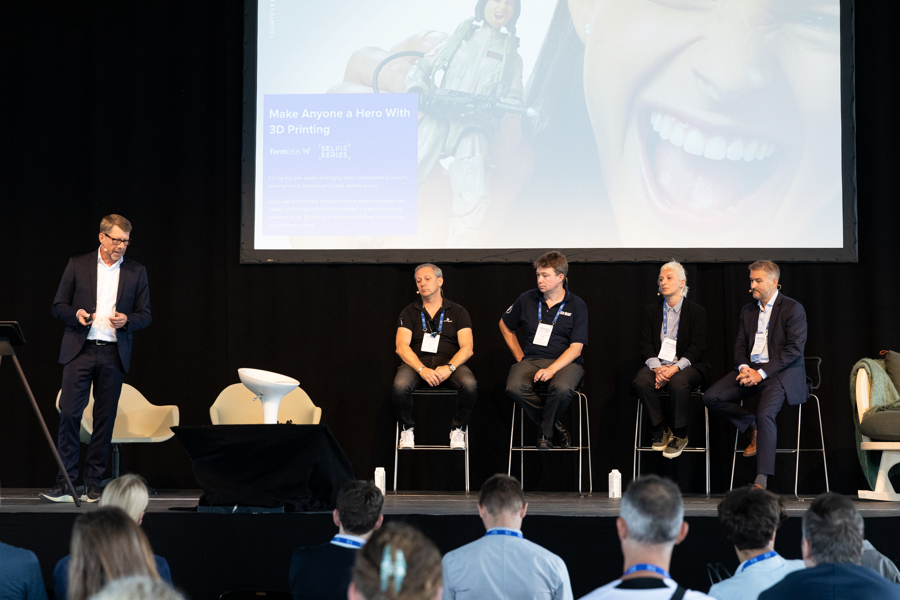
The AM Summit 2022 breakout session “Changing Paradigms” focused on how Additive Manufacturing has impacted-and will continue to impact-different manufacturing industries. The session brought together industry leaders using AM as an industry disruptor to drive a radical new way of designing, innovating, and producing products and components.
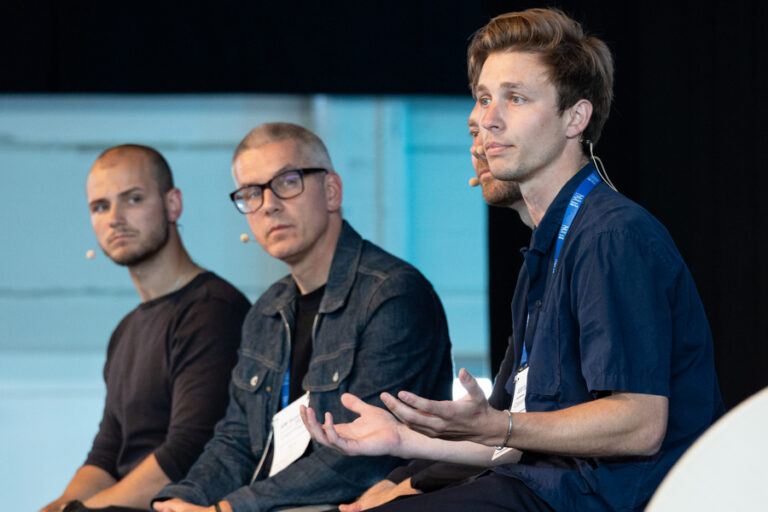
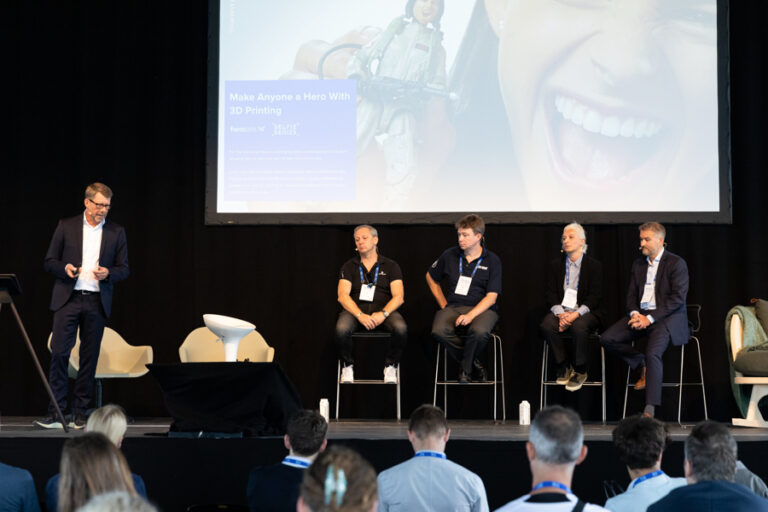
The breakout session was moderated by Tim Frank Andersen, CEO and Co-Founder, Liveshopper. The industry-leading panellists included:
- Andrew Lamb, Innovation Lead – Global, Field Ready
- Stefan Larsson, Founder, Maker and Entrepreneur, Lostboyslab and Whatt.io
- Adam R. Pawloski, VP Manufacturing Solutions, Stratasys
- Federica Chinese, Sales Manager EMEA, Nano Dimension
Although AM technology has increasingly been adopted by the manufacturing industry in recent years-and there are examples of how it has disrupted the industry and led to new ways of designing and manufacturing products-the panellists agree that there is still work to be done for AM to reach the so-called “Spotify moment”. One way to support this shift towards changing paradigms is for industry leaders to share successful examples. Two topics in particular were discussed in more depth: sustainable materials and distributed manufacturing.
Sustainable materials and the cost challenge
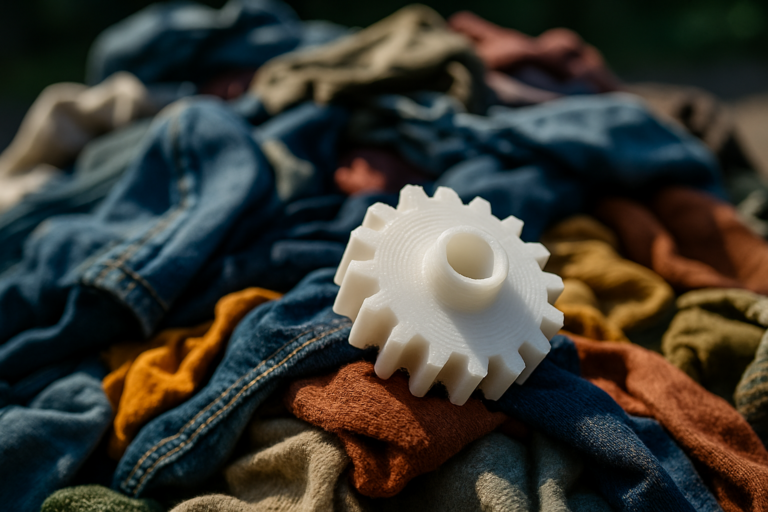
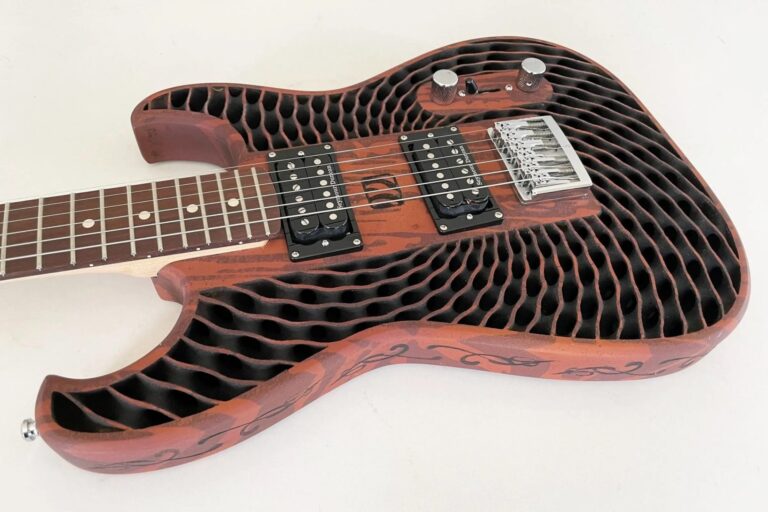
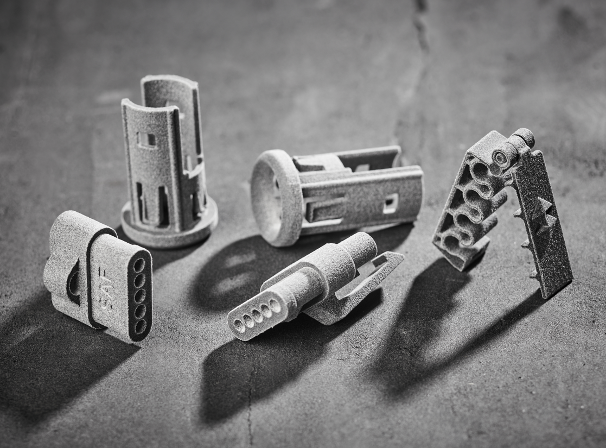
One of the panellists, from Lostboyslab, uses 90% recycled materials in its 3D-printed products. Recycled material is generally more expensive than virgin material. However, they find that their customers are willing to pay extra for sustainability and the “story” behind the material. Recycled fishing nets collected in Indonesia-where local fishermen are paid to collect waste from the ocean-are one example of recycled material being used. This addresses one of the biggest environmental challenges: removing waste from the oceans while securing an income for local fishermen.
For others, the cost of recycled materials-and, more broadly, the cost of 3D printing compared with other manufacturing methods-remains a barrier to wider adoption of AM in the manufacturing industry. To overcome this barrier, stronger collaboration across the AM ecosystem is needed. One point highlighted in this context is the need to produce and share data from early AM adopters to demonstrate that industry can adopt AM with low risk.
The untapped potential of distributed manufacturing
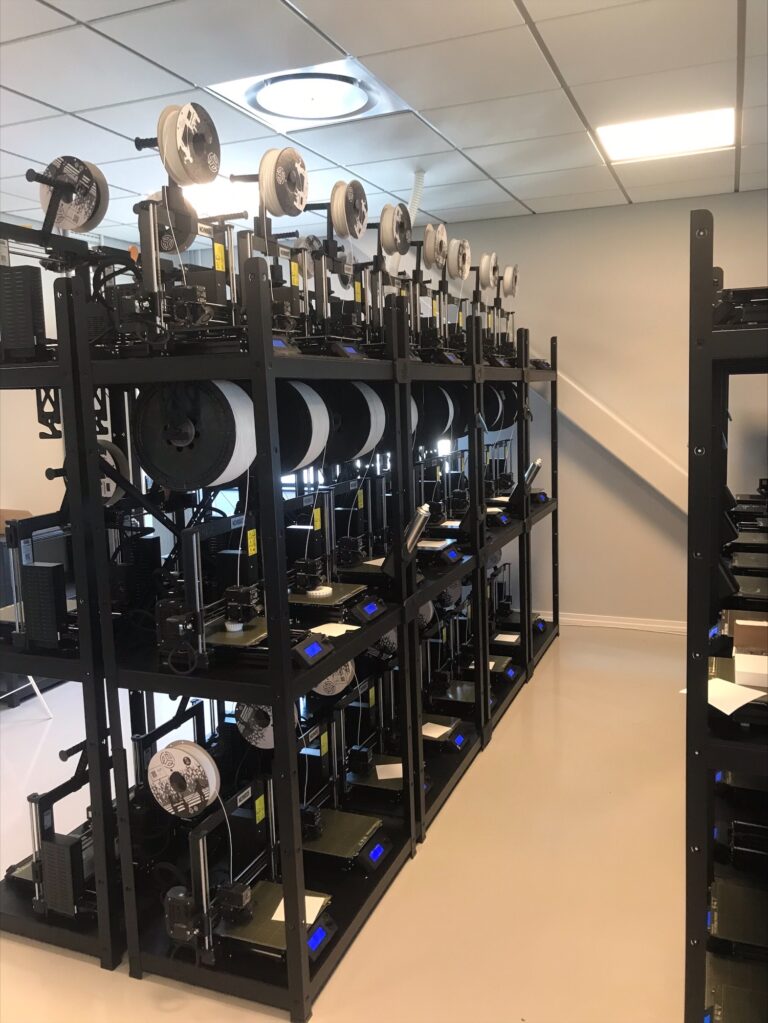
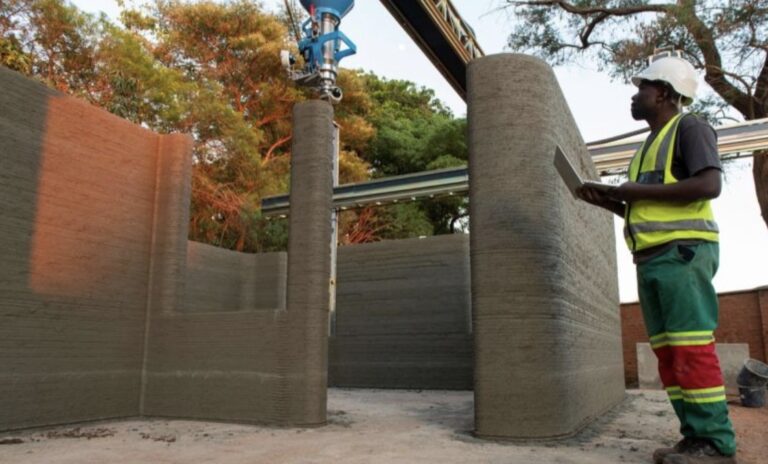
The potential of distributed manufacturing was discussed in connection with a question to the panel about what it will take for additive manufacturing to reach the “Spotify moment”. This requires changes to business models and the creation of distributed networks of partners or satellites to 3D print locally. For Field Made, a humanitarian organisation transforming aid logistics by manufacturing supplies in the field, there is an urgent need to map 3D printers across developing countries worldwide. Over time, this could make it possible to contract private makers and companies around the world to each deliver part of a single large order for 3D-printed devices. For this to become reality, it is also necessary to address regulatory implications related to quality control processes in distributed manufacturing.