
Sustainable Materials
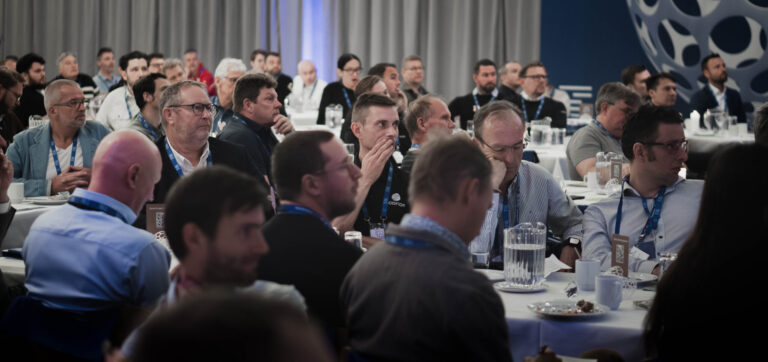
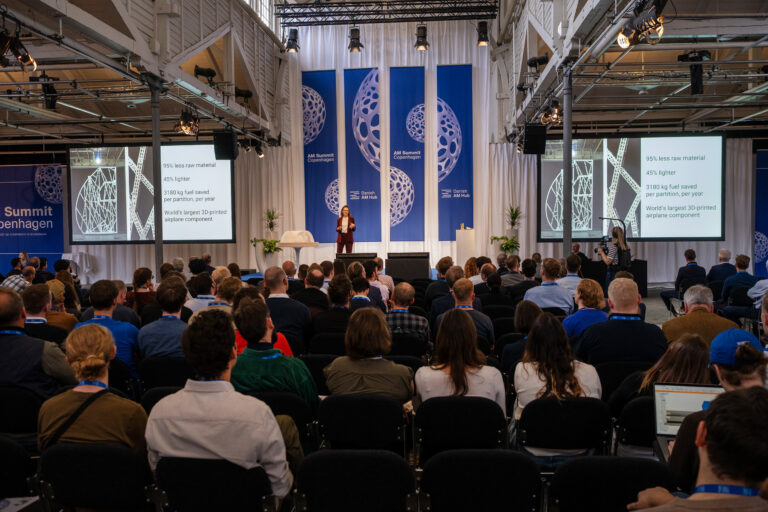
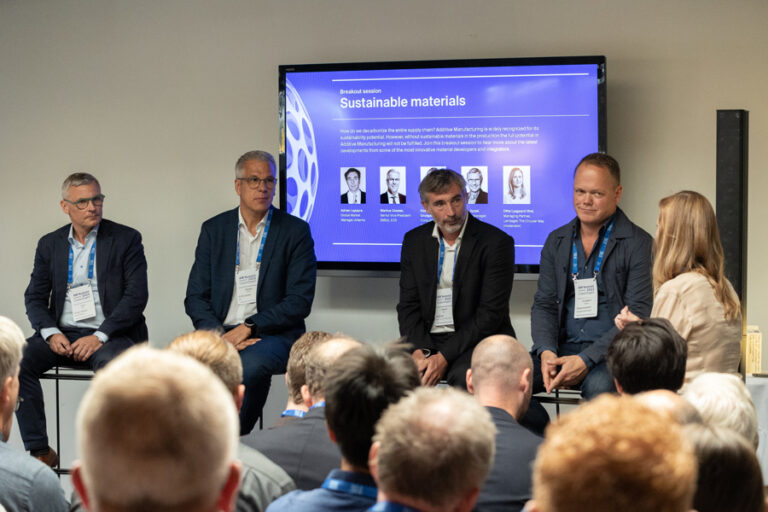
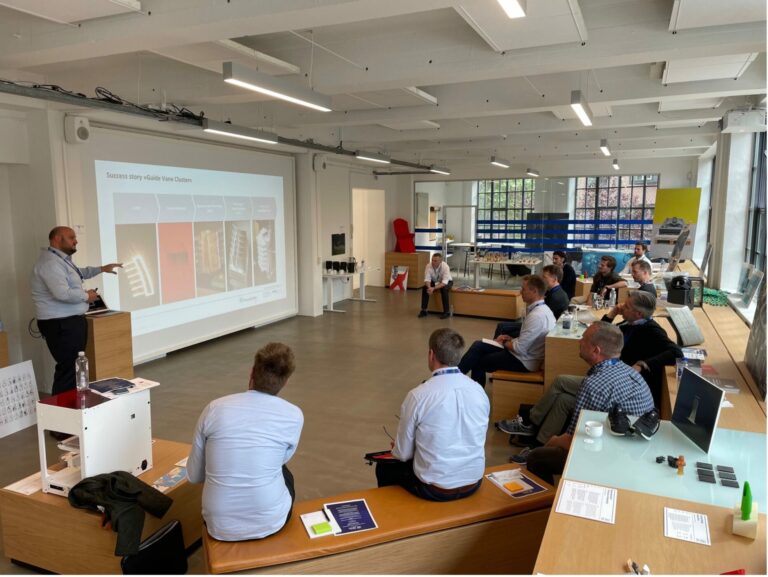
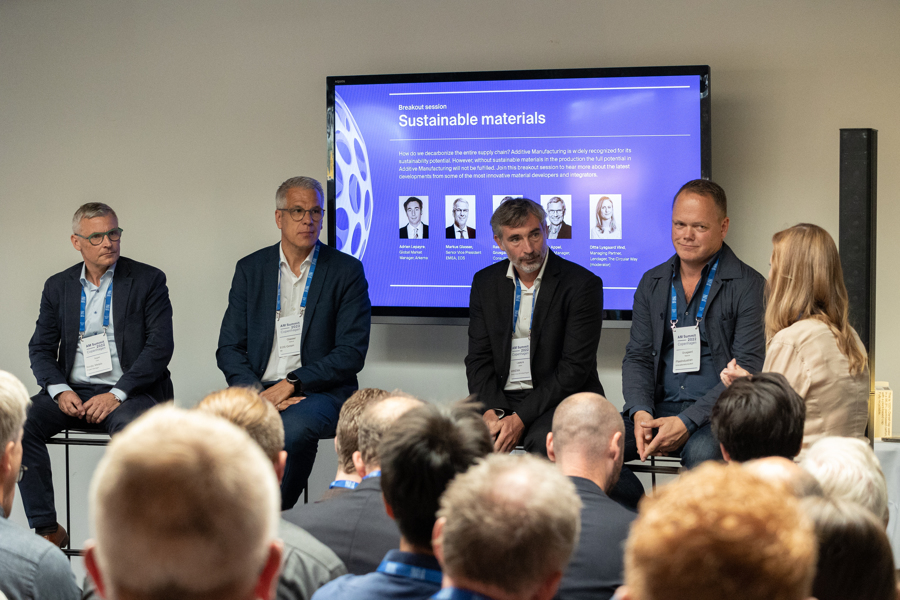
The AM Summit 2022 breakout session on Sustainable Materials focused on how we can decarbonize the supply chain by choosing and developing more sustainable materials. Additive Manufacturing is widely recognized for offering a range of sustainability benefits, such as reduced transport and less material waste. However, if the goods produced through Additive Manufacturing are not made from the most sustainable materials, we are not realizing the technology’s full potential. In this session, we focused on how to select and design new materials in order to achieve our sustainability goals.
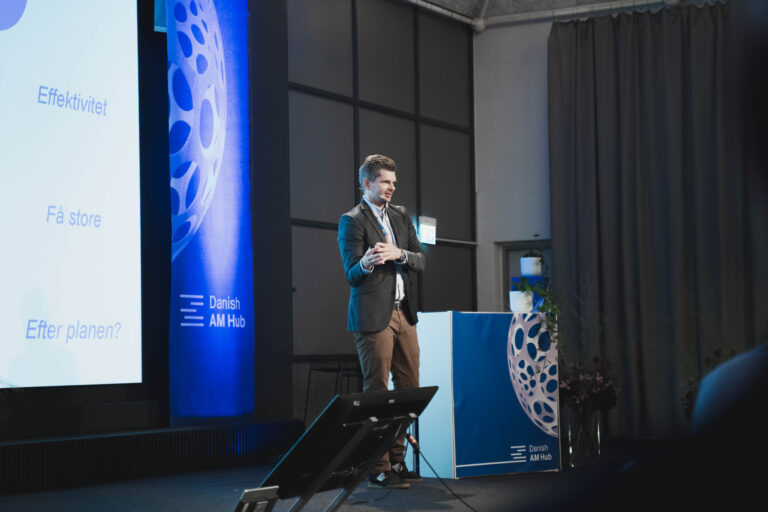
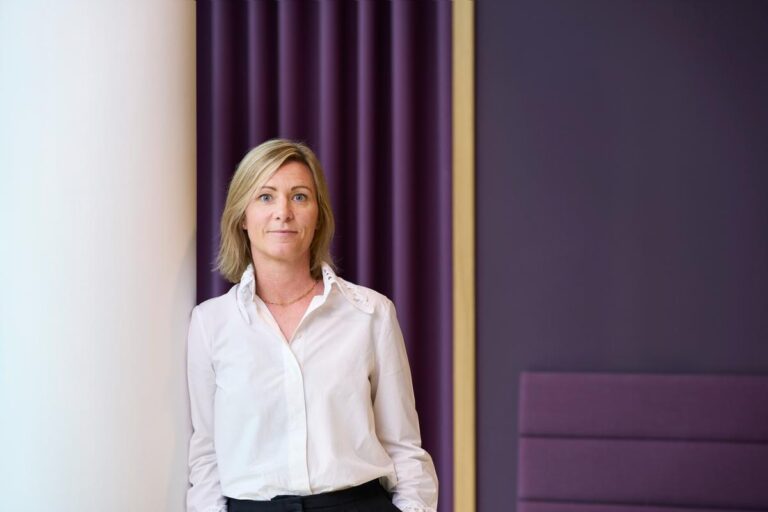
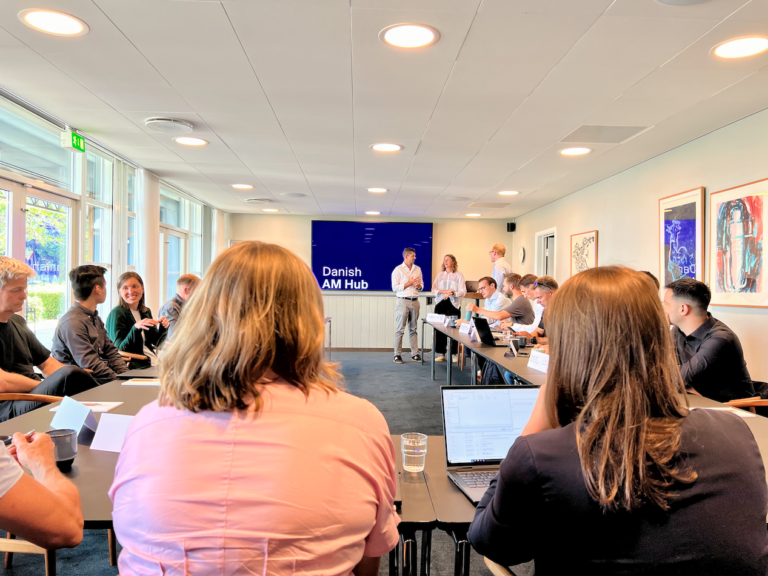
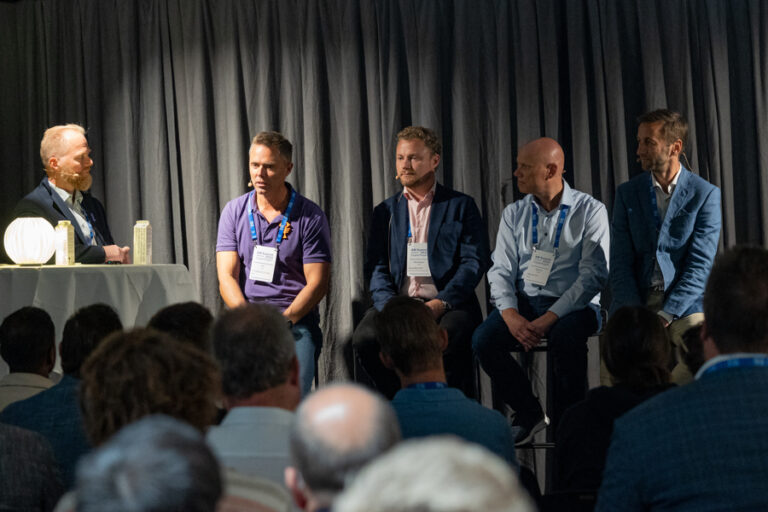
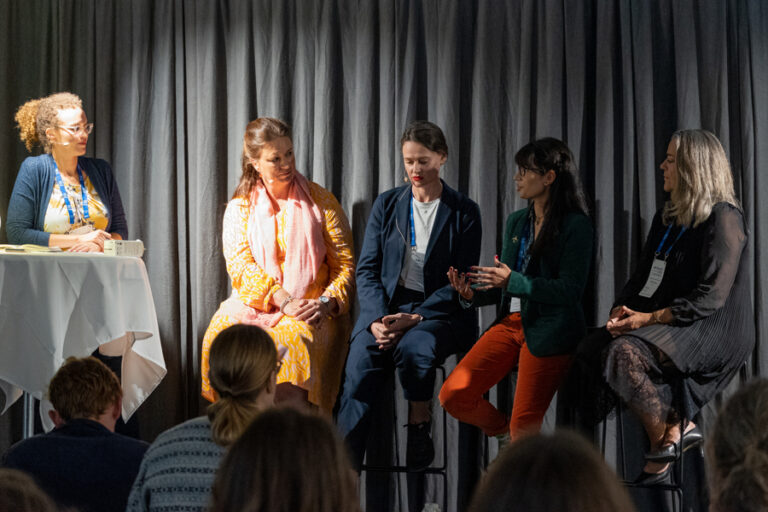
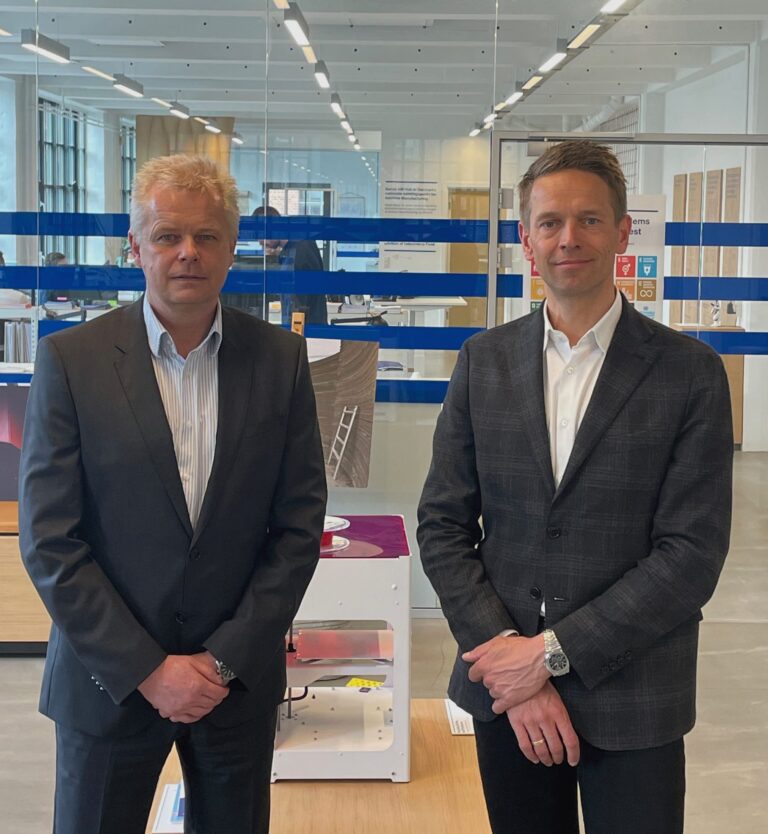
The session was moderated by Ditte Lysgaard Vind, Managing Partner at Lendager. The panel participants were:
- Adrien Lapeyre, Global Market Manager, Arkema
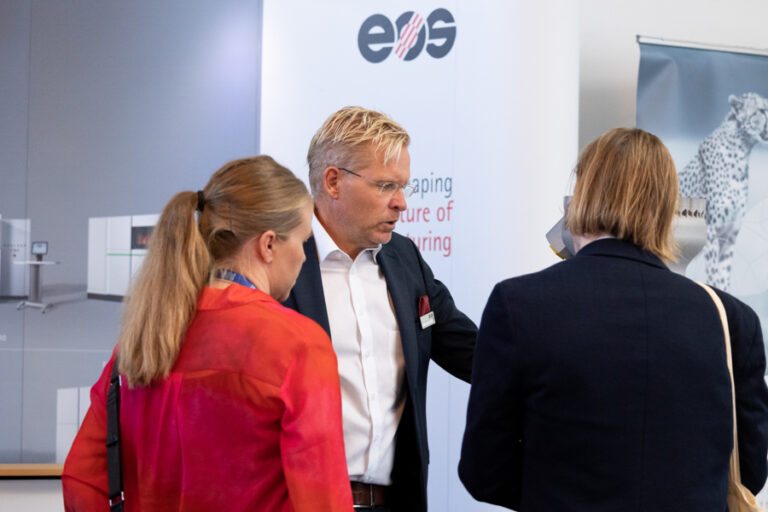
- Markus Glasser, Senior Vice President EMEA, EOS
- Rasmus Kock Grusgaard, Innovation Consultant, The Danish Plastics Federation
- Niels Appel, Project Manager, Nordic Metals
Will bio-circular material become the new impact material?
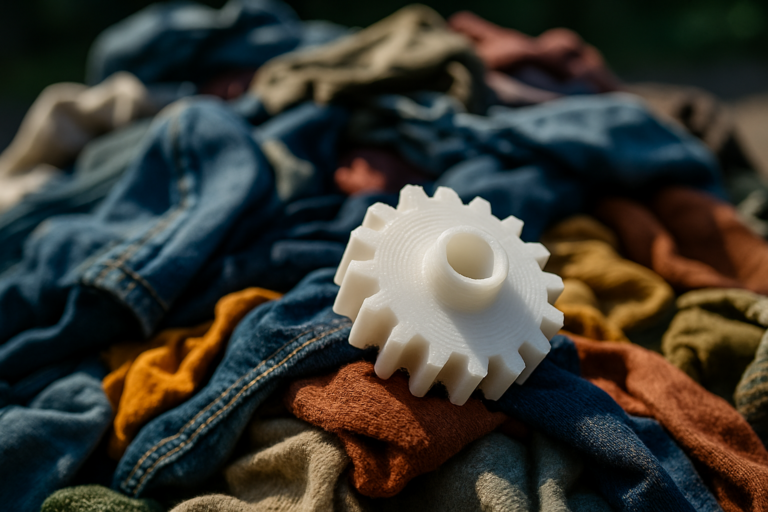
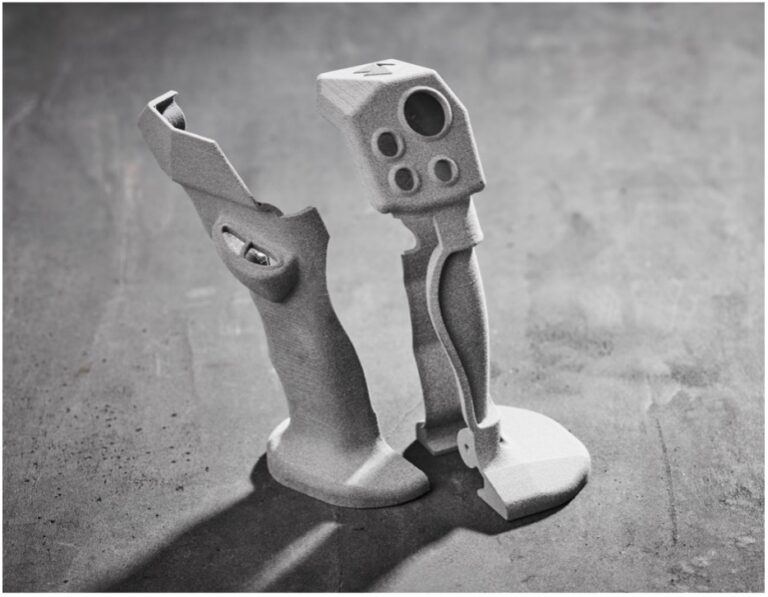
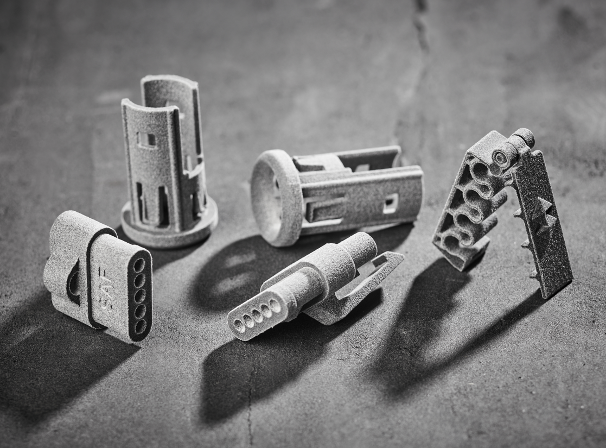
Both Arkema and EOS presented their perspective on how PA11 made from castor beans is having a tremendous positive effect. PA11 has a low environmental impact, requires fewer non-renewable resources to produce, and has high thermal resistance. The material is used as powder in 3D printing production. In addition to the benefits in production, the material is also highly recyclable.
Traditionally, plastic is produced using crude oil. By rethinking how we produce plastic, we can both reduce pollution from the production process and stop using natural resources such as oil. As castor beans are grown in areas that are otherwise not suitable for cultivation, production creates new opportunities for farmers in these regions. Castor beans for PA11 are most often grown in India on fields that are otherwise unused, providing social benefits as well.
It is not only about how we produce goods, but also how we think about consuming them!
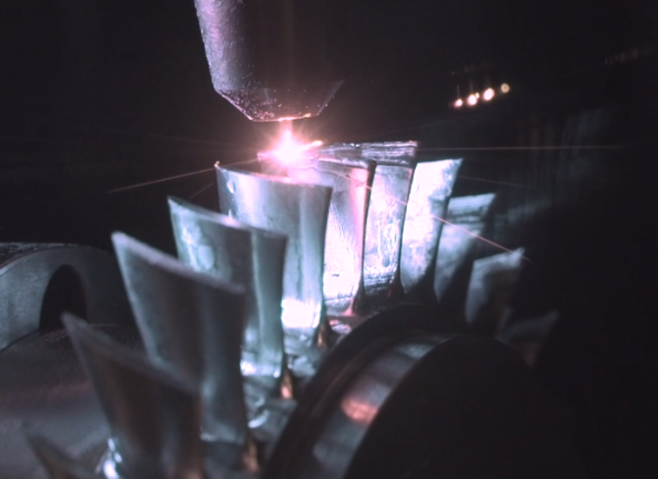
A key topic of discussion was also how we move from a linear system to a circular system. Nordic Metals collects scrap metal and turns it into new metal powder that can be used for 3D printing. A characteristic of metal as a material is that it does not degrade over time like plastic. Therefore, it is theoretically possible to recycle metal scrap repeatedly. Metal production is highly polluting today, but by recycling it in a smart way, we can mitigate pollution from production and stop using natural resources. According to a study from DTU, Nordic Metals’ method of producing metal powder has a 50% lower impact on global warming than the traditional method.