
Read the opinion piece at Altinget By og Bolig here.
Let the technology of the future rebuild Ukraine
By Frank Rosengreen Lorenzen, Director of Dansk AM Hub
Denmark has made an important pledge to help rebuild Ukraine. In January, Prime Minister Mette Frederiksen emphasised that there is still much to be done-and now the government is backing up the pledge with action by establishing a Ukraine fund of DKK 7 billion in 2023.
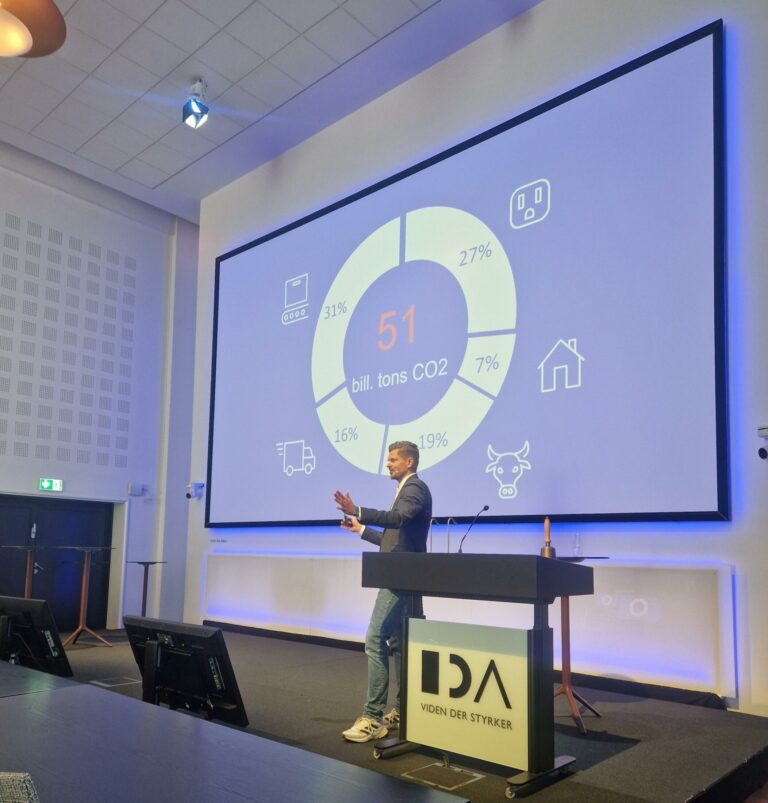
A major contribution in light of our small country’s size-but also a necessary, right, and important effort. And at the same time a unique opportunity to show that Denmark has mastered technology and innovation to such an extent that we can create new ways of thinking about housing and construction and challenge the current situation, where the construction sector accounts for almost 40% of global CO2 emissions annually, of which 11% comes from the embodied CO2 in building materials such as steel and concrete.
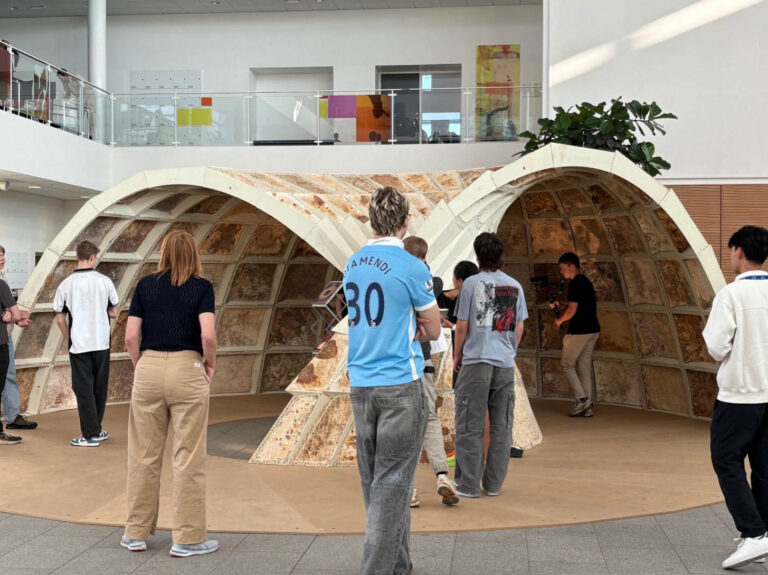
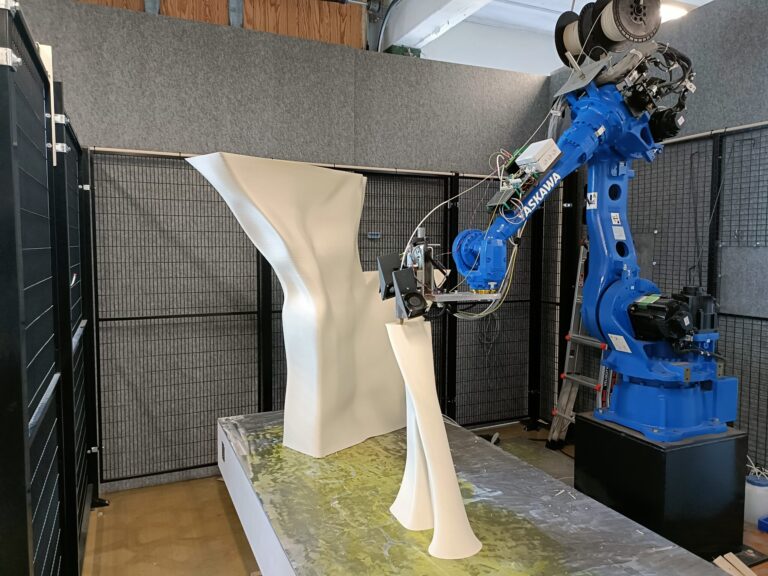
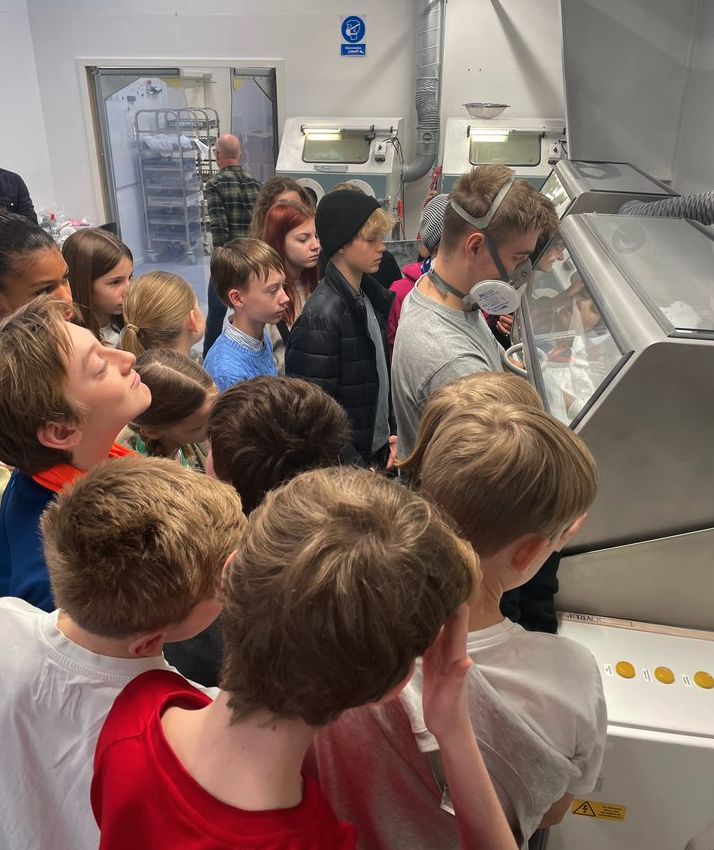
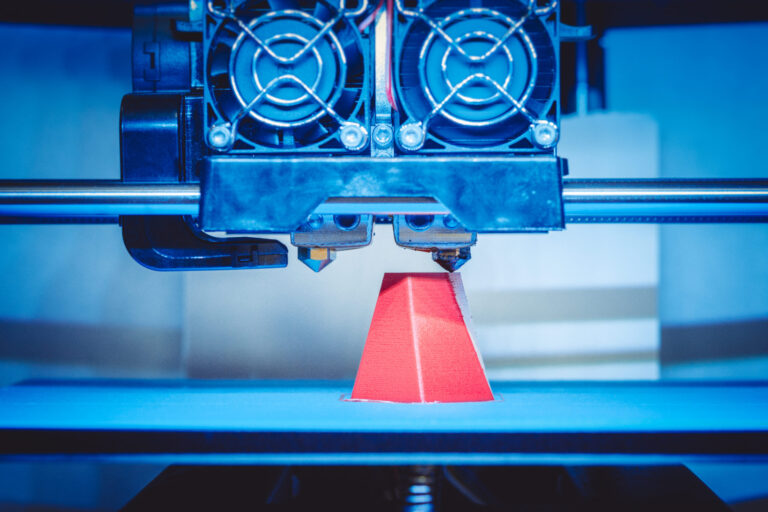
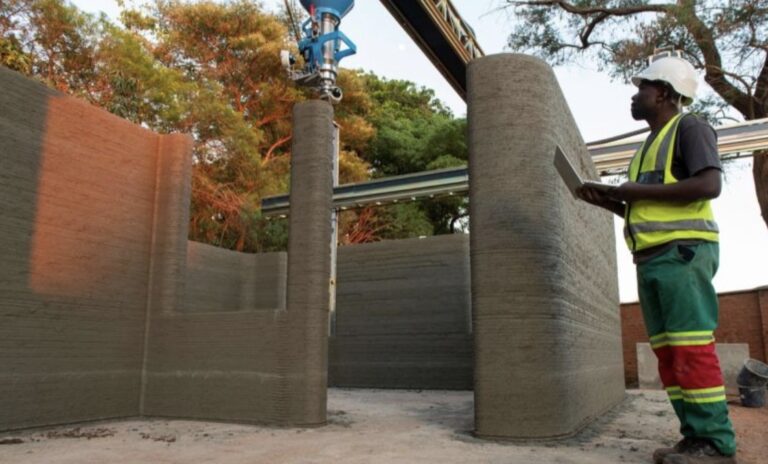
A good example is the breakthrough in recent years for Additive Manufacturing (AM) and 3D printing, which is now truly making its way into the construction sector, where the first Danish companies are not only part of the development but in many ways also ahead. COBOD is a world leader in technology development of 3D concrete printers and, five years ago, created Europe’s first house in Nordhavn in Copenhagen. Our strong architectural and design tradition is also well underway in developing the construction of the future based on the technology-best illustrated by a concrete-printed house in the heart of Holstebro and a new project in the canal district in Fredericia, which shows that we can print efficiently and with a less CO2-intensive material mix. And the concrete printer is finding its way into Danish universities and vocational schools, which see the technology as an opportunity to develop entirely new skills among the future workforce on construction sites.
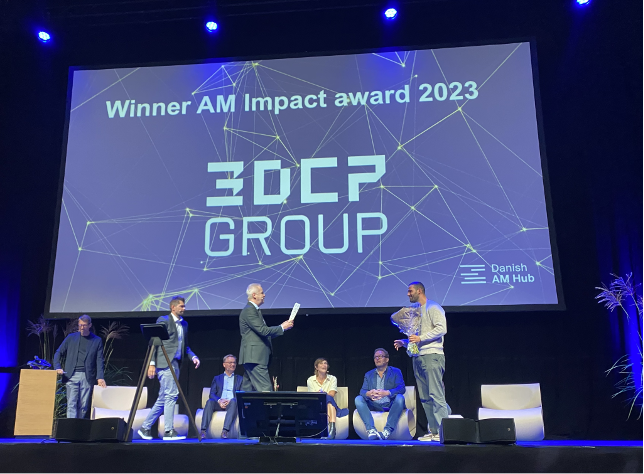
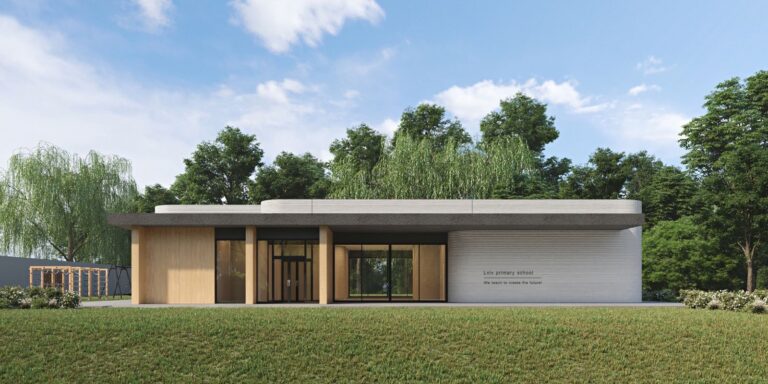
But the best example is the next project by 3DCP Group-a coalition of engineers, architects, building constructors, and printing experts who want to build better, faster, cheaper, and greener homes with 3D printing. Soon, 3DCP will defy the war and travel to Ukraine to 3D print a 270 m2 kindergarten. A project supported by the Ukrainian government, as a first step in determining how the technology can be used for reconstruction in the country.
Because the technology holds precisely that potential-both in relation to construction in general and especially for rebuilding after disasters-where AM technology offers flexibility, speed, and the opportunity to build more sustainably, which is highly relevant to the situation Ukraine is facing. It will thus be possible to construct high-quality buildings in record time and thereby build cities in months instead of years-and with the right material, even with a significantly smaller CO2 footprint.
It is truly remarkable that Denmark, of all countries, has this technology. We have concrete projects that prove we can create an entirely new path for the construction sector. We have designers and architects who understand the technology’s possibilities. We have an entire generation of young people who will be heading out onto construction sites and using new technology to design and innovate. And we have Ukraine, whose need for help must be prioritised and heard by us, now that they are requesting our expertise with AM technology.
In Denmark, we are in a strong position to put our small green nation on the world map with sustainable construction, and at home we should be proud that people abroad look to us in these situations. Perhaps we are seeing the beginning of a new Danish business success story-but that will only happen if we take a new path, as capable entrepreneurs like 3DCP have opened. Now we just need the government to join us on that path and ensure that the many billions in the Ukraine fund are also prioritised for the technology of the future.