
Students and companies are already lining up for a new 3D printing programme
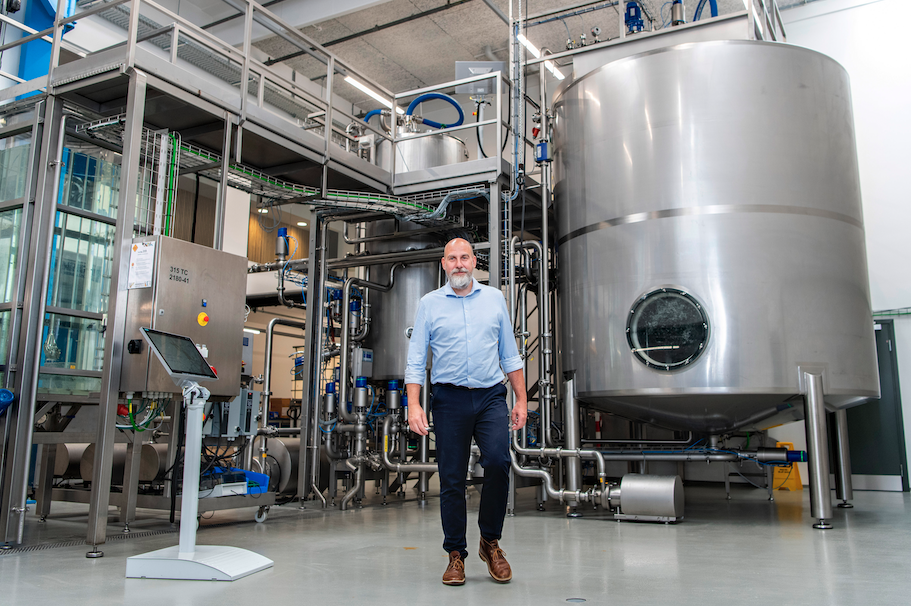
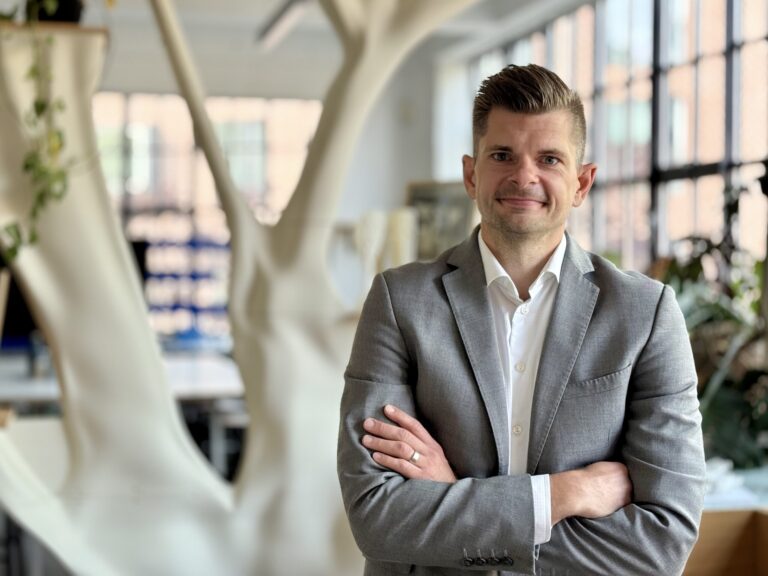
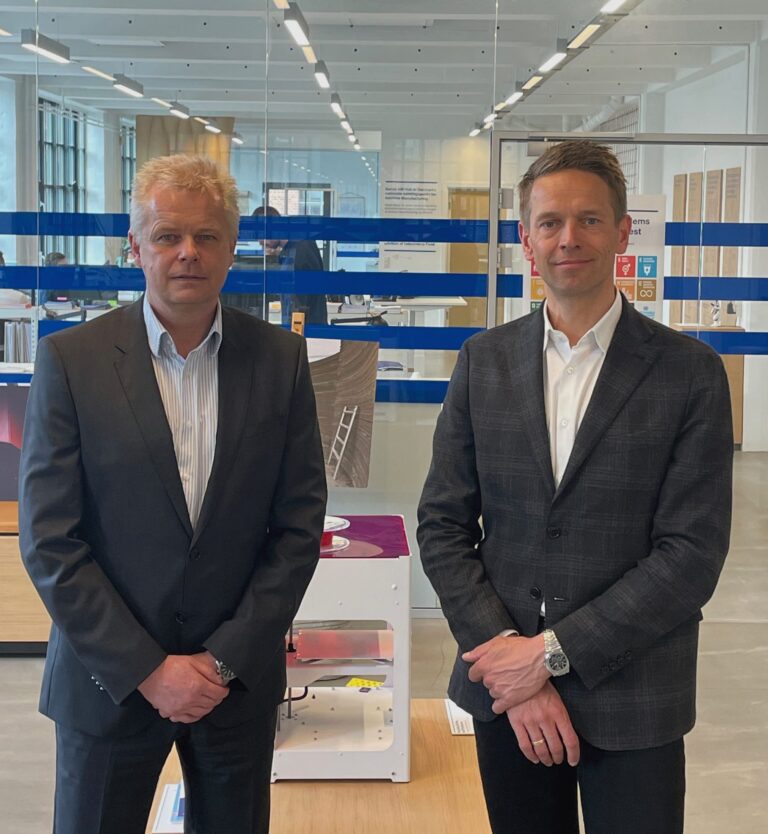
Development Manager Casper Huhnke clearly sees the value of IBA’s upcoming programme in Industrial 3D Printing. “If we are to push the boundaries of how 3D printing is used, it is important that people come in with up-to-date knowledge that they can bring to the table in combination with our own engineers.”
The bell has barely rung for the first lesson of the country’s first higher education programme in industrial 3D printing before interested companies and students are ready to explore and learn more about the technology’s opportunities and potential.
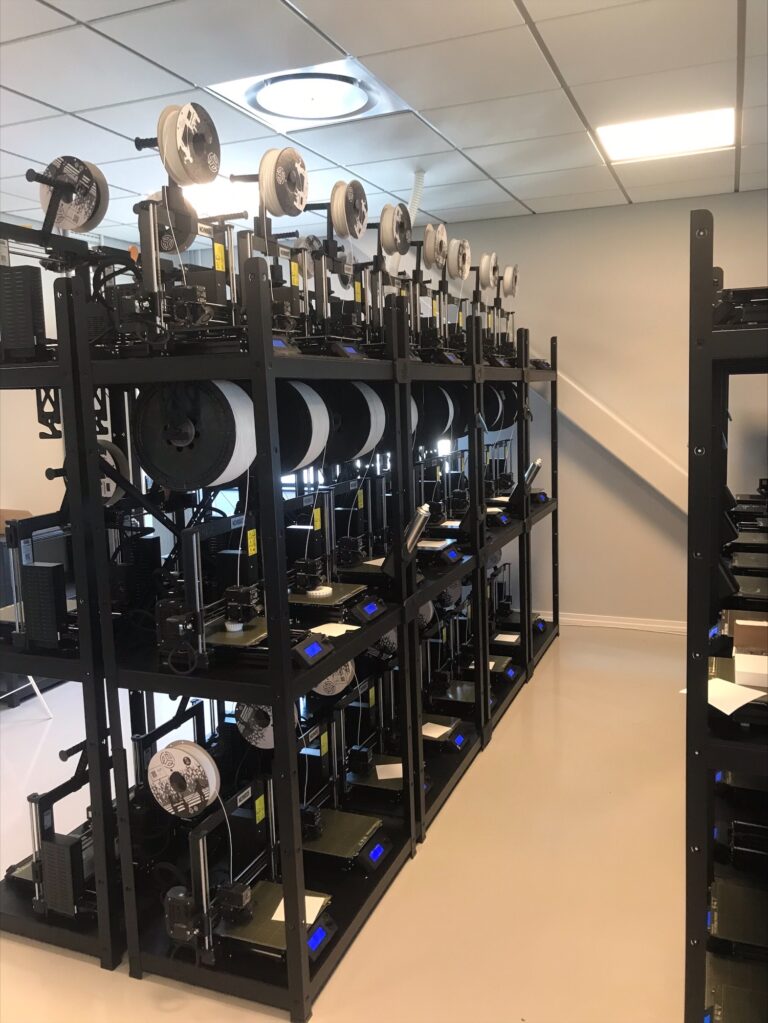
After the summer break, the first cohort of students will begin Industrial 3D Printing at IBA Nexttech, which, as part of IBA Erhvervsakademi Kolding, will provide both equipment and expertise for the new programme. And this is welcomed by several companies – including Alfa Laval, which has used 3D printing in its product development for several years.
“With the new programme, IBA has taken a step into the future. There is no doubt that 3D printing – additive manufacturing – is becoming increasingly important in the development of new products and in production. We view the opportunities very positively for our employees to benefit from the new programme,” says Ole Petersen, Managing Director at Alfa Laval:
The professional bachelor’s programme lasts one and a half years and is the first and only higher education programme of its kind in Denmark. Teaching on the new programme will take place over two consecutive weekdays, so students have the opportunity to work alongside their studies.
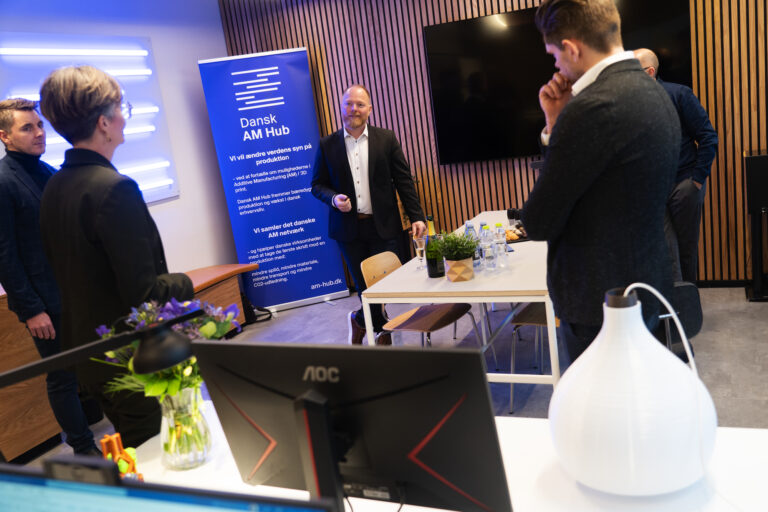
“The programme is a relevant and fast route to upskilling existing employees. The programme is an important step in enabling us to create the Danish manufacturers of the future, which will be the foundation for ensuring that the sustainable products of the future are designed, developed and produced in Denmark,” says Frank Rosengreen Lorenzen, Director of Dansk AM Hub, which works to promote the adoption of additive manufacturing (AM) / industrial 3D printing.Better products are developed significantly faster
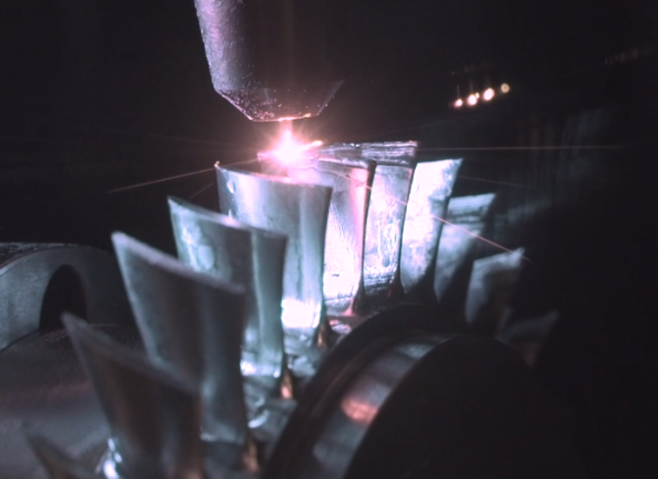
At Alfa Laval, 3D printing has been an important part of everyday work for several years. This is especially true when people in the development department work on new components – or further develop existing products. At Alfa Laval, 3D printing is used primarily in development work – including for prototypes. For larger – or more complex tasks – the company gets help from IBA Nexttech, which has specialist knowledge and a much wider range of 3D printers.
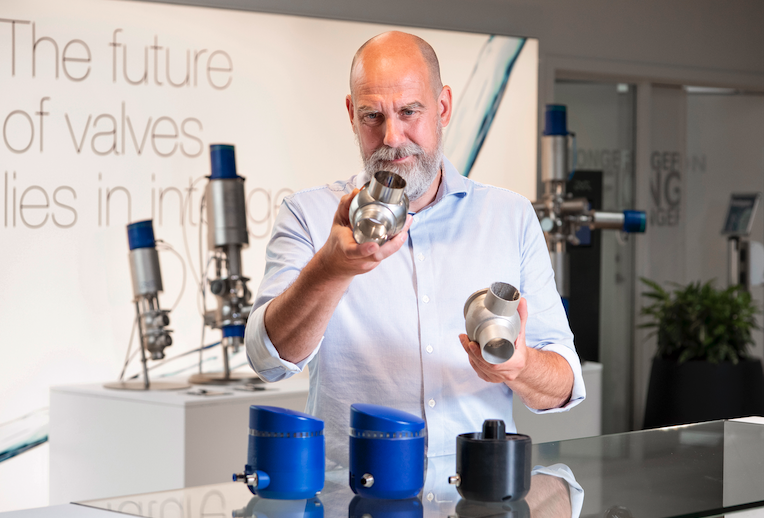
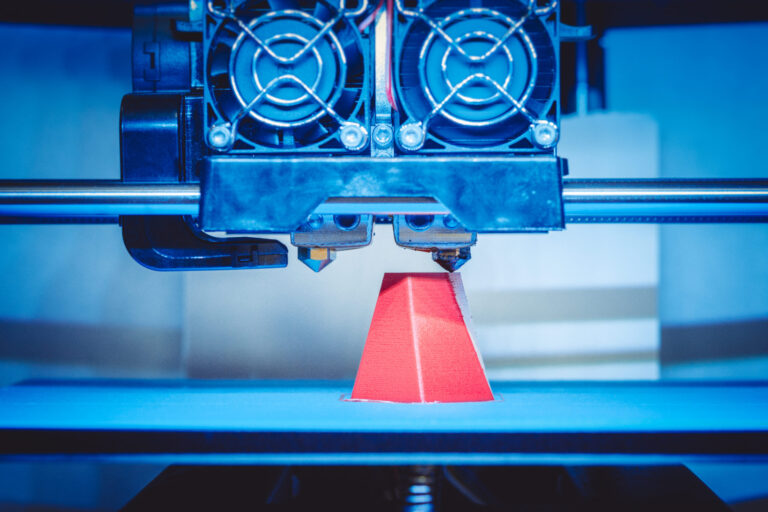
“For us, 3D printing is a fast way to test the functionality of a new product. And we can quickly decide: ‘Does this idea fly or not?’ before we take the next step,” explains Development Manager Casper Huhnke.
“You can imagine many things when you are drawing, but if you have a 3D print made that you can hold in your hands and test in the laboratory, it makes a huge difference,” states Development Manager Casper Huhnke.
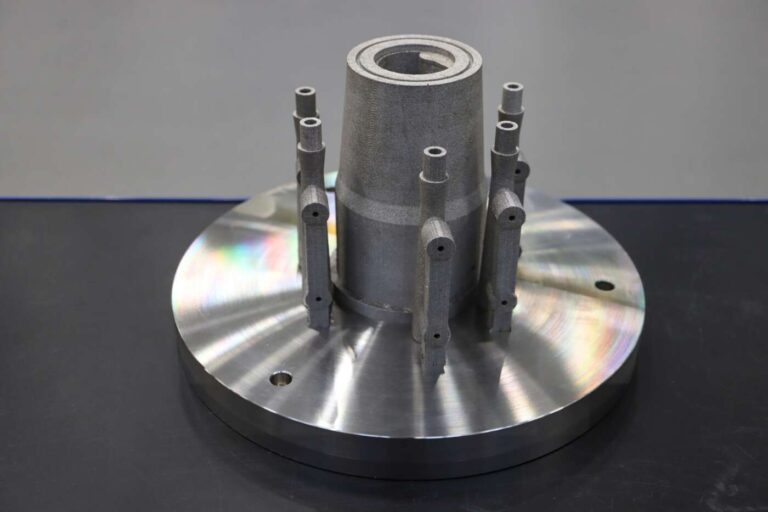
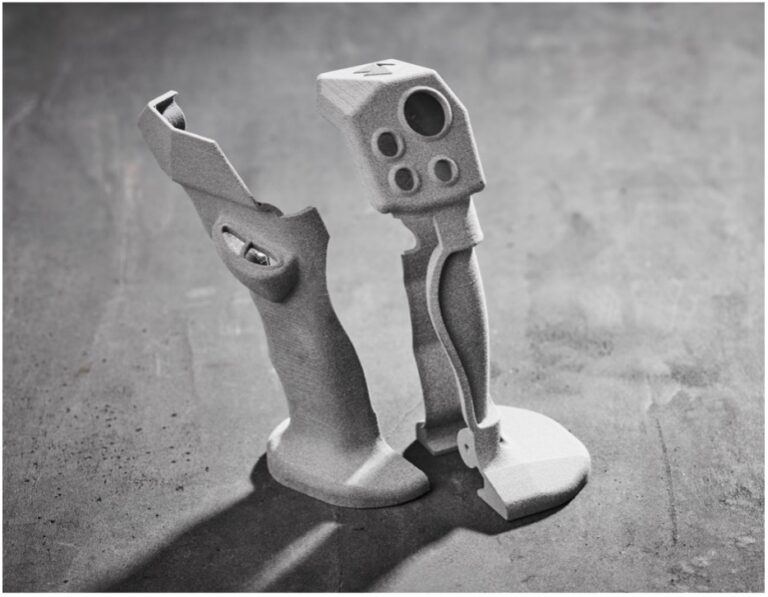
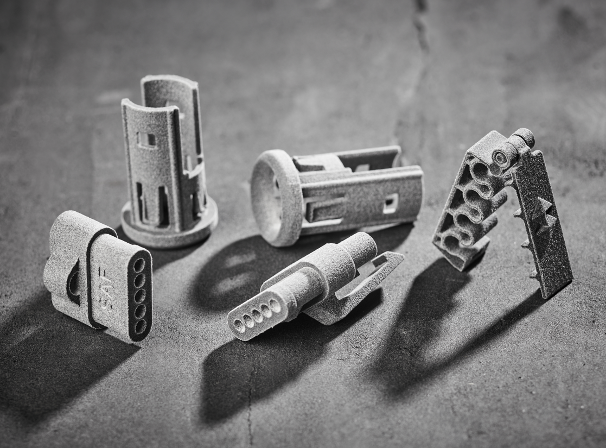
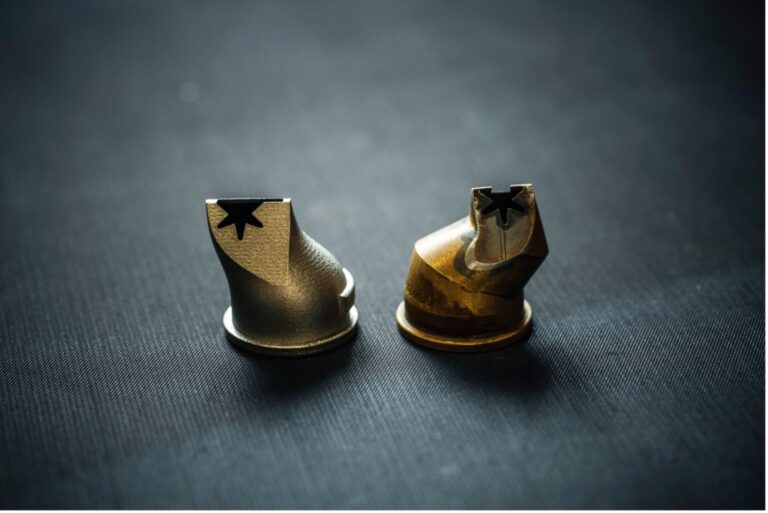
On his desk, Casper Huhnke has, for example, three versions of the intelligent Think Top valve, which Alfa Laval produces in large quantities. All three versions are 3D printed, and the models have gradually become more and more refined during the process as the development department has worked with them.
Work that, with 3D printing, has progressed significantly faster than before.
“Without 3D printing, it can take up to three months to produce a prototype mould. With 3D printing, we can have a prototype in our hands the next day, so it makes a huge difference in moving our work forward,” says Casper Huhnke.The boundaries are shifting
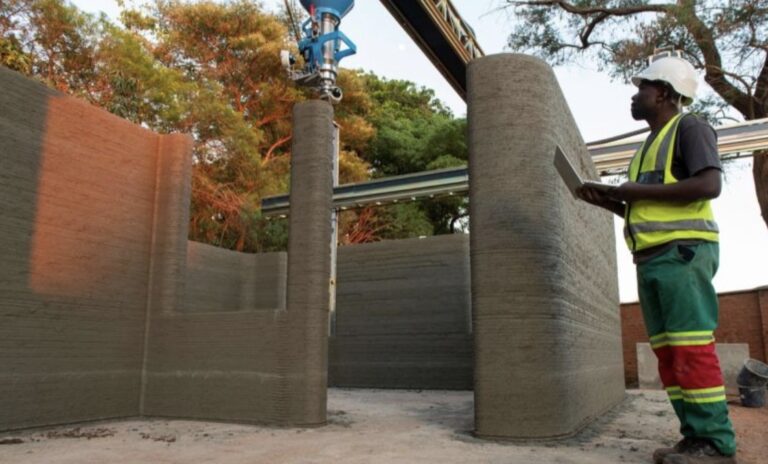
Here and now, 3D printing does not solve all of industry’s challenges, Casper Huhnke emphasises. But he believes the technology will play an increasingly large role in everyday work – also at Alfa Laval. Over time, the technology will become cheaper, and it will then also move from the development department into production itself. 3D printing can help secure the supply of components when you can print them yourself.
“The boundary for when 3D printing is an advantage in industry is constantly shifting. Among other things, we see how the automotive and aerospace industries use 3D printing today. That means there will be rapid acceleration, because these are industries with very high volumes and that set the agenda,” Casper Huhnke assesses.
Read more about the programme at www.iba.dk
Questions
Anja Sinding Morgen, IBA Erhvervsakademi Kolding, +45 61 93 95 71 / asmo@iba.dk