
3D metal printing is the solution if Danish manufacturing companies are to keep pace with developments and demand, especially from abroad. That is why Dansk AM Hub, in collaboration with Herning Municipality, is hiring someone to raise awareness and increase the use of 3D metal printing.
While the classic Volkswagen rolls off the assembly line and onto the world’s roads, the new Czinger Vehicles rolls out of a 3D metal printer. The car is 100% digitally manufactured, from headlights to exhaust pipe, and with only 80 parts compared with the Volkswagen’s nearly 3,000 parts. The Czinger is produced in the USA and is a good example of what 3D technology can do. With 3D production comes exciting design, high durability, and the ability to create structures that would otherwise be impossible. This is an interesting development in the automotive industry and something German car manufacturers are also paying particular attention to.
And this can create both challenges and opportunities for hundreds of Danish companies that today are suppliers to the German automotive industry, if they do not keep up with developments.
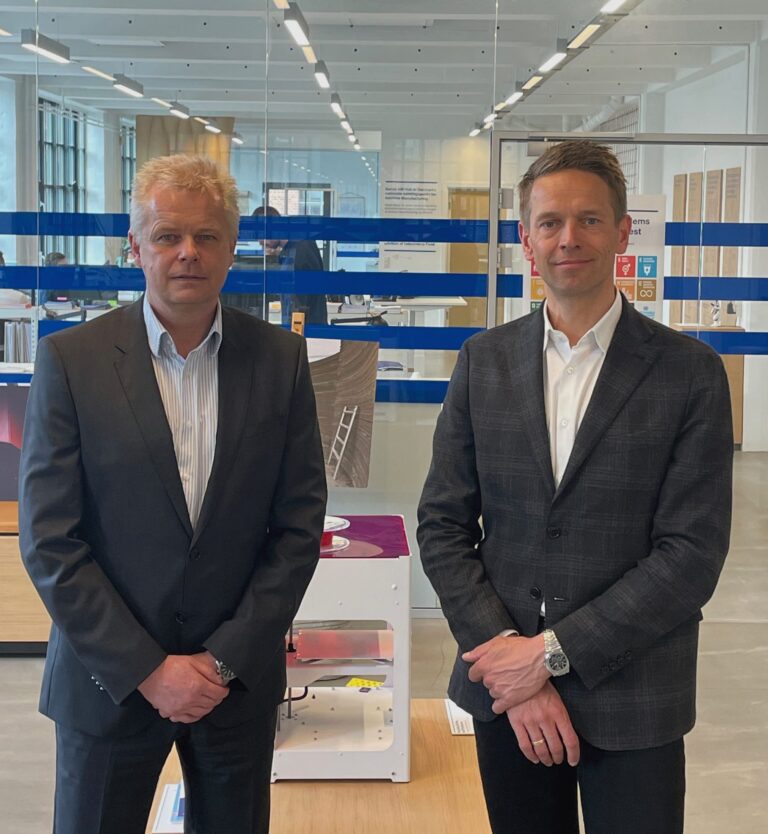
“We are facing the electrification of the entire automotive industry, where many Danish players have core competencies. To ensure their competitiveness, small and medium-sized metal companies must integrate 3D metal printing into their production and business model,” says Frank Rosengreen Lorenzen, CEO of Dansk AM Hub, an organisation established by the Danish Industry Foundation specifically to promote additive technologies in Danish industry.
In Denmark, we have around 400 Danish companies that supply everything from batteries to small components to German car factories. If they learn to master the many advantages of the rapidly advancing 3D metal printing technology, they can be frontrunners in a key technology and play a significant role in the electrification of the automotive industry, while also creating many more jobs.
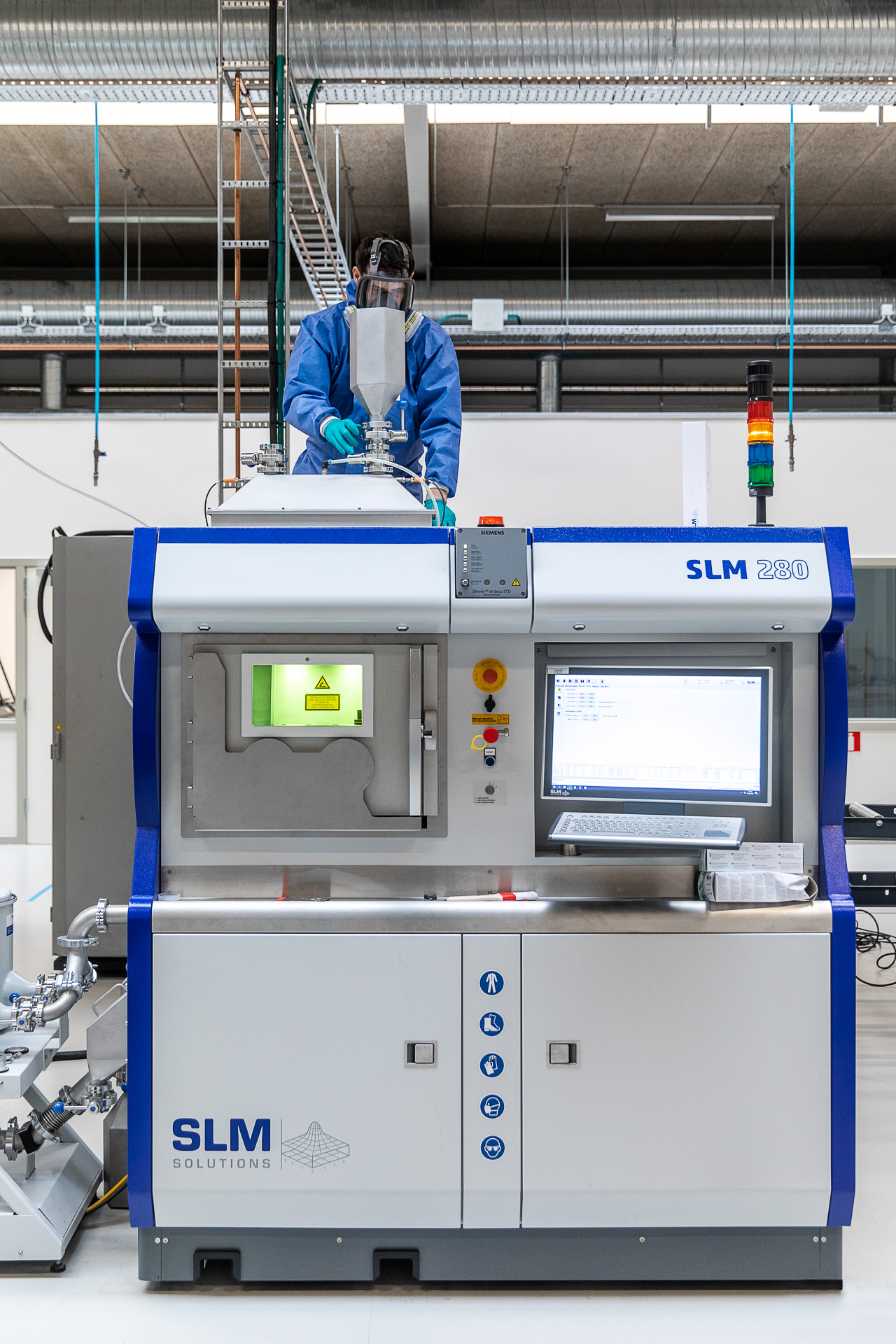
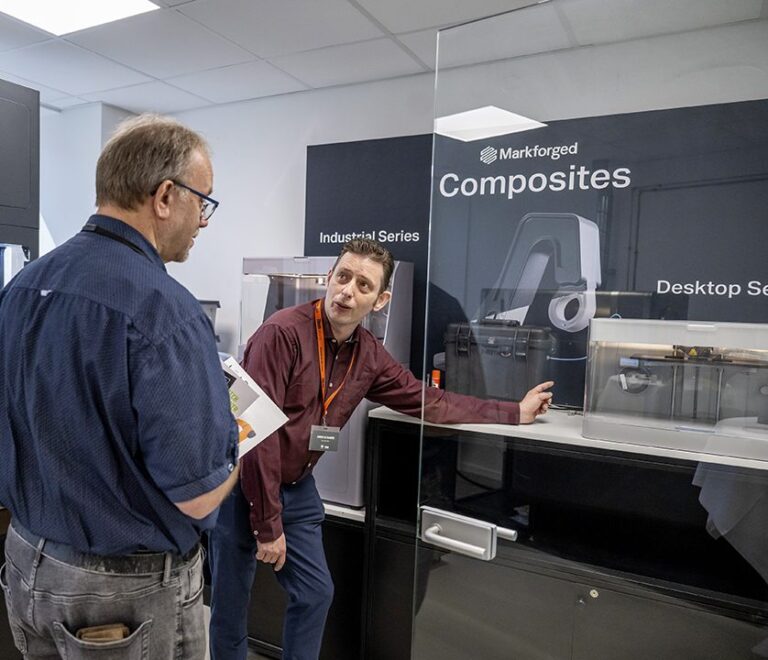
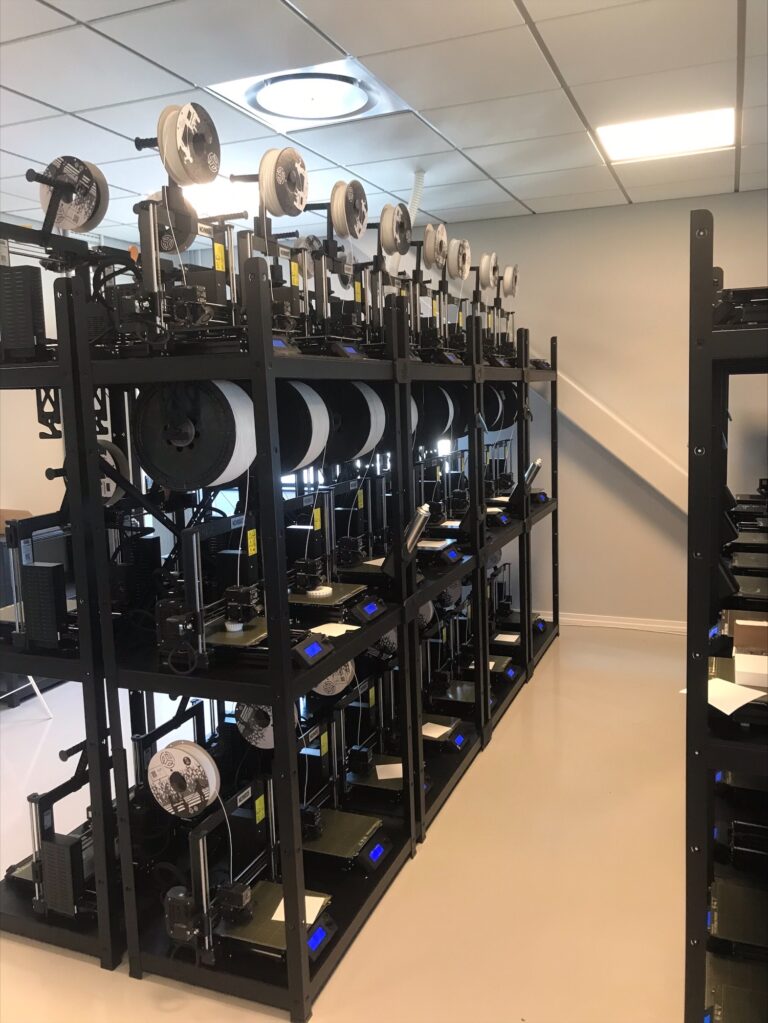
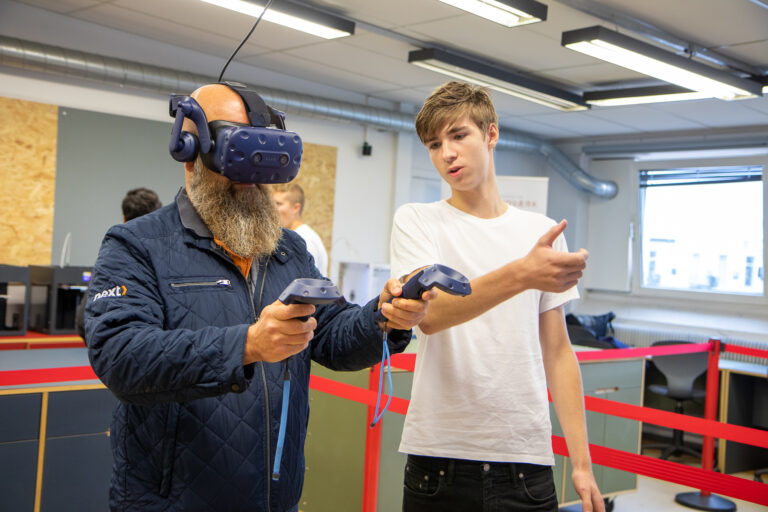
And that is precisely why Dansk AM Hub is in the process of hiring a person who, based in Herning, can cover all of Jutland. With three 3D metal printers available at educational institutions in Herning and several other printers in the boot of the car, he will ensure that manufacturing companies in Jutland become aware of the opportunities and can easily get started using the new technology-among other things by offering to lend them a printer temporarily so they can experience the many benefits before potentially investing in one themselves.
“In Central Jutland, there are strong metal crafts and traditions, and there are particularly many metal companies in the Herning area. At the same time, there is a culture and spirit of daring to set the bar high and collaborate across interests, as well as a belief that industry and production are an important part of the future and key to Danish competitiveness,” says Frank Rosengreen Lorenzen.
Herning welcomes AM and 3D
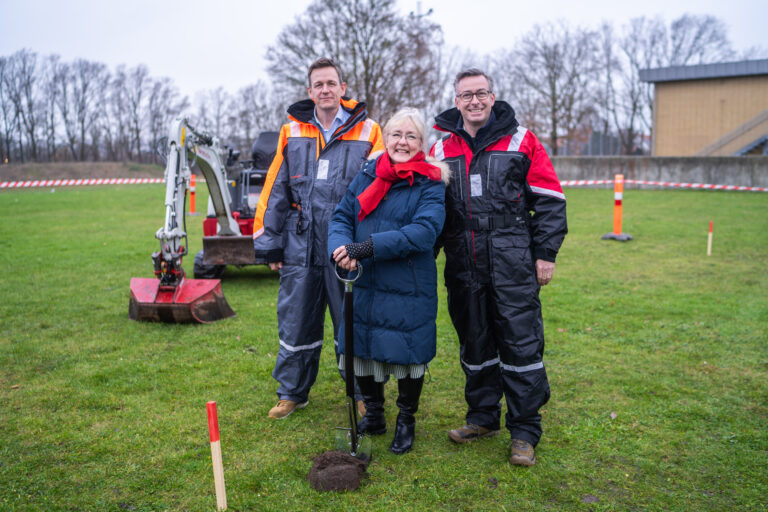
Herning Municipality also strongly believes in the potential and development of 3D metal printing, and the municipality has allocated DKK 1.5 million to the area over the next three years.
That is why Herning Municipality has also established the Mid- and West Jutland 3D MetalAlliance together with Herningsholm Erhvervsskole & Gymnasier, AU Engineering in Herning, DAMRC, and the Business Council Herning & Ikast-Brande, with the aim of strengthening the adoption of 3D metal printing.
The three-year grant from Herning Municipality will, among other things, be used to create a shared employment and office community for AM Hub and the 3D MetalAlliance in Herning, so that the two organisations can jointly strengthen efforts to increase the use of 3D metal printing.
“We look forward to welcoming AM Hub to Herning and to collaborating with them through the 3D MetalAlliance. In our area, we have a large share of manufacturing companies, especially within the metal industry. We must safeguard this position of strength and develop it further, including by creating the best possible conditions for the industry’s technological and digital transformation,” says Henrik Kjeldsen, Head of Business Development in Herning Municipality.
“The collaboration with AM Hub can help us realise our ambition more quickly and effectively to create a centre of excellence that will give Danish industry access to knowledge, training, and qualified labour within 3D metal printing,” Henrik Kjeldsen assesses.
A bigger vision
At Dansk AM Hub, they hope that many others will follow Herning Municipality’s example and embrace the many advantages of 3D printing to improve both production and the end product-since digital manufacturing can deliver better designs almost fully tailored to the customer’s specific wishes, in sustainable material and without transport.
Within metal 3D printing, there is strong international growth-especially in the sale of materials, where metal saw growth of 28% last year, and metal 3D printing is making impressive inroads into the production of end-use components.
“It is crucial that our skilled Danish metal companies keep an eye on this technology and, through our initiative in Herning, have the opportunity not only to get started but also to progress without requiring major investments. We must be first in the race,” says Frank Rosengreen Lorenzen, who has a clear vision for Danish industry:
“Perhaps the time has come for us to show the world how, through this technology, you can produce a CO2-neutral electric car MADE IN DENMARK.”
See coverage of the initiative at, for example, TV MIDTVEST
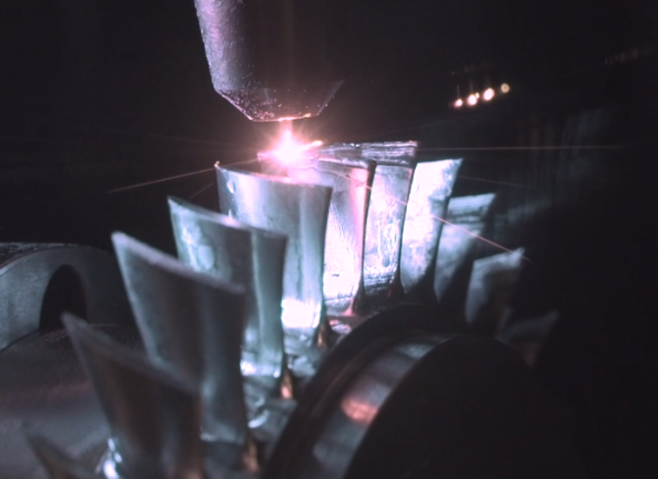
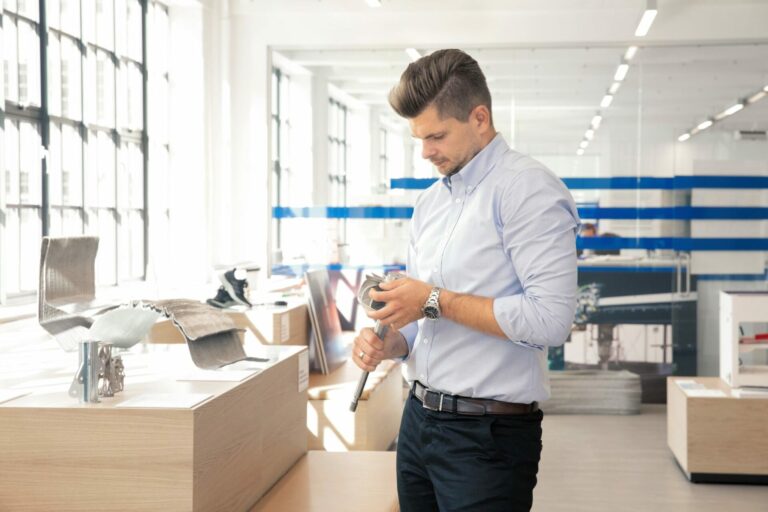
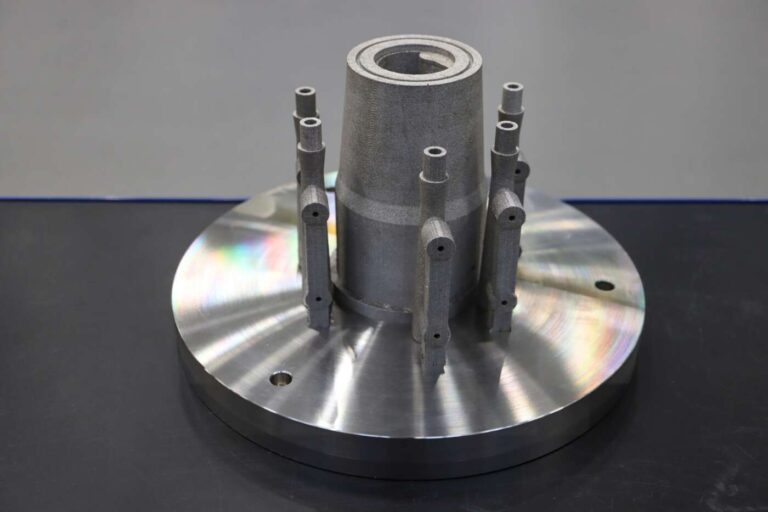
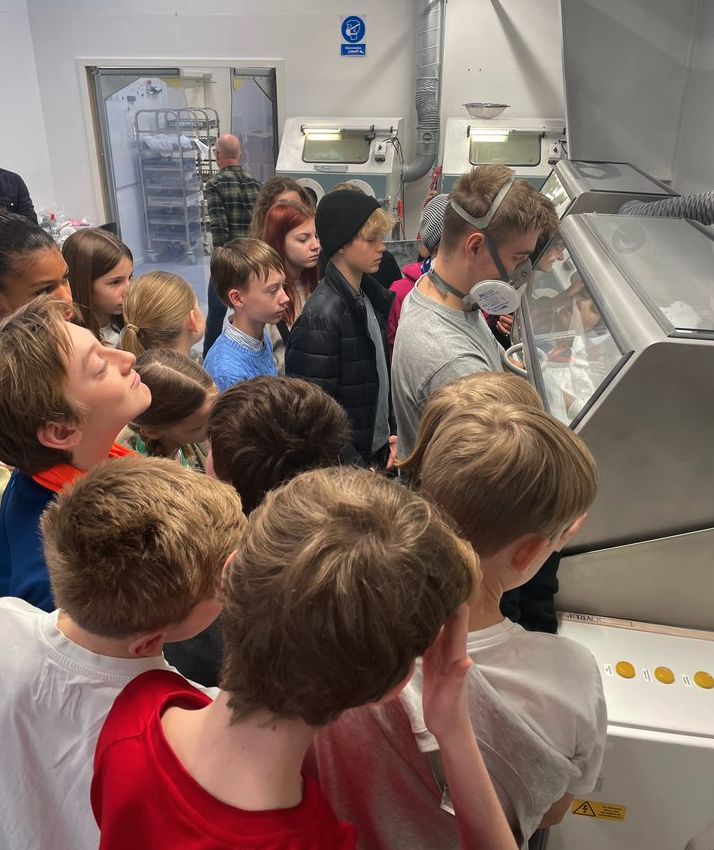
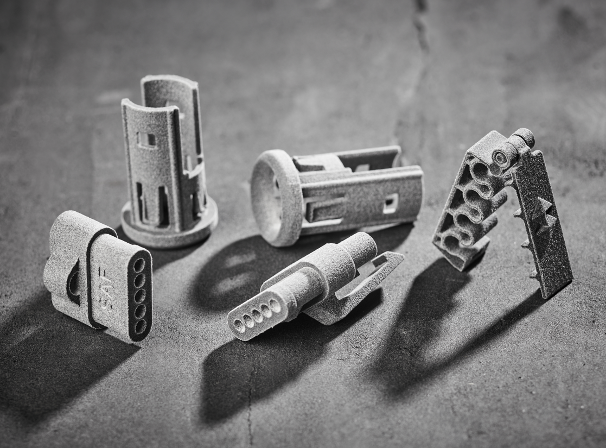
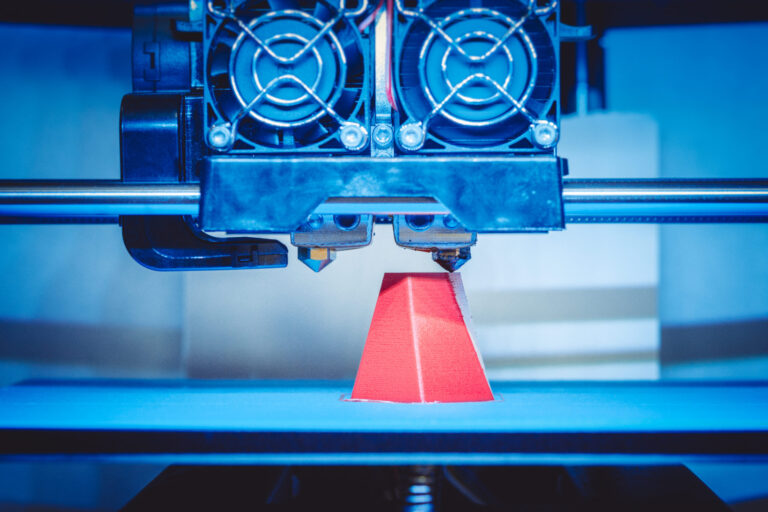
3D metal printer at AU Herning. Photo: AU Herning.