
Knowledge centre opens 3D labs at three vocational schools
Vocational school students can now get hands-on with 3D technology, and the construction trades are at the forefront of making use of the opportunities.
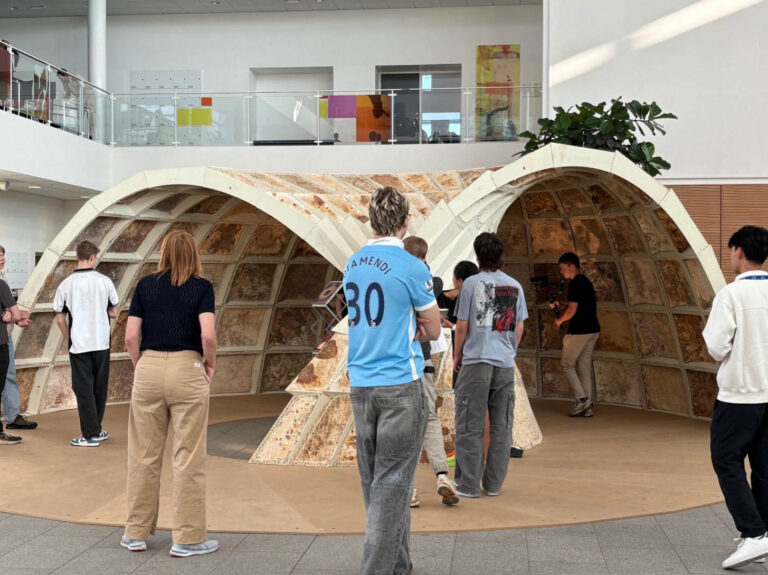
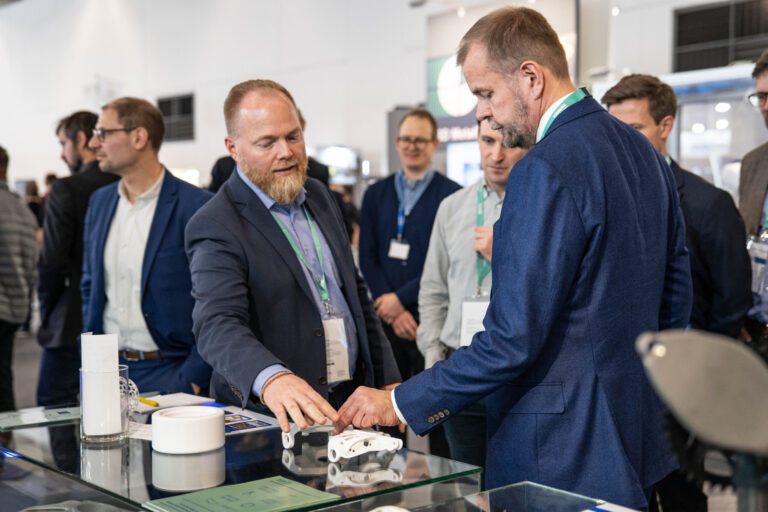
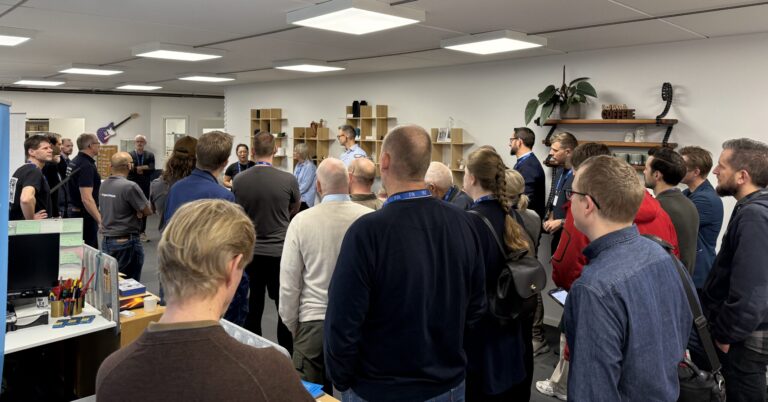
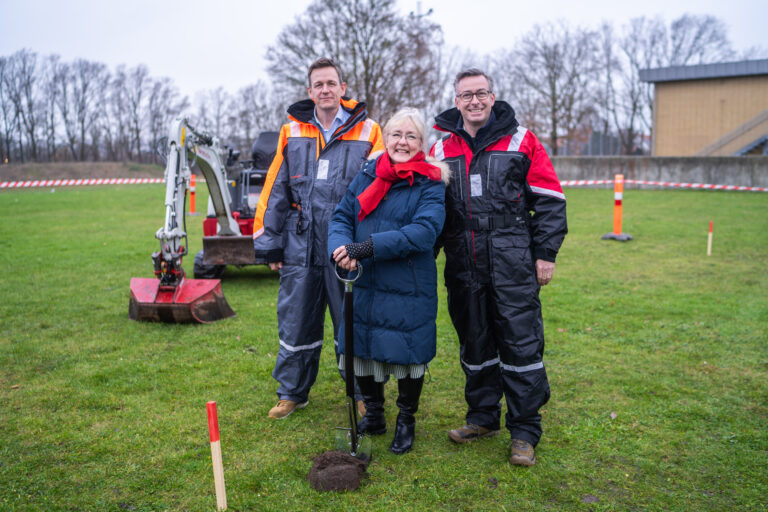
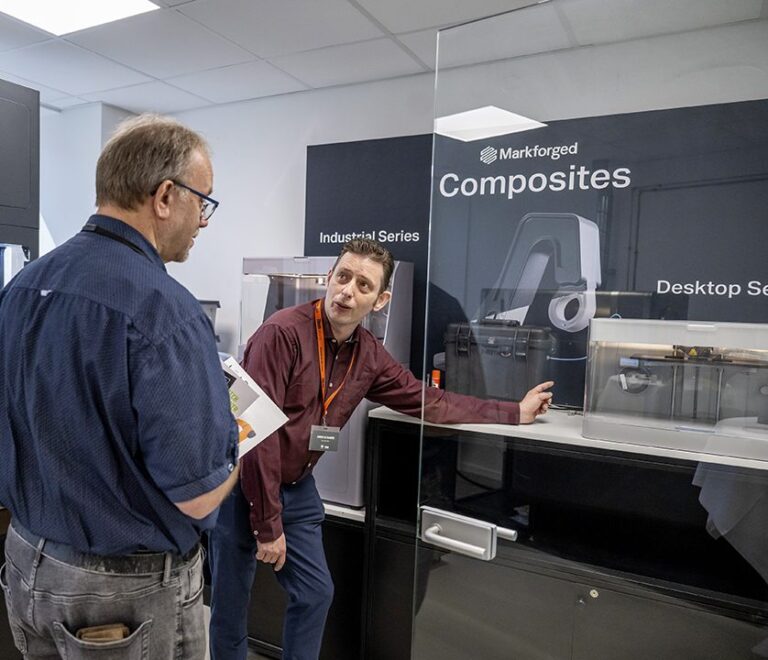
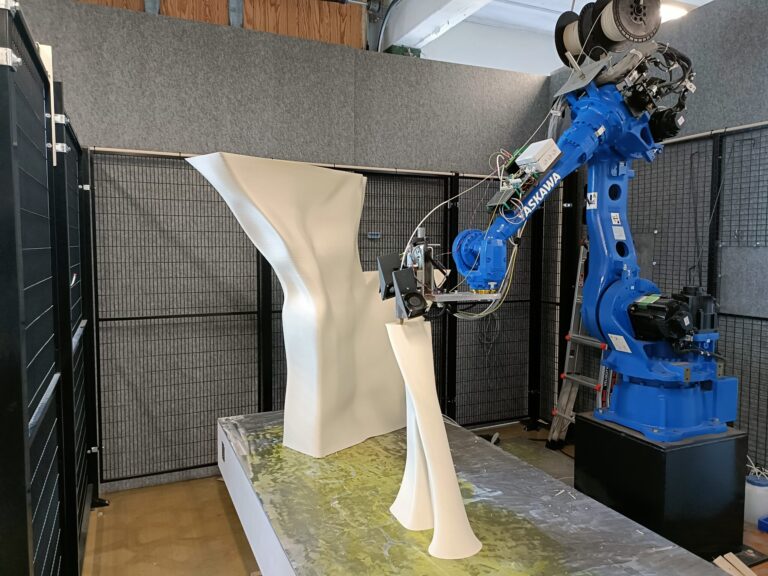
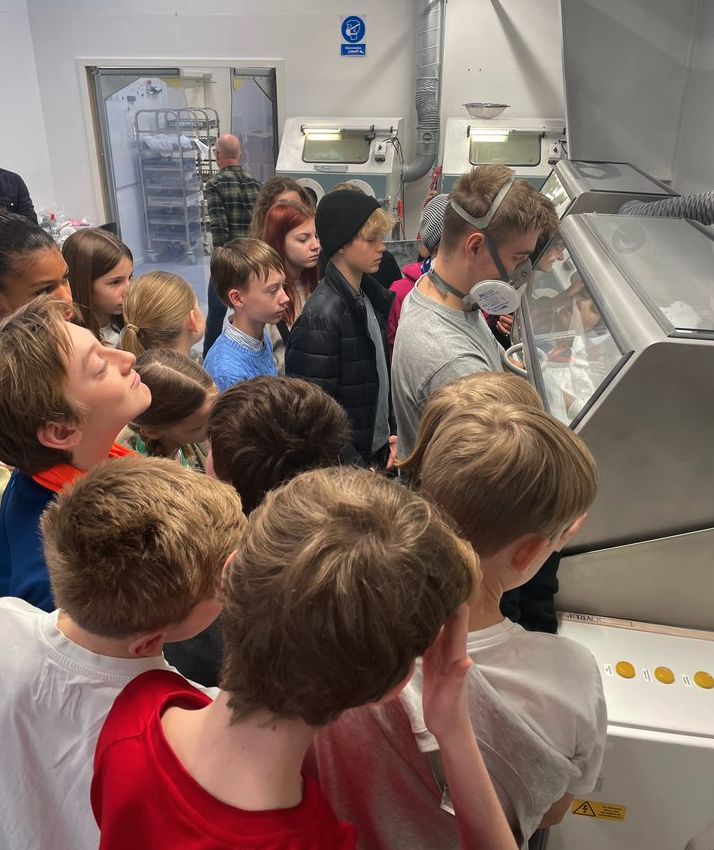
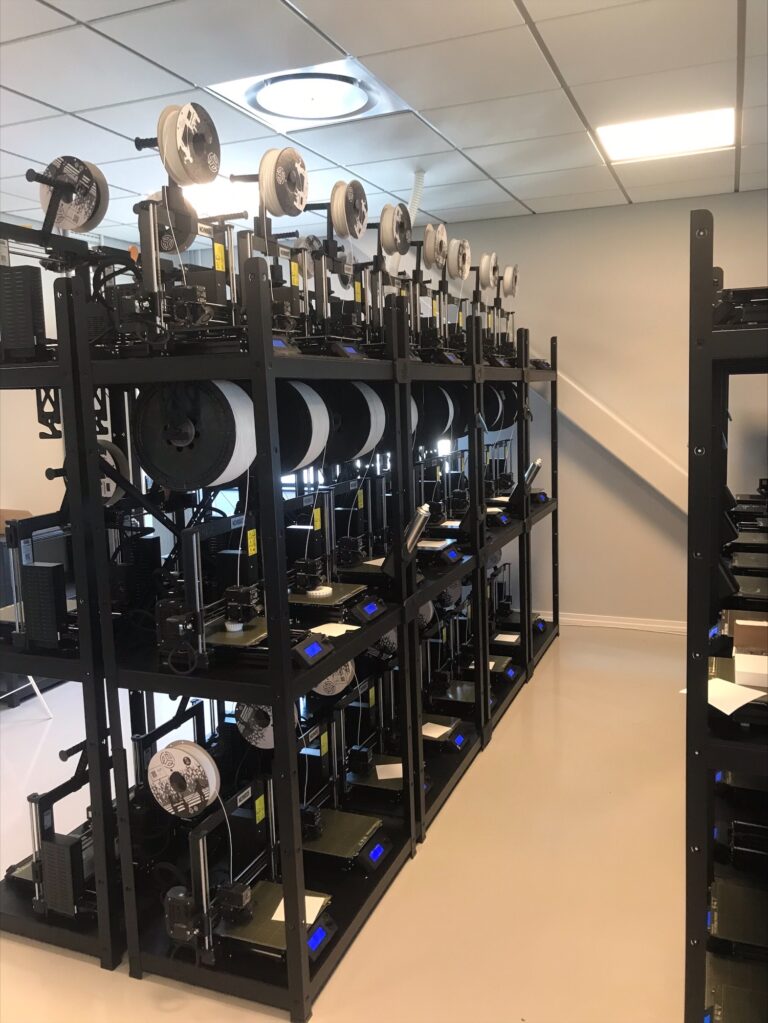
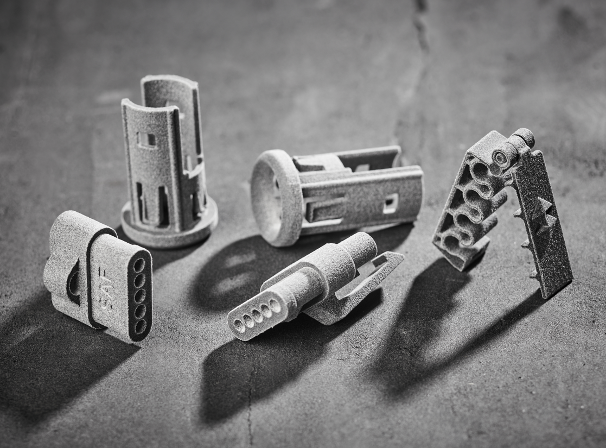
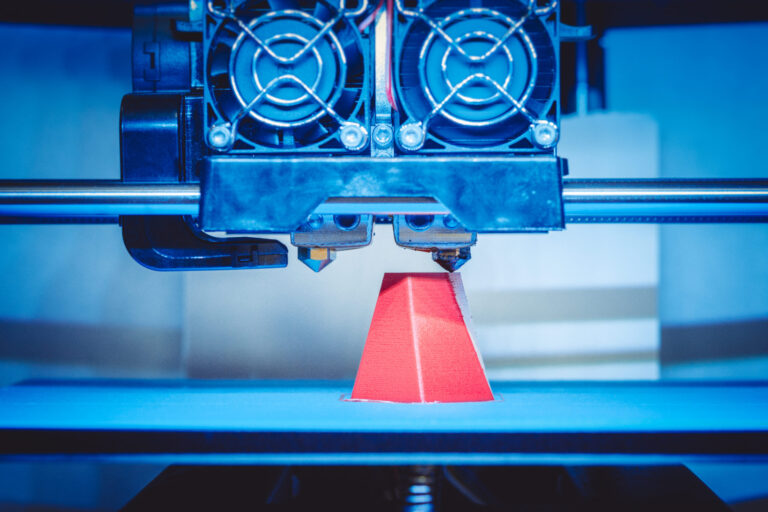
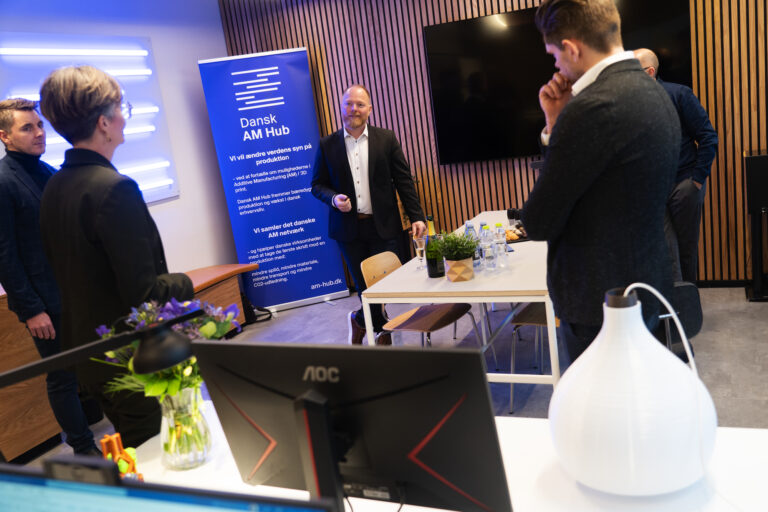
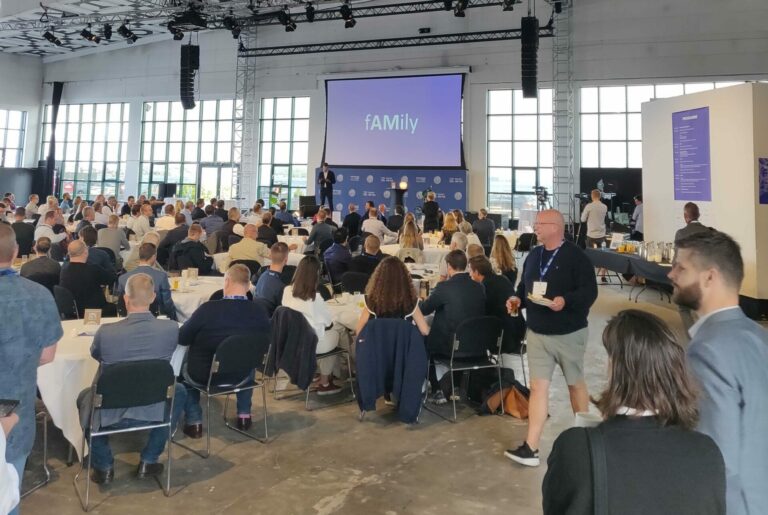
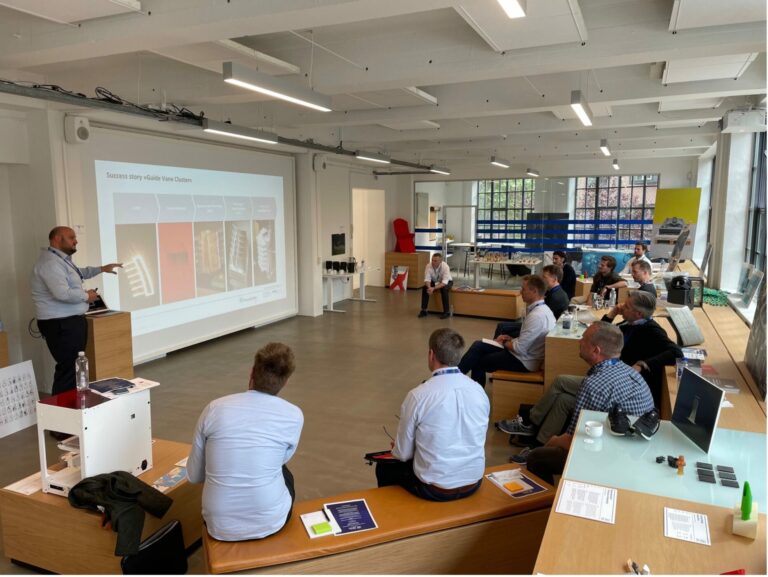
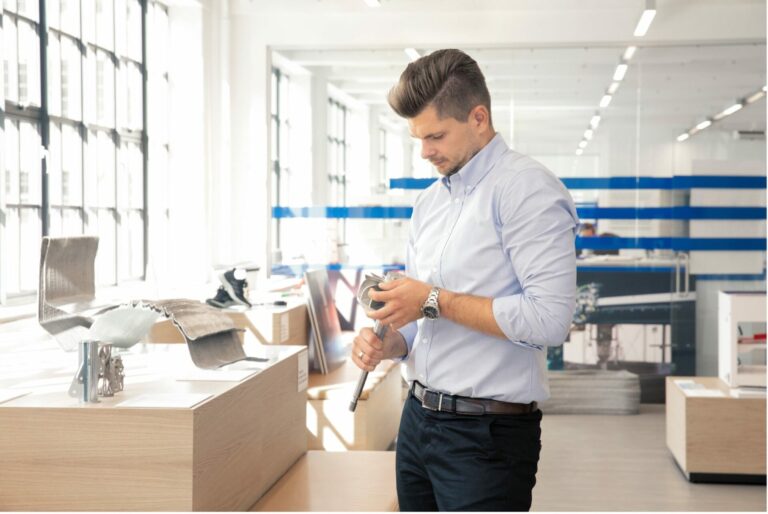
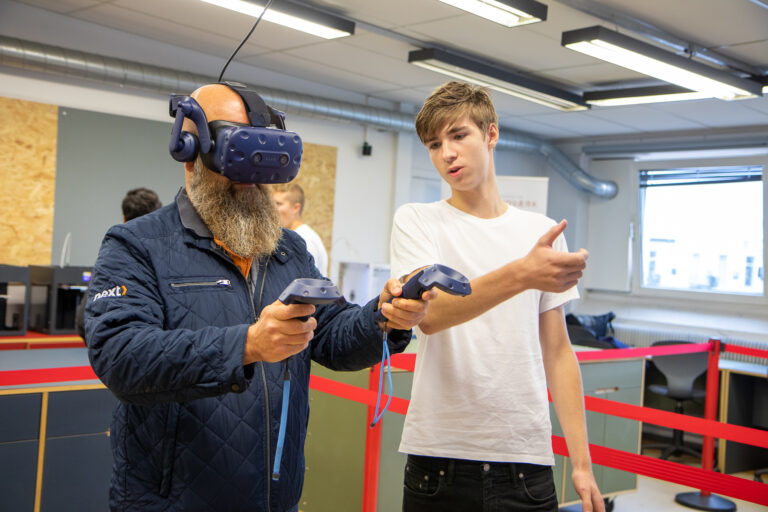
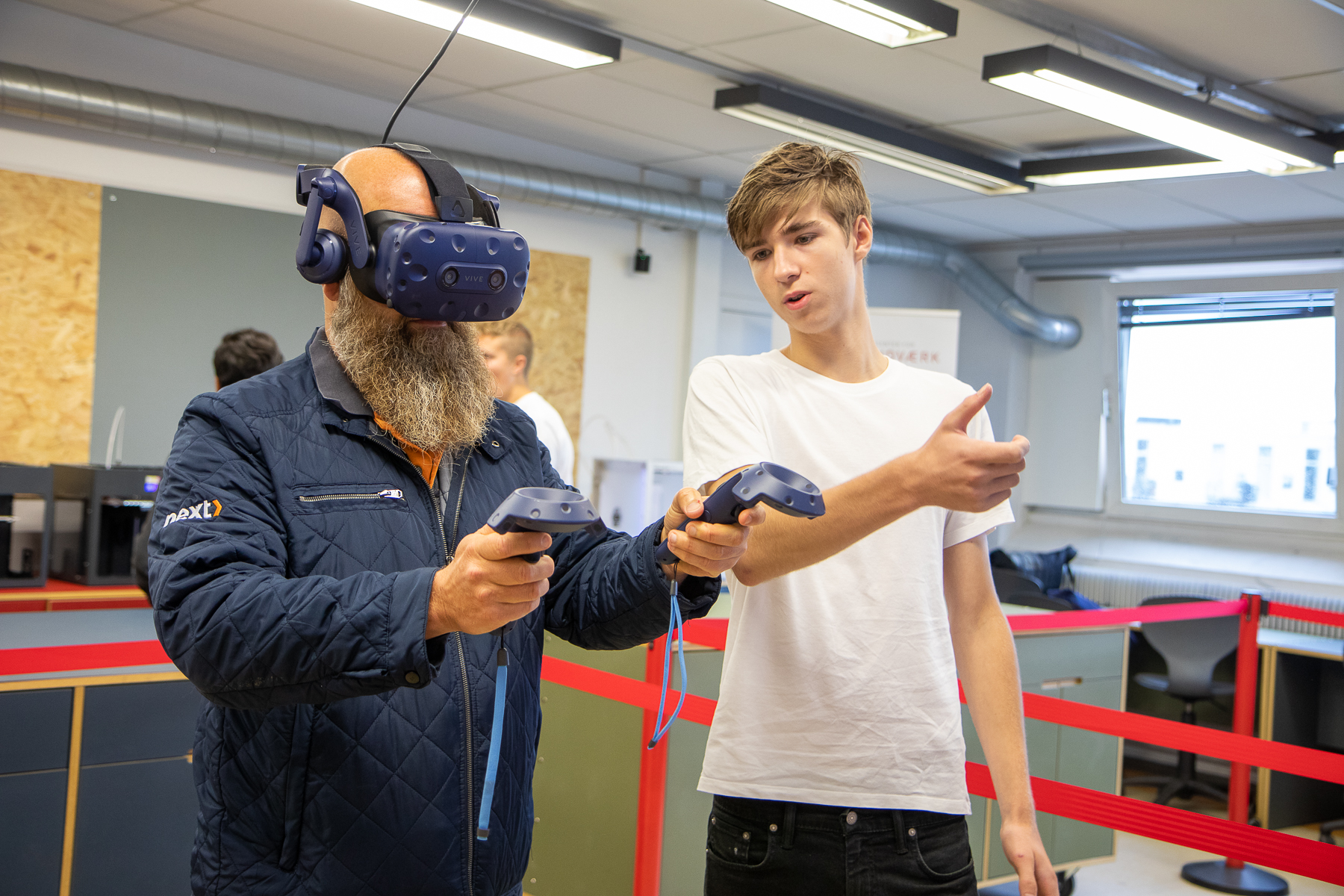
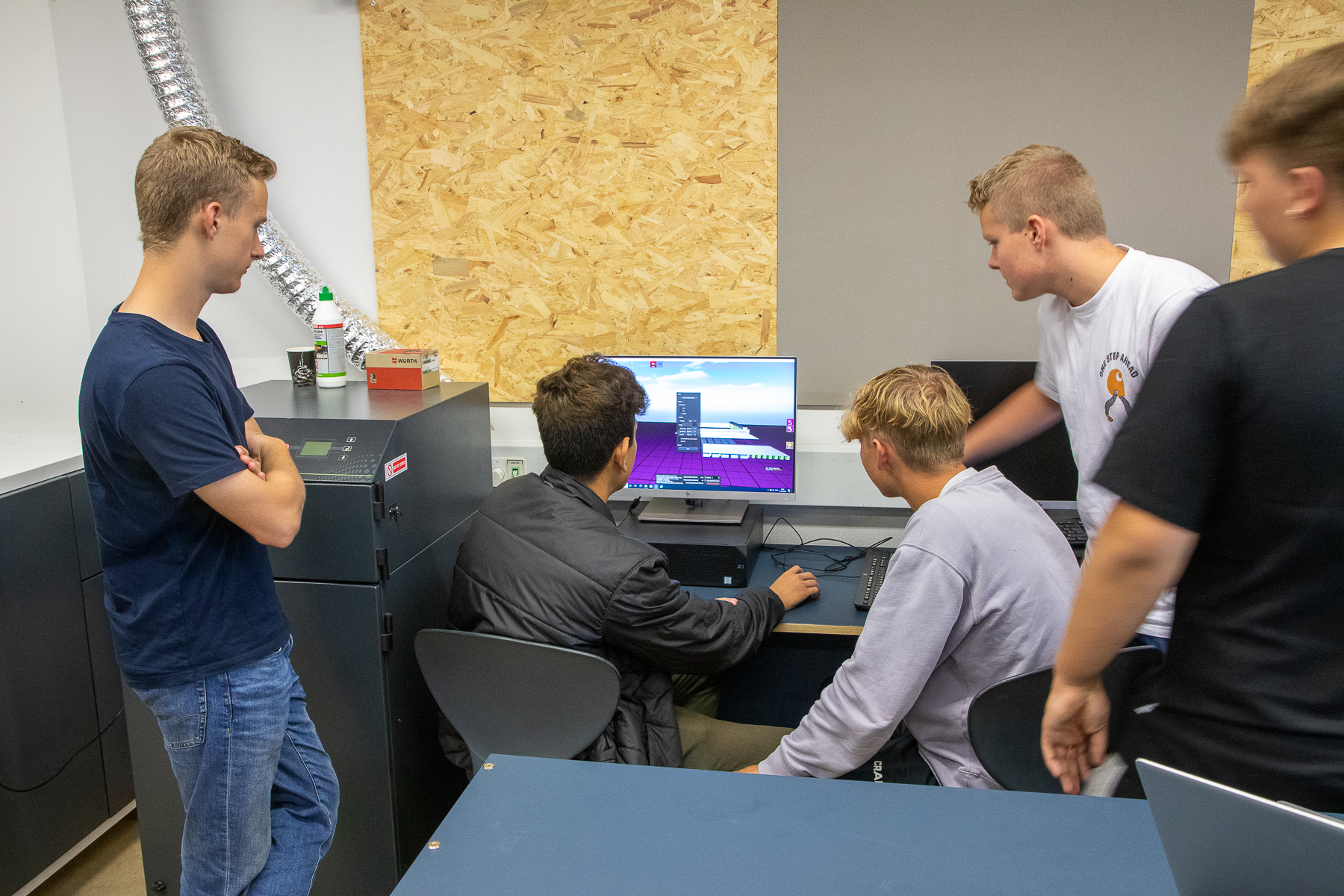
The Knowledge Centre for Crafts – Design & Architecture is opening three 3D laboratories at three major vocational schools across the country. Going forward, vocational school students will be able to experiment in their teaching with 3D printers, Virtual Reality, laser cutters, 3D design, etc. The opening took place on Thursday at Techcollege in Aalborg, Mercantec in Viborg and at Next Education Copenhagen.
The three 3D Labs have been established to develop vocational education programmes, so that it will hopefully become more attractive for young people to pursue an education where they use their hands-while also having the opportunity to play with the latest technology.
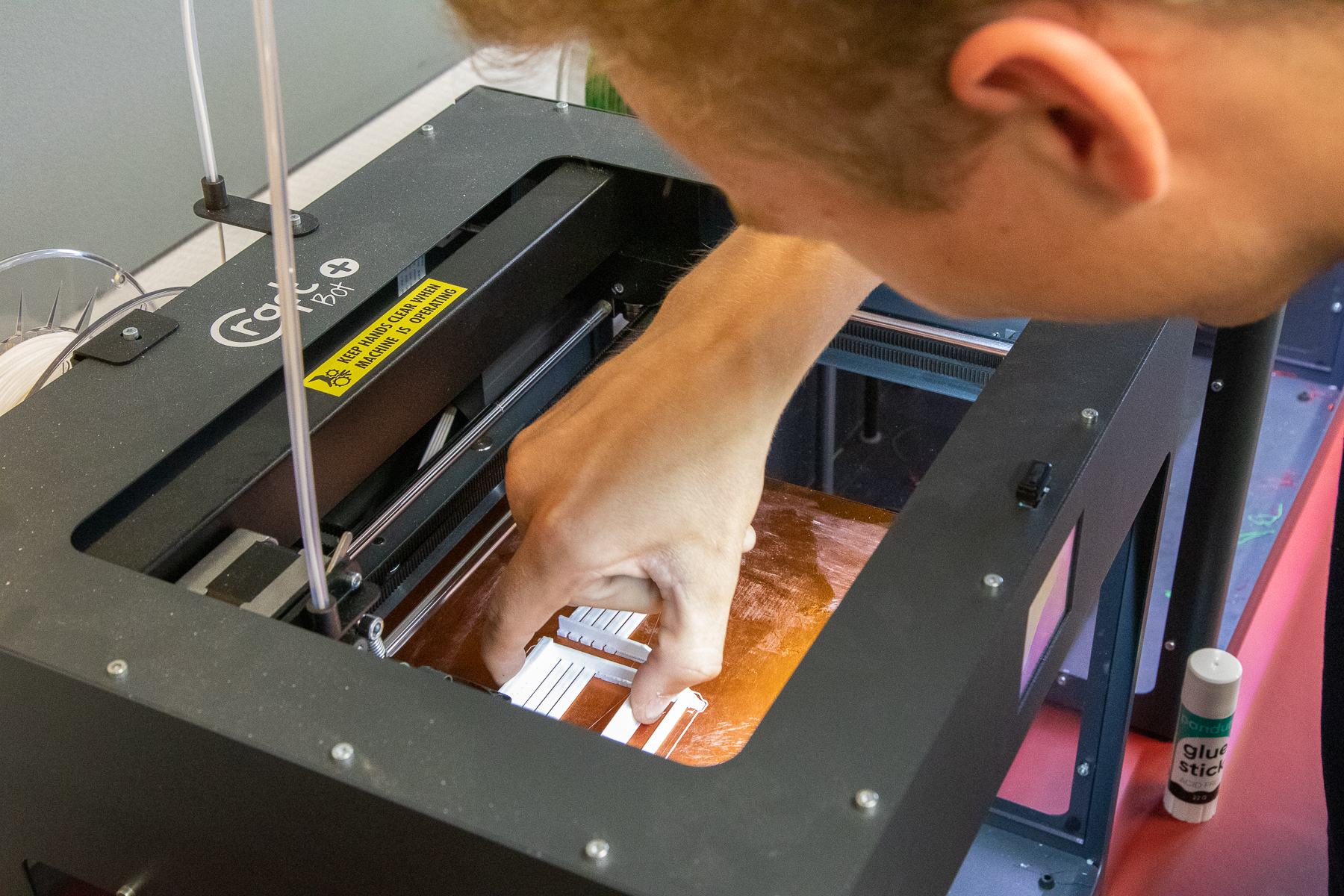
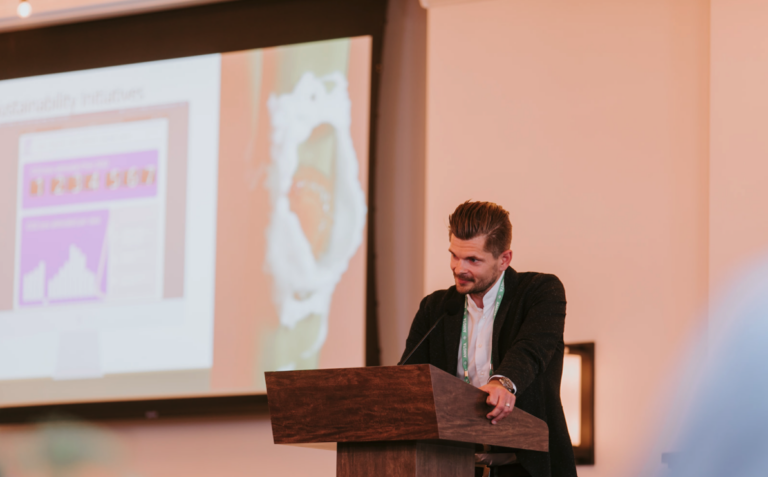
Ole Heinager, Managing Director at Next Education Copenhagen and Chair of DEG, emphasises the importance of future-proofing education: “If our young students and apprentices do not leave with this understanding of technology, they will be in for a shock when they truly enter the labour market.”
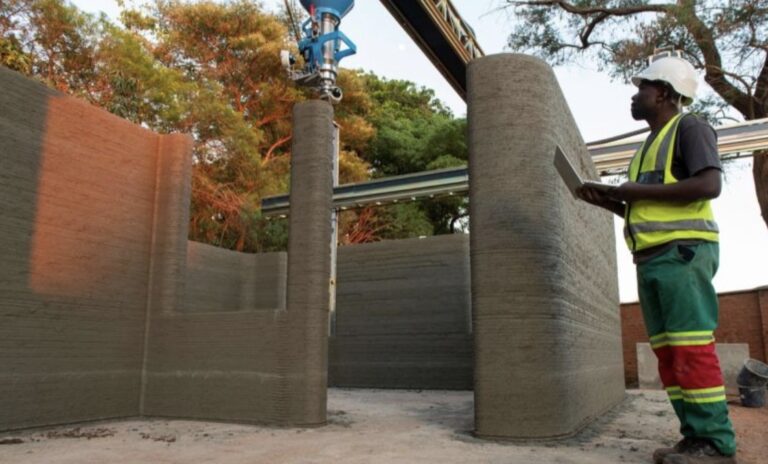
In Aalborg, enthusiasm is high, and carpentry student Philip Gerdes can already see the future: “There is no doubt that it will also make its way to, for example, construction sites, so if we as carpenters are missing a specific piece for a corner, we can print it instead of having to order it,” he says.
The investments at the three schools are intended to bring vocational school students into 21st-century 3D technology-a technology that is still advancing rapidly and that visualises problem-solving in a completely new way: “It has been really great, and a completely new way of looking at things. It gives a whole new angle and a new perspective,” says Simon Alexander Arnby, an eux carpentry student.
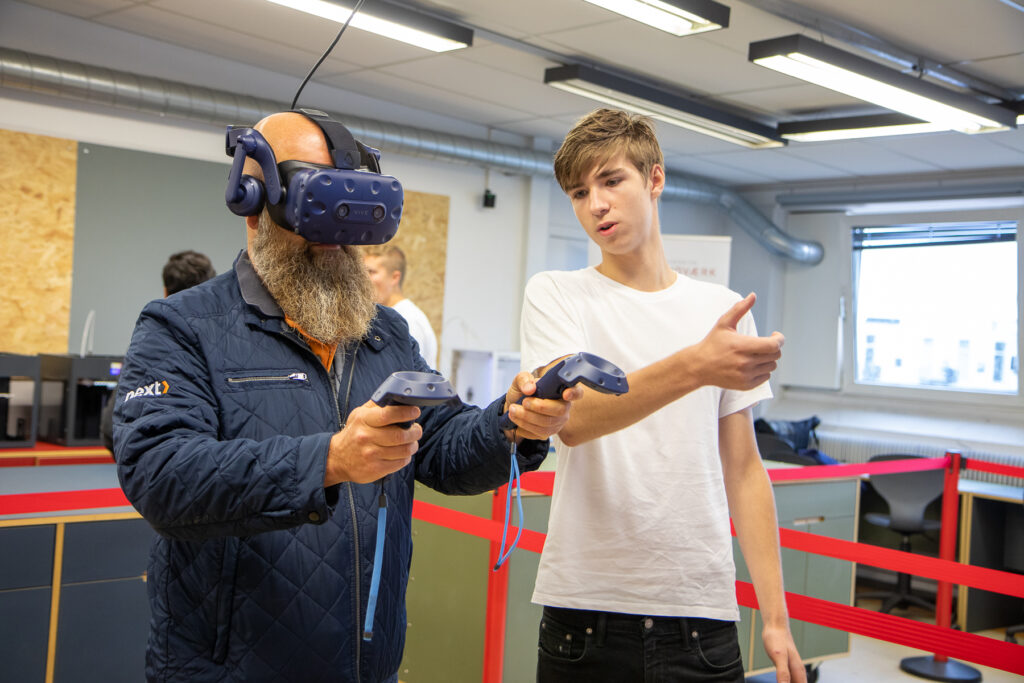
His classmate, Claus Hønborg, has only just been introduced to VR, but already uses it instinctively and quickly. He says about the possibilities of the 3D lab: “It’s better than sitting and drawing on a computer. You can see what it’s like, and what it feels like to be in there.”
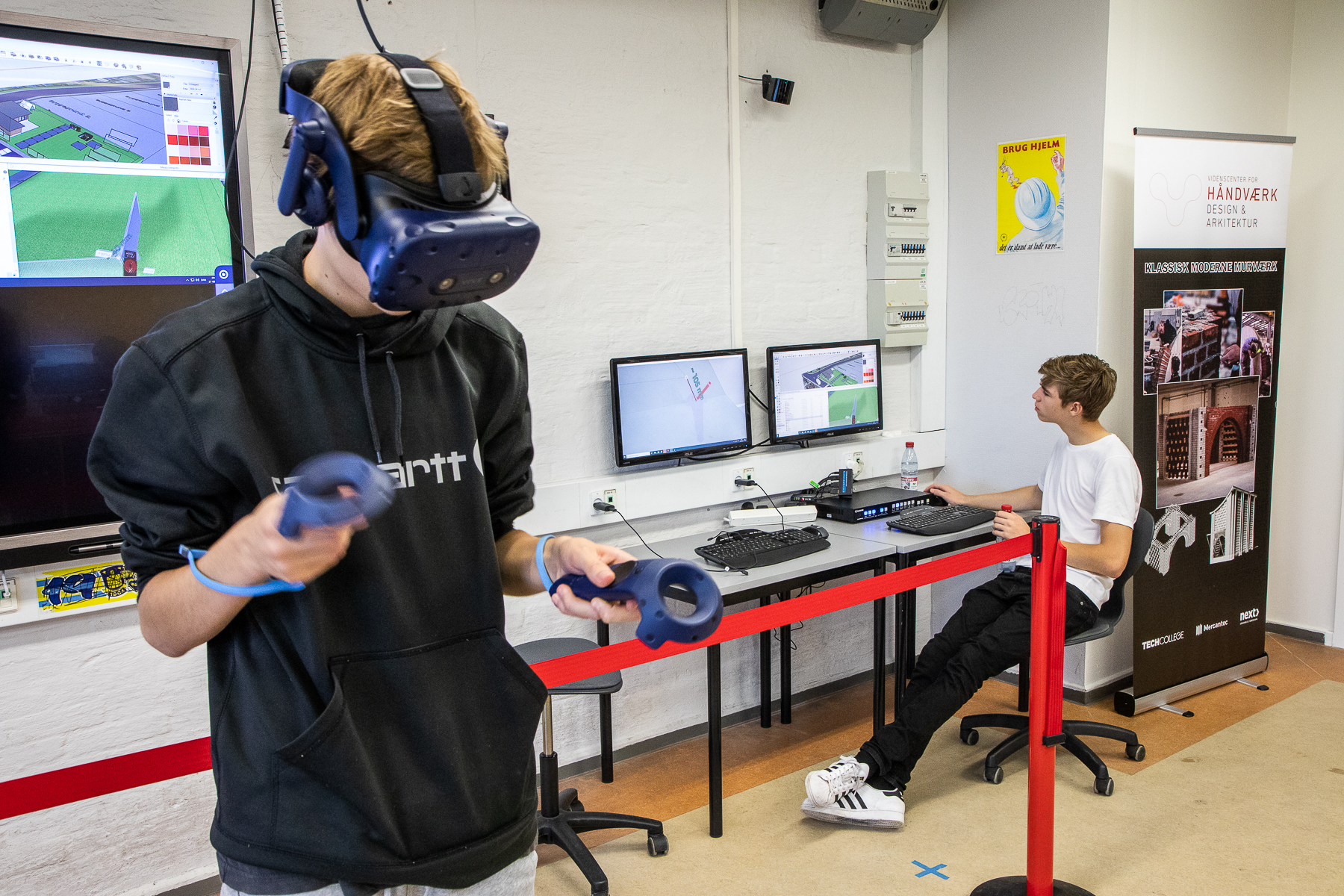
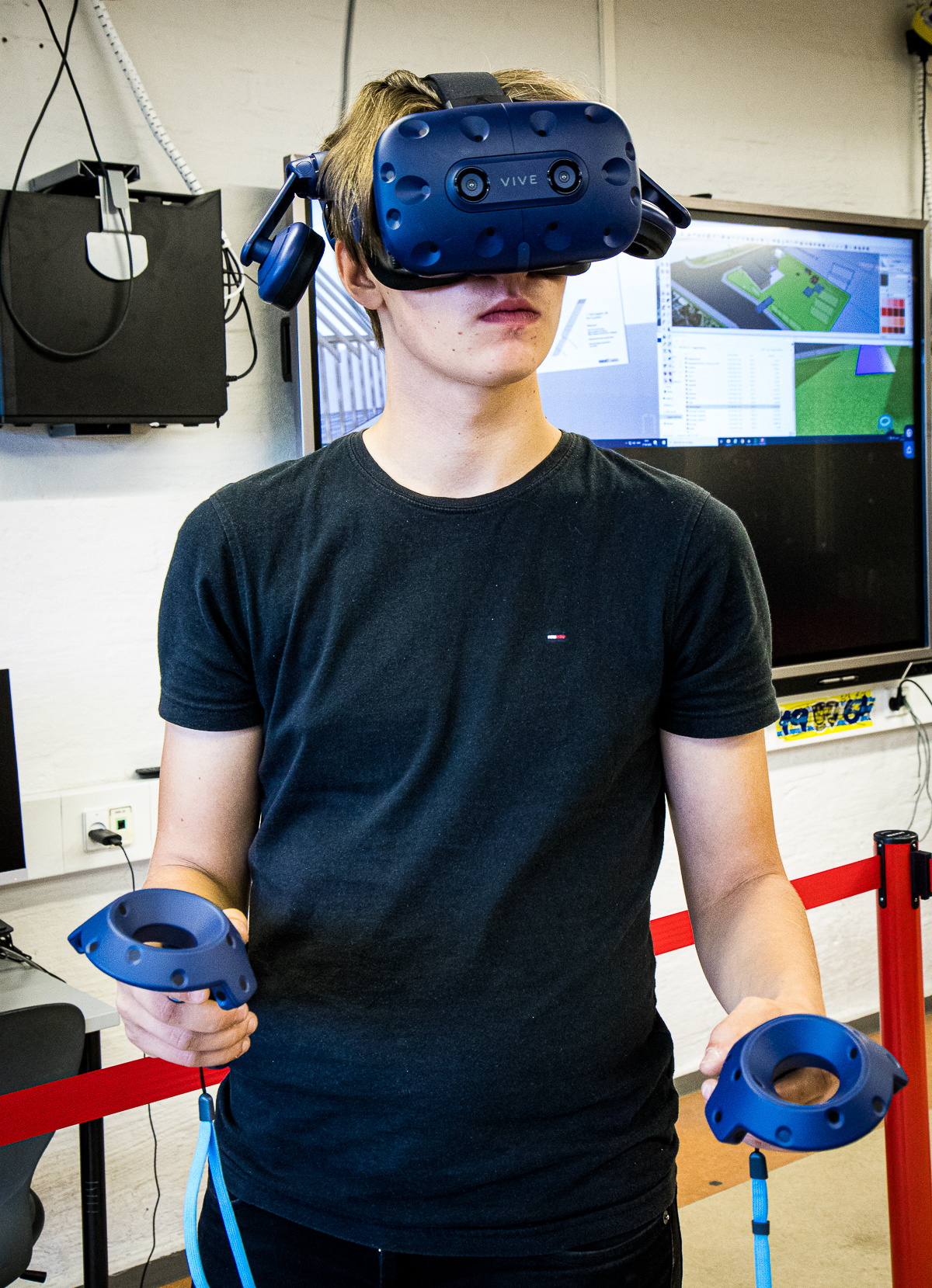
Overall, the most important thing is that students are allowed to experiment with 3D and get a sense of the possibilities. The equipment creates attractive, technology-focused teaching for young people, and the opportunity to immerse themselves in 3D, VR and laser cutters.
“It’s great to have access to all that equipment. It makes it a bit more enjoyable to be told on Monday morning that you have to sit and draw all day,” Claus Hønborg concludes.