
Lose the kilos in the supply chain-not only at the gym
By Frank Rosengreen Lorenzen, Director, Dansk AM Hub
The opinion piece was published on SMC.dk
Danish companies are in top shape when it comes to efficiency. We train diligently: optimising processes, reducing costs, and adjusting organisations. Yet many CEOs find that competitive pressure is increasing, supply chains are vulnerable, and innovation capacity is lagging. That paradox should set alarm bells ringing.
All too often, our strategic efforts are like going to the gym: we fine-tune what already exists, shed a few kilos, and become a little more efficient. It makes a difference-but not enough.
The real impact comes when we change the body’s very structure and move onto an entirely new track of sustainably healthier habits. For a company, that track is: a more flexible and resilient supply chain.
Supply chains must be redesigned from the ground up
Today, the supply chain is still treated as an operational matter-something that must be cheaper, faster, and more stable. But in a world marked by geopolitical uncertainty, bottlenecks, and rapid technological development, that is not enough. The supply chain has become a strategic competitive parameter. The manufacturers that win redesign the supply chain from the ground up. The rest keep training.
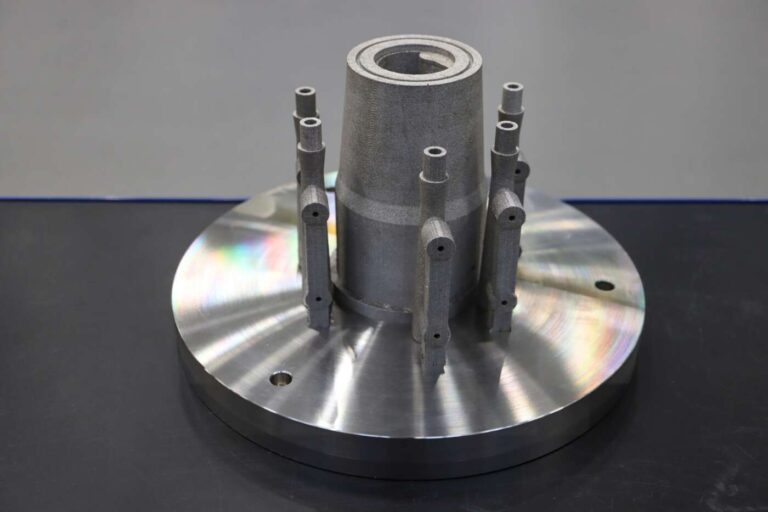
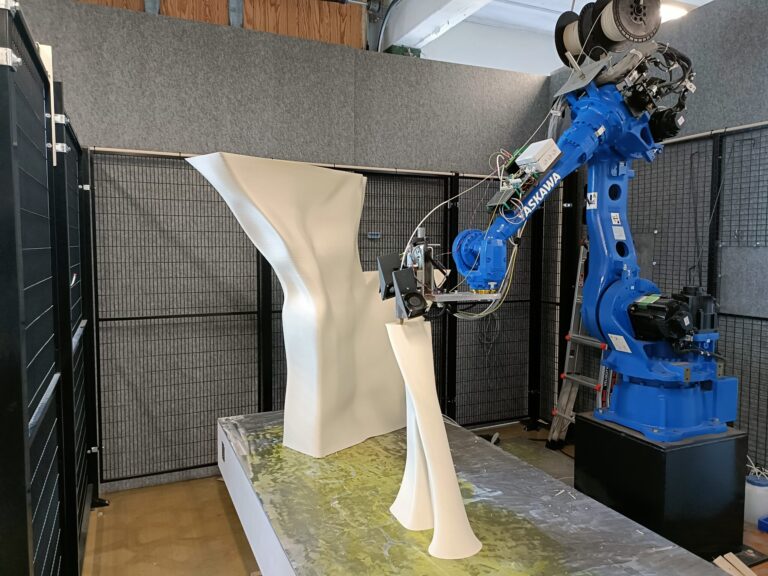
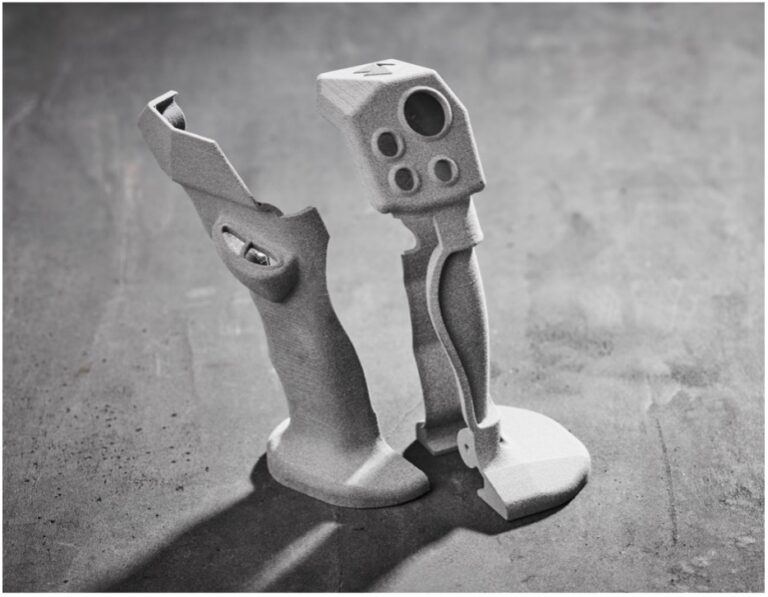
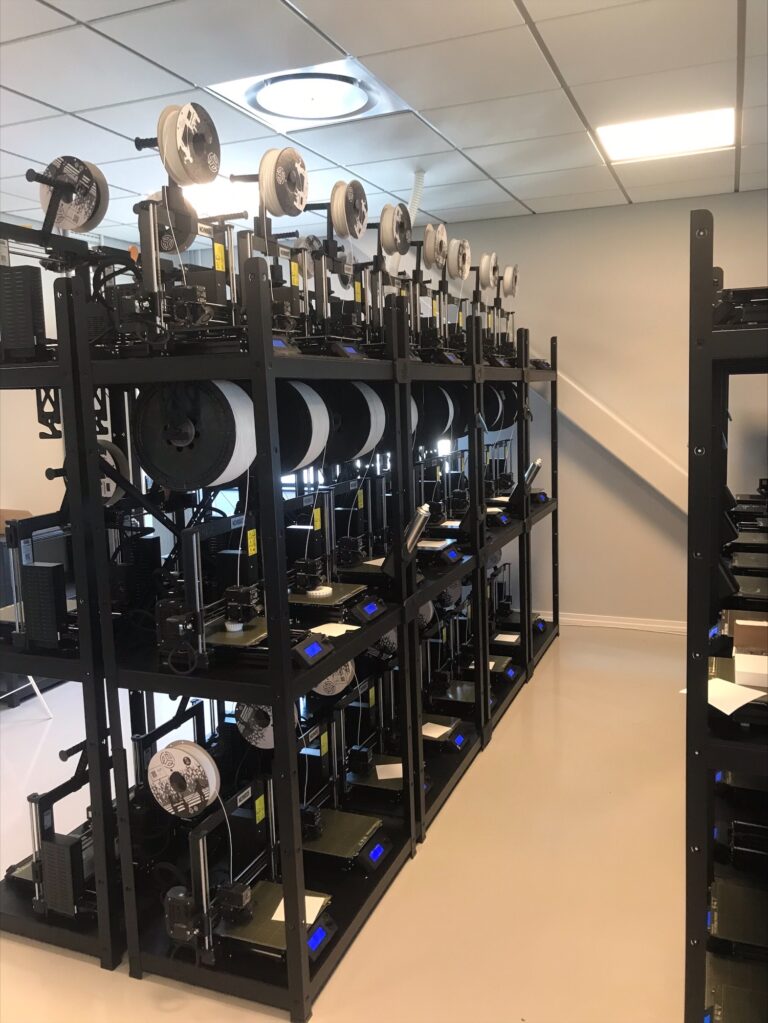
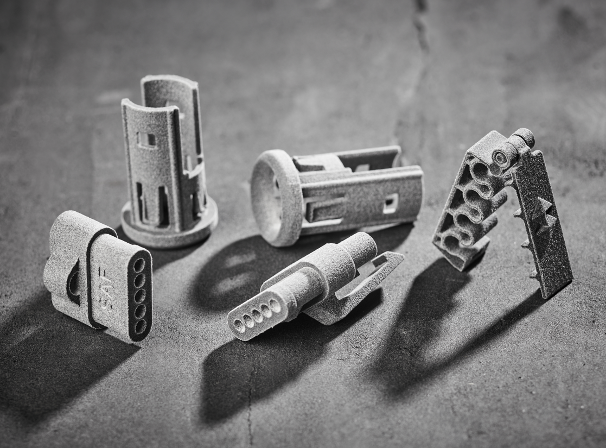
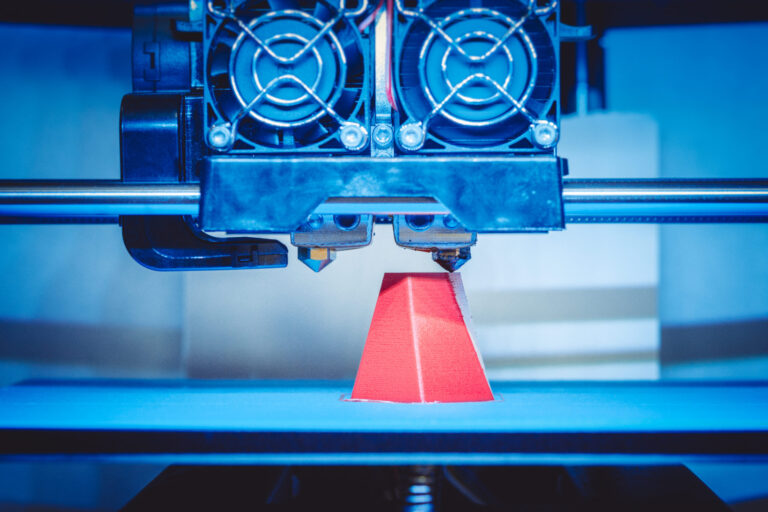
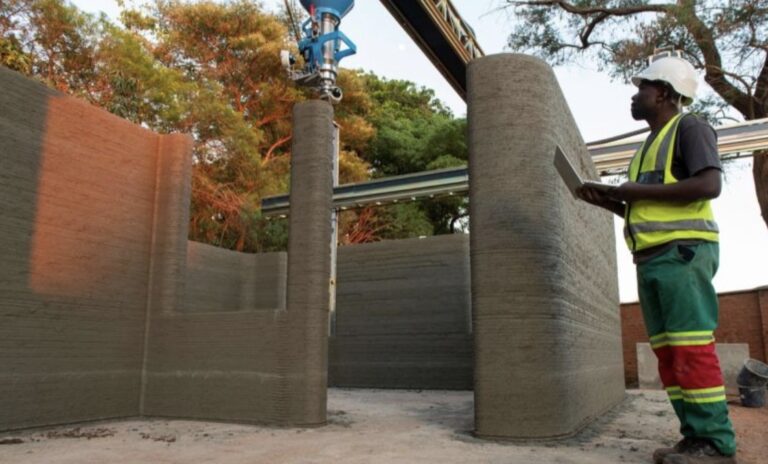
This is where additive manufacturing-industrial 3D printing-plays a far greater role than many senior executives have yet realised. Not as a gadget or a prototyping tool, but as a production alternative, because if you can print instead of milling or casting, you are not only mastering a new technology, but also an entirely different way of producing.
3D printing is a shortcut to better control
When Danish manufacturing companies use 3D printing strategically, they bring flexibility and control back home. They reduce dependence on global suppliers. They produce when the need arises-not months in advance. And they design products where function, production, and logistics are considered together from the outset.
KK Wind Solutions has redesigned components that reduce weight, the number of parts, and logistical complexity. Advansor has created more efficient products and gained greater control over critical components in its cooling and climate systems. Heatflow has improved energy efficiency and security of supply through redesign. The common denominator is not the technology, but the leadership choice: shaping the supply chain by mastering a new form of production.
The chain must be stronger-not only cheaper
What these examples have in common is not the technology, but the leadership decision behind it: without a strategic grip on the supply chain, it risks merely making a vulnerable structure cheaper-not stronger. 3D printing changes the rules of the game because it makes it possible to integrate design, production, and supply into a single decision. It shortens time-to-market. It reduces inventory tied up in stock. And it makes companies less dependent on external shocks. In short: it brings value creation back home.
AM plays a leading role
The way forward is not either-or. But ignoring the strategic value of additive manufacturing (AM)-its ability to change how we produce, for whom, and when-risks leaving your company behind competitors who are already leveraging these tools.
In a market where resilience, speed, and differentiation determine competitiveness, it is not about making the company lighter. It is about removing the heavy structures where they truly slow you down: in the supply chain.