

Design with 3D printing delivers more efficient wash robots at Washpower
Washpower A/S
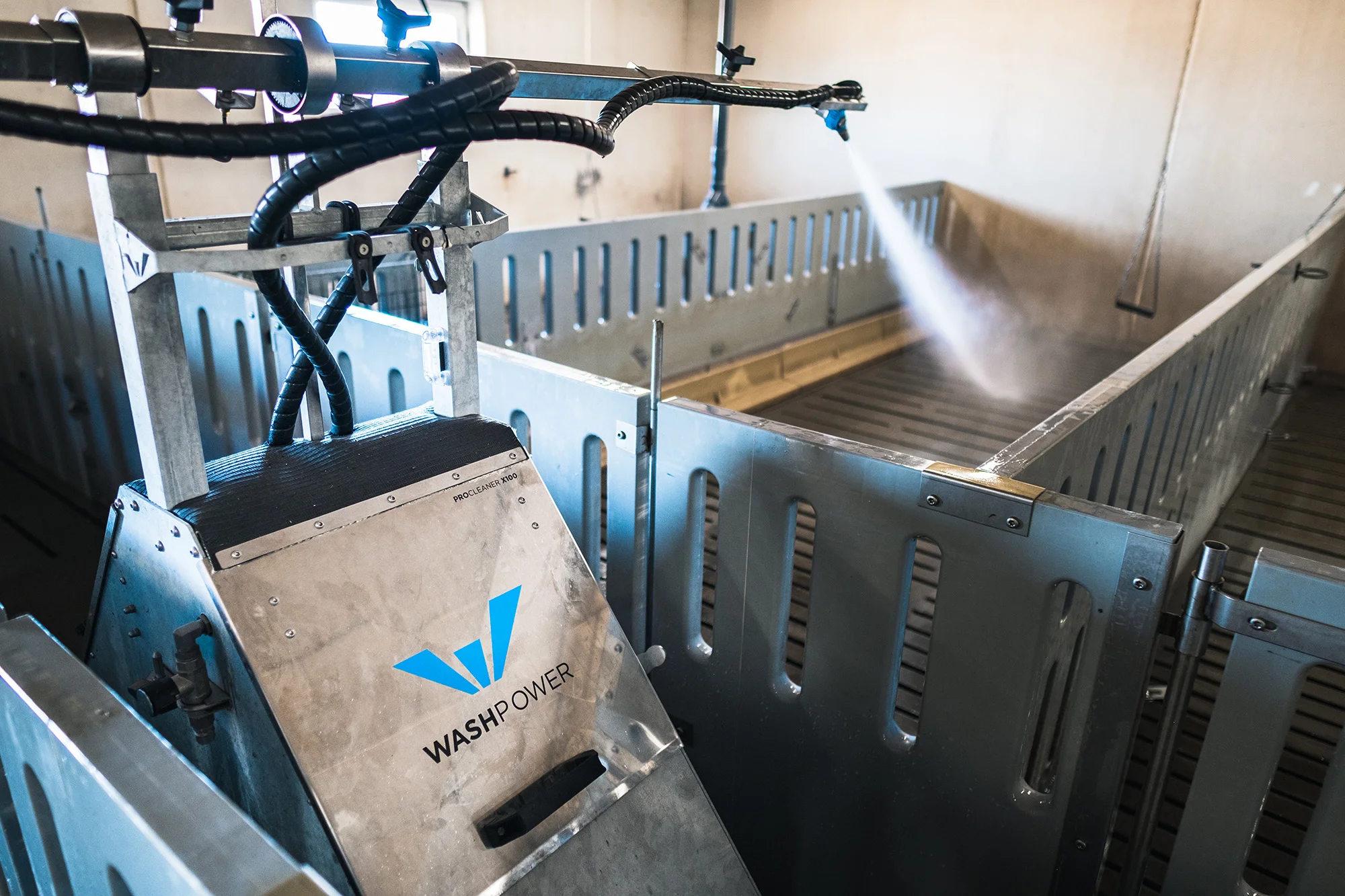
The company Washpower’s participation in the 3D printing programme Design for Additive Manufacturing (DfAM) has made it possible to develop a component for their range of washing robots for pig barns. In the future, developments using 3D printing could lead to a significant reduction in water and energy consumption.
The Danish company Washpower was established in 2016, and sales of washing robots and automated washing solutions for pig barns and poultry houses quickly gained momentum. Today, the washing robots are sold in more than 30 countries – and more are on the way.
– Washpower’s goal is to develop user-friendly robots that take on the hard work of washing – and when, for example, the farmer starts the washing robot in the evening, it is important that it has completed its work by the next morning, says Martin Kamp, Technical Developer at Washpower.
With a view to further improving the efficiency of their robots and making the automated washing solutions more advantageous for farmers, Washpower did not hesitate to say yes to participating in the 3D printing design programme DfAM, initiated by Danish AM Hub.
3D printing creates new opportunities with major impact
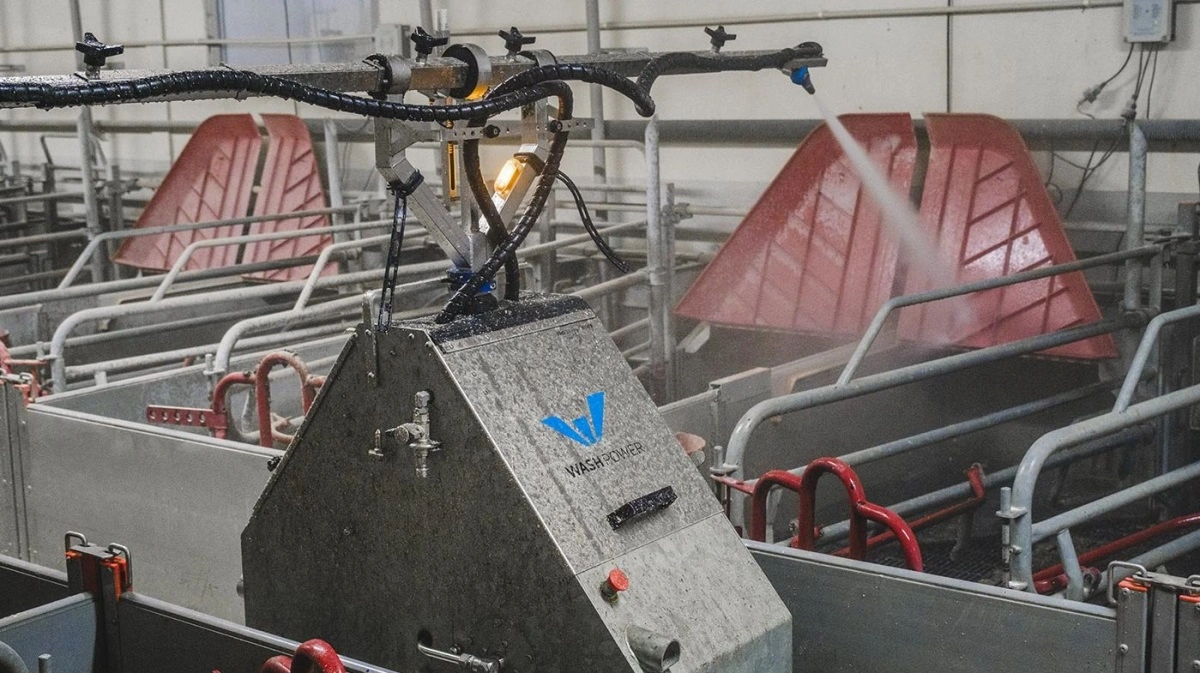
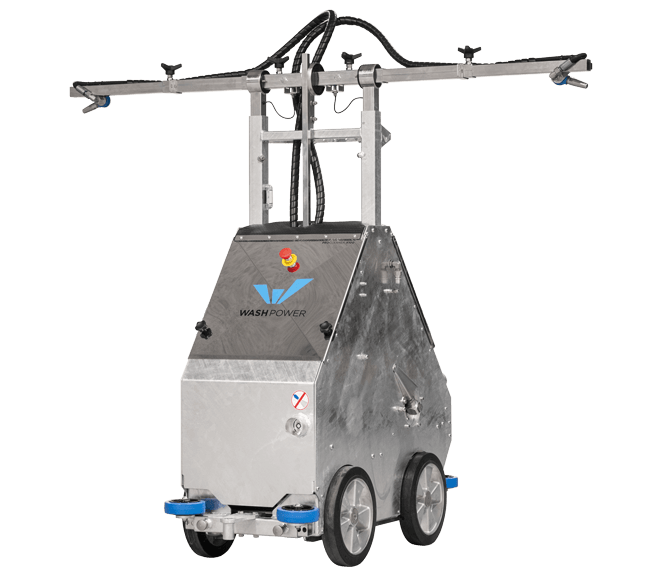
During the DfAM programme, Washpower investigated whether it was possible to optimise a component for its x100 series of wash robots.
“For us, it was an obvious choice to explore the possibility of optimising a specific component in our x100 series and thereby realise the potential to make our robots even more efficient,” says Martin Kamp:
“Along the way, we have had a particular focus on optimising water consumption during the washing process. It may also turn out that, with the newly developed component, we make the robot more efficient, so that you can wash faster and in that way further optimise energy and water consumption – or perhaps achieve a greater reach. So there are many parameters we have looked at in this project, and it is clearly a major driving force.”
The benefit is greater design freedom and a faster development process
This focus on energy and water savings depends on several elements – including optimising the design and the components in the machine. Therefore, 3D printing was particularly well suited due to its great design freedom, which can make new solutions and ideas possible.
“What I see with 3D printing is that you can start creating geometries inside the components. That would be incredibly difficult with conventional machining methods, because you cannot get in there with your tool – for example, the component we worked on in the project is not particularly large, and here 3D printing has provided new opportunities to print the internal geometries,” says Martin Kamp.
In addition to the renewed possibilities with internal geometries, Martin Kamp also points to how 3D printing can contribute to a faster development process, because Washpower can very quickly produce physical parts that can serve as functional prototypes and thus significantly shorten development time towards a production-ready part.
“What I see with 3D printing is that you can start creating internal geometries within components. That would be incredibly difficult with conventional machining methods, because you cannot get your tool in there – for example, the component we worked on in the project is not very large, and here 3D printing has provided new opportunities to print the internal geometries.”
Results from programmes with Dansk AM Hub
- Optimising the design and the components in the machine
- New opportunities to print internal geometries
- Reduction in number of parts: From 2 parts to 1 part
- A larger network
The benefit is greater design freedom and a faster development process
This focus on energy and water savings depends on several elements – including optimising the design and the components in the machine. Therefore, 3D printing was particularly well suited due to its great design freedom, which can make new solutions and ideas possible.
In addition to the renewed possibilities with internal geometries, Martin Kamp also points to how 3D printing can contribute to a faster development process, because Washpower can very quickly produce physical parts that can serve as functional prototypes and thus significantly shorten development time towards a production-ready part.
About the company
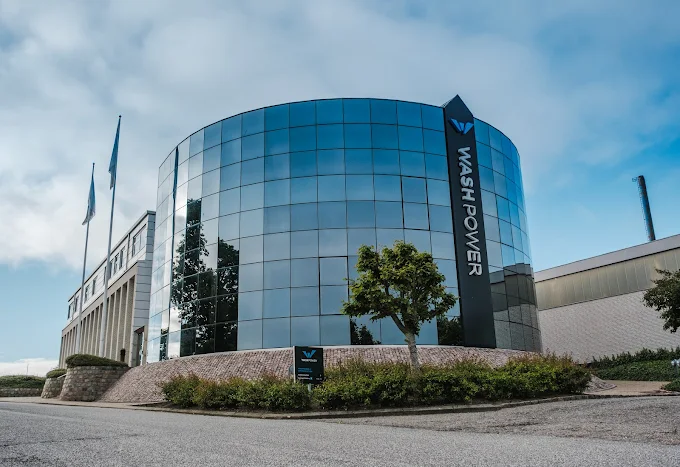
Washpower
Location
Roslev, North Jutland
Number of employees
35-50
Info
Washpower A/S is a Danish company that develops and sells high-performance cleaning machines for the industrial segment.
Optimise your opportunities
Is your production setup a limitation-or a strength?
And are there new opportunities?
Related cases
Get inspired
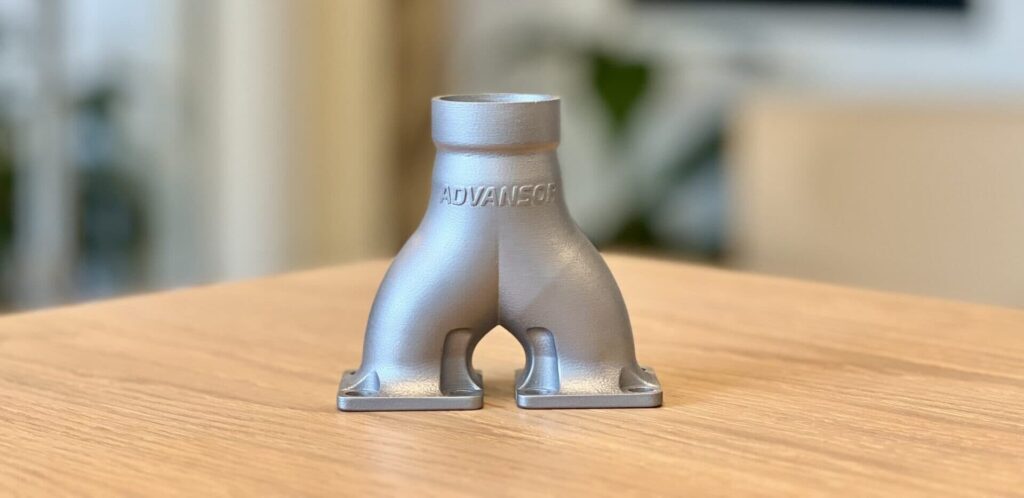 Advansor A/S
Advansor: Redesign saves customers 20,000 kg of CO2 annually
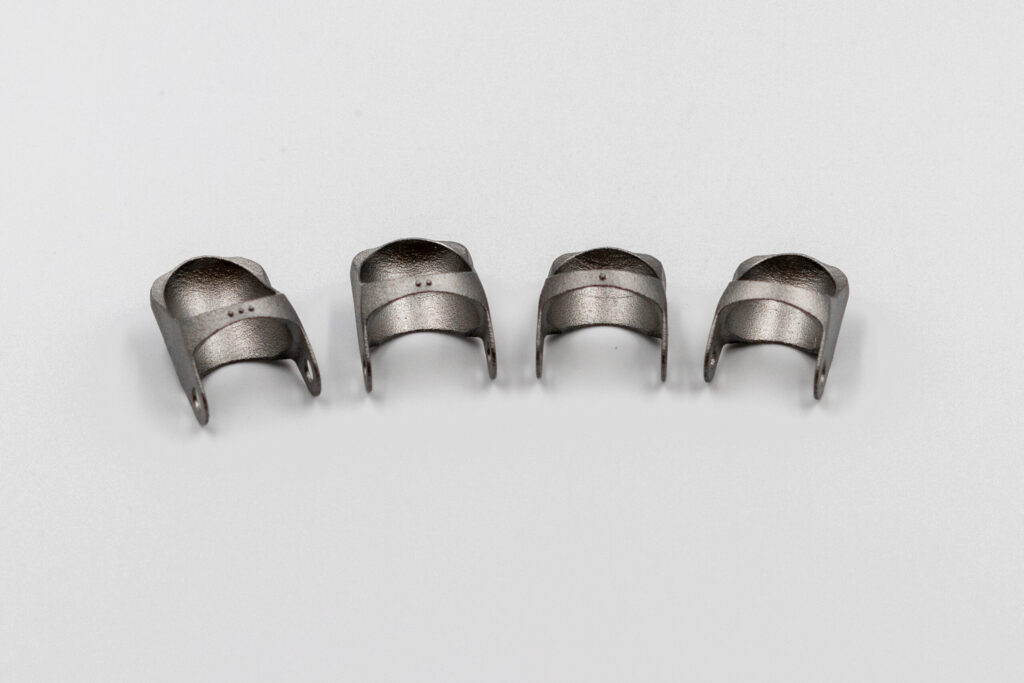 High Precisions Systems ApS
3D printing design programme optimises work gloves for super strength
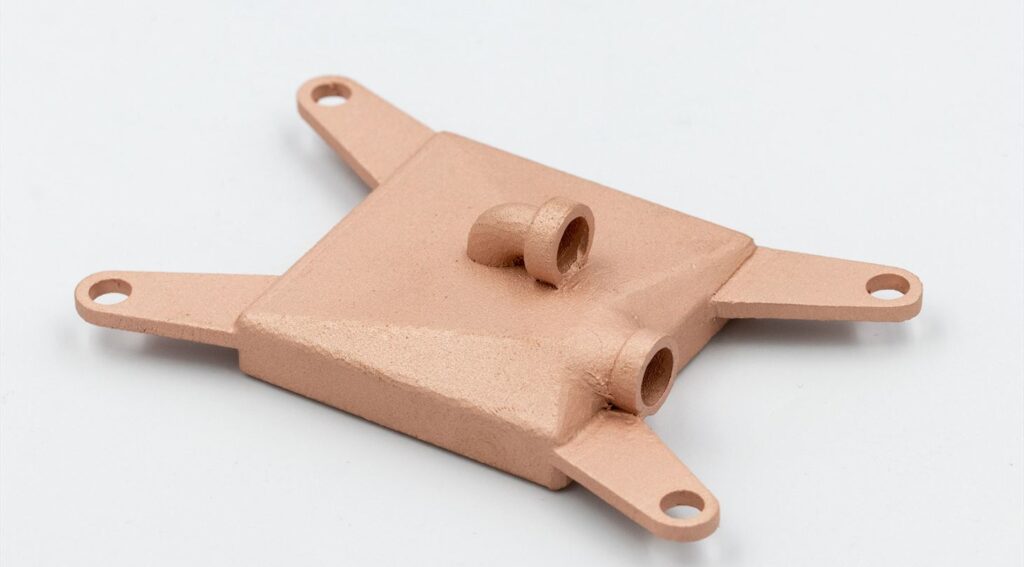 Heatflow
Heatflow: How energy efficiency became a competitive advantage
 Out-sider A/S