

AM in the construction industry
Product innovation in construction
Since 2023, Danish AM Hub has focused on construction and bio-based materials, producing the analysis ‘Additive Manufacturing in Construction’ and creating the IAMMSHRM pavilion in collaboration with Bjarke Ingels Group, MDT A/S and Rebound.
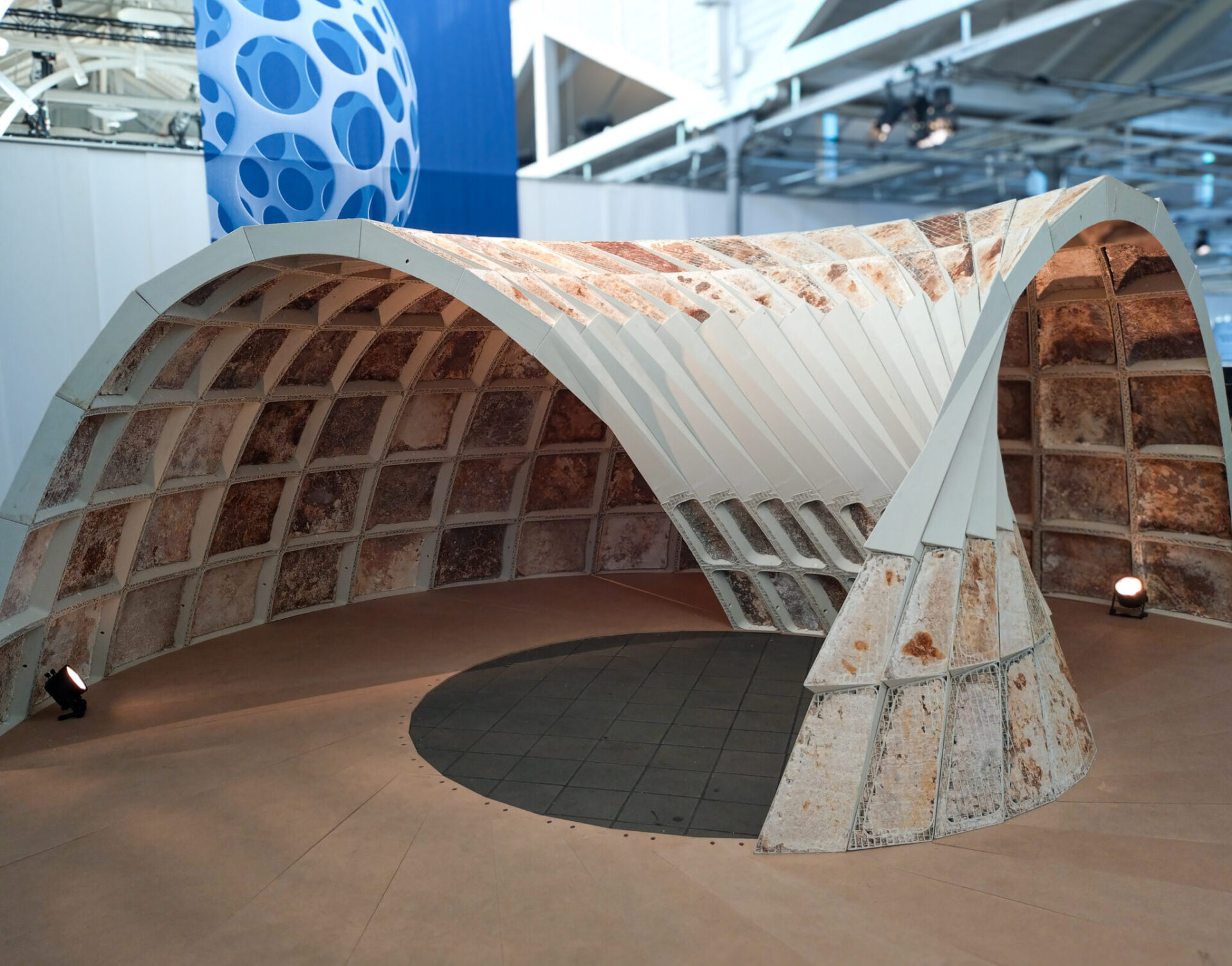
IAMMSHRM pavilion made from recycled bioplastic and mycelium
The future of production with Additive Manufacturing
Additive Manufacturing (AM) emerged in the 1980s as a prototyping technology for polymers and revolutionised traditional manufacturing by introducing a layer-by-layer process in which material is added rather than removed. Unlike conventional manufacturing methods, Additive Manufacturing is tool-independent, making the process significantly faster-especially in the early production phases. At the same time, the technology offers unprecedented design freedom, increased opportunities for automation and digitalisation, and high precision. Large-scale 3D printing has also proven effective for producing new geometries, thereby opening up new opportunities within the construction and civil engineering sector.
Danish AM Hub works to support Danish manufacturing companies in applying Additive Manufacturing (AM) to bio-based materials, whose production today is limited by challenges related to scalability and economics. By using Additive Manufacturing, companies can potentially improve both product functionality and production scalability, while creating economic synergies through networking and collaboration with the Danish AM ecosystem.
I AM MSHRM
Closing material loops with additive manufacturing
I AM MSHRM, a project developed by Danish AM Hub, Bjarke Ingels Group (BIG), MDT A/S and Rebound, is an example of how the combination of 3D printing and bio-based materials can advance environmental sustainability.
Watch the video from the launch of the I AM MSHRM concept at the UIA World Congress of Architects in Copenhagen 2023. Click on the image.
Video of the IAMMSHRM pavilion in connection with the case competition at Herningsholm Climate Vocational School
The modular pavilion combines 3D-printed recycled plastic with oven-baked mycelium. It is designed to be disassembled, reassembled, or recycled after use, thereby addressing the challenges of waste from cities and the construction industry. The technology makes it possible to create complex, curved structures that would be resource-intensive and inefficient to produce using traditional manufacturing methods.
According to Danish AM Hub’s CO2e calculator, the pavilion emits less than 20% of the CO2 that a comparable structure built using conventional materials would emit. The I AM MSHRM system has the potential to be scaled to a range of different applications, such as temporary housing or community facilities, using locally collected residual and waste materials.
Support
The project is carried out in collaboration with


Read the report
Additive Manufacturing in construction
Danish AM Hub has conducted an analysis of the construction industry’s biggest challenges and identified key focus areas based on reducing emissions, waste and resource consumption, integrating sustainable materials, and system flexibility.
The analysis is based on expert interviews, results from workshops, and 20 case studies representing different materials, degrees of system flexibility, and building types.
Read the summary here or download the full report below.
Challenges and significant potential for sustainable improvements
There is interest in Additive Manufacturing (AM) in construction, but awareness of the technology, its potential, and its applications remains limited.
Additive Manufacturing is primarily known as a solution for load-bearing concrete structures on construction sites, or for experimental designs and smaller projects.
Documentation and the sustainability aspects of Additive Manufacturing must be investigated further to enable broader scaling of the technology in construction.
Key conclusions
Component-level innovation:
Additive Manufacturing (AM) offers scalable opportunities to develop modular, low-emission components that are resource-efficient and can be easily adapted to current building regulations.
Synergy with bio-based materials:
The use of biogenic materials in combination with Additive Manufacturing reduces greenhouse gas emissions (GHG) while enabling innovative and functional designs.
Circularity and adaptability:
A focus on design for disassembly and modularity is crucial to minimise waste and extend the life cycle of materials and components.

Tova, 3D-printed Earth Architecture, IAAC, Image: Gregori Civera
Case examples
The analysis highlights two primary areas where Additive Manufacturing (AM) can have a significant impact on the construction industry: sustainability and flexibility. By addressing these areas, Additive Manufacturing has the potential to bring construction practices closer to global climate targets while enabling innovative and adaptable designs.
The illustration places the case studies in four quadrants based on the emissions associated with their materials and the adaptability of the designs.
Click the links below to read the cases.
Cases
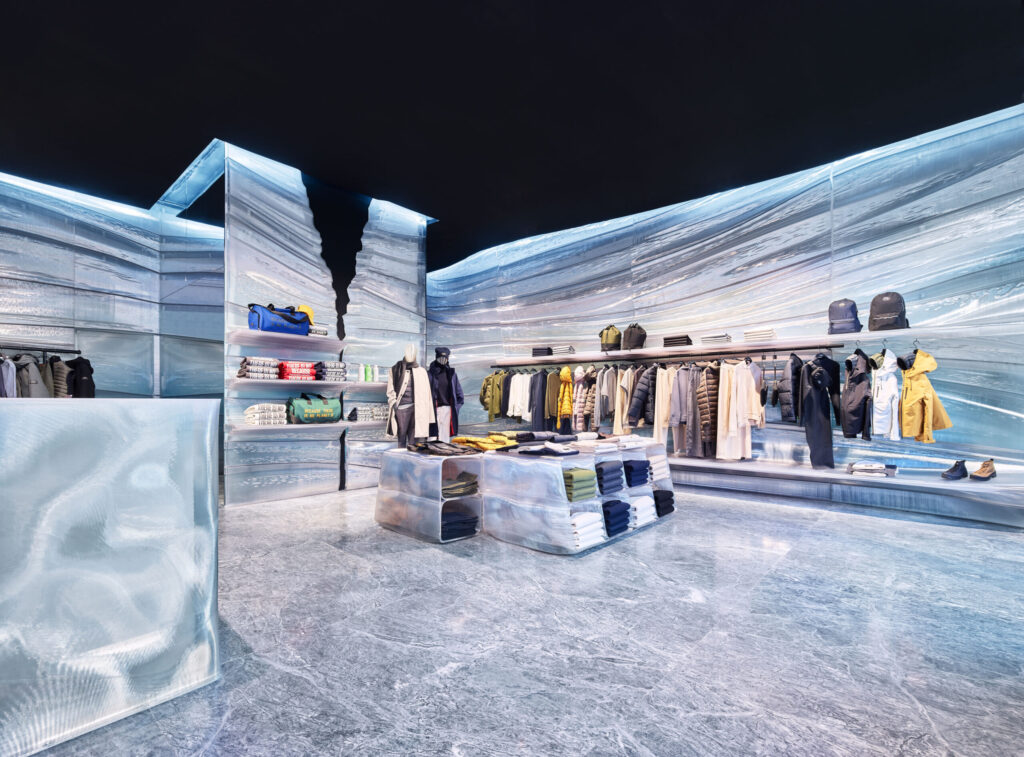
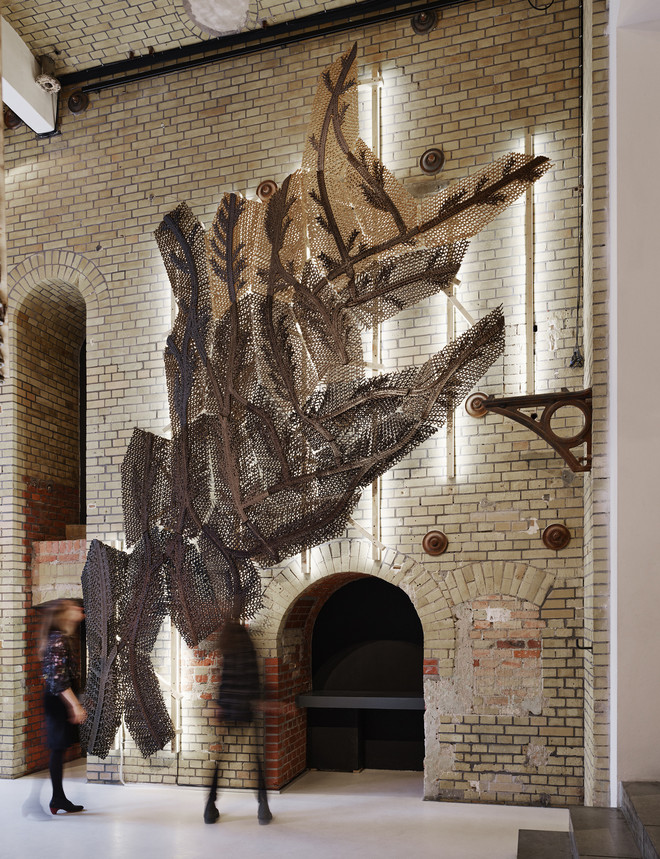
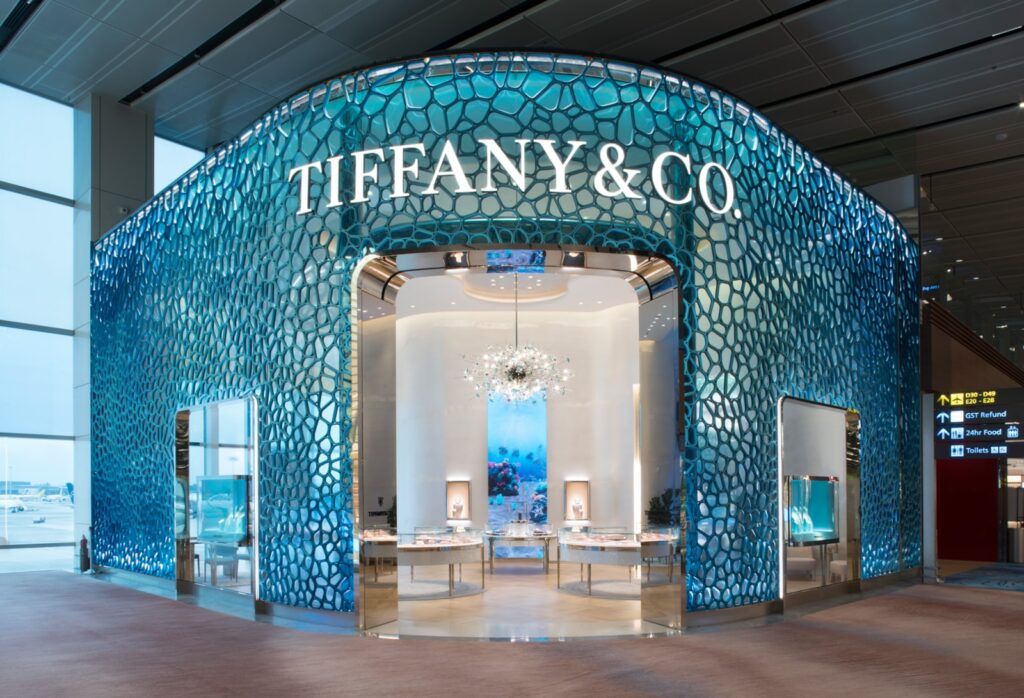
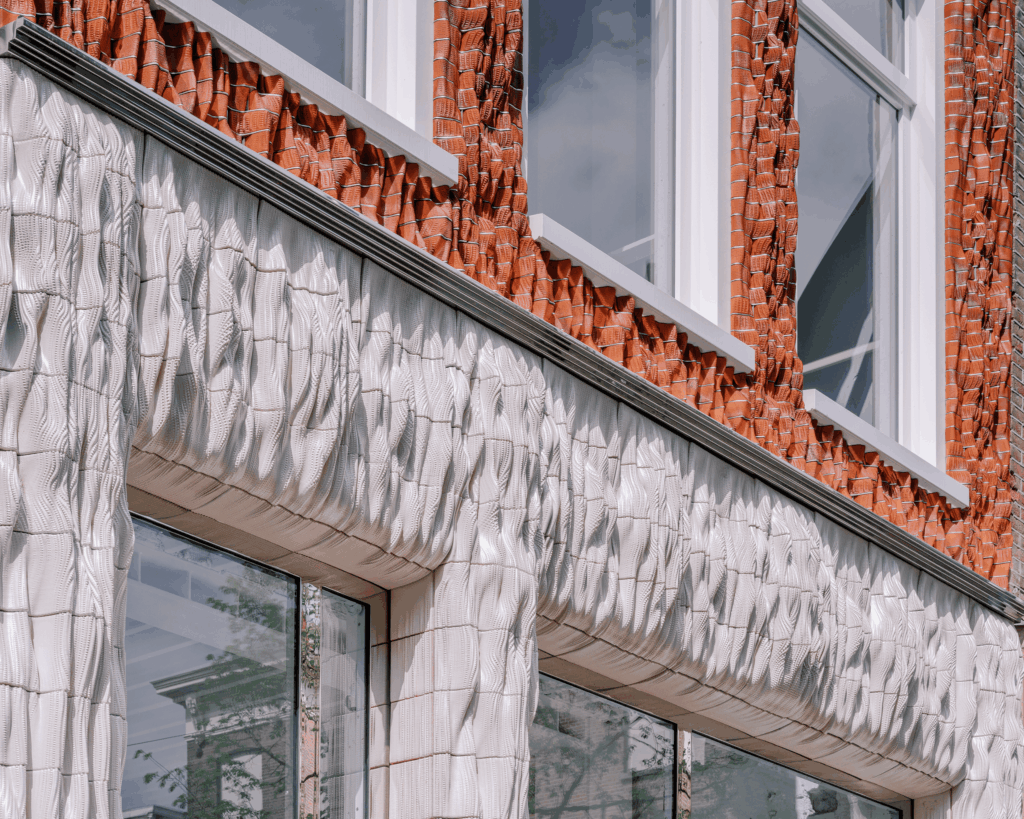
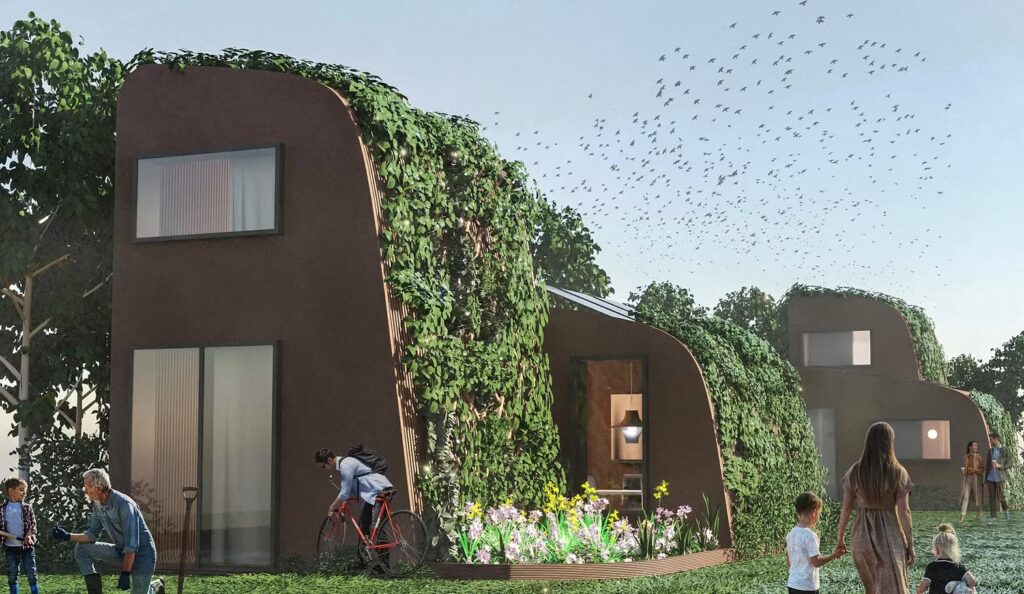
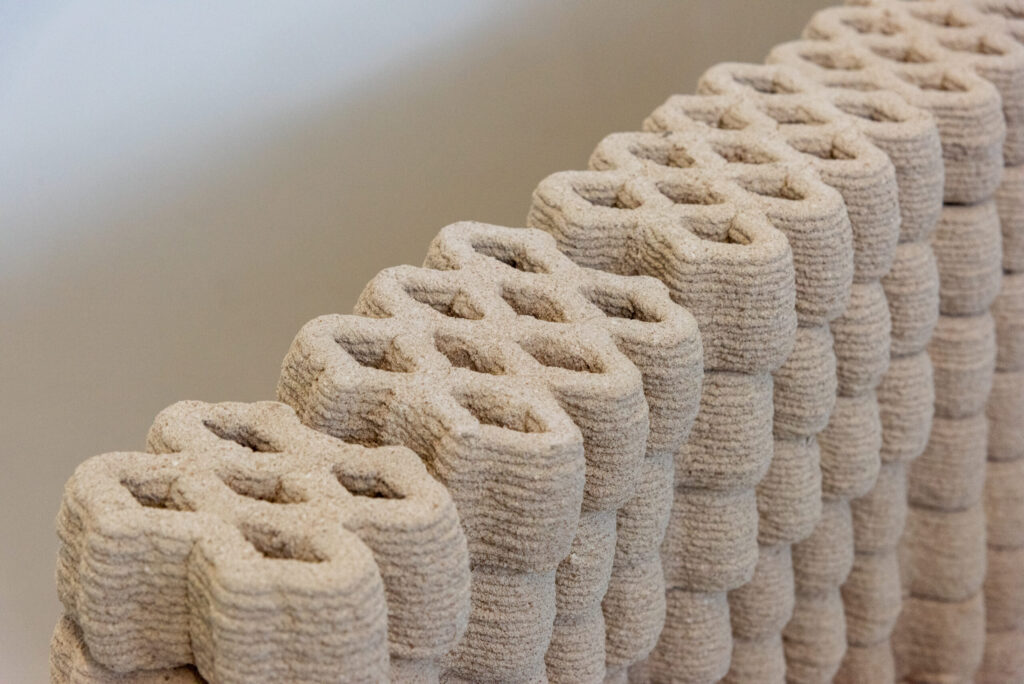
Examples of AM in construction
Would you like to know more?
Contact us today