

Case example
With 3D printing and sustainability in focus: KK Group paves the way for the wind turbines of the future
A significant 54% weight reduction is not only a matter of material savings
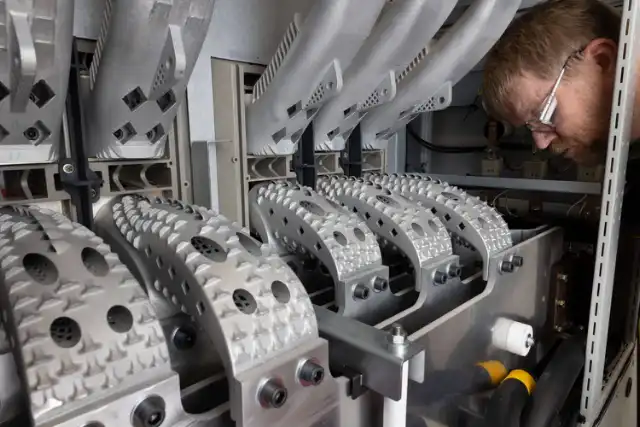
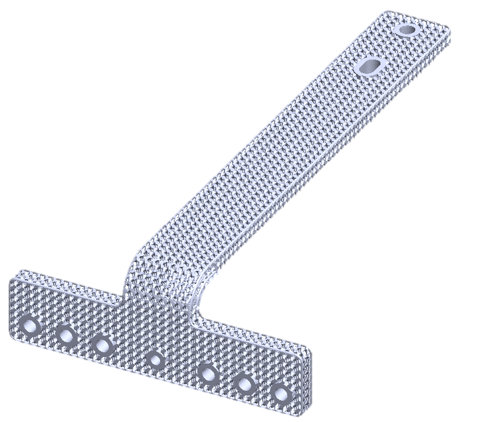
KK Group has taken a major step forward in wind turbine technology with the development of a bionic busbar-an aluminium 3D-printed electrical component. This has not only opened up new design possibilities, but has also reduced the weight of the components by as much as 54%, which is crucial, as weight has a significant impact on, for example, the turbine’s design.
Innovative design through 3D printing
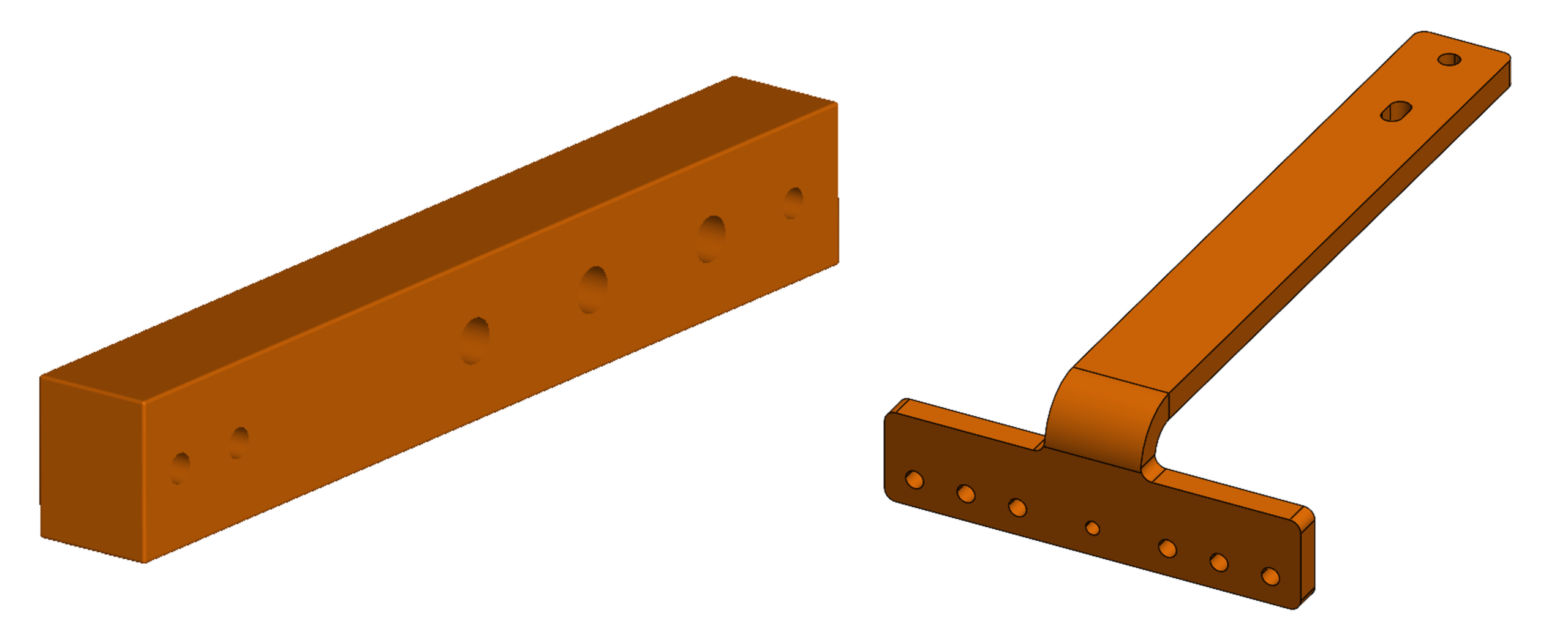
Traditionally, busbars-the electrical connections that carry current in a wind turbine-are manufactured in copper using conventional production methods. However, by using aluminium 3D printing, KK Group has created a busbar that is both lighter and uses radically less material. 3D-printed aluminium is not only lighter than copper; it also makes it possible to create more complex and optimised structures.
3D printing technology makes it possible to tailor the design to achieve an optimal balance between cooling, strength, weight, and electrical conductivity. For example, the bionic design has made it possible to reduce material consumption without compromising the busbar’s durability or performance.
In addition, the use of 3D printing has led to a significant reduction in the number of components in the busbar. This has substantially shortened the time required for assembly and makes the production process both faster and more efficient. This simplification also contributes to reduced inventory, lower production costs, and increased reliability in the final product.
Benefits for the wind turbine industry
The significant 54% weight reduction is not only a matter of material savings; it also has a direct impact on the wind turbine’s overall efficiency. A lighter busbar means that the turbine’s mechanical components are subjected to less load, which can lead to a longer service life and lower maintenance costs. In addition, the weight reduction can make it easier to transport and install the wind turbine, which is an important factor in wind projects where logistics often play a central role.
“In the collaboration, we have benefited greatly from Dansk AM Hub, who have inspired us to look at other materials. They have challenged our design, they have challenged our way of thinking, and they have pointed us towards potential partners to actually get the component produced.”
Results from programmes with Dansk AM Hub
- Tailored design
- 54% reduction in product weight
- Reduction in the number of components in the busbar
- Overall wind turbine efficiency increased
The future of wind turbines
With this technological innovation, KK Group demonstrates how advanced manufacturing methods such as 3D printing can pave the way for more efficient and sustainable solutions in the wind turbine industry. Aluminium is a material that can be recycled almost indefinitely, and the use of 3D printing reduces material waste compared with traditional production methods.
This aligns with the wind turbine industry’s overall goal of minimising its environmental impact throughout the product’s entire life cycle. Their bionic busbar is therefore not only a technological advancement, but also an example of how innovation can create value for both manufacturers and the planet.
About the company
KK Group
Location
Ikast, Central Jutland
Number of employees
300-350
Info
KK Wind Solutions is a Danish company in the wind turbine industry that develops and supplies electrical systems and technology for wind turbines and other energy systems. From 2025, KK Wind Solutions will be called KK Group.
Få optimeret jeres muligheder
Er jeres produktionssetup en begrænsning – eller en styrke?
Og er der nye muligheder?
Relaterede cases
Bliv inspireret
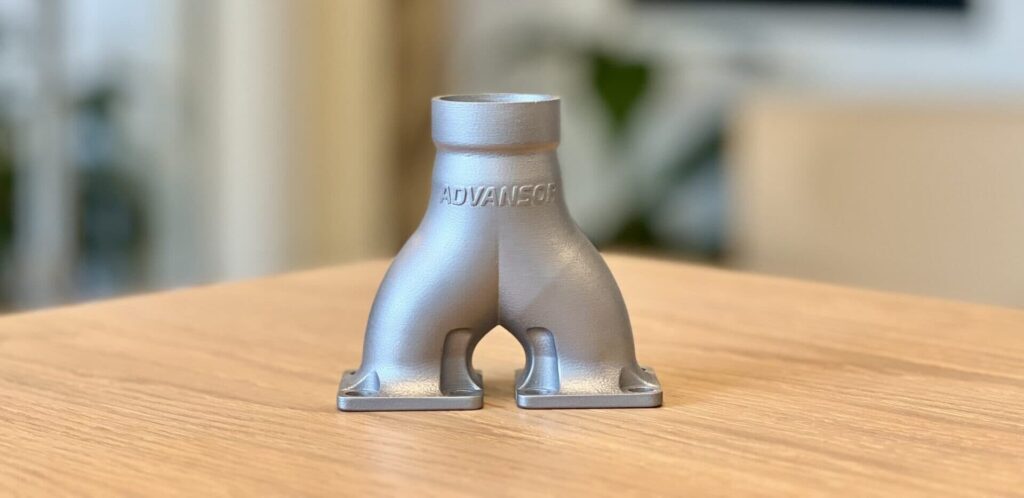 Advansor A/S
Advansor: Redesign saves customers 20,000 kg of CO2 annually
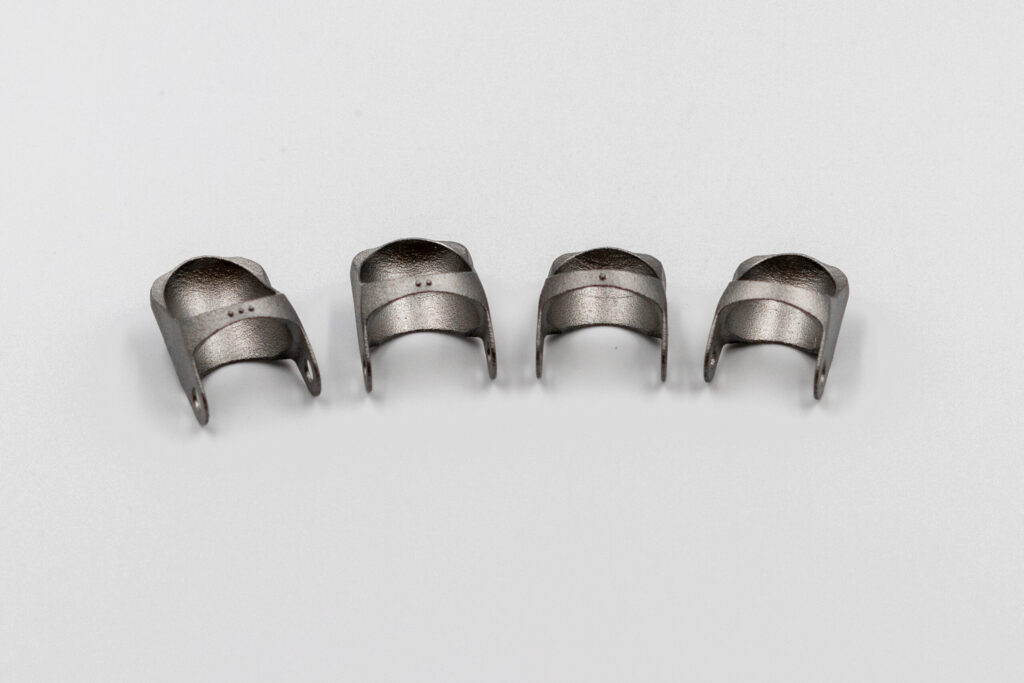 High Precisions Systems ApS
3D printing design programme optimises work gloves for super strength
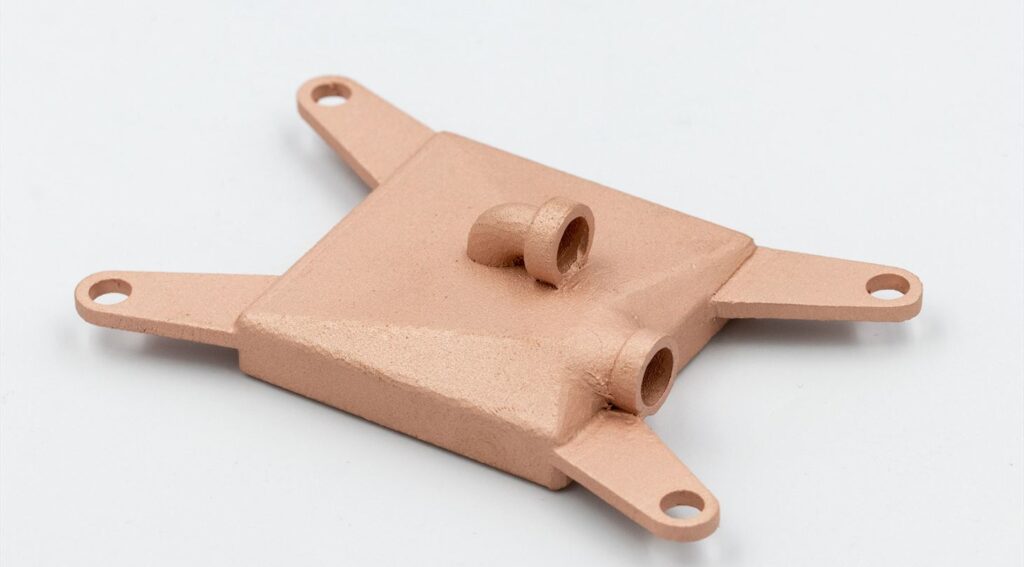 Heatflow
Heatflow: How energy efficiency became a competitive advantage
 Out-sider A/S