Vinderne af den landsdækkende 3D-print-konkurrence er nu fundet
Vinderne af den landsdækkende 3D-print-konkurrence er nu fundet
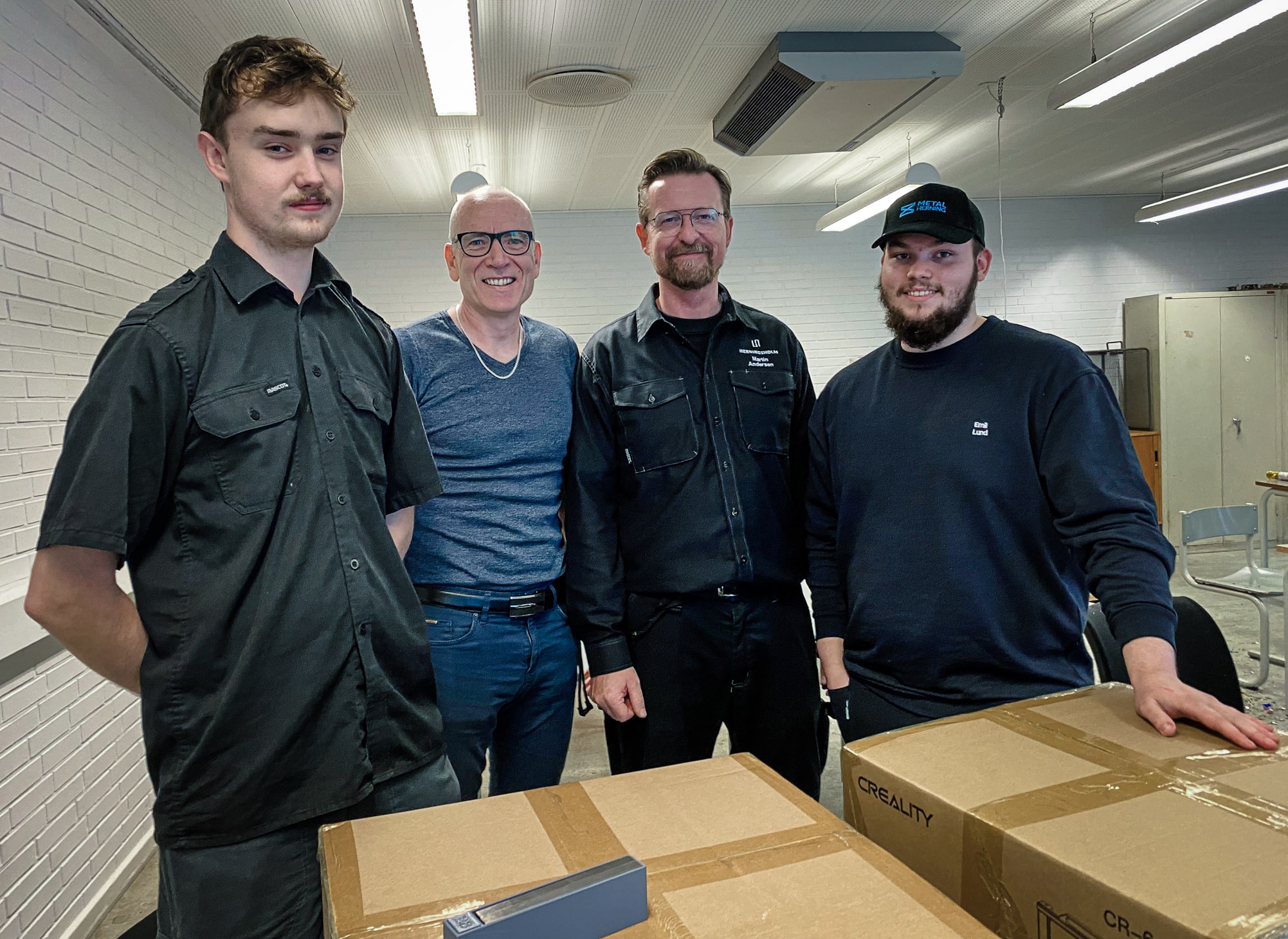
Onsdag den 17. november blev vinderne af en landsdækkende 3D-print-konkurrence for erhvervsskoleelever fundet.
Projektet er sat i søen af Videnscenter for Håndværk, Design & Arkitektur og Videnscenter for Automation og Robotteknologi for at understøtte erhvervsskoleelevers interesse i 3D-print-teknologien og øge den generelle lyst til at arbejde kreativt med teknologi på erhvervsuddannelserne.
Konkurrencen har til formål at udbrede kendskabet og lysten til at arbejde med additive manufacturing og 3D-print-teknologier. Anvendelsen af 3D-print-teknologier vokser eksplosivt på globalt plan inden for mange forskellige brancher, og det er derfor vigtigt, at danske virksomheder og uddannelser omfavner teknologien og dens mange muligheder, så vi ikke sakker bagud på den internationale konkurrenceevne.
En gennemtænkt løsning
Konkurrencens dommere lagde vægt på, at teamet tydeligvis havde været igennem en gennemtænkt og god proces, der førte til et adaptivt design, som løser et konkret problem. Det var desuden tydeligt, at løsningen er tilpasset 3D-printerens muligheder, og der var god kvalitet i selve printet.
”Det har været en sjov udfordring, fordi vi skulle finde en løsning på et konkret problem, og her var vi med det samme klar over, hvad vi gerne ville kaste os over.” siger Emil Birkeholm Lund.
Trods et højt niveau blandt deltagerende, løb Simon Møller Jensen og Emil Birkeholm Lund med sejren.
”Det er ret vildt, at vi vandt! Jeg er meget overrasket, for vi har set de andres løsninger, og jeg synes, at niveauet var meget højt, så jeg er bare superglad,” siger Simon Møller Jensen, der er i gang med sit GF2-forløb på industriteknikeruddannelsen på Herningsholm.
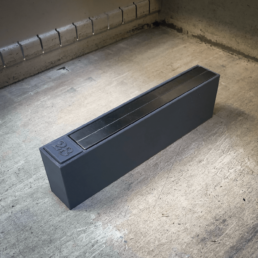
Vinderdesign: En praktisk holder til værkstedet
Onsdag blev Simon Møller Jensen og Emil Birkeholm Lund, de dygtige vindere af 3D-konkurrencen med deres innovative parallelklodsholder. De 3D-printede en holder til parallelklodser, som ellers ligger og flyder vilkårligt i hverdagen: ” […] alle de her parallelklodser plejer at ligge i en høstak i værkstedet, og det ville være rart, hvis det var lettere at finde den rigtige hurtigt,” siger Emil, der ligesom Simon er ved at uddanne sig som industritekniker på Herningsholm.
3D-printer til de heldige vindere
”Det er bare en rigtig fed præmie, for der er ingen af os, der har en 3D-printer derhjemme. Konkurrencen har virkeligt været en øjenåbner for os i forhold til, hvad man kan bruge en 3D-printer til, og hvilke muligheder der er for spændende nye løsninger på helt konkrete problemer,” siger Emil Birkeholm Lund.

Danmark får første 3D print-uddannelse
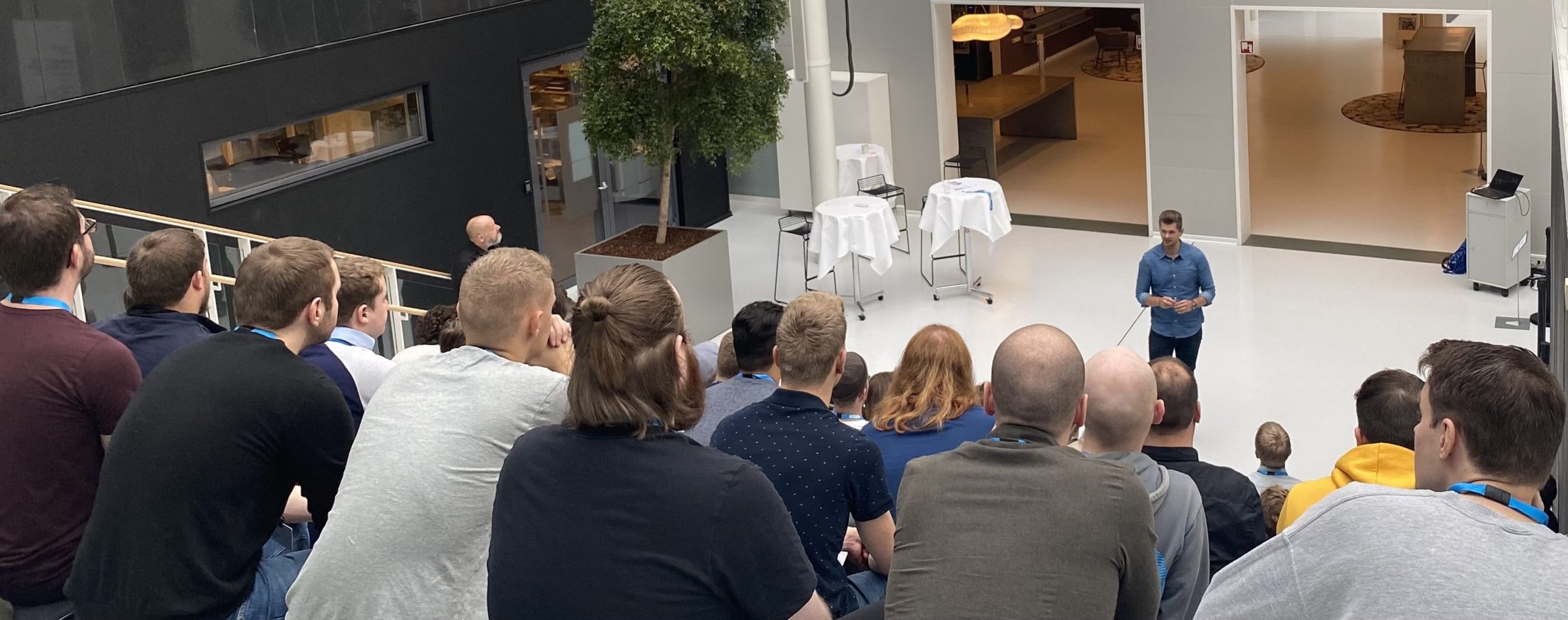
Danmark får første 3D print-uddannelse
I fremtiden bliver støvede bøger skiftet ud med ny og banebrydende teknologi – nærmere bestemt AM- og 3D print-teknologien.
IBA (International Business Academy) i Kolding har nemlig som den første uddannelsesinstitution netop fået godkendt en professions-bachelor i 3D print – den første inden for området.
“3D print er jo noget af det, der beskrives som en af fremtidens produktionsteknologier, og det her er en absolut pioneruddannelse”, siger rektor Niels Egelund til Jydske Vestkysten.
IBA har stået i spidsen for at udvikle uddannelsen, og det er sket i tæt samarbejde med Dansk AM Hub og en række virksomheder, der arbejder med 3D print.
“Det er helt tydeligt, at vi i Danmark på uddannelsessiden lakkede bagud i forhold til særligt tyske og svenske AM-uddannelser, og derfor har vi selvfølgelig været med hele vejen og har også flere initiativer på vej”, siger direktør i Dansk AM Hub, Frank Rosengreen Lorenzen.
I første omgang oprettes der 30 pladser på uddannelsen, som i stor grad vil fokusere på det tekniske.
“Vi har i Danmark en unik mulighed for at være frontrunners på AM-teknologien og skabe et nyt dansk erhvervs-eventyr, og derfor er det også afgørende, at den kommende produktions-generation får den nødvendige viden, kompetencer og forståelse for teknologien”, siger Frank Rosengreen Lorenzen.
Og i Kolding modtages udviklingen med samme store glæde og positive respons.
“Det er et område, som vækster kraftigt i de her år, og hvor der vil blive efterspurgt masser af kompetence i fremtiden”, siger Morten Bjørn Hansen, adm. direktør for Business Kolding til Jydske Vestkysten og italesætter også uddannelsens potentiale i forhold til efterspørgsel på arbejdskraft:
“Det gælder både med hensyn til bæredygtige produktionsformer og grøn omstilling, som er områder, hvor det er meget vigtigt at være langt fremme uddannelsesmæssigt. Det kræver flere tekniske uddannelser på højt niveau”.
Læs mere på IBA Erhvervsakademi Kolding.
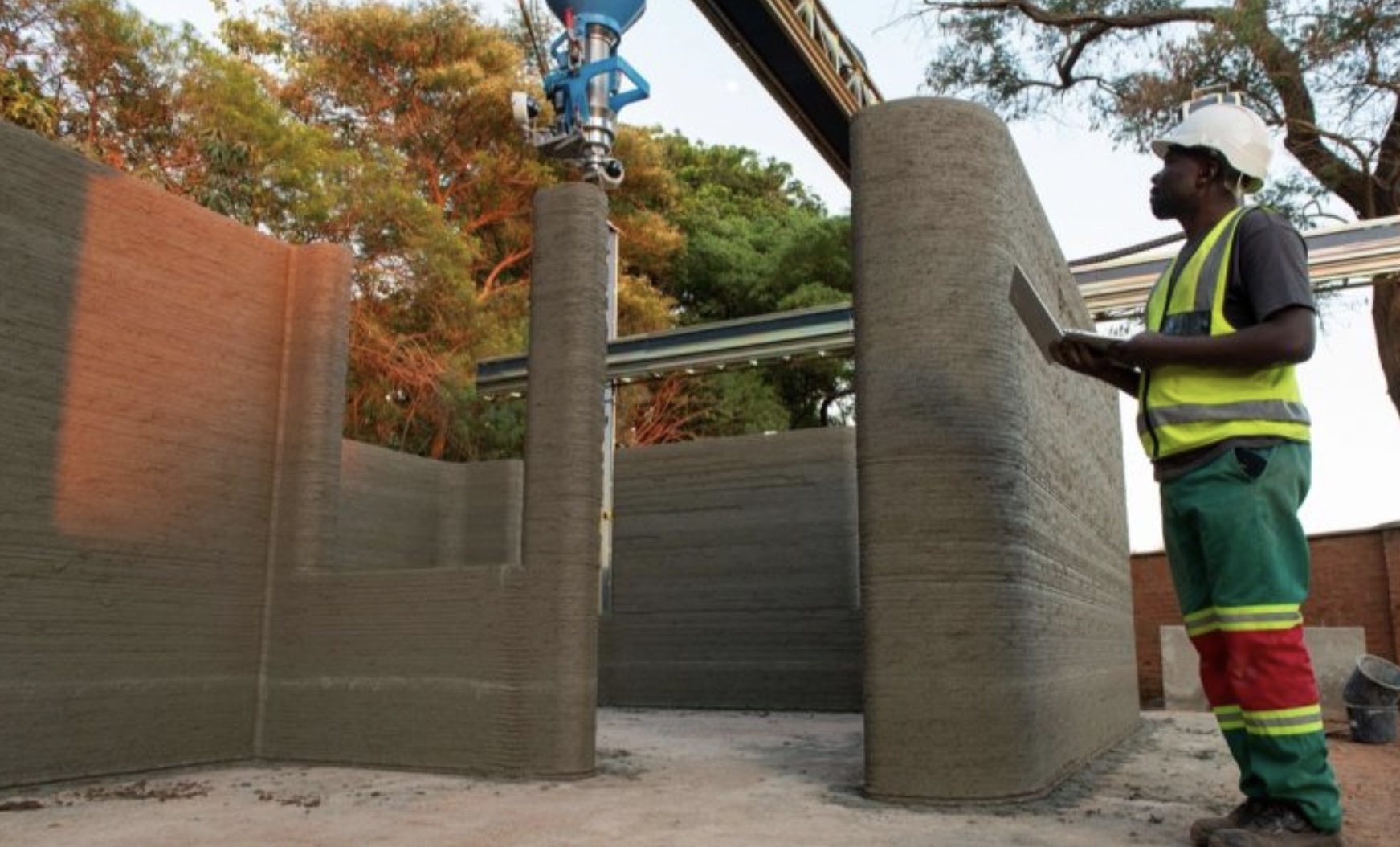
Dansk AM-teknologi printer huse i Afrika mere bæredygtigt
Dansk AM-teknologi printer huse i Afrika mere bæredygtigt
Læs den originale artikel her.
Danske COBOD International har nu 3D printet det første hus i Afrika – nærmere bestemt Malawi. Det sker i et samarbejde med 14Trees, som har fokus på at bygge huse, skoler og skabe social infrastruktur i Afrika. 14Trees arbejder for at fremskynde produktion og produktionen og kommercialisering af miljø- og prisvenlige byggeløsninger i Afrika, og her er 3D print nu en ny metode.
“Ikke nok med at 3D som byggemetode er både billigere og hurtigere, det udleder også op til 70 procent mindre CO2 end traditionelle byggemetoder. Jeg er stolt af, at vi med dansk AM-teknologi skaber bæredygtig produktion”, siger direktør i Dansk AM Hub, Frank Rosengreen Lorenzen:
“Vi lægger her fundamentet for at udforske og udnytte mulighederne ved 3D print som byggemetode, og vi cementerer samtidig, at vi i Danmark har et enormt potentiale i både kompetencer og produktion. Der kommer en massiv efterspørgsel efter billige boliger i de næste år, og byggematerialer er en stor klimasynder. Her får vi et stærkere og mere bæredygtigt alternativ til de almindelige betonbyggerier, og teknologien giver endda mulighed for at tænke mere innovativt i designprocessen”.
Tons producerer let, lynhurtigt, lokalt og grønnere
Tons

AM-teknologien fastholder forenklet forretningsmodel
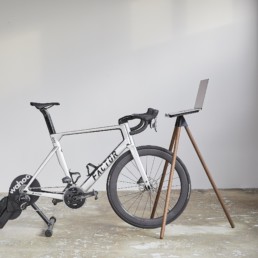
Tons kan tage turen fra ide til færdigt produkt på samme tid, som det tager en cykelrytter (i god form!) at køre La Marmotte i Frankrig, Oetztaler Radmarathon i Alperne eller danske Sjælland Rundt. Men der er ikke mange kilometer i turen – for hele produktionen sker med 3D printeren på hjemmeadressen i Aarhus-området.
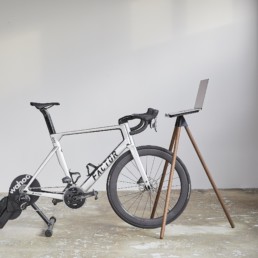
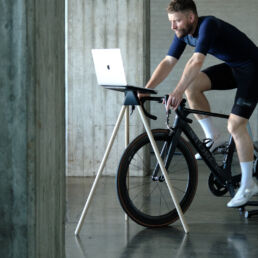
”I store virksomheder tager det årevis at produktudvikle, men jeg kan være kreativ og innovere om aftenen og stå op til et færdigt produkt. Med den digitale teknologi kan jeg teste mine ideer hurtigt, og jeg er ikke afhængig af komplekse værdikæder og globale forsyningskæder”, siger stifter og direktør i Tons, Kristian Krøyer, som producerer stands til at bruge din tablet eller computer til fitness og sport på alt fra indendørscyklen til yogamåtten.
Working hard to stay small
Tons har baseret hele forretningsmodellen på Additive Manufacturing, hvor han kan produktudvikle og teste straks efter, hvor han ikke er afhængig af en masse leverandører, hvor han ikke skal bruge tid og penge på transport, hvor han kan producere lokalt (endda hjemme hos sig selv), og hvor han kan producere on demand og dermed undgå store lagre.
”Jo flere led i værdikæden, jo mere kompleks bliver produktionen. Jeg vil lave tingene så logiske og enkle som muligt for at holde kompleksiteten i bund, og det sørger 3D teknologien for ved at skære alt unødvendigt fra”, siger Kristian Krøyer. Tons er blot ét eksempel på de mange nye forretningsmodeller, som er vokset frem i Danmark på det seneste:
”Jeg kan sagtens bygge en traditionel organisation, men hvis du med additive manufacturing skal konkurrere med Kina og massefremstillede produkter, kræver det en så lille overhead som muligt – både i forhold til selve produktionen og leverandørkæder. Derfor er det afgørende at få mindst mulig kompleksitet, og det hjælper 3D maskinen med” siger Kristian Krøyer om sit mantra: Working hard to stay small:
”Og 3D teknologien er afgørende for at forblive lille”.
Produktionen koster 1000 kroner i strøm
På samme måde er teknologien også afgørende for Tons’ grønne profil. Kristian Krøyer har aldrig overvejet internationale forsyningskæder, men bevidst placeret produktionen i hans egne lokale kvadratmeter frem for i kinesiske fabrikslokaler.
”Ingen overproduktion, intet lager, intet spild – og samtidig sker produktionen lokalt. Det er både med til at give mere frihed og mindre kompleksitet, men også en bæredygtig produktion, Med 3D print kan man lave emner og produkter med langt mindre materialeforbrug pr emne”, siger Kristian Krøyer.
Alle Tons’ produkter er fremstillet af grønne materialer fra majsbaseret plast og egetræ, og det kan komposteres. Alle produkter fremstilles først, når de bestilles af kunden – og når printeren først kører, koster det 1-3 krone i strøm for hvert produkt. I sidste ende under 1000 kroner om måneden i strøm.
”Og så er strømmen endda grønnere i Danmark. Det er blot en påstand, men jeg mener, at selve printprocessen er bedre og mere bæredygtig end f.eks. at støbe. Der er stor CO2-udledning i verdens måde at producere på, og additive manufacturing er et andet alternativ, som er mere bæredygtigt”, siger Kristian Krøyer.
1 million på 6 kvadratmeter
Netop en bæredygtig produktion er vigtig for Kristian Krøyer, som også har en plan for at beholde den grønne profil for Tons, når den simple forretningsmodel på sigt skaleres.
”Min drøm er at få container-units med solceller på siden og være selvkørende, så produktionen kan rykkes efter behov og efterspørgsel. I øjeblikket er der ikke forskel på transportudgifterne og CO2-udledningen for salg til Danmark og Tyskland, men min shipping er dyr og lang i Sydeuropa”, forklarer Kristian Krøyer:
”Drømmen er lokal delivery flere steder i verden – containere med Tons produktion overalt. Det er udfordrende, for jeg skal udvikle, producere og sælge, men andre bare skal sælge. Men det er også det fede: Innovationen, tempoet, uafhængigheden. Og drømmen bliver netop mulig på grund af 3D teknologien”.
Om Tons
- Tons åbnede shoppen i 2020.
- Tons bio polymerTM er specialfremstillet af den hollandske filamentproducent ColorFabb.
- Tons sælger primært til Tyskland, Holland og Belgien – men har også ordrer fra Australien, Singapore, Indonesien, Kina og USA.
- Tons solgt for cirka 1 million på første år.
- Det største salg for Tons er om efteråret, når indendørssæsonen i cykling starter.
- Alle produkter produceres og sælges fra Aarhus.
Er jeres produktionssetup en begrænsning – eller en styrke?
Og er der nye muligheder?
Om virksomheden
Carmo A/S
Antal ansatte: 11
Tons Bike – klimabevidst cykelgear i stilrent dansk design. Organiser dit cykelgear med stil – dansk design møder funktionalitet. Produceret i Danmark.
Er jeres produktionssetup en begrænsning – eller en styrke? Og er der nye muligheder?
Få sparring på, hvordan hybrid produktion kan understøtte jeres forretningsstrategi.
SEJMA Industries bekæmper klimaproblemer med 3D-teknologi
SEJMA Industries Aps
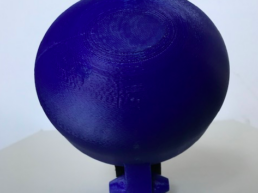
For SEJMA Industries har det været en game changer at prøve kræfter med 3D-printteknologien. Siden virksomheden lånte en 3D-printer i en måned gennem 3DP Try Out-forløbet sat i verden af Dansk AM Hub og Center for Industri har de både sparet enorme mængder tid i produktions- og udviklingsfasen – men virksomhedens konstruktører har også fået mulighed for dels at tænke anderledes, men i særdeleshed reducere tiden fra idé til færdig prototype betydeligt. Prototyperne kunne således hurtigere indgå i funktionalitetstest i såvel virksomhedens interne testanlæg, men også i testprojekter i særligt allokerede installationer hos eksisterende kunder. Arbejdet med 3D-print har dermed givet langt bedre forudsætninger for SEJMA Industries i kampen mod det stigende klimaproblem, skybrud.
”Forløbet har være en stor øjenåbner for såvel ledelse som øvrige relevante medarbejdere i virksomheden, og da der ofte er tale om relative lavt styktal kan 3D-produktion af flere komponenter være god løsning. Deltagelse i 3DP Try Out-projektet har bevist, at anvendelse af 3D-teknologi i virksomheden er vejen frem, og projektet har haft særdeles stor værdi for den fremadrettede strategi for virksomheden”, lyder det fra SEJMA Industries’ ejende ledelse:
”Vi vil helt sikkert anvende 3D-print i fremtiden og overvejer allerede nu at investere i egen printer i huset”.
Er jeres produktionssetup en begrænsning – eller en styrke?
Og er der nye muligheder?
Om virksomheden
SEJMA Industries ApS
Bommen 22, 8620 Kjellerup
Antal ansatte: 13
Sejma Industries Aps beskæftiger sig med produktion og udvikling af kundetilpassede opgaver
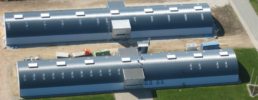
Virksomheden har allerede udviklet de tre typer højvandslukkere, som er designet til stort set at kunne anvendes i de fleste gængse kloaksystemer og rørsystemer i Danmark. Ledelsen har dog i den forbindelse erkendt, at der skal tilgå nye kompetencer og innovationstiltag og ser 3D-print teknologi som en væsentlig faktor i den videre udvikling.
Er jeres produktionssetup en begrænsning – eller en styrke? Og er der nye muligheder?
Få sparring på, hvordan hybrid produktion kan understøtte jeres forretningsstrategi.
Med 3D-print får vi langt mindre spild i designprocessen
NORR11
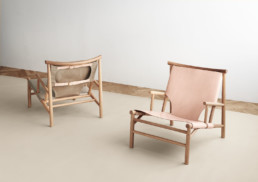
Hos møbelvirksomheden NORR11 er det vigtigt både at turde tænke innovativt og bæredygtigt og samtidig være tro mod den danske designarv.
Enkelhed, naturmaterialer og rene linjer. Skandinavisk møbeldesign går i disse år sin sejrsgang over hele verden.
Bag ved succesen står en række dedikerede møbelproducenter, der skal få design og håndværk til at gå op i en højere enhed. En af dem er NORR11, der holder til i Østergade på Strøget i København. Her er både ledelsen og designteamet i fuld gang med at se på mulighederne inden for 3D-print. Det fortæller virksomhedens CEO, Magnus B. Magnusson.
”For os er der overhovedet ingen tvivl om, at 3D-print fremover vil indgå som en naturlig del af vores tilgang til produktion og bæredygtighed. Særligt når det gælder prototyper, som i dag skal sendes frem og tilbage mellem Asien og Europa, er det helt åbenlyst, at vi kan reducere både spild og transportomkostninger betragteligt ved at fremstille vores egne 3D-prototyper i Danmark.”
Ud over at reducere miljøpåvirkningen kan 3D-print også bidrage væsentligt til at mindske lead–time for nye produkter, fortæller Magnus B. Magnusson:
”Skal man overleve i møbelbranchen, SKAL man være klar i tide til de store møbelmesser, ligesom der også er ekstremt stramme deadlines, når produkter skal ud til forhandlerne. Her ved vi, at selv små fejl kan medføre voldsomme forsinkelser med store økonomiske konsekvenser til følge. Det er ganske enkelt en sårbarhed i hele vores forretningsmodel, som 3D-print kan være med til at eliminere.”
Også når det gælder de store indretningsopgaver, kan 3D-teknologien være en game changer, fortæller Magnus B. Magnusson:
”Når en kunde beder os om at pitche et skræddersyet indretningsprojekt, ved vi godt, at de meget hurtigt vil se en prototype. Problemet er, at det let kan ende som et mareridt, når justeringer skal sendes frem og tilbage mellem kontinenter. Her kan 3D-print give os en helt anden fleksibilitet, fordi vi kan lave rettelser med det samme. Igen kan vi eliminere både transport og besværlige forretningsgange. For enkelte prototyper regner vi med at kunne nedbringe time-to-market med op til 120 dage, hvilket vil være af utrolig høj kommerciel værdi.”
Er jeres produktionssetup en begrænsning – eller en styrke?
Og er der nye muligheder?
Ud over fremstillingen af prototyper er NORR11 også for længst gået i gang med at tænke 3D-printede komponenter ind i deres slutdesign:
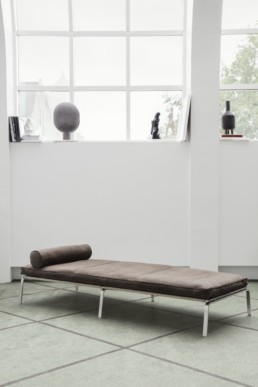
”Lige nu ser vi f.eks. på de møbelsko eller ’dupper’, som bl.a. sidder under vores sofastel af rustfrit stål. Her kan vi ikke bruge standardløsninger, dels fordi stålet er skarpt, og dels fordi vi insisterer på, at tingene skal være lækre hele vejen igennem. Alt det kan vi opnå ved at anvende 3D-print. Det er ikke bare en bekvem løsning – det er faktisk også en metode til at fuldende og forbedre vores designs.”
I det hele taget har det ifølge Magnus B. Magnusson været en øjenåbner at opdage 3D-teknologien med kyndig vejledning fra Dansk AM Hub, Teknologisk Institut og Deloitte:
”Både når det gælder 3D-print og FN’s verdensmål har vi faktisk fået et helt nyt perspektiv på vores forretning. Selv om vi er en relativt ny virksomhed, har vi stadig haft vores faste vaner og vores måder at gøre tingene på. Her synes jeg virkelig, vi har rusket op i os selv og blevet bedre til at stille spørgsmålstegn ved det, vi gør. Fordi vi i dag har en helt anden viden og forståelse for, hvordan 3D-teknologien kan bidrage til øget bæredygtighed, er vi også meget skarpere til at få øje på mulighederne.”
Om virksomheden
NORR11
Østergade 17, 2nd floor, 1100 København
Antal ansatte: 26
NORR11 skaber tidløse møbler på forkant med design.
Sådan vil Norr11 bidrage til verdensmålene
- Reducere spild ved at fremstille egne 3D-prototyper i Danmark.
- Anvende 3D-printede komponenter i virksomhedens slutprodukter.
- Tænke bæredygtighed ind i alle processer.
Fakta om NORR11
- NORR11 er en dansk møbel- og designvirksomhed, som blev etableret i 2011.
- Virksomheden arbejder især med yngre og innovative designere om at videreføre og videreudvikle det skandinaviske design.
- Virksomheden har showrooms i både Berlin, London, Reykjavik og København.
- NORR11’s produkter forhandles i mere end 20 lande.
- Som en del af de større indretningsprojekter har NORR11 været med til at indrette Skt. Petri Hotel og Restaurant Kiin Kiin Bao Bao i København samt hoteller, restauranter, kontorer og lounges i bl.a. Reykjavik, Barcelona, Frankfurt, Berlin, Bruxelles, London og Costa Mesa i Californien.
Er jeres produktionssetup en begrænsning – eller en styrke? Og er der nye muligheder?
Få sparring på, hvordan hybrid produktion kan understøtte jeres forretningsstrategi.
Bandagist Jan Nielsen: Med 3D-print kan vi sætte brugeren i centrum
Bandagist Jan Nielsen
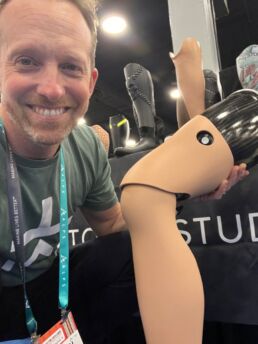
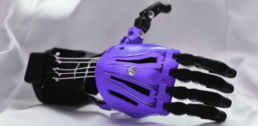
I lokalerne hos Bandagist Jan Nielsen står cirka 35 3D-printere. De kan printe alt fra benproteser til korsetter, der kan korrigere ryggen – alt sammen med unikke muligheder for brugerne.

Da bandagist Jan Nielsen købte sin første 3D-printer for otte år siden, rystede folk på hovedet. Hvad skulle han med den? Var det ikke mest for sjov? Og jo, det var lidt for sjov, for den kunne bedst printe små huse, og man kunne lege med forskellige designs. Men den blev samtidig starten på den revolution, der i dag er ved at forandre hele bandagist-faget, hvor klassiske proteser udskiftes med specialdesignede 3D-print.
”Måske var jeg bare den nørdede dreng, der syntes, at 3D-print var spændende, men jeg havde fra starten en fornemmelse af, at vi stod foran et kæmpe potentiale. Derfor var det også helt fint, at mine kolleger rystede lidt på hovedet. Jeg vidste, at vi med tiden kunne realisere store gevinster på både design, tid og miljøpåvirkning,” fortæller Jan Nielsen.
I dag er der ingen blandt medarbejderne, der ryster på hovedet. 3D-print er for længst blevet en integreret del af virksomheden, og Bandagist Jan Nielsen printer i dag omkring 70 % af sine proteser:
”Der er mange fordele ved at 3D-printe proteser. I stedet for at lave en gipsafstøbning af patientens ben kan vi 3D-scanne det, hvilket kun tager et minut. Og i stedet for en kompleks, manuel proces, hvor vi skal modificere standardkomponenter til en skræddersyet protese ved at skære, slibe og lime, kan vi printe en skræddersyet protese, der er specialfremstillet til netop den pågældende patient.”
Internationalt netværk
På trods af mange gode erfaringer med 3D-print, er der stadig en hel del læring, der venter forude, og bandagist-faget er et meget lille fag, fortæller Jan Nielsen:
”Selv om en del bandagister eksperimenterer med 3D-print, er teknologien stadig så ny, at vi endnu mangler at se det helt store gennembrud på det internationale marked. Vi skal med andre ord selv udvikle metoderne, og der er ingen instruktionsvideo på Youtube. Det er både en spændende, men også krævende opgave.”
Derfor er Jan Nielsen taknemmelig for at kunne trække på et internationalt netværk, der især består af amerikanske specialister:
”I USA findes et netværk blandt bandagister, der arbejder med 3D-print. Det er en stor gave at være med og også en nødvendighed, hvis vi for alvor skal rykke med ny teknologi. Vi er en utrolig lille branche, der dog heldigvis består af nogle passionerede og til tider tossede mennesker. Vi sætter os sammen for at skabe fremtiden, og vi tror på en verden fuld af muligheder.”
Nye løsninger
Et er det faglige netværk, noget andet er de brugere, hvis hverdag er fuldstændig afhængig af velfungerende proteser. I sidste ende er det deres liv, der skal gøres så let som muligt, fortæller Jan Nielsen:
”Den altoverskyggende fordel ved 3D-print er, at vi kan gøre en forskel for nogle mennesker, som står i en meget svær situation på grund af sygdom eller ulykke. Eksempelvis havde vi for nylig en patient, der havde en lårbensprotese, han ikke selv kunne få af, fordi han er lam i den ene side. Ved at 3D-printe en specialdesignet protese gav vi ham hans selvhjulpenhed igen. Så kan det godt være, at det bare er en dut eller et håndtag, det drejer sig om, men lige præcis den dut eller det håndtag kan være forskellen på at gå eller sidde i kørestol.”
Samtidig har 3D-print også revolutioneret processen for at arbejde med proteser til børn, fortæller Jan Nielsen:
”Tag for eksempel et barn, der er født med skæv ryg og derfor har brug for et korset til at rette ryggen ud. Tidligere skulle vi smøre hele barnet ind i gips, inden vi kom med en kæmpe saks for at klippe gipsen af. Jeg overdriver ikke, når jeg siger, at det har skabt nogle paniske situationer med skrigende børn og ulykkelige forældre. Alt det undgår vi med 3D-print. Nu scanner vi bare barnet med en håndholdt scanner, og så går vi hjem på værkstedet og printer et korset, der passer.”
Resultater af forløb med Dansk AM Hub
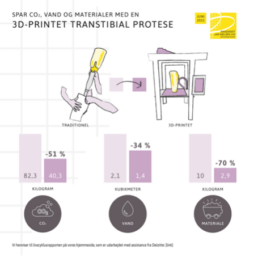
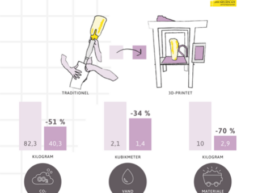
- 3D-printede proteser kan reducere vandforbruget med 34 %
- 3D-printede proteser kan reducere CO2-aftrykket med 51 %
- 3D-printede proteser kan reducere materialeforbruget med hele 70 % i forhold til traditionelle fremstillingsmetoder.
Fremtiden
Ifølge Jan Nielsen er der et enormt potentiale i fremtidens 3D-print, selv om ikke alle proteser vil kunne fremstilles på den måde:
”Når det eksempelvis gælder kulfiber-proteser, som kan tåle både vand og kemi, må vi nok stadig ty til de klassiske fremstillingsprocesser. Men mange andre proteser kan 3D-printes. Et godt bud er, at over halvdelen af alle proteser i fremtiden vil blive fremstillet ved hjælp af 3D-print. Samtidig vil 3D-print være det oplagte valg, når man skal lave testproteser til nyamputerede.”
Endelig er der den reducerede miljøpåvirkning, som blev konkretiseret og kvantificeret under AM Sustain-programmet. Her viste det sig eksempelvis, at 3D-printede proteser kan reducere vandforbruget med 34 %, CO2-aftrykket med 51 % og materialeforbruget med hele 70 % i forhold til traditionelle fremstillingsmetoder, hvilket er væsentlige gevinster ifølge Jan Nielsen:
”Når vi sliber en protese, smider vi mindst halvdelen af materialet ud. Ved 3D-print er der et minimalt spild. Det giver selvsagt nogle væsentlige miljøfordele, som vi nu kender i detaljer takket være de beregninger, vi har udført gennem AM Sustain-programmet. For brugerne gør miljøpåvirkningen ikke nødvendigvis den store forskel, men for os som specialister og fagnørder er den vigtig for den rejse, vi er på mod bedre og mere bæredygtige proteser.”
Er jeres produktionssetup en begrænsning – eller en styrke?
Og er der nye muligheder?
Om virksomheden
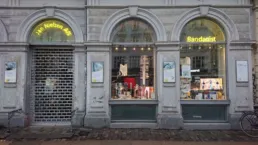
Bandagist Jan Nielsen
Frederiksborggade 23, 1360 København
Antal ansatte: 33
Bandagist Jan Nielsen er leverandør af medicinsk udstyr i København.
Om 3D-printede proteser
- 3D-print anvendes i dag til en lang række forskellige proteser såsom benproteser, armproteser og fingerproteser.
- 3D-teknologien kan ligeledes anvendes til ortoser, der støtter og korrigerer kropsdele som f.eks. hoved, ryg, hals eller led.
- Protesebrugere er lige så forskellige som alle andre, og derfor er der ikke to proteseforløb, der er ens.
- Med 3D-print får bandagisten maksimal designfrihed til at skabe en protese, der kan hjælpe den enkelte bruger.
- 3D-print af proteser bidrager til en væsentlig besparelse på både CO2, vand- og materialeforbrug. Yderligere oplysninger findes i livscyklusrapporten på www.bjn.dk/viden.
Er jeres produktionssetup en begrænsning – eller en styrke? Og er der nye muligheder?
Få sparring på, hvordan hybrid produktion kan understøtte jeres forretningsstrategi.
AM Summit 2021: Our large exhibition
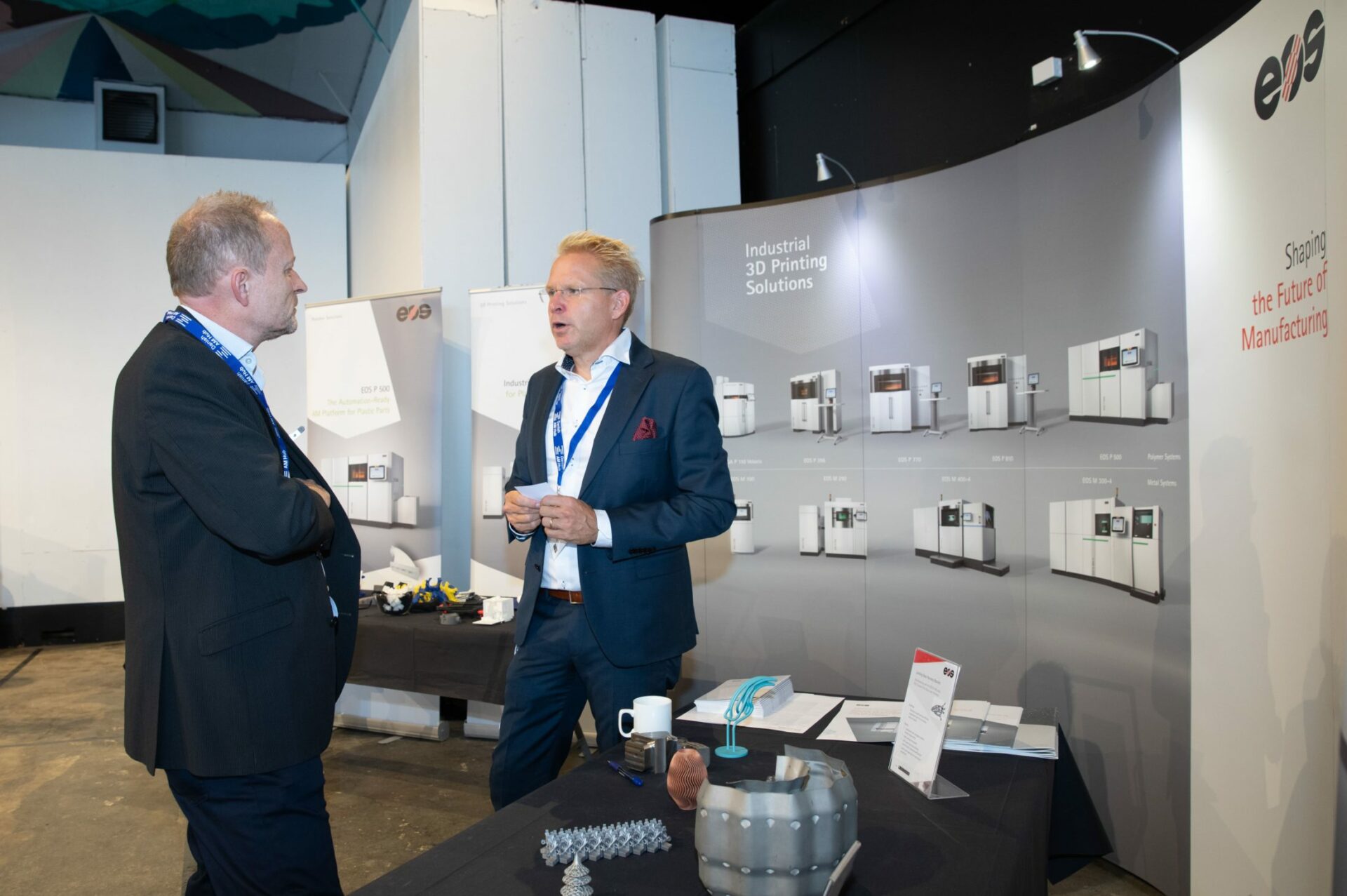
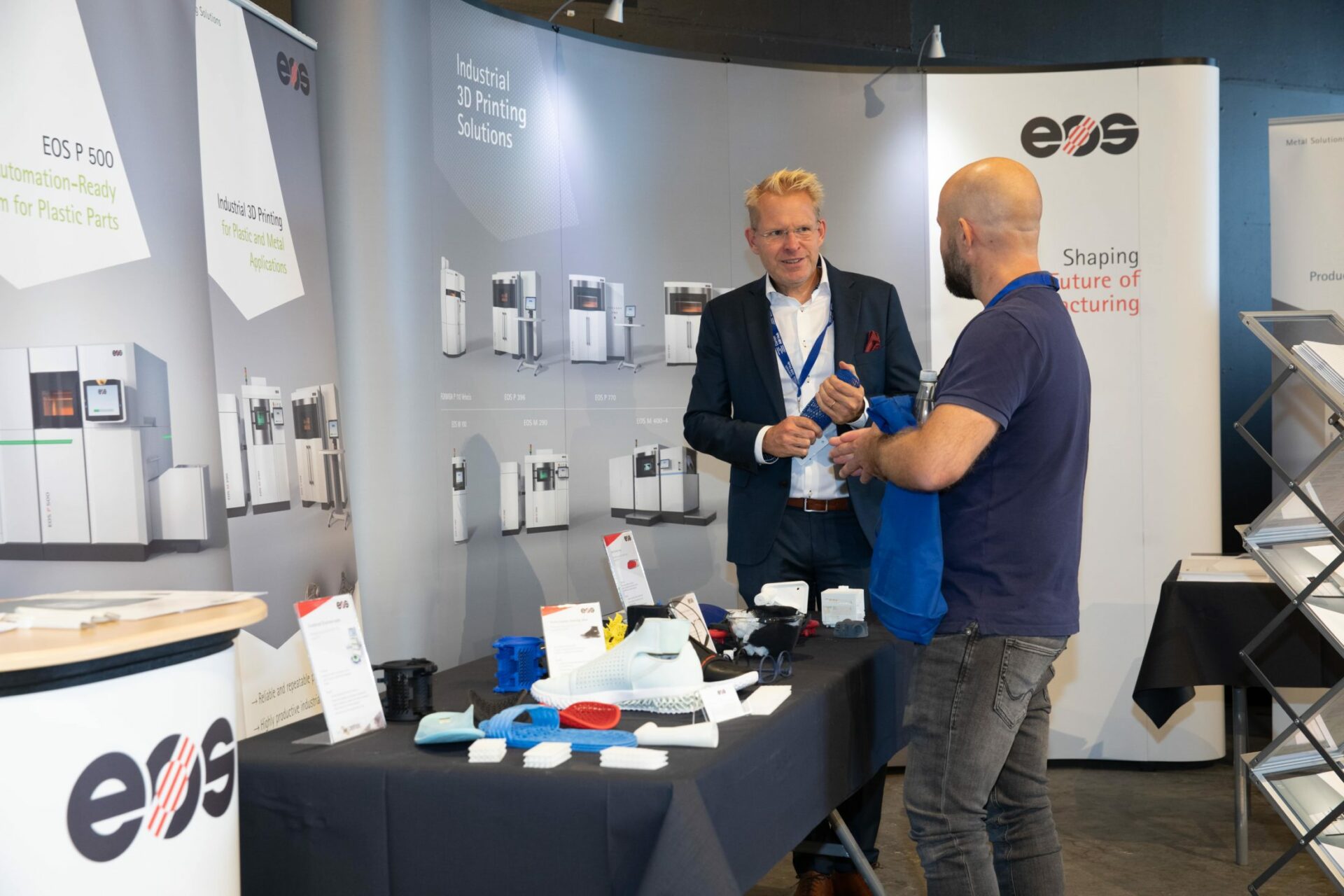
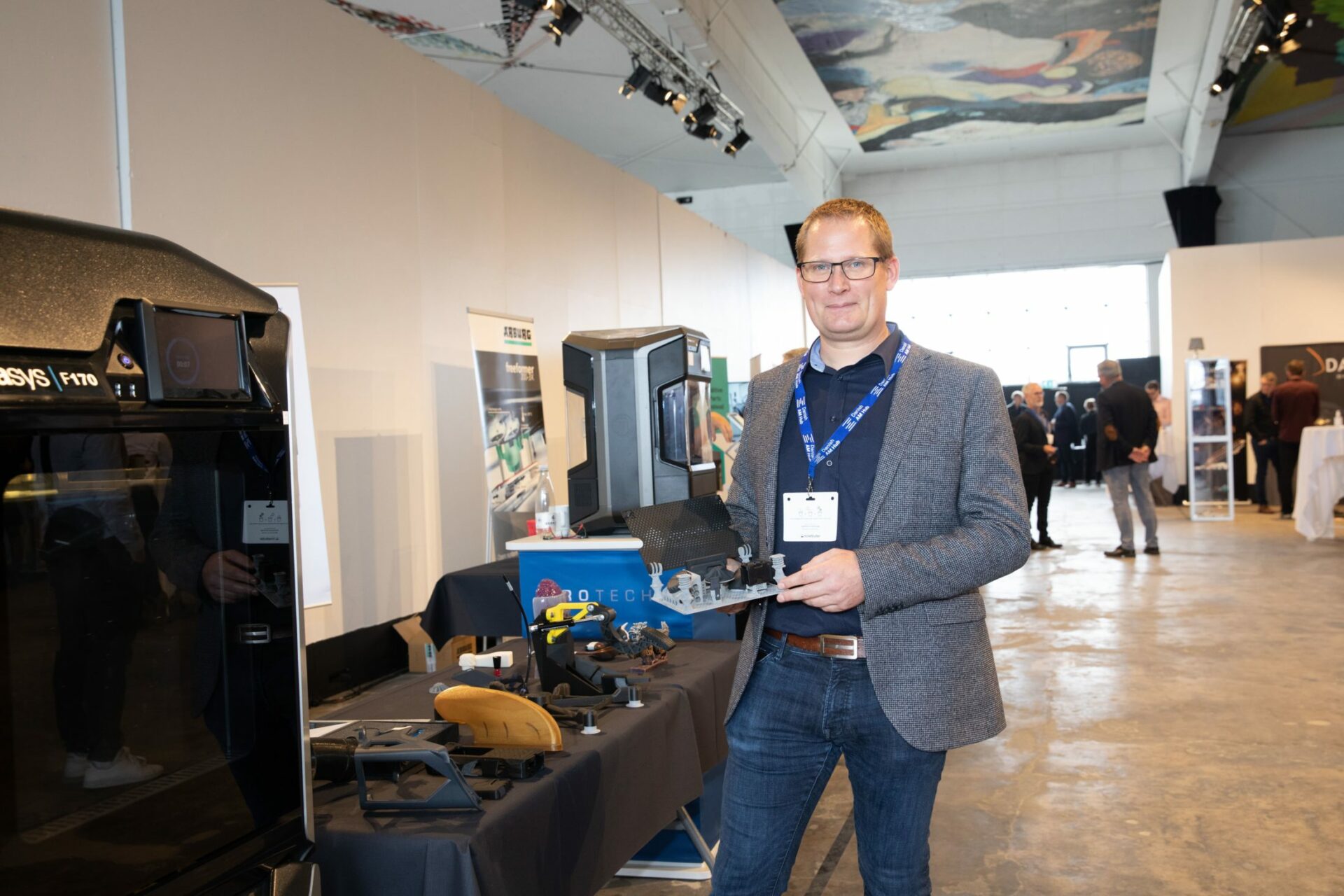
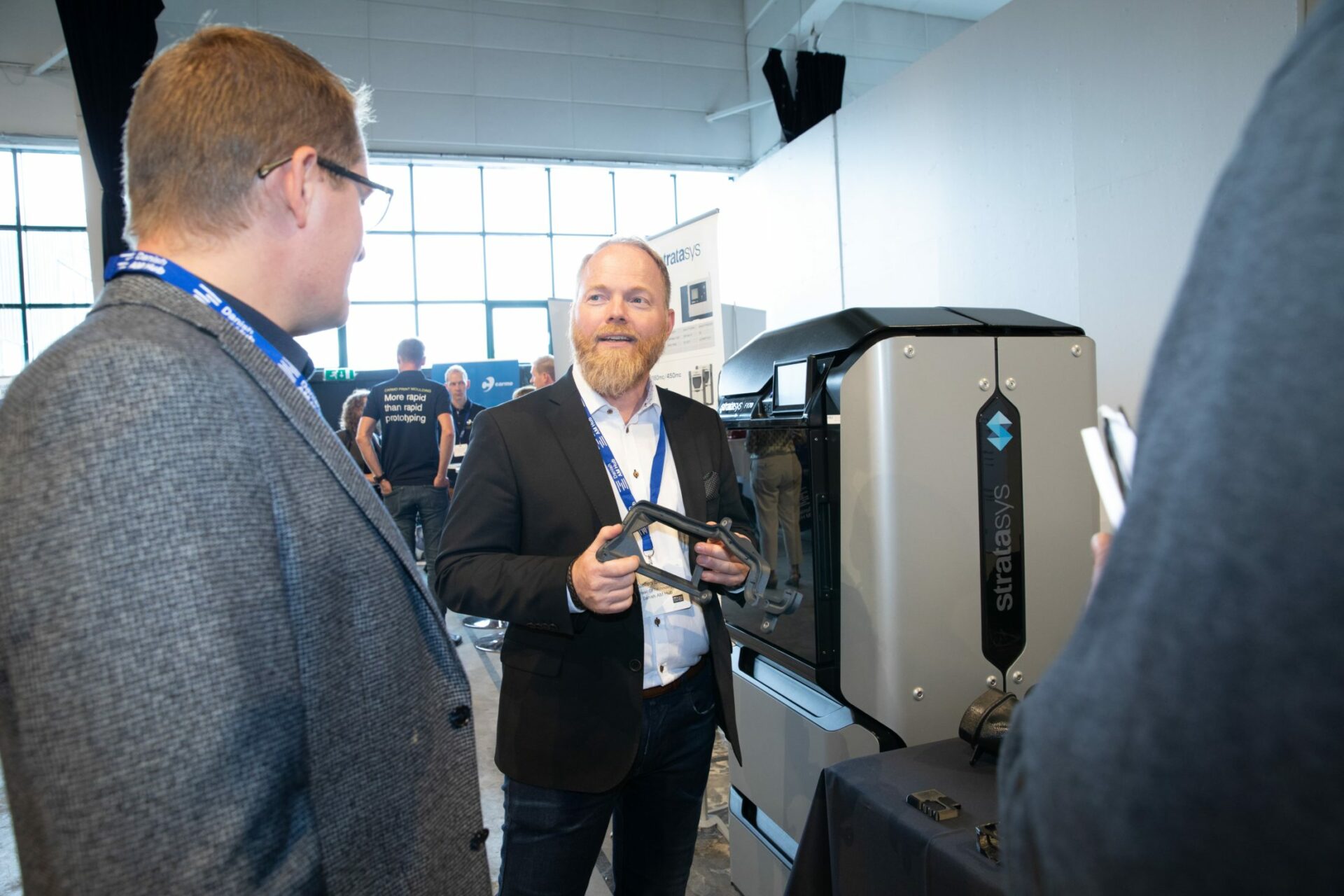
See pictures from this year’s exhibitors
EOS
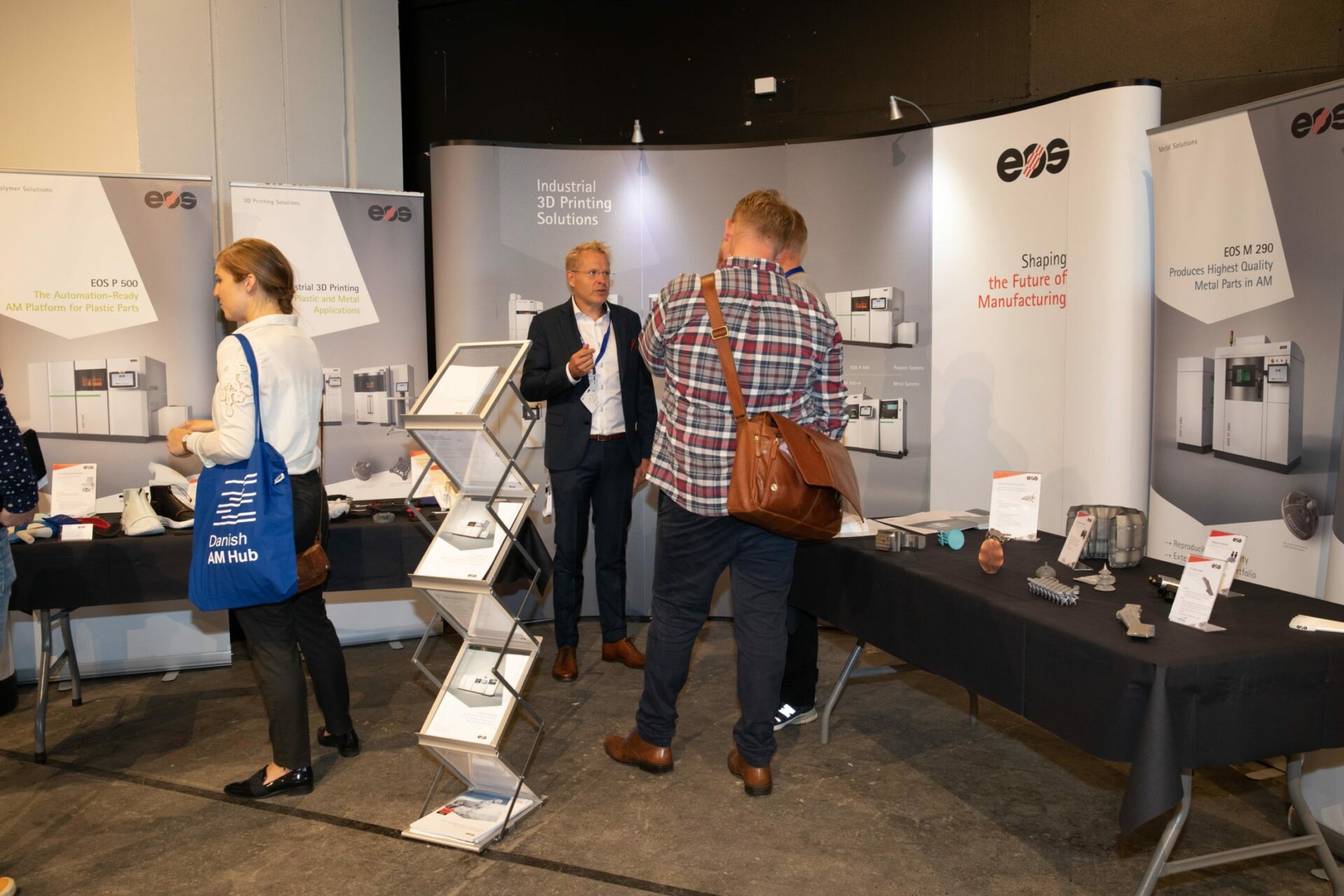
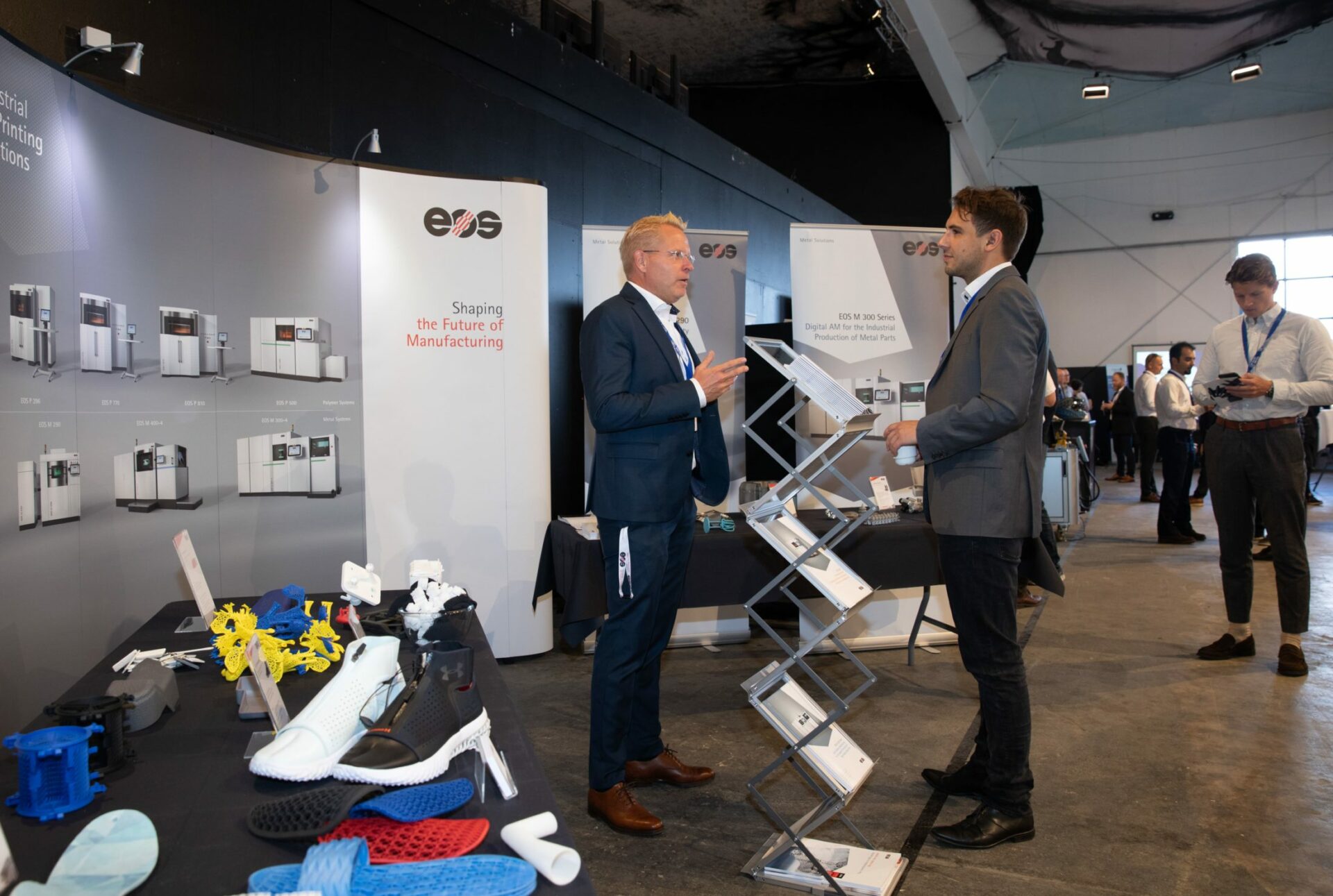
Protech + Stratasys

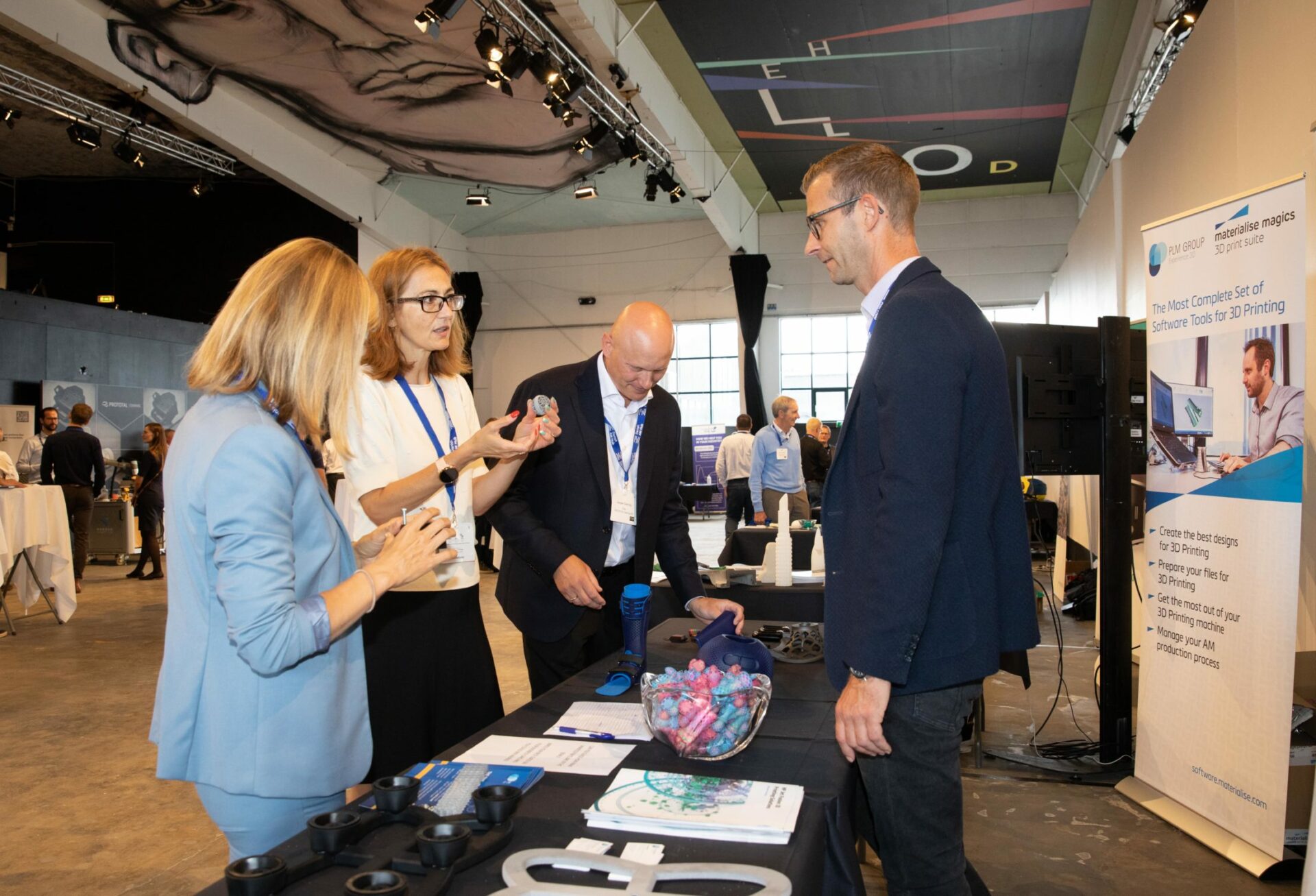
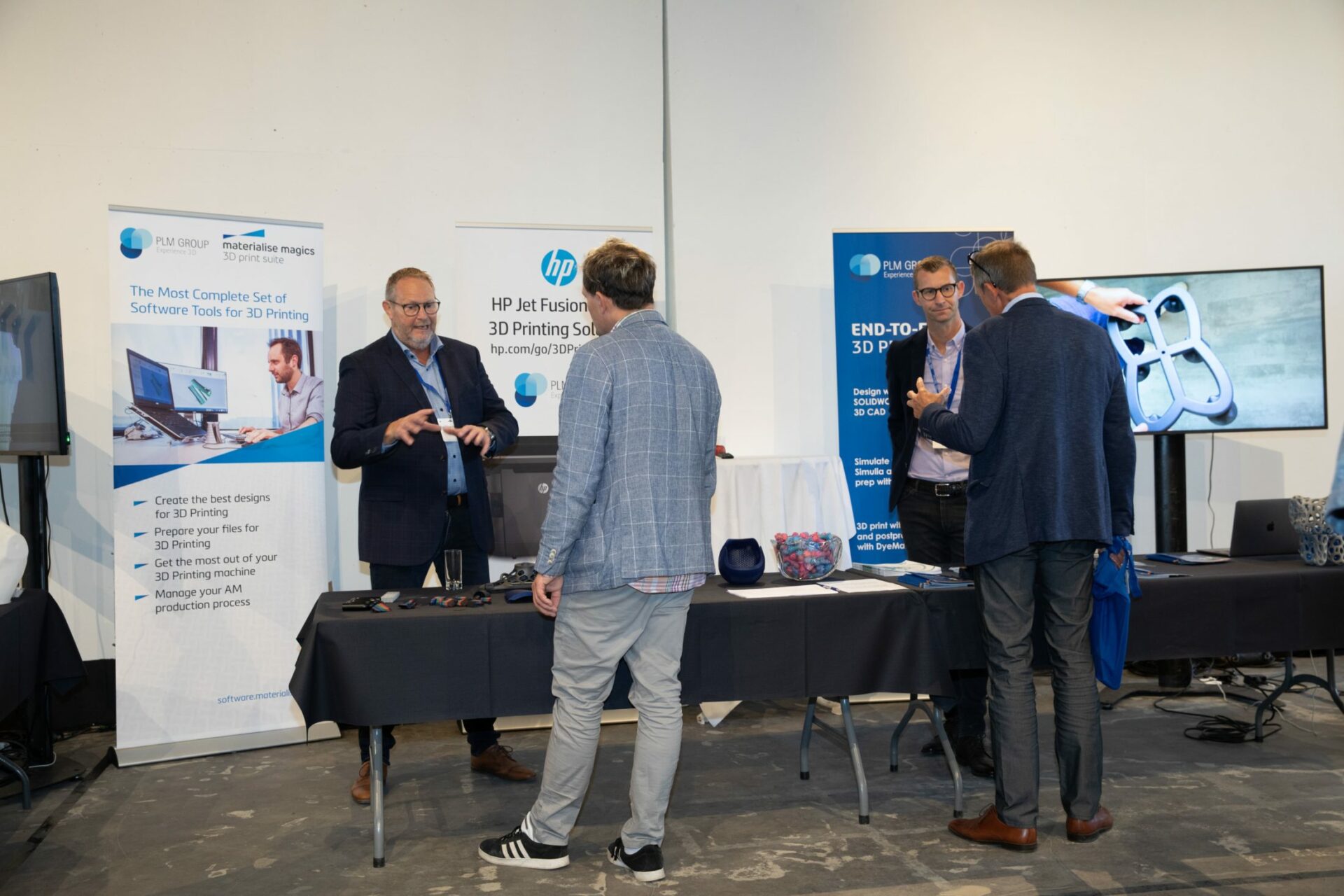
PLM + HP

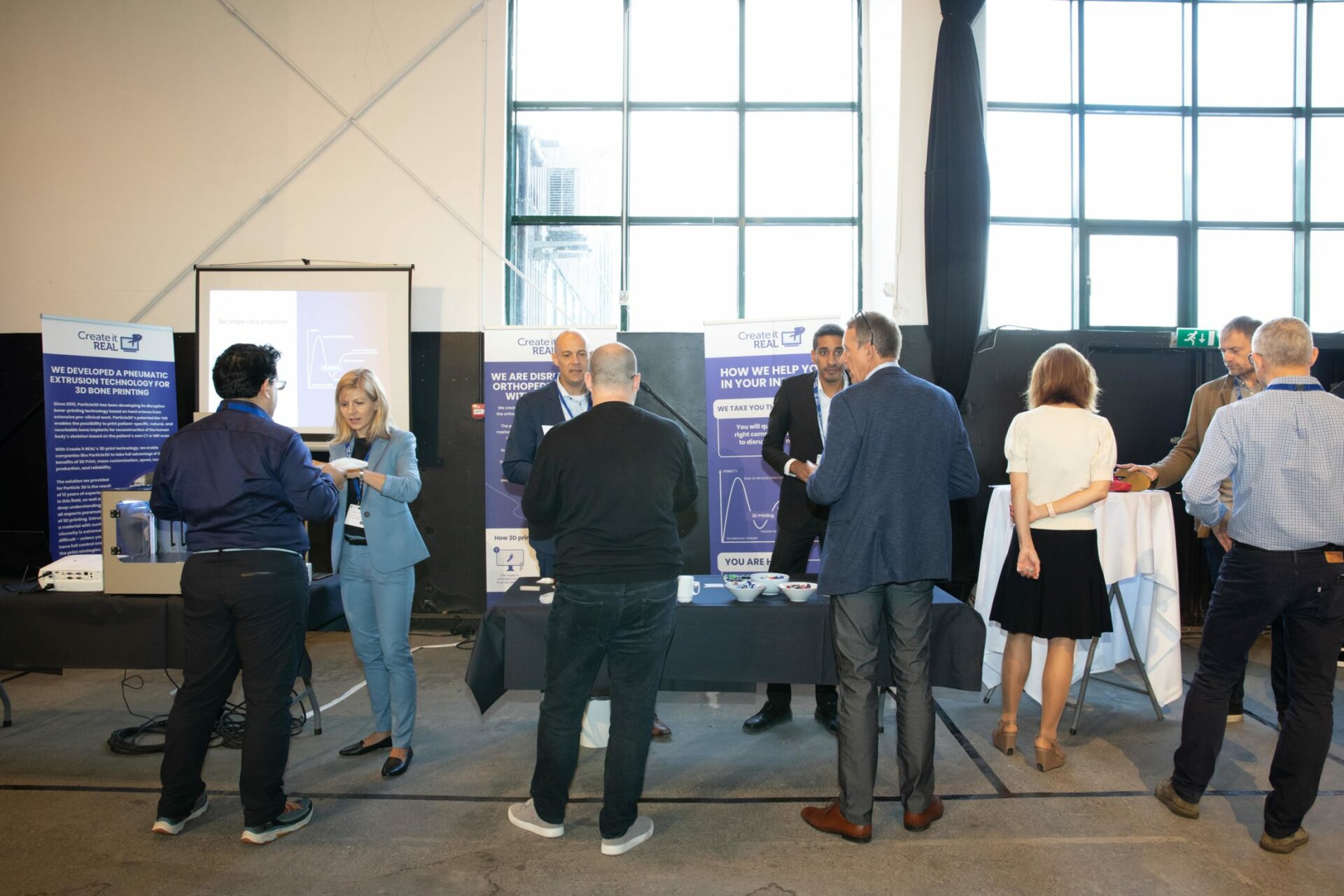
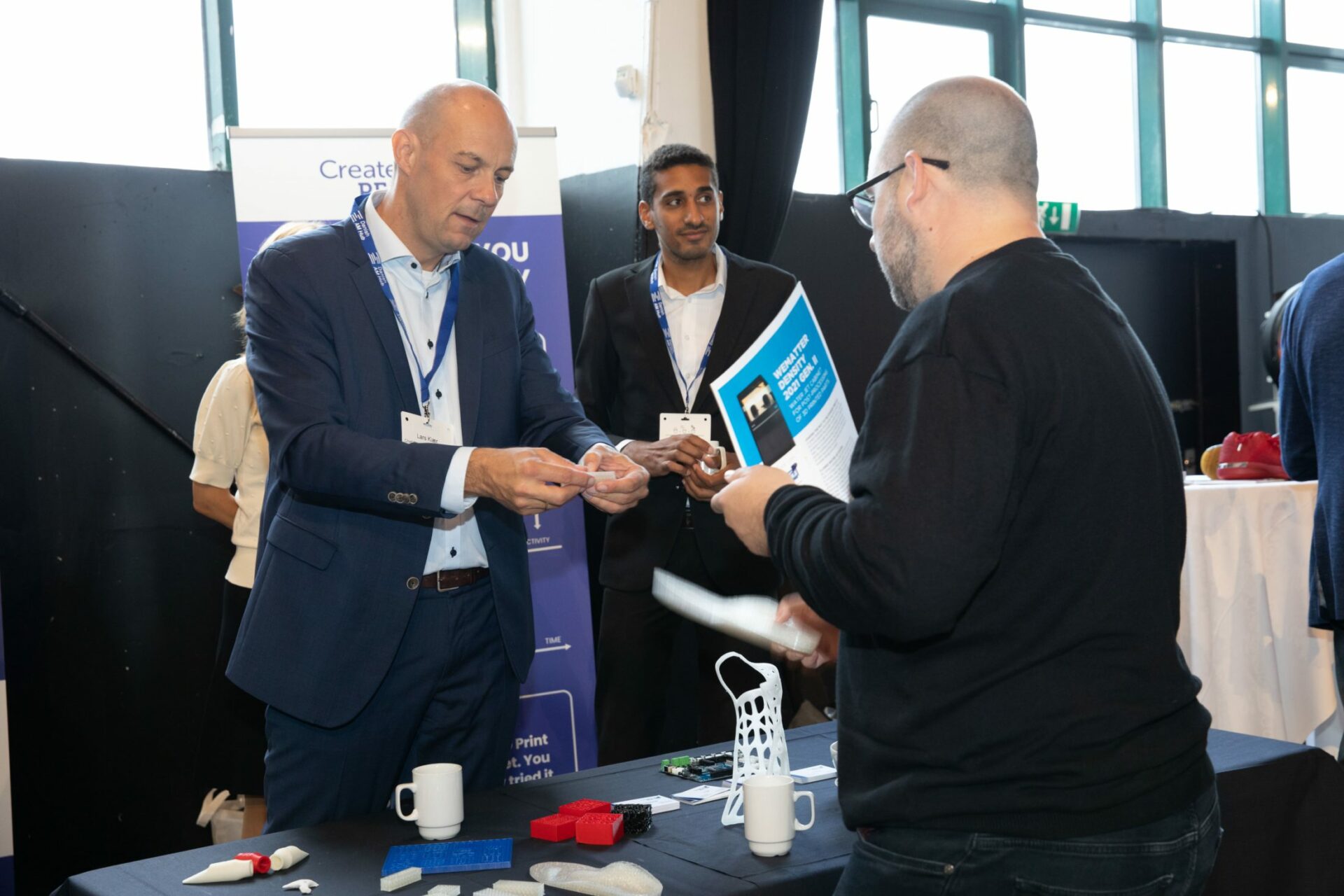
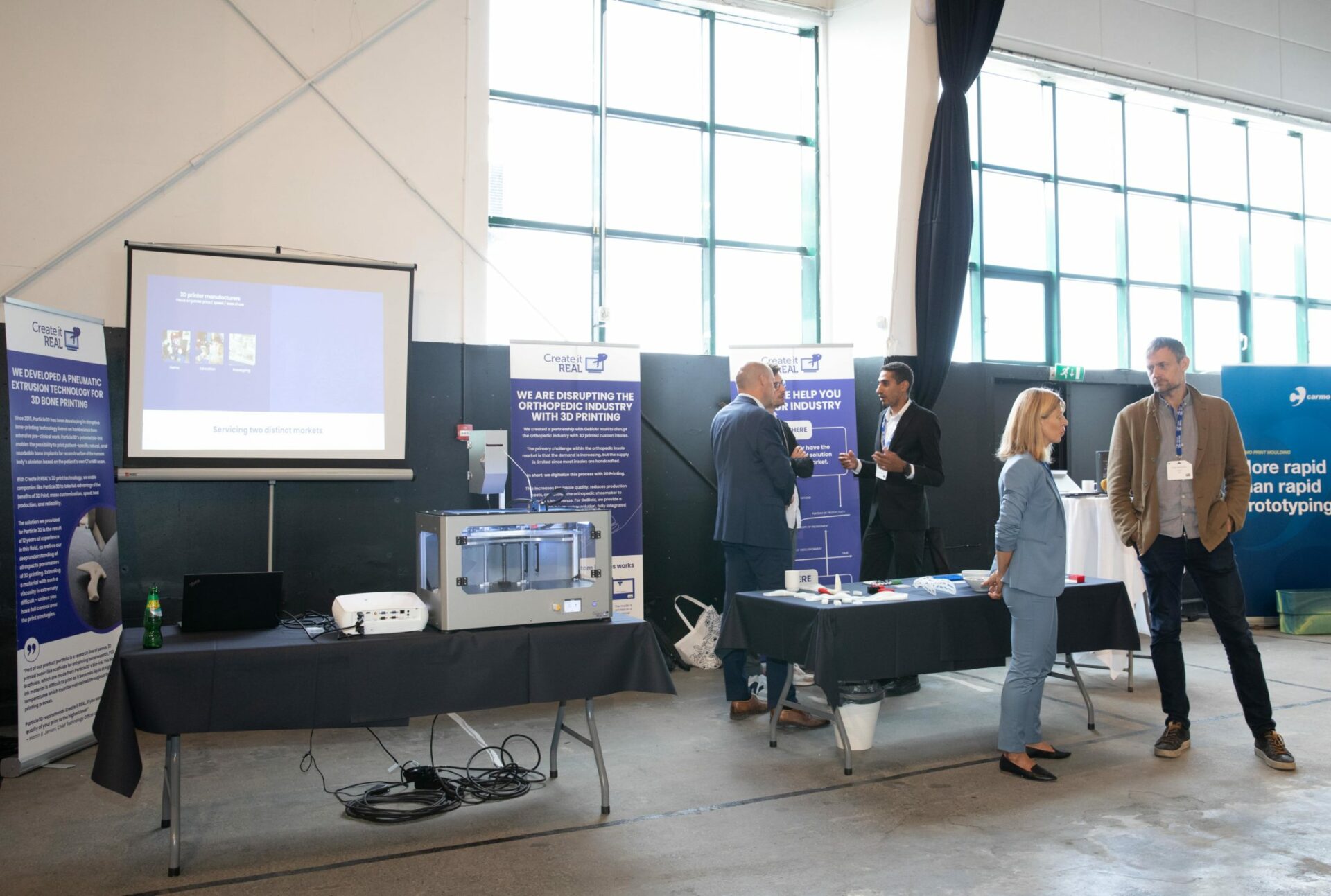
Create it Real

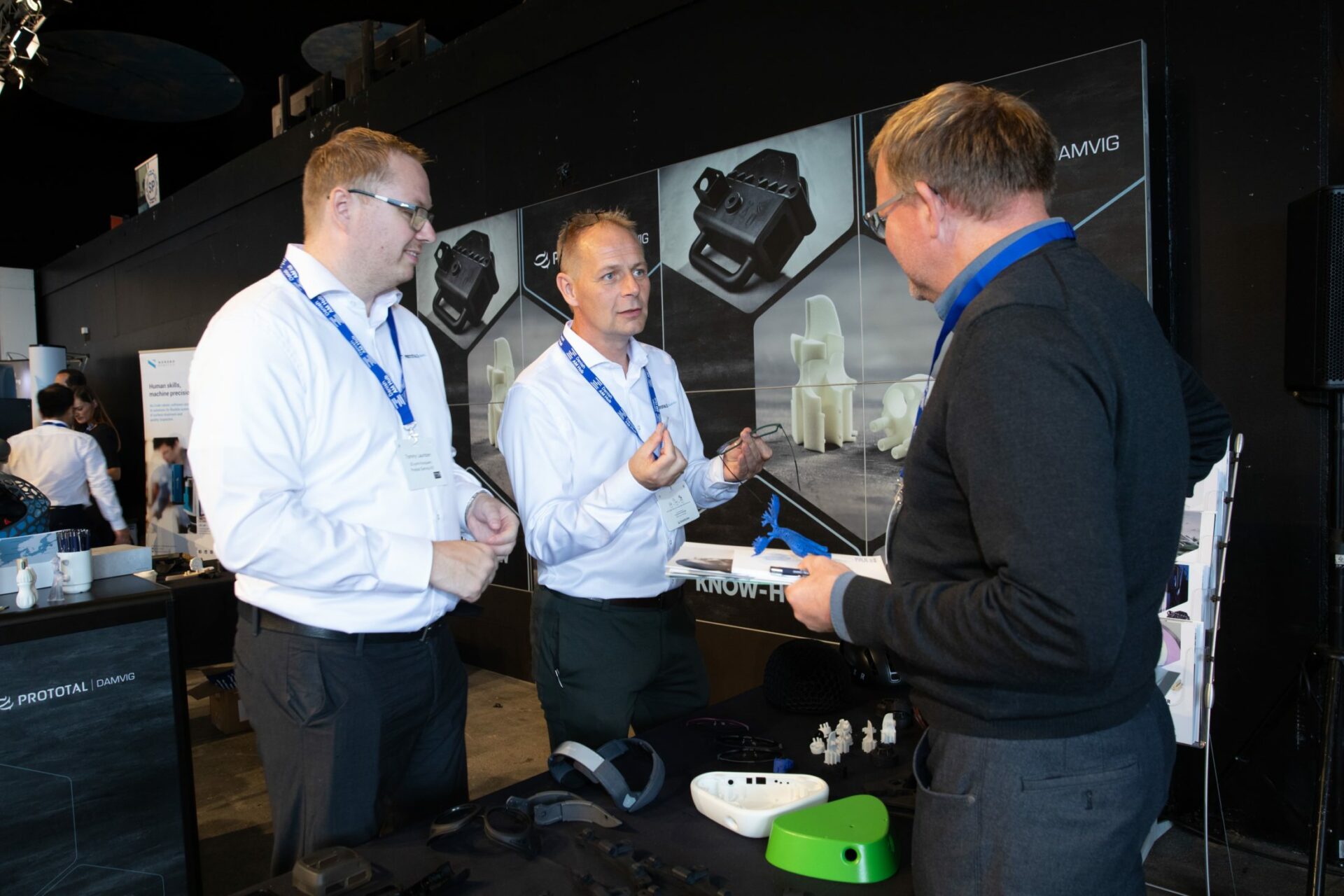
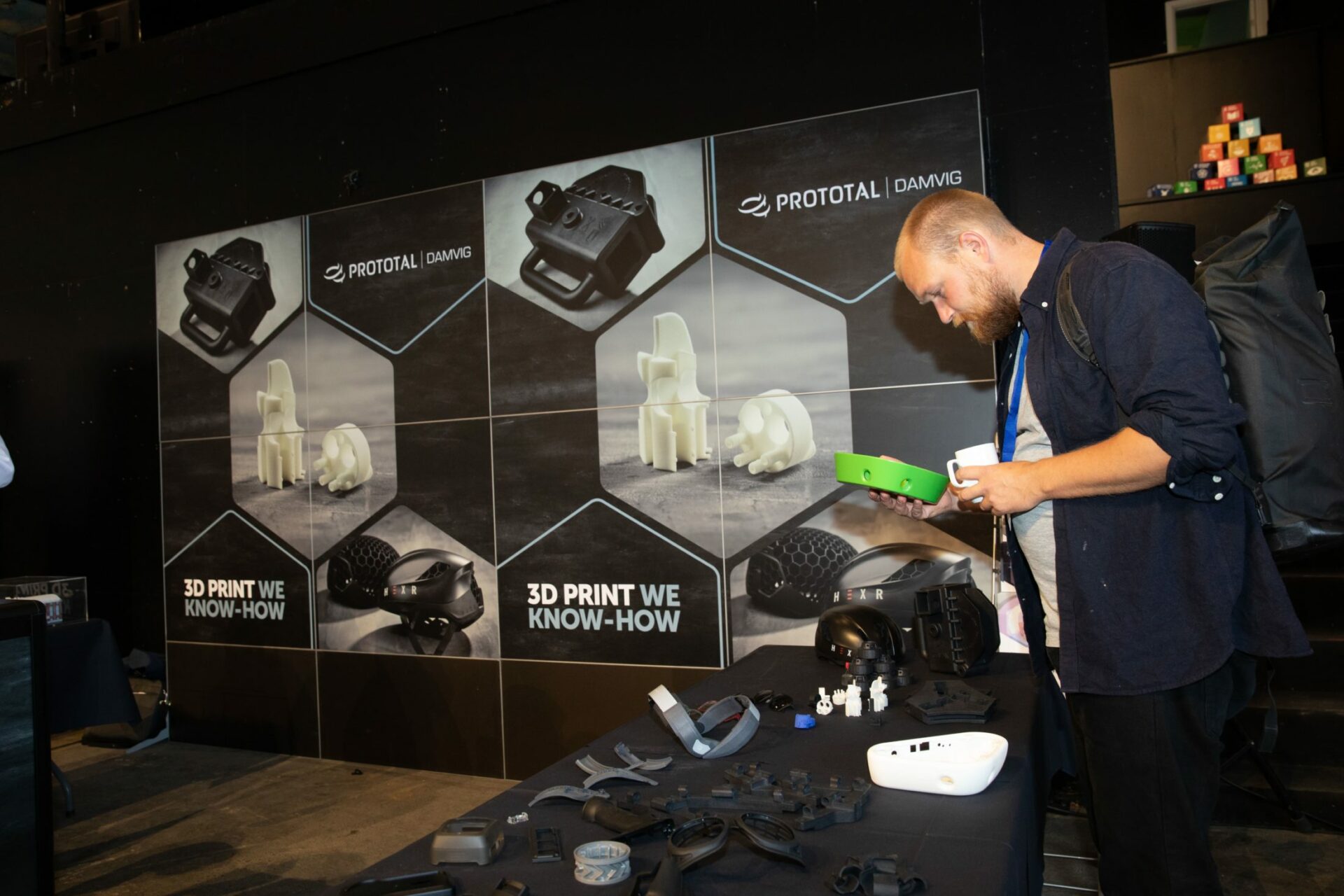
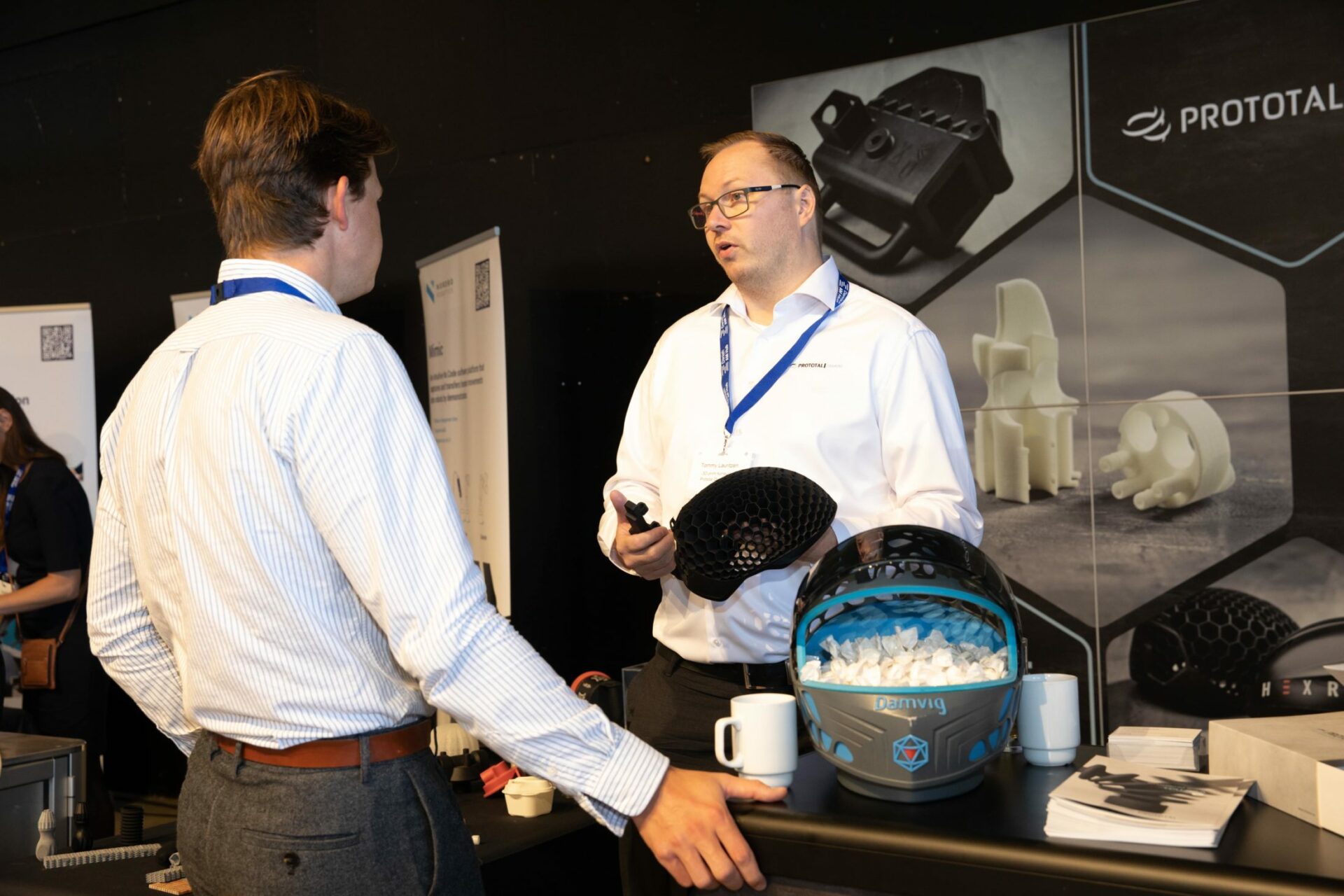
Prototal Damvig


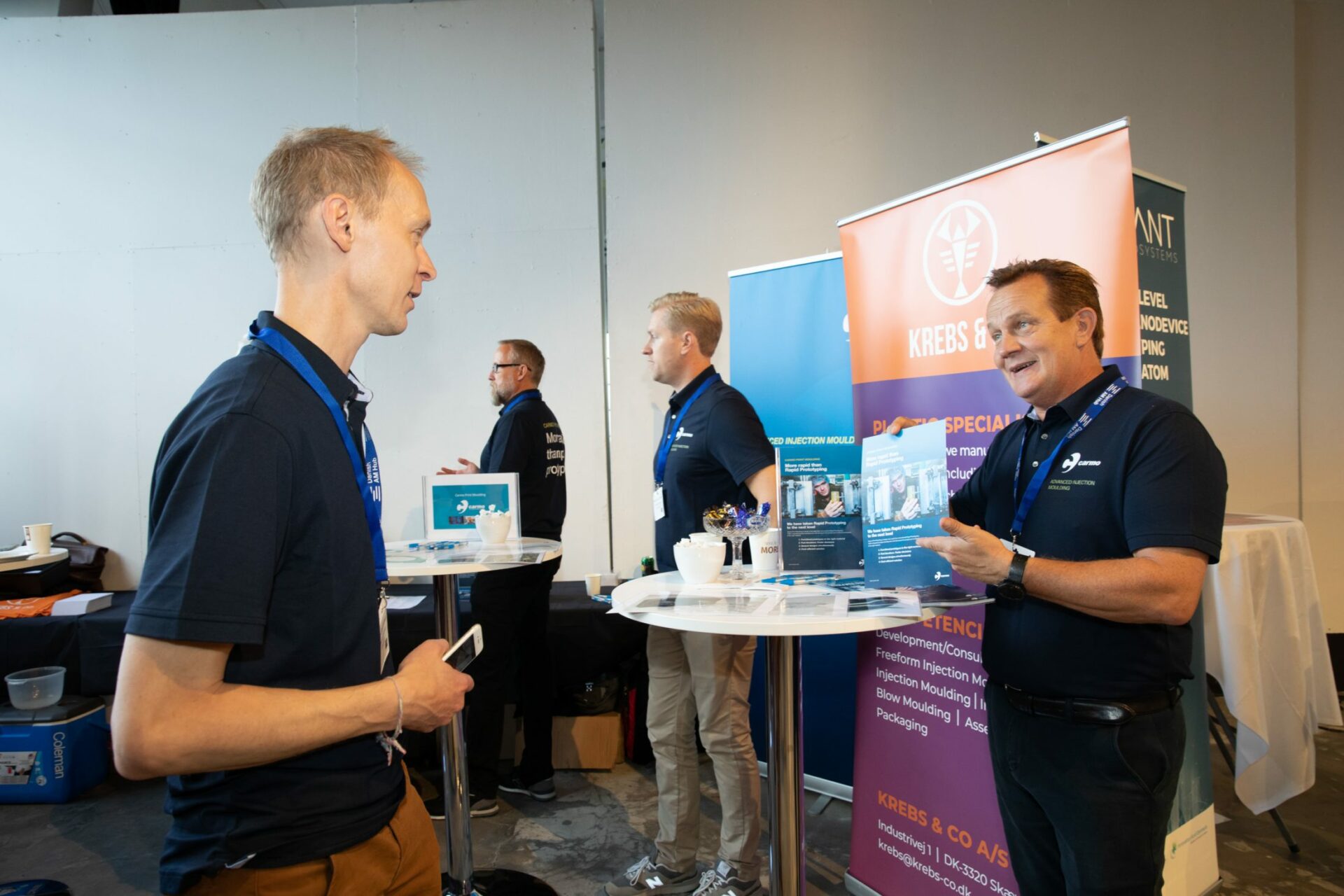
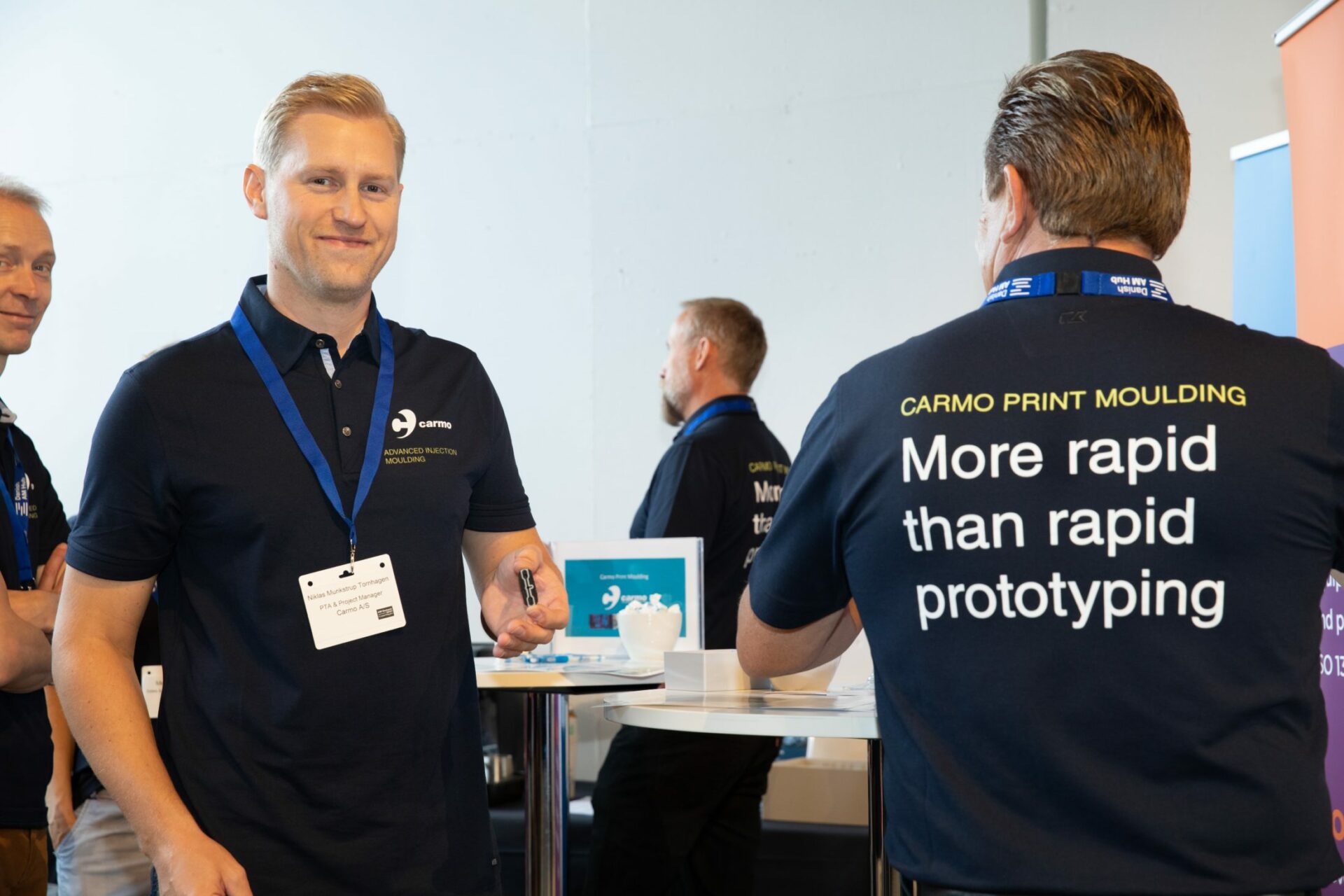
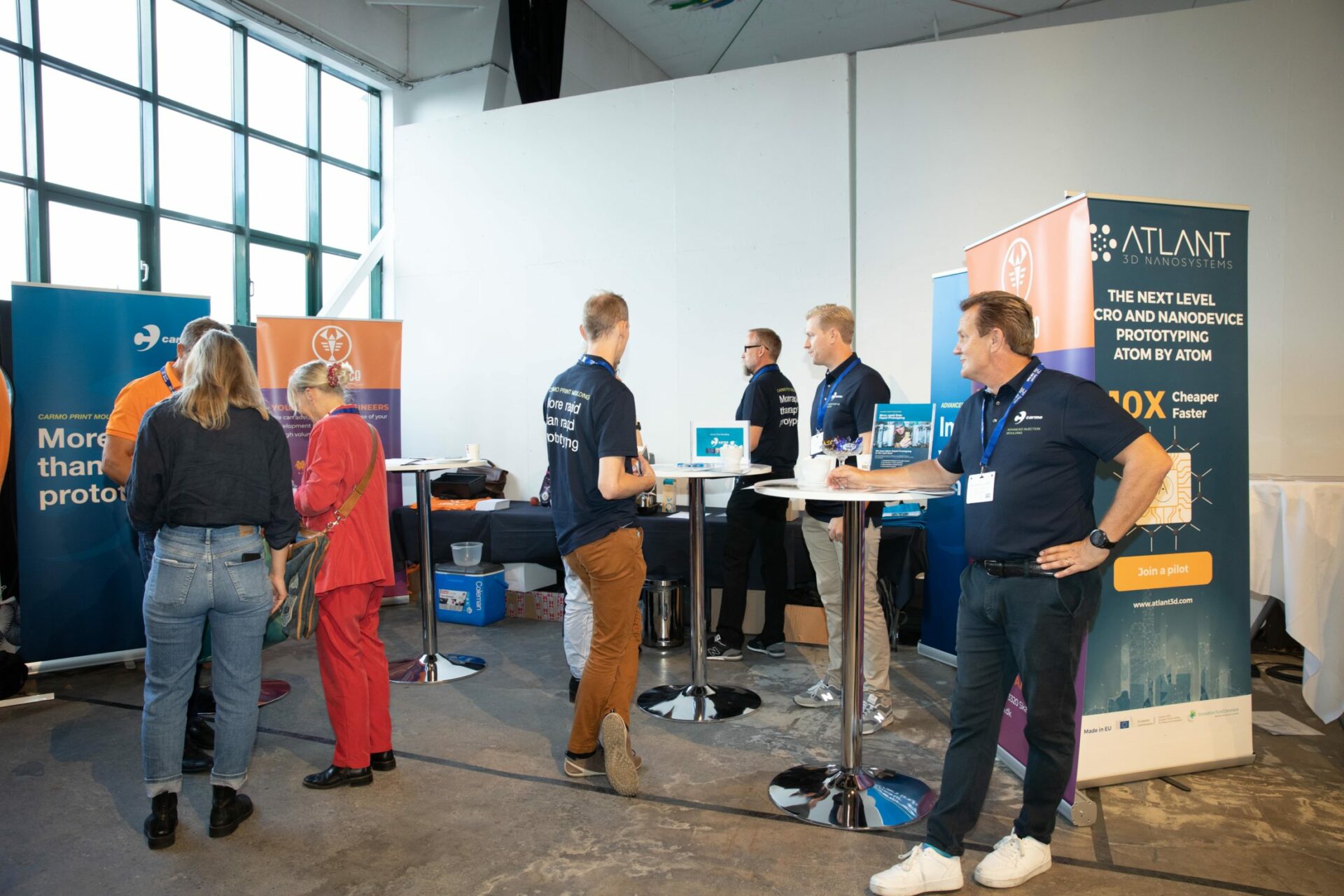
J. Krebs & Co. + Carmo
Addifab
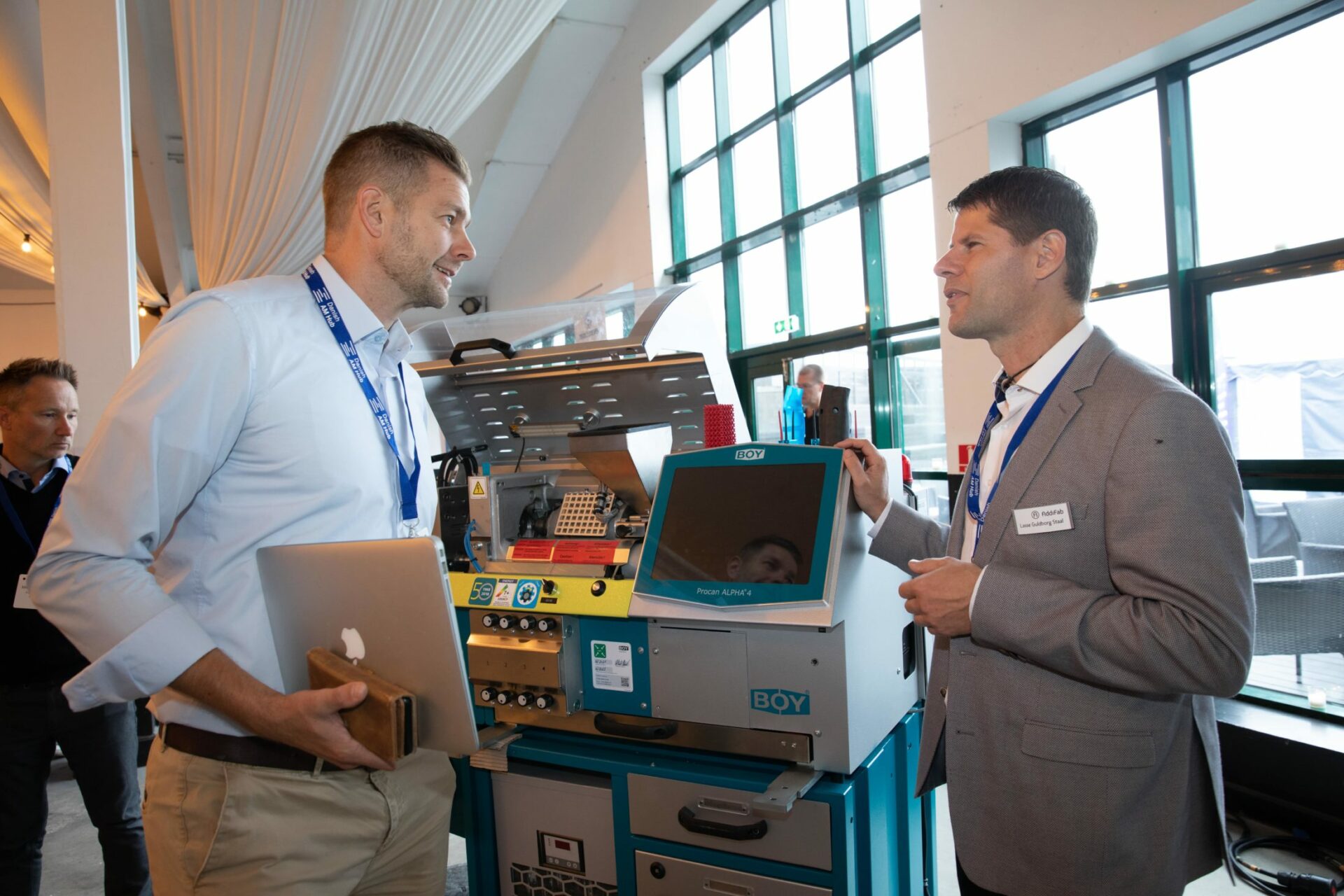
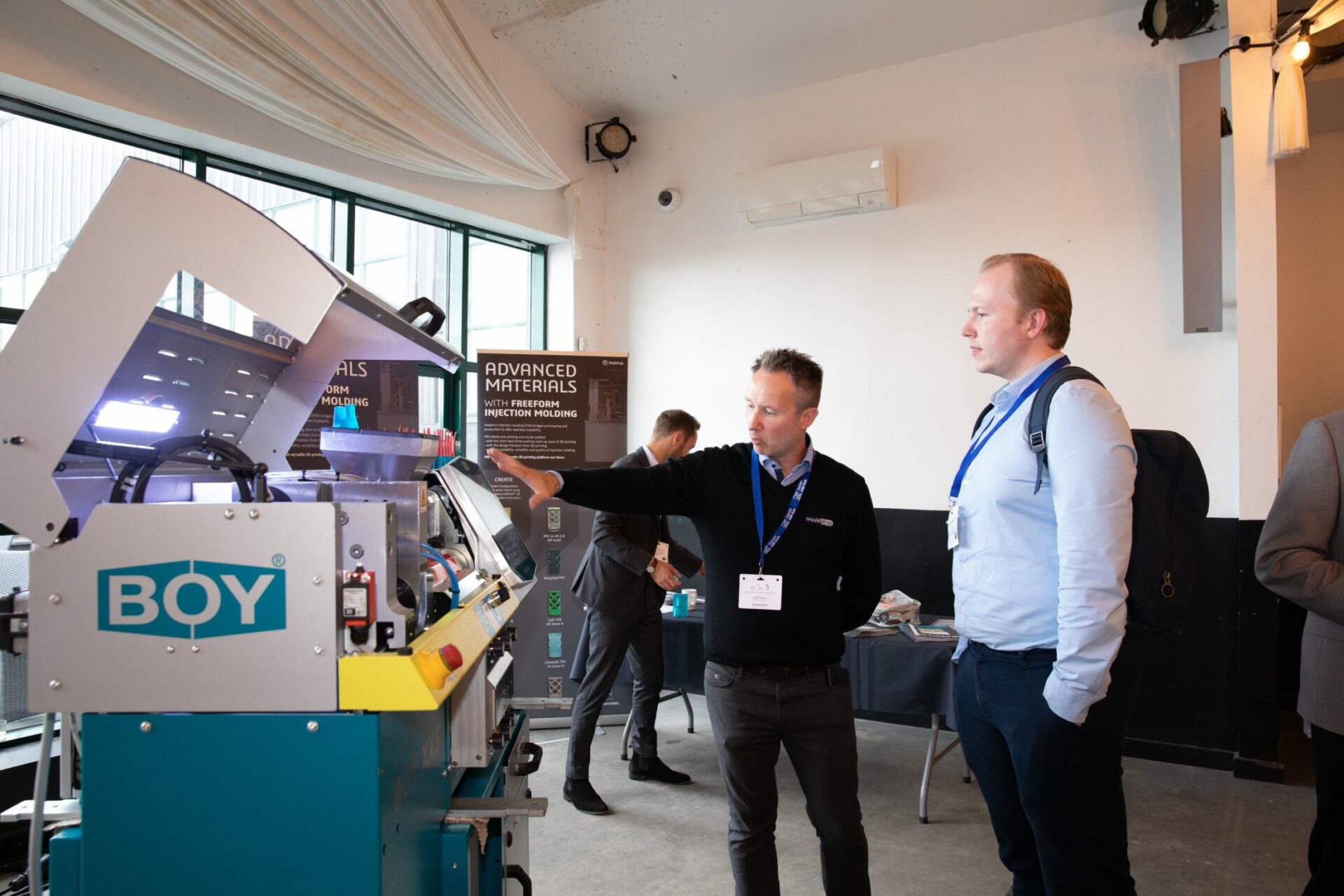
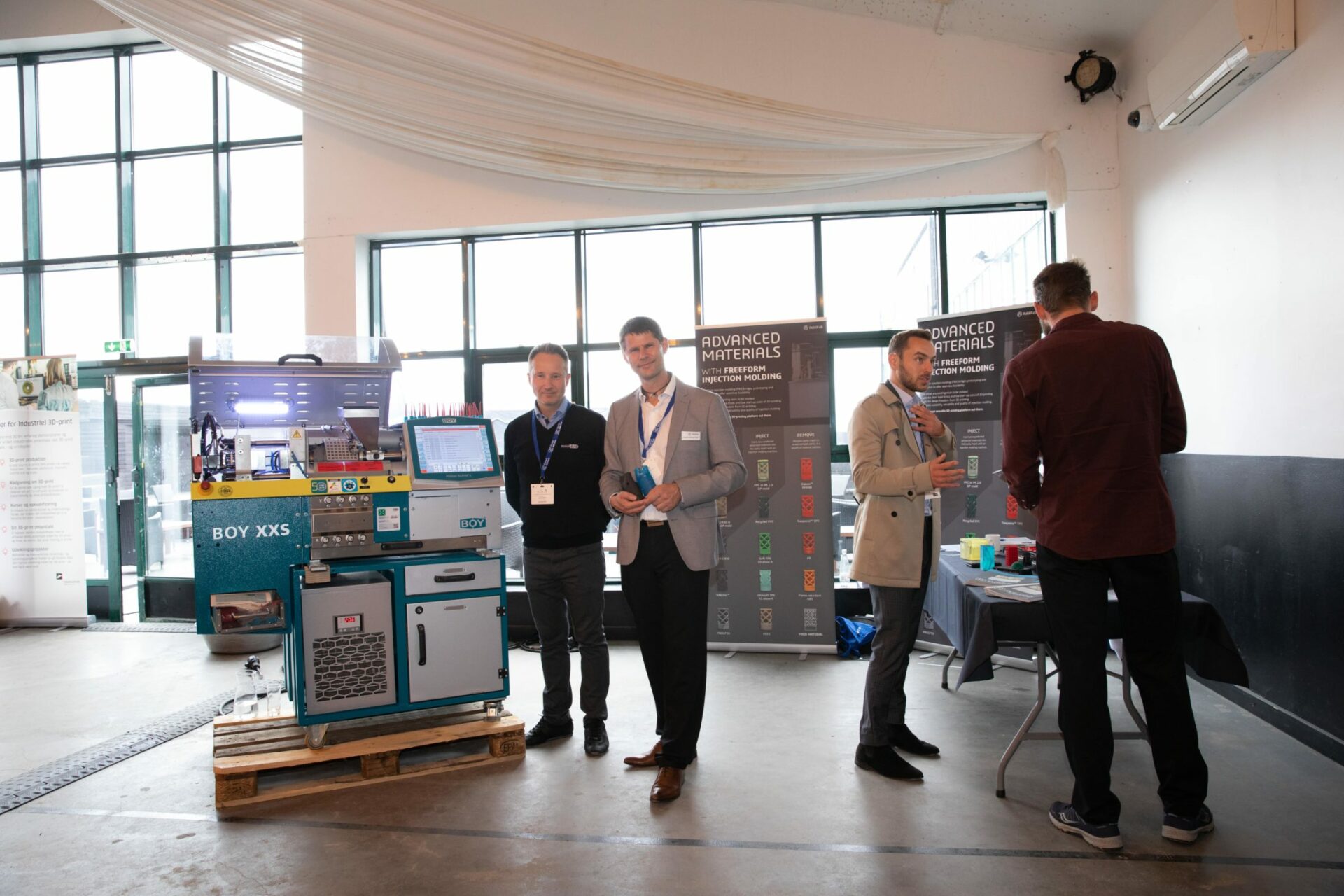
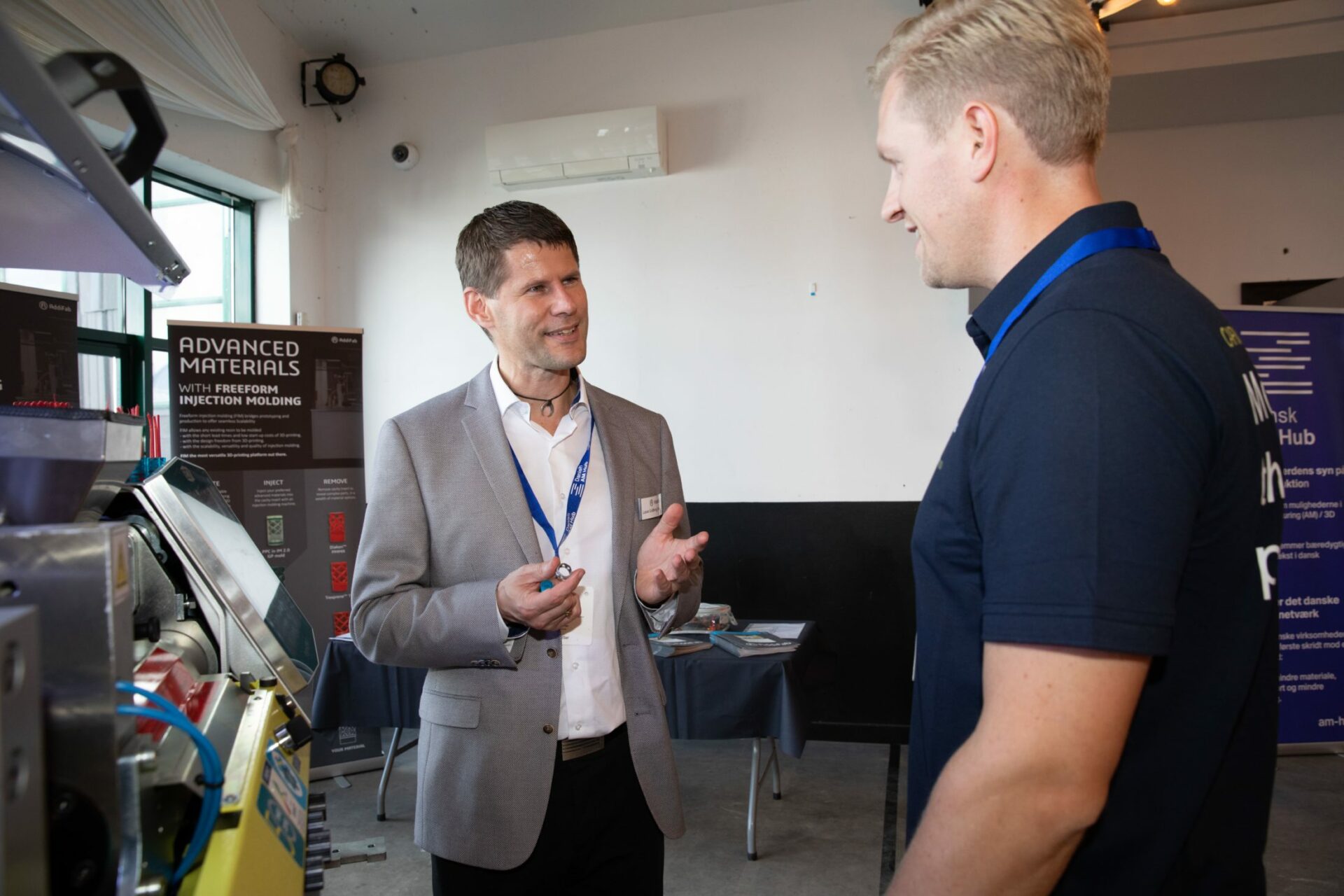
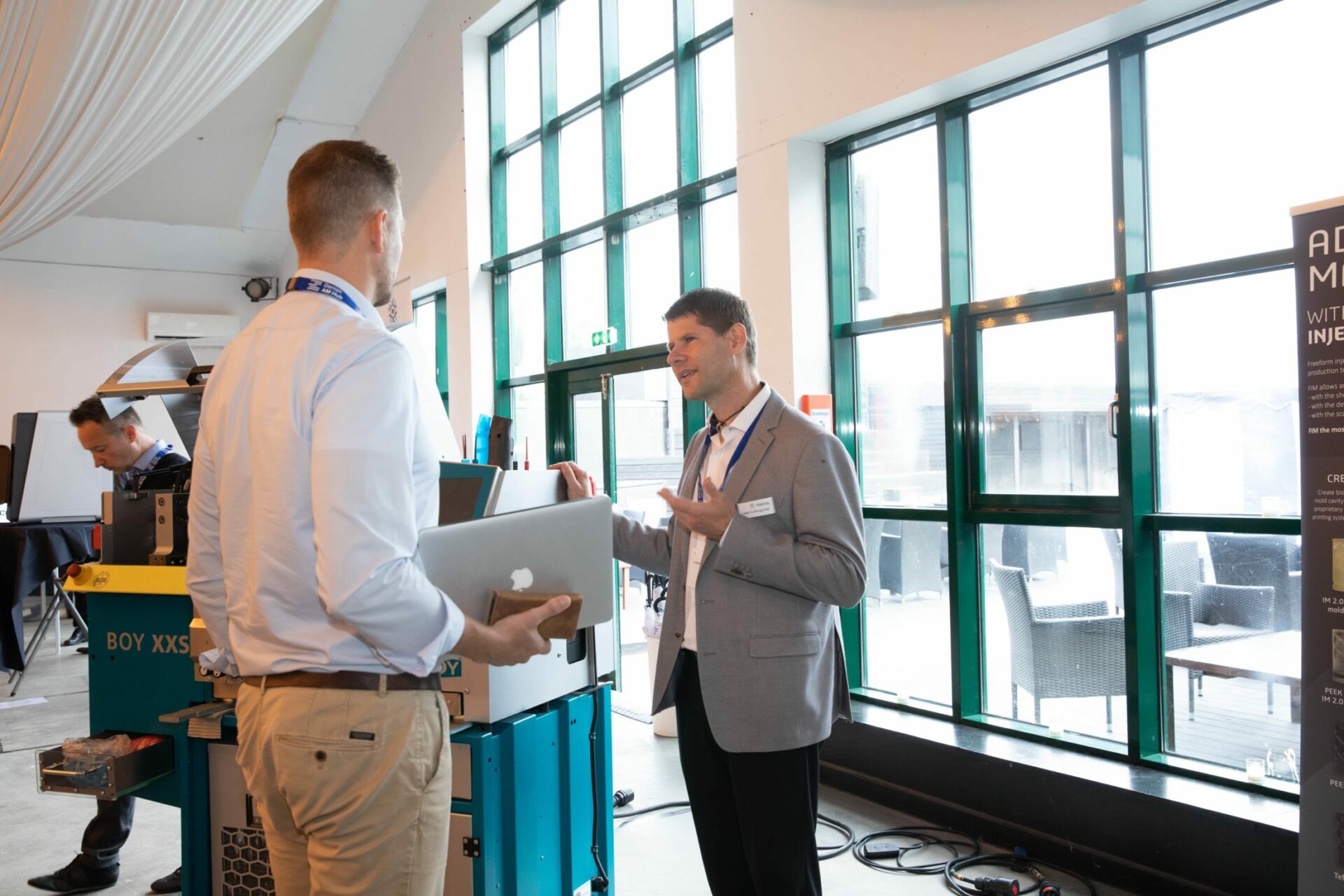
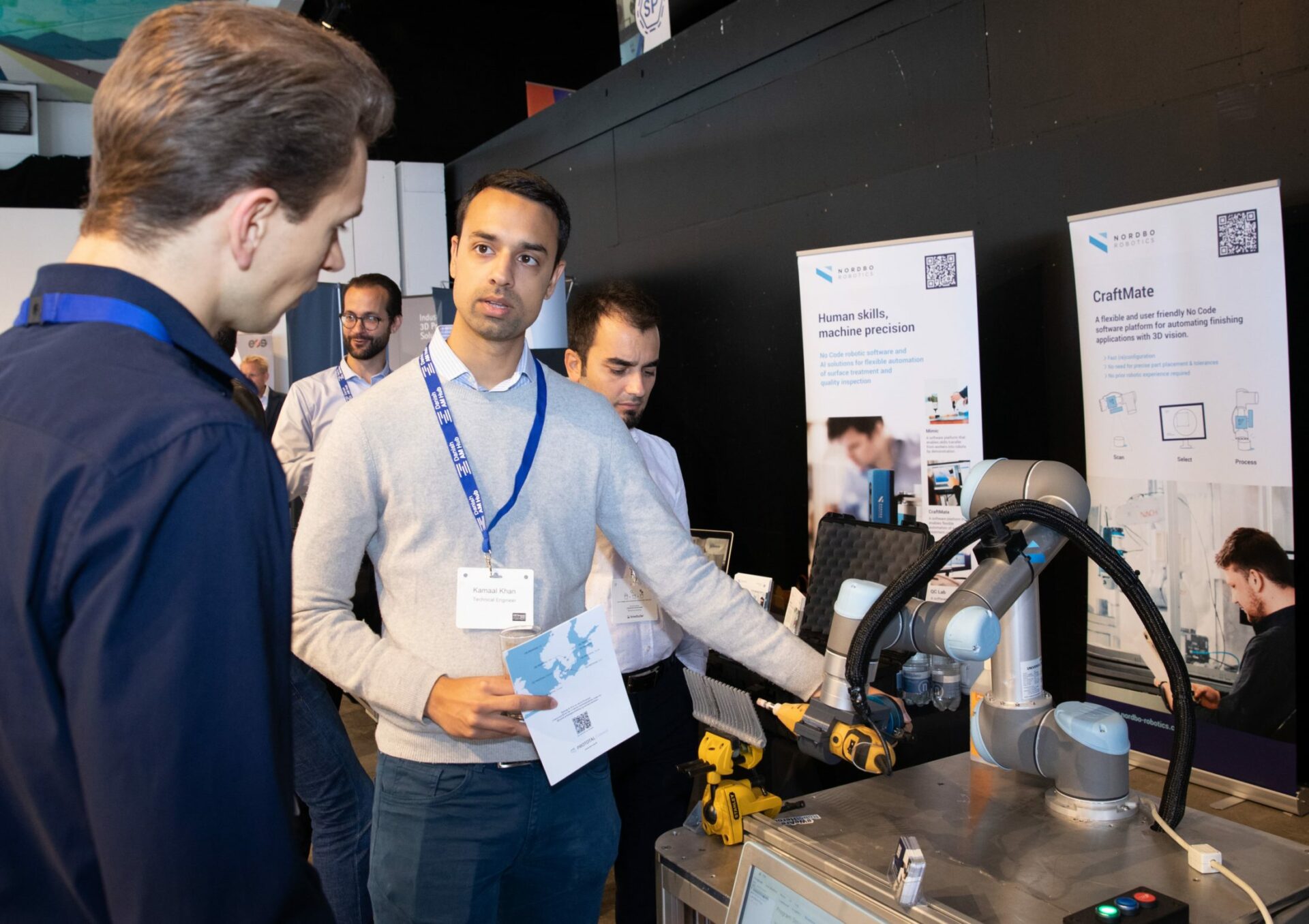
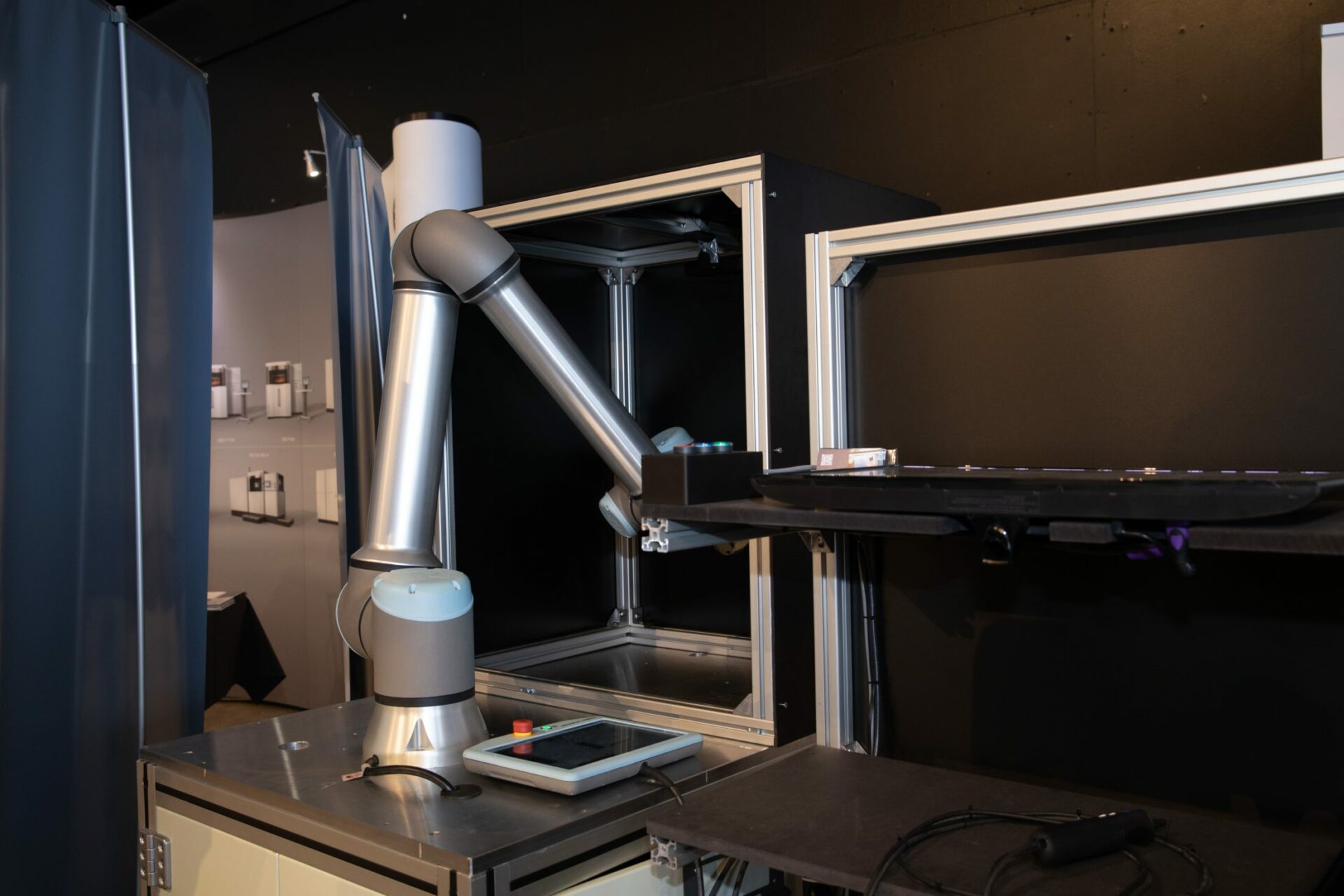
Nordbo Robotics

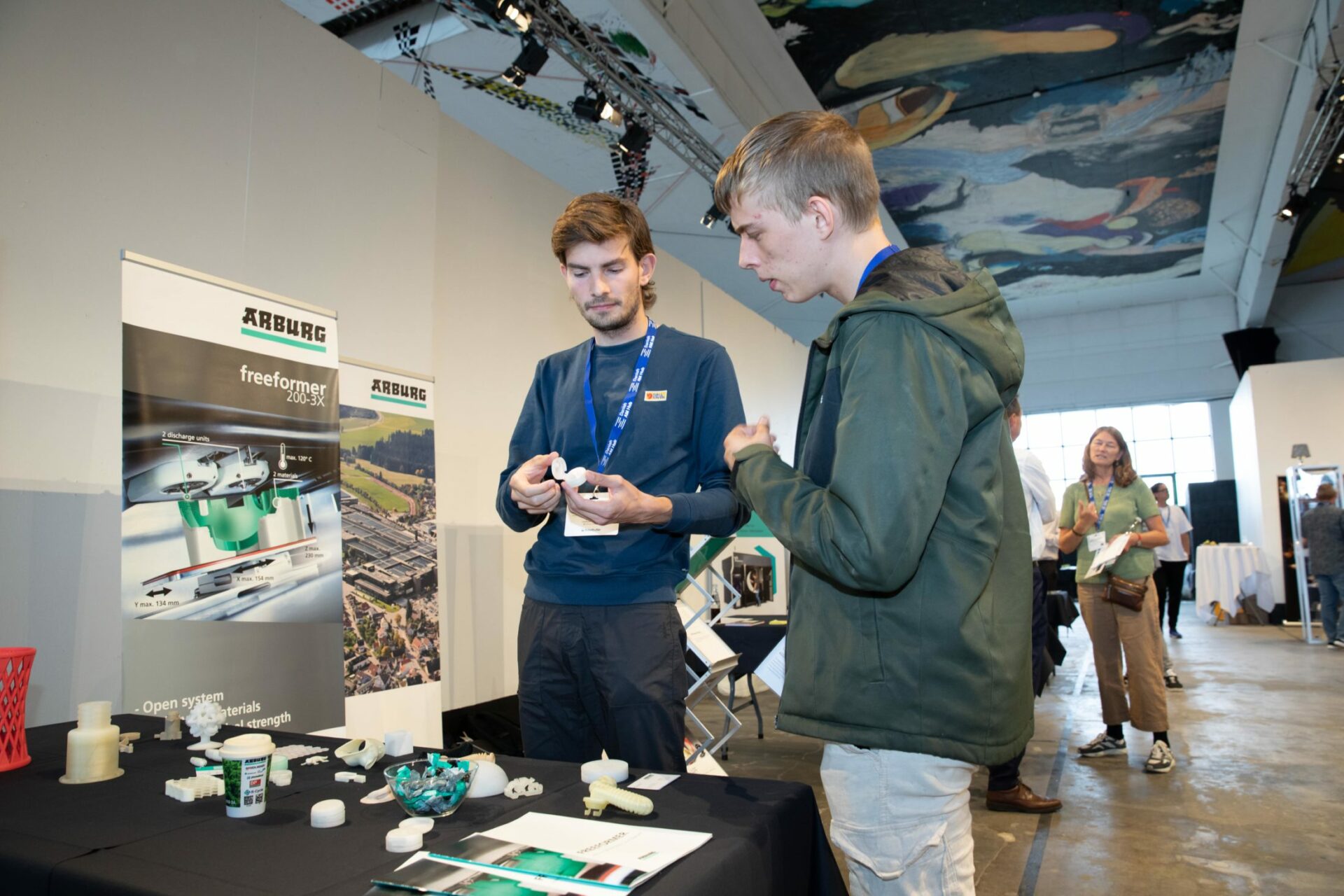
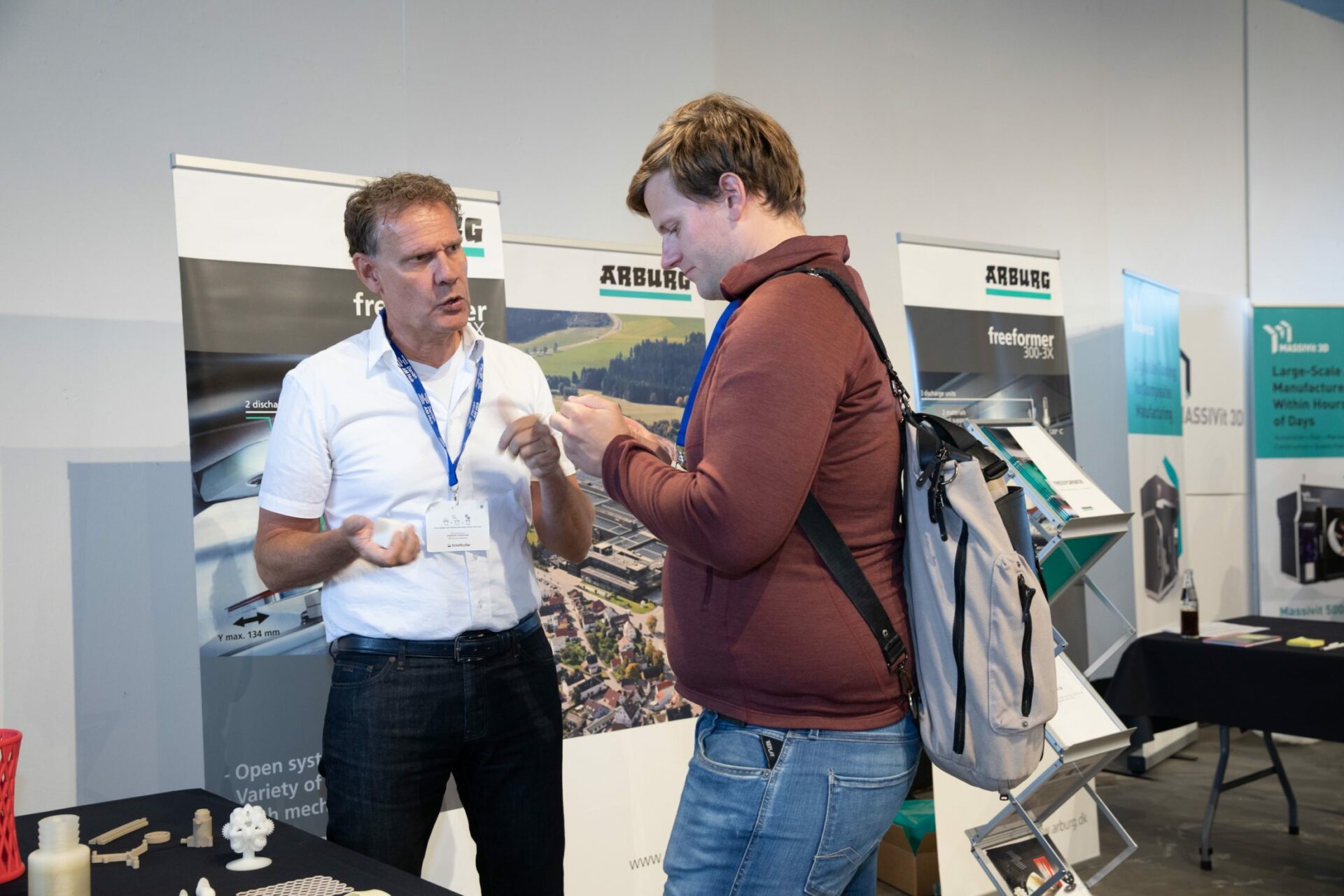
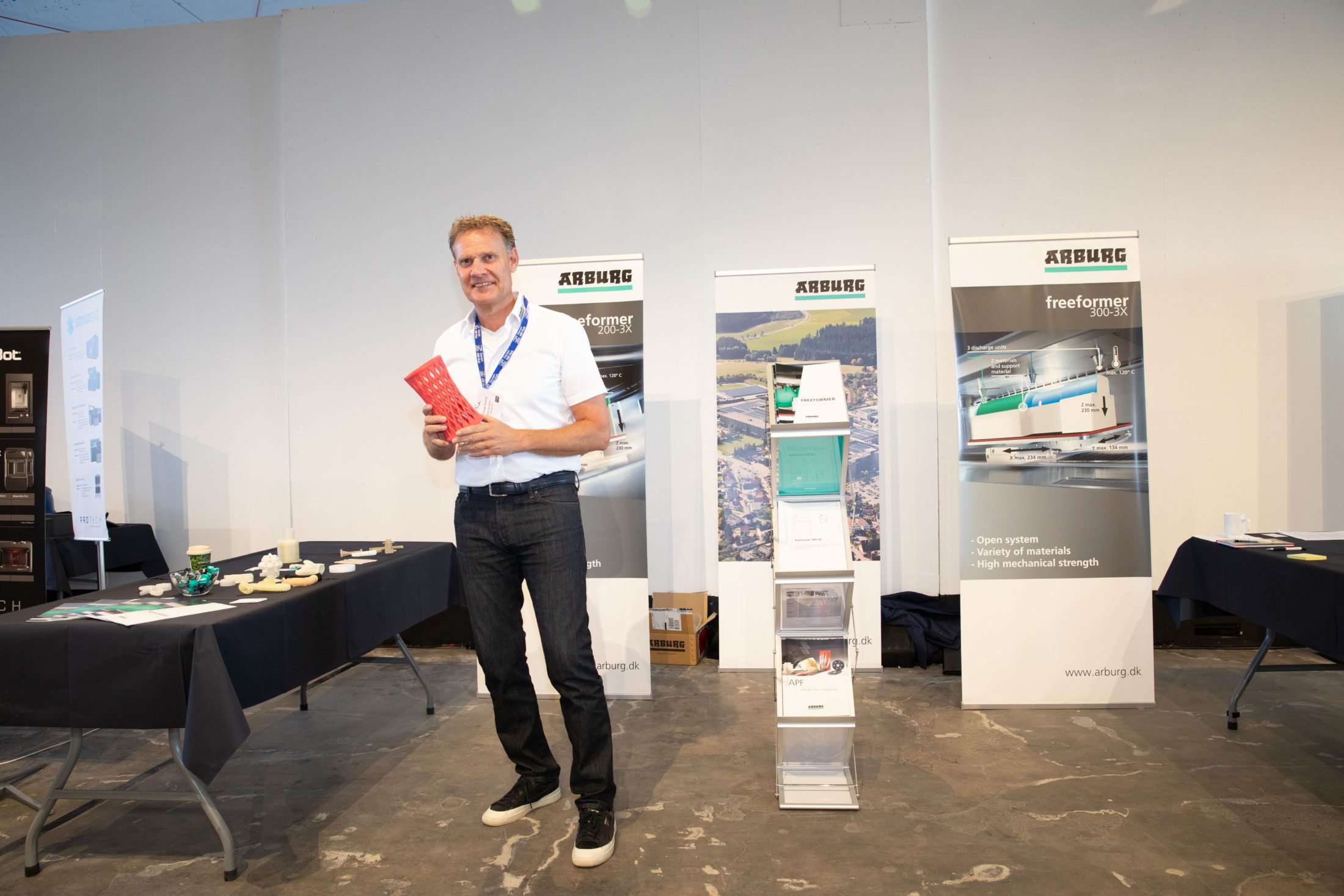
Arburg
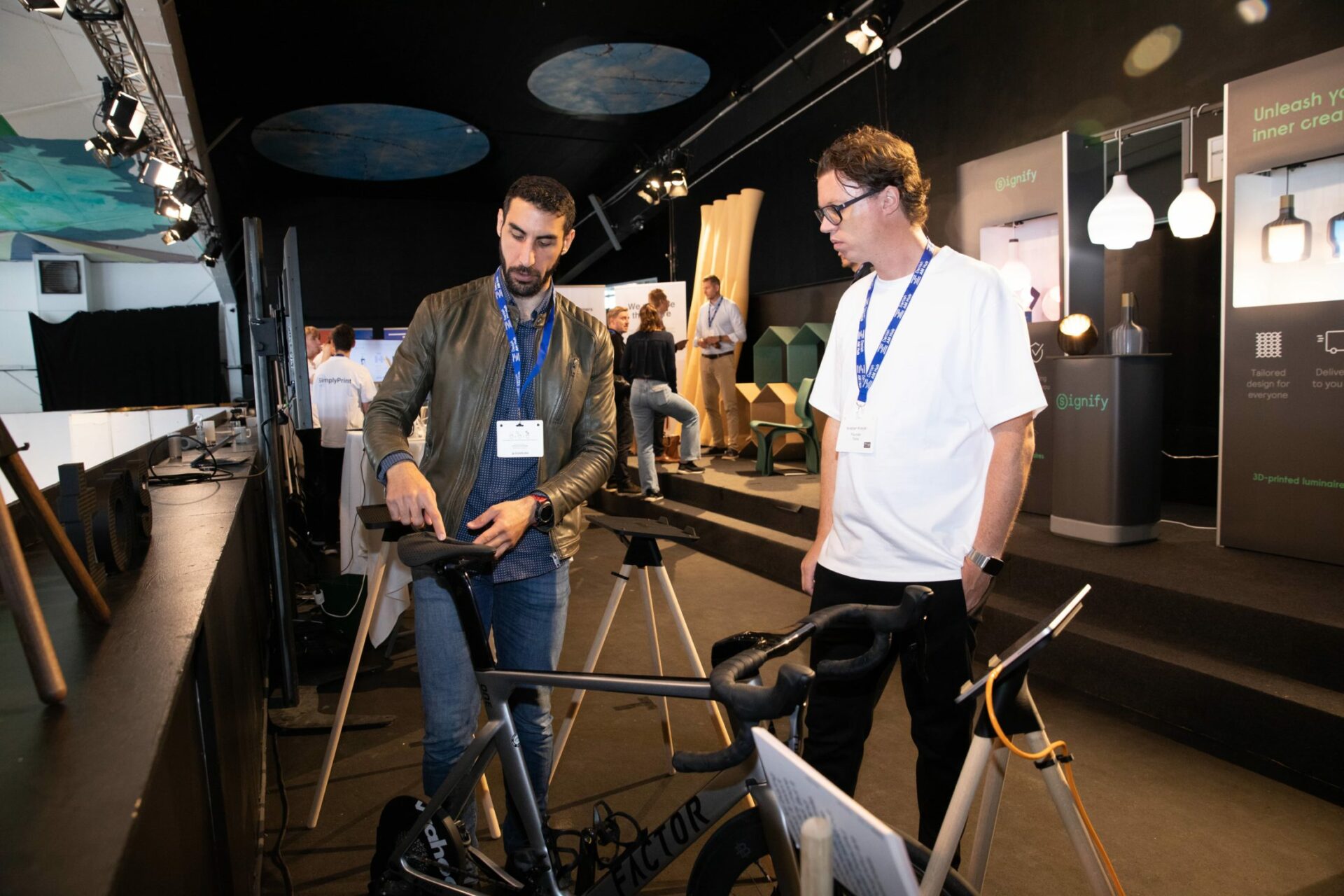
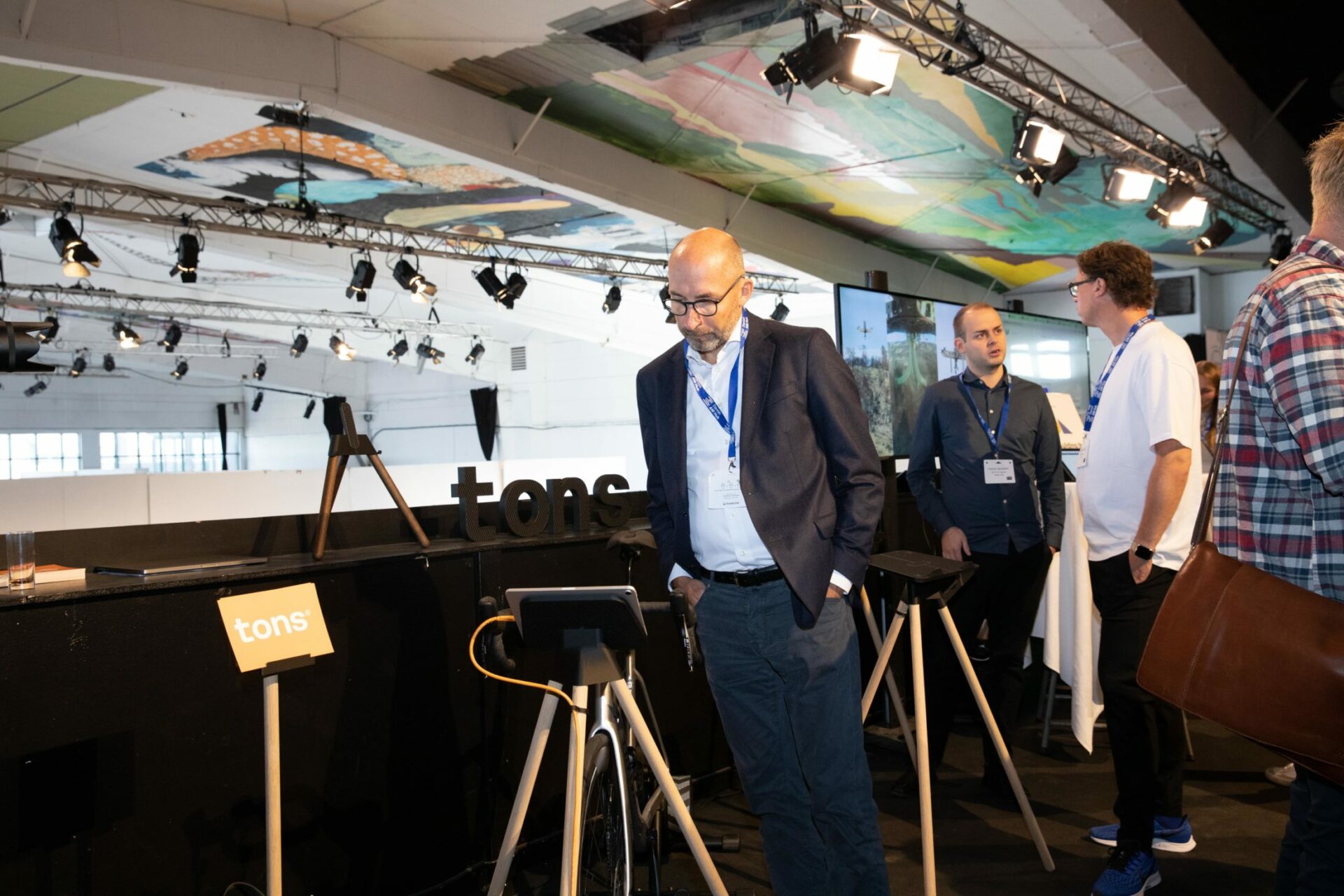
Tons.Bike
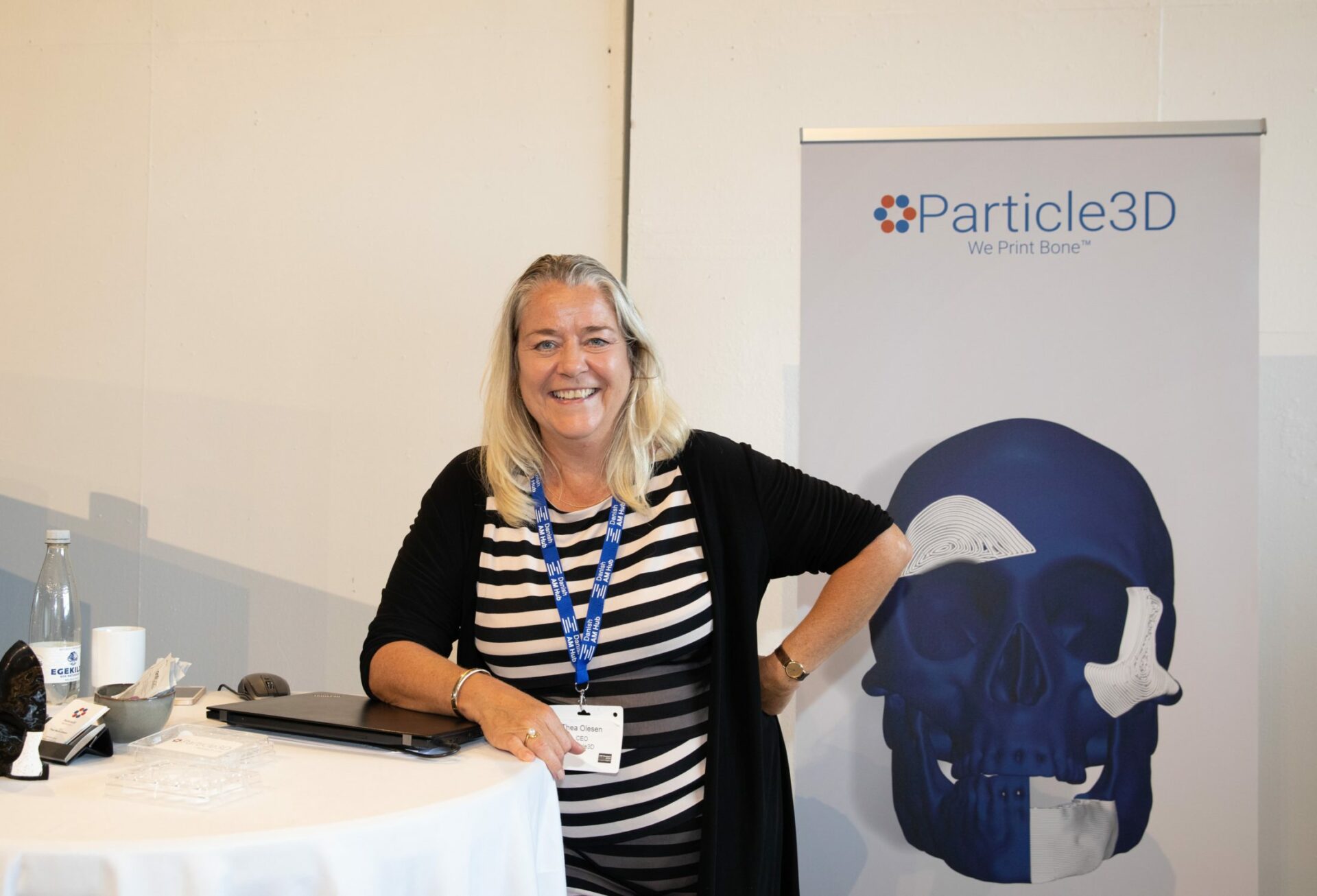
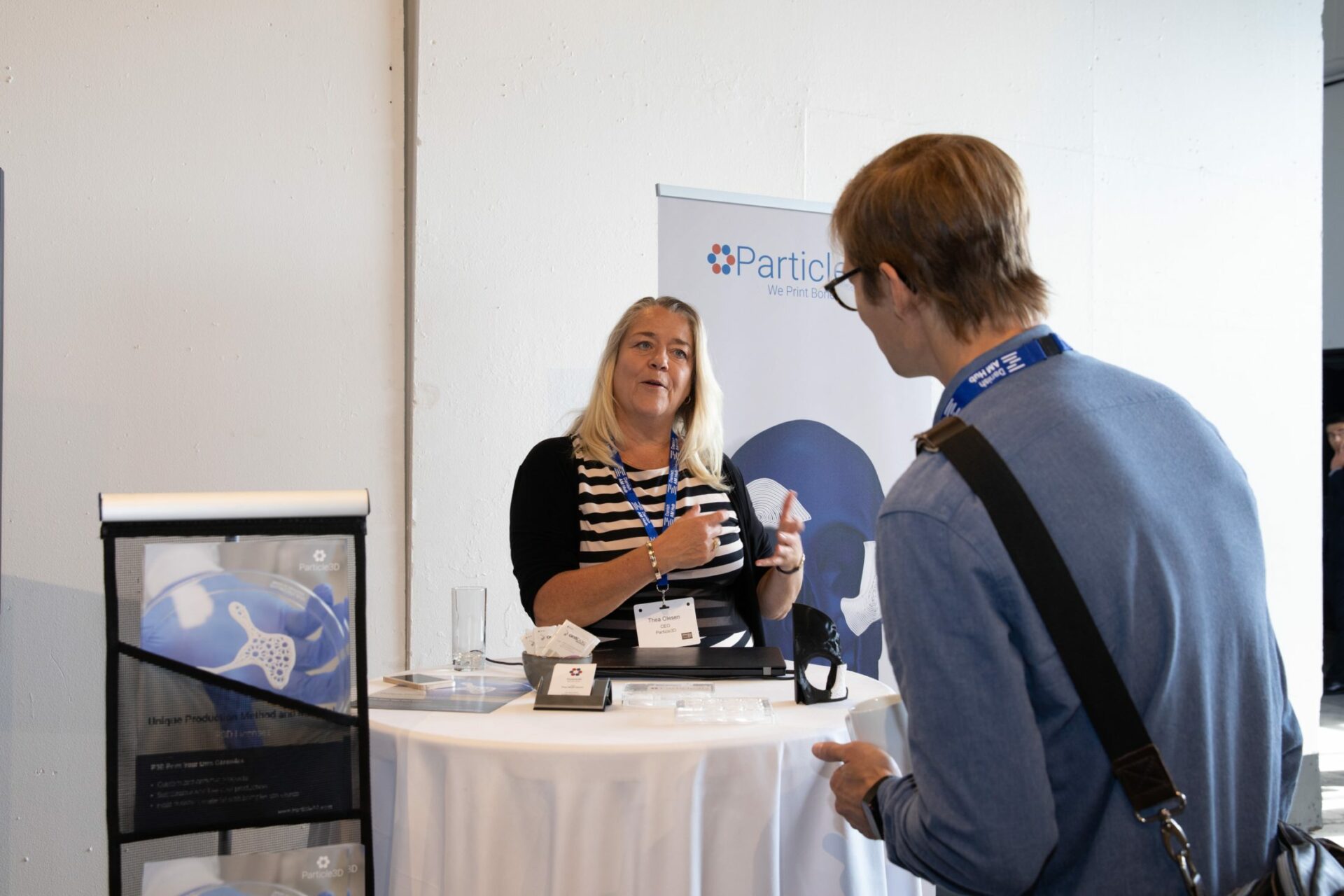
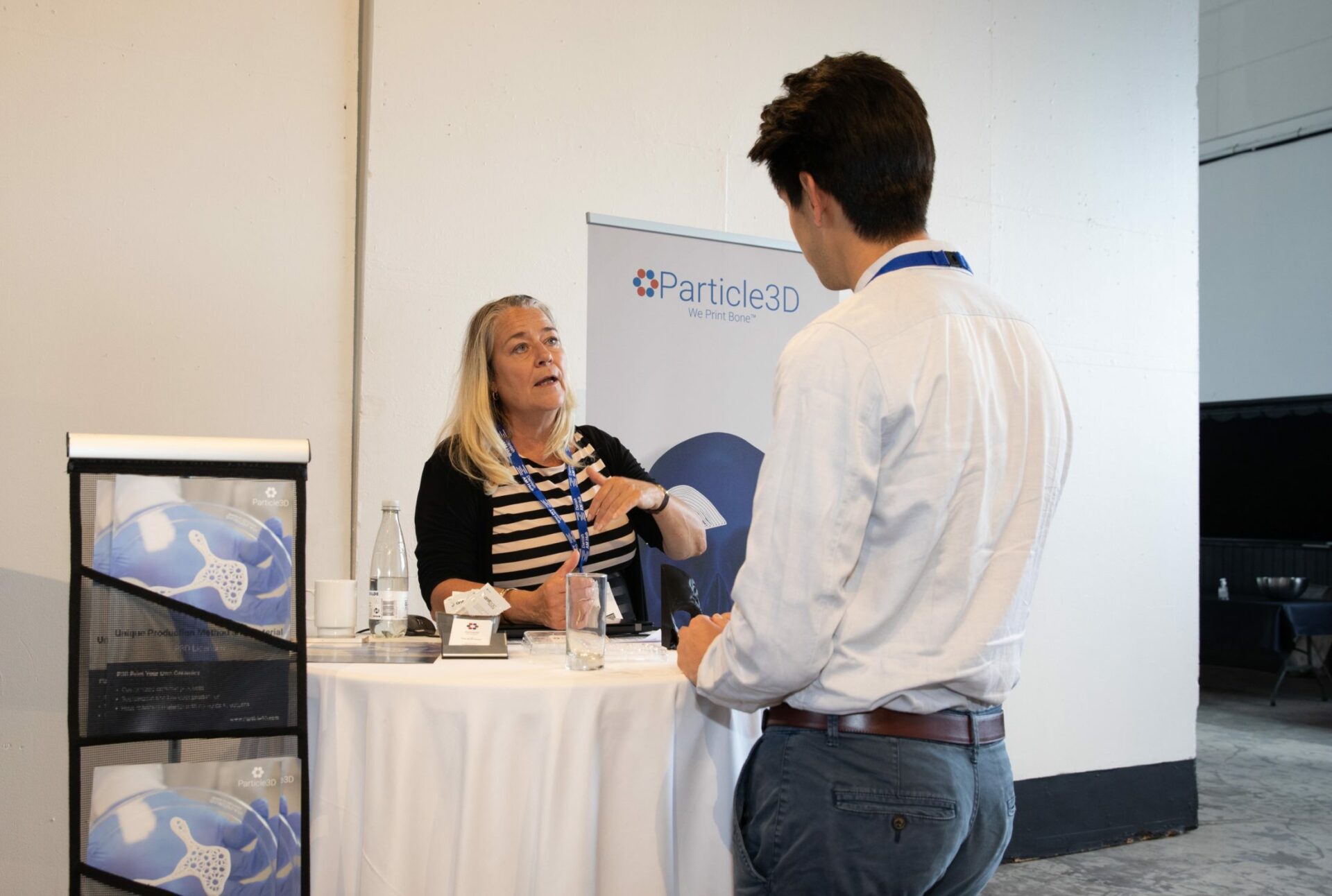
Particle3D
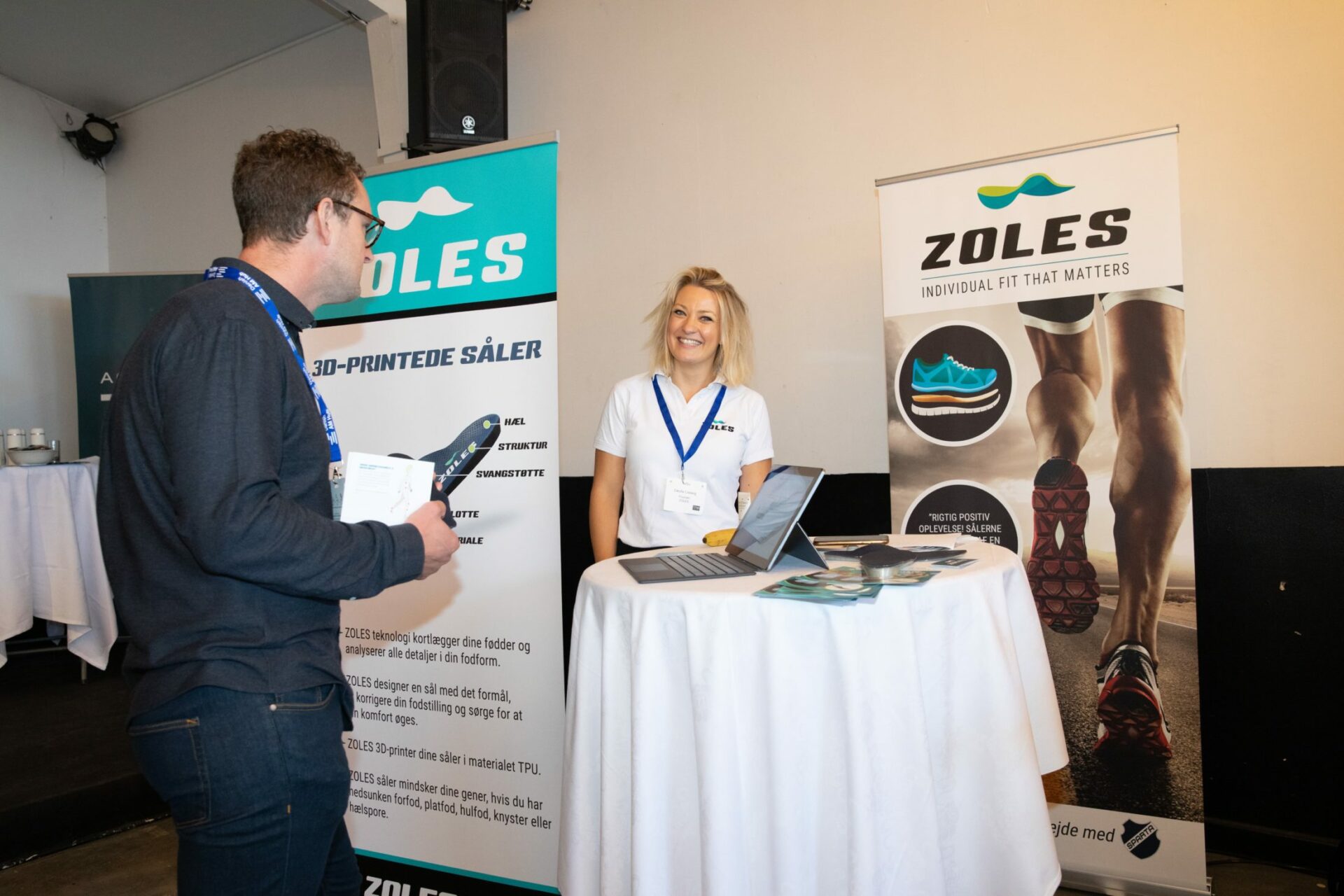
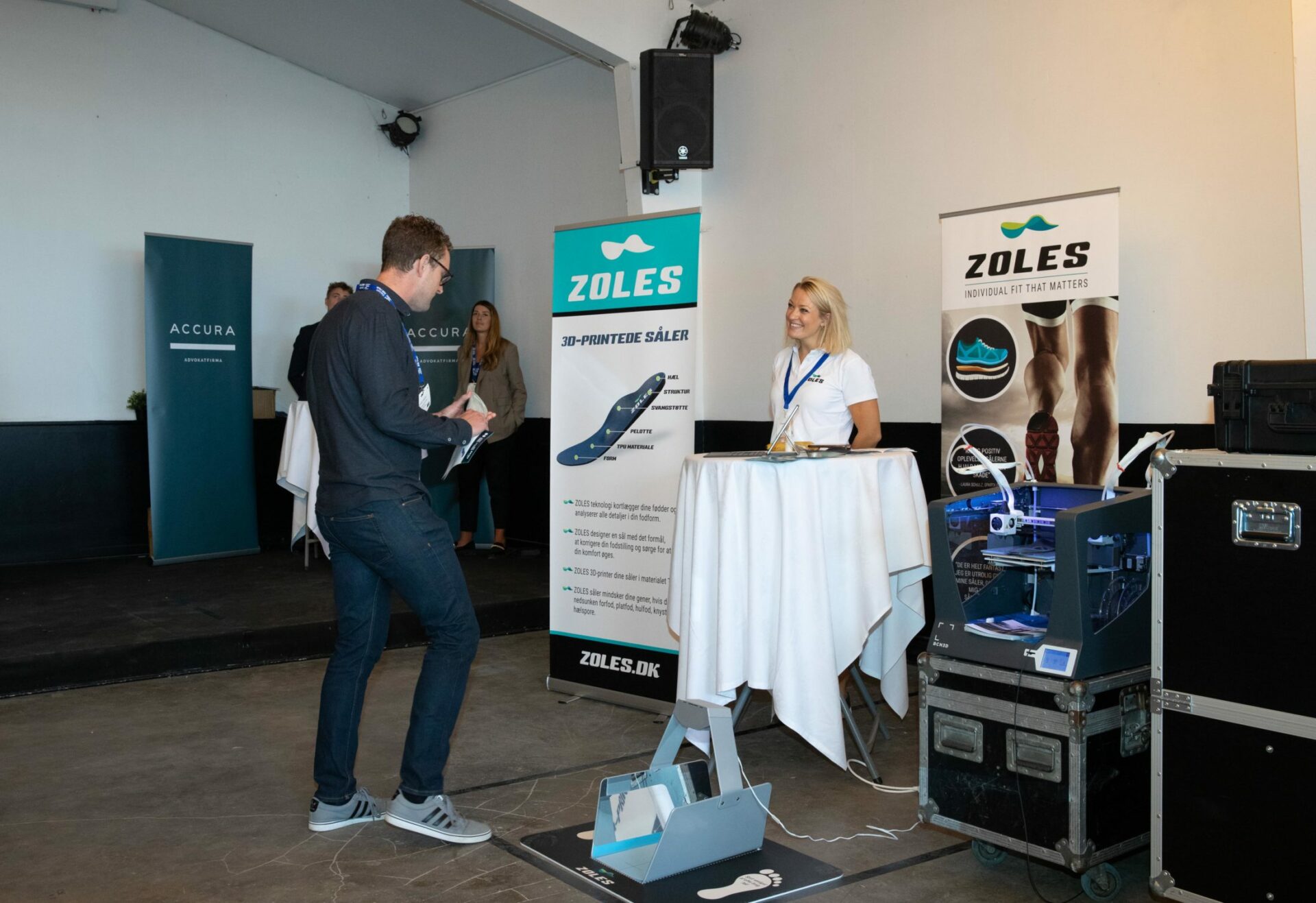
Zoles
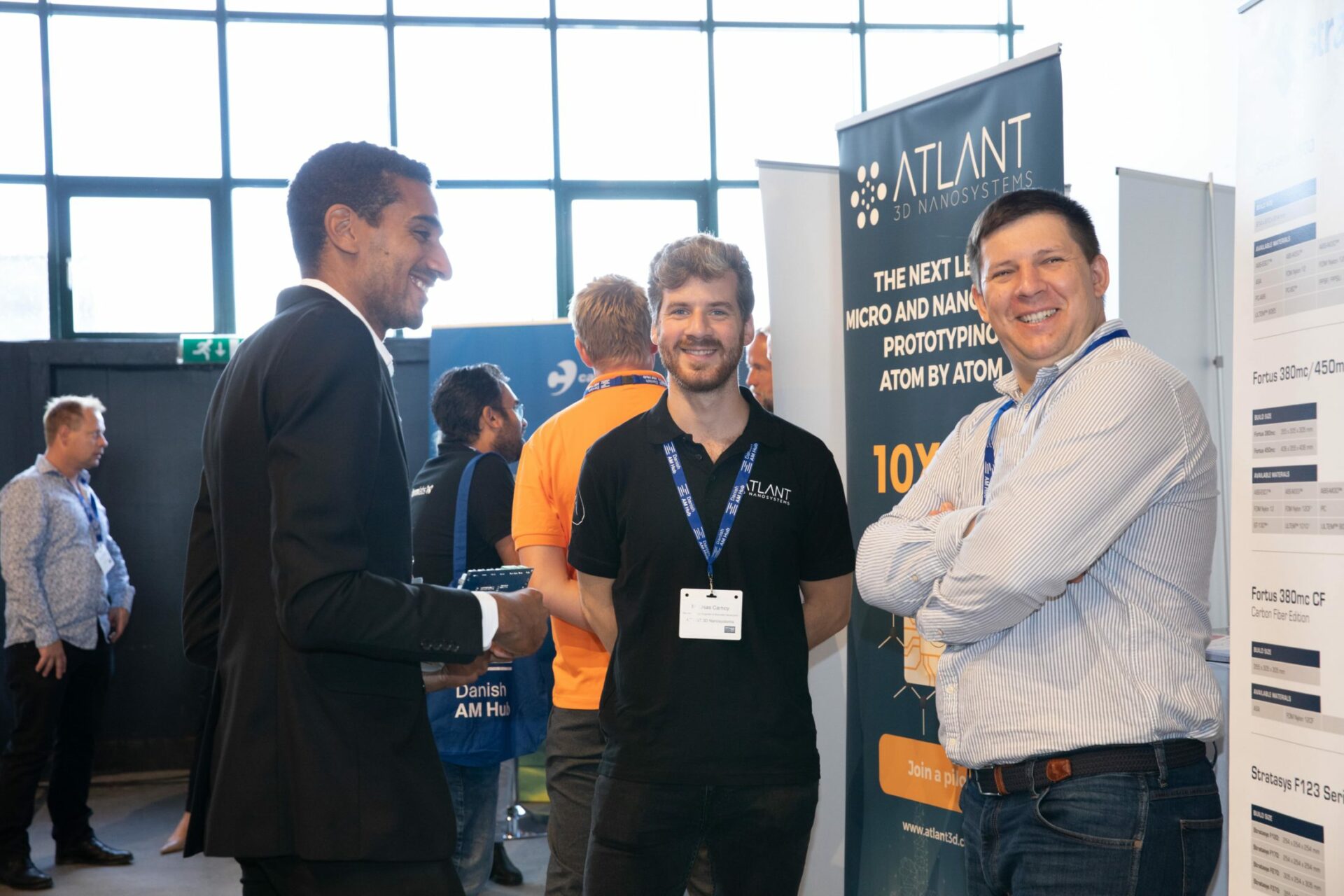
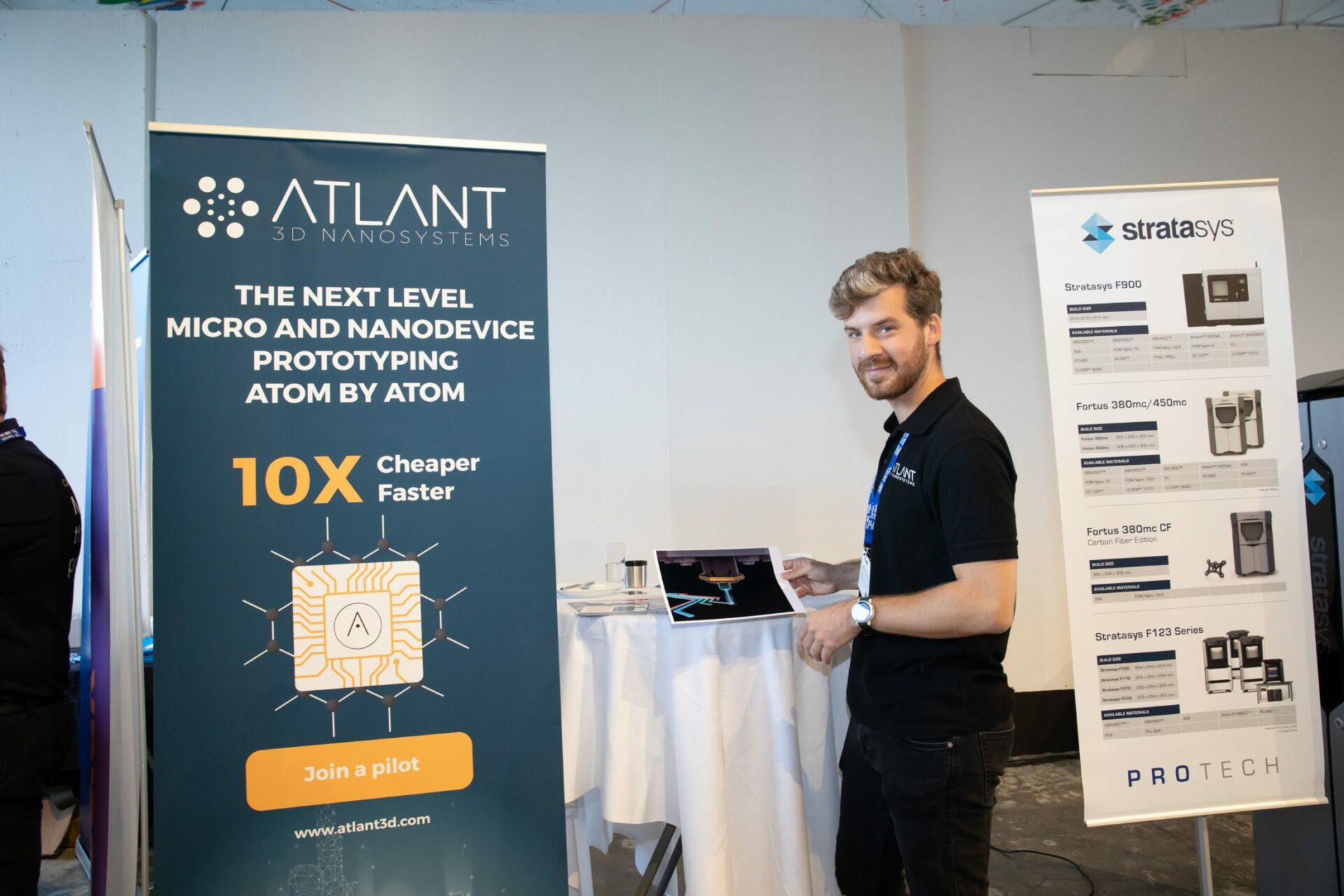
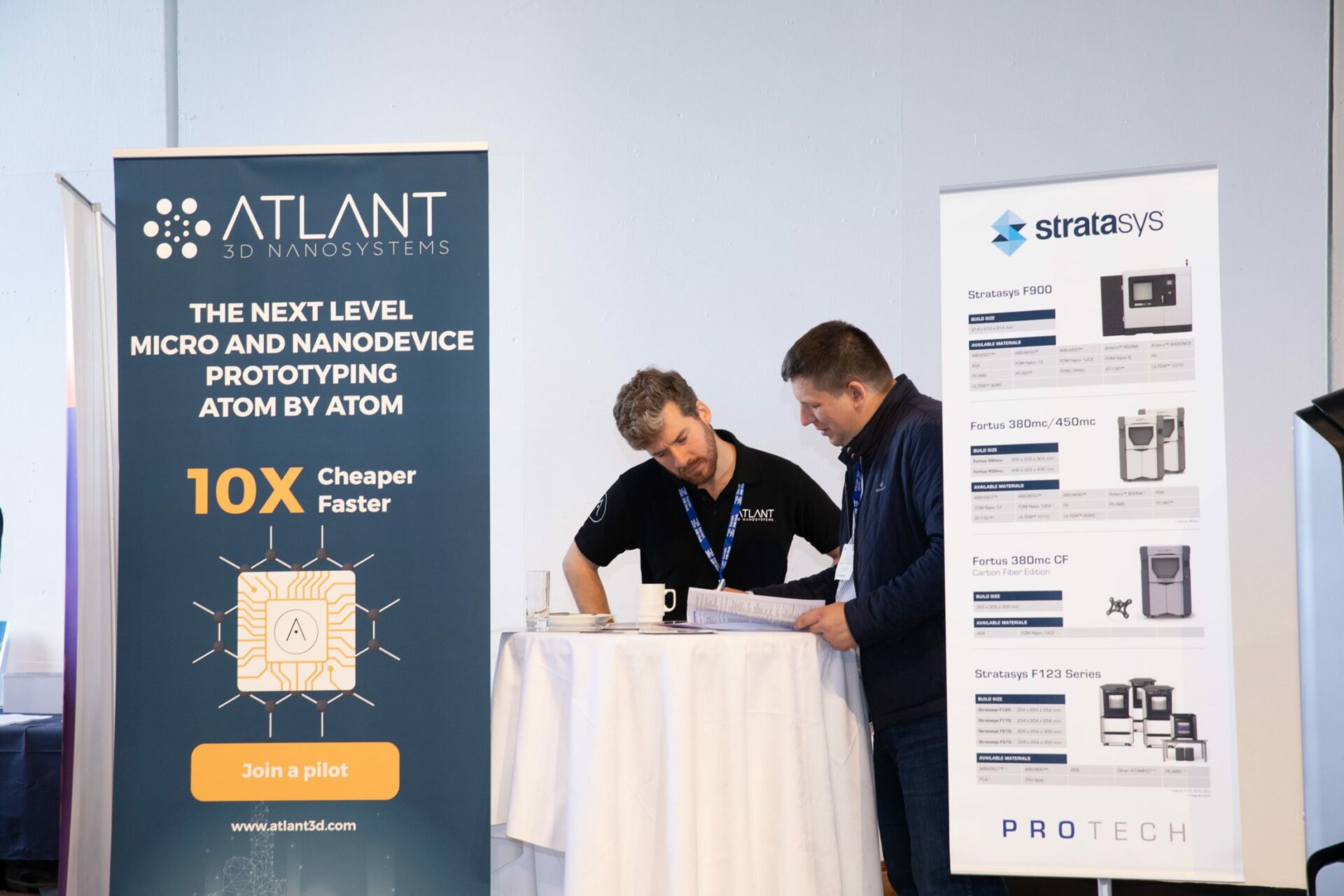
ATLANT3D NANOSYSTEMS
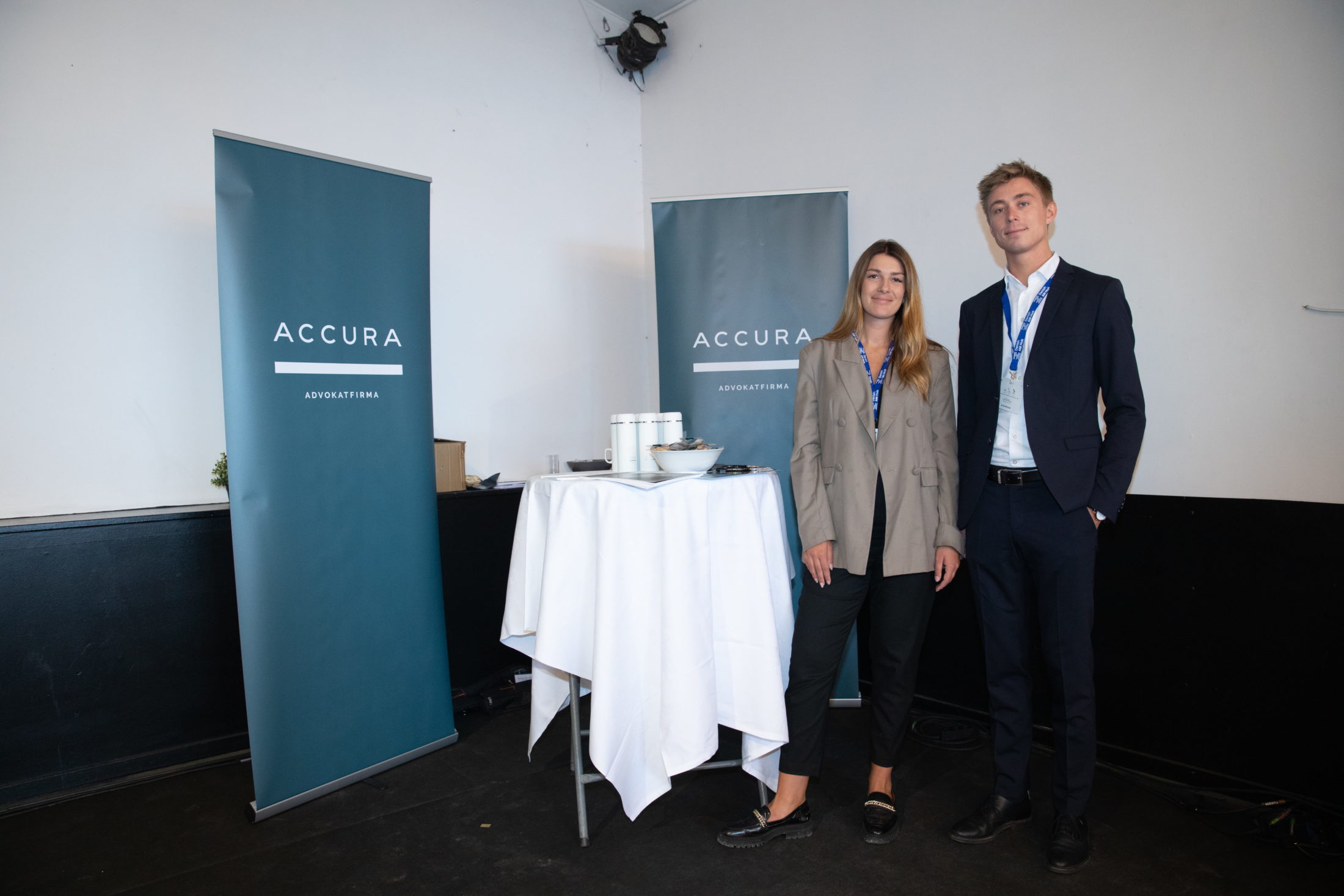
Accura
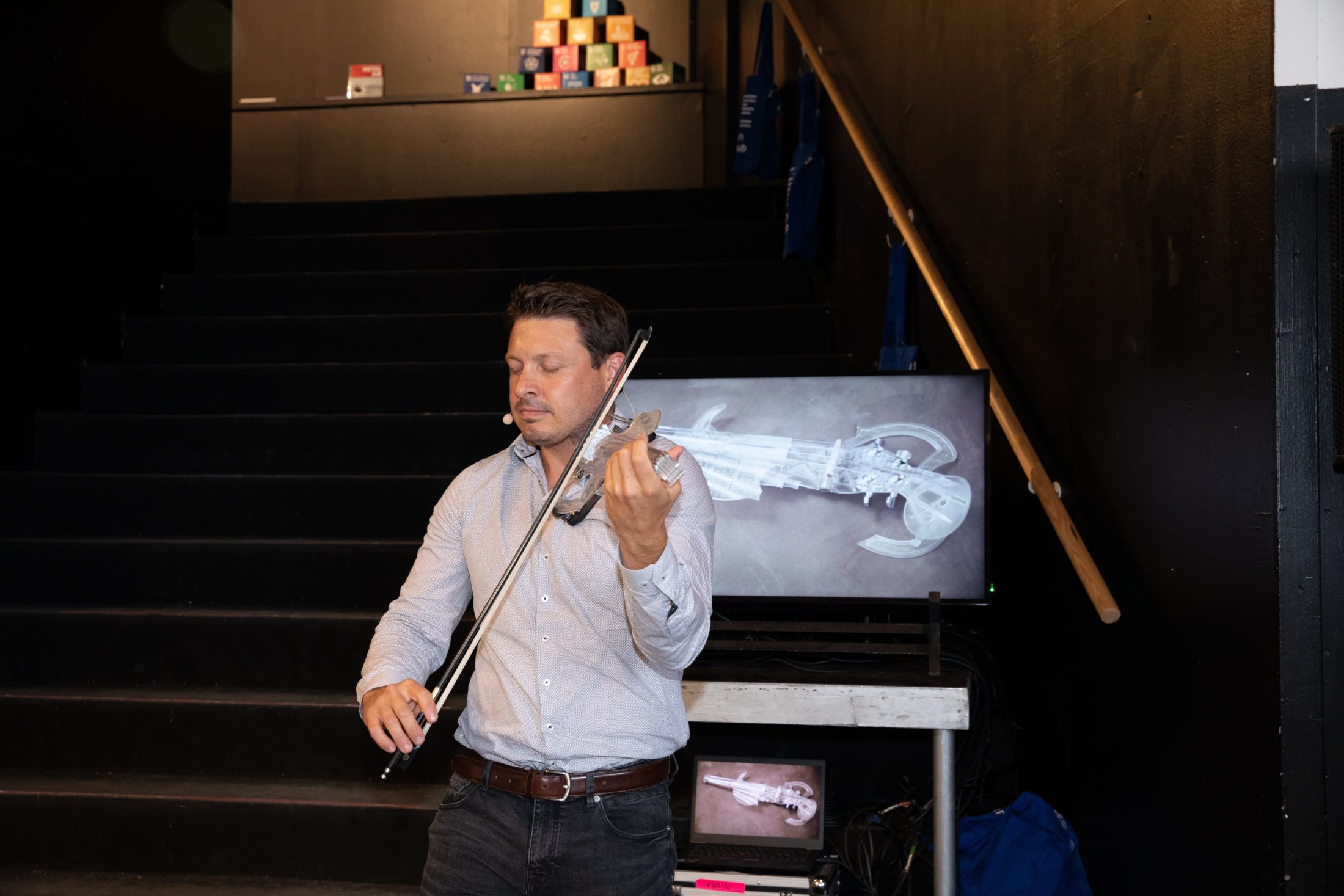
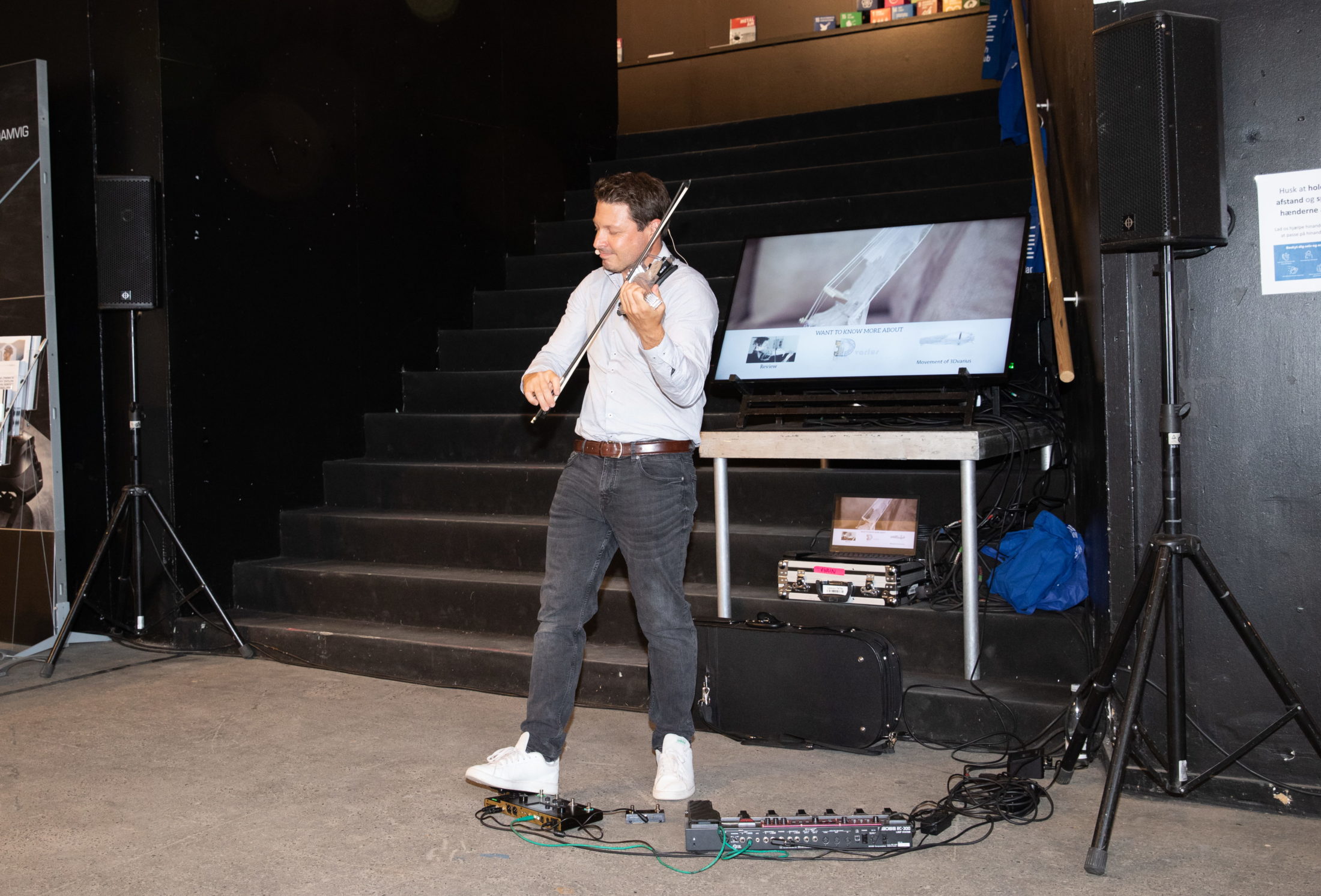
3DVarius
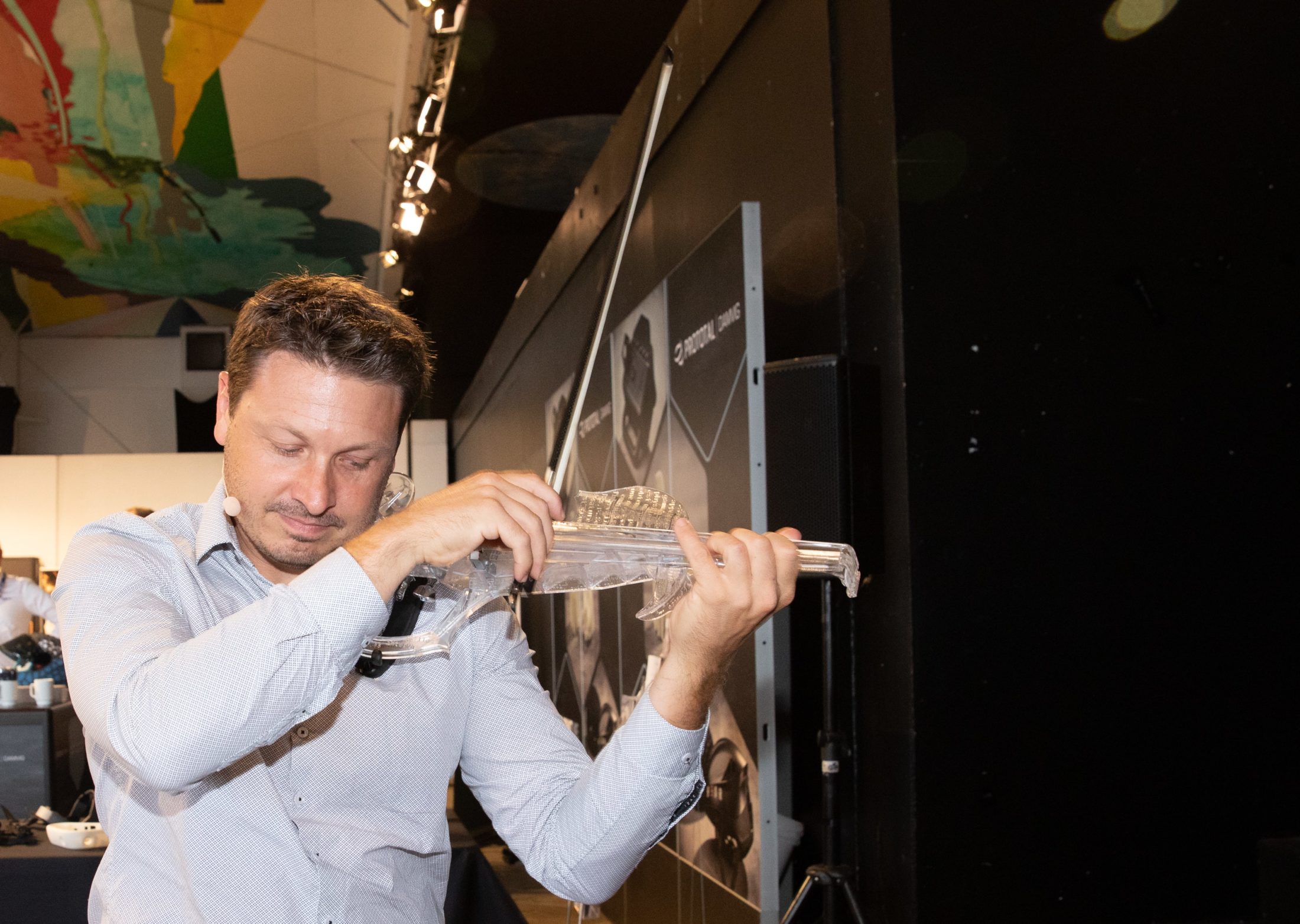
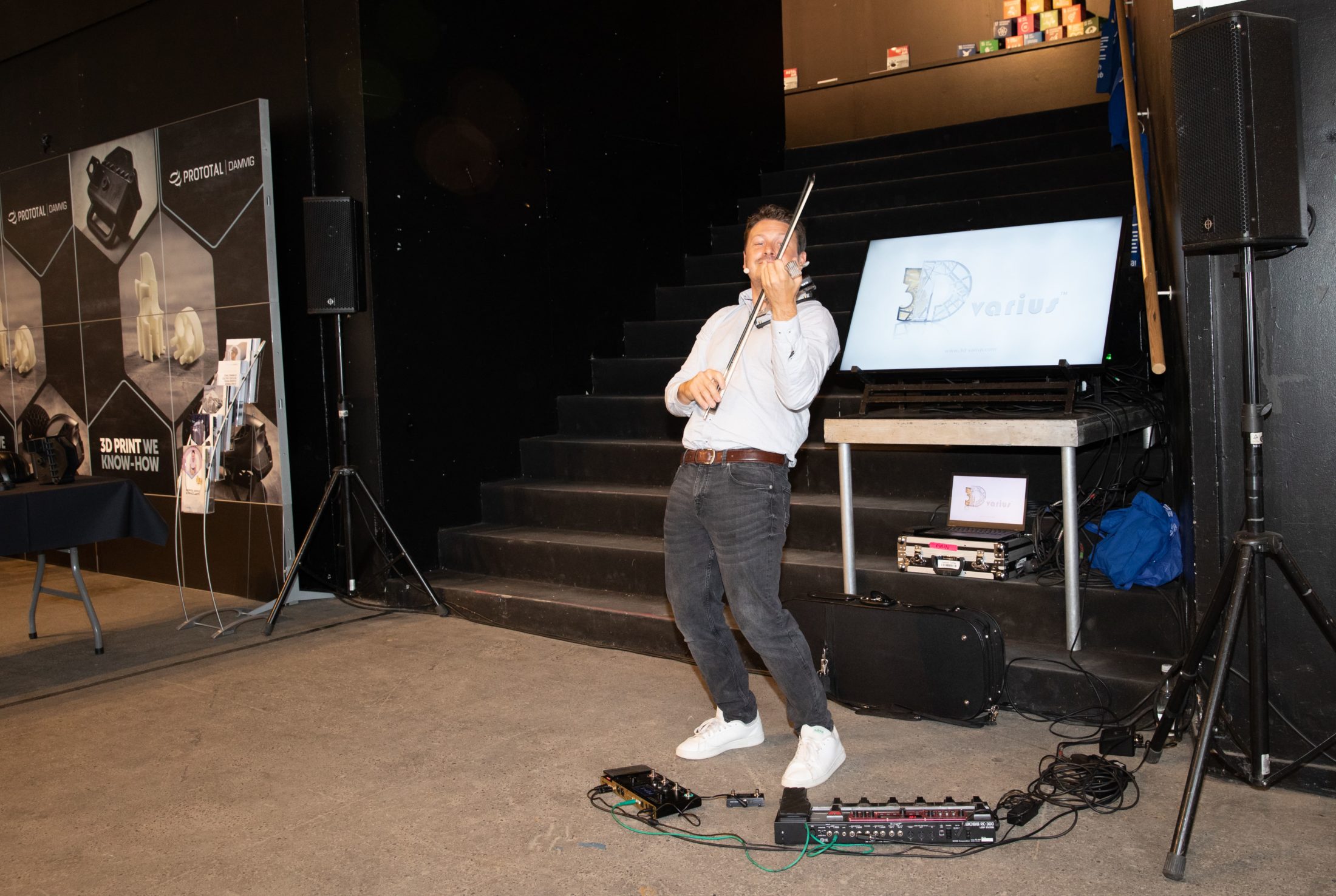
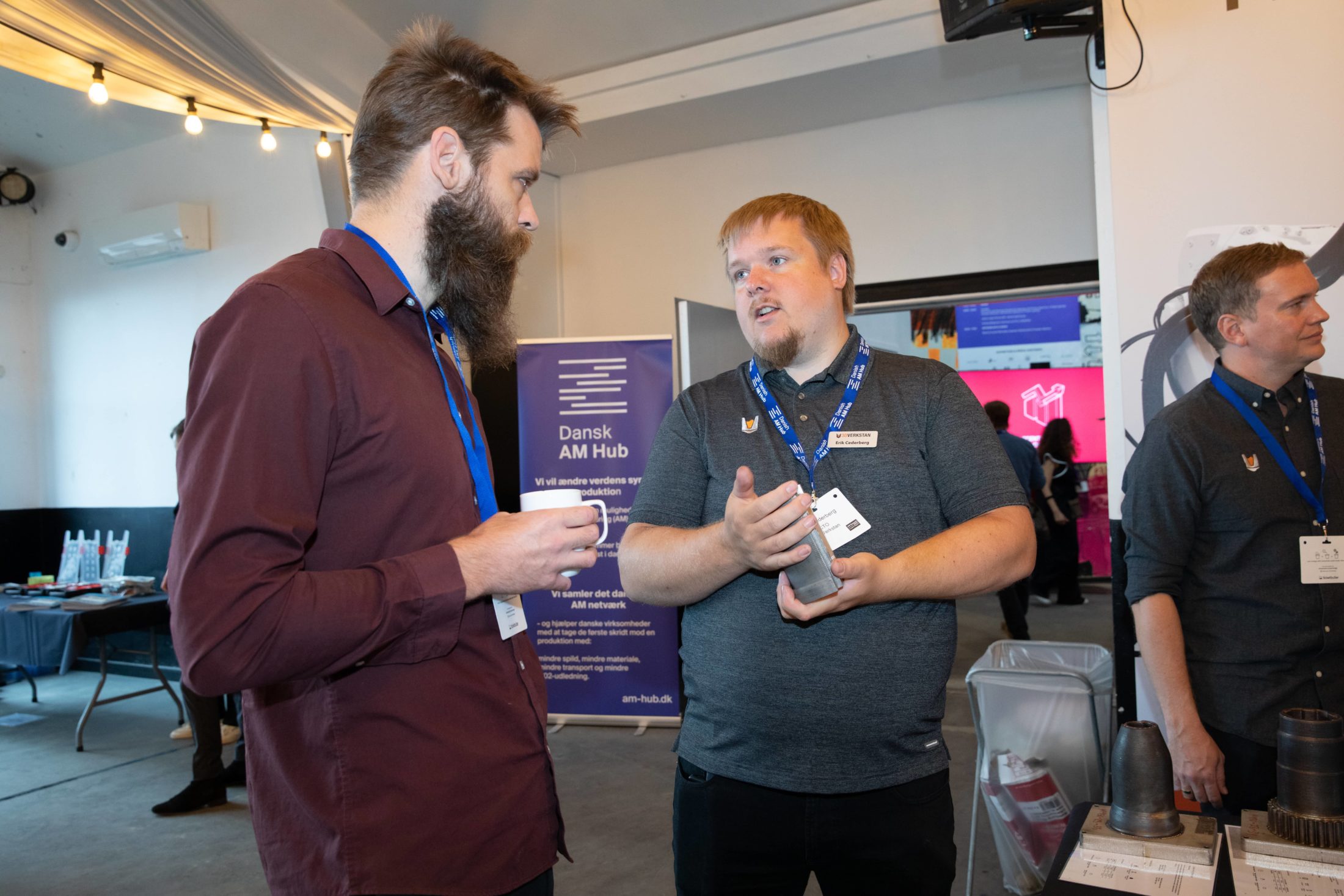
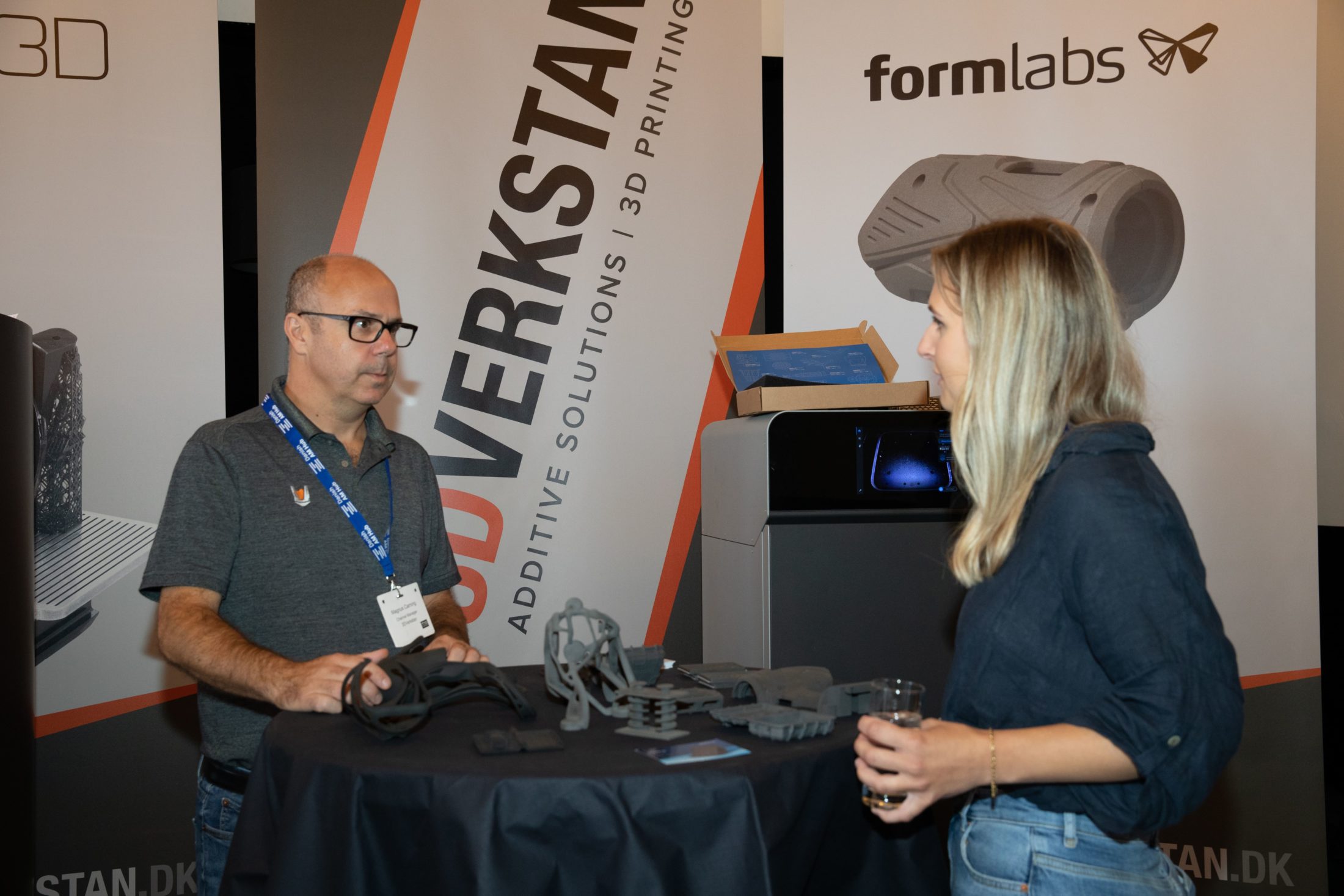
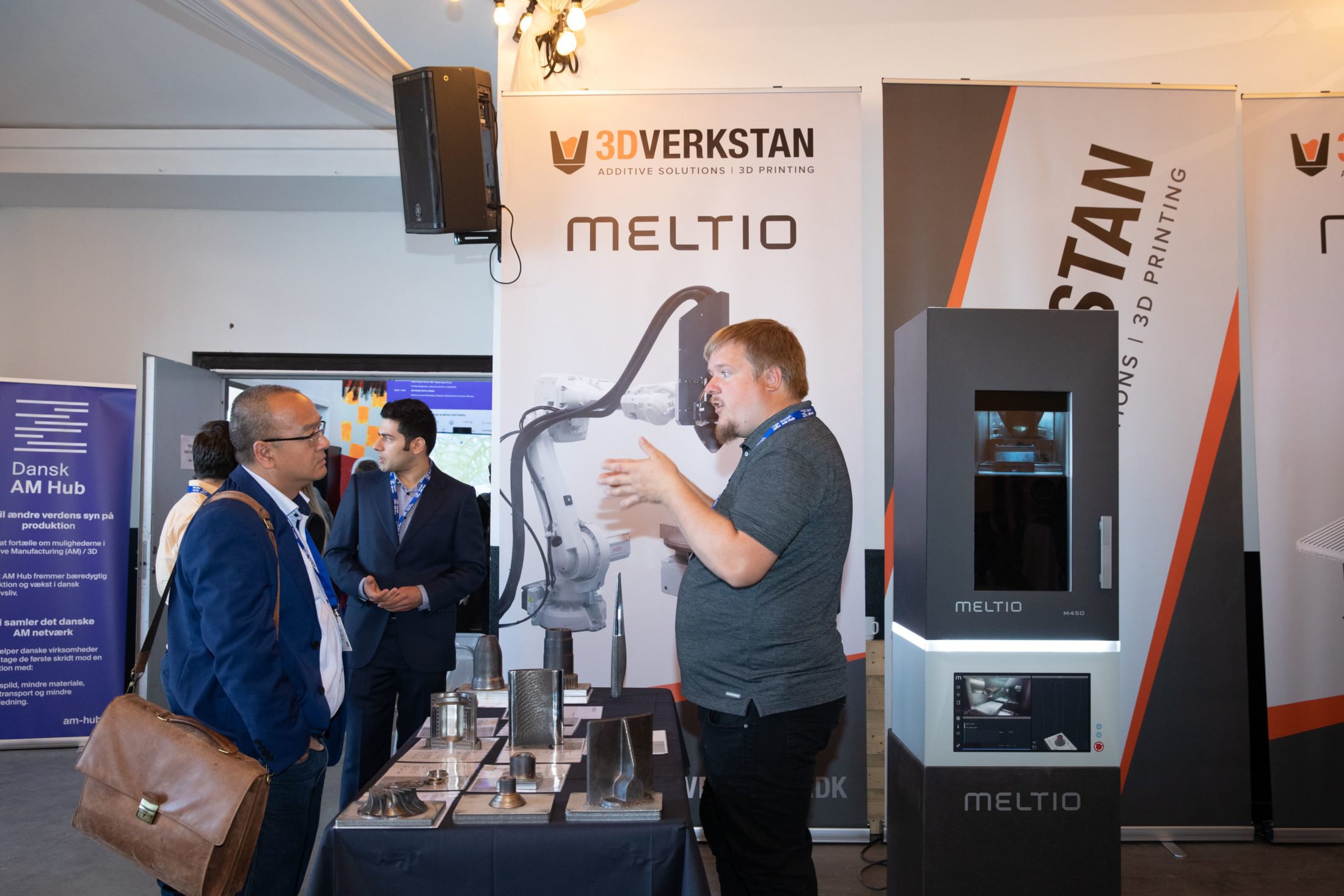
3DVerkstan
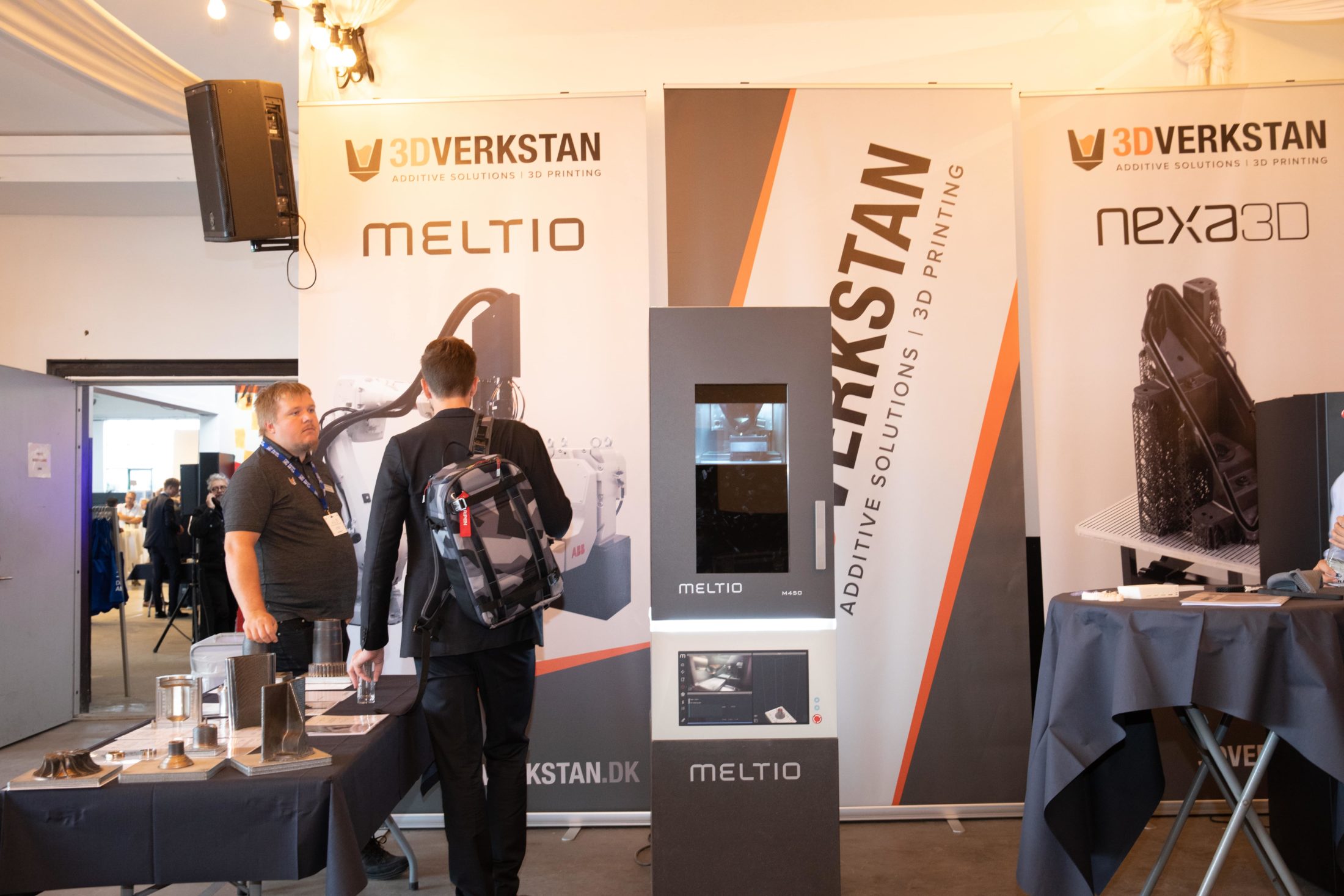
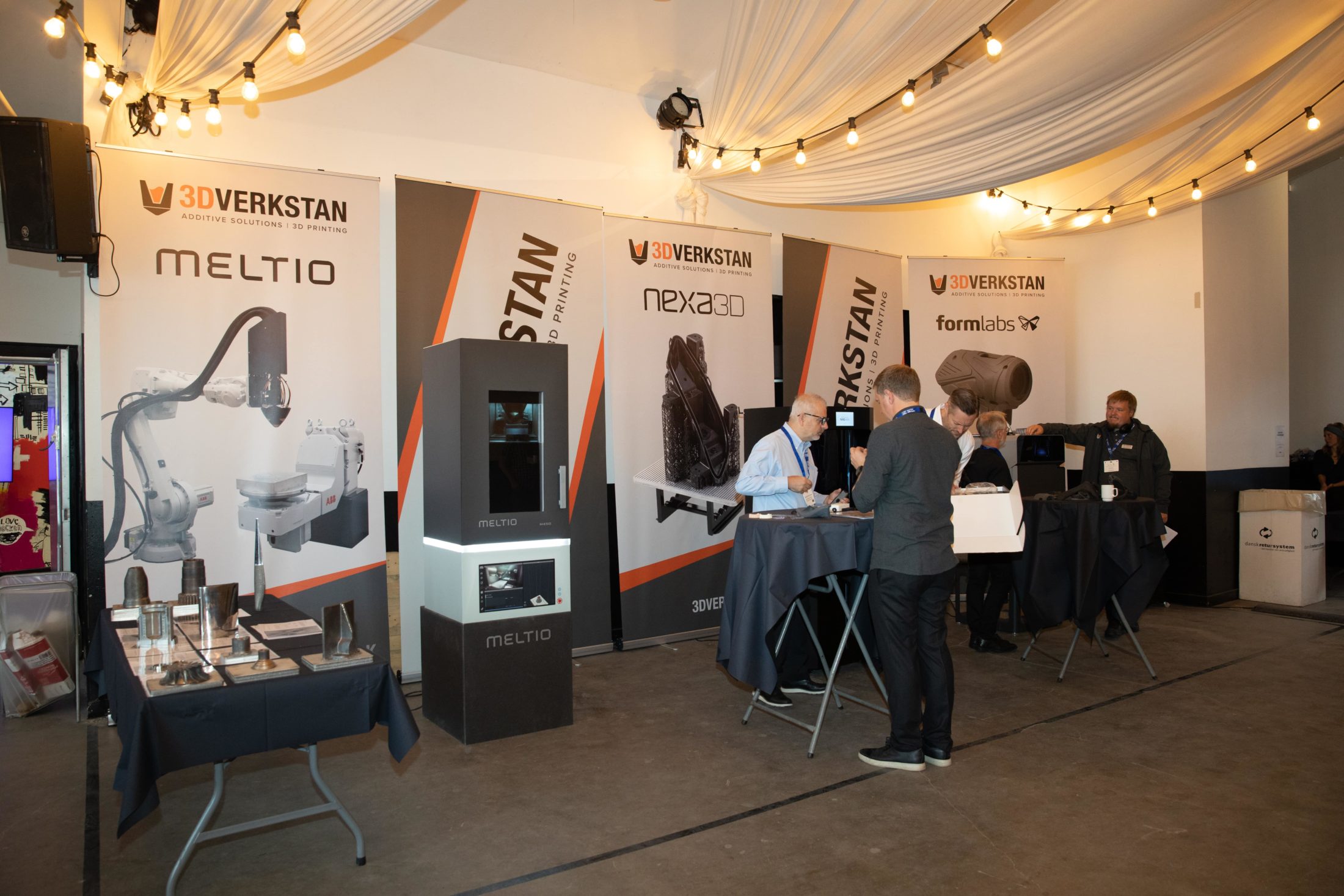
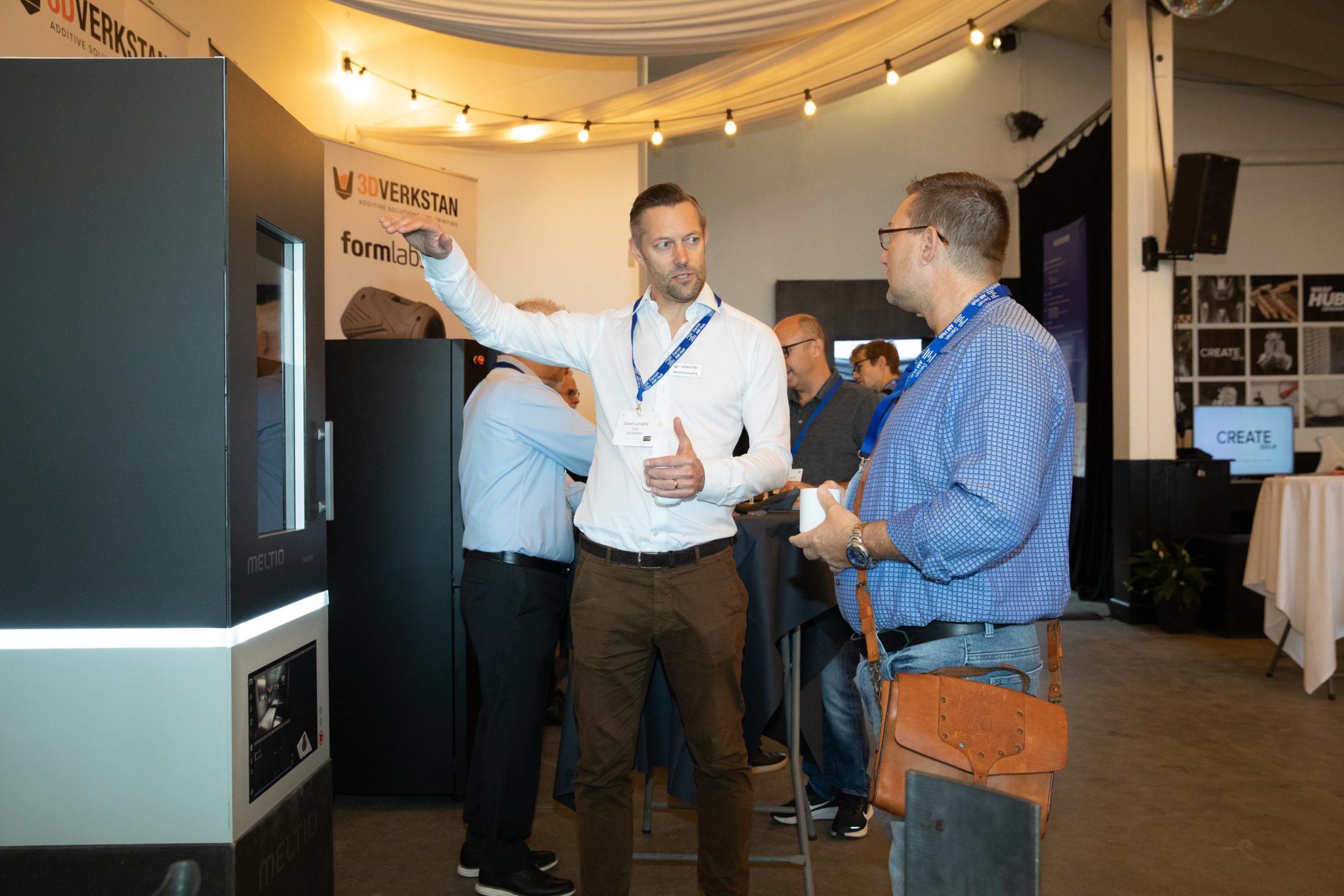
KADK
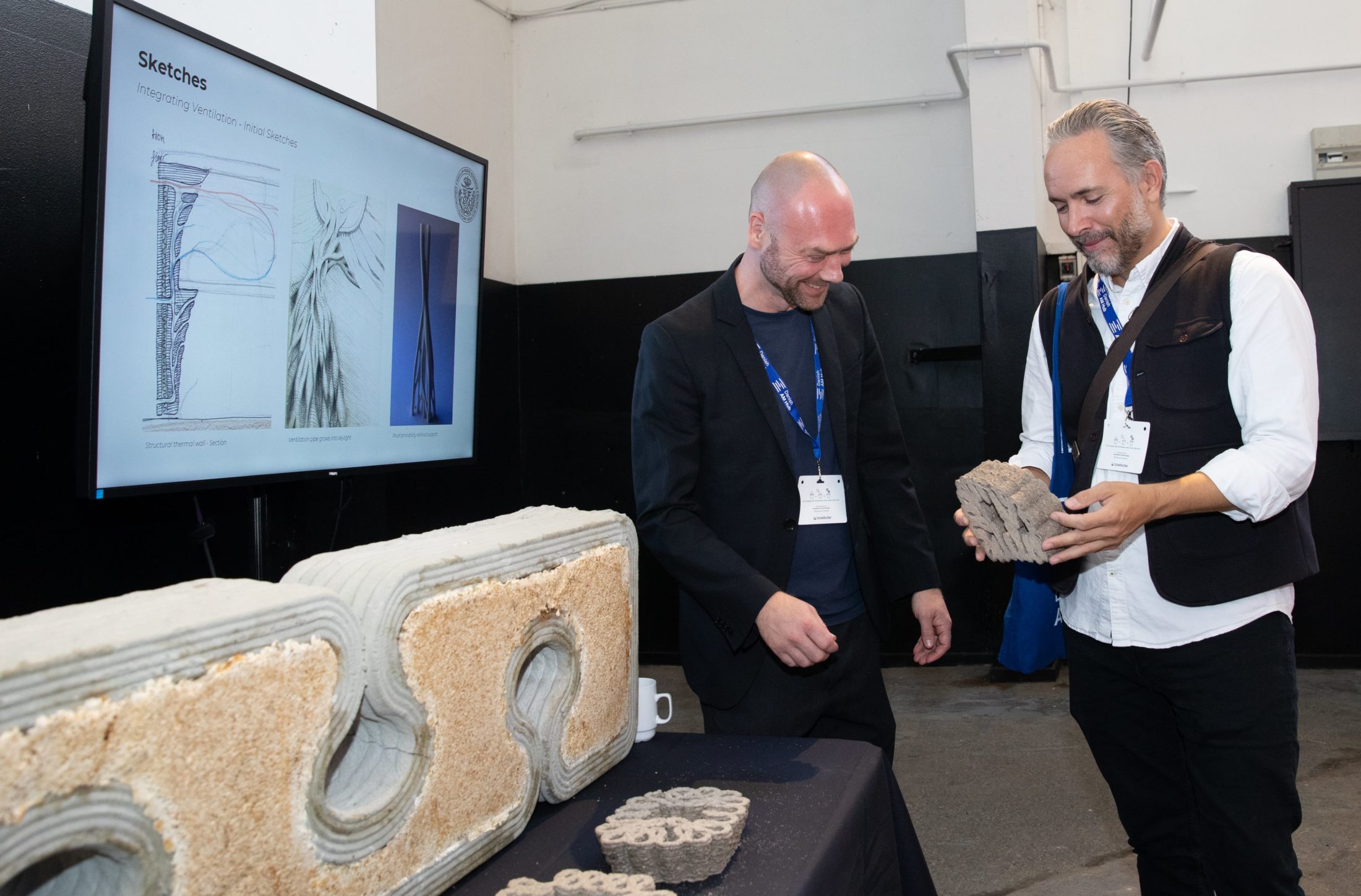
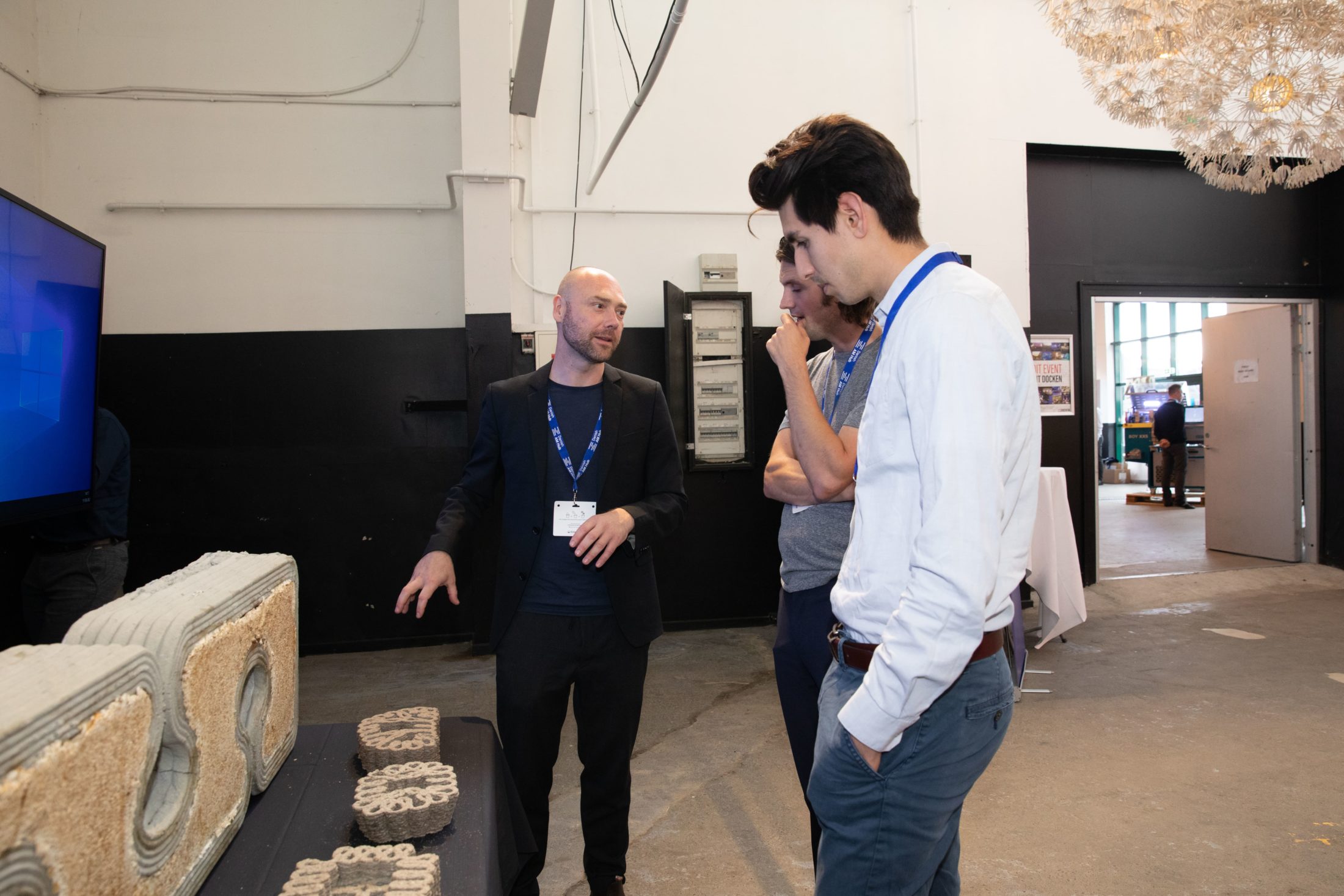
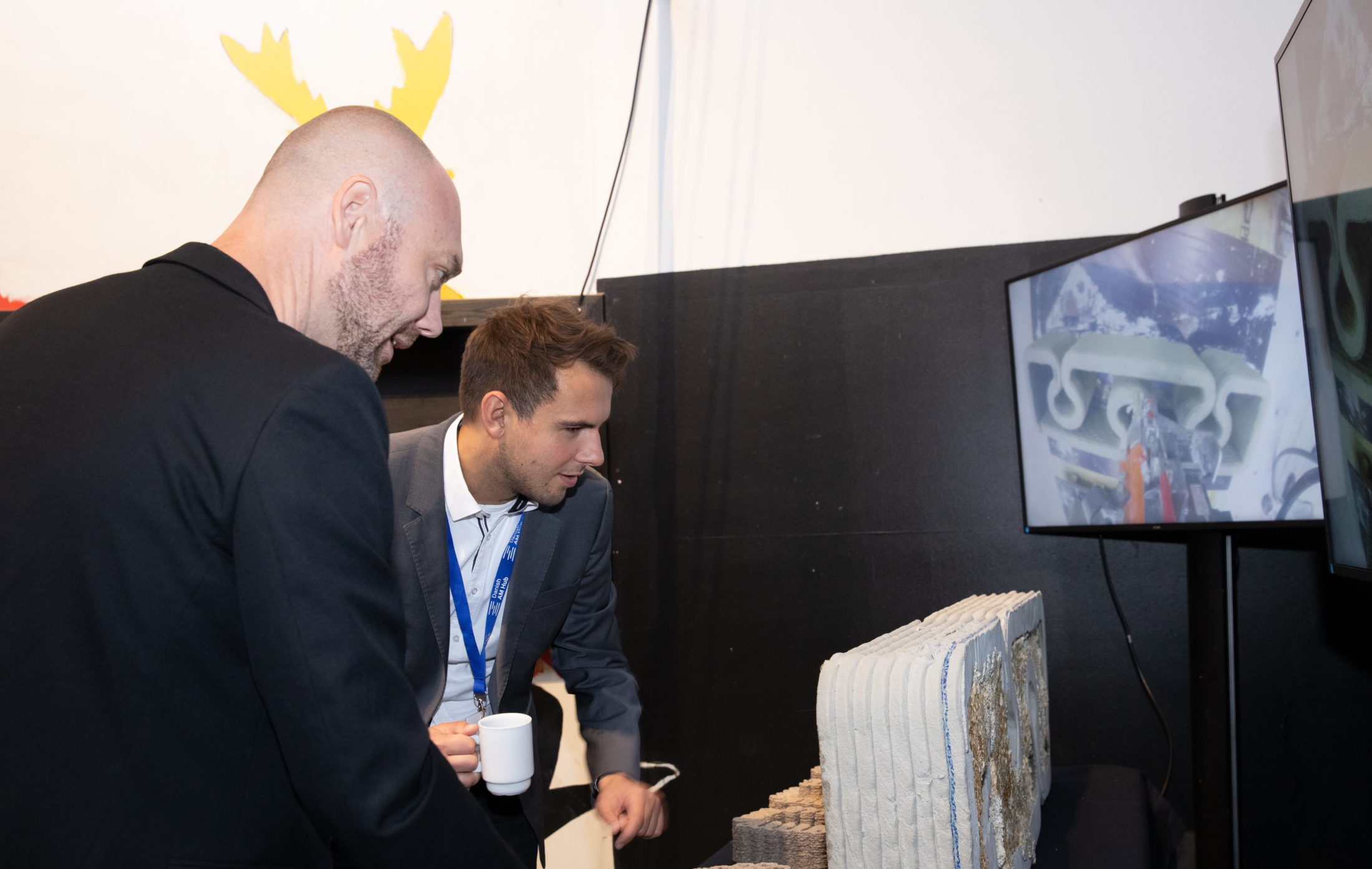

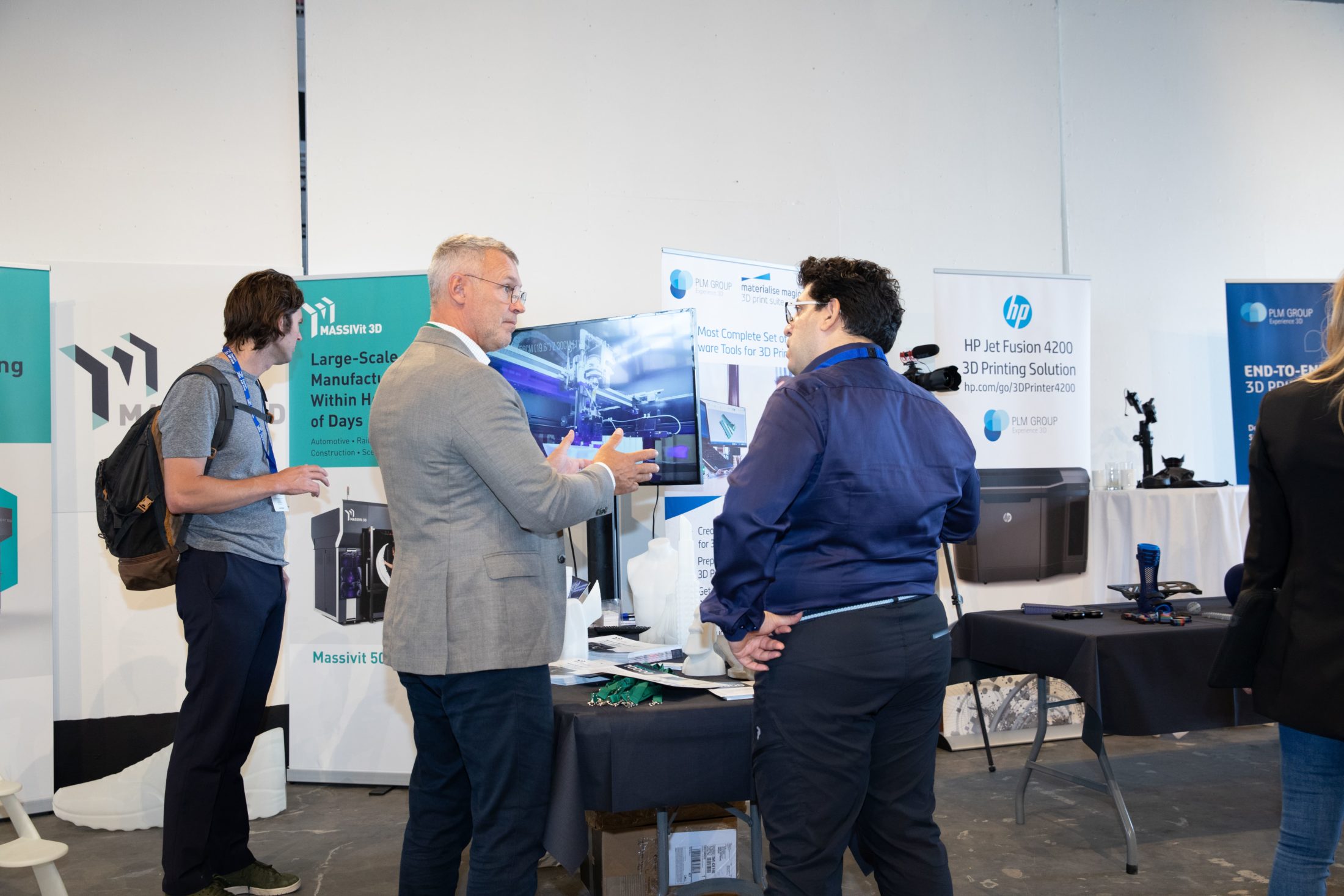
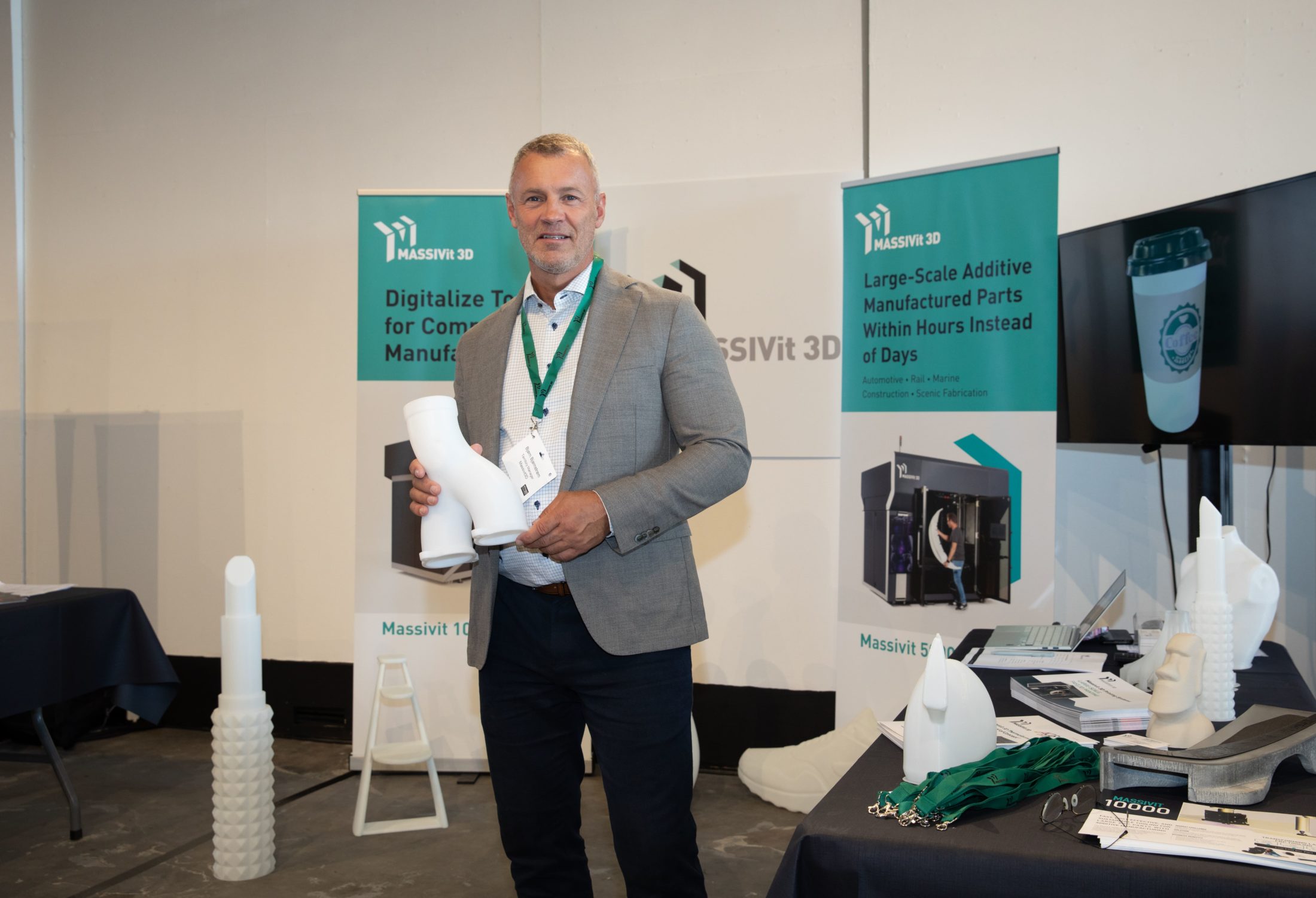
Massivit3D

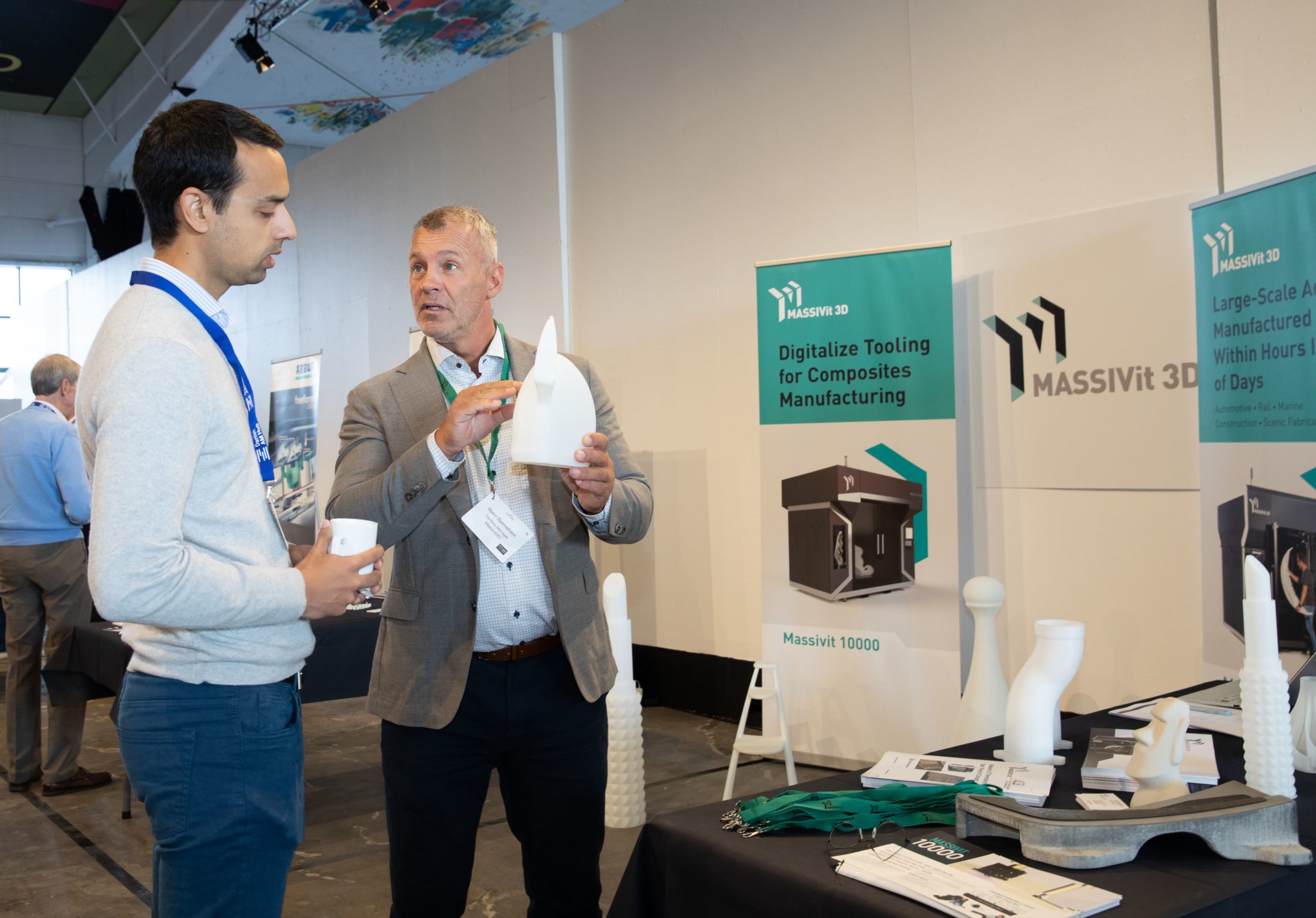
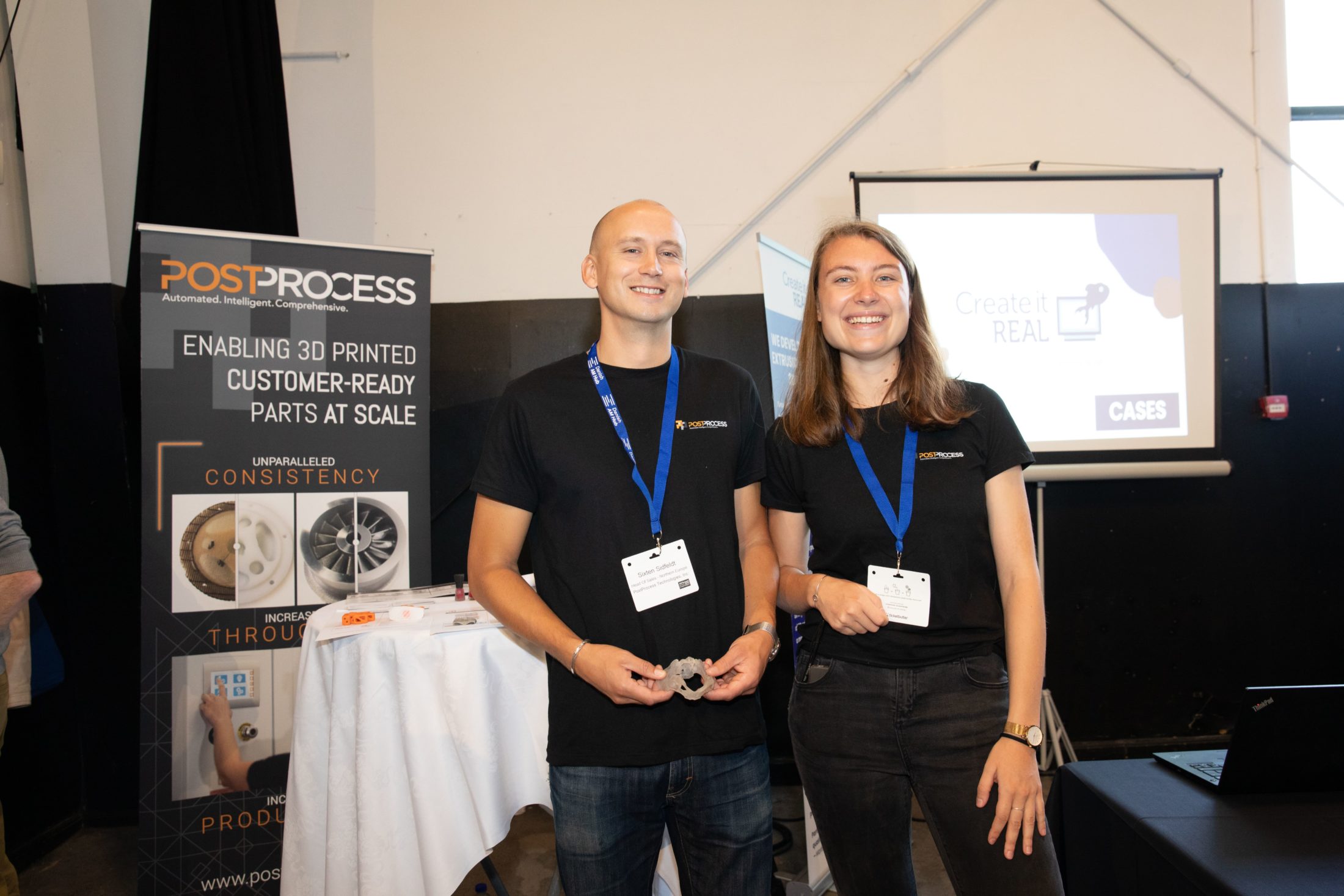
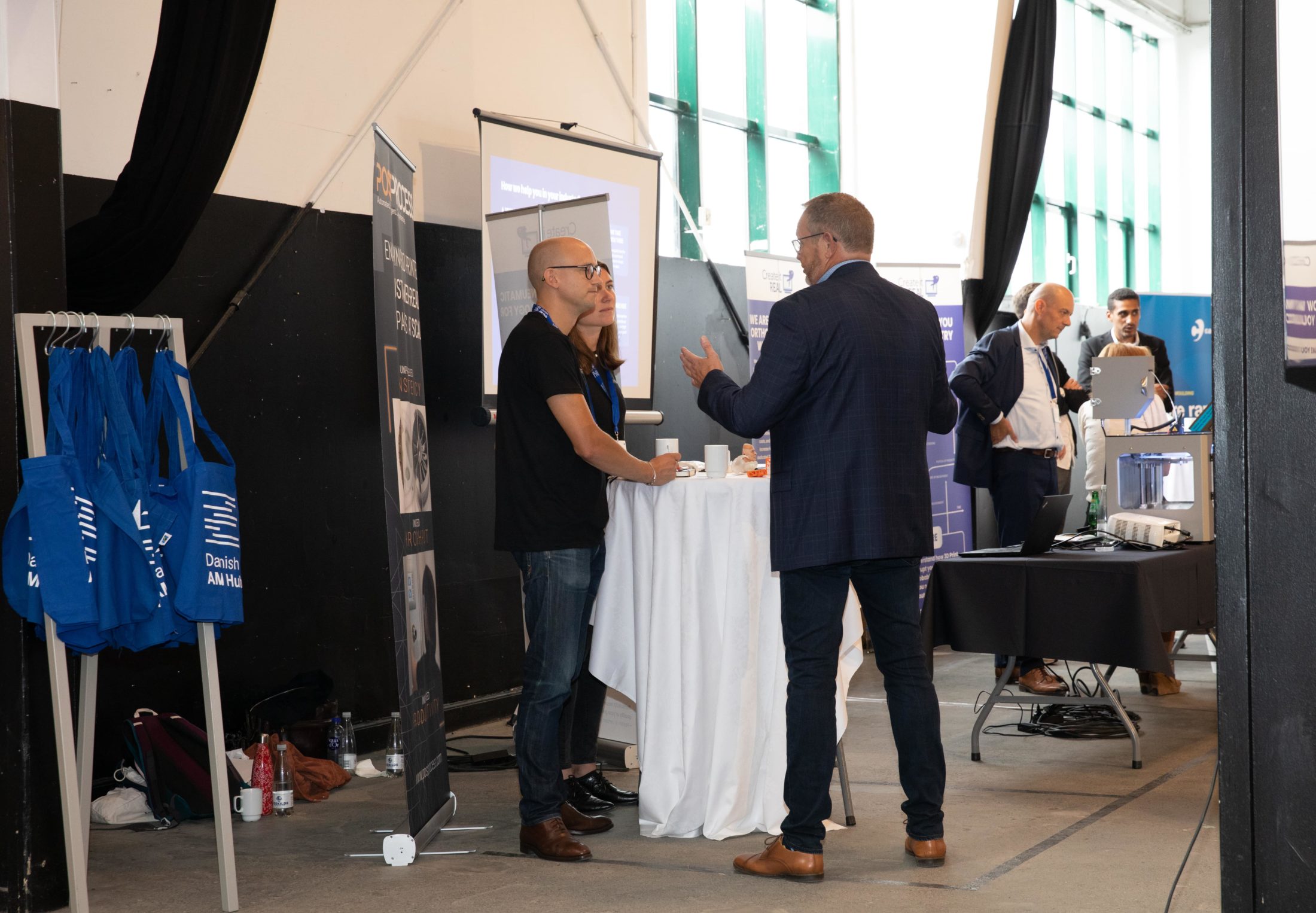
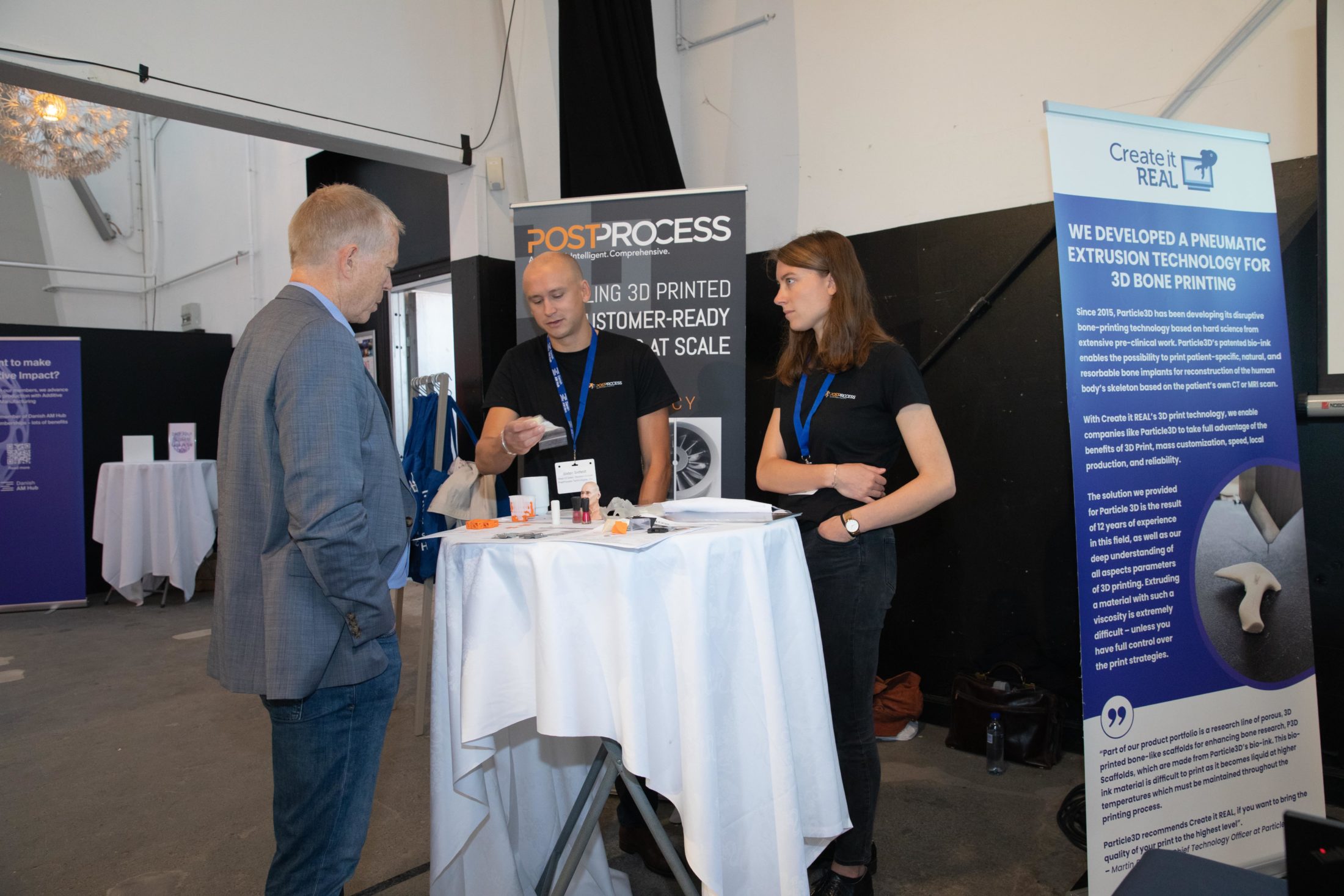
PostProcess Technologies

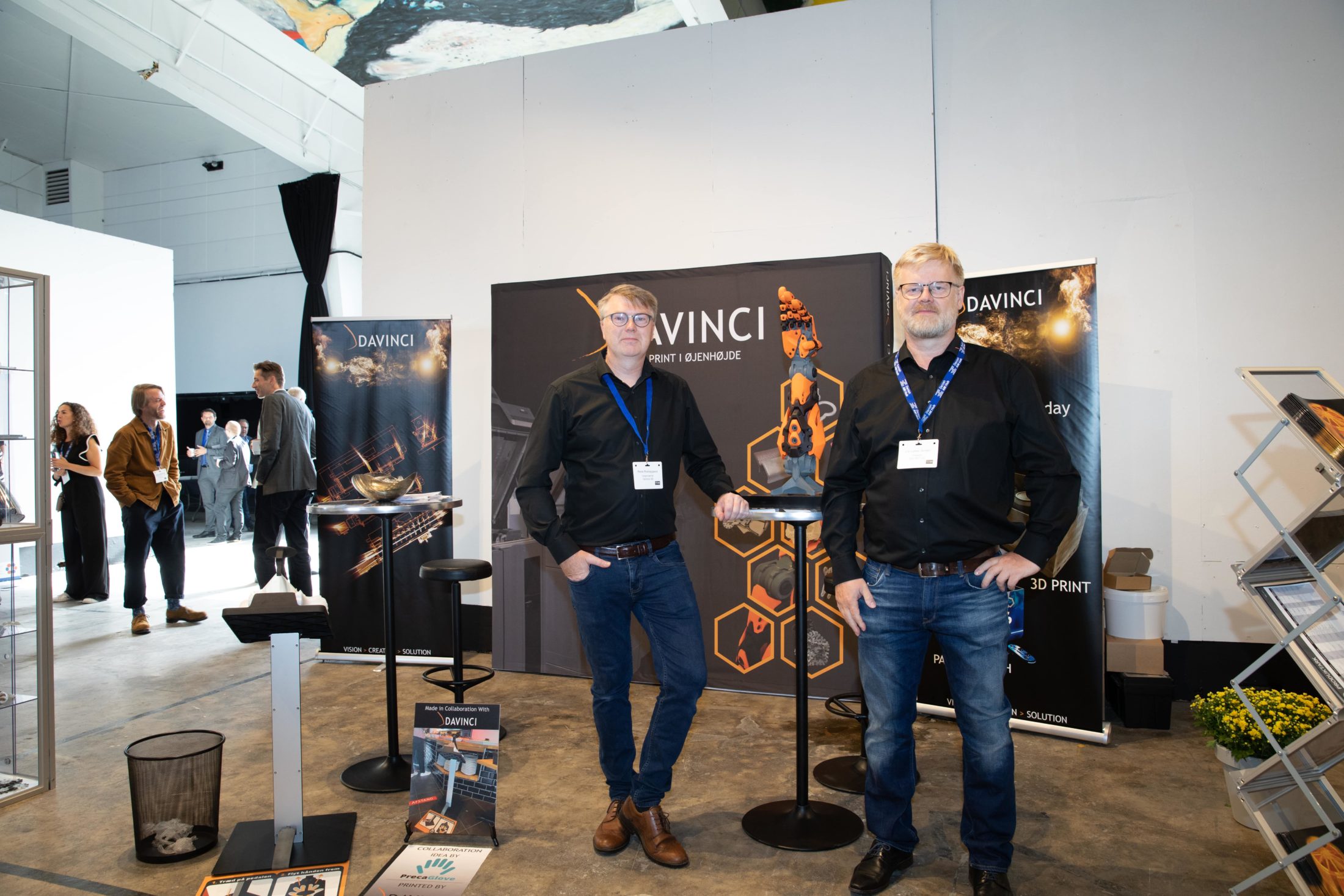
Davinci 3D

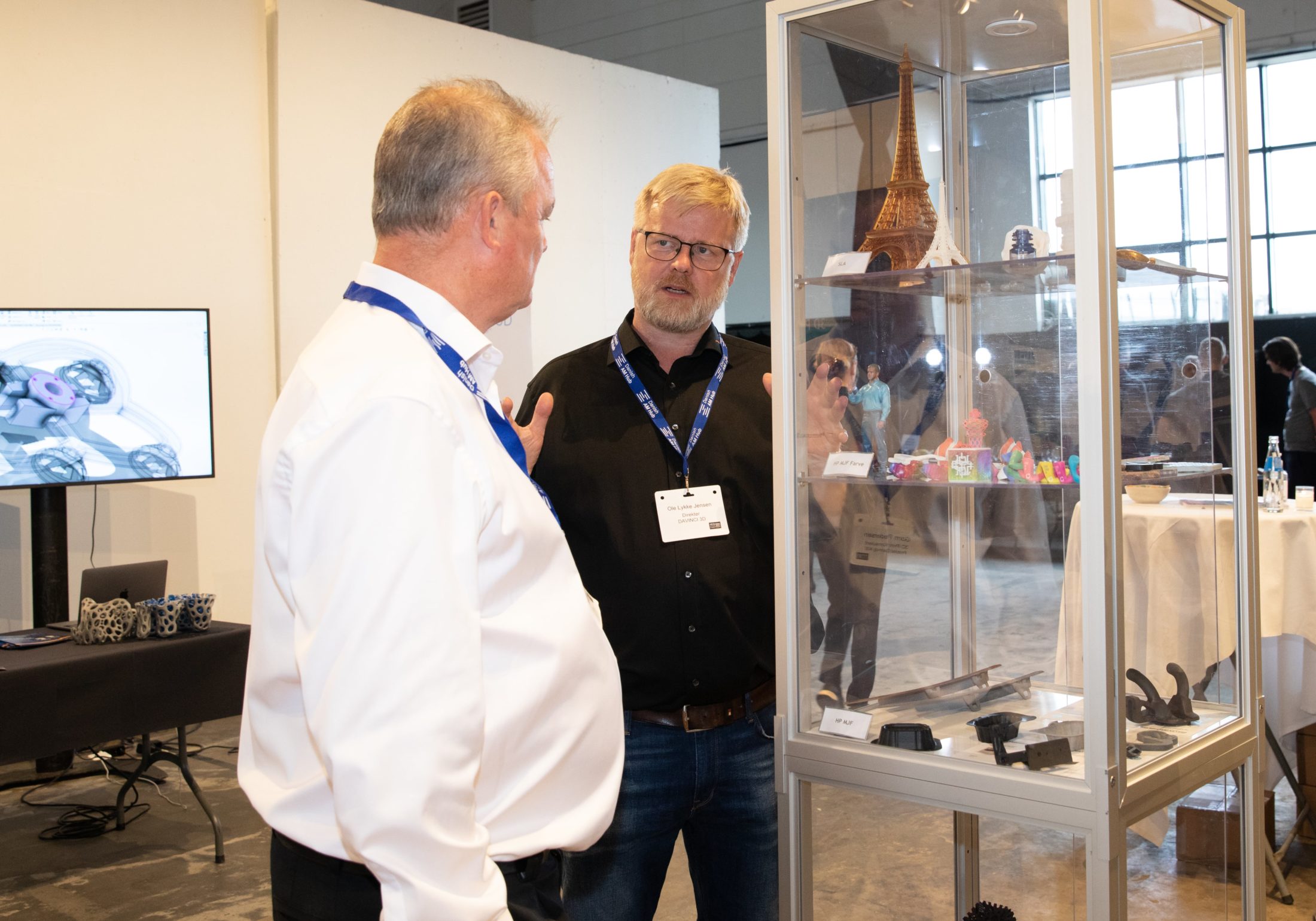

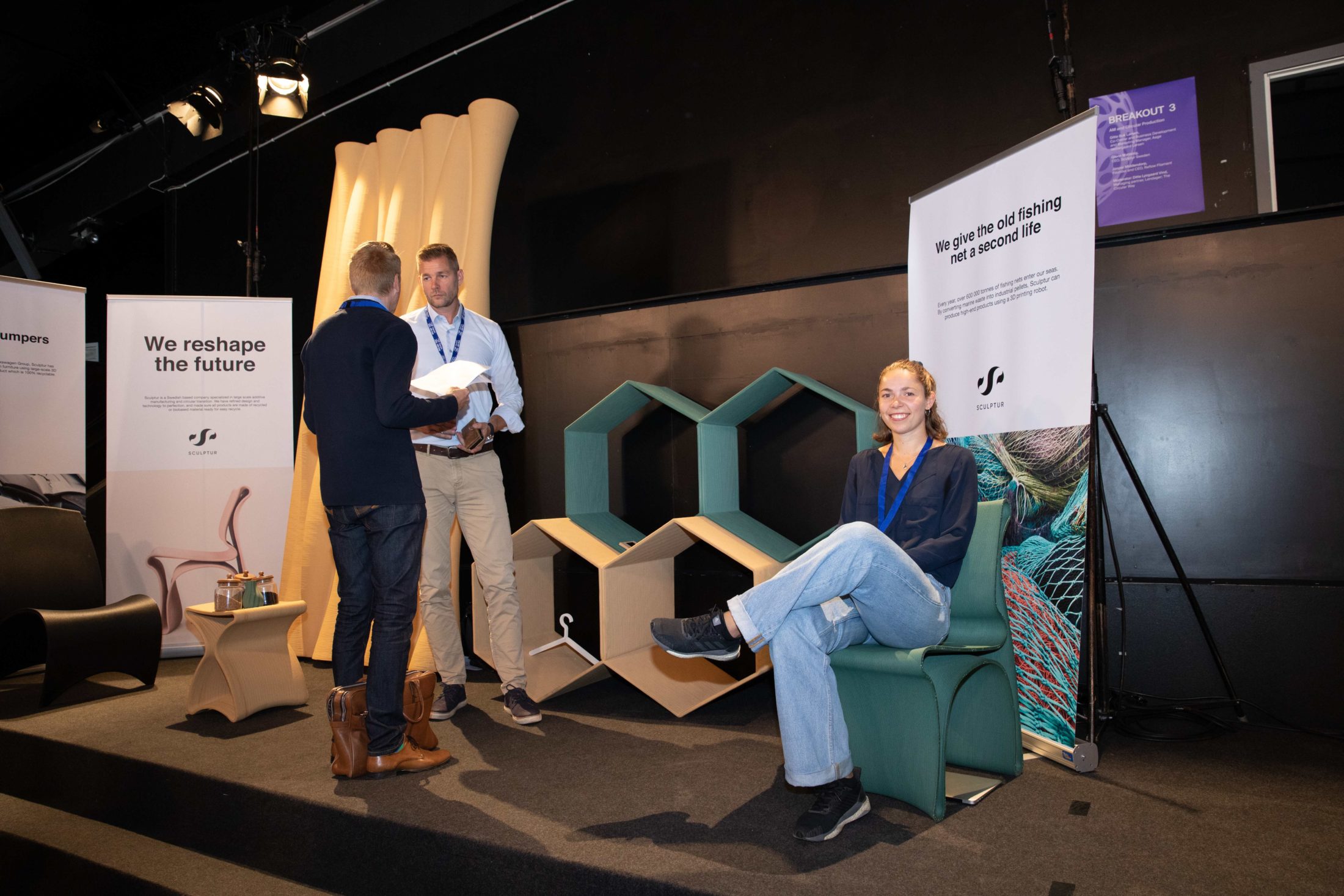
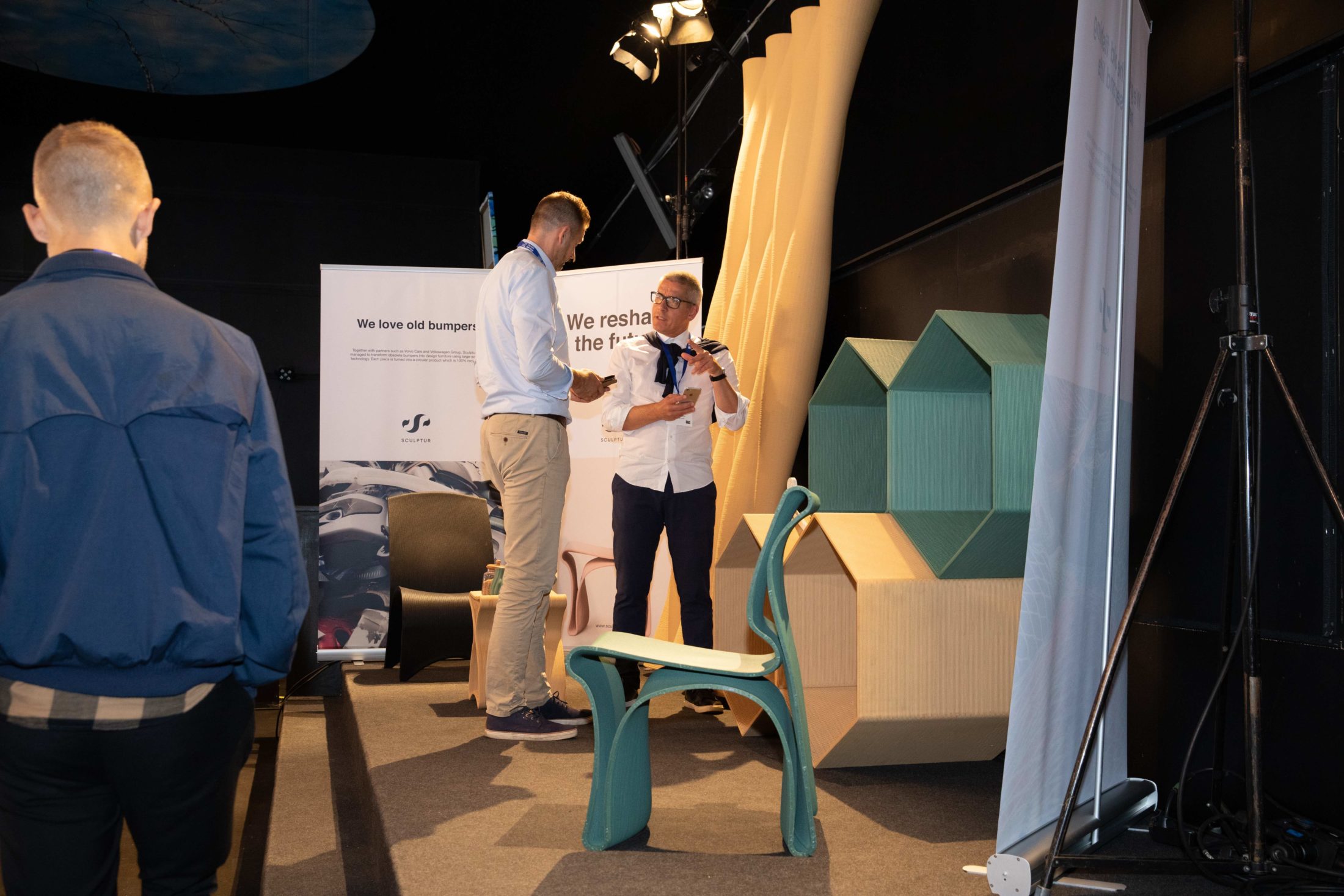
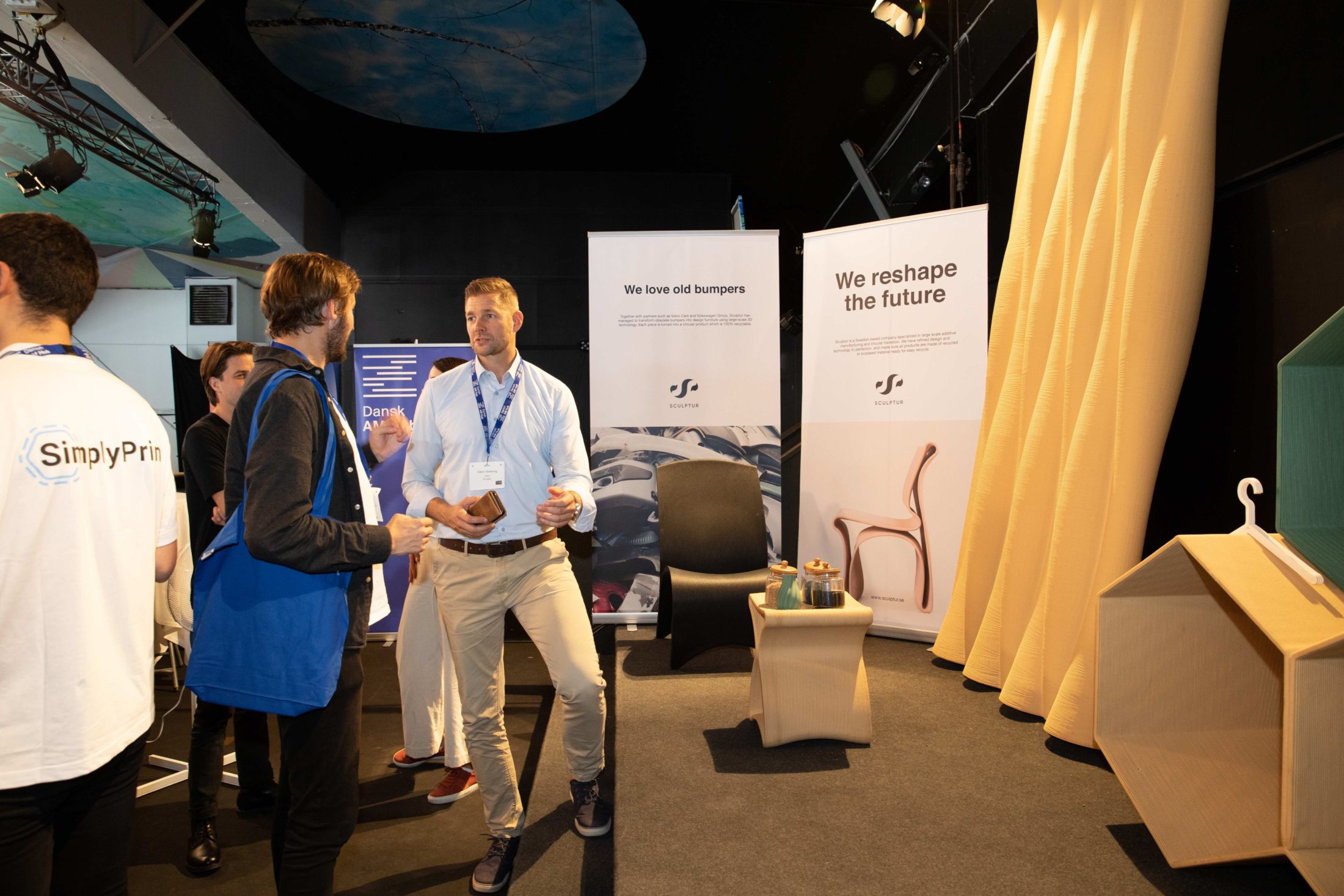
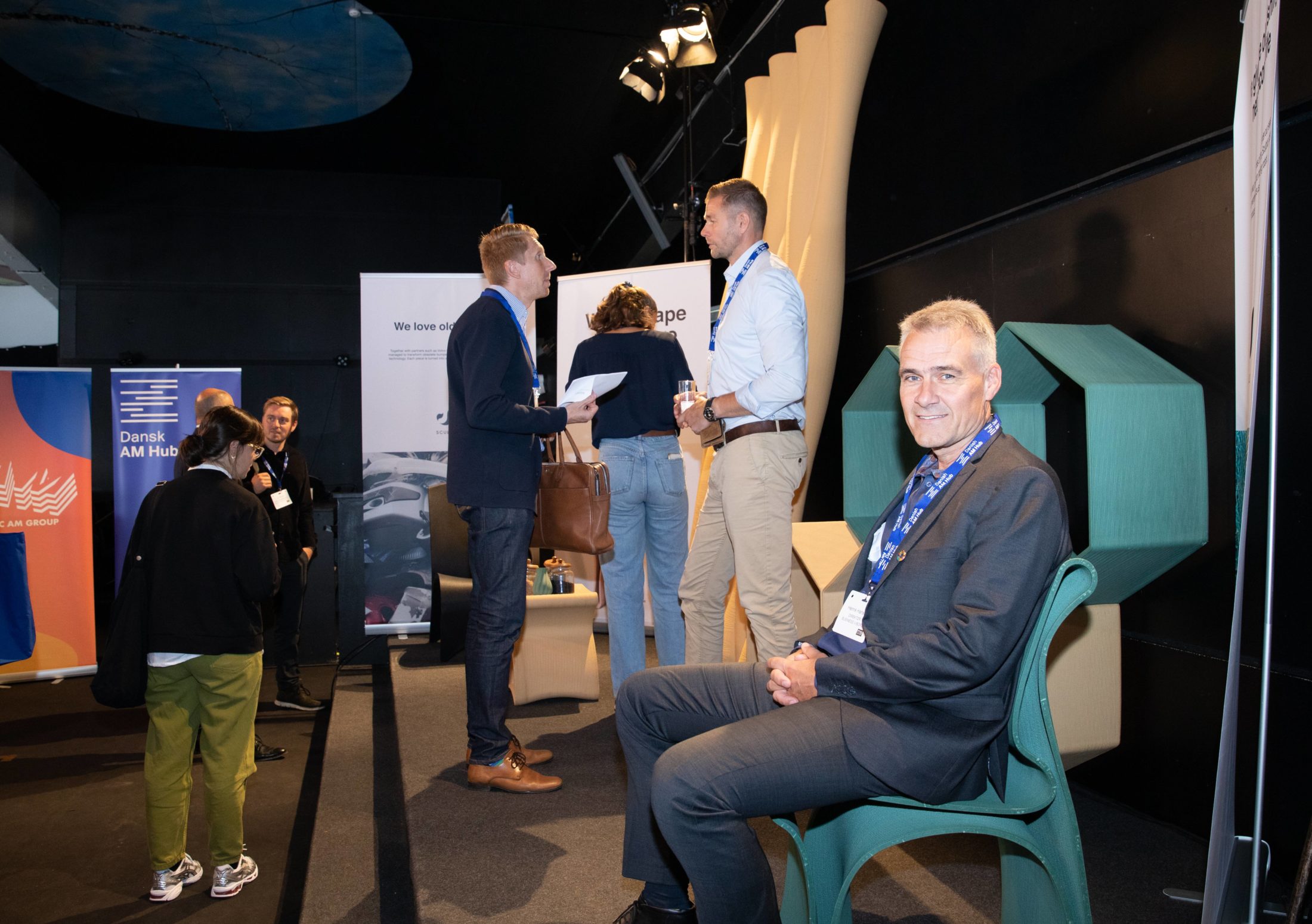
Sculptur
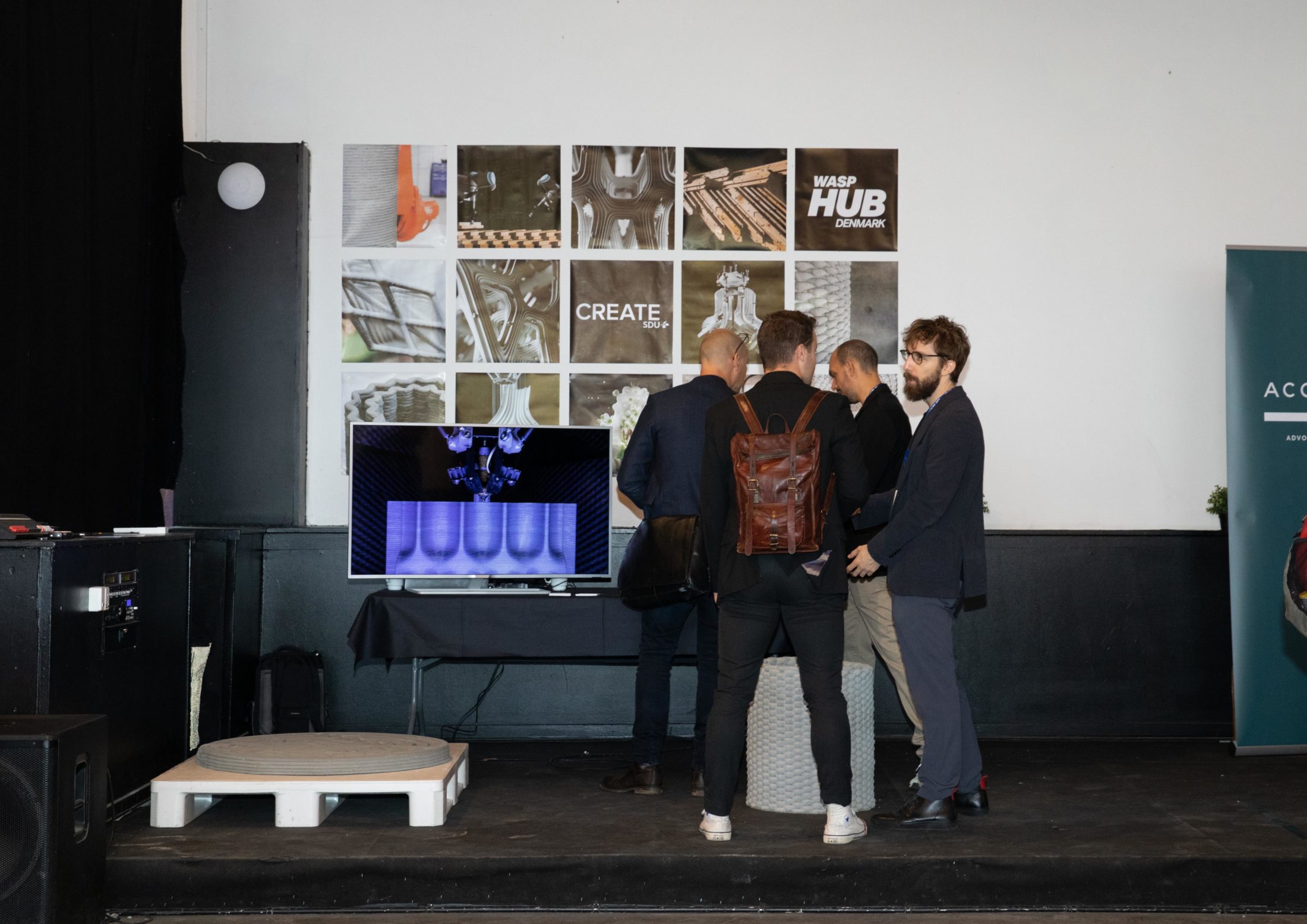
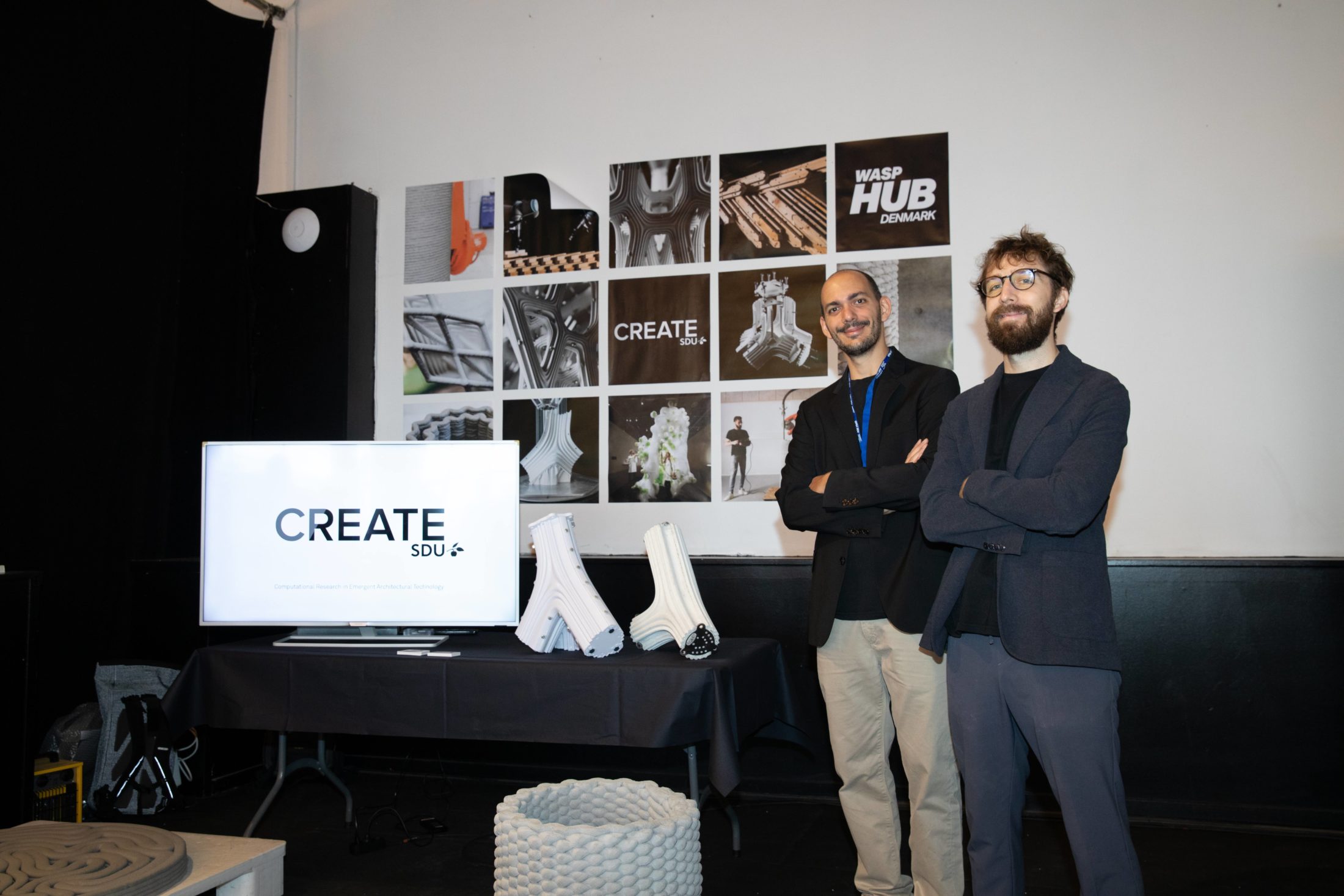
SDU
Signify
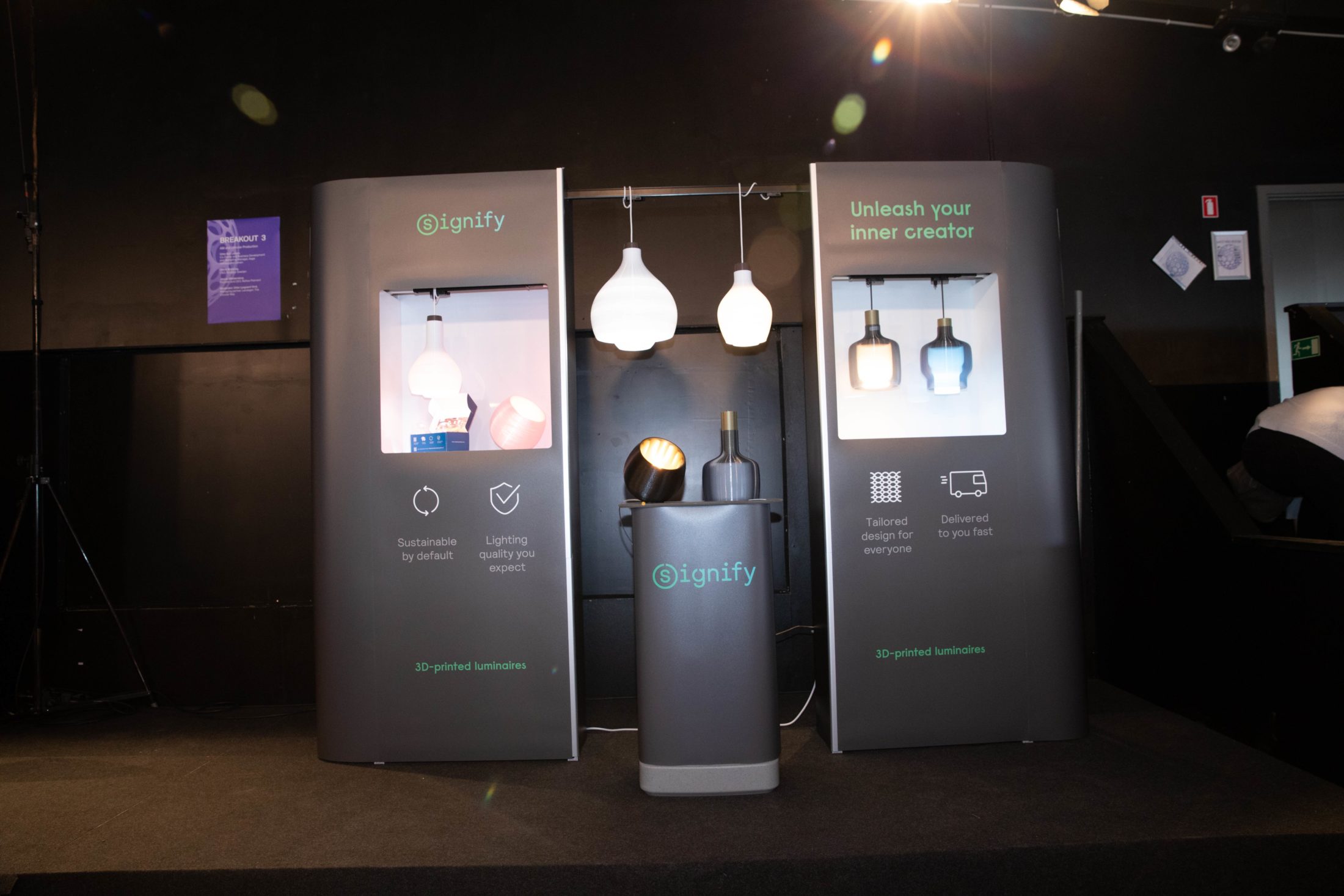
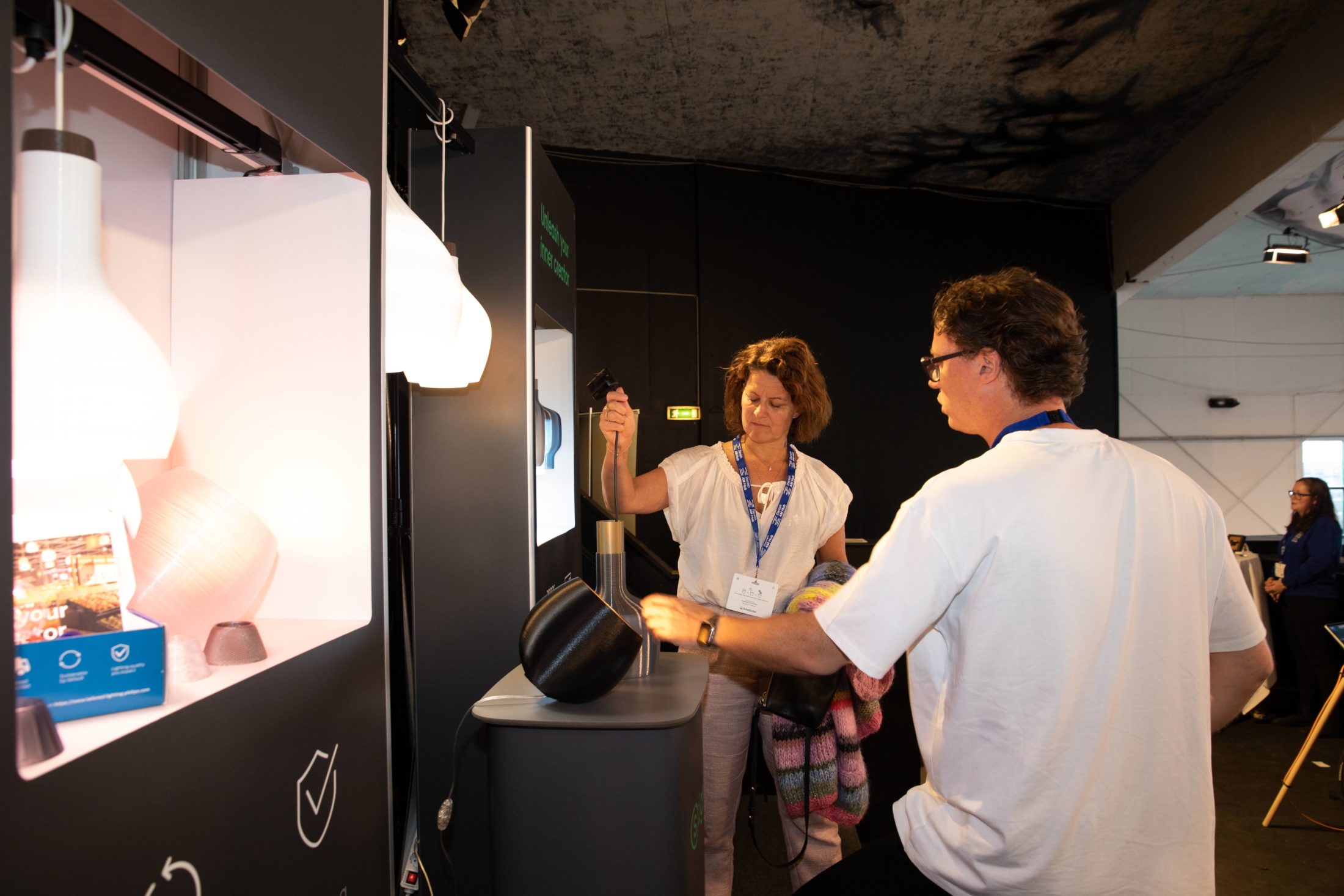
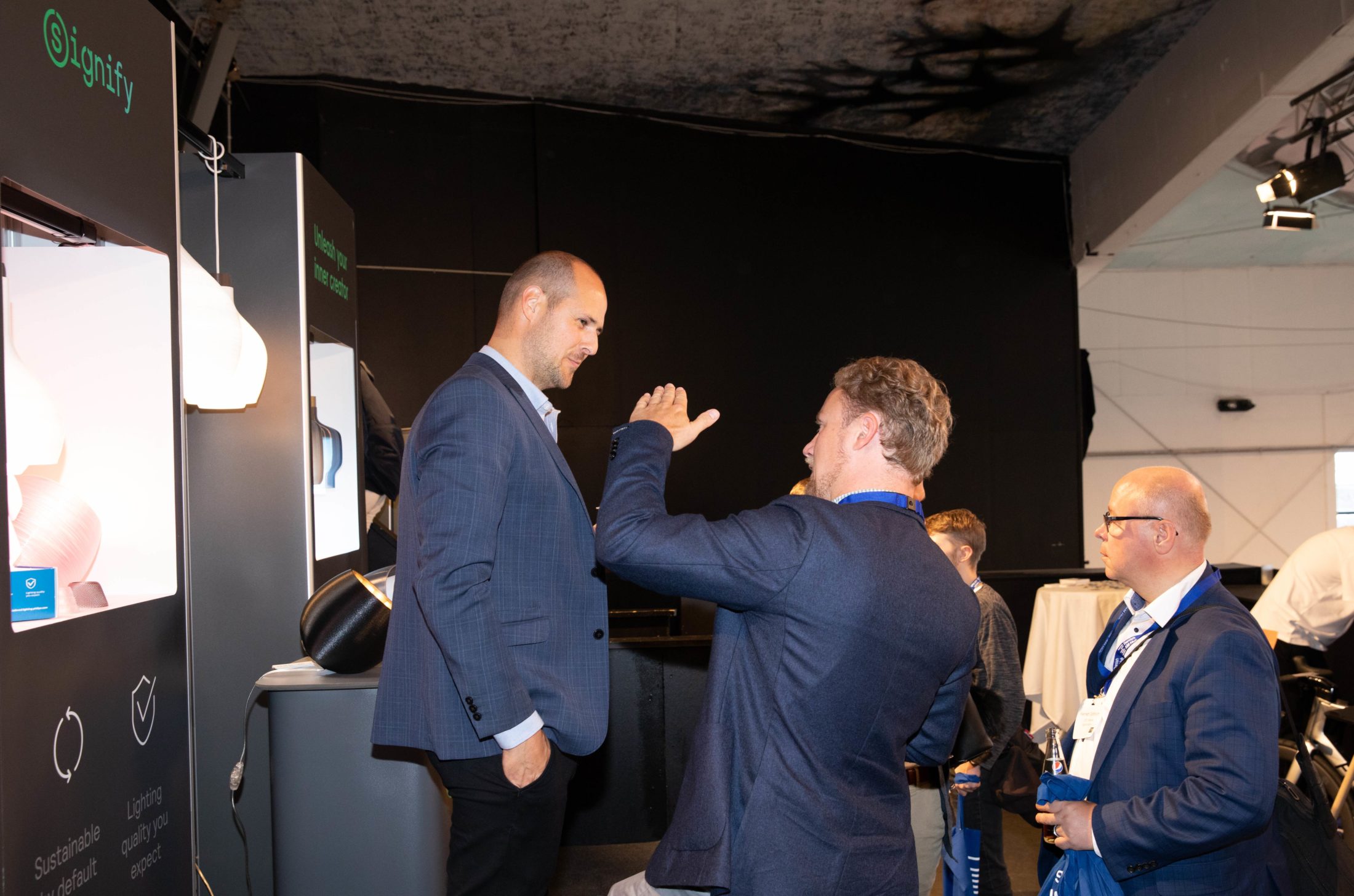

SimplyPrint
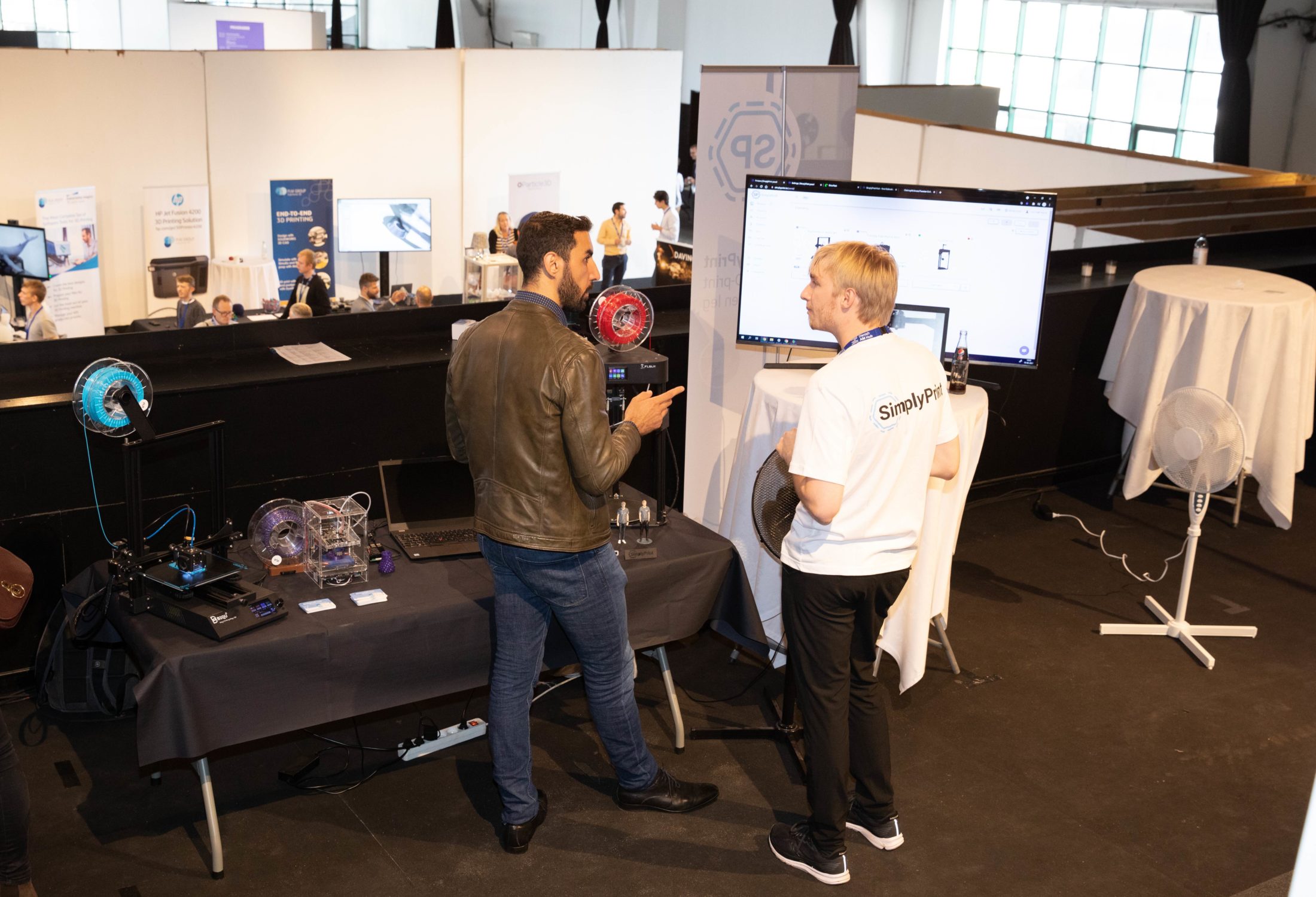
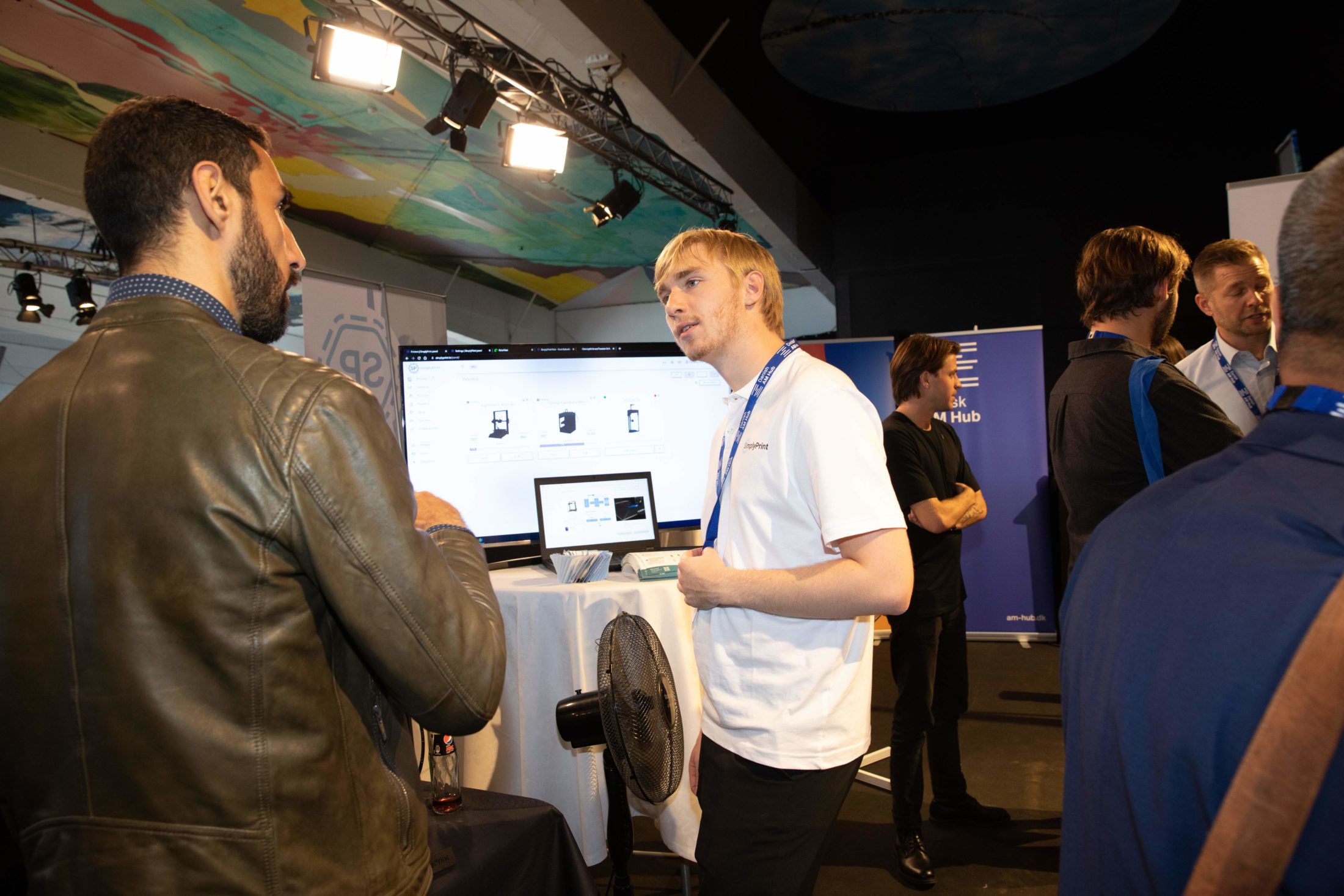
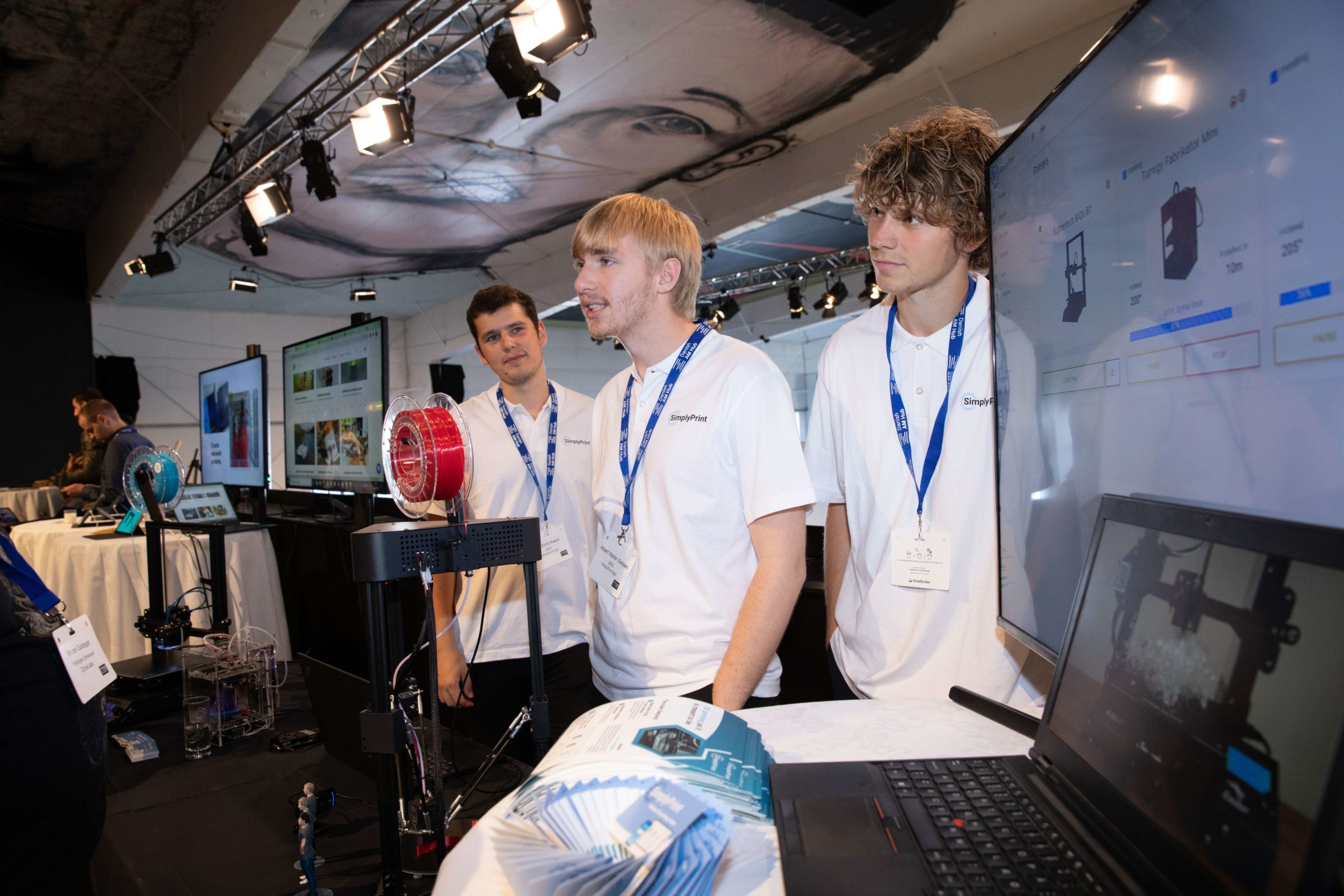
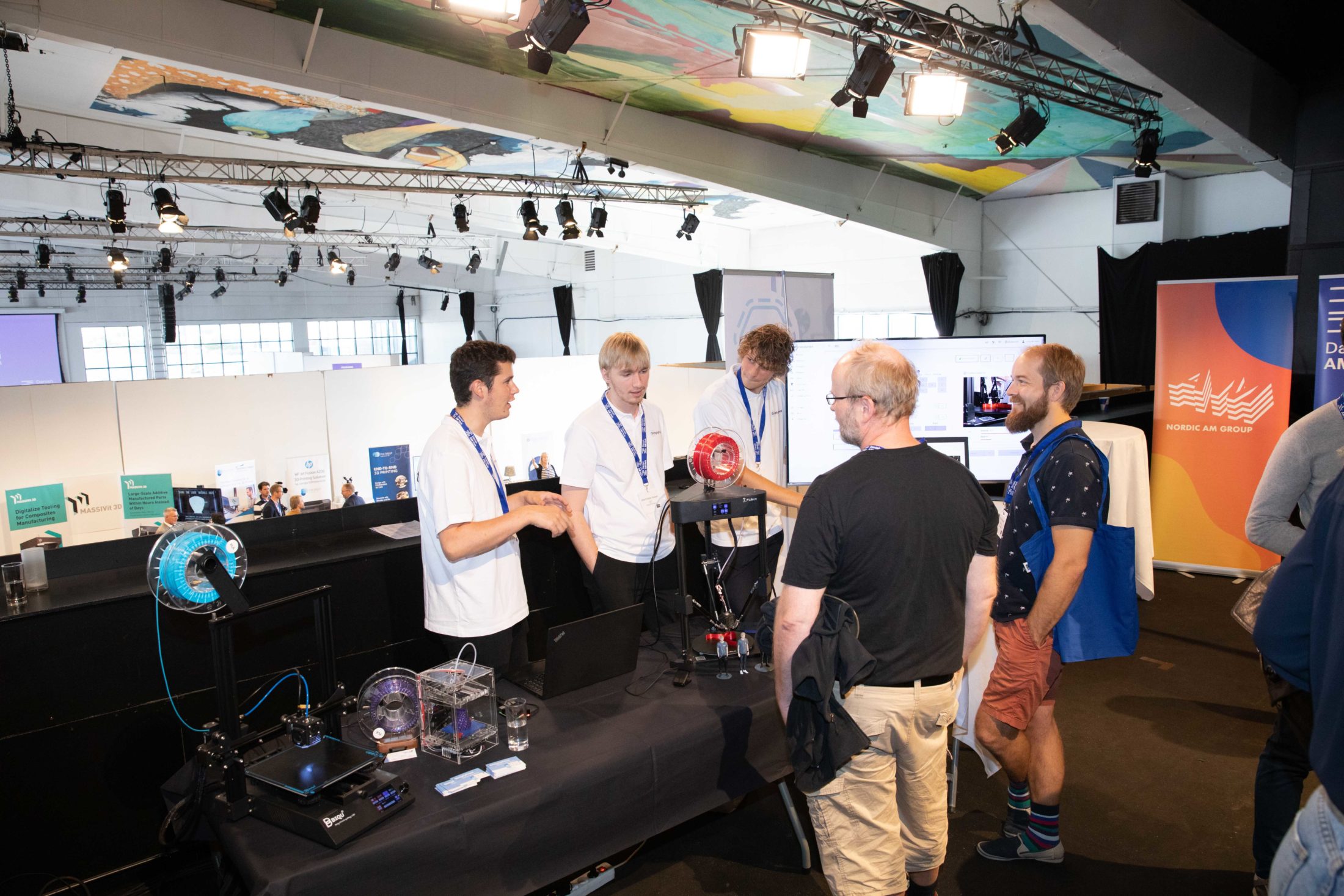
TECCLUSTER
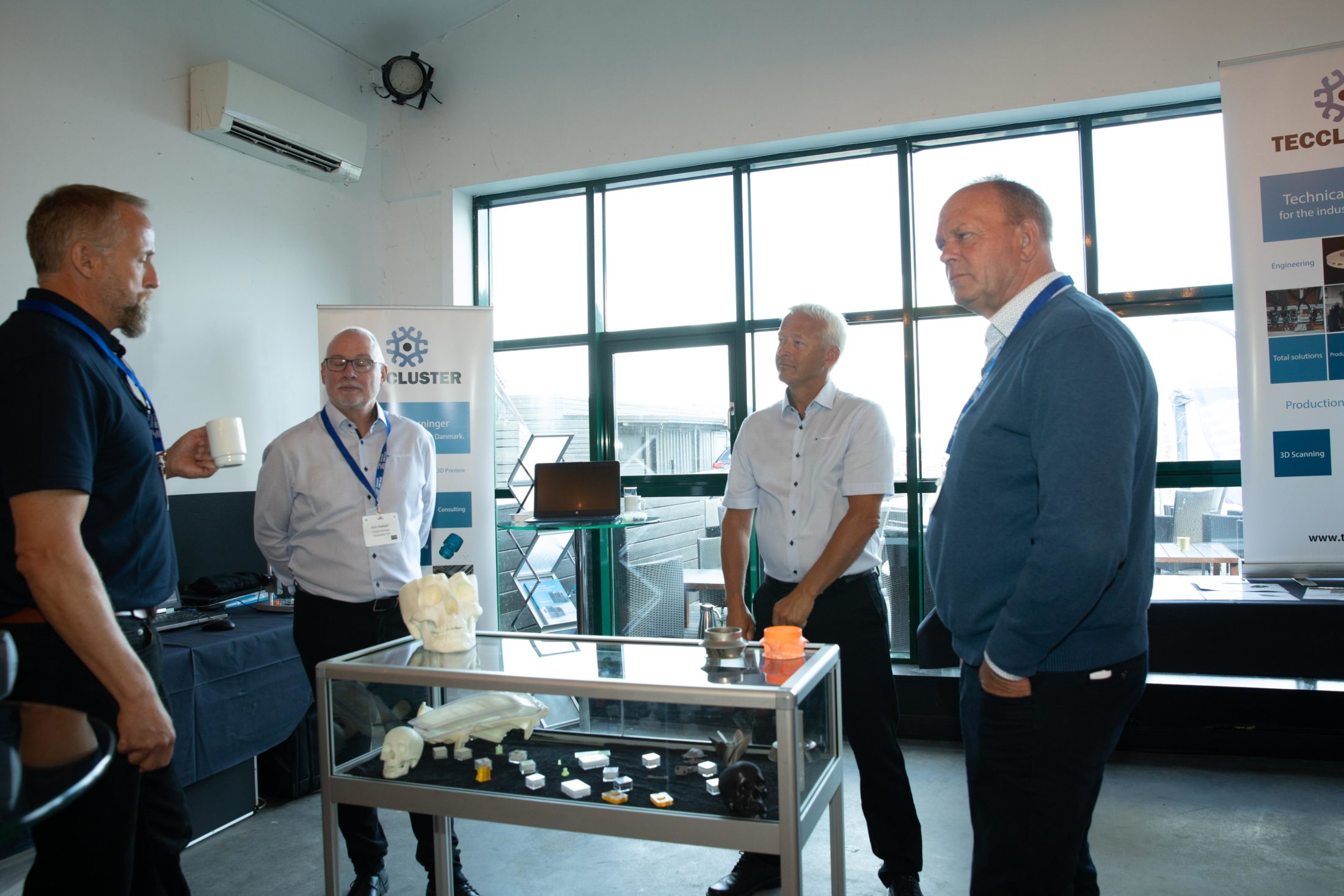
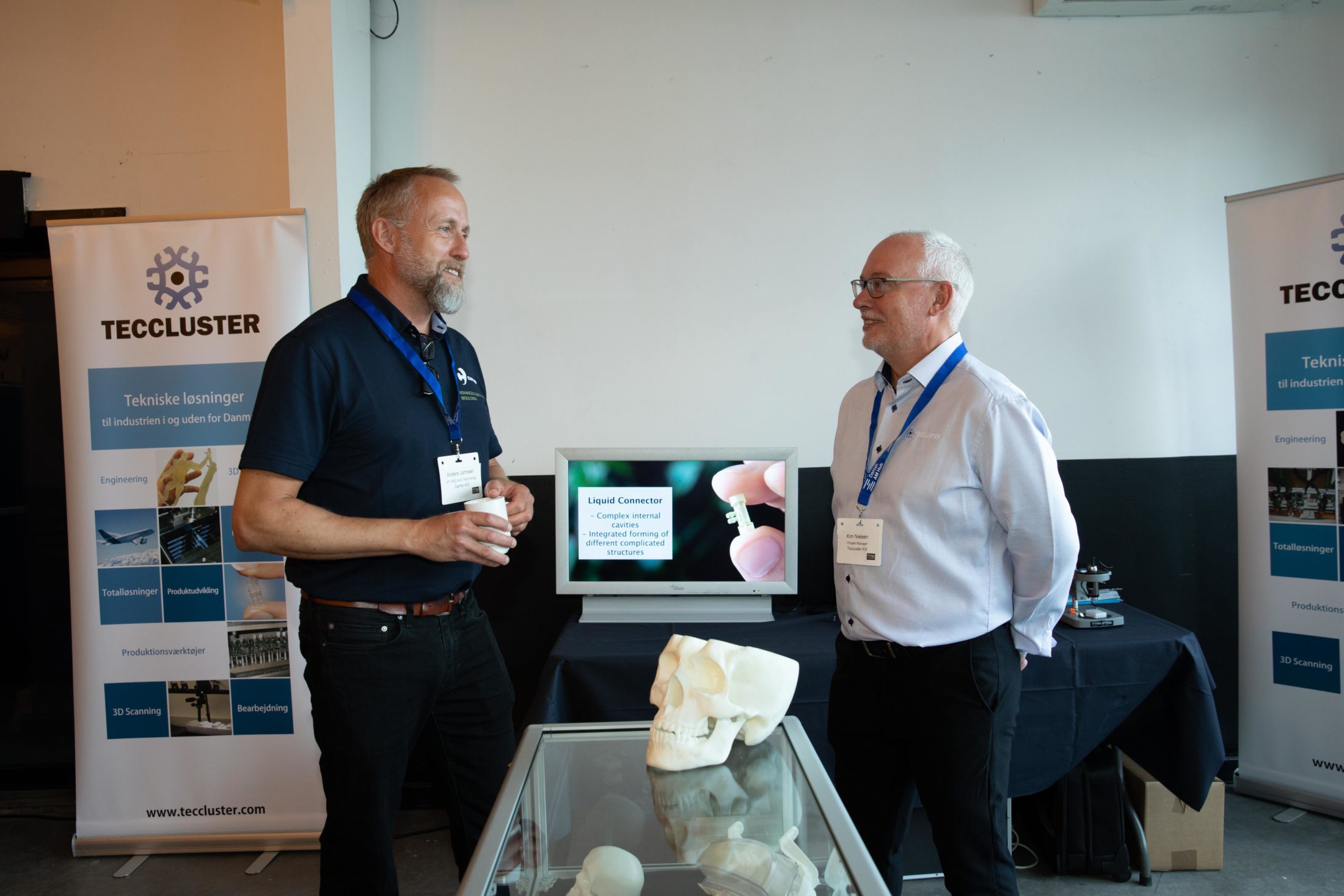
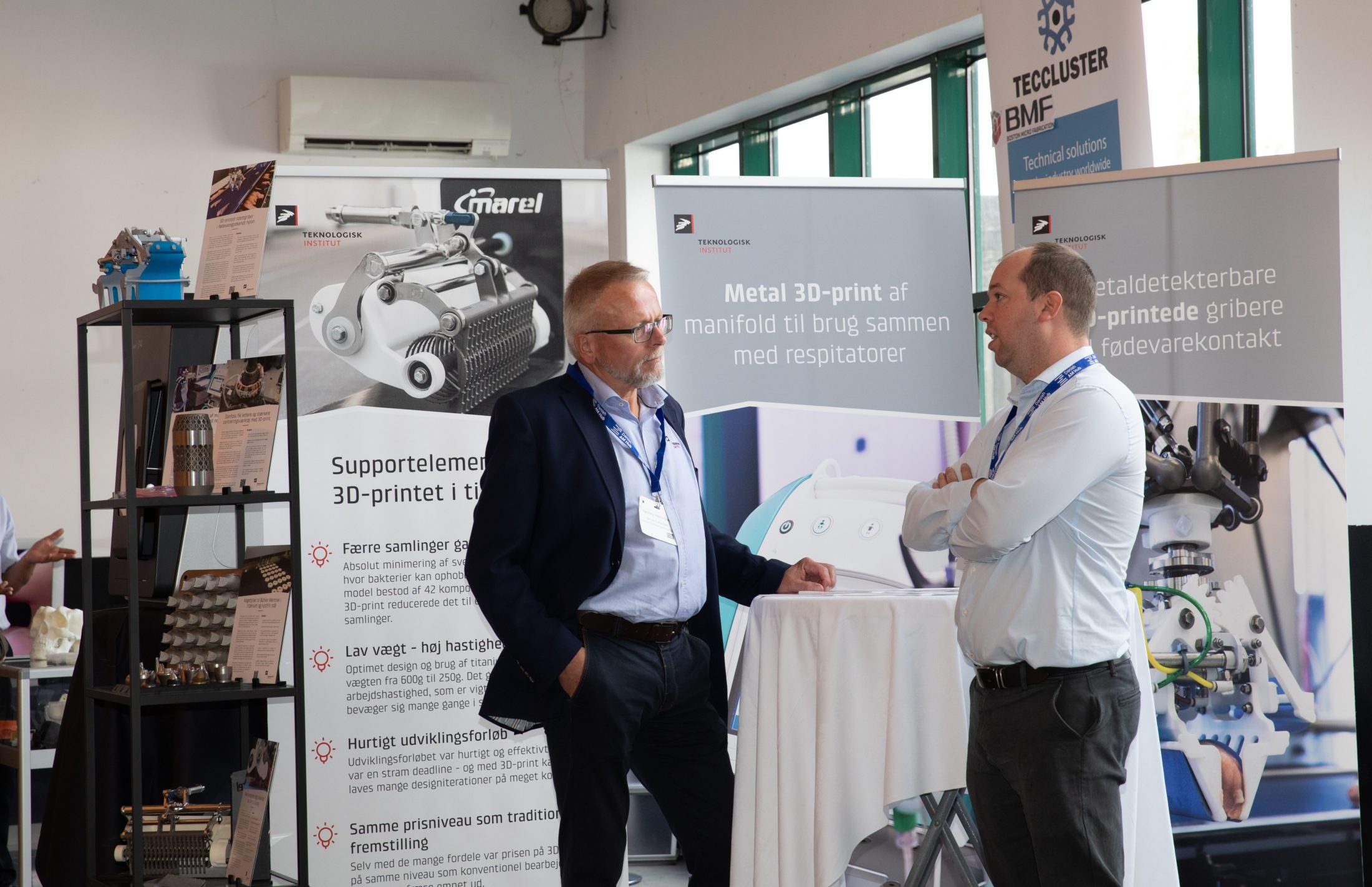
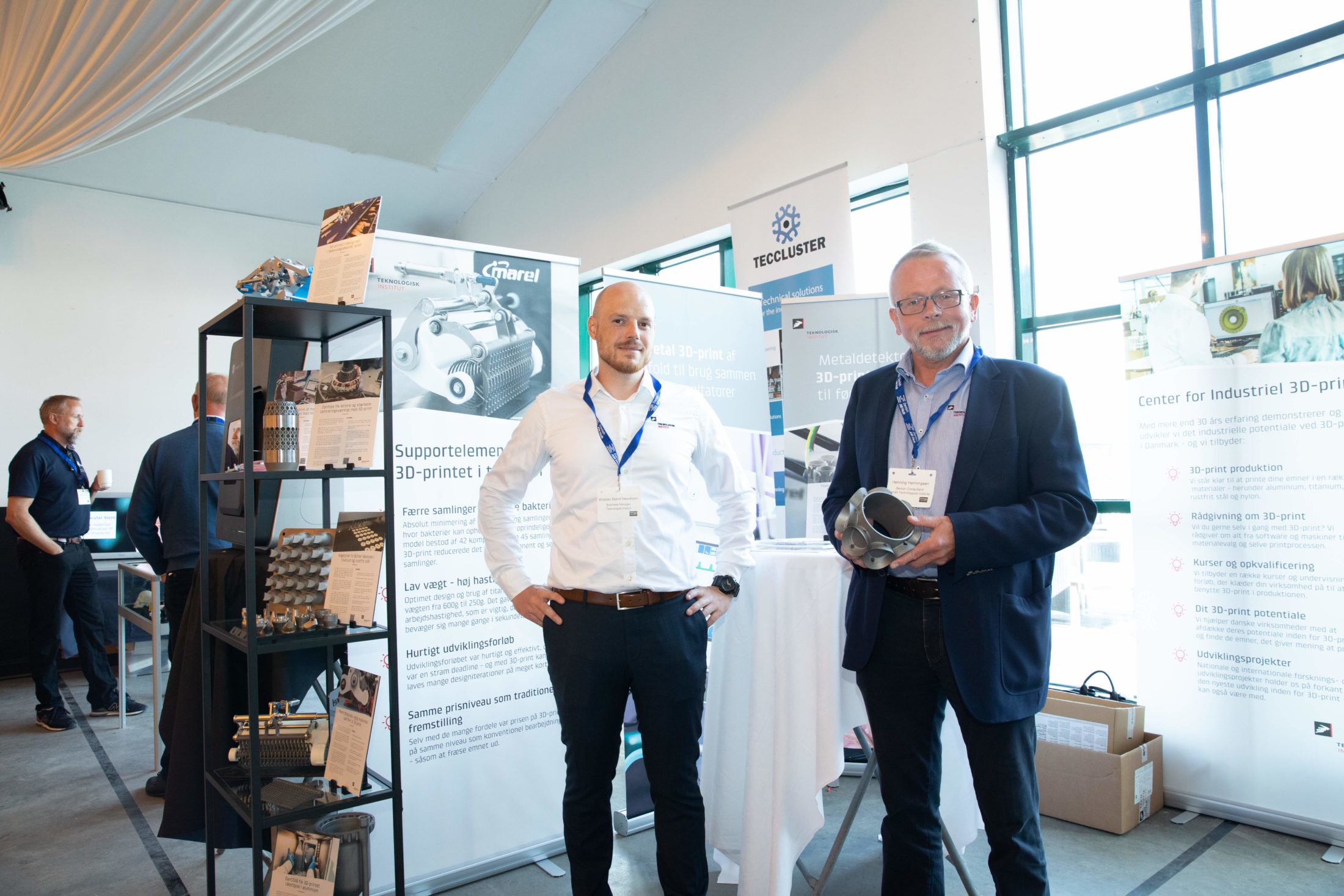
Teknologisk Institut

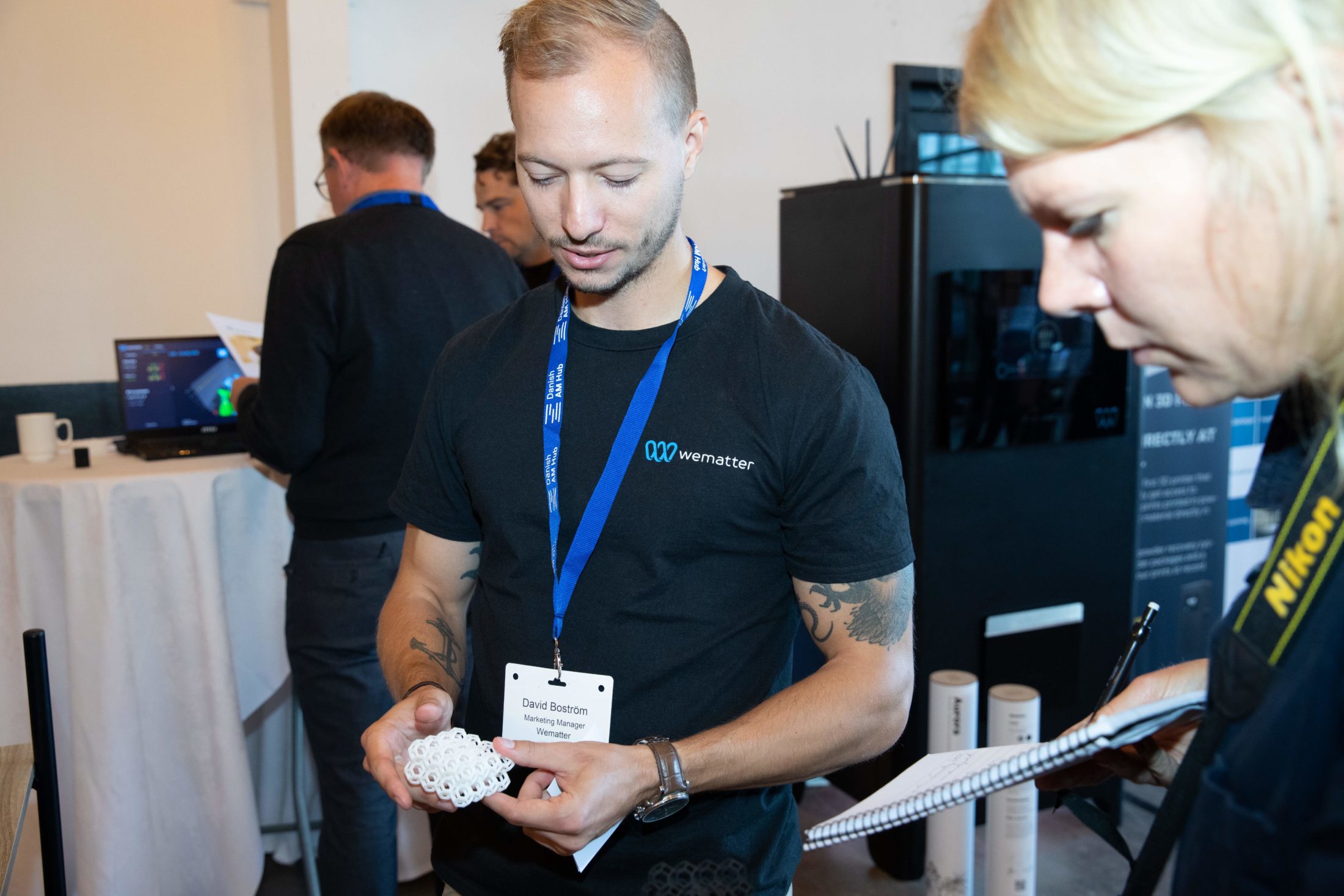
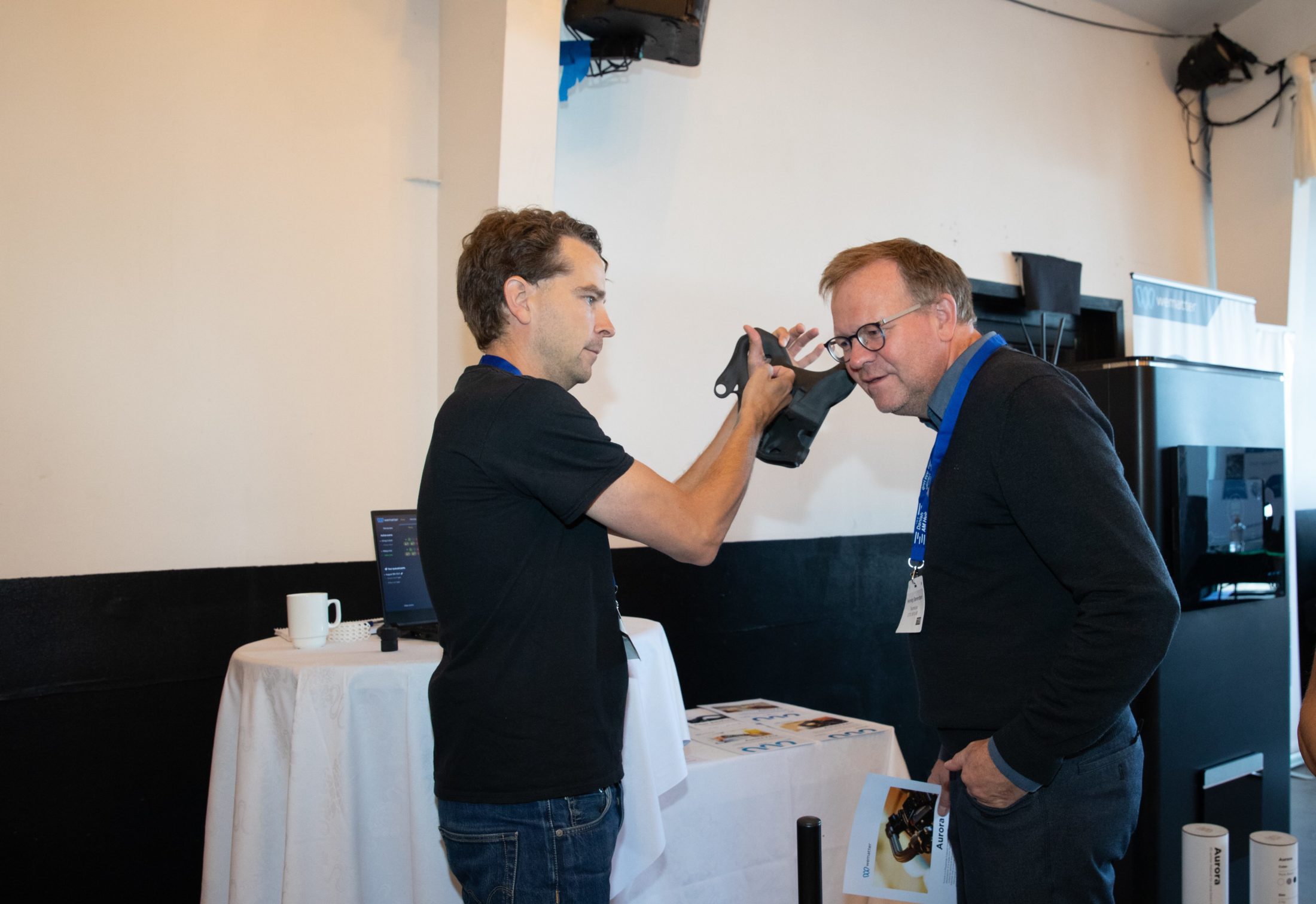
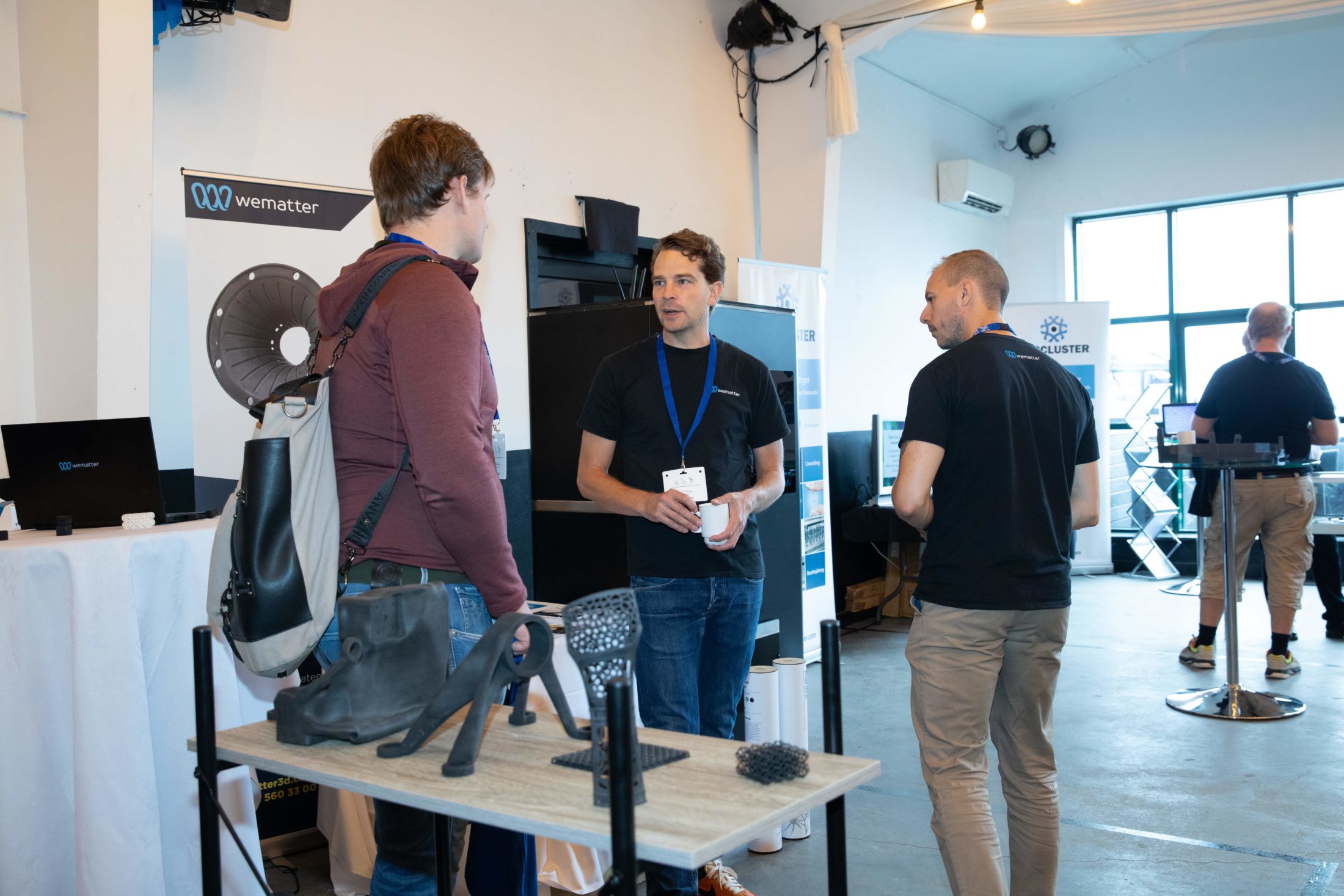
Wematter

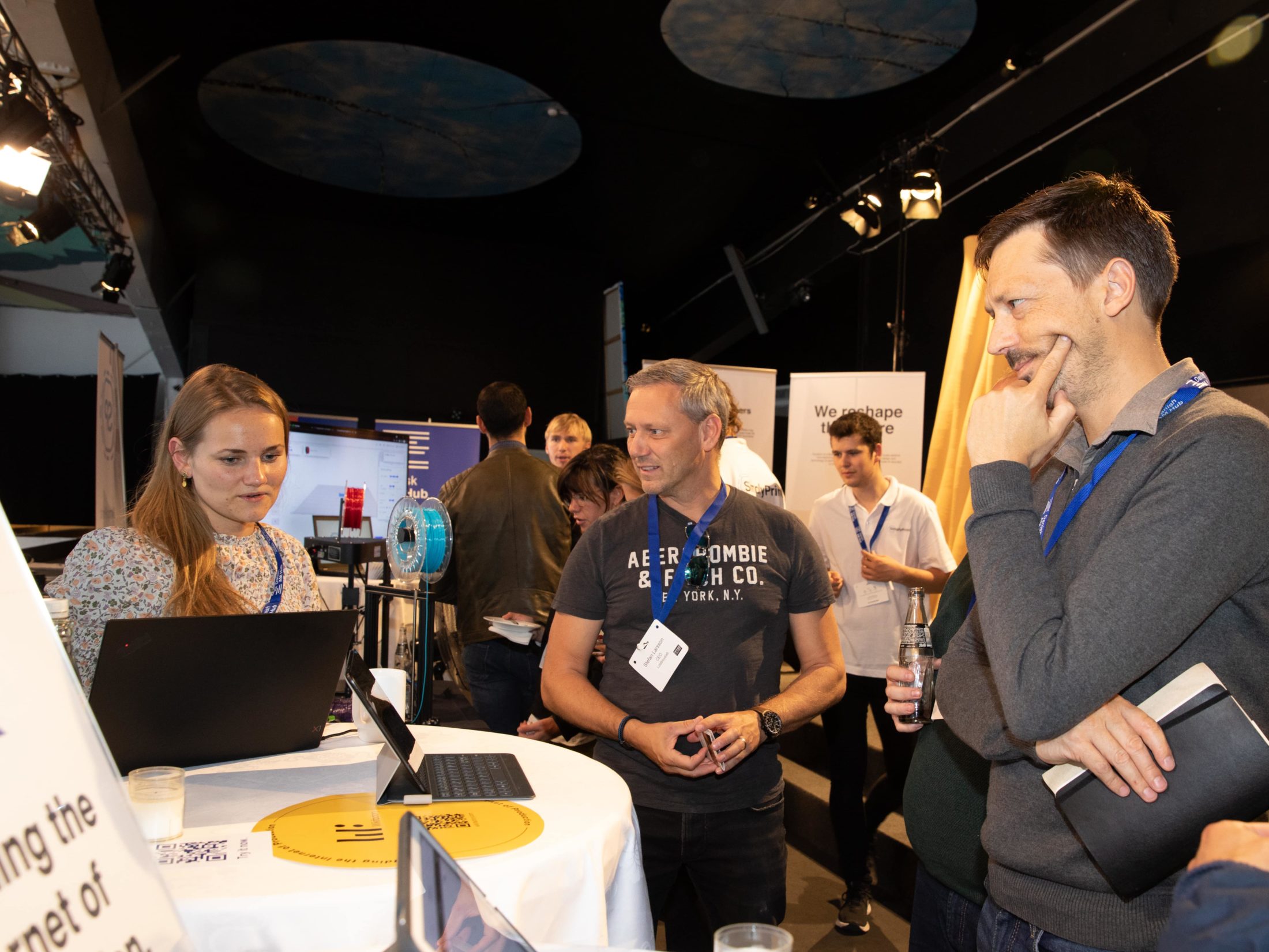
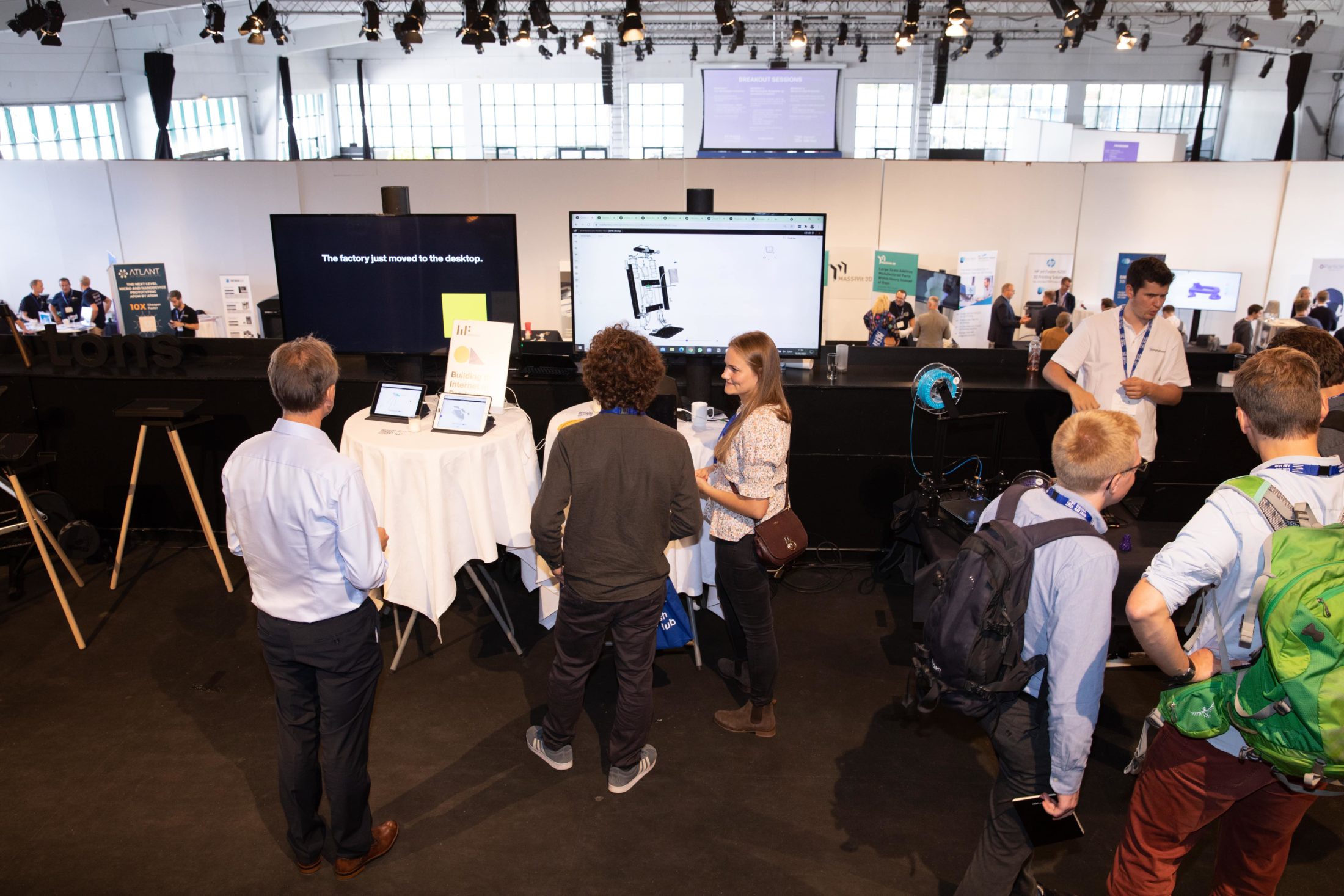
Wikifactory

Interested in exhibiting at AM Summit 2022?
Contact us at info@am-hub.dk
AM Summit 2021: The largest Additive Impact ever
350 participants. 30 speakers. 40 exhibitors.
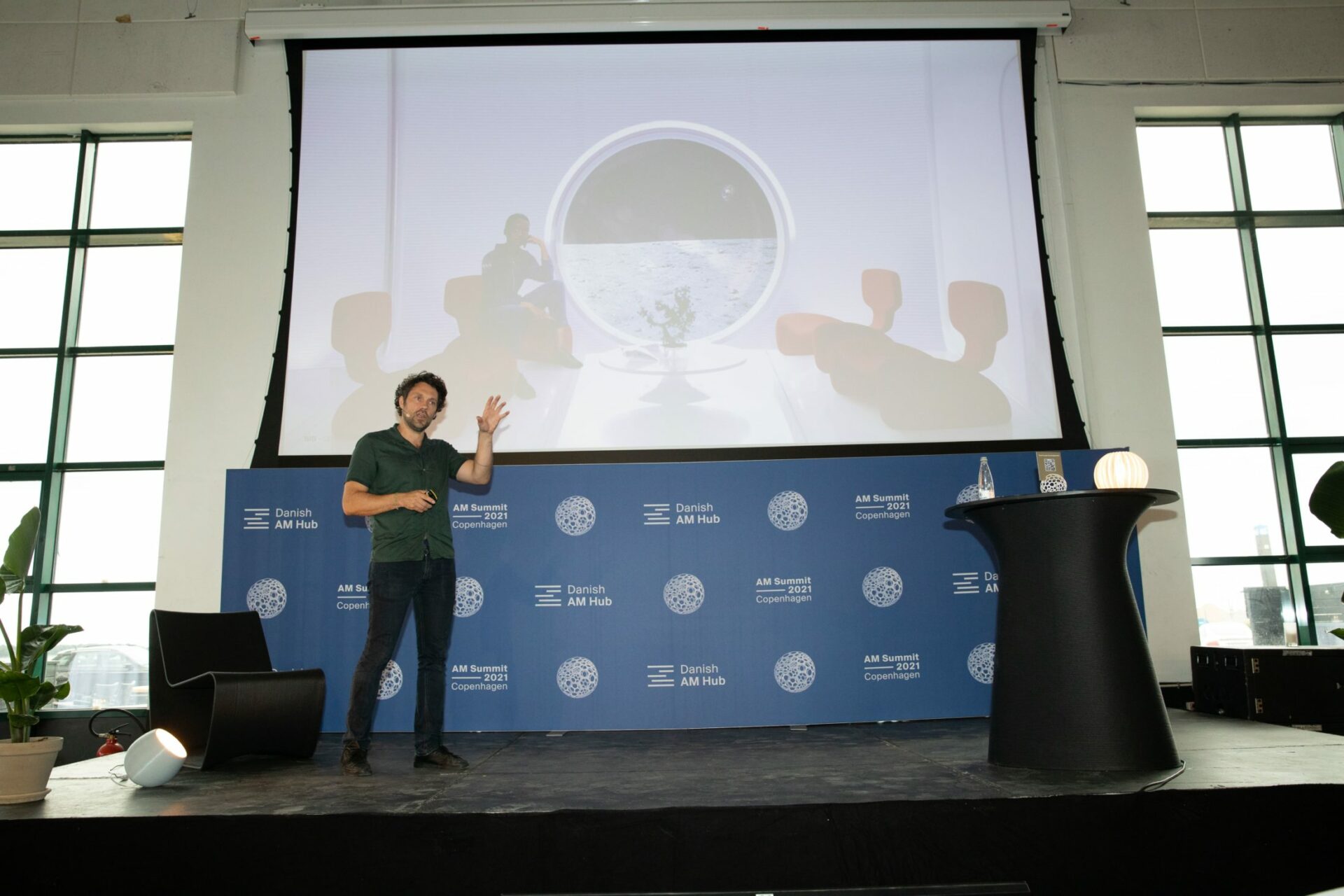
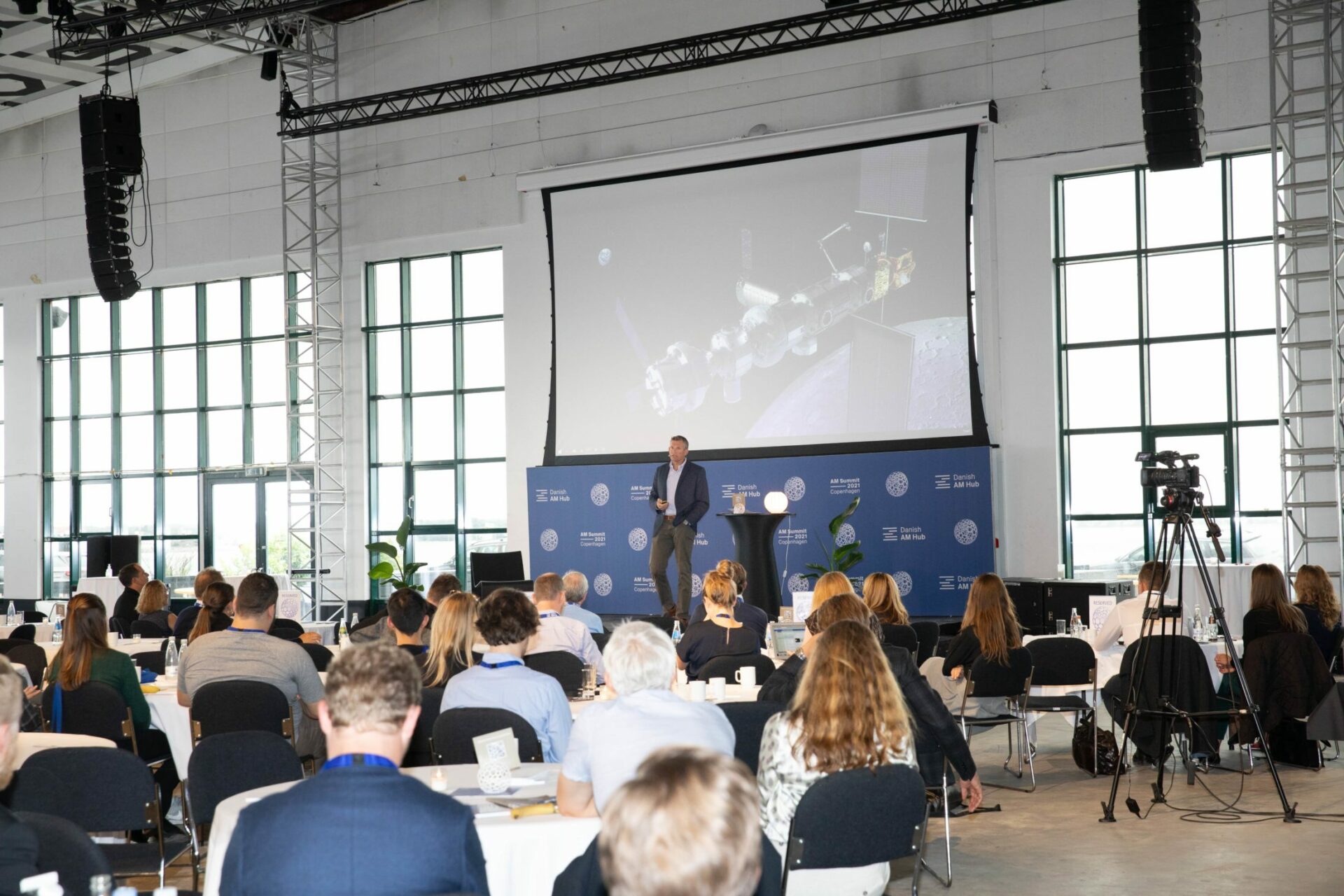
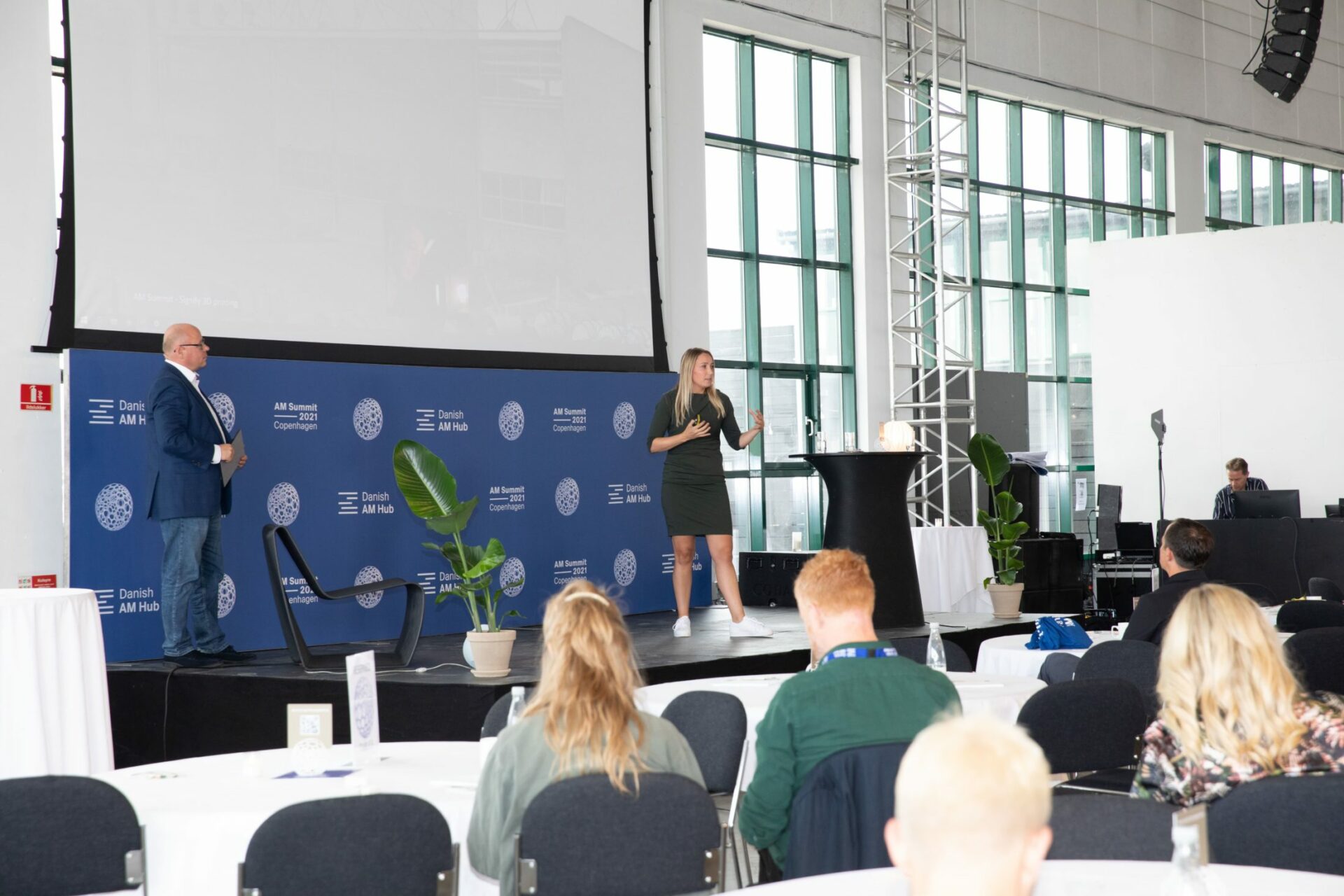
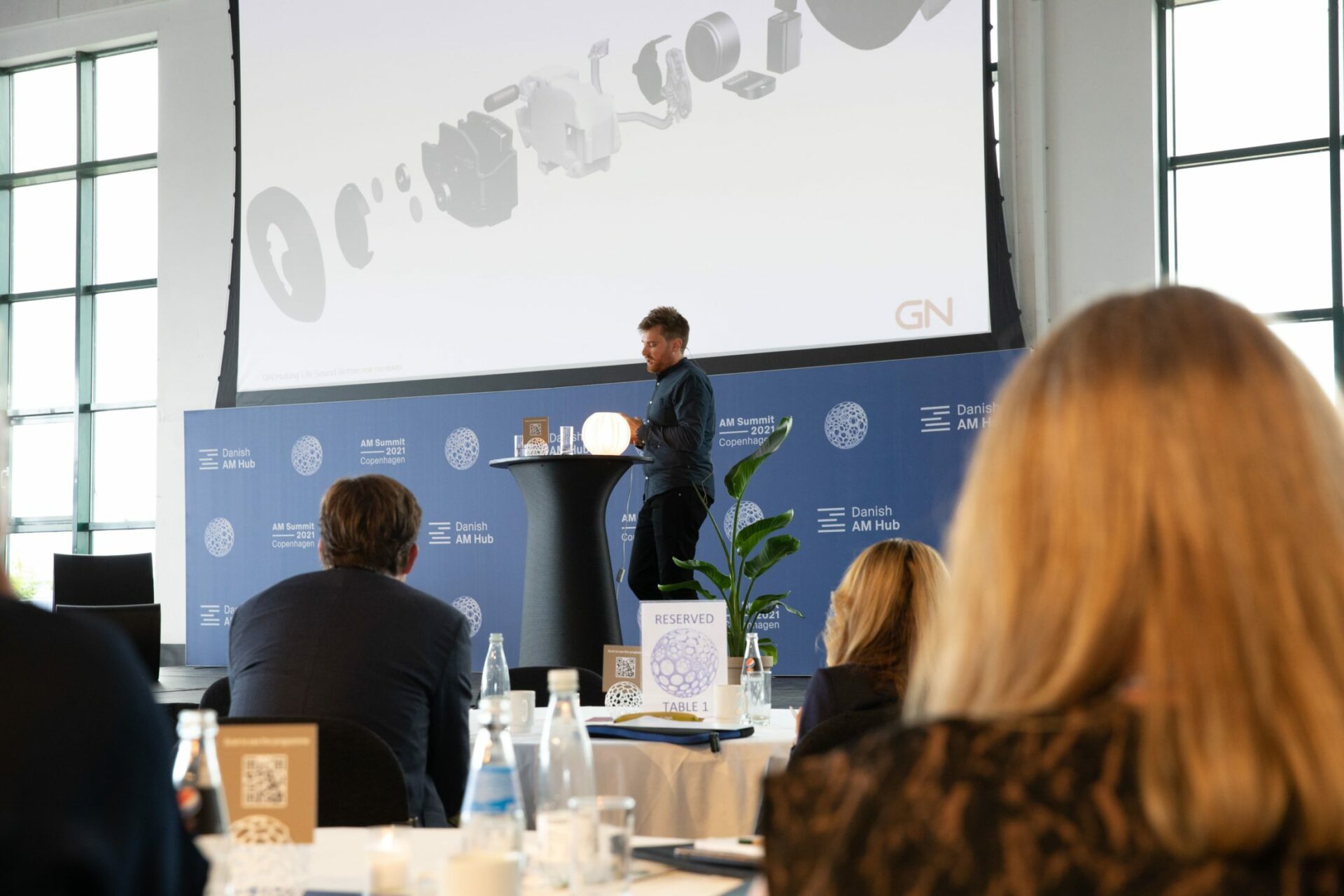
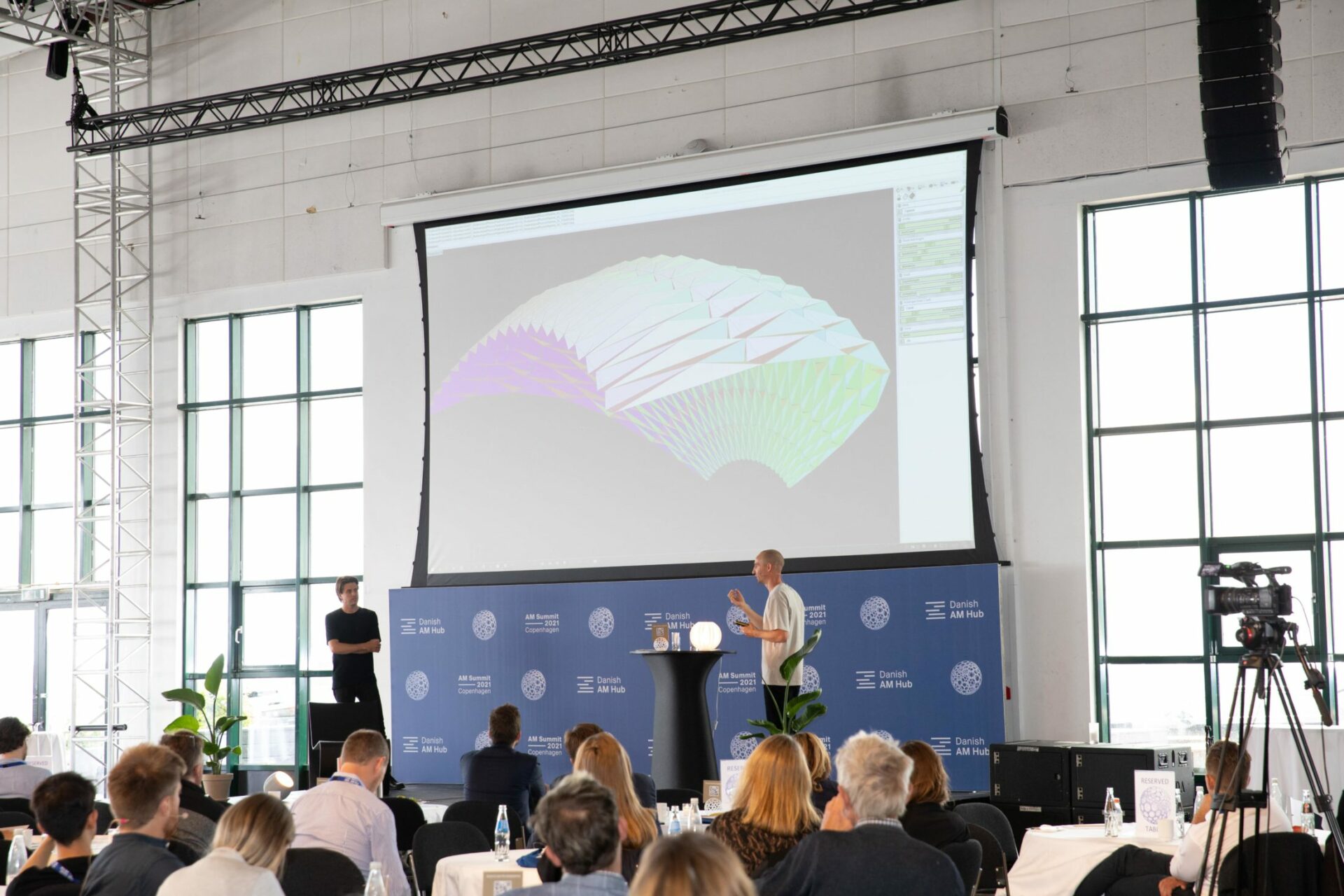
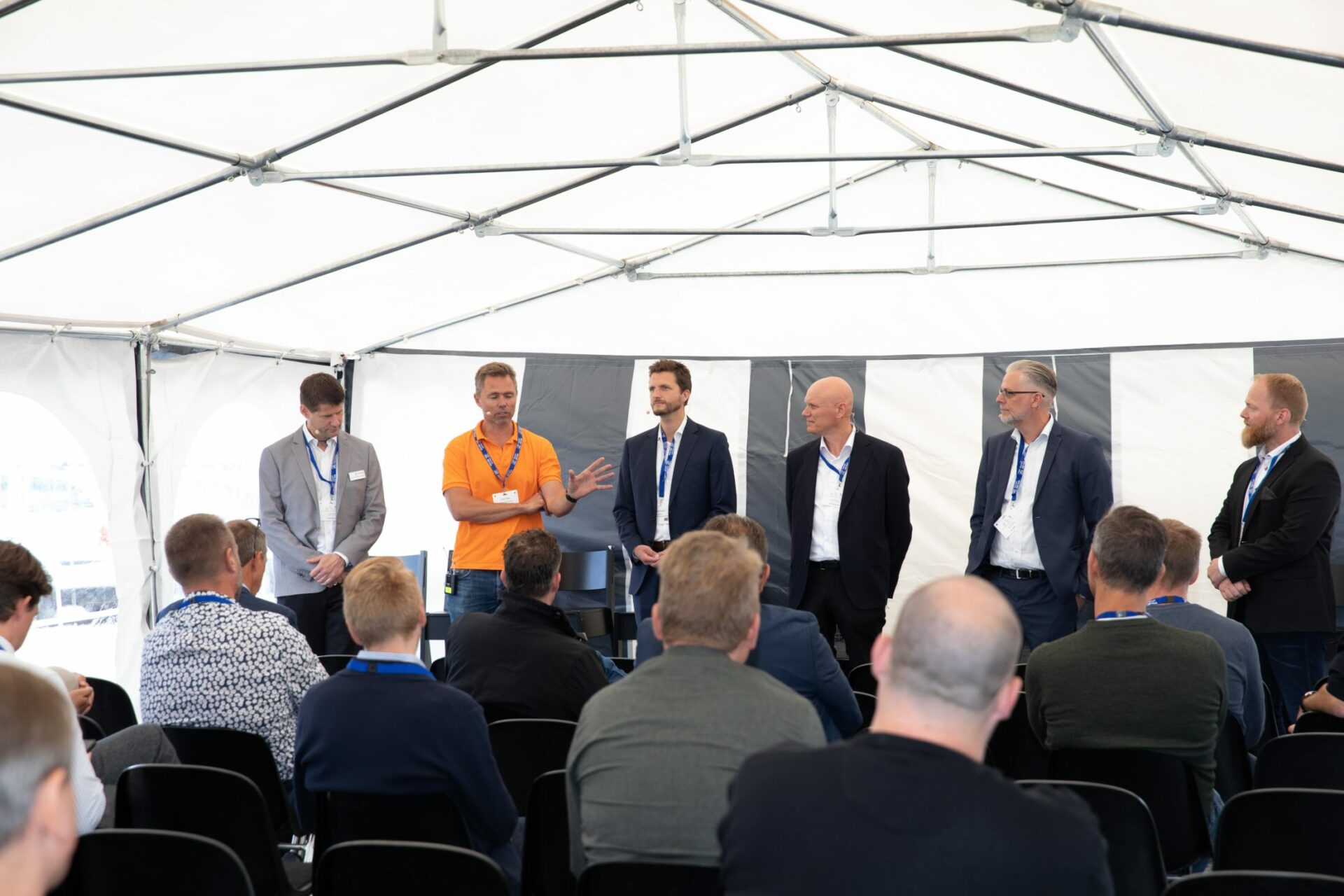
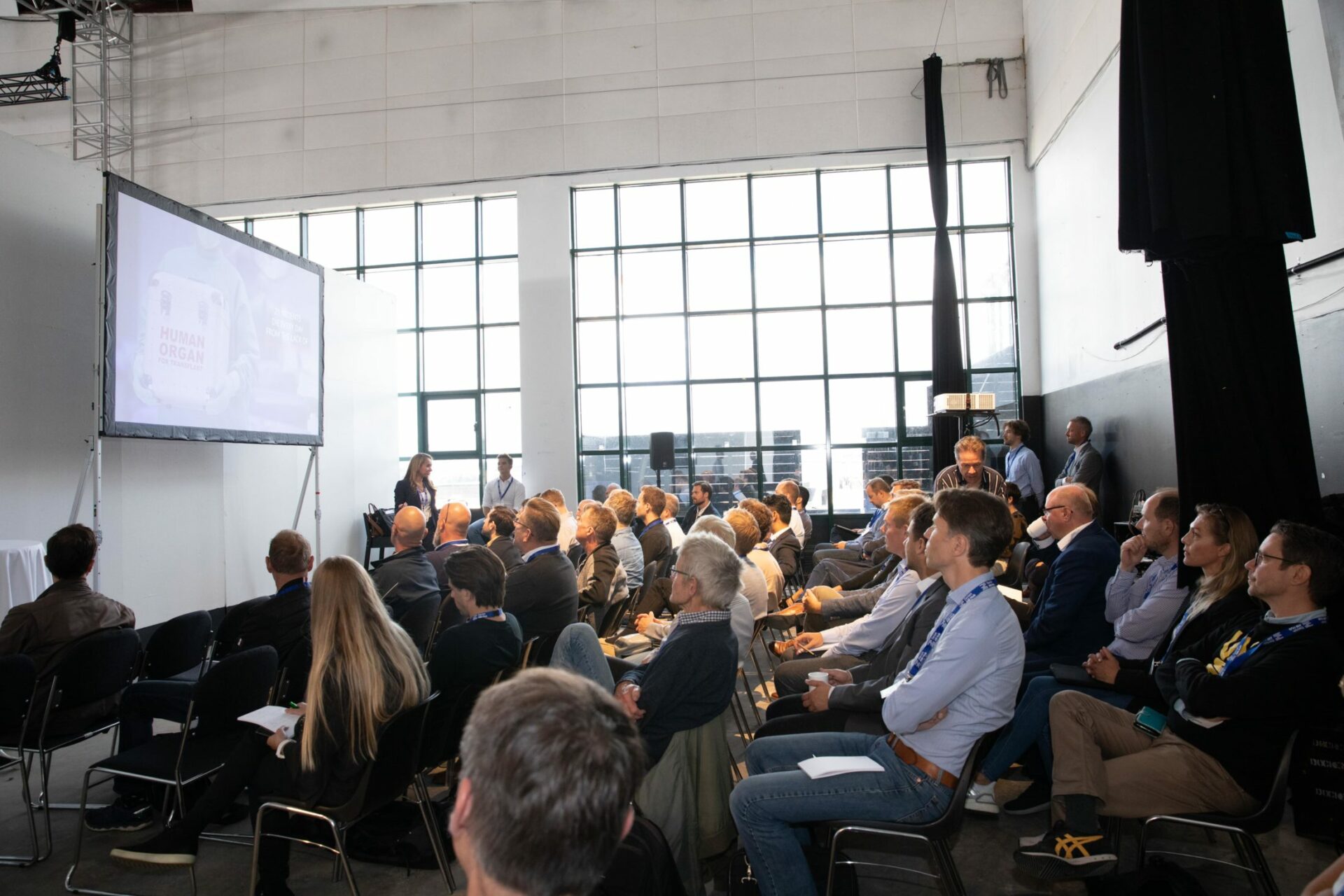
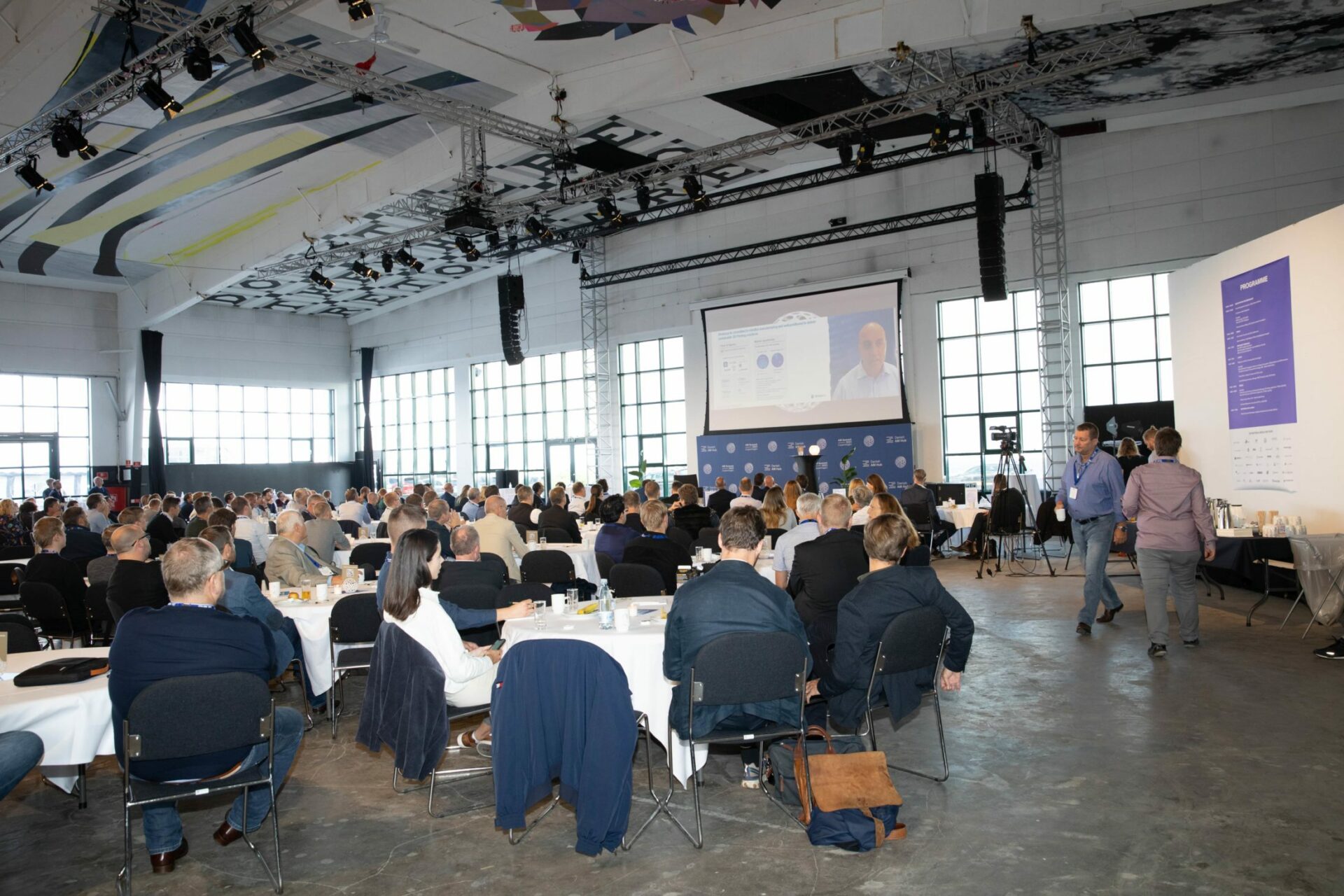
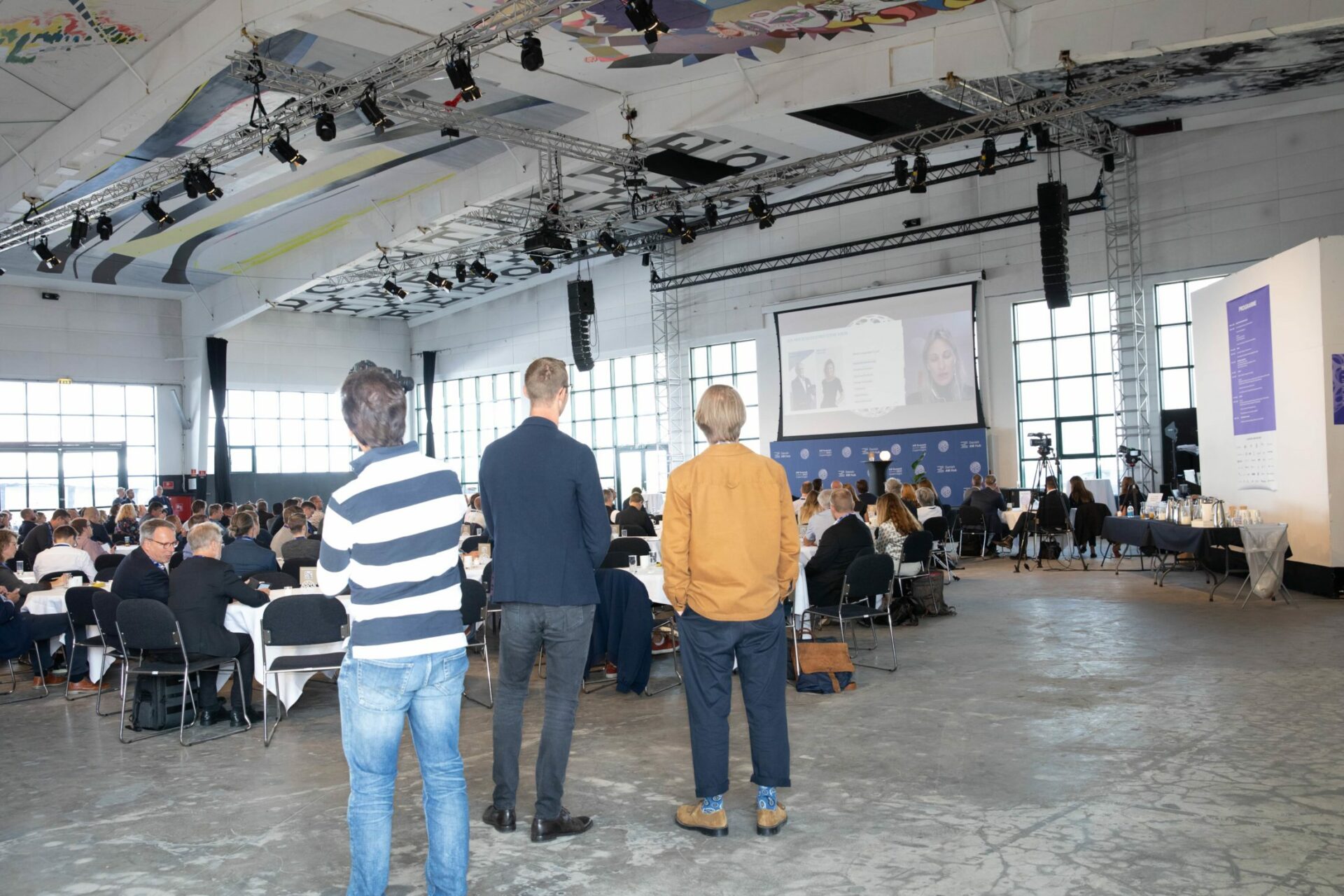
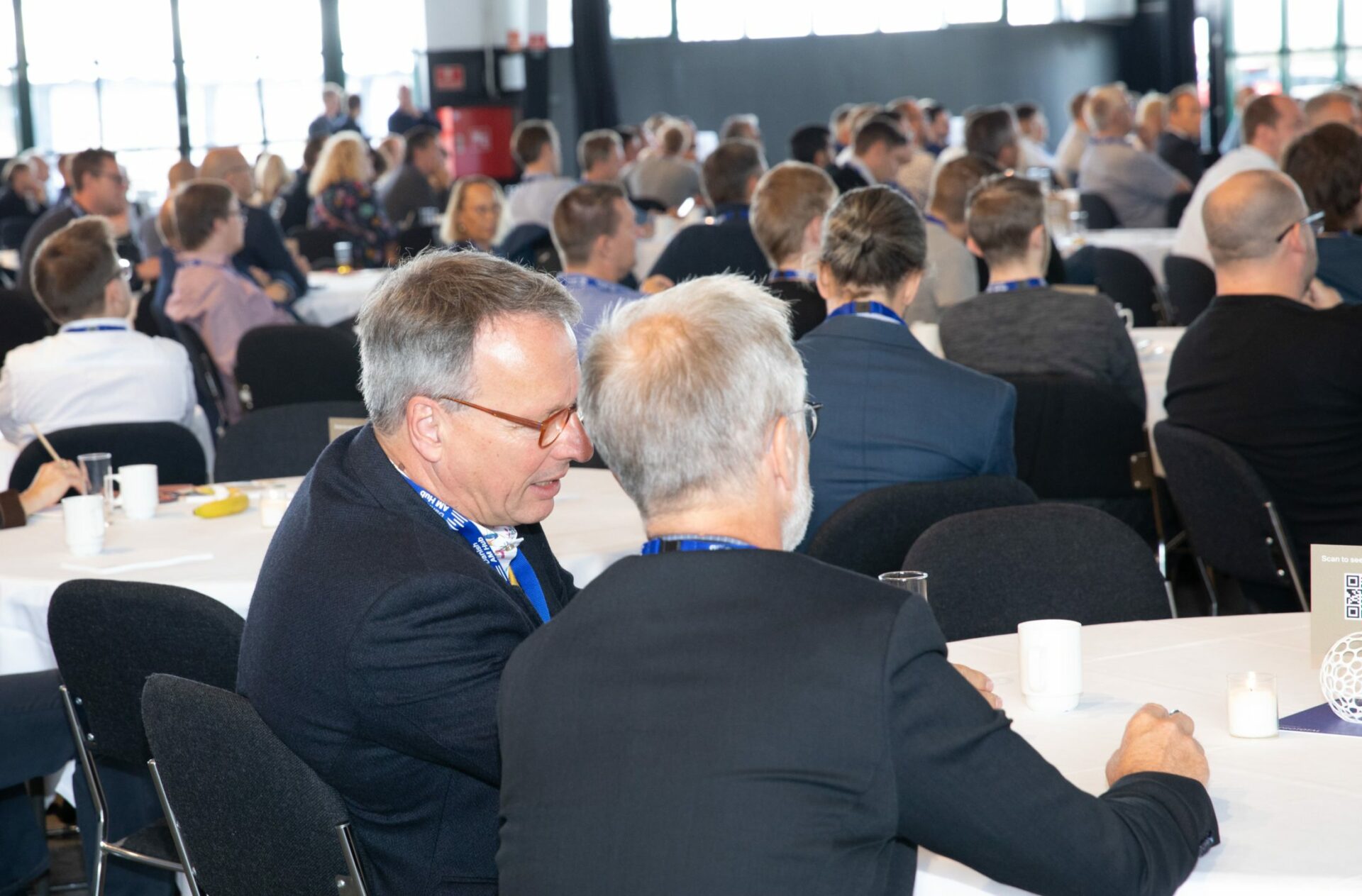
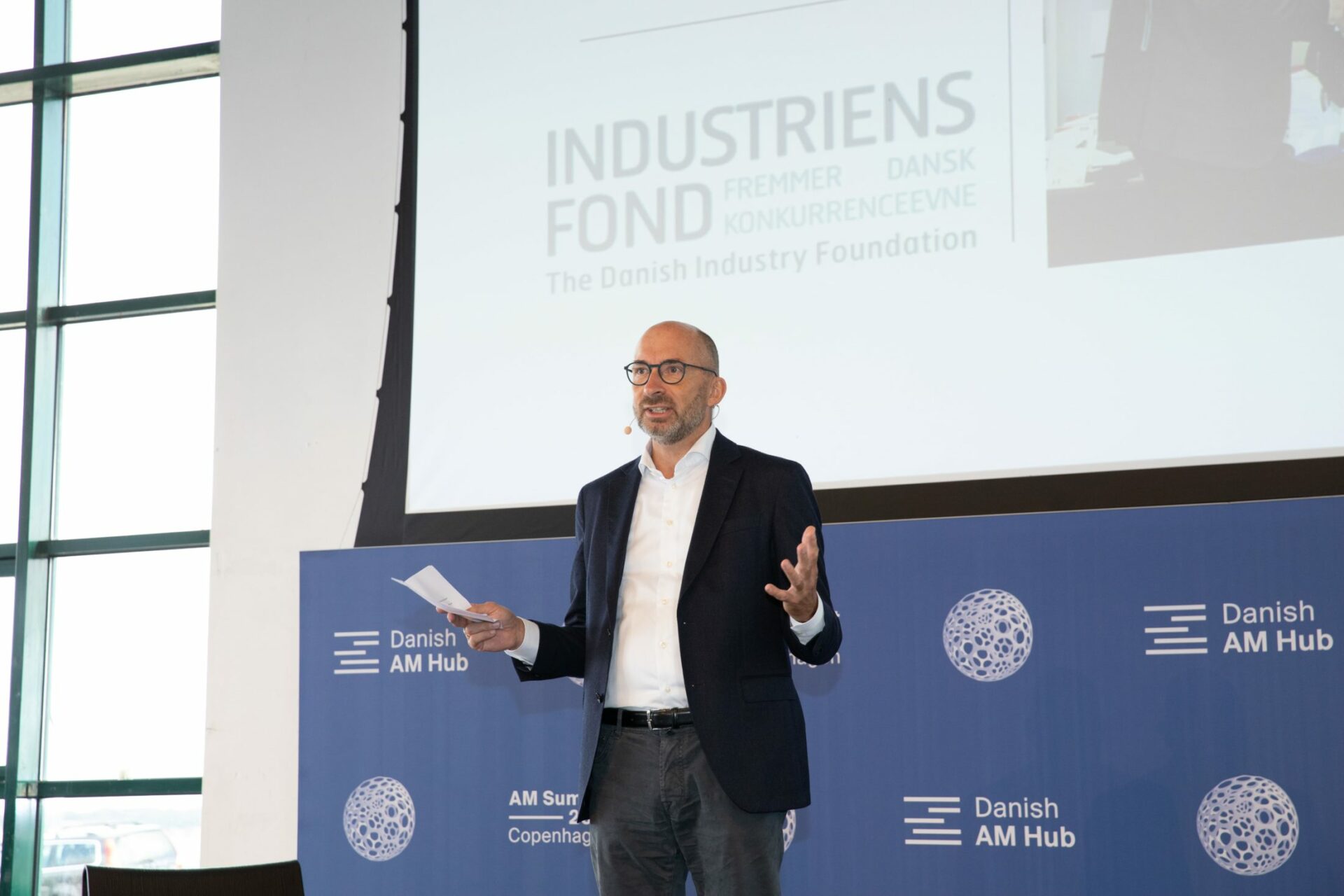
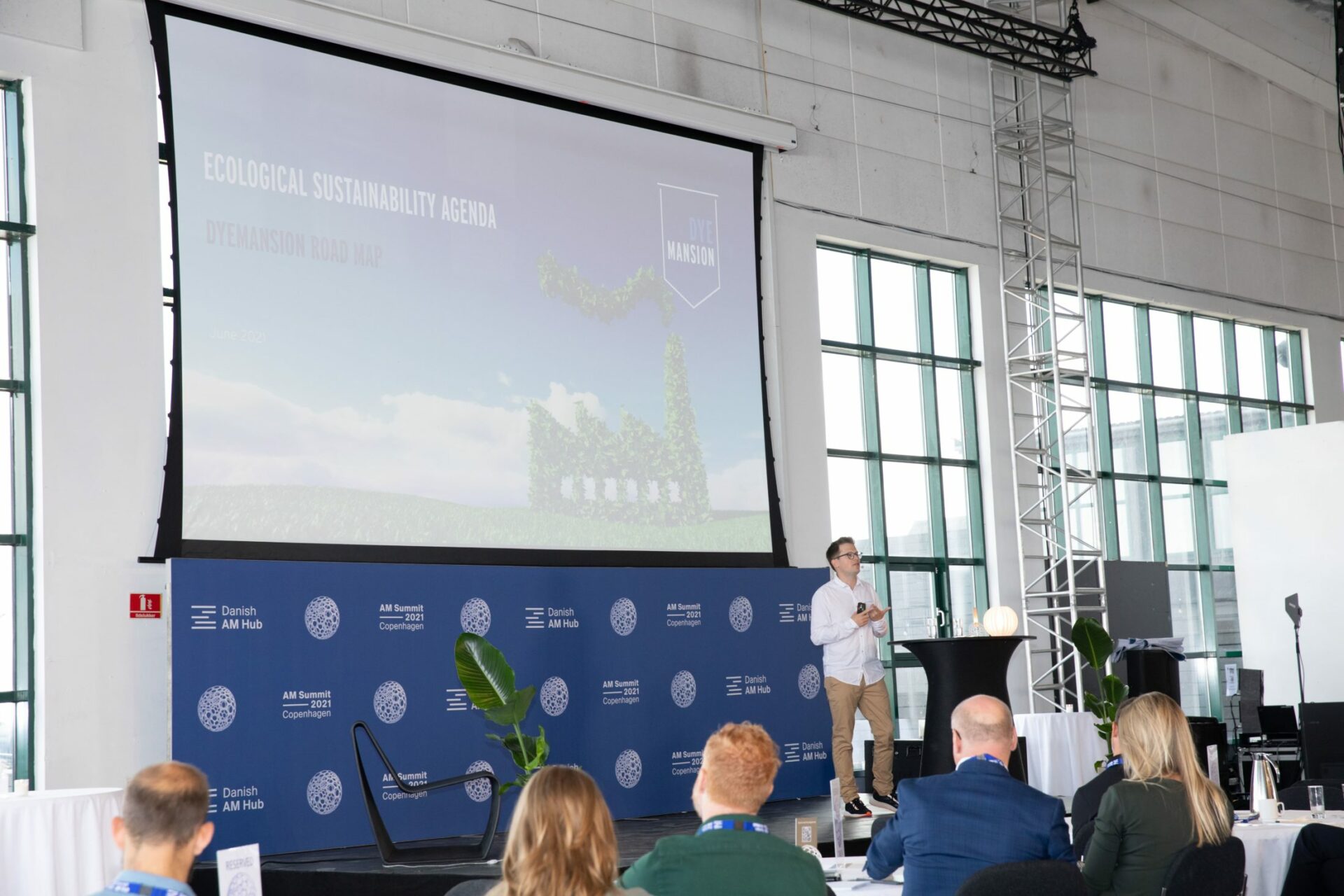
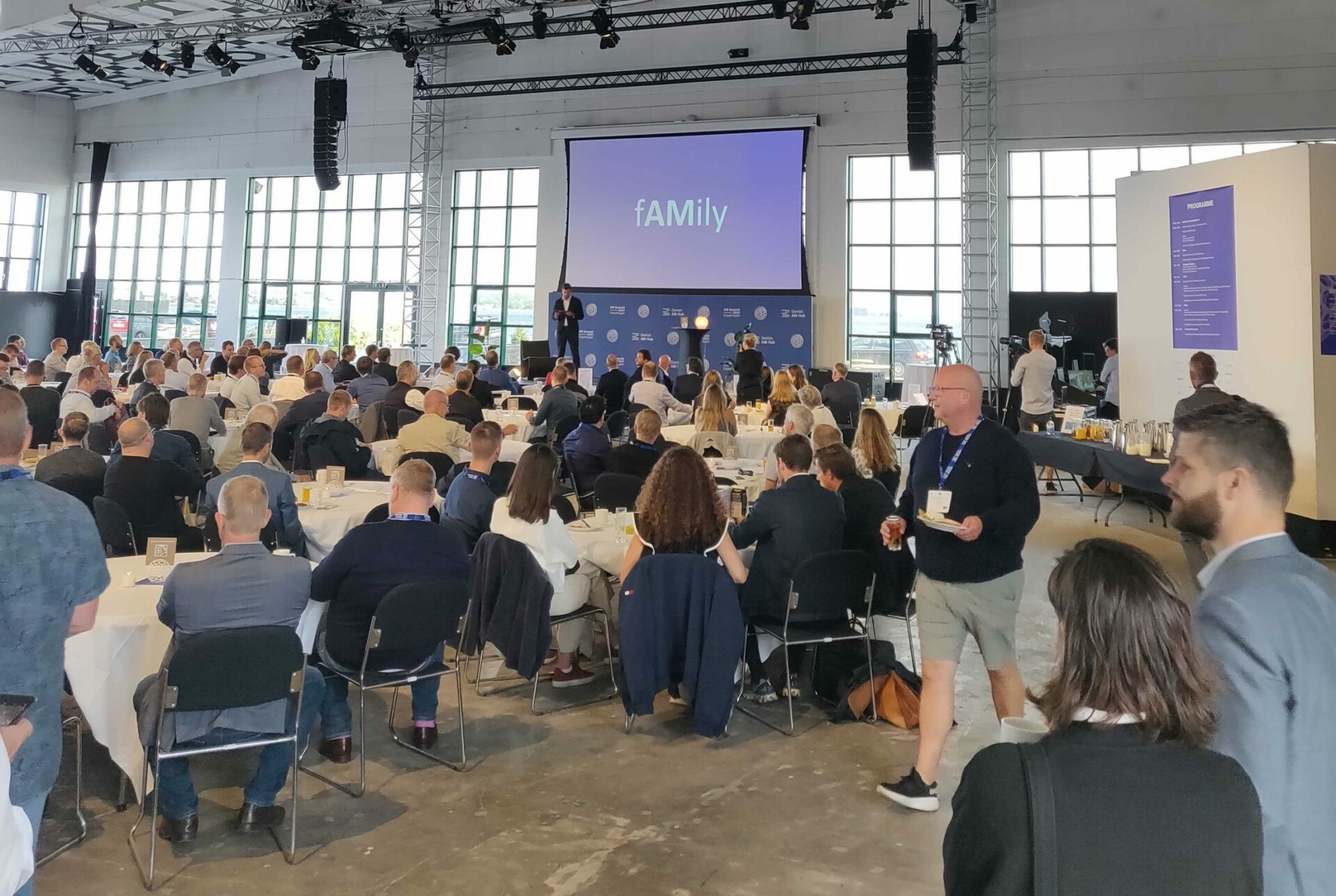
In August 2021, Danish AM Hub held the annual AM Summit – Scandinavia’s biggest Additive Manufacturing conference – for the third time. And this year’s AM Summit set the record with the largest support both in number of participants and the companies showing the latest AM-development and 3D printed products.
“An increasing number of production companies see the potential in the technology. The support and commitment from Danish and international companies and institutions at this year’s AM Summit confirm Denmark’s position as a leading hub for Additive Manufacturing”, says Chairman of the Board of the Danish AM Hub, Tue Mantoni.
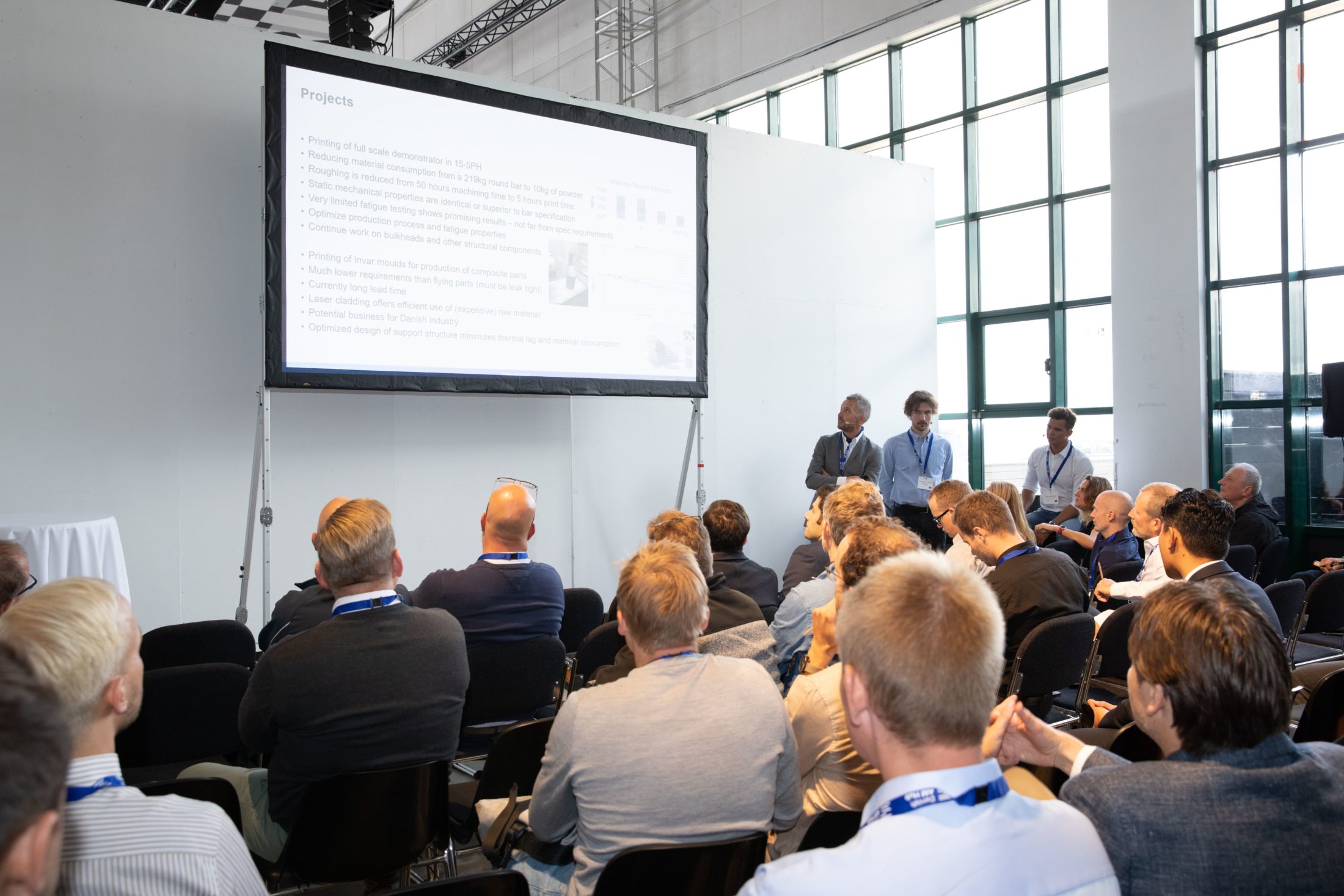
The 2021 theme was ‘Additive Impact – and how AM and 3D printing is a driver for sustainable manufacturing’. Under this theme, we heard 30 speakers address how additive production is a crucial technology for creating sustainable production and thereby also strengthening the power of innovation and competitiveness in production companies.
“We succeeded in addressing sustainable production with concrete solutions and inspiration how to get started with the technology and how to take advantage of its many opportunities”, says CEO at Danish AM Hub, Frank Rosengreen Lorenzen.
See more from AM Summit 2021 in the pictures below – and revisit the presentations from the main stage here.
We look forward to next year – to join our Summit fAMily, follow AM Summit on LinkedIn.




First Danish AM Hub Roundtable was a succes
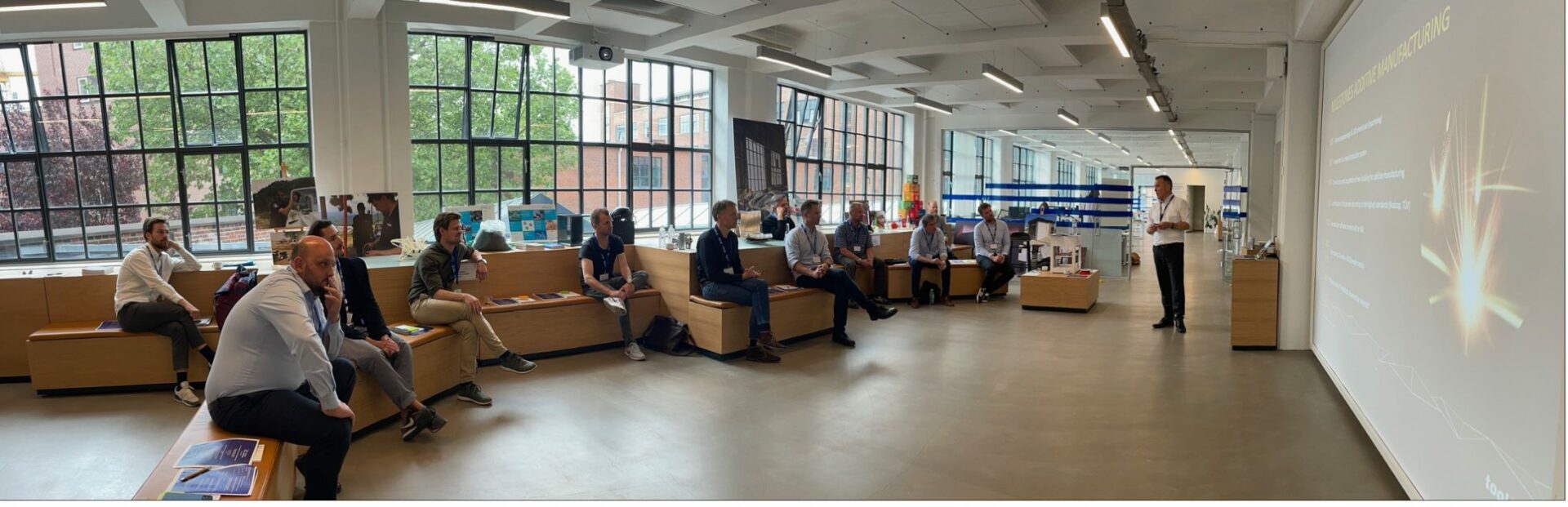
Our first Additive Manufacturing Roundtable – and what a succes!
Our Roundtable session is about AM in production – and the first kick-off workshop was about opportunities with Soft-tooling with Additive Manufacturing.
We had the pleasure of bringing together leading top manufacturers from Denmark including the LEGO Group, Novo Nordisk, Coloplast, GN Group and Ambu A/S and international technology providers including toolcraft AG, Fraunhofer-Gesellschaft, and EOS. Actors who all share a common interest in new approaches to accelerate product development with Additive Manufacturing.
The ambition of this Roundtable was to engage in a discussion and share experience on soft tooling with like-minded representatives from the Danish industry. Peter Bay from J. Krebs & Co. talked about the possibilities with AM soft-tooling from a Danish hybrid approach. Dr.-Ing. Kristian Arntz, Head of Department at Fraunhofer focused on AM in industrial process chains and closing gaps of conventional manufacturing technologies – and Christoph Hauck from Toolcraft talked about the future of Additive Manufacturing with their project AMbitious. The day ended with an open discussion on both experiences, opportunities and barriers with the cost-effective method that enables you to speed up product innovation in small-scale production of parts.
Thanks to Fraunhofer-Gesellschaft, toolcraft AG, and Tim Frank Andersen for enlightening and inspiring us – to Peter from J. Krebs & Co. A/S – Plastics Processinga for leading us through the day – and special thanks to the participants!
We are already looking forward to the next workshop!
Would you like to represent your company and engage in discussions as well? Let us know, write info@am-hub.dk.