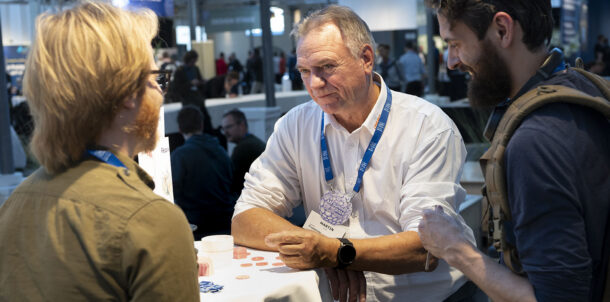

Dansk AM Hub launches a national network for metal 3D printing: To mature the technology in Danish industry
Dansk AM Hub launches a national network for metal 3D printing: To mature the technology in Danish industry
Metal 3D printing is already fully operational in global industrial sectors such as aerospace, automotive, and energy, where the technology is changing how components are designed, produced, and maintained. In Denmark, the potential is significant, but adoption is progressing more slowly. Therefore, Dansk AM Hub is now launching a new nationwide network for metal additive manufacturing (AM) to help Danish manufacturing companies mature the technology and translate it into real business value.
“We find that many Danish companies see the potential of metal 3D printing, but it is not gaining momentum at the scale we know the technology can,” says Frank Rosengreen Lorenzen, Managing Director of Dansk AM Hub. “They are facing the same questions: Where are the valuable use cases? How are competencies and partnerships built? And how do you integrate the technology into an existing production setup?”
Danish industry lacks a natural pull
In countries such as Germany, the United States, and France, the aerospace, automotive, and defence industries in particular have driven the development of metal AM forward. Denmark does not have that starting point. At the same time, many Danish manufacturers operate at lower volumes, where investments in new processes require greater certainty, maturity, and collaboration across the value chain.
This means that, despite significant potential, the technology has not yet been scaled broadly in Denmark. The new network is intended to address precisely that gap.
Significant potential for Danish areas of strength
The combination of metal and additive manufacturing creates new opportunities within, among other areas:
- Optimised components for machinery and robots, where weight reduction and design optimisation deliver lower energy consumption and improved performance
- On-demand spare parts for, for example, the energy and offshore industries, where discontinued or worn components can be maintained or produced faster and without expensive tooling
- Integrated functions in tools, such as cooling channels in moulds or complex heat exchangers, which reduce joints and potential failure points
The technology is particularly relevant to Denmark’s areas of strength within energy, offshore, and advanced industrial components.
In demand by industry
The network is being established at the request of several Danish manufacturing companies that are calling for a forum to share practical experience, gain access to experts, and develop a shared understanding of both the technology’s possibilities and its business implications.
“What industry is asking for is not only technical knowledge, but a safe space to discuss strategy, business, and implementation. No one should have to stand alone with a new technology where uncertainty is still a barrier,” says Frank Rosengreen Lorenzen.
The network starts in 2026
The network is aimed at Danish manufacturers—or international manufacturers with a presence in Denmark—who have either invested in, or have ambitions to adopt, metal AM.
Participants will gain access to cases, facility visits, expert presentations, and a community of companies working on the same challenges.
The application deadline is 20 January 2026.

Christmas greeting 2025
Christmas greeting 2025
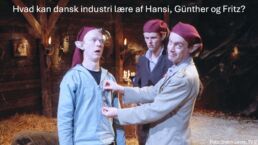
What can Danish industry learn from Hansi, Günther and Fritz?
Dear friend
You are one of nearly 1,000 developers, manufacturers, innovators, product developers, owner-managers and partners who receive our newsletter. You have probably taken part in our activities, advisory services or events – and this greeting is first and foremost to say thank you for the collaboration and to wish you and yours a very Merry Christmas.
Perhaps you are – like me – sitting and watching a Christmas calendar show with the kids. I am lucky, because they are now old enough that we can watch The Julekalender. The Christmas calendar show of them all. A Danish gem that has probably earned its status because it strikes something deep in the national psyche.
The three elves, Fritz, Hansi and Günther, crash-land in a Jutland potato field in search of the key to the music box that keeps their boss, Old Enough, alive. The mission is clear: Find the key to life – or it will all go wrong.
That mission is one I can relate to.
For almost half a lifetime, I have worked with what keeps Danish industry alive: innovation. The ability to create and develop ideas and turn them into reality. Create something new. Deliver more. Make a real difference.
Despite the bleak outlook we are often presented with in Draghi reports, etc., I would venture to claim that in Denmark we are world champions in precisely that discipline. That also explains why we have thousands of small and medium-sized manufacturers who beat the Chinese every day, and some of the world’s leading manufacturers such as Grundfos, Danfoss, Lego, Novo, etc. We do not have Germany’s size, Norway’s oil or Sweden’s iron ore. But we do have something that is at least as valuable:
The open, flat and trust-based shop floor.
When I said yes to the job as CEO of Dansk AM Hub 6 years ago, I knew full well that the initiative would hardly be the biggest in Denmark. But because of the combination of the Danish shop floor and AM technology, I was completely convinced that Dansk AM Hub could become the best Danish business and innovation initiative ever. (Benny would probably say: “Bob Bob Bob” – but trust me, I can see the results).
Because yes, Additive Manufacturing and 3D printing have a technical side that must be mastered. But even more important is the idea-generating and creative process that comes with it. The printer becomes the bridge between the digital and the physical world – and on the open shop floor we can discuss ideas, test them immediately, learn fast and move on.
So our approach has always been clear: Strengthen the innovation process early. Carry out rapid – but thorough – life-cycle and business case assessments upfront. Because this is where up to 80% of both costs and carbon footprint are locked in. If we can simply shift that process in a slightly better direction, and do it for the entire industry, then on Danish soil we can create the most efficient and greenest products in the world. It’s bår’ lovely, A Saaaw: It’s bår’ lovely!
With our in-house developed software, we can now do exactly that. Much like the elves look things up in The Big Book, we draw on a unique source of data and knowledge – and help companies make better decisions early in the process.
Today, we are the only business and innovation initiative that can show which scenarios create business, technical and sustainability impact through our work with our skilled manufacturers.
So now I’ll just throw a remark out there, right?: That is concrete. That is exactly what Draghi is talking about. And let me tell you: It works.
This has only been possible because we have had the time and peace to develop the approach. That is why a big thank you is also due to Industriens Fond, where next year we will begin our third grant.
Because the new grant has made it possible to integrate our software and consolidate our experience from more than 400 advisory programmes into one approach: AM SUSTAIN. And I honestly have never seen stronger results than those achieved by the more than 30 small and medium-sized manufacturers we have helped this year with this approach.
No one mentioned, no one forgotten – but I would like to say: Well done and thank you for the collaboration to you all.
Over the year, we have also had the opportunity to test AM SUSTAIN at scale with larger manufacturers such as FUJIFILM Biotechnologies and Alfa Laval – many thanks for the collaboration to you all. Because if our approach cannot create value for you, then it is not good enough for the busy SMEs we work with every day.
I believe the reason our approach creates so much value is partly the capability we have now built up in Dansk AM Hub – where I have an exceptionally strong team that works just as hard as Hansi – but most of all that we do not just, like Günther, whittle/3D-print a propeller for our companies. No, we do not stop until we have built an entirely new capability within our companies, so that they themselves can whittle the most efficient products and solutions of the future.
That capability is an innovation engine that ensures it is us in Danish industry who find the new solutions, and that we are not overtaken by foreign naysayers.
So let us collaborate, create and build something together – because we can create tremendous value by combining AM, AI, concrete cases on the shop floor, and clear calculations of potential, scaling and implementation. That is the key to life in the competitiveness of Danish industry. And that is what Dansk AM Hub lives and breathes for.
So I am both proud and grateful to lead an initiative that learns, challenges itself, and delivers measurable value. An initiative that works with companies instead of drowning them in application forms, timesheets and hassle. (That’s a good vending)
The results speak for themselves.
Well, yeeeees…
With the warmest Christmas greetings
Frank Rosengreen Lorenzen
CEO, Dansk AM Hub

Have you not yet signed up for our newsletter?
Circularity on the Factory Floor: New project focuses on extending service life in industry
Circularity on the Factory Floor: New project focuses on extending service life in industry
How can Danish manufacturing companies strengthen both competitiveness and sustainability without replacing all production equipment?
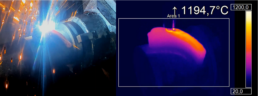
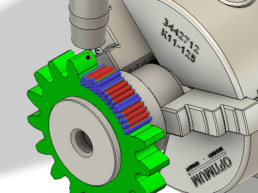
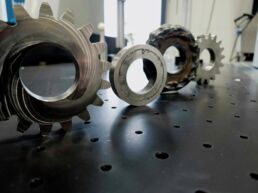
This question forms the foundation for the new initiative Circularity on the Factory Floor, which will develop and demonstrate new methods for hybrid manufacturing. Hybrid manufacturing combines subtractive and additive processes, enabling worn and defective metal parts to be repaired and returned to production. At the same time, the project explores opportunities to upgrade older CNC machines and industrial robots, giving them new life instead of scrapping them.
The project is carried out by DAMRC, Dansk AM Hub and Aarhus University in collaboration with Industriens Fond.
Through tests, demonstration cases, events and hands-on knowledge, the project will provide especially SMEs in the manufacturing industry with access to technologies that can reduce material waste, extend equipment service life and strengthen their green profile—without major investments in entirely new systems.
The project runs until February 2028, and the first activities have already been launched.
We look forward to sharing experiences and results along the way!
Well-attended Open House at 3D Infill: Great curiosity about 3D printing
Well-attended Open House at 3D Infill: Great curiosity about 3D printing
“You pay with your time and your commitment.”
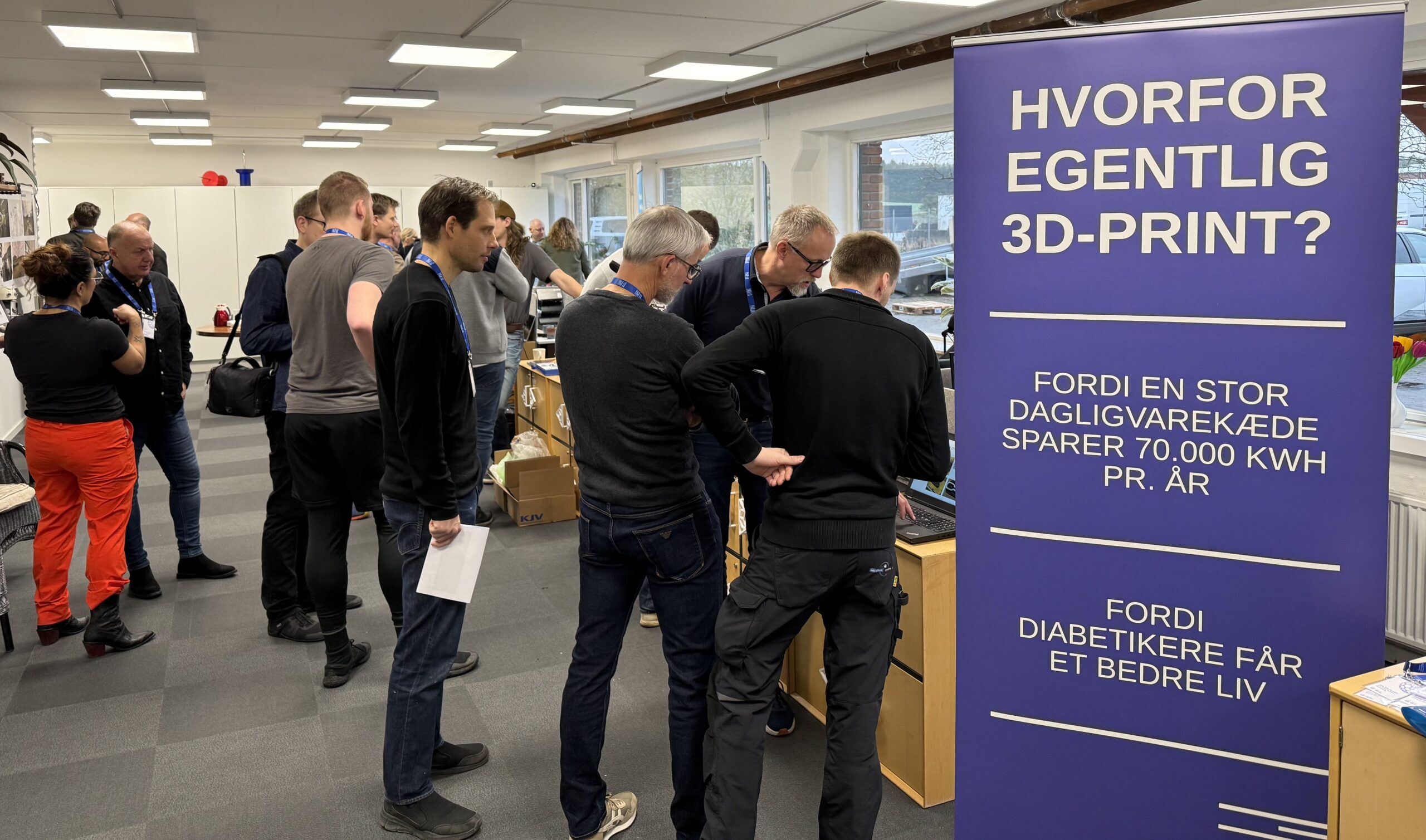
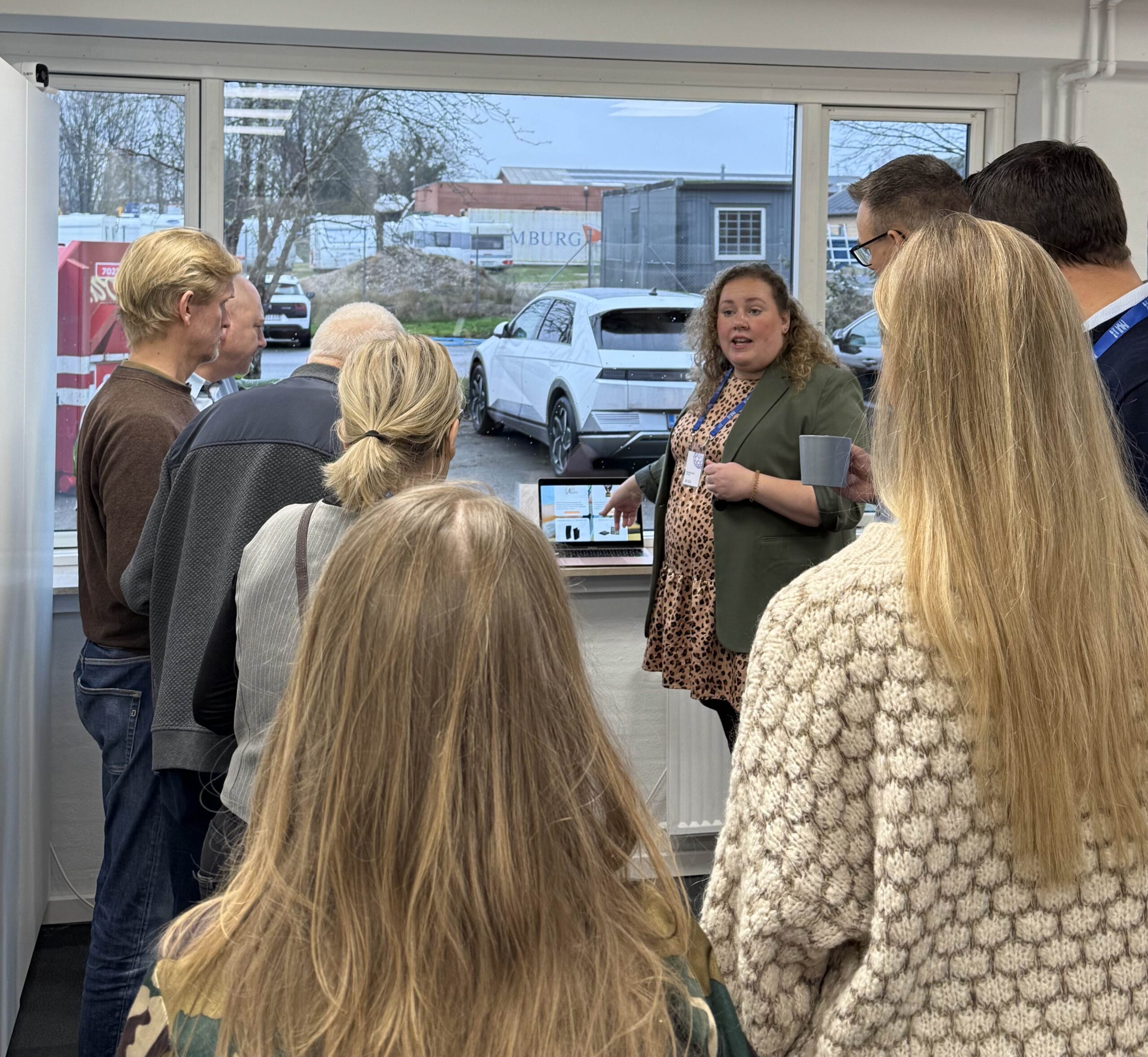
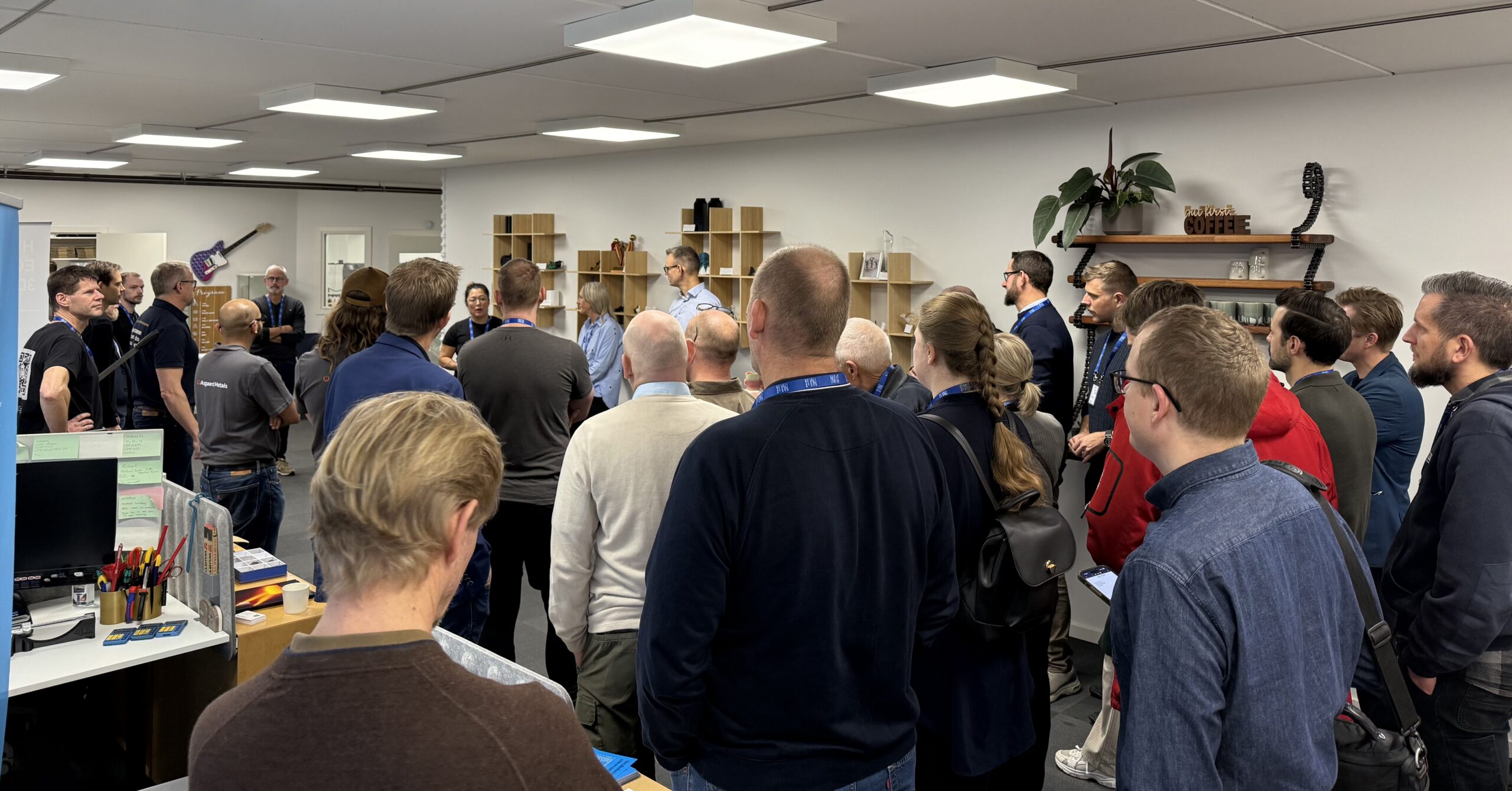
That was the deal—and pay they did, the participants at our Open House at 3D Infill in Slangerup on Tuesday, 25 November. In fact, they almost left a tip. The energy was high, and the curiosity even higher.
Participants included companies, professionals, and curious visitors who wanted a closer look at the possibilities of Additive Manufacturing (AM). The purpose of the event was to provide an honest and inspiring insight into 3D printing technology—what it can do, what it cannot do, and how Danish companies are already using the technology in practice.
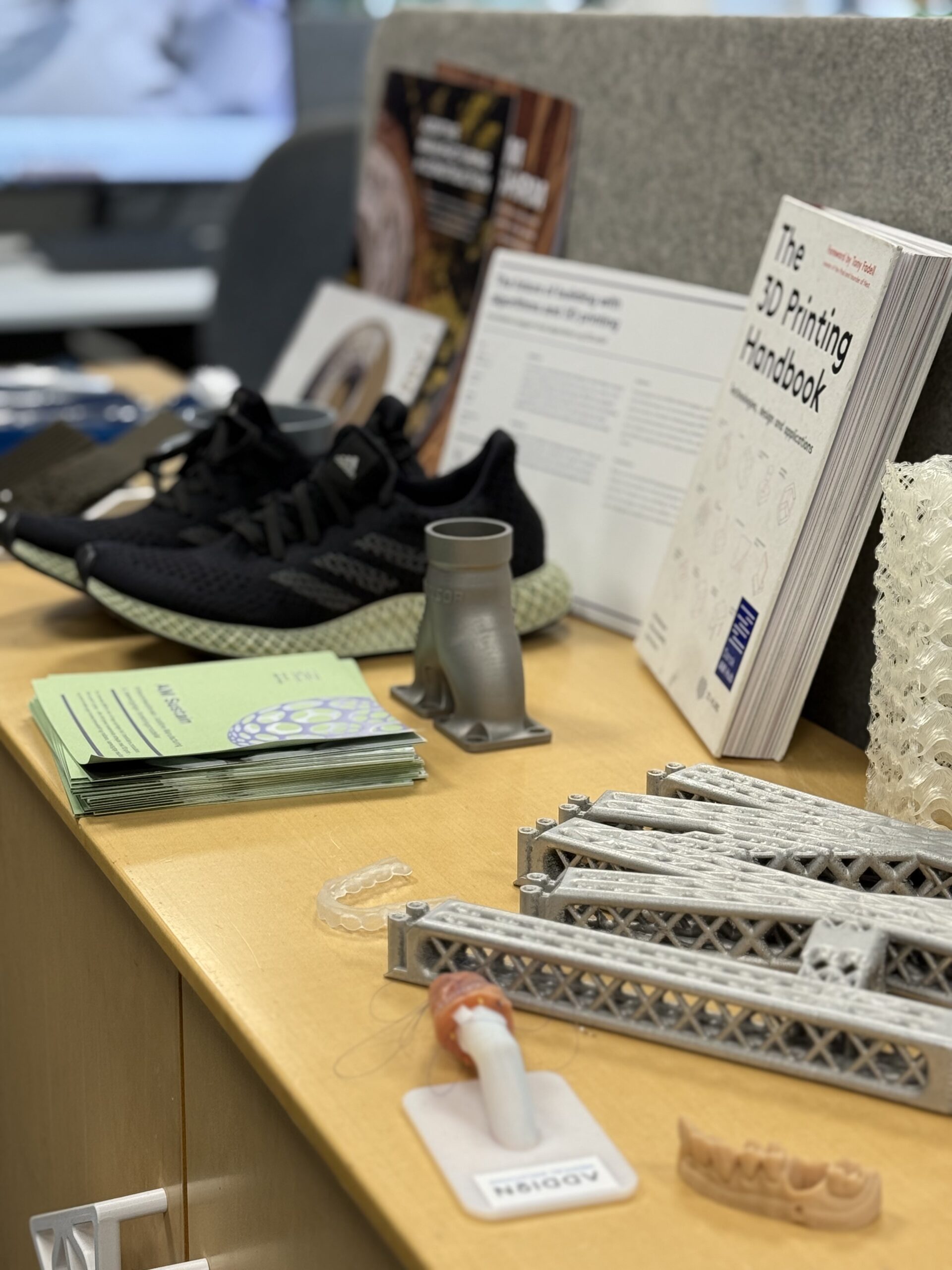
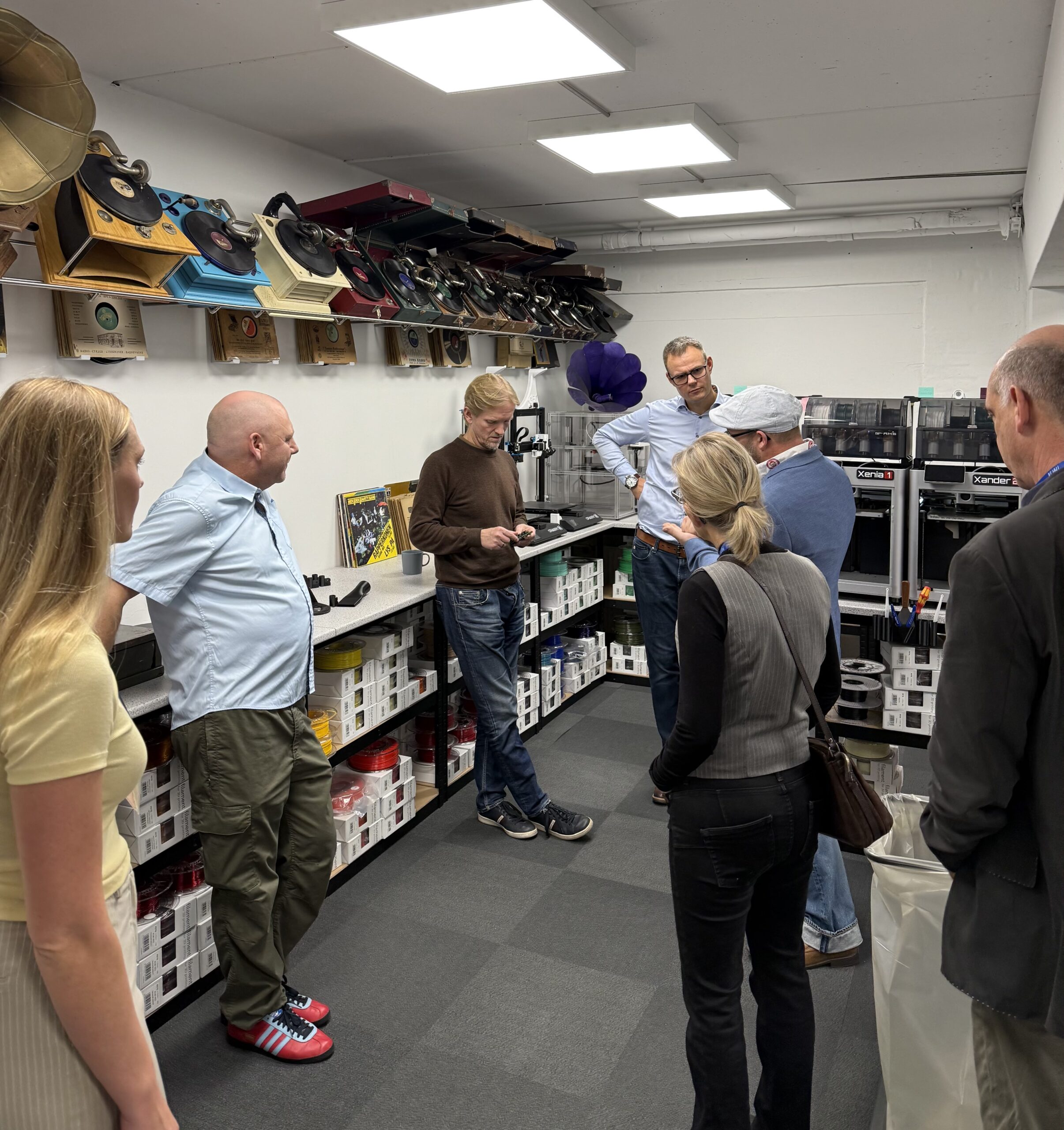
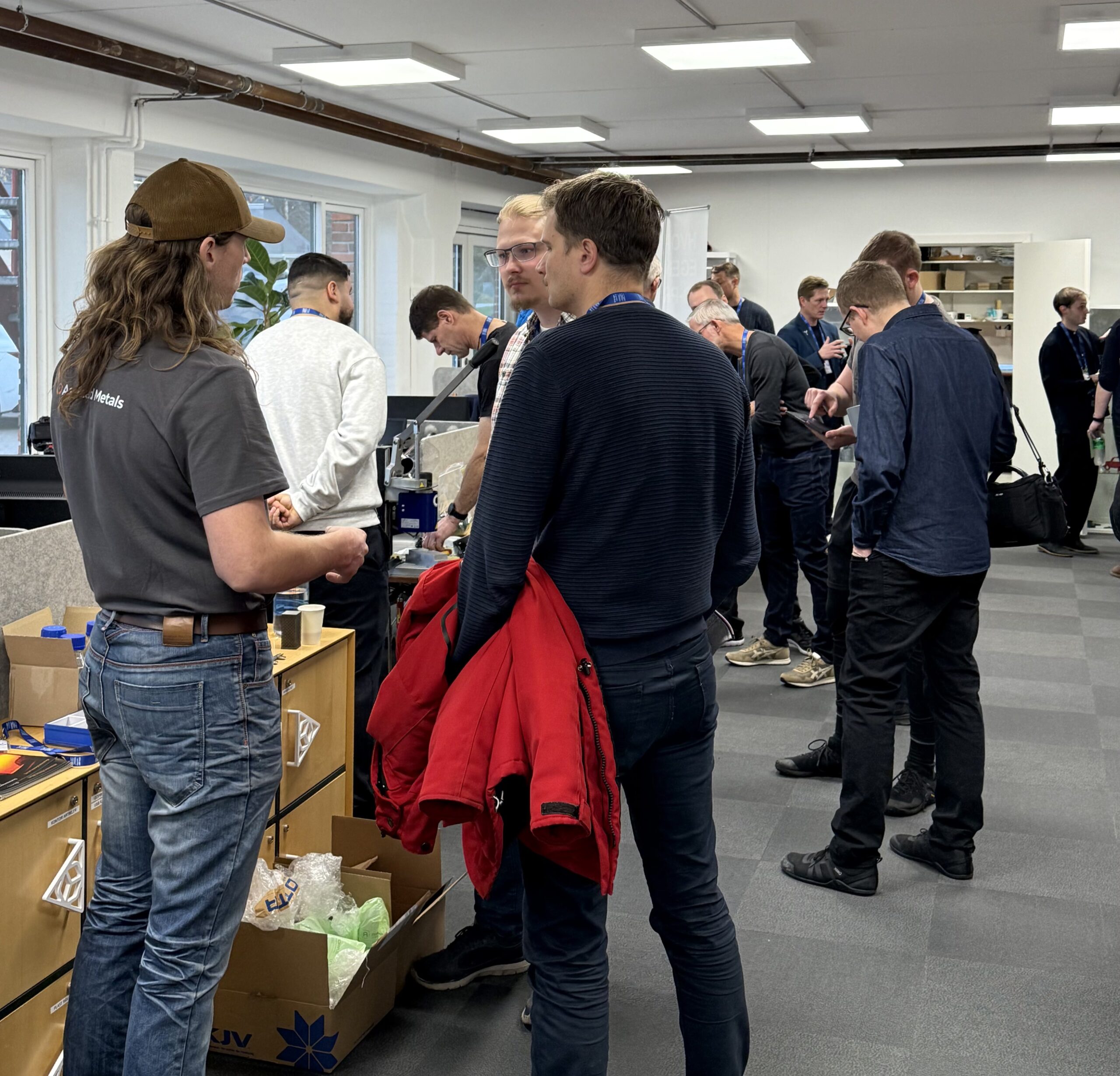
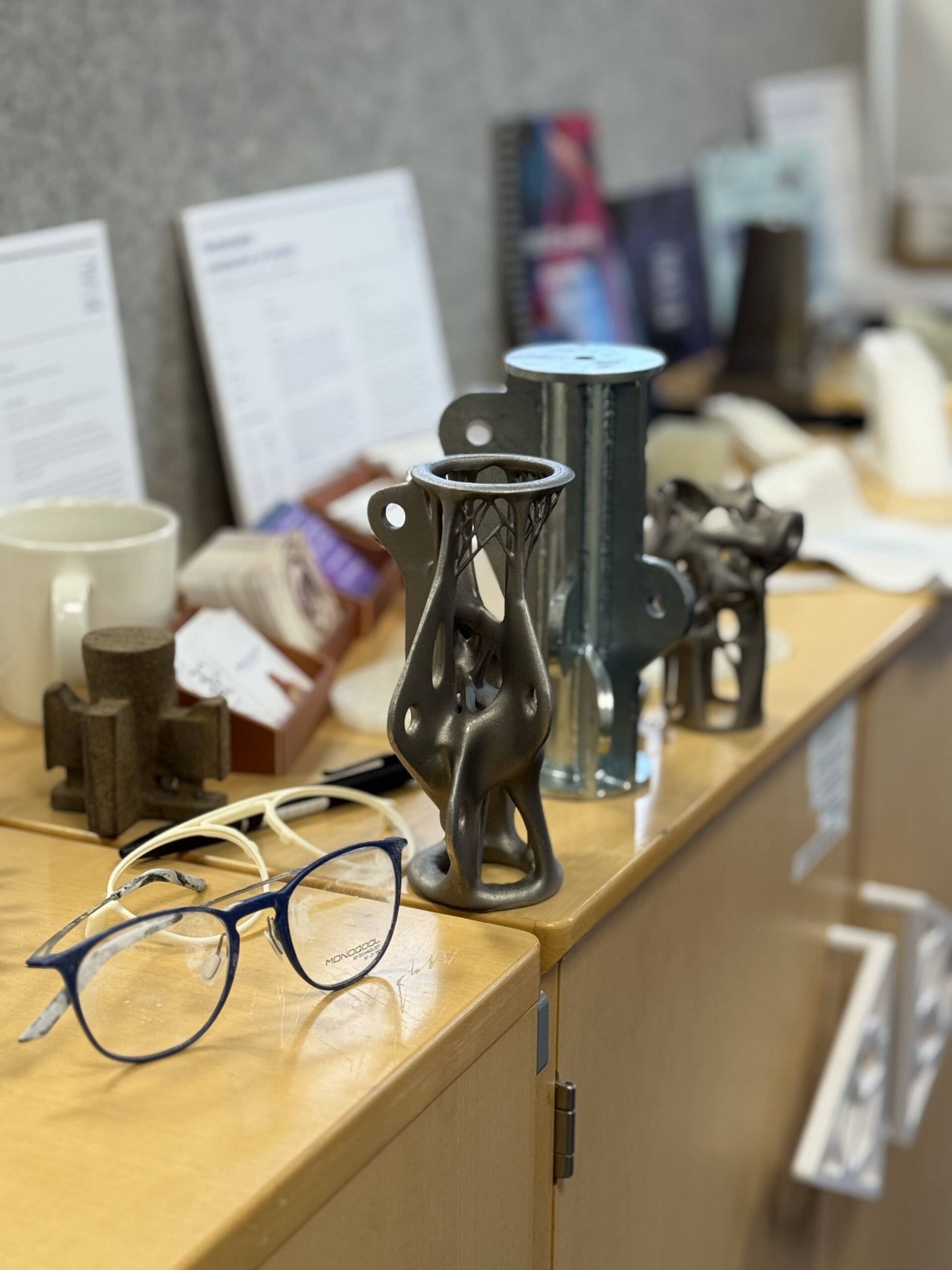
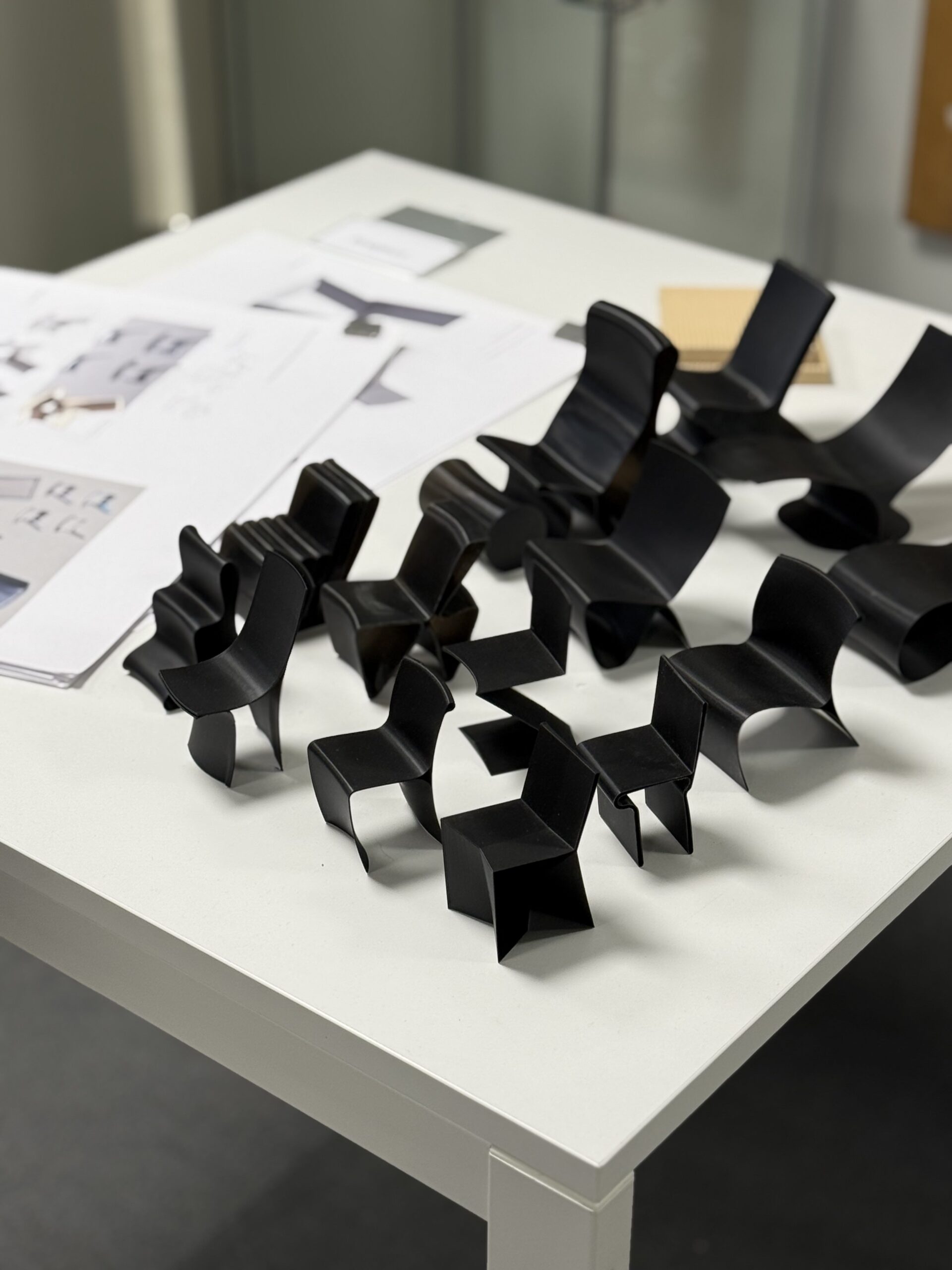
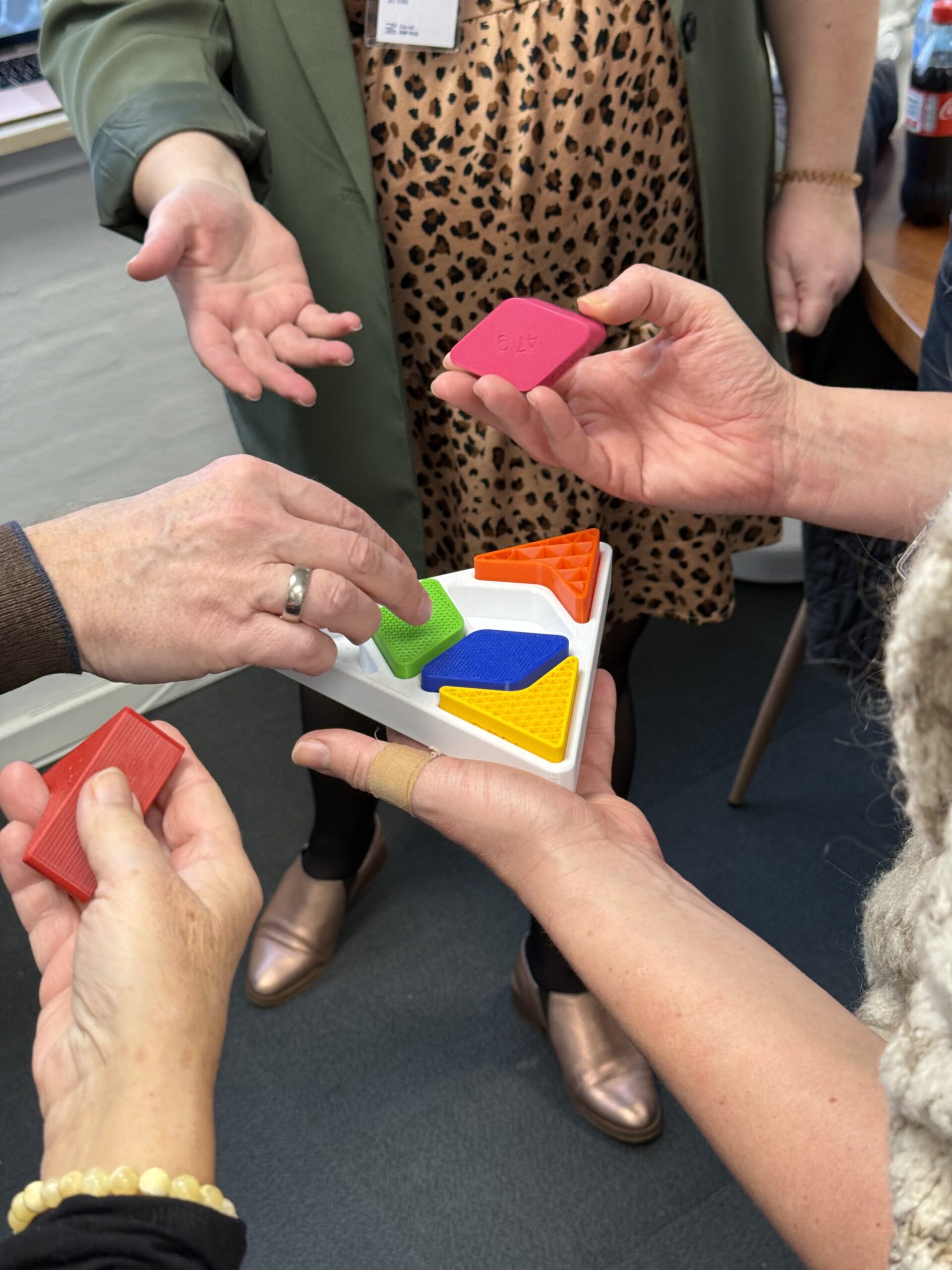
There were plenty of valuable discussions and lively conversations about everything from 3D-printed moulds to metal printing, design, circularity, and the skills of the future. Participants could meet and speak with a range of professionals and companies, including Asgaard Metals, 3DPMolds, Carmo, Preject Studio, Industriens Uddannelser, Dansk Metal, Frederikssund Erhverv, 3D Infill and Dansk AM Hub. The stands and guided tours of 3D Infill’s production facilities provided concrete examples of how AM is already creating value in industry.
The day also offered networking, dialogue, and time to discuss opportunities for upskilling and continuing education, so employees can take on the AM role in the production of the future.
A special thank you to today’s speakers and partners for sharp insights and concrete examples of how 3D printing and AM create value in practice
See photos from the day below.
We are already planning more Open House events in 2026!
Should our next event be hosted at your company? Or do you have requests for themes or input for the content? Please contact Marianne Heidam, and together we can shape the framework for the next inspiring day.
FUJIFILM Biotechnologies: Reduced lead time and greater agility in production with 3D printing
FUJIFILM Biotechnologies
Reduced lead time and greater agility in production with 3D printing
A springboard for scaling additive solutions more broadly across the organisation

FUJIFILM Biotechnologies reduces lead time and increases production agility with 3D printing. By rethinking a key component as an additive solution, they achieve significantly faster delivery, less complexity, and lower tied-up inventory—while also taking the first step towards a more scalable and flexible production model.
The case – overview and context
FUJIFILM Biotechnologies is an international CDMO player, where high-speed production and frequent changeovers are a natural part of the business. With capacity expansions and new facilities, efficiency and flexible solutions are crucial to keeping processes scalable. Therefore, technologies that can reduce bottlenecks and strengthen equipment robustness are particularly relevant to them.
They were familiar with 3D printing, but primarily for small, non-critical prototype applications, and were looking for a way to work more systematically with additive solutions using already approved materials. The ambition was to test whether 3D printing could create operational agility and reduce time, complexity, and tied-up inventory.
Results from programmes with Dansk AM Hub
- Up to 6x shorter delivery time for components
- Significantly reduced tied-up inventory and less need for air freight
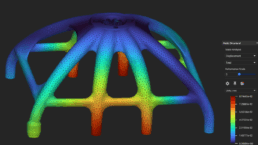
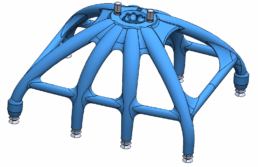
- Consolidation of approx. 20 parts into one single component
- Increased flexibility and faster adaptation of production equipment
The programme with Dansk AM Hub
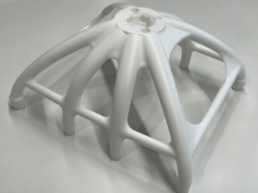
Through the AM Sustain programme in collaboration with the Danish Technological Institute, we converted a classic (milled metal) vacuum gripper into an additively optimised solution: significantly lower weight, better vacuum distribution, and design consolidation from around 20 parts to one single component. As the component must operate in pharmaceutical production, the design was based on an already approved material, with a focus on cleanability and surfaces that meet FUJIFILM’s requirements.
Is your production setup a limitation—or a strength?
And are there new opportunities?
The development programme was designed for rapid iterations and to identify the most valuable place to start, so FUJIFILM could obtain a reliable proof of concept without committing additional resources or time.
As part of the programme, key employees were trained and were thus able to translate the technological possibilities—such as metal and (plastic) powder technologies—into seeing significantly greater potential than before.
About the company
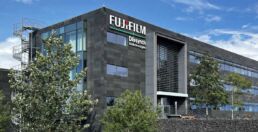
FUJIFILM Biotechnologies
Hillerød, North Zealand
Number of employees: >2000
FUJIFILM Biotechnologies is a global CDMO player that develops and manufactures biological medicines, with a focus on scalable and flexible production
Results and potential
The results clearly demonstrate the potential: the 3D-printed gripper can be delivered in one-sixth of the time, at no higher cost, and enables a significant reduction in tied-up inventory and air freight. AM enables local production close to the site, avoiding air freight when time is critical—or having too many parts produced and sitting in stock. Increased digitalisation with print-optimised parts enables much faster changes and optimisation of sub-components, making it realistic to expand the share of 3D-printed parts without major investments in in-house design capabilities.
This provides a springboard for scaling additive solutions more broadly across the organisation, also across sites and national borders—from fast internal parts to more flexible process equipment, as capabilities and practices mature.
Is your production setup a limitation—or a strength? And are there new opportunities?
Get input on how hybrid production can support your business strategy.
The Industry Foundation appoints an experienced green strategist to the Board of Dansk AM Hub
The Industry Foundation appoints an experienced green strategist to the Board of Dansk AM Hub
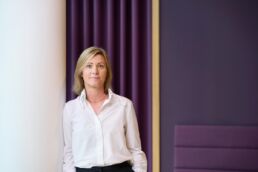
Dansk AM Hub strengthens its Board with the appointment of Ingrid Reumert, Senior Vice President for Global Stakeholder Relations at Ørsted.
With more than 20 years of experience from leading positions in the business community, Ingrid Reumert is a prominent voice in the Danish and international debate on sustainability, energy and the green transition. She has extensive experience in stakeholder relations, policy and regulatory affairs, geopolitics, ESG strategy and energy efficiency, and throughout her career she has led both business-critical and societal agendas.
In addition to her role at Ørsted, Ingrid actively contributes as a member of several boards and advisory boards, including Copenhagen Business School Executive, the WWF World Wide Fund for Nature Presidium, Copenhagen Airport, the EUROPA think tank and State of Green Denmark, and she is an Adjunct Professor at CBS. Prior to Ørsted, Ingrid Reumert worked at Terma A/S, VELUX A/S, as well as in the European Parliament and at Christiansborg.
Chair of the Board of Dansk AM Hub, Poul Skadhede, states:
“We are very pleased to welcome Ingrid to the Board. She brings a strong combination of strategic leadership, a global outlook and deep insight into sustainability. Her profile is a perfect match for Dansk AM Hub’s ambition to make Denmark a leader in sustainable manufacturing, and I look forward to working with Ingrid to build bridges between technology, business and society.”
Ingrid Reumert says about her appointment:
“Dansk AM Hub plays an important role in driving innovation and sustainability in Danish manufacturing. Additive Manufacturing holds great potential to reduce waste, CO₂ and material consumption while creating new business opportunities. I look forward to contributing to the Board’s work and to strengthening collaboration with both the business community and other stakeholders to promote a greener and more competitive Danish manufacturing sector.”
At the same time as the appointment of Ingrid Reumert, Gitte Buk Larsen and Jacob Dirks have stepped down from the Board.
The new Board of Dansk AM Hub therefore consists of:
- Poul Skadhede (Chair), Chair of Odense Maritime Technology
- Jacob Himmelstrup (Vice Chair), CEO, Regaco
- Tim Frank Andersen, Co-founder & Partner, Institute of AI
- Mads Kjøller Damkjær, Executive Director, CulturePulse, and Chair, Tomorrow Projects
- Ingrid Reumert, Senior Vice President, Ørsted
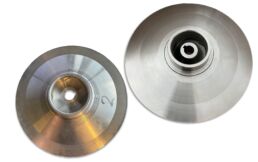
DESMI eliminates welding and halves lead time with 3D-printed titanium
DESMI
Lead time reduced from 80 to 14 days – 3D-printed titanium shortens lead time
A production technology that enables faster manufacturing

By moving from complex welded cast parts to one-piece 3D printing, DESMI has created a stronger, faster, and more reliable solution with a lower CO₂ footprint and greater design freedom.
The challenge: Long lead times and low quality in titanium welding
In the production of impellers for pump systems, DESMI used cast and welded titanium components manufactured in Belgium. This method presented several challenges:
- Long lead time – up to 80 days.
- Quality issues – manual welding created weak points and surface defects.
- High production costs due to both material waste and manual welding work.
- Low supply robustness, as only one supplier could deliver.
The solution: One-piece 3D-printed titanium component
By switching to SLM printing in Titanium Grade 5, DESMI has achieved a wide range of benefits:
- No welding – one-piece printing increases durability and eliminates weak joints.
- Lead time reduced from 80 to 14 days.
- Better finish and consistent quality, without variations from manual processing.
- Unit price reduced by 3%.
- Greater resilience, as multiple suppliers globally can produce from the same 3D file.
The climate perspective: Less waste and local production
By removing the need for both casting moulds and welding, DESMI saves both energy and material. This means:
- Lower material waste – print only what is needed.
- Less transport – printing can be done locally or where needed.
- Reduced CO₂ emissions, both directly and indirectly, through faster and cleaner production.
Although SLM has relatively high energy consumption, in this case it is offset by fewer processes and a lower defect rate.
Results from programmes with Dansk AM Hub
- No welding – one-piece printing increases durability and eliminates weak joints.
- Lead time reduced from 80 to 14 days.
- Better finish and consistent quality, without variations from manual processing.
- Unit price reduced by 3%.
- Greater resilience, as multiple suppliers globally can produce from the same 3D file.
Business value: Quality, speed, and scalability
DESMI’s previous production setup had limited resilience, partly due to geographic dependency and fluctuating quality. With the transition to 3D printing, resilience has increased:
- Global network of production partners.
- Consistent quality regardless of supplier.
- Faster production and fewer delays.
The future: Ready for scaling and optimisation
DESMI is now considering expanding the use of additive technologies to other critical parts. The technology enables:
- Lightweight design and topology optimisation.
- On-demand production of spare parts.
- Digitisation of the supply chain with lower inventory levels and greater flexibility.
3D printing has given DESMI a stronger component, faster production, and a more robust and sustainable supply chain.
Is your production setup a limitation—or a strength?
And are there new opportunities?
About the company
DESMI
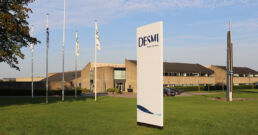
Tagholm 1, 9400 Nørresundby
Number of employees: 13
DESMI is a Danish company that develops and manufactures pump solutions and systems – especially for maritime and industrial applications.
What does the company say 2 years later?
- What has been the greatest value in relation to the process with Dansk AM Hub?
- “It helped us get started. It got us UP out of our chairs. In addition, the sparring and the help in exploring the field have been valuable. Instead of having to explore all the options yourself, you can get help narrowing it down. We have become more knowledgeable about the technology and its possibilities” – Søren Klitgaard.
- When would it make the most sense to get help from Dansk AM Hub?
- “Early in the idea phase and when technology needs to be turned into business. It also depends on the project. Some projects are technologically narrow, and others may require you to develop a strategy” – Søren Klitgaard.
“It helped us get started. It got us UP out of our chairs. In addition, the sparring and the help in exploring the field have been valuable. Instead of having to explore all the options yourself, you can get help narrowing it down. We have become more knowledgeable about the technology and its possibilities.”
Søren Klitgaard
Application Manager, DESMI
Is your production setup a limitation—or a strength? And are there new opportunities?
Get input on how hybrid production can support your business strategy.
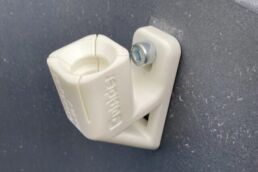
Out-sider simplifies assembly and reduces weight with 3D printing
Out-Sider
Lighter product and faster production

The challenge: Time-consuming assembly and complex inventory management
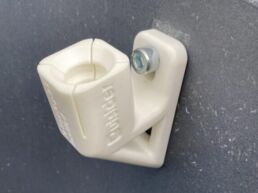
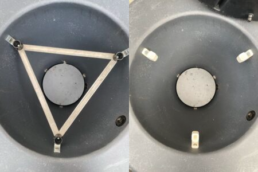
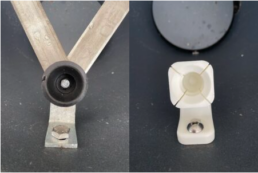
Out-sider, a manufacturer of Scandinavian outdoor furniture, faced a challenge in assembling a key component in its product range. The component consisted of as many as 12 individual parts in steel and rubber, which not only complicated logistics and inventory management, but also resulted in manual, time-consuming assembly with 21 total parts including bolts.
This complexity led to:
-
Higher labour costs.
-
Increased risk of assembly errors and inconsistent quality.
-
Limitations in flexibility and rapid delivery.
The solution: Consolidation and redesign via SLS 3D printing
By switching to 3D printing using SLS technology in PA12 nylon, the solution became both technically and functionally simpler. Out-sider redesigned the component so that 12 parts became just 3, and the entire assembly process could be significantly simplified.
The benefits were clear:
-
Fewer parts, and therefore less need for inventory and easier handling.
-
A lighter and stronger design optimised through mechanical testing.
-
Less assembly work and higher precision.
Result: Lighter product and faster production
The switch to 3D printing reduced the total weight per unit by as much as 80%—from 1,864 g to just 360 g. Production runs can now be initiated down to a single unit (MOQ = 1), and lead time has been reduced from 14 to 10 days. Despite a slight increase in unit price (from EUR 53.5 to EUR 59), the overall economics have improved due to reduced manual effort and increased quality.
Results from programmes with Dansk AM Hub
- 80% weight reduction
- Lead time reduced from 14 to 10 days
- Overall economics improved, despite an increase in unit price
- 2.45 kg CO₂e saved in the manufacturing phase
The climate perspective: Halved CO₂ footprint
According to calculations using Dansk AM Hub’s CO₂e calculator , the 3D-printed solution emits only 1.45 kg CO₂e per unit—compared with 2.99 kg CO₂e with conventional manufacturing. This corresponds to a reduction of more than 50% in global warming potential (GWP).
The contributions are distributed as follows:
-
2.45 kg CO₂e saved in the manufacturing phase.
-
Lighter components also reduce the emissions burden during transport and over the product lifetime.
Is your production setup a limitation—or a strength?
And are there new opportunities?
About the company
Out-sider A/S
Number of employees: 10
Scandinavia’s leading supplier of urban furniture for public environments. Designed for active city life—for all ages and interests.
The future: Digitalisation and tailored solutions
Out-sider is now looking towards a fully digitalised inventory and local, on-demand production. Technologies such as topology optimisation and lightweighting open up even lower material consumption and tailored solutions at no additional cost.
3D printing has given Out-sider a lighter, stronger, and greener component—and an important step towards more agile and future-proof production.
Is your production setup a limitation—or a strength? And are there new opportunities?
Get input on how hybrid production can support your business strategy.
EuroSkills: Innovation requires outstanding skills
Innovation requires outstanding skills
Tomorrow’s technological breakthroughs depend on strong vocational skills. That is why we must support the many young people competing for medals at EuroSkills in Herning.
In September, the starting signal is given for EuroSkills in Herning.
Europe’s sharpest apprentices meet to compete to see who is best at building walls, laying floors, installing pipes, and a host of other fascinating skills.
They really go for it, and as a visitor it is fun to see how professional, creative, and demanding the vocational programmes are.
In our digital age, we can easily forget how essential craftsmanship is to our society.
We cannot get new roads, schools, and hospitals unless we have skilled tradespeople. Most people understand that. But it goes much deeper than that.
Our ability to innovate depends heavily on having skilled people who master their trade to perfection.
Something magical happens when hands and mind come together. When you work in depth with a trade, you can also see where the potential for improvement lies and do something about it. And that is something we excel at here at home.
In Denmark, we are good at listening to our tradespeople. We have a tradition of a flat hierarchy and a shop floor where there is not far from thought to action. The person behind the machine can stand with the factory manager, turn the product over in their hands, and openly and honestly discuss problems and propose solutions.
The best idea wins regardless of rank, and we move from lofty ideas to tangible output.
This flat hierarchical structure in companies creates exceptional conditions for innovation and gives us clear competitive advantages compared with the rest of the world.
Yes, Denmark is actually in an impressive 4th place in this year’s newly published World Competitiveness Ranking. We are just behind countries such as Singapore and Switzerland—not least thanks to our curious tradespeople.
They are the ones behind the new machines, who introduce new materials and change the design of new solutions that put us at the forefront.
Without skilled tradespeople, renewal will not happen. Then we remain stuck with old technologies that cannot solve tomorrow’s problems. Then we may miss the revolution that is happening right now in 3D printing, which is taking more and more industries by storm. 3D printing has some truly unique properties in a digital future where we must conserve resources.
In 3D printing, products are manufactured by printing layer by layer. This saves large amounts of materials, labour hours, and CO2 emissions. The societal benefits are enormous if we roll out the technology. And there is certainly a lot to be gained in construction, where warehouses, houses, and schools can already be printed in months rather than years.
But this requires skilled and curious tradespeople who embrace the technology, develop it, and adapt it to their trade.
That is why we need more people to choose the trades as a career path, so we can maintain our unique position. But it is not enough to have skilled apprentices.
At least as important is having masters who support young talents and encourage them to seek new knowledge—whether in the workshop, in the classroom, or on TikTok.
And that brings us back to EuroSkills.
Because all the skilled apprentices have one thing in common: a skilled and committed master who supports young people’s passion, inspires them to learn, and gives them room to develop.
That provides skills for life.
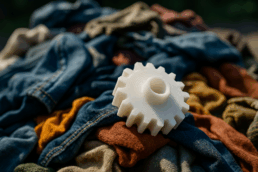
Tex2AM: New Danish project to turn textile waste into 3D printing
Tex2AM: New Danish project to turn textile waste into 3D printing
A new Danish development project will investigate whether textile waste that is difficult to recycle can be given new life as 3D printing material. The project, known as Tex2AM, brings together partners from both industry and research with a shared goal of creating more sustainable production methods and reducing the amount of textile waste in Denmark and Europe.
Each European uses an average of 19 kg of clothing, footwear and household textiles per year, but only 2.3 kg—equivalent to around 12%—is actually recycled. The rest is incinerated, landfilled or sent abroad—and that is a major problem for both the climate and the environment. But what if that waste could become something new?
That is what the project Tex2AM will seek to find answers to. Through an advanced thermomechanical process, the project will investigate whether textile waste with a high polyester content—which is otherwise difficult to recycle—can be converted into plastic-based filament for FDM-based 3D printing. The process includes, among other things, mechanical pre-treatment and extrusion, in which the fibres are broken down, cleaned and converted into a new composite material with the right technical properties for industrial additive manufacturing.
The aim is to develop a recycled filament that matches or complements existing plastic materials in terms of strength, flow properties and printability, while also being able to be integrated into existing production set-ups. If successful, it could replace virgin plastic in industrial production and thereby give textile waste an entirely new life.
Behind the project is a strong Danish consortium consisting of Dansk AM Hub, DTU and the companies NewRetex, Eldan, Nordic Extrusion and MDT—with support from Trace and Innovation Fund Denmark.
“We see enormous potential in thinking of textile waste as a valuable resource. With Tex2AM, we can both reduce waste volumes, decrease the need for new plastic and at the same time strengthen local, circular production in Denmark. This is exactly the type of projects we need if we are to make the green transition concrete and applicable for Danish industry,” says Frank Rosengreen Lorenzen, CEO of Dansk AM Hub.
From waste to innovation
The project runs until March 2027 and aims not only to develop a new material—but also to identify concrete industrial applications and develop a business model that makes it attractive for Danish companies to use it.
To ensure industrial relevance, the project will incorporate input from manufacturing companies to identify applications where the material can replace existing plastic types—for example in component production, prototyping or specialised assembly equipment. At the same time, different filament diameters, separation methods and additives will be tested to improve stability and performance in the printing process.
“There is a large, untapped potential in converting complex textile waste into high-value materials for 3D printing. With Tex2AM, we are investigating how, through mechanical pre-treatment and extrusion, it is possible to develop a plastic-based composite material that both reuses waste and meets the technical requirements of industrial additive manufacturing. It is an important bridge between waste resources and circular, digital production,” says Senior Researcher Venkata K. Nadimpalli, DTU Construct.
About Tex2AM
Tex2AM (Textile to Additive Manufacturing) is a Danish development project that explores the possibilities of converting polyester-containing textile waste into plastic-based filament for 3D printing. The project is led by Dansk AM Hub in collaboration with DTU, NewRetex, Eldan, Nordic Extrusion and MDT. Tex2AM is supported and funded by Trace and Innovation Fund Denmark and runs until March 2027.
Read more about the project here.