
STRESS-BASED DESIGN
STRESS-BASED DESIGN
For 3D concrete-printed horizontal structures
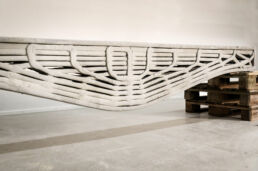
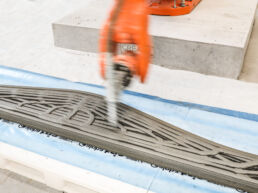
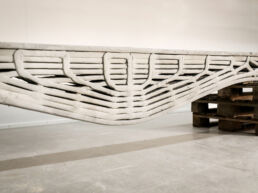
DLightBeam+ is the second iteration of the 3DLightBeam research project, which aims to combine computational design with the freedom of form provided by 3D Concrete Printing (3DCP) technology to challenge conventional reinforced concrete structures by exploring new design solutions for carbon-efficient concrete beams. 3DLightBeam+ enables structurally reliable, load-bearing printed beams with reduced carbon impact through multi-hierarchical stress-based design optimisation. 3DLightBeam+ is shape-optimised to maximise bending capacity while reducing weight. Its internal infill design is inspired by the structure of bones, enabling it to work in pure compression and tension. High-resolution material deposition is achieved through data-driven robot control, allowing concrete and steel reinforcement to be placed only where needed, avoiding material inefficiencies. The structure can be applied on existing construction sites and, at this stage, reduce concrete CO2 emissions by 19.3%.



TIFFANY FAÇADE
TIFFANY FAÇADE
Coral-inspired 3D-printed façade
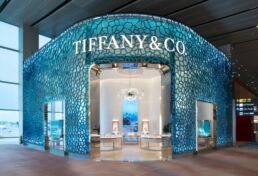
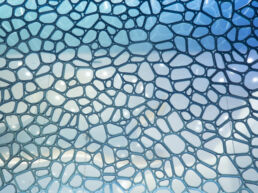
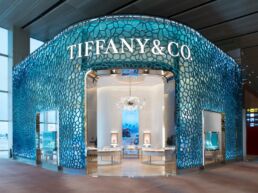
The Tiffany & Co. store façade designed by MVRDV features a coral-inspired screen, 3D printed using recycled plastic with the assistance of Amsterdam-based company Aectual and Milan-based engineers BUROMILAN. Using the patterns seen in Singapore’s coral reefs as a guide, the team designed a screen to cover the store’s façade with an organic, cell-like pattern. 3D printing experts developed a process to produce the 50 millimetre-thick screen using recycled plastic, including reclaimed and recycled fishing nets. By making use of this unusual source of recycled plastic, the design not only draws inspiration from the oceans, but also helps to protect them. A particularly challenging task was to meet the stringent fire-safety regulations required in an airport, which was solved by adding a chemical to the mixture that is also manufactured using seawater.



CERAMIC HOUSE
CERAMIC HOUSE
A facade inspired by knitwear
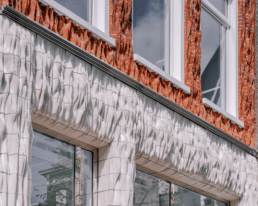
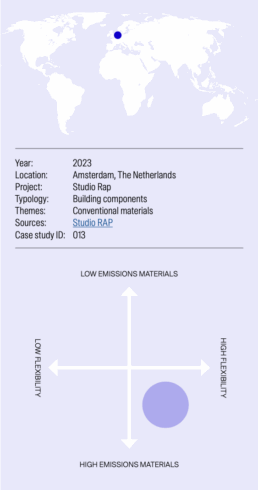
Through a creative interplay of 3D-printed ceramic tiles and imaginative design, Studio RAP fused tradition and modernity, drawing inspiration from knitwear and the city’s rich ceramic heritage. The building’s facade is composed of 225 unique tiles—3D-printed ceramic tiles that mimic the appearance of rippling textiles. Fired at high temperatures to ensure durability and weather resistance, the tiles were produced using a clay 3D-printing process, with each tile taking approximately two hours to print. The wavy, textile-like texture of the tiles was achieved by precisely controlling the layering during the printing process, creating a three-dimensional effect that enhances the visual depth of the facade and integrates seamlessly with traditional construction methods.

WOHN HOMES
WOHN HOMES
Redefining sustainable housing with 3D printing
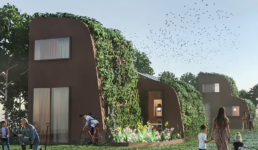
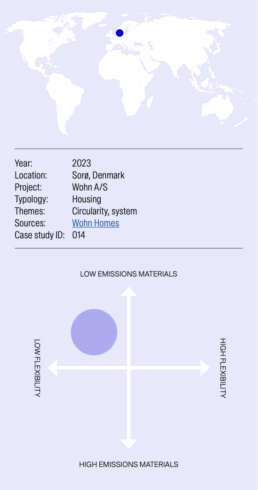
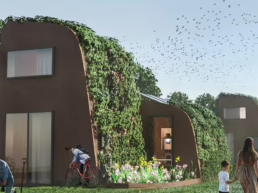
WOHN A/S pioneers sustainable housing through advanced 3D printing, repurposing waste wood, fiberglass, and plastic into affordable, sustainable homes. Each 20 m² home reuses 3 tons of waste, reducing CO2 emissions by 90% compared to traditional construction methods. The technology ensures high-quality, customizable designs without additional costs, enabling homeowners to personalize spaces sustainably. These homes last more than 60 years and are designed for efficient recycling at the end of their lifecycle, reflecting WOHN’s commitment to sustainability.

THE EGGSHELL PROJECT
THE EGGSHELL PROJECT
Giving new life to biowaste
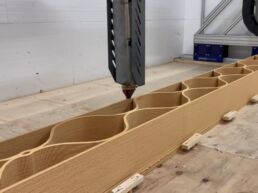
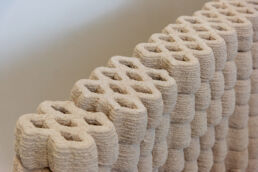
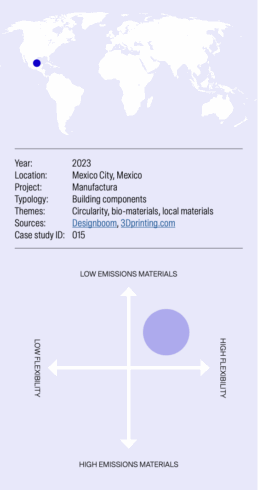
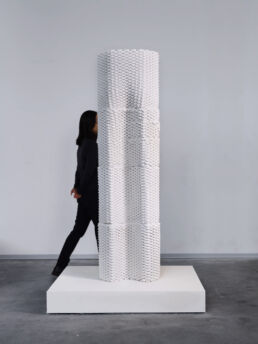
MANUFACTURA, a Mexican design studio, has launched ‘The Eggshell Project’ with the aim of transforming organic waste into sustainable building materials. With food waste accounting for a third of global production, this project seeks to address both environmental and socio-economic issues by reusing discarded eggshells. The project focuses on using these eggshells in combination with bio-binders to create bioceramic bricks, eliminating the need for traditional firing processes. The mixture is 3D printed into various geometric shapes, resulting in building components suitable for a variety of architectural applications. The research led to the development of two primary structures: the Eggshell Wall, made up of 105 unique blocks that are assembled based on their geometry, and the Eggshell Column, made up of 26 interlocking pieces that provide stability through their shape. The eggshells used were collected over two months from various restaurants in Mexico City, ensuring a 100% sustainable and circular process. By integrating computer-aided design with digital manufacturing, the project demonstrates the potential to transform organic waste into valuable building materials.

3DNATURDRUCK
3DNATURDRUCK
Biocomposite Reciprocal Canopy
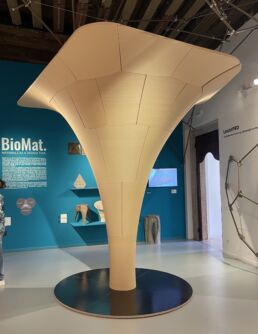
The project explores 3D printing in combination with annually renewable natural fibres, focusing on material development, structural analysis, fabrication methods, and the application of this material-based technique to architectural design. Specifically, the study investigates the use of 3D-printed natural fibre-reinforced filaments in different architectural contexts, tested through a series of demonstrators addressing different design challenges. The structure was fabricated using a lightweight short-fibre filament composed of wood fibres and bio-based PLA. As the material was developed specifically for this project, extensive testing was carried out to inform the digital simulations and to ensure the integrity of the structure. These tests have been instrumental in refining the printing process and validating the performance of the material for architectural applications. The project lays the groundwork for the integration of natural fibre-based 3D printing in construction.


TO GROW A BUILDING
TO GROW A BUILDING
Totem
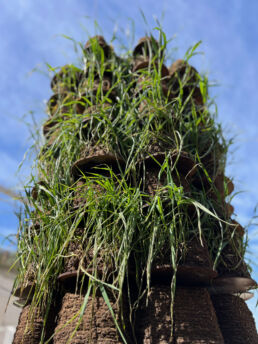
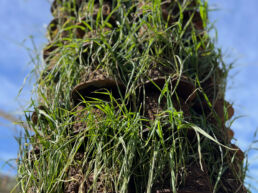
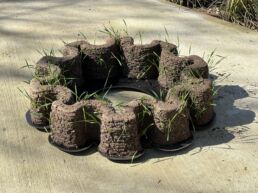
To Grow a Building is a research-driven project that explores sustainable architecture through the use of 3D-printed structures made from locally sourced soil and plant seeds, allowing the seeds to germinate and grow after printing. The roots intertwine within the structure, providing natural reinforcement and strength and reducing the need for traditional building materials. The project aims to combine the precision of digital fabrication with the natural adaptability of plants, contributing to sustainability and the preservation of local plant species. This innovative method was tested by creating a totem-like structure with different geometries and seed types, which was placed in a garden setting where the plants grew, with some even reaching harvestable heights.
TECLA
TECLA
House 3D printed with local soil
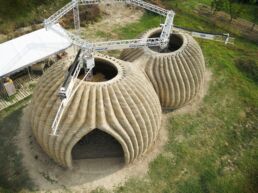
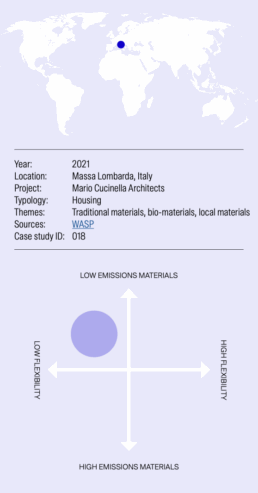
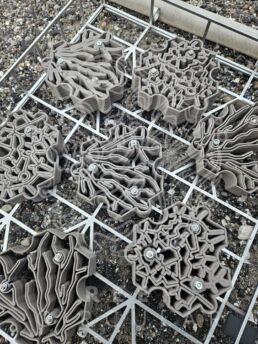
TECLA is a fully 3D-printed housing unit that integrates traditional building techniques with natural, locally sourced materials. Designed by Mario Cucinella Architects (MCA) and engineered by WASP, it uses recyclable materials from the local soil, making it carbon neutral and adaptable to different climates. The double-dome design combines structure, roof, and cladding to ensure efficiency. It was built using two synchronised 3D printers, using automation protocols to optimise movement and efficiency. The soil mix was tailored to local climatic conditions, with solar analysis and computational tools guiding the design to improve thermal performance and energy efficiency. (Chadha et al., 2024)


REEFCIRCULAR
REEFCIRCULAR
Turning shell waste into marine life
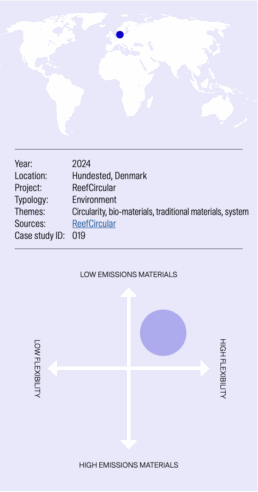
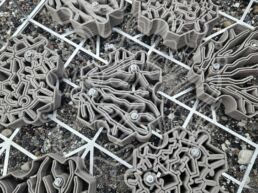
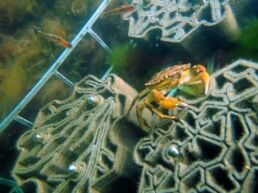
ReefCircular is dedicated to restoring marine ecosystems by transforming shell waste into 3D-printed artificial reef structures designed to mimic natural habitats. The ReefKasse system, a modular artificial reef tile, can be easily installed on harbour walls and underwater structures, providing an ideal surface for marine organisms to attach and grow, helping to counteract habitat loss in urban coastal areas. In Hundested, Denmark, 24 artificial reef tiles have been installed to create complex habitats for small fish, seaweed, and invertebrates on seawalls and the seafloor. The installation process is efficient, taking as little as 30 minutes and requiring no dive teams, making it an accessible solution for biodiversity restoration. The system is currently being tested in clay, which has lower CO2 emissions than concrete, and will be available in shell-based bioconcrete from 2026.

AIRLEMENTS
AIRLEMENTS
Insulated Walls with Sustainable Mineral Foam
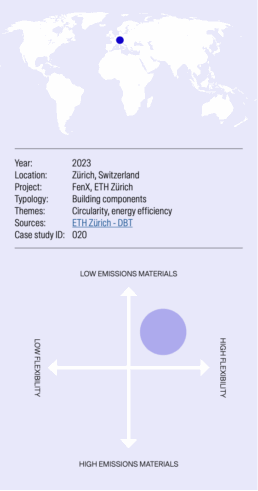
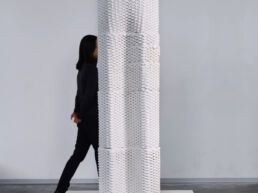
The Airlements project, developed by researchers at ETH Zurich in partnership with FenX AG, uses large-scale robotic 3D printing to create monolithic, lightweight, insulated wall systems from cement-free mineral foam made from recycled waste. With varying densities, this innovative material optimises thermal performance and energy efficiency, reducing operational energy needs for heating. The Airlements prototype demonstrates rapid, low-energy 3D printing, with each 25 kg hollow segment hardening over a week without energy-intensive processes. The technology’s versatility enables non-structural exterior walls and seamless integration of reinforcements.