
3D-printed designs put companies’ products on a diet
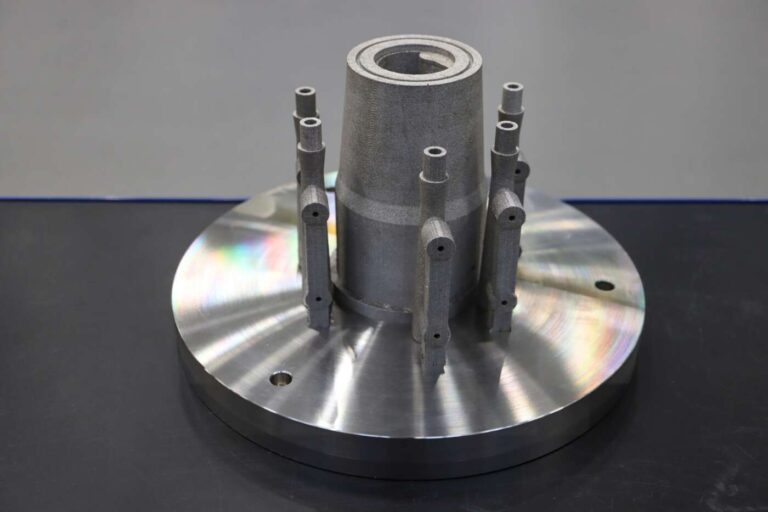
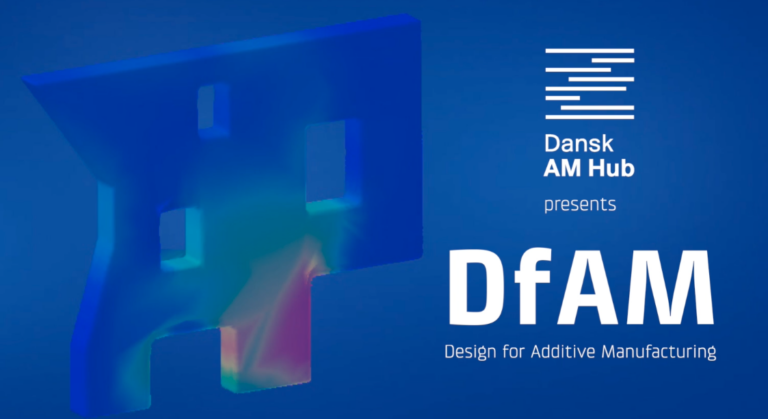
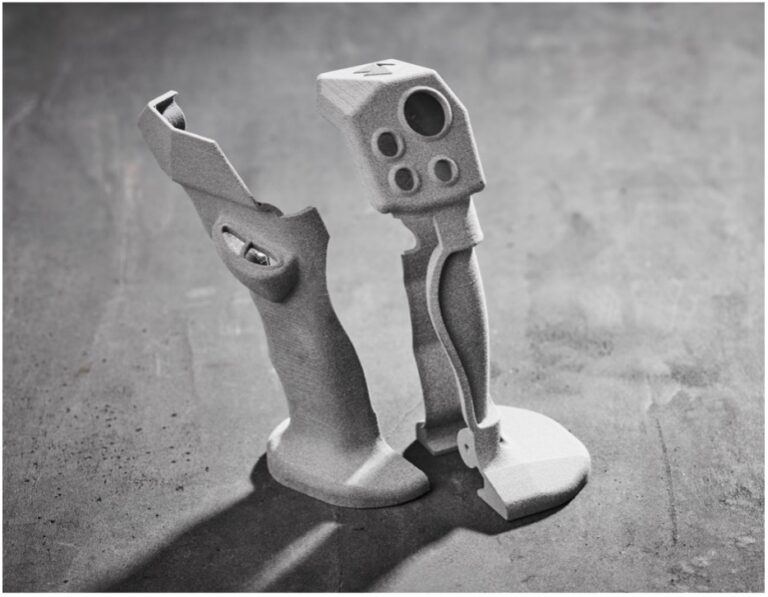
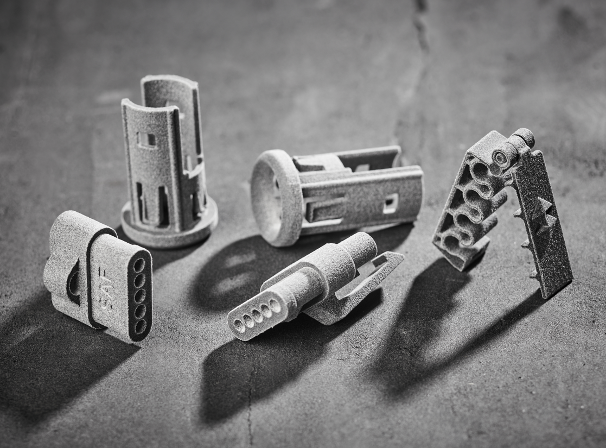
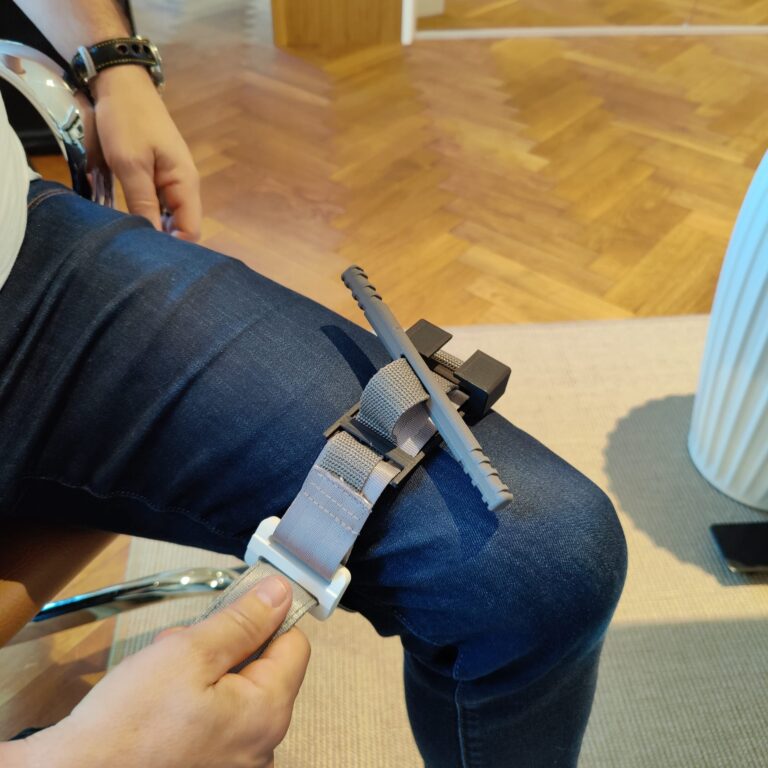
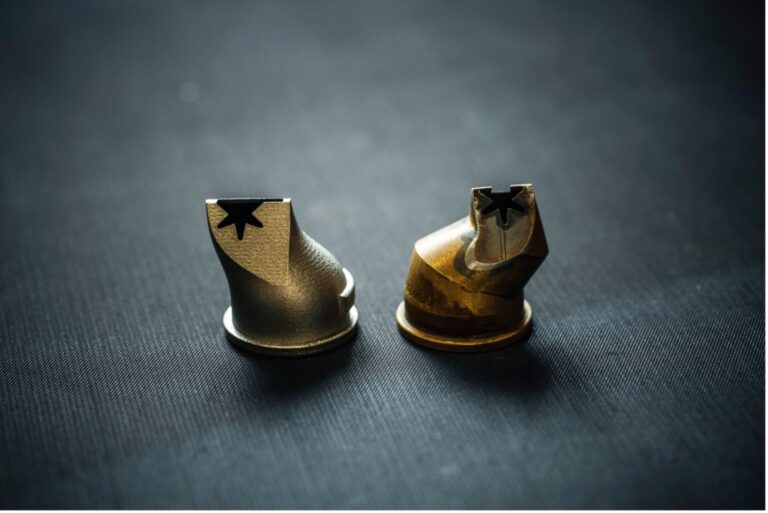
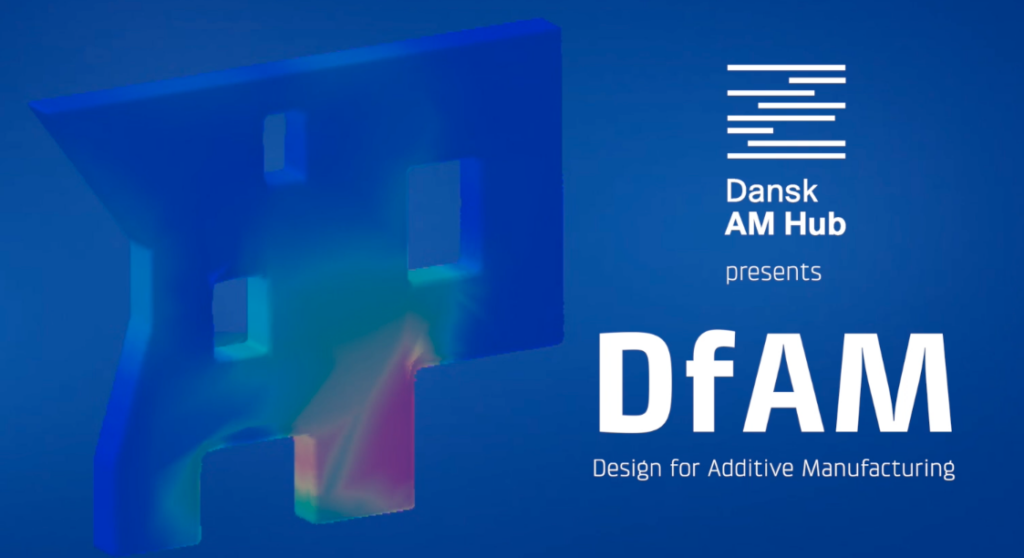
During 2022, 15 Danish companies worked on redesigning a product or component using 3D printing through Dansk AM Hub’s innovation programme: Design for Additive Manufacturing (DfAM). Of these, 11 companies had a “before component” that made it possible to compare with the redesigned component, and in ten of these cases it was possible to reduce weight by between 43 and 96%. Specifically, the aim of the DfAM project has been to design the participants’ components or products better or differently so they can be manufactured using less material, with greater strength, and optimised with new or improved functionality and efficiency. All with the purpose of creating more sustainable products and components.
– At Dansk AM Hub, we have been monitoring how DfAM as a method has gained traction in major industries abroad such as the aerospace, automotive and defence industries. Unfortunately, there have been few strong Danish experiences, but we have now changed that, says Frank Rosengreen Lorenzen, CEO of Dansk AM Hub:
– Because in this programme we have made Design for Additive Manufacturing tangible for Danish manufacturing. We have succeeded in bringing together the strongest international expertise with our Danish experts and creating a process that has truly moved this field out onto Danish shop floors, and Danish industry now has concrete experience to learn from. The benefits of weight reduction have served different purposes depending on the company’s specific production and end products. For example, the drone manufacturer Airflight reduced the weight of their part by 67%, enabling them either to fly longer or to carry a larger payload per flight. And at BEWI, they managed to reduce the weight by up to 74%, which meant a significant reduction in material consumption-and a 53% reduction in the price of the component.
– Through the project, we achieved an 11 kg weight reduction and reduced the amount of material by 80%. The value for us is the extreme design flexibility, where we can achieve a higher strength-to-weight ratio, which is an important part of aviation, as it means we can fly for longer or with a heavier payload, says Mikkel Kærsgaard Sørensen, owner and CEO of Airflight.
And it is precisely this design freedom that is also highlighted by Ole Krebs, Development Manager at the plastics company BEWI:
– By optimising the design with 3D printing, we have first and foremost reduced the weight of the product by 74% compared to traditional tooling, but we have also improved our time-to-market, including by cutting 25% off the delivery time. This provides enormous flexibility and represents a potential where, by optimising the tool, we can offer more complex and better solutions in terms of both quality and cost, and thereby meet challenges that our machine settings cannot help us with. In addition, we see signs that the optimised component can increase our production capacity and reduce energy consumption in production if we implement it broadly-simply because it is more efficient.
After the programme, the participating companies were left with a physically redesigned component or product in which one or more of the above-mentioned benefits have been incorporated. In addition to weight reduction, DfAM has also delivered a range of other benefits such as reduced production costs, reduced time-to-market, part consolidation, greater design freedom and increased component strength.
In this way, the participants have gained added value and knowledge that can be embedded locally in their production.About the DfAM programme
The purpose of the DfAM project has been to raise awareness of 3D printing and DfAM and enable Danish companies to leverage the technical and business opportunities provided by AM technology.
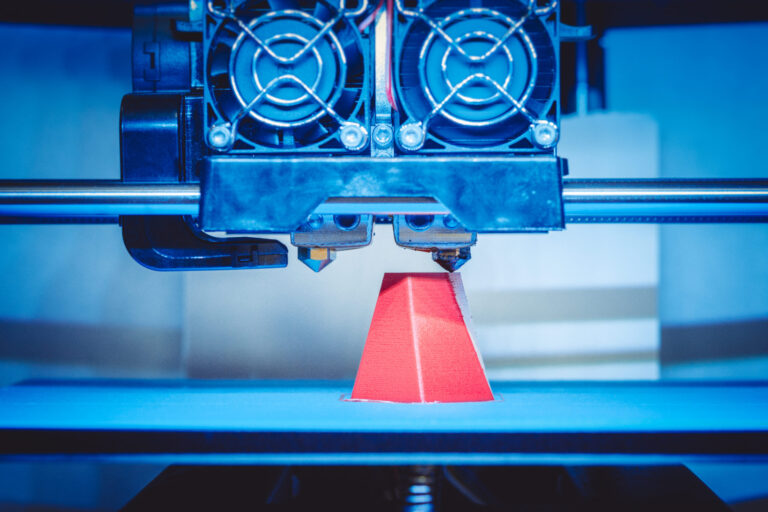
Traditionally, 3D printing has been used to produce prototypes, but the technology also offers a wide range of other possibilities. 3D printing can also be used advantageously for, for example, pilot and small-batch production, and the manufacture of fixtures and auxiliary tools, injection moulding tools, and spare parts.
Read more about the programme here.
Facts:
- The DfAM innovation programme aims to strengthen companies so they can benefit even more from the technological and business potential within 3D printing.
- Apart from a single case with a weight increase, component weight was reduced by between 43% and 96% across the ten cases.
- The project was initiated by Dansk AM Hub in collaboration with the partners Danish Technological Institute, PLM Group, Hexagon and Wikifactory.
Meet the companies from the DfAM programme 2022:
BEWI achieved a lower price, shorter delivery time and increased efficiency with 3D-printed designs
3D printing design programme optimises work gloves for super strength
3D printing gave Newtec’s camera component greater strength and lower weight
Linatech: “The design freedom of 3D printing is brilliant”
3D-printed design enables a drone to fly longer and lift heavier loads
3D printing design programme accelerated development at CeramicSpeed
With 3D printing, the violin plays better and more sustainably
3D-printed designs resonate strongly at Scan-Speak
BenBen hand-builds better bikes with 3D-printed components
Designing with 3D printing delivers more efficient washing robots at Washpower
Serman & Tipsmark optimises a key for hydraulic equipment: Saves time, material and money
With 3D printing, there is a tailwind for material waste and carbon footprint