
Denmark gets its first 3D printing programme
Denmark gets its first 3D printing programme
In the future, dusty books will be replaced by new and groundbreaking technology—more specifically AM and 3D printing technology.
IBA (International Business Academy) in Kolding has, as the first educational institution, just had a professional bachelor’s degree in 3D printing approved—the first in the field.
“3D printing is, of course, something that is described as one of the production technologies of the future, and this is an absolute pioneer programme,” Rector Niels Egelund tells Jydske Vestkysten.
IBA has led the development of the programme, in close collaboration with Dansk AM Hub and a number of companies working with 3D printing.
“It is quite clear that in Denmark, on the education side, we were lagging behind—especially compared with German and Swedish AM programmes—and that is why we have, of course, been involved all the way and also have several initiatives on the way,” says Frank Rosengreen Lorenzen, CEO of Dansk AM Hub.
Initially, 30 places will be offered on the programme, which will largely focus on the technical aspects.
“In Denmark, we have a unique opportunity to be frontrunners in AM technology and create a new Danish business success story, and therefore it is also crucial that the next generation of manufacturing gains the necessary knowledge, skills and understanding of the technology,” says Frank Rosengreen Lorenzen.
And in Kolding, the development is being received with the same great joy and positive response.
“It is an area that is growing rapidly these years, and where there will be strong demand for skills in the future,” says Morten Bjørn Hansen, CEO of Business Kolding, to Jydske Vestkysten, also highlighting the programme’s potential in terms of demand for labour:
“This applies both in relation to sustainable production methods and the green transition—areas where it is very important to be far ahead educationally. It requires more high-level technical programmes.”
Read more at IBA Erhvervsakademi Kolding.

Danish AM technology is printing houses in Africa more sustainably
Danish AM technology is printing houses in Africa more sustainably
Read the original article here.
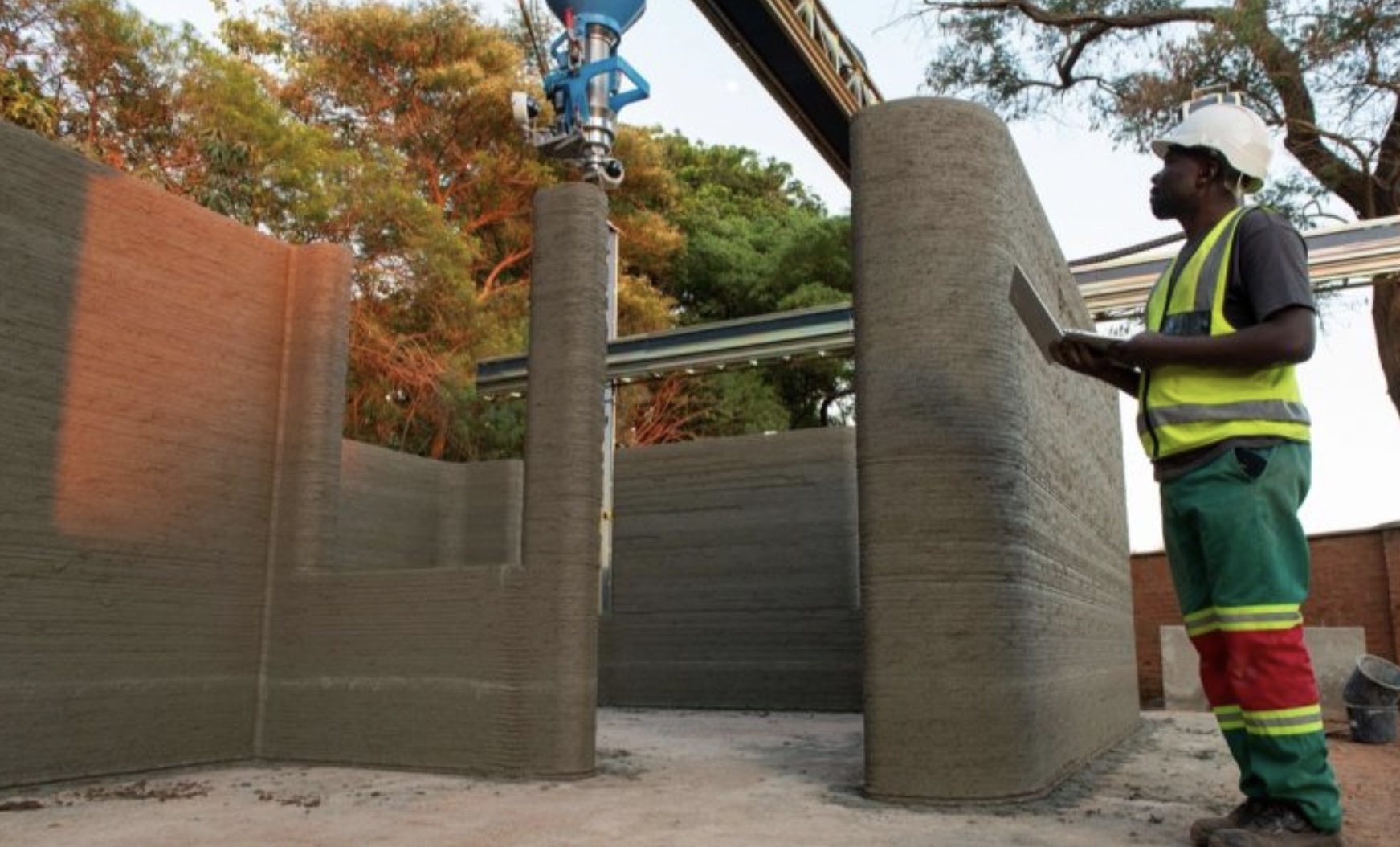
Denmark’s COBOD International has now 3D-printed the first house in Africa—specifically in Malawi. This is taking place in collaboration with 14Trees, which focuses on building houses, schools, and creating social infrastructure in Africa. 14Trees works to accelerate the production and commercialisation of environmentally and cost-friendly building solutions in Africa, and 3D printing is now a new method in this context.
“Not only is 3D printing as a construction method both cheaper and faster, it also emits up to 70% less CO2 than traditional construction methods. I am proud that, with Danish AM technology, we are creating sustainable production,” says Frank Rosengreen Lorenzen, Director of Dansk AM Hub:
“Here we are laying the foundation for exploring and leveraging the opportunities of 3D printing as a construction method, while also cementing that Denmark has enormous potential in both skills and production. There will be massive demand for affordable housing in the coming years, and building materials are a major climate culprit. Here we gain a stronger and more sustainable alternative to conventional concrete construction, and the technology even makes it possible to think more innovatively in the design process.”
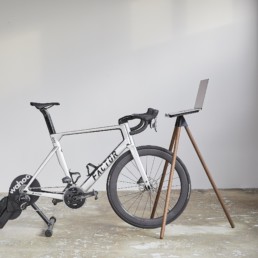
Tons produces easily, lightning-fast, locally, and more sustainably
Tons
AM technology maintains a simplified business model

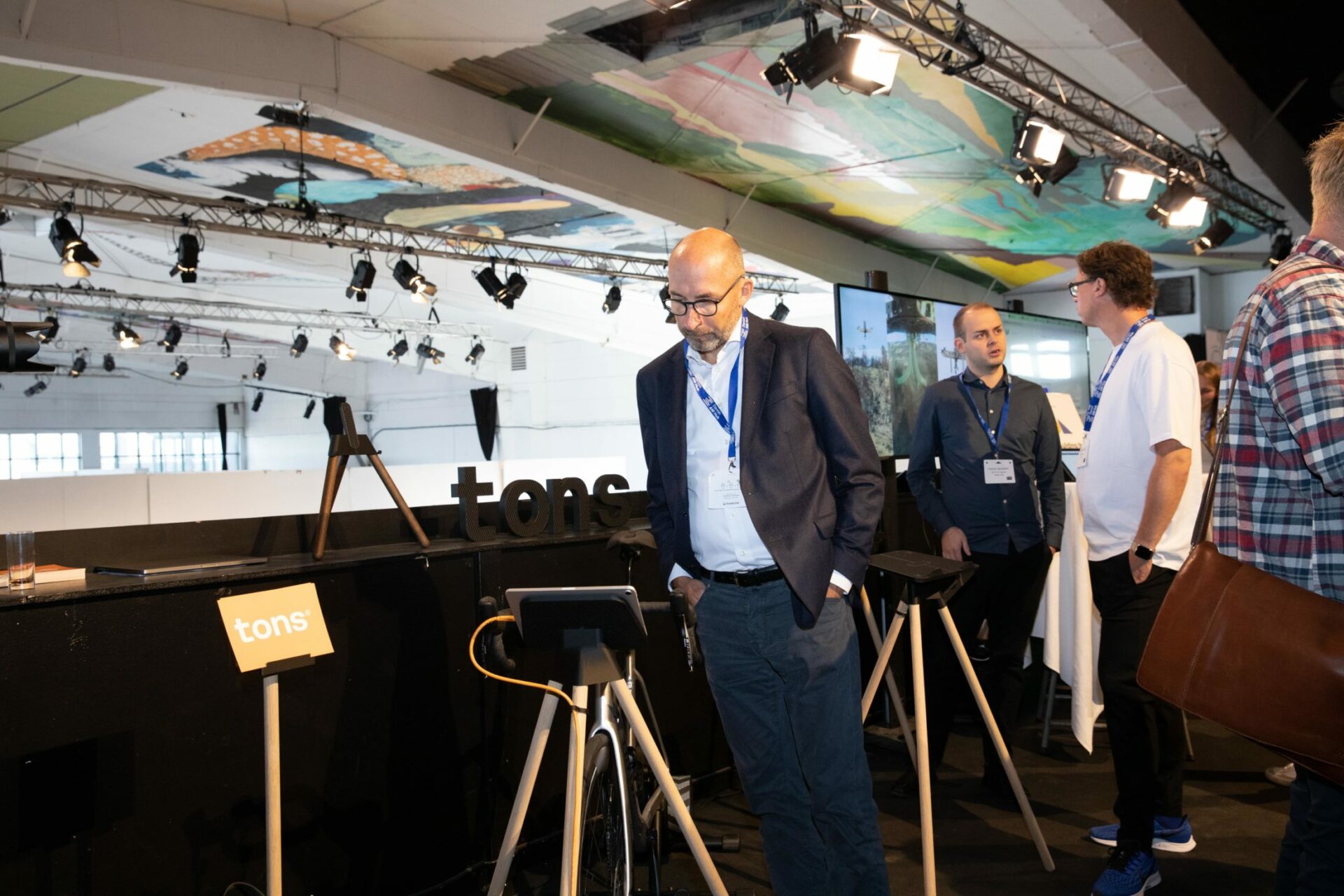
Tons can go from idea to finished product in the same time it takes a cyclist (in good shape!) to ride La Marmotte in France, the Ötztaler Radmarathon in the Alps, or Denmark’s Sjælland Rundt. However, there are not many kilometres in the journey—because all production takes place on a 3D printer at their home address in the Aarhus area.
“In large companies, product development takes years, but I can be creative and innovate in the evening and wake up to a finished product. With digital technology, I can test my ideas quickly, and I am not dependent on complex value chains and global supply chains,” says Tons founder and CEO Kristian Krøyer, who produces stands that let you use your tablet or computer for fitness and sport—from the indoor bike to the yoga mat.
Working hard to stay small
Tons has based its entire business model on Additive Manufacturing, which allows him to develop and test products immediately, without relying on a large number of suppliers, without spending time and money on transport, with the ability to produce locally (even at home), and to produce on demand, thereby avoiding large inventories.
“The more links in the value chain, the more complex production becomes. I want to make things as logical and simple as possible to keep complexity to a minimum, and 3D technology ensures that by cutting away everything unnecessary,” says Kristian Krøyer. Tons is just one example of the many new business models that have emerged in Denmark recently:
“I can easily build a traditional organisation, but if you want to compete with China and mass-produced products using additive manufacturing, it requires as little overhead as possible—both in production itself and in supplier chains. That is why it is crucial to minimise complexity, and the 3D machine helps with that,” says Kristian Krøyer about his mantra: Working hard to stay small:
“And 3D technology is crucial to staying small.”
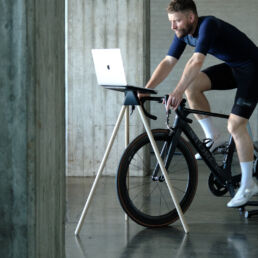
Production costs DKK 1,000 in electricity
In the same way, the technology is also crucial to Tons’ green profile. Kristian Krøyer has never considered international supply chains, but has deliberately located production within his own local square metres rather than in Chinese factory premises.
“No overproduction, no inventory, no waste—and at the same time, production happens locally. This helps provide more freedom and less complexity, but also more sustainable production. With 3D printing, you can make parts and products using far less material per item,” says Kristian Krøyer.
All Tons products are made from green materials—corn-based plastic and oak—and can be composted. All products are only manufactured once they are ordered by the customer—and once the printer is running, it costs DKK 1–3 in electricity per product. Ultimately, less than DKK 1,000 per month in electricity.
“And the electricity is even greener in Denmark. It is just a claim, but I believe the printing process itself is better and more sustainable than, for example, casting. There are major CO2 emissions in the way the world produces, and additive manufacturing is an alternative that is more sustainable,” says Kristian Krøyer.
Is your production setup a limitation—or a strength?
And are there new opportunities?
About the company
Carmo A/S
Number of employees: 11
Tons Bike – climate-conscious cycling gear in sleek Danish design. Organise your cycling gear in style—Danish design meets functionality. Produced in Denmark.
1 million on 6 square metres
Sustainable production is particularly important to Kristian Krøyer, who also has a plan to maintain Tons’ green profile as the simple business model is scaled over time.
“My dream is to have container units with solar panels on the side and be self-sufficient, so production can be moved according to need and demand. At the moment, there is no difference in transport costs and CO2 emissions for sales to Denmark and Germany, but my shipping is expensive and slow in Southern Europe,” explains Kristian Krøyer:
“The dream is local delivery in several places around the world—containers with Tons production everywhere. It is challenging, because I have to develop, produce, and sell, while others should just sell. But that is also what is great: the innovation, the pace, the independence. And the dream is possible precisely because of 3D technology.”
About Tons
- Tons opened the shop in 2020.
- Tons bio polymerTM is custom-made by the Dutch filament manufacturer ColorFabb.
- Tons primarily sells to Germany, the Netherlands, and Belgium—but also has orders from Australia, Singapore, Indonesia, China, and the USA.
- Tons sold for approximately 1 million in its first year.
- The biggest sales period for Tons is in autumn, when the indoor cycling season starts.
- All products are produced and sold from Aarhus.
Is your production setup a limitation—or a strength? And are there new opportunities?
Get input on how hybrid production can support your business strategy.
SEJMA Industries tackles climate challenges with 3D technology
SEJMA Industries ApS
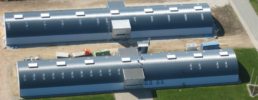
For SEJMA Industries, trying out 3D printing technology has been a game changer. Since the company borrowed a 3D printer for a month through the 3DP Try Out programme launched by Dansk AM Hub and Center for Industri, it has saved enormous amounts of time in both the production and development phases – and the company’s designers have also gained the opportunity to think differently and, in particular, significantly reduce the time from idea to finished prototype. The prototypes could therefore be included more quickly in functionality tests, both in the company’s internal test facilities and in test projects in specially allocated installations at existing customers. Working with 3D printing has thus provided SEJMA Industries with far better conditions in the fight against the growing climate challenge of cloudbursts.
“The programme has been a major eye-opener for both management and other relevant employees in the company, and as it is often a matter of relatively low volumes, 3D production of several components can be a good solution. Participation in the 3DP Try Out project has proven that the use of 3D technology in the company is the way forward, and the project has had very significant value for the company’s future strategy,” says SEJMA Industries’ owner-management:
“We will definitely use 3D printing in the future and are already considering investing in our own in-house printer.”
Is your production setup a limitation—or a strength?
And are there new opportunities?
About the company
SEJMA Industries ApS
Bommen 22, 8620 Kjellerup
Number of employees: 13
Sejma Industries ApS works with the production and development of customised solutions.
The company has already developed three types of flood barriers, designed to be usable in most common sewer and piping systems in Denmark. However, in this context management has recognised the need for new competencies and innovation initiatives, and sees 3D printing technology as a key factor in its continued development.
Is your production setup a limitation—or a strength? And are there new opportunities?
Get input on how hybrid production can support your business strategy.
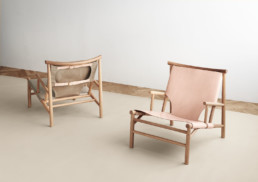
With 3D printing, we have far less waste in the design process
NORR11
At the furniture company NORR11, it is important both to dare to think innovatively and sustainably, while remaining true to the Danish design heritage.
Simplicity, natural materials, and clean lines. Scandinavian furniture design has been taking the world by storm in recent years.
Behind the success are a number of dedicated furniture manufacturers who must bring design and craftsmanship together seamlessly. One of them is NORR11, based on Østergade on Strøget in Copenhagen. Here, both management and the design team are fully engaged in exploring the possibilities within 3D printing. This is what the company’s CEO, Magnus B. Magnusson, says.
“For us, there is absolutely no doubt that 3D printing will, going forward, become a natural part of our approach to production and sustainability. Especially when it comes to prototypes, which today have to be shipped back and forth between Asia and Europe, it is obvious that we can significantly reduce both waste and transport costs by producing our own 3D prototypes in Denmark.”
In addition to reducing environmental impact, 3D printing can also make a significant contribution to reducing lead–time for new products, Magnus B. Magnusson explains:
“To survive in the furniture industry, you MUST be ready in time for the major furniture fairs, and there are also extremely tight deadlines when products have to reach retailers. We know that even small mistakes can cause massive delays with major financial consequences. Quite simply, it is a vulnerability in our entire business model that 3D printing can help eliminate.”
Even when it comes to major interior design projects, 3D technology can be a game changer, Magnus B. Magnusson says:
“When a customer asks us to pitch a tailored interior design project, we know they will want to see a prototype very quickly. The problem is that it can easily turn into a nightmare when adjustments have to be sent back and forth between continents. Here, 3D printing can give us a completely different level of flexibility, because we can make changes immediately. Again, we can eliminate both transport and cumbersome business processes. For individual prototypes, we expect to be able to reduce time-to-market by up to 120 days, which would be of incredibly high commercial value.”
Is your production setup a limitation—or a strength?
And are there new opportunities?
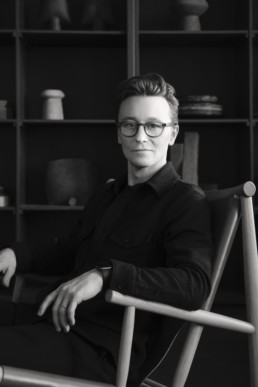
In addition to producing prototypes, NORR11 has long since begun incorporating 3D-printed components into its final designs:
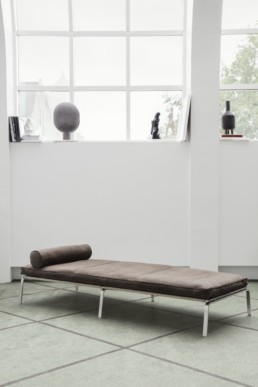
“Right now, for example, we are looking at the furniture feet or ‘pads’ that, among other things, sit under our stainless-steel sofa frames. Here we cannot use standard solutions, partly because the steel is sharp, and partly because we insist that everything must feel premium all the way through. We can achieve all of that by using 3D printing. It is not just a convenient solution—it is actually also a method for completing and improving our designs.”
Overall, according to Magnus B. Magnusson, it has been an eye-opener to discover 3D technology with expert guidance from Dansk AM Hub, Teknologisk Institut and Deloitte:
“Both when it comes to 3D printing and the UN Sustainable Development Goals, we have actually gained a completely new perspective on our business. Even though we are a relatively new company, we have still had our established habits and our ways of doing things. Here, I really feel we have shaken ourselves up and become better at questioning what we do. Because today we have a completely different knowledge and understanding of how 3D technology can contribute to increased sustainability, we are also much better at spotting the opportunities.”
About the company
NORR11
Østergade 17, 2nd floor, 1100 Copenhagen
Number of employees: 26
NORR11 creates timeless furniture at the forefront of design.
How Norr11 will contribute to the Sustainable Development Goals
- Reduce waste by producing its own 3D prototypes in Denmark.
- Use 3D-printed components in the company’s final products.
- Integrate sustainability into all processes.
Facts about NORR11
- NORR11 is a Danish furniture and design company established in 2011.
- The company works especially with younger and innovative designers to carry forward and further develop Scandinavian design.
- The company has showrooms in Berlin, London, Reykjavik and Copenhagen.
- NORR11’s products are sold in more than 20 countries.
- As part of larger interior design projects, NORR11 has helped furnish Skt. Petri Hotel and Restaurant Kiin Kiin Bao Bao in Copenhagen, as well as hotels, restaurants, offices and lounges in, among other places, Reykjavik, Barcelona, Frankfurt, Berlin, Brussels, London and Costa Mesa in California.
Is your production setup a limitation—or a strength? And are there new opportunities?
Get input on how hybrid production can support your business strategy.
Orthotist Jan Nielsen: With 3D printing, we can put the user at the centre
Orthotist Jan Nielsen
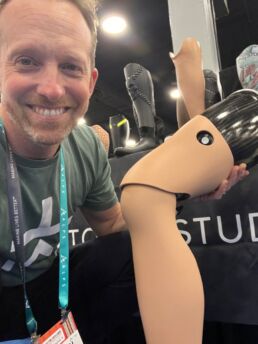
At Orthotist Jan Nielsen, there are around 35 3D printers. They can print everything from leg prostheses to corsets that can correct the spine—each with unique possibilities for users.

When orthotist Jan Nielsen bought his first 3D printer eight years ago, people shook their heads. What did he need it for? Was it not mostly just for fun? And yes, it was a bit for fun, because it was best at printing small houses, and you could play around with different designs. But it also marked the beginning of the revolution that is now transforming the entire orthotist profession, where classic prostheses are being replaced by custom-designed 3D prints.
“Perhaps I was just the nerdy boy who thought 3D printing was exciting, but from the start I had a sense that we were looking at enormous potential. That is why it was perfectly fine that my colleagues shook their heads a bit. I knew that, over time, we could realise major gains in design, time and environmental impact,” says Jan Nielsen.
Today, no one among the employees is shaking their head. 3D printing has long since become an integrated part of the company, and Orthotist Jan Nielsen now 3D prints around 70% of its prostheses:
“There are many advantages to 3D printing prostheses. Instead of making a plaster cast of the patient’s leg, we can 3D scan it, which takes only a minute. And instead of a complex manual process where we have to modify standard components into a bespoke prosthesis by cutting, grinding and gluing, we can print a bespoke prosthesis that is custom-made for that specific patient.”
International network
Despite many positive experiences with 3D printing, there is still a great deal of learning ahead, and the orthotist profession is a very small field, Jan Nielsen explains:
“Although some orthotists are experimenting with 3D printing, the technology is still so new that we have yet to see the major breakthrough on the international market. In other words, we have to develop the methods ourselves, and there is no instruction video on YouTube. It is both an exciting and a demanding task.”
That is why Jan Nielsen is grateful to be able to draw on an international network, consisting primarily of American specialists:
“In the USA, there is a network among orthotists who work with 3D printing. It is a great gift to be part of it—and also a necessity if we are truly to move forward with new technology. We are an incredibly small industry, but fortunately one made up of passionate and, at times, slightly crazy people. We come together to create the future, and we believe in a world full of possibilities.”
New solutions
One thing is the professional network; another is the users whose everyday lives depend entirely on well-functioning prostheses. Ultimately, it is their lives that must be made as easy as possible, Jan Nielsen says:
“The overriding advantage of 3D printing is that we can make a difference for people who are in a very difficult situation due to illness or accident. For example, we recently had a patient with a thigh prosthesis that he could not remove himself because he is paralysed on one side. By 3D printing a specially designed prosthesis, we gave him his independence back. It may well be ‘just’ a knob or a handle, but that exact knob or handle can be the difference between walking and being in a wheelchair.”
At the same time, 3D printing has also revolutionised the process of working with prostheses for children, Jan Nielsen explains:
“Take, for example, a child born with a curved spine who therefore needs a corset to straighten the back. Previously, we had to cover the entire child in plaster before coming in with huge scissors to cut the plaster off. I am not exaggerating when I say it has created some panicked situations with screaming children and distressed parents. We avoid all of that with 3D printing. Now we simply scan the child with a handheld scanner, then go back to the workshop and print a corset that fits.”
Results from programmes with Dansk AM Hub
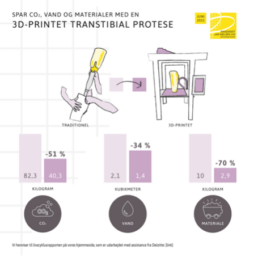
- 3D-printed prostheses can reduce water consumption by 34%
- 3D-printed prostheses can reduce the CO2 footprint by 51%
- 3D-printed prostheses can reduce material consumption by as much as 70% compared with traditional manufacturing methods.
The future
According to Jan Nielsen, there is enormous potential in the future of 3D printing, even though not all prostheses can be produced that way:
“When it comes to, for example, carbon-fibre prostheses that can withstand both water and chemicals, we will probably still have to rely on the classic manufacturing processes. But many other prostheses can be 3D printed. A good estimate is that, in the future, more than half of all prostheses will be produced using 3D printing. At the same time, 3D printing will be the obvious choice when producing test prostheses for newly amputated patients.”
Finally, there is the reduced environmental impact, which was substantiated and quantified under the AM Sustain programme. For example, it showed that 3D-printed prostheses can reduce water consumption by 34%, the CO2 footprint by 51% and material consumption by as much as 70% compared with traditional manufacturing methods—significant gains, according to Jan Nielsen:
“When we grind a prosthesis, we throw away at least half of the material. With 3D printing, waste is minimal. That naturally brings significant environmental benefits, which we now know in detail thanks to the calculations we have carried out through the AM Sustain programme. For users, the environmental impact does not necessarily make a big difference, but for us as specialists and professional enthusiasts, it matters for the journey we are on towards better and more sustainable prostheses.”
Is your production setup a limitation—or a strength?
And are there new opportunities?
About the company
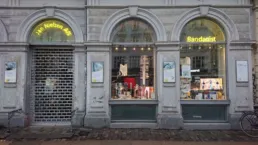
Orthotist Jan Nielsen
Frederiksborggade 23, 1360 Copenhagen
Number of employees: 33
Orthotist Jan Nielsen is a supplier of medical equipment in Copenhagen.
About 3D-printed prostheses
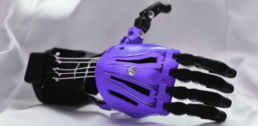
- 3D printing is currently used for a wide range of different prostheses, such as leg prostheses, arm prostheses and finger prostheses.
- 3D technology can also be used for orthoses that support and correct body parts such as the head, back, neck or joints.
- Prosthesis users are as different as everyone else, and therefore no two prosthetic pathways are the same.
- With 3D printing, the orthotist has maximum design freedom to create a prosthesis that can help the individual user.
- 3D printing of prostheses contributes to significant savings in CO2, water and material consumption. Further information is available in the life-cycle report at www.bjn.dk/viden.
Is your production setup a limitation—or a strength? And are there new opportunities?
Get input on how hybrid production can support your business strategy.
AM Summit 2021: Our large exhibition
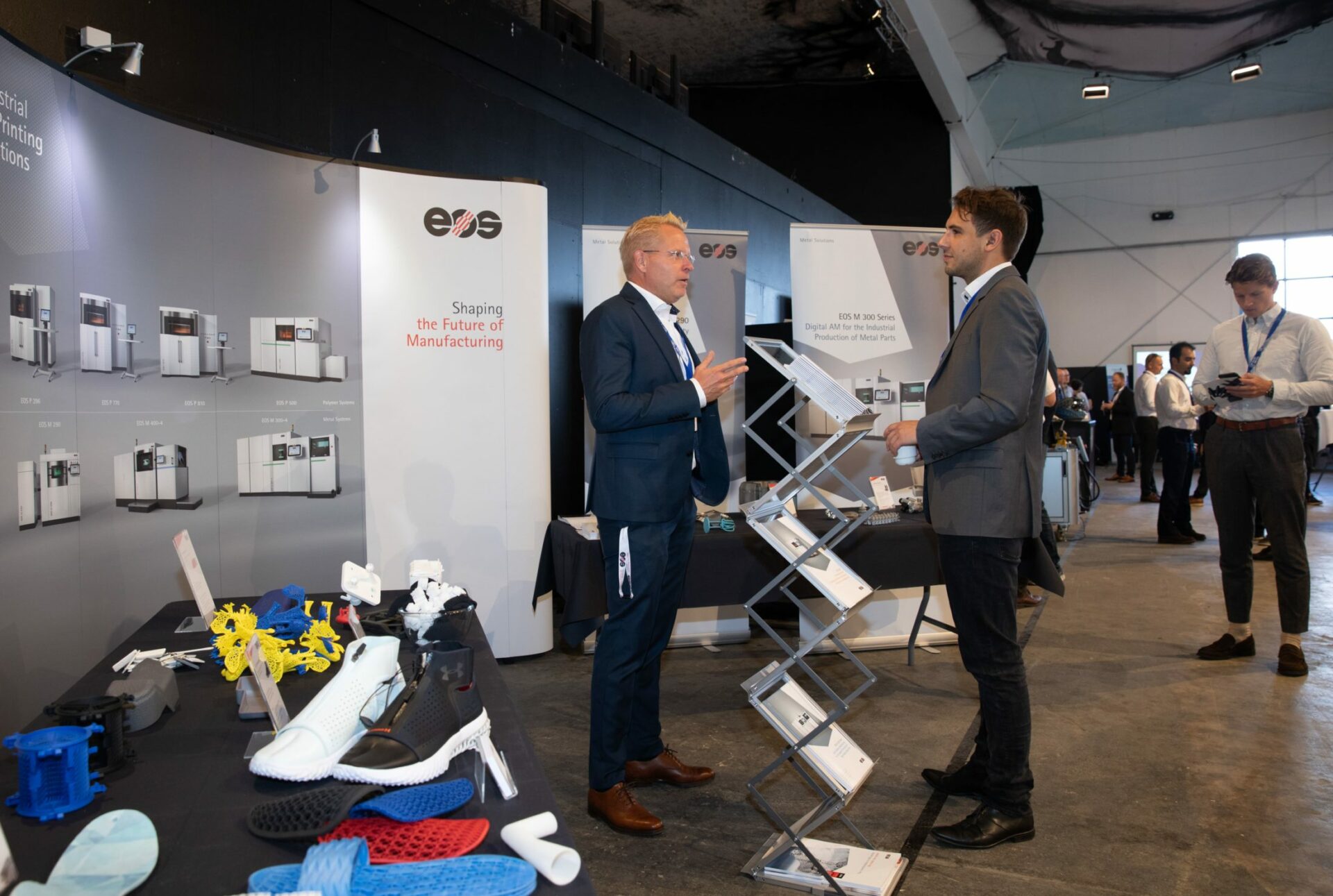
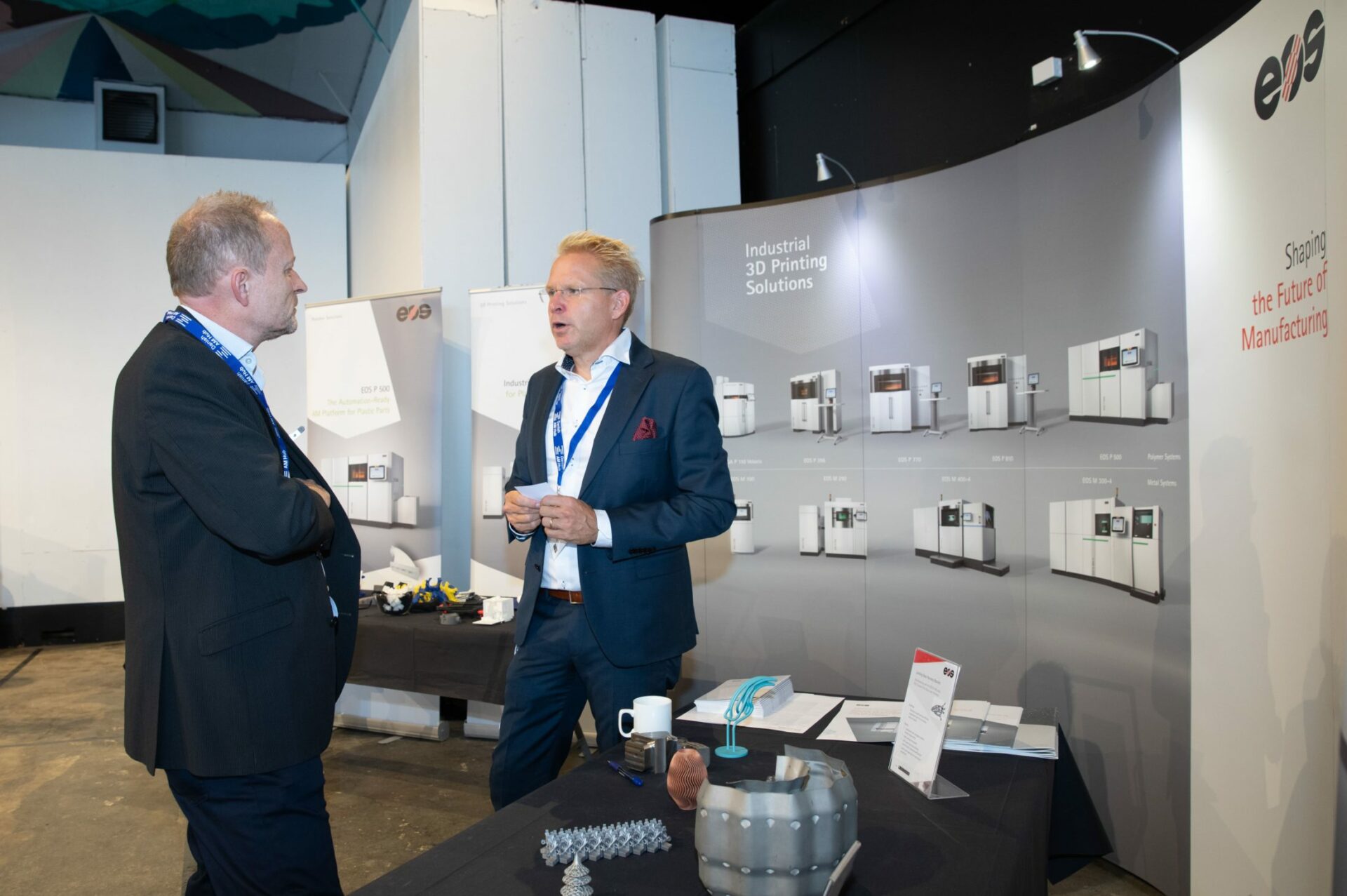
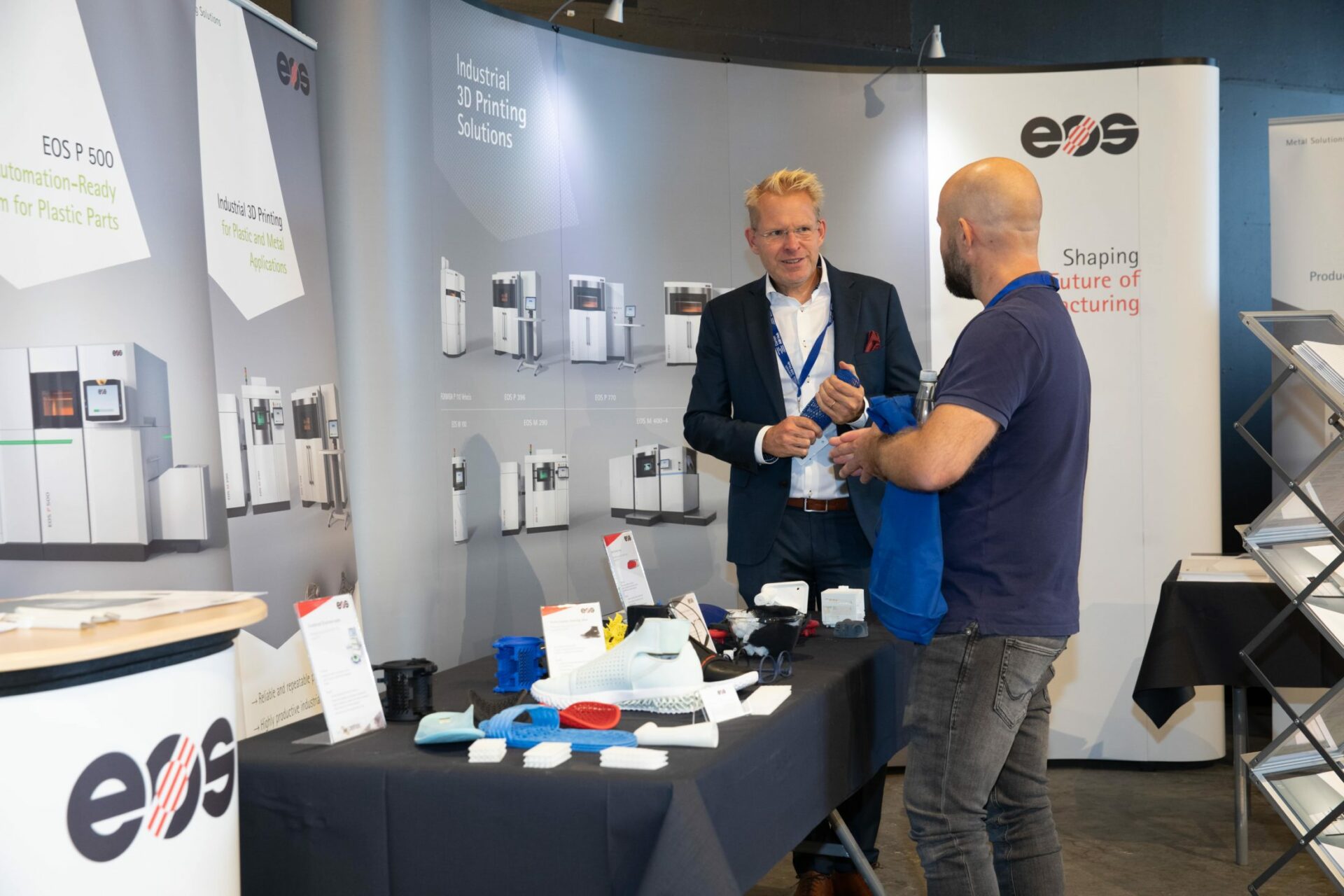
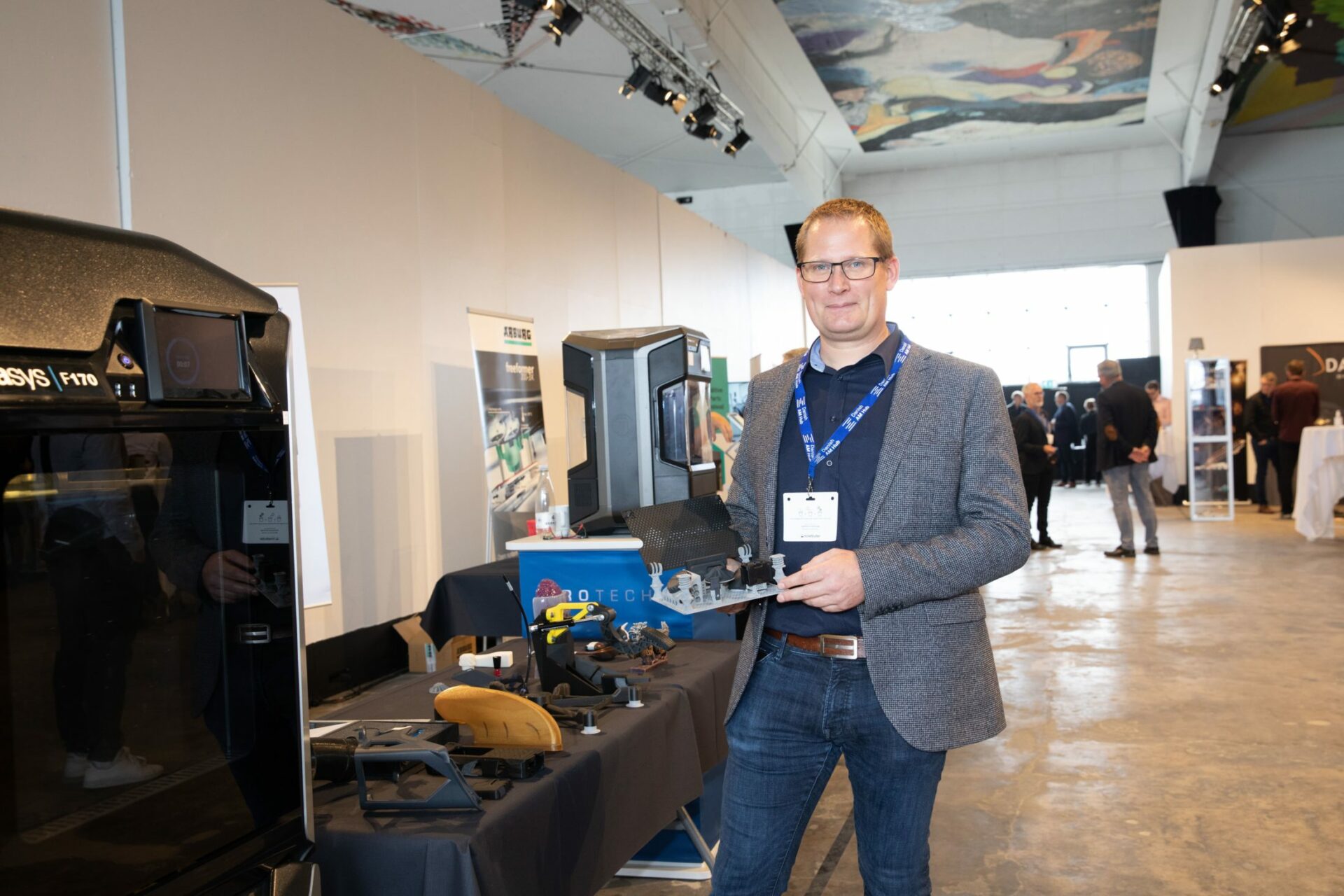
See photos from this year’s exhibitors
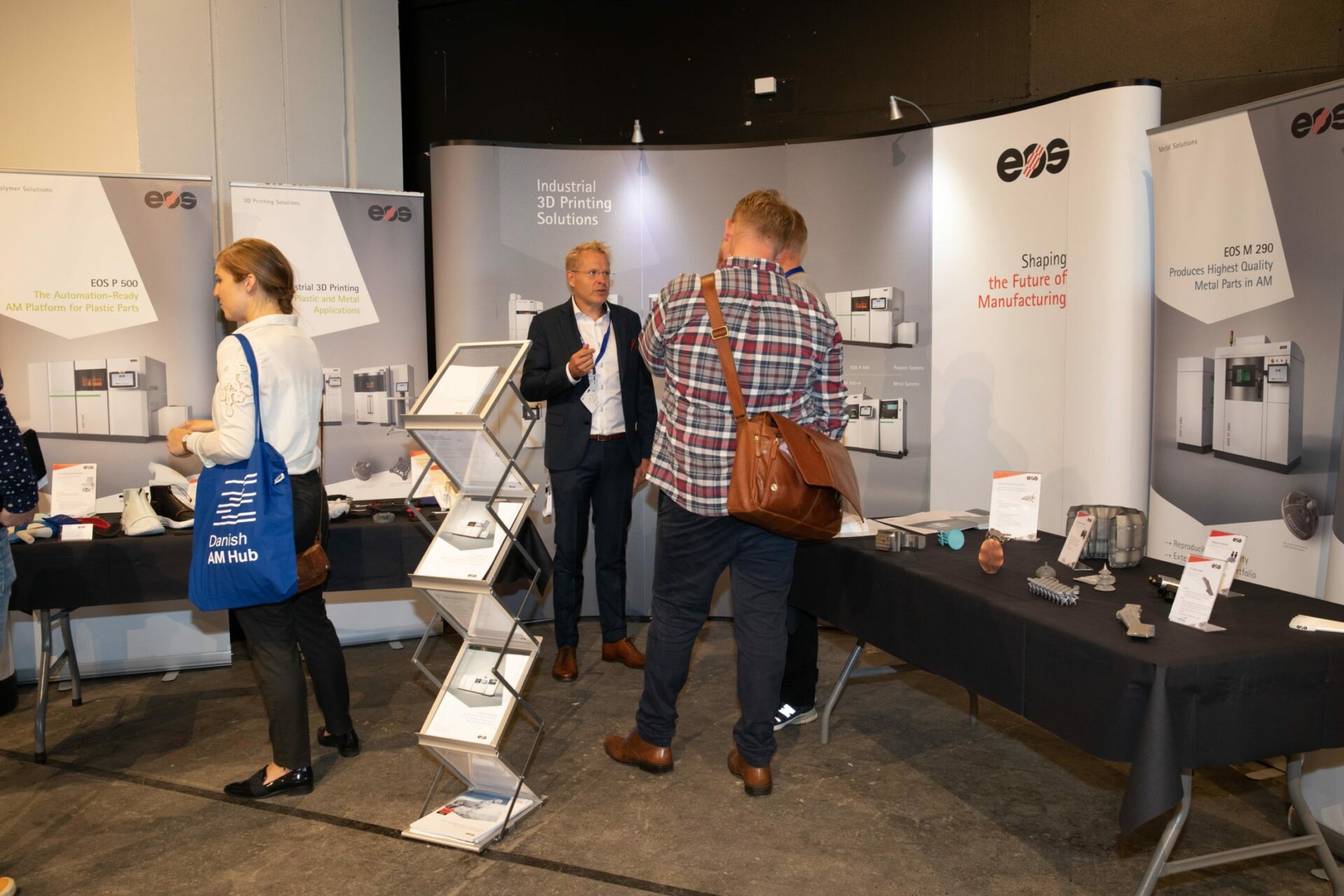
EOS
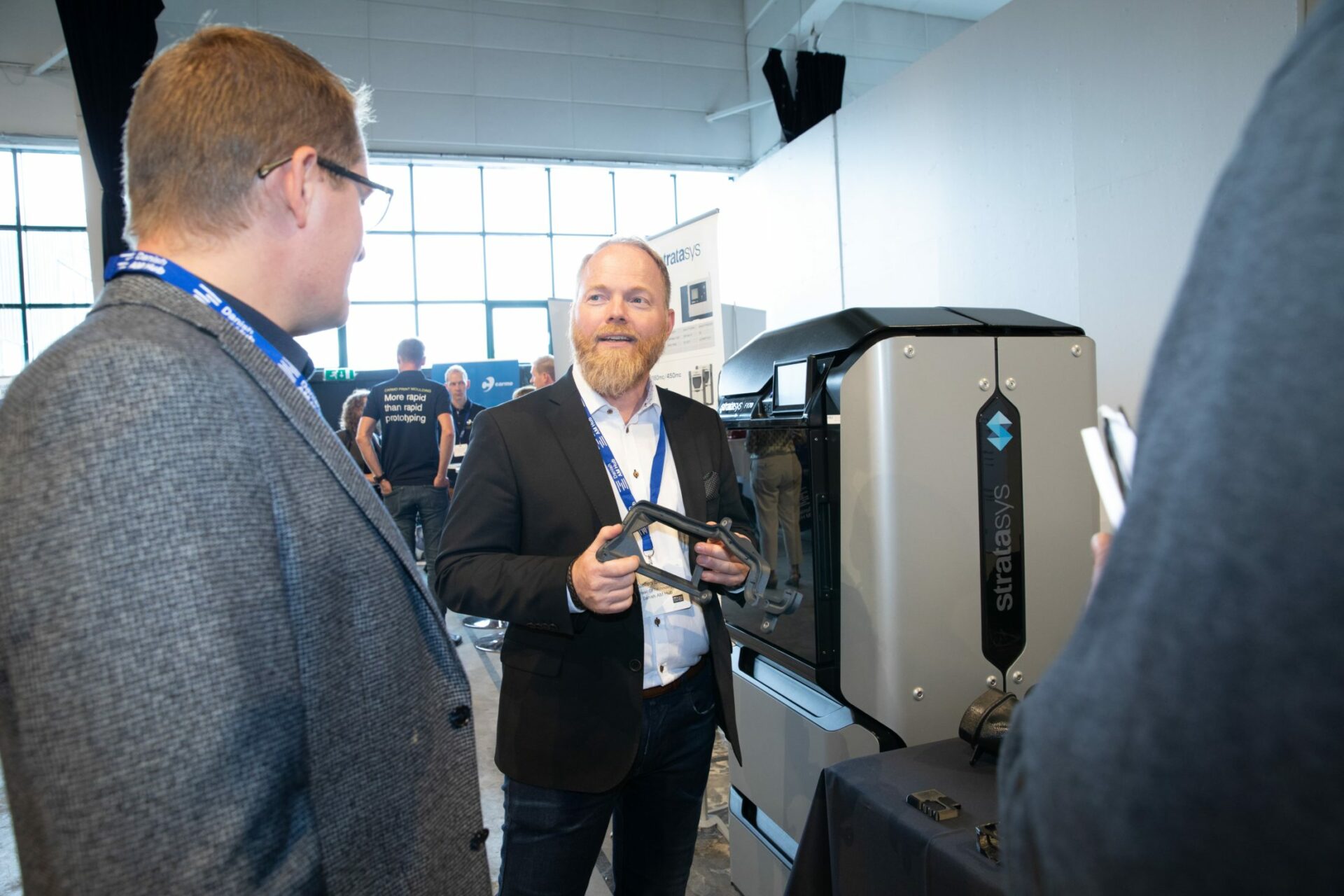
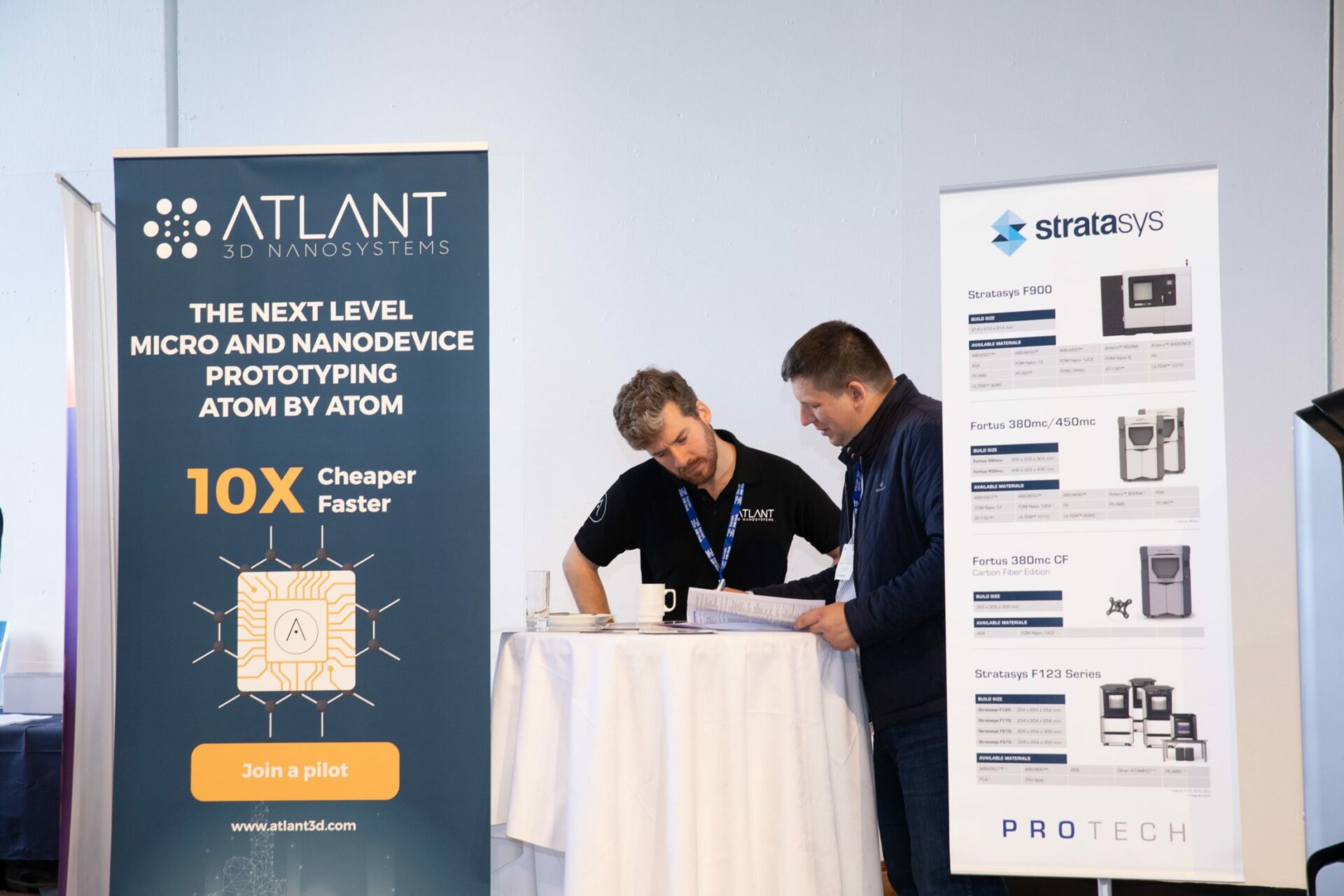
Protech + Stratasys

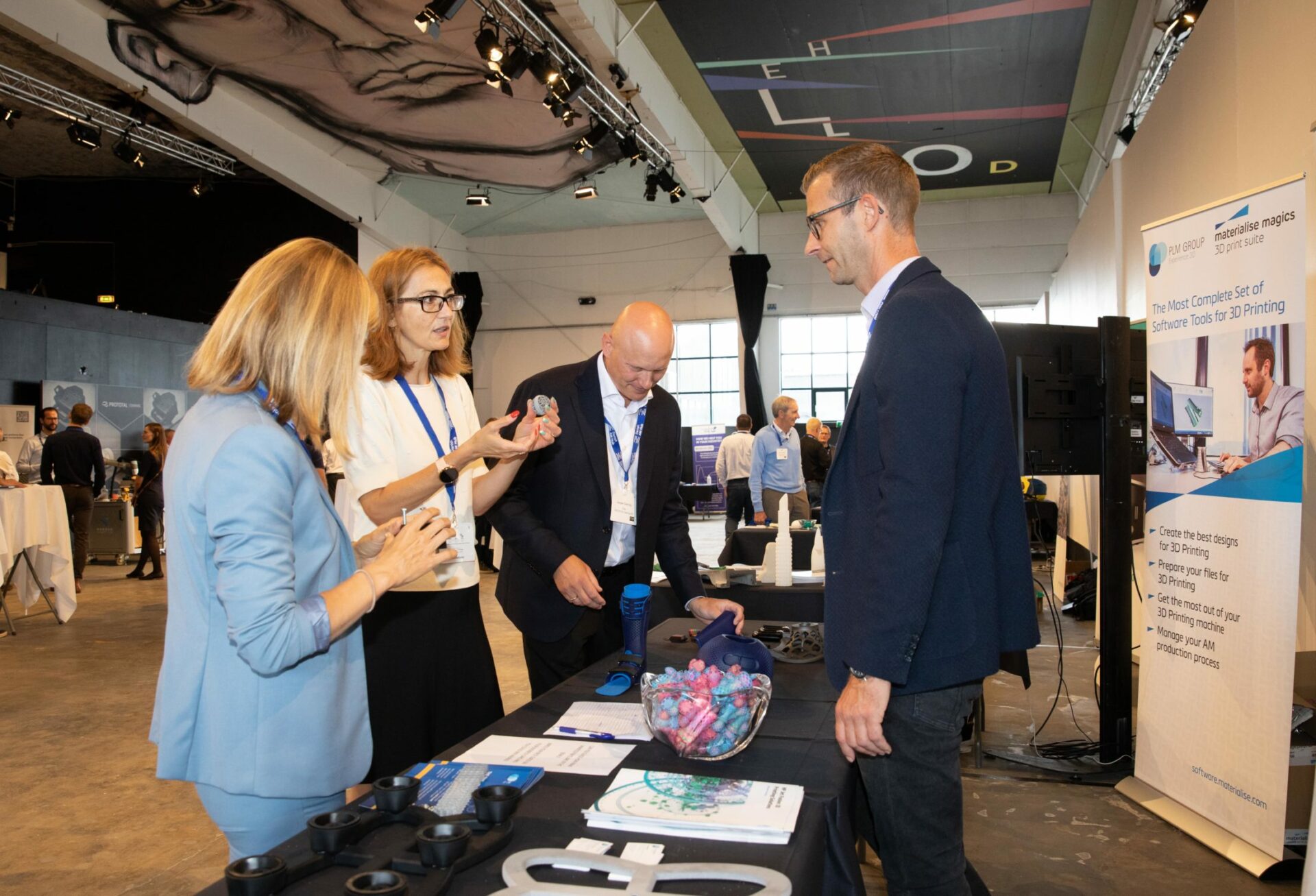
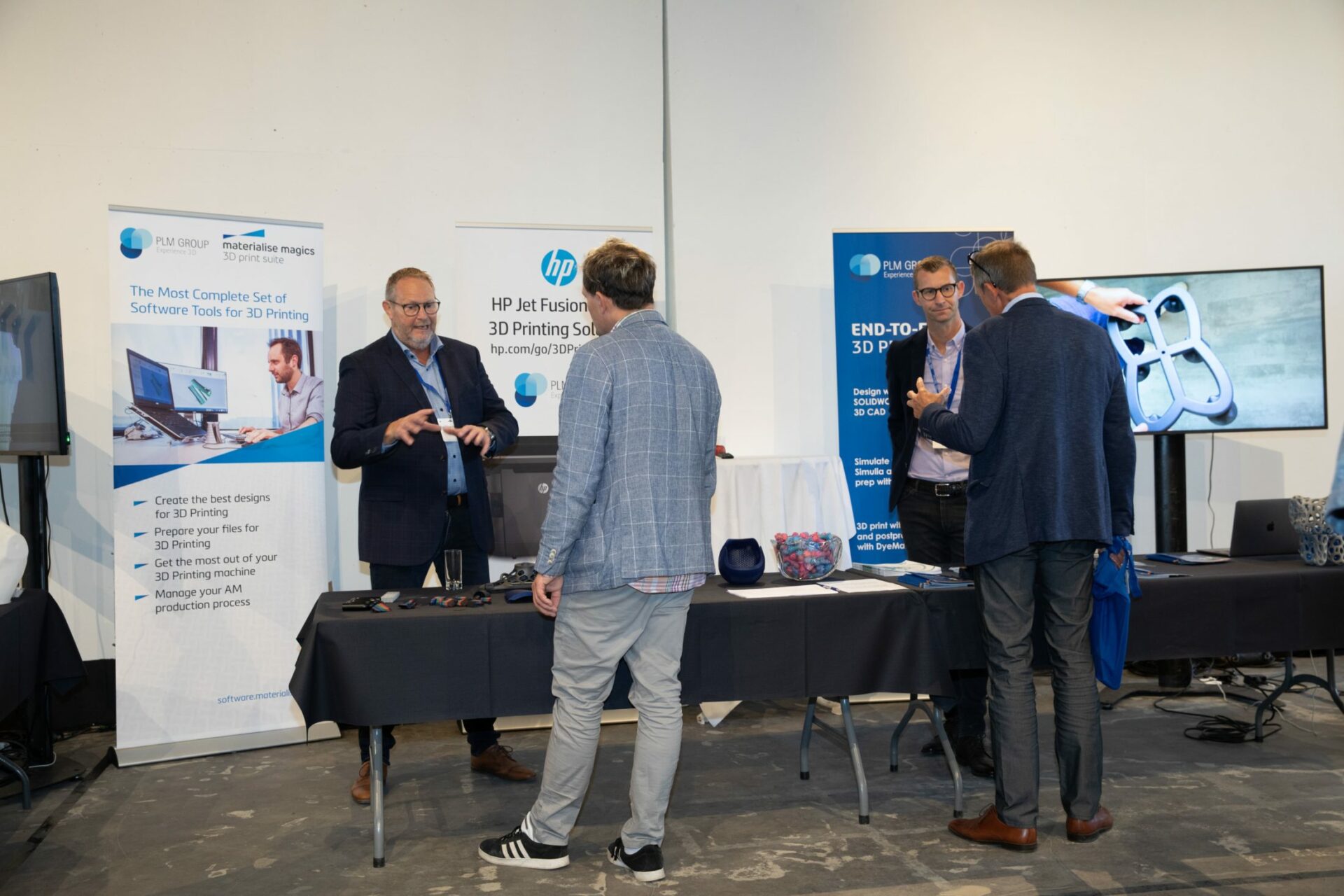
PLM + HP

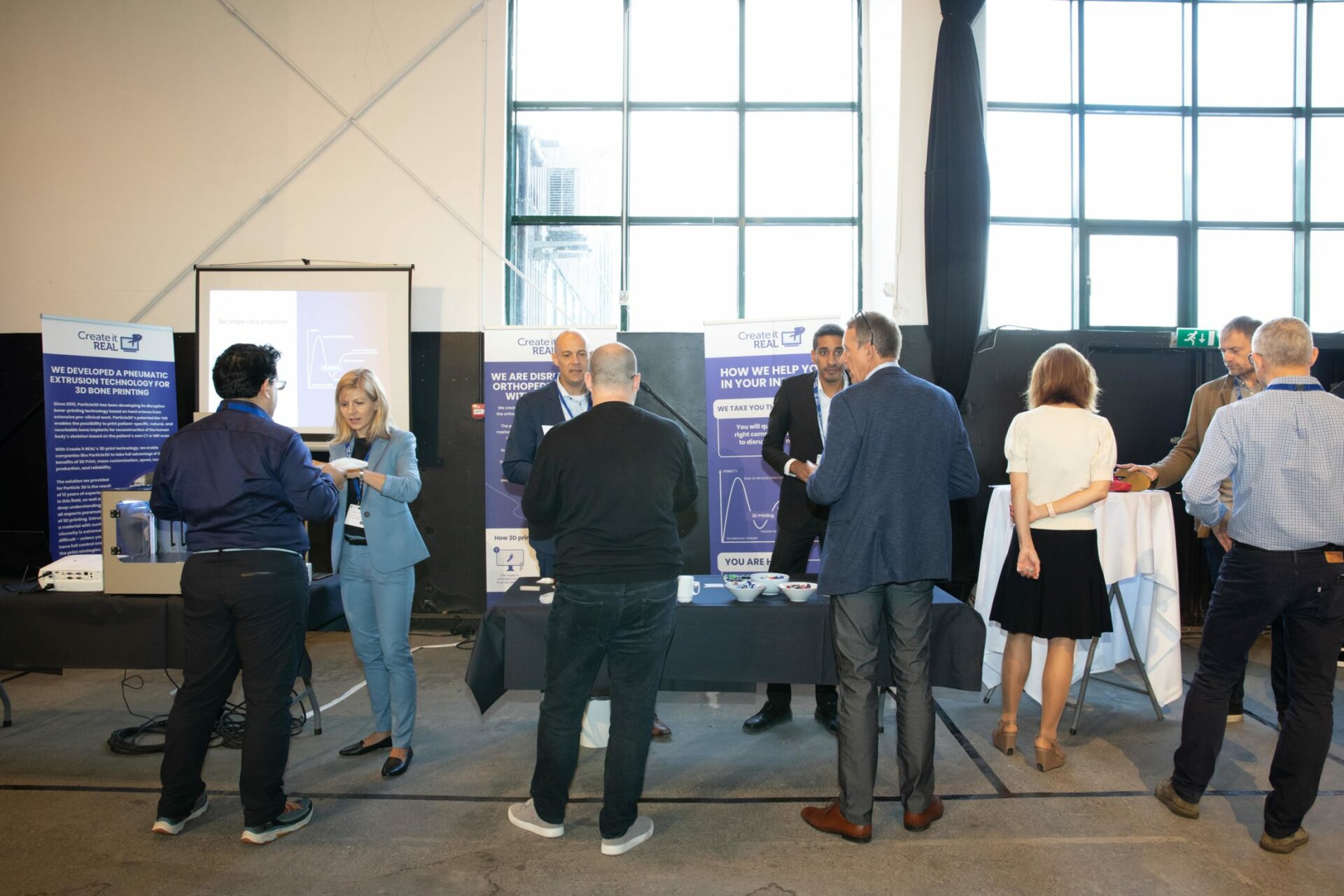
Create it Real
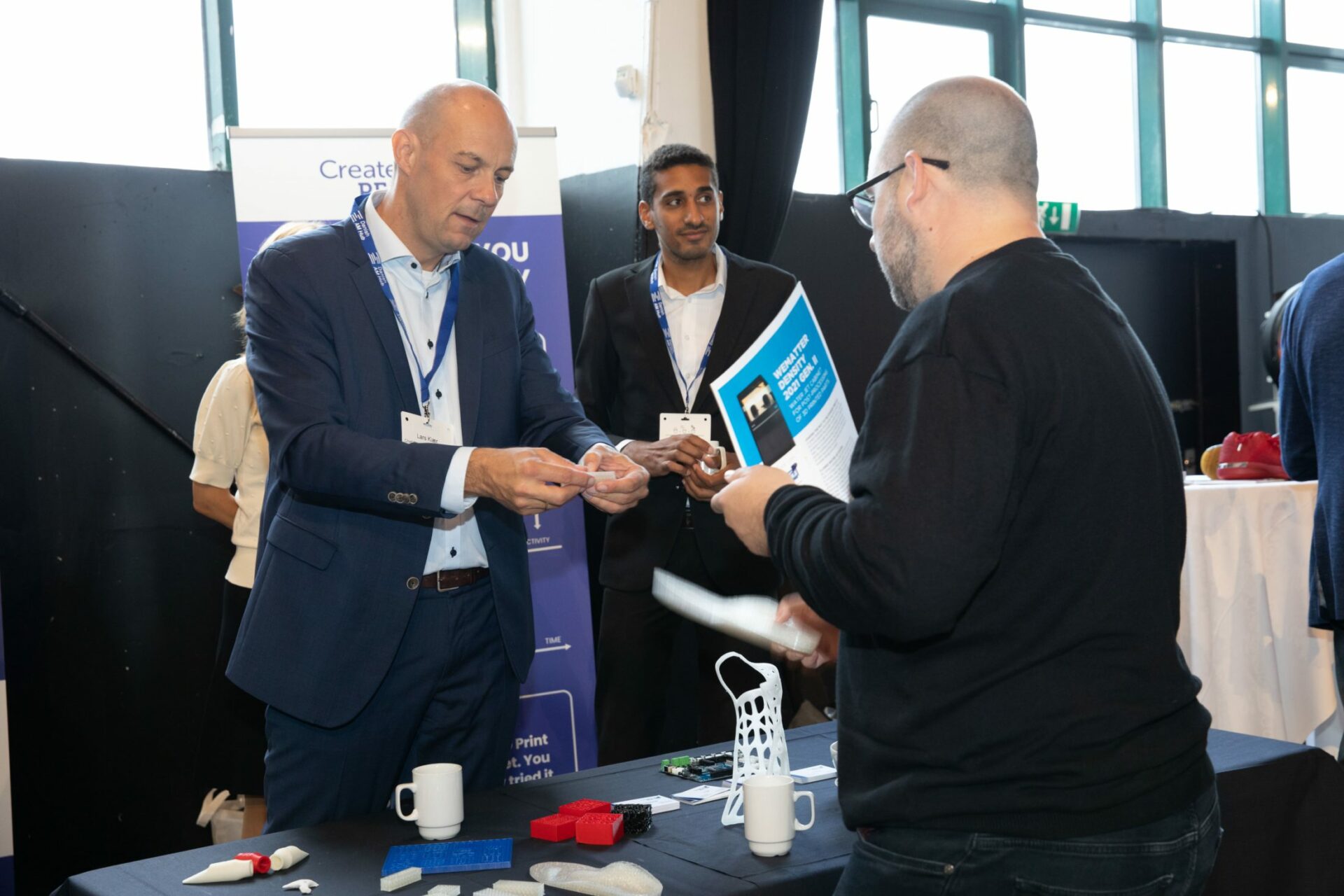
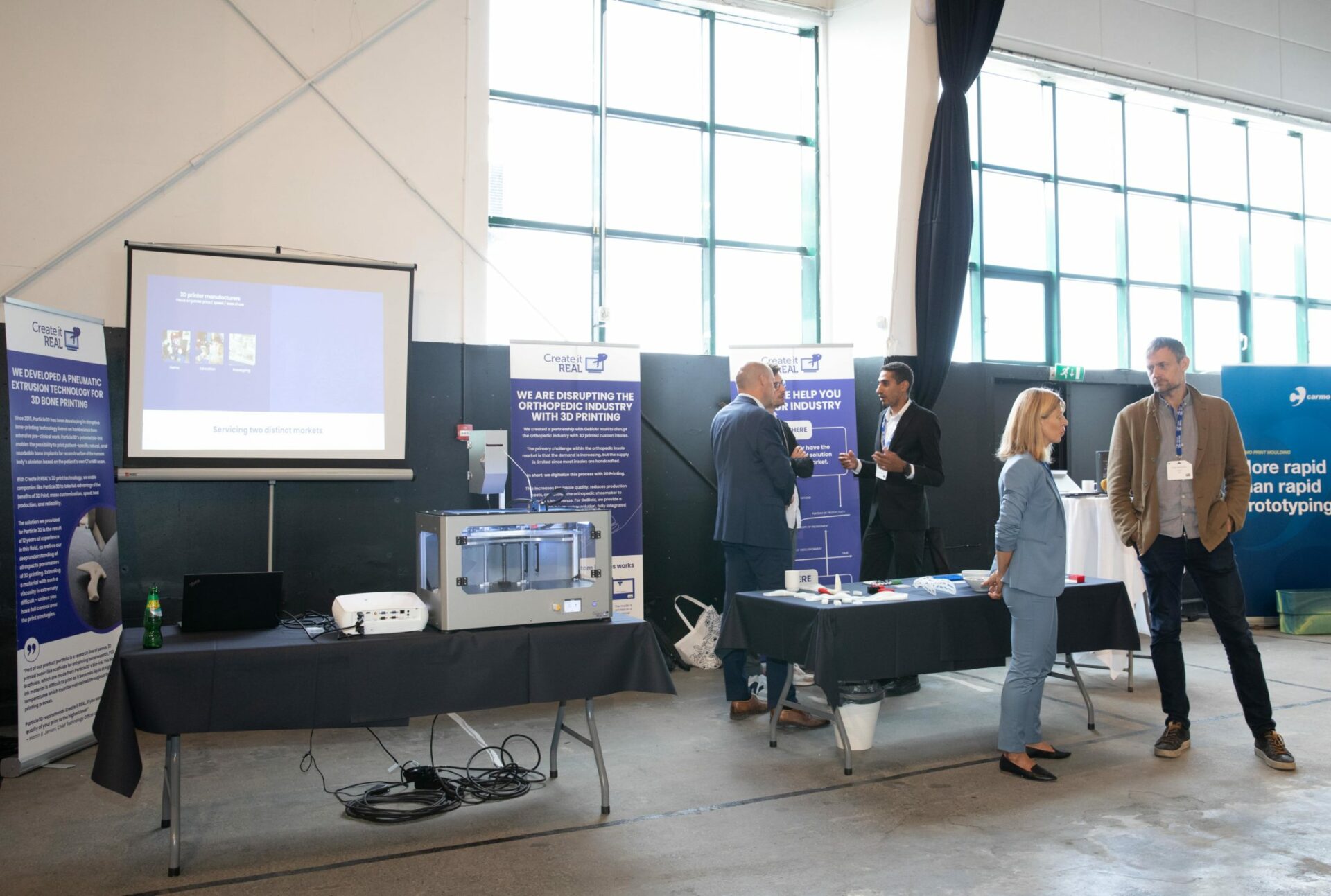

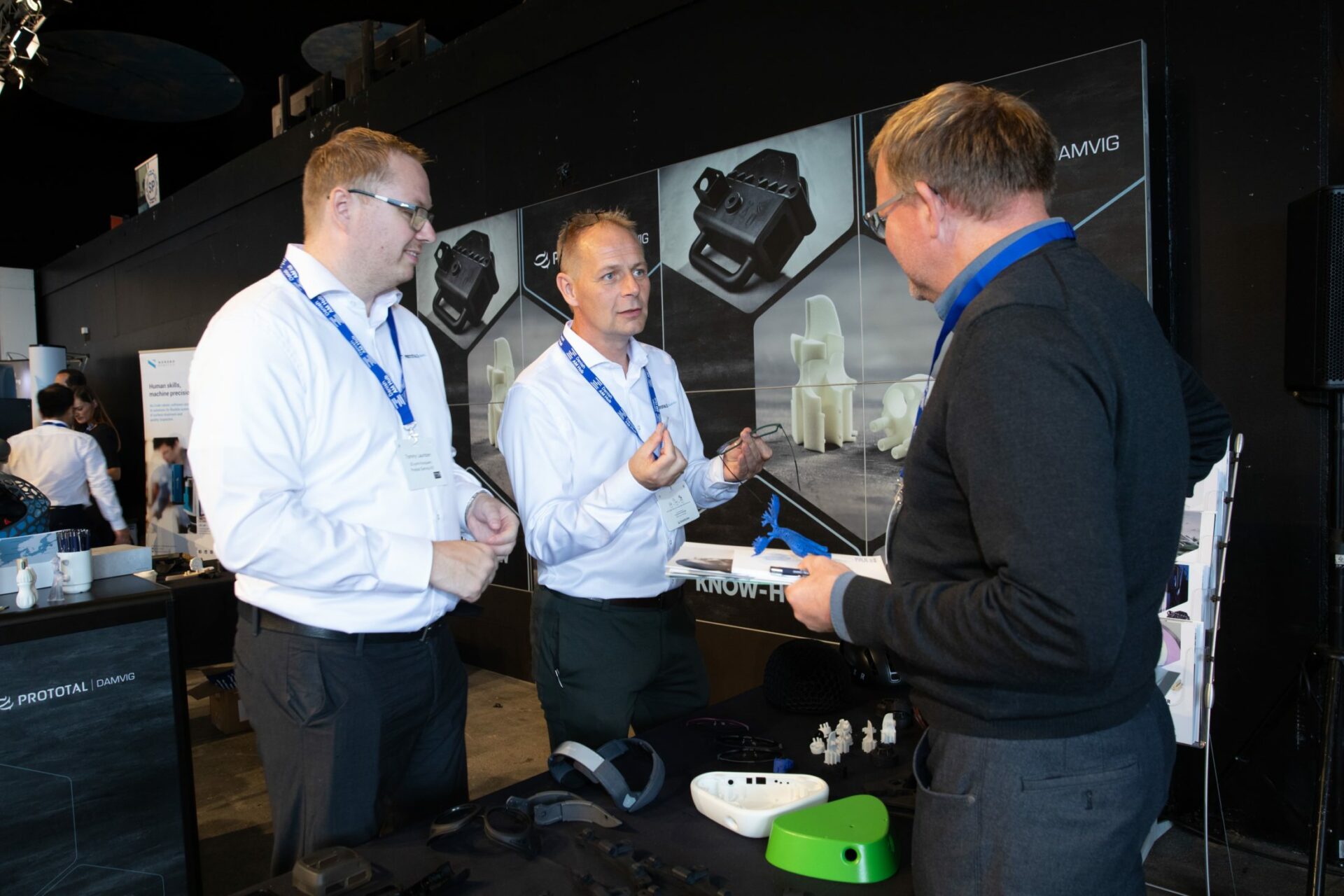
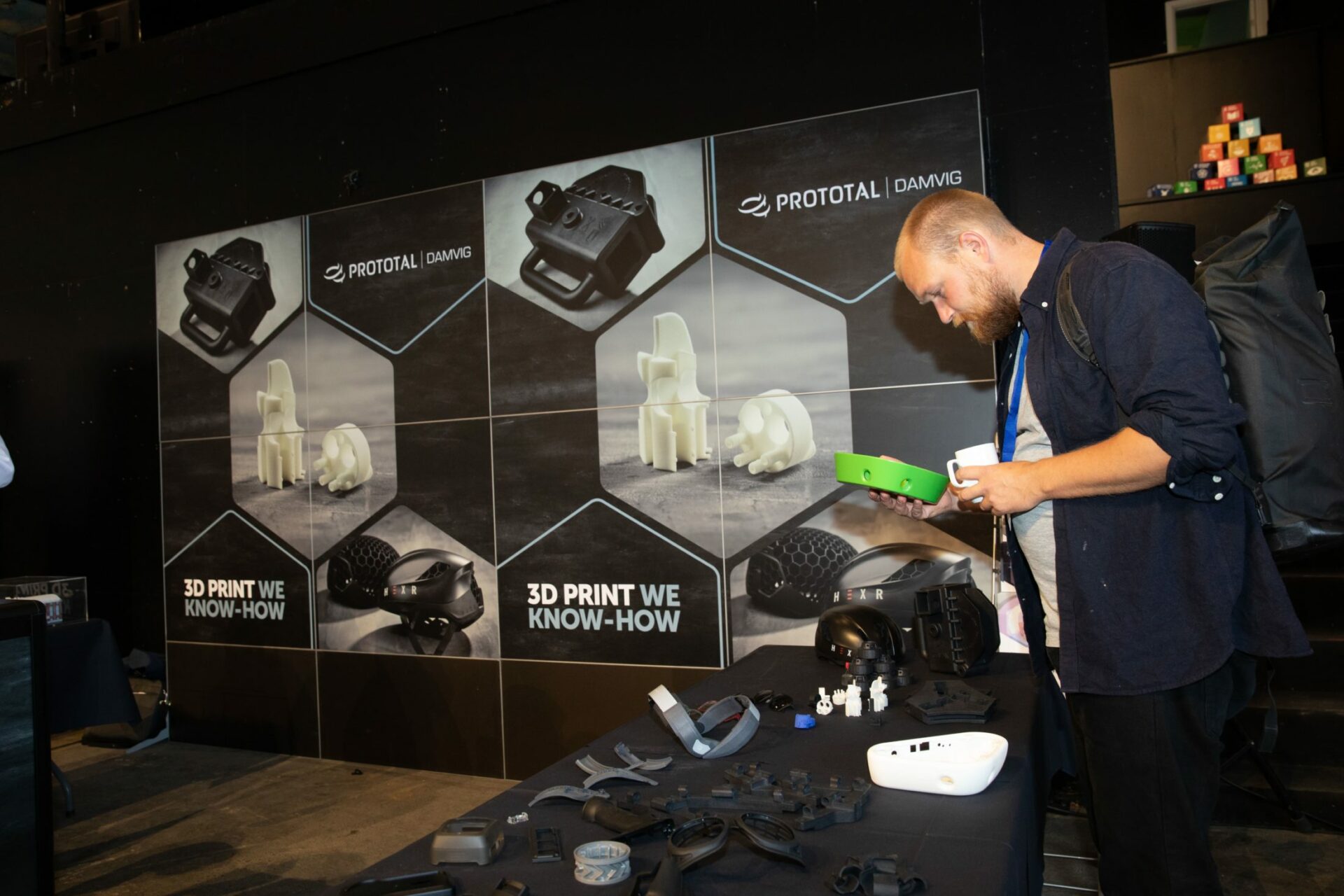
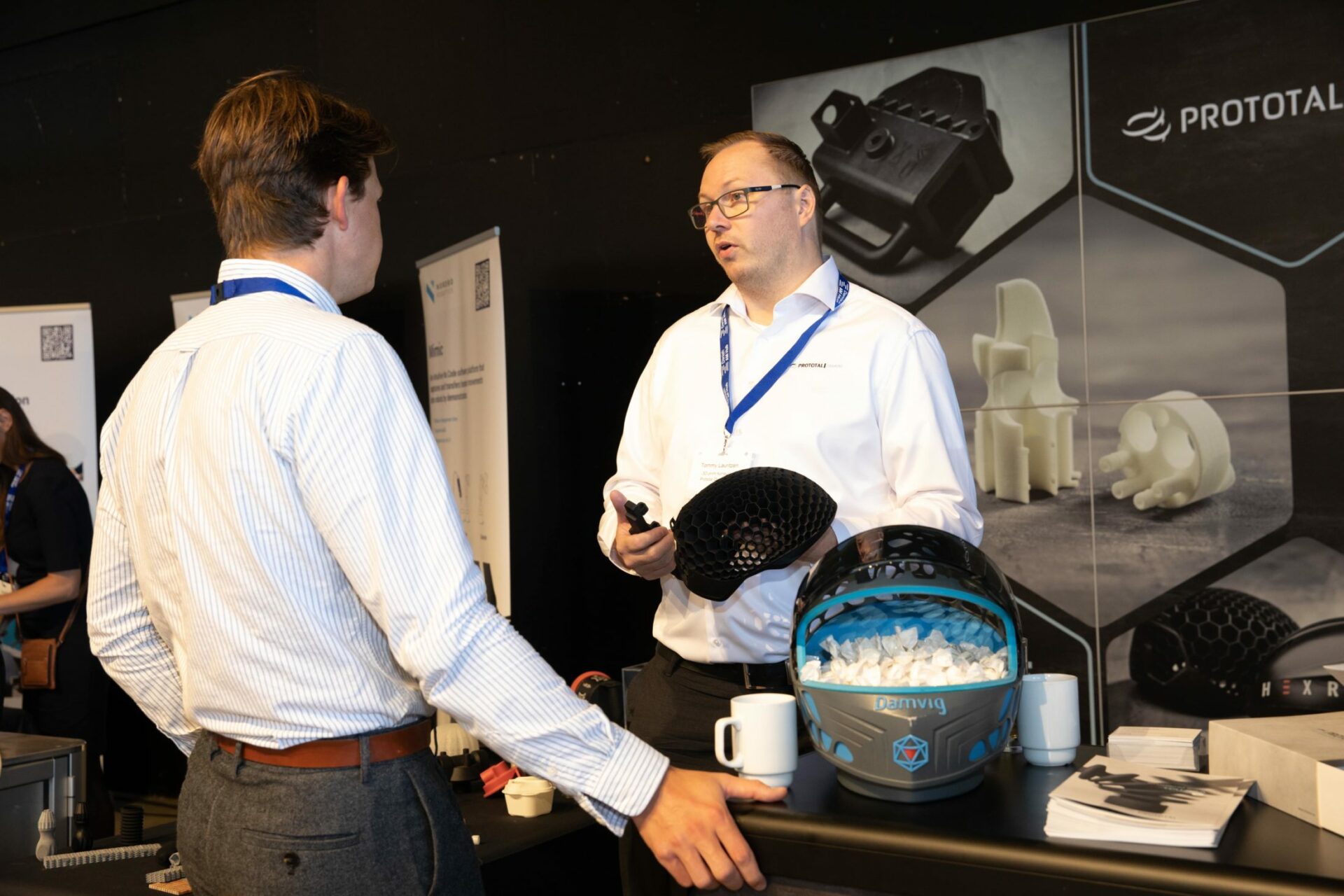
Prototal Damvig


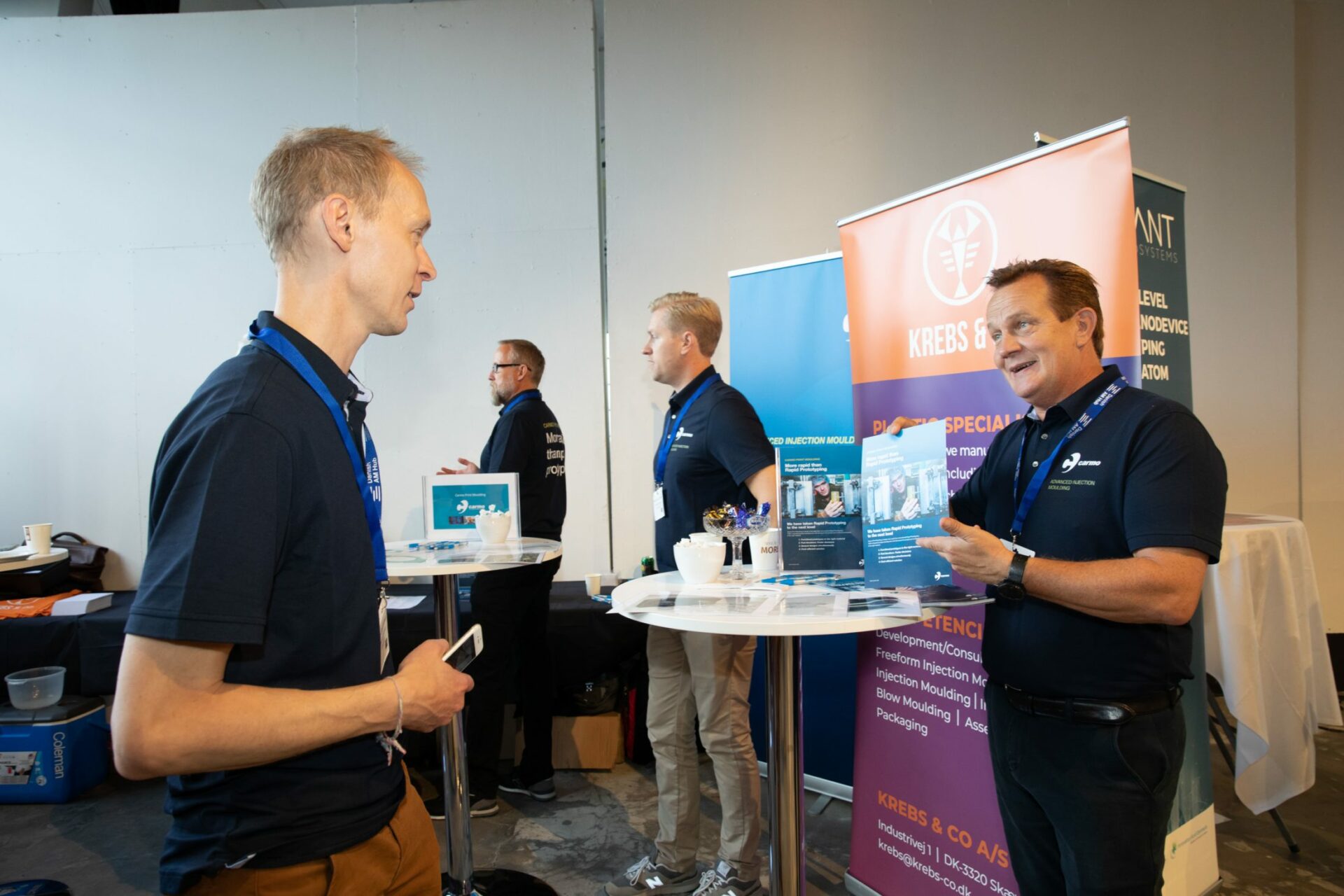
J. Krebs & Co. + Carmo
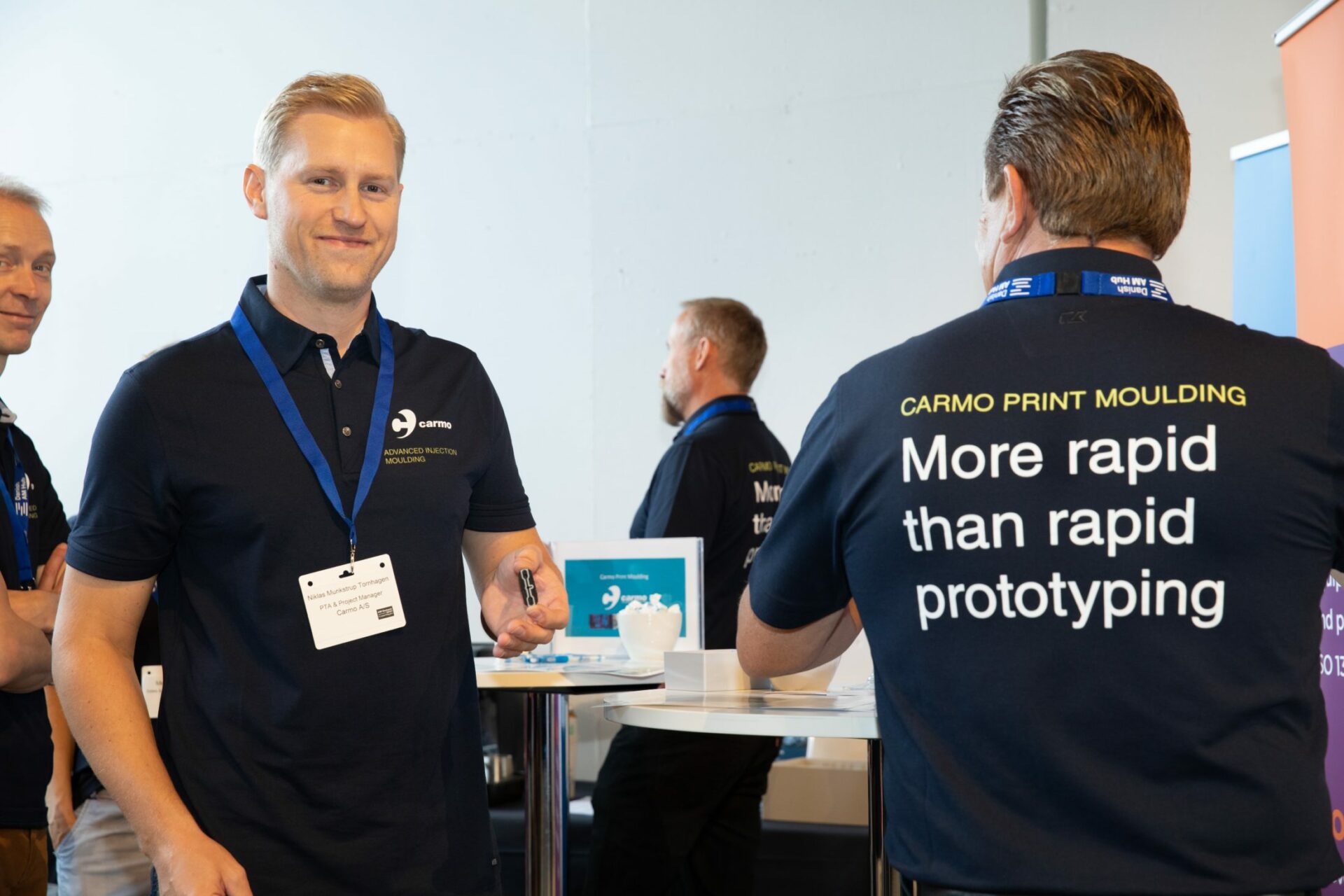
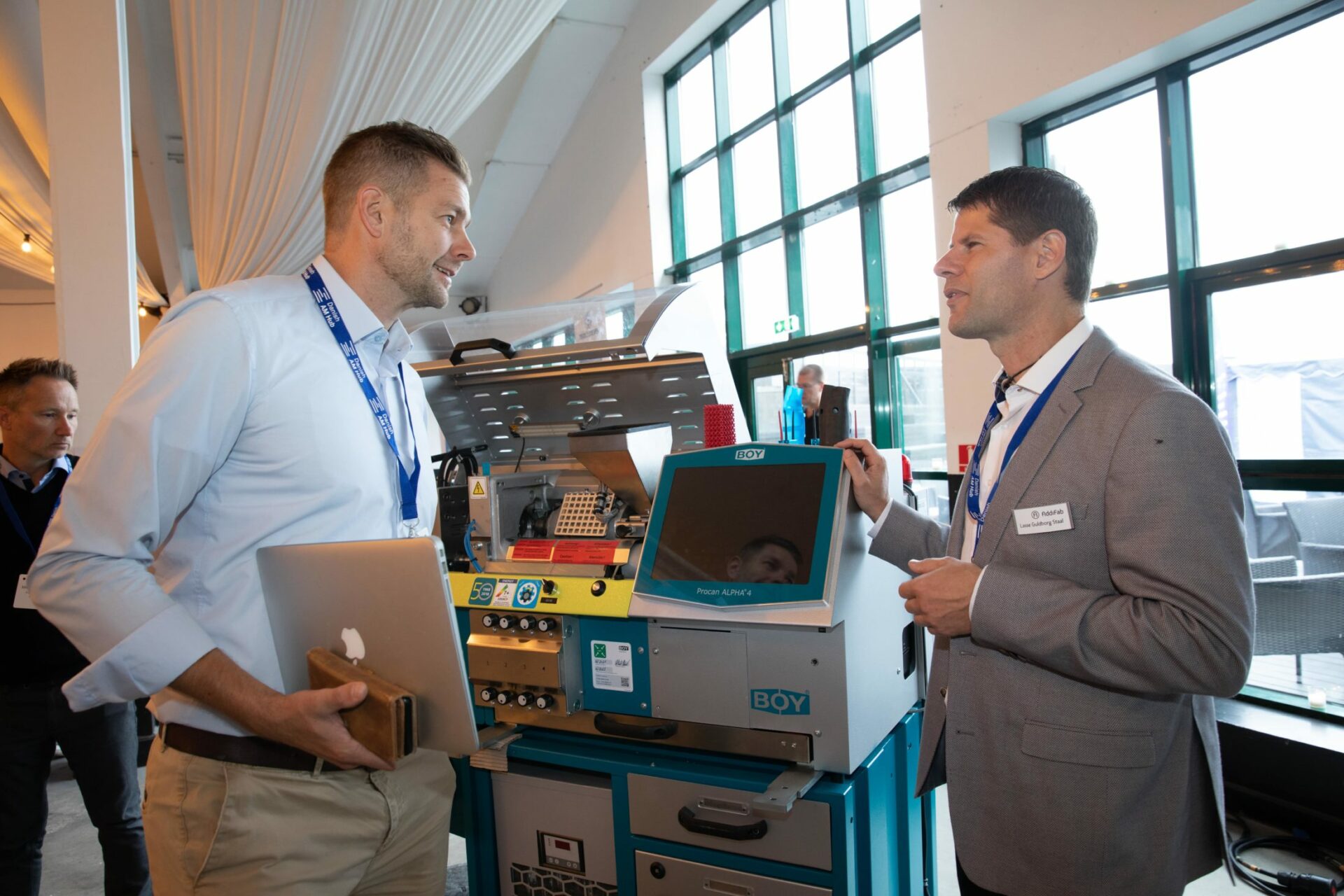
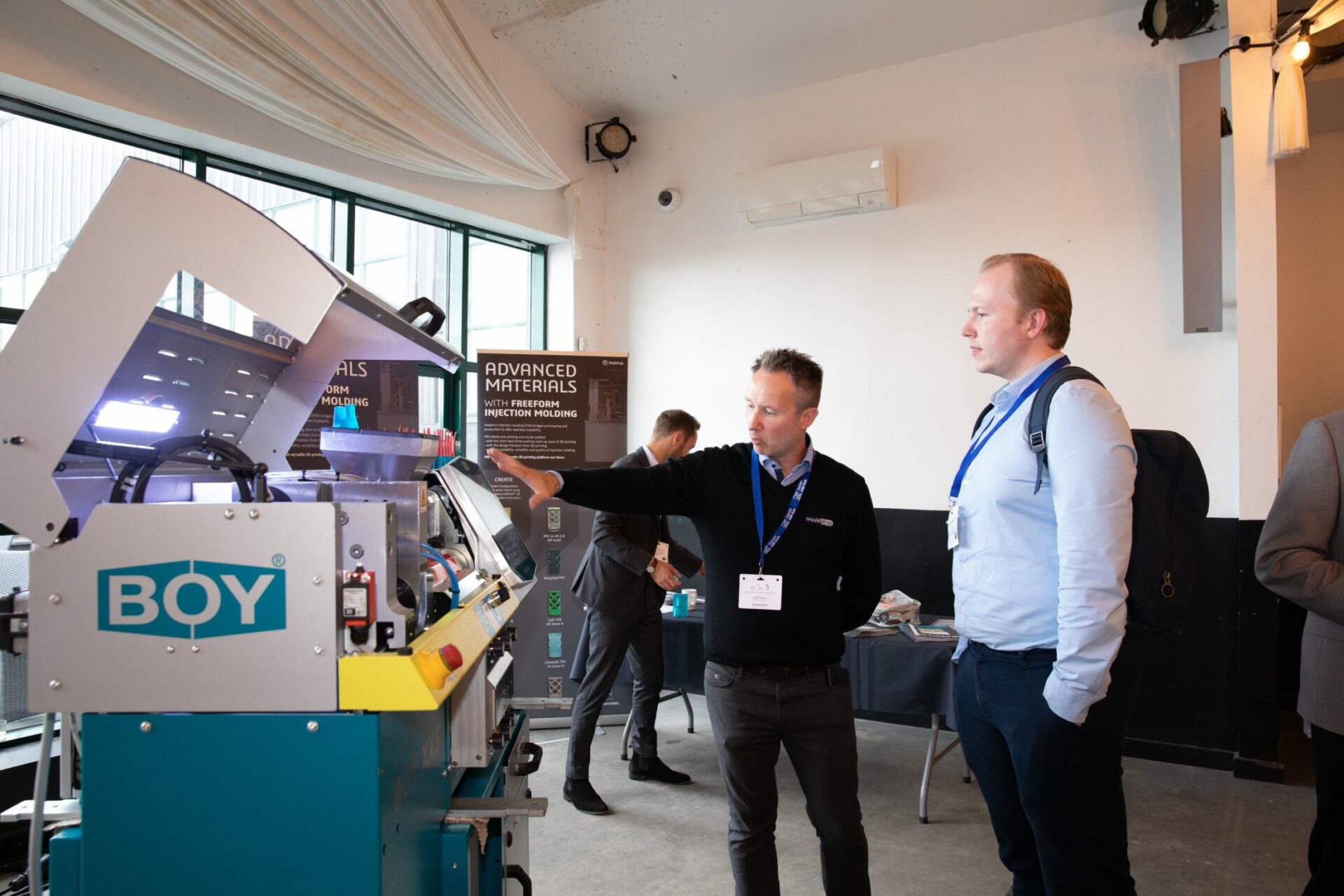
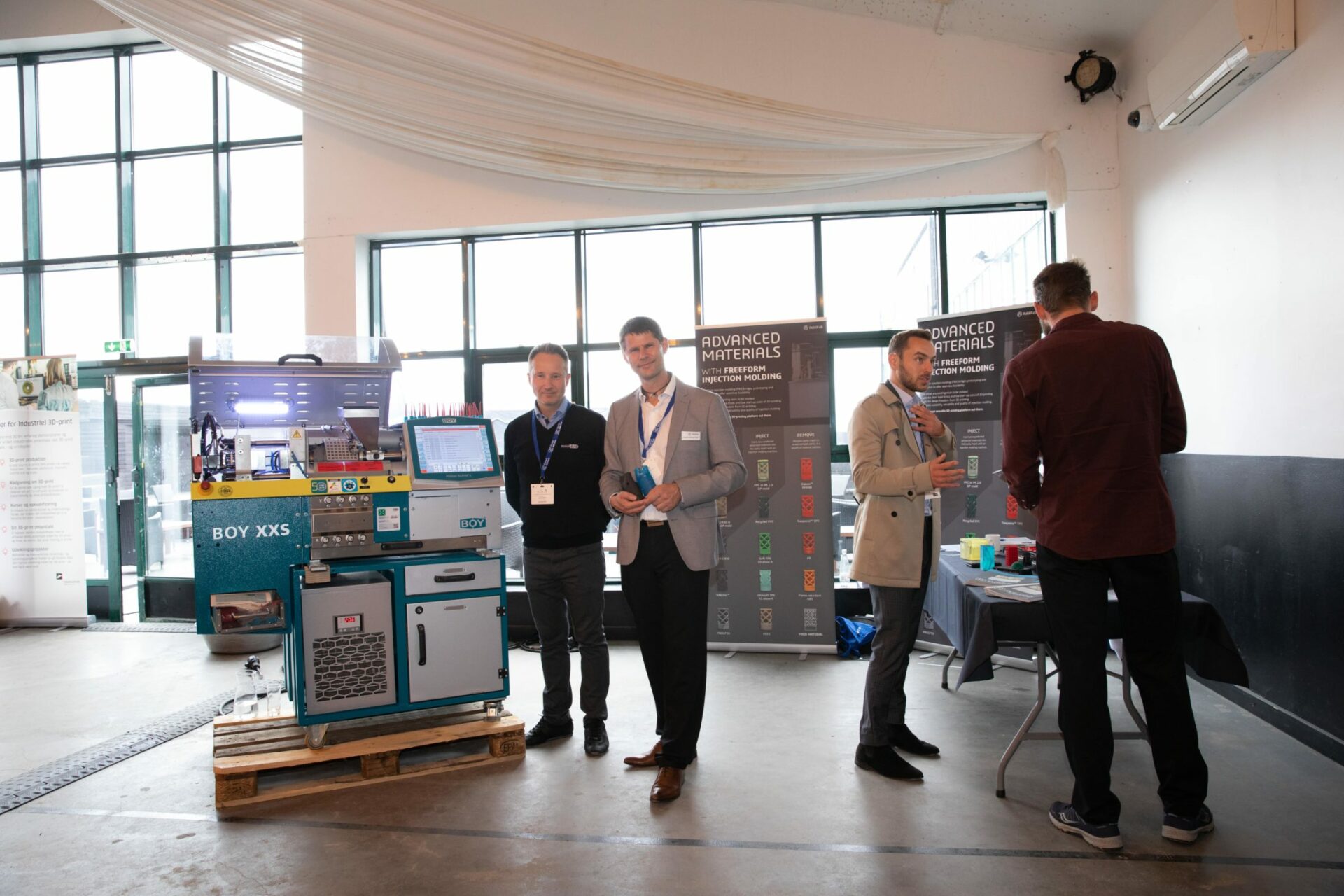
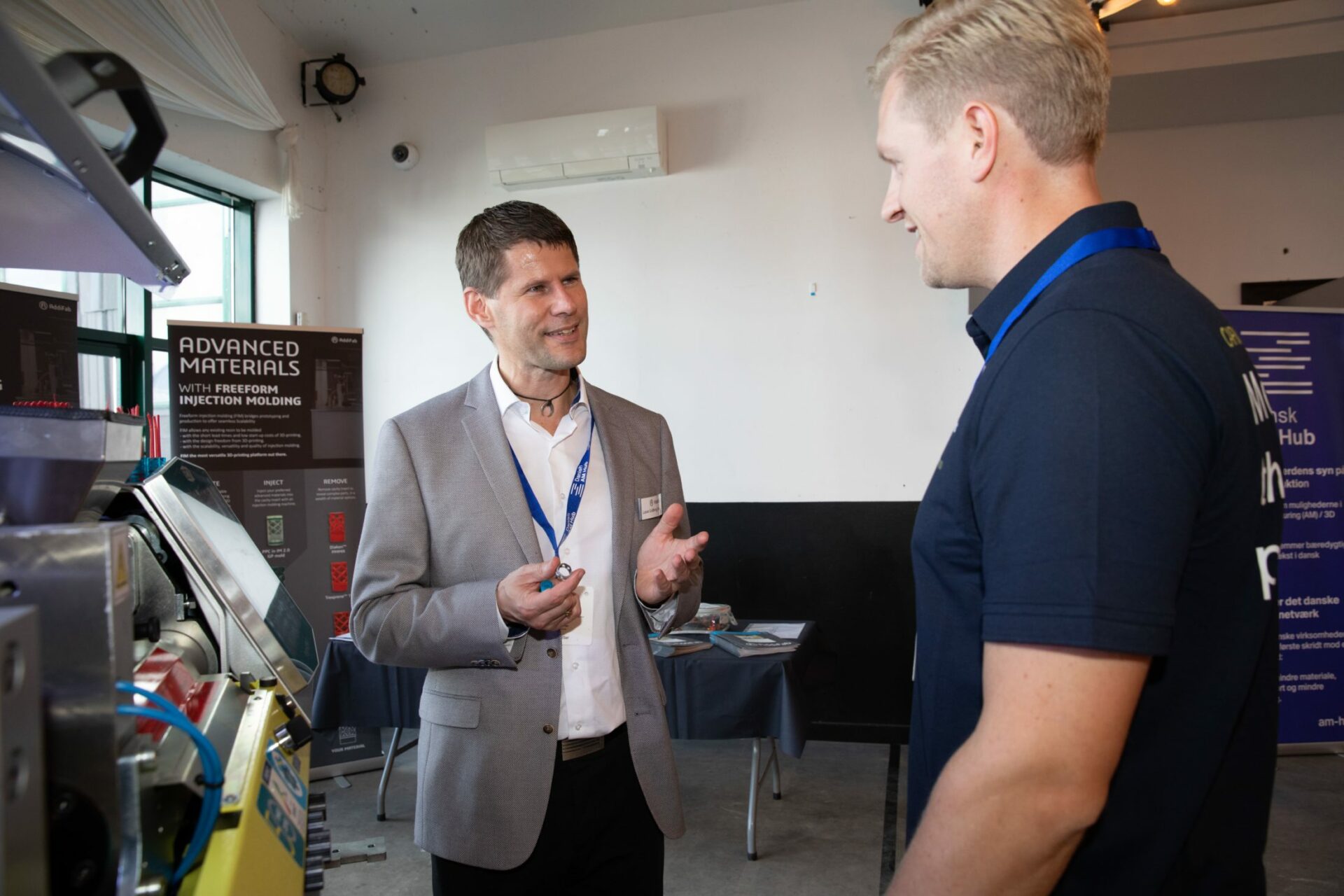
Addifab
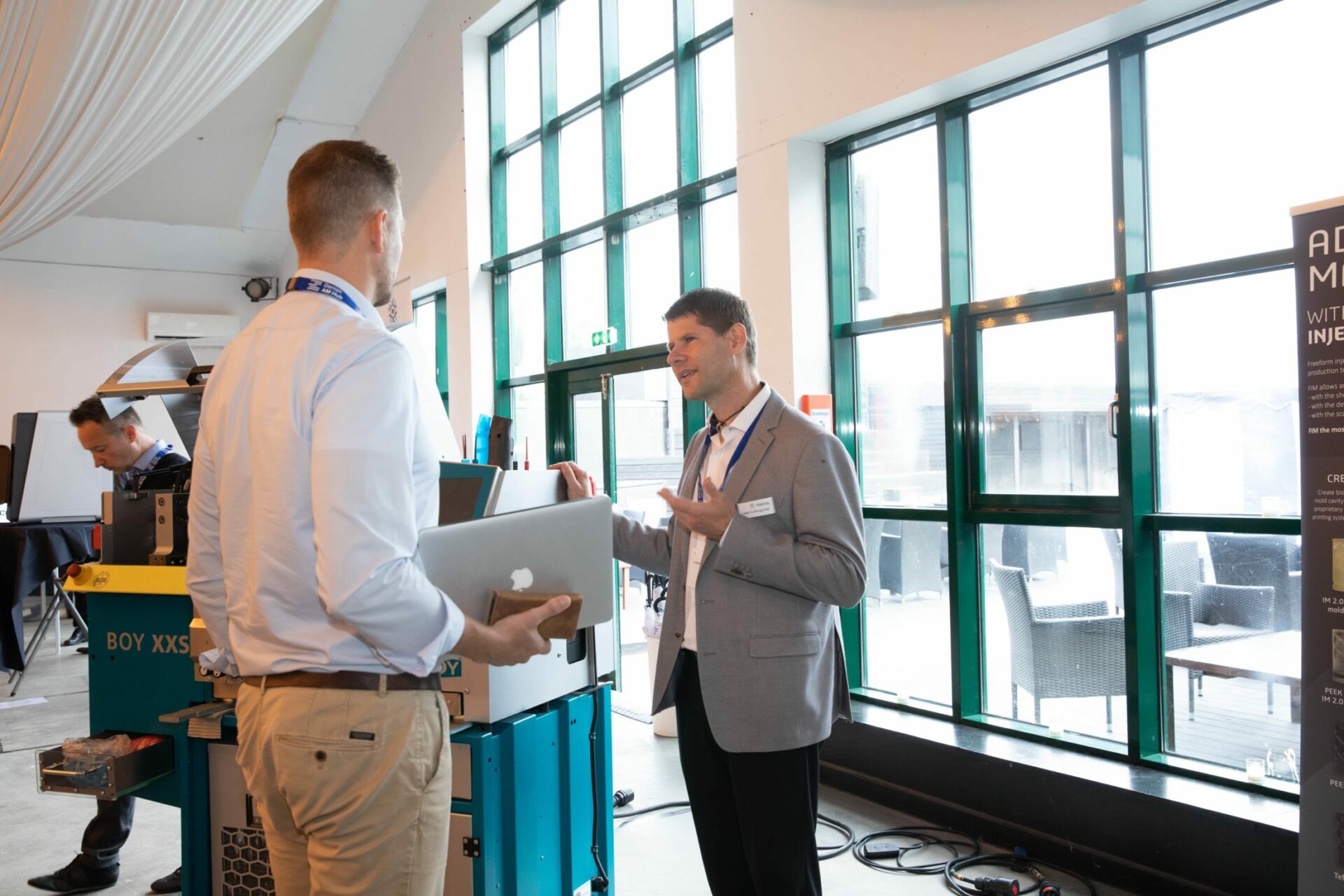
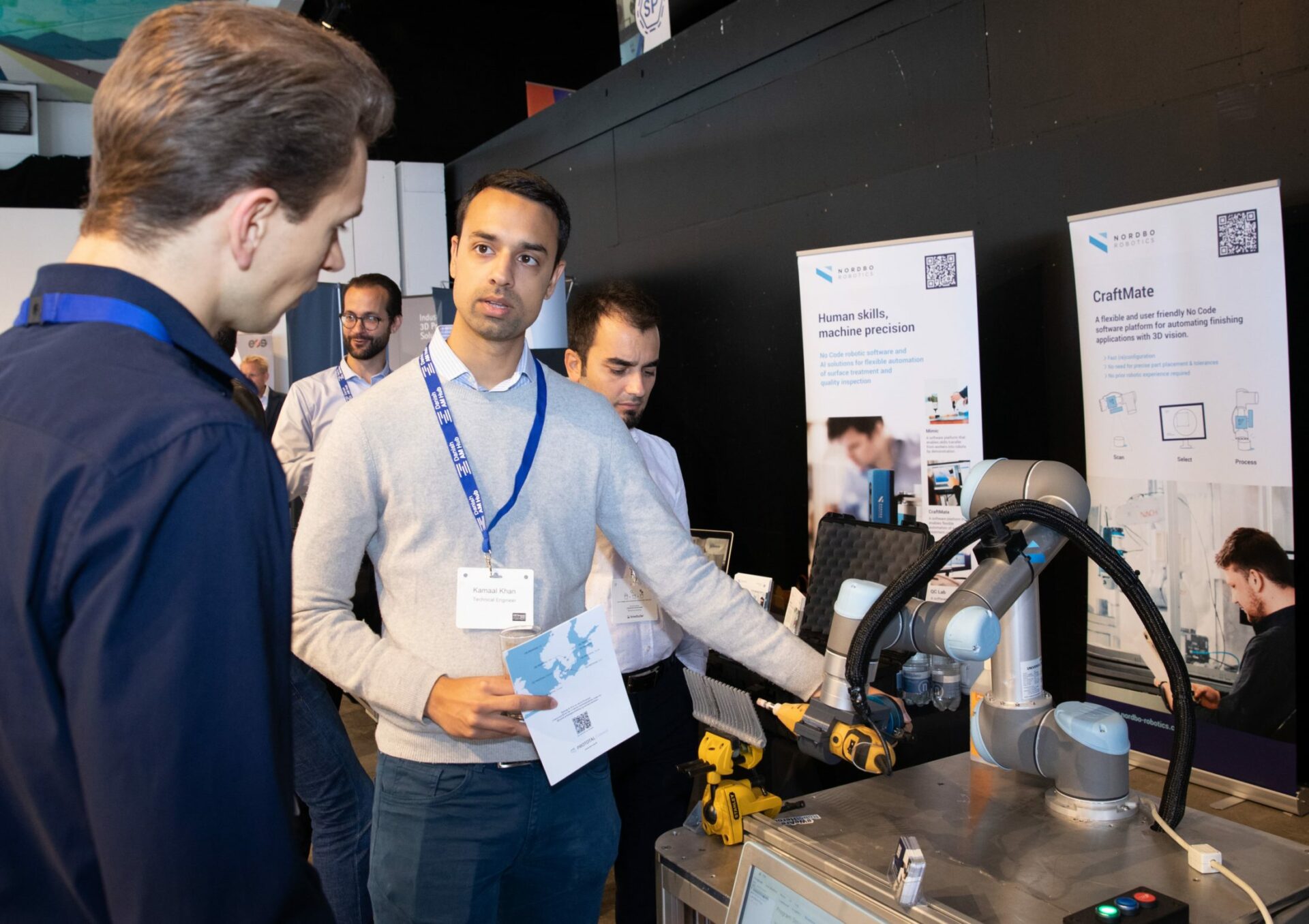
Nordbo Robotics

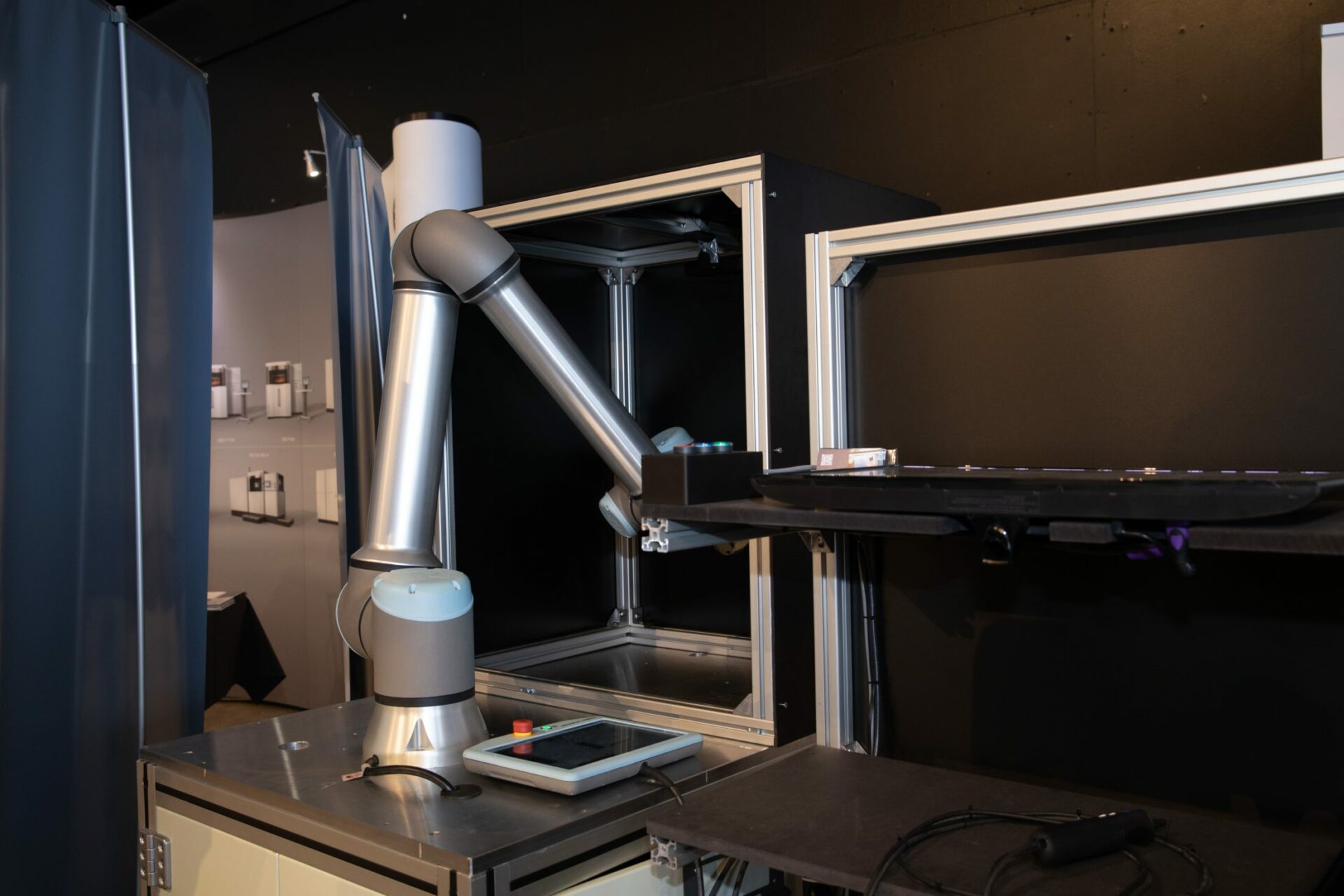
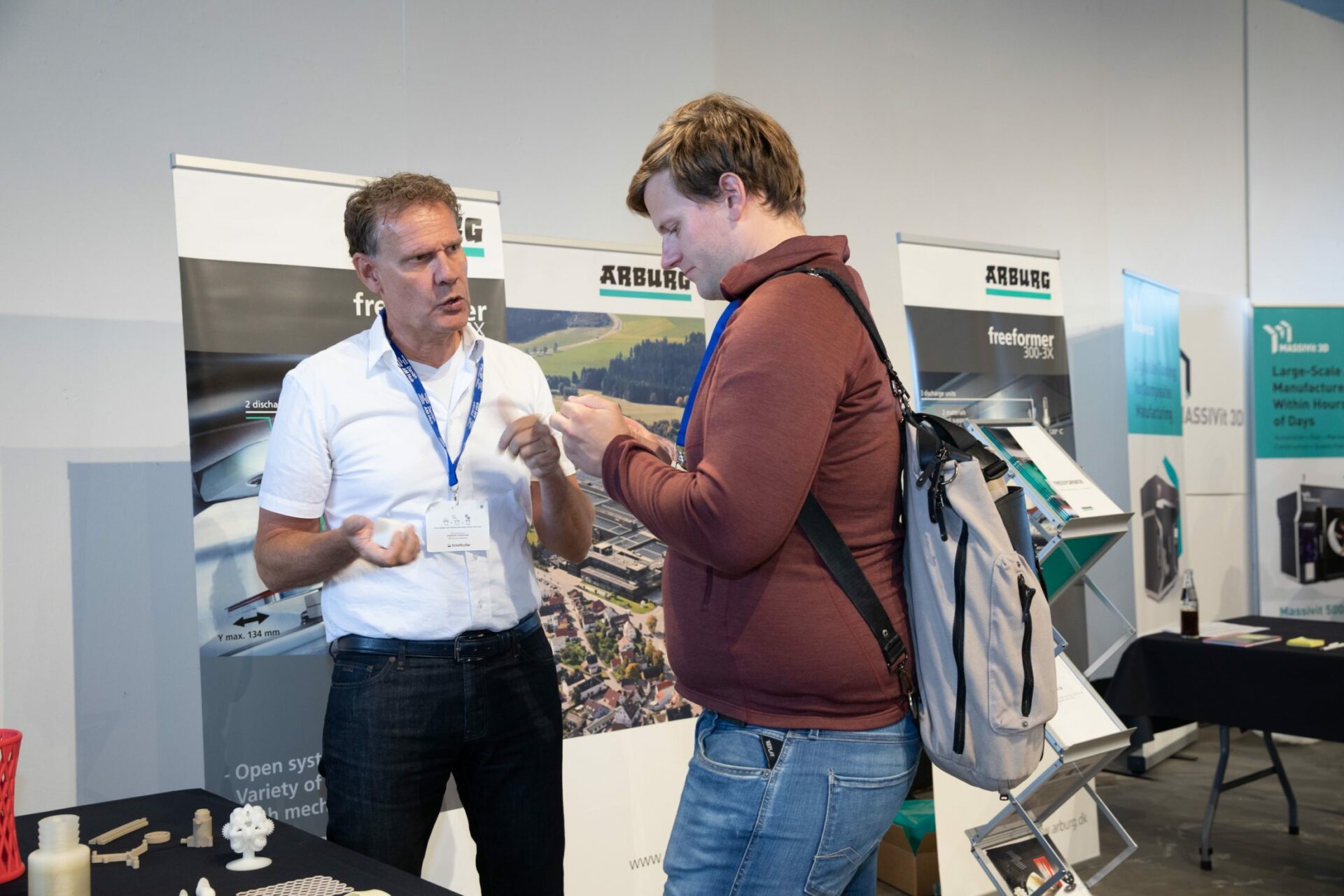
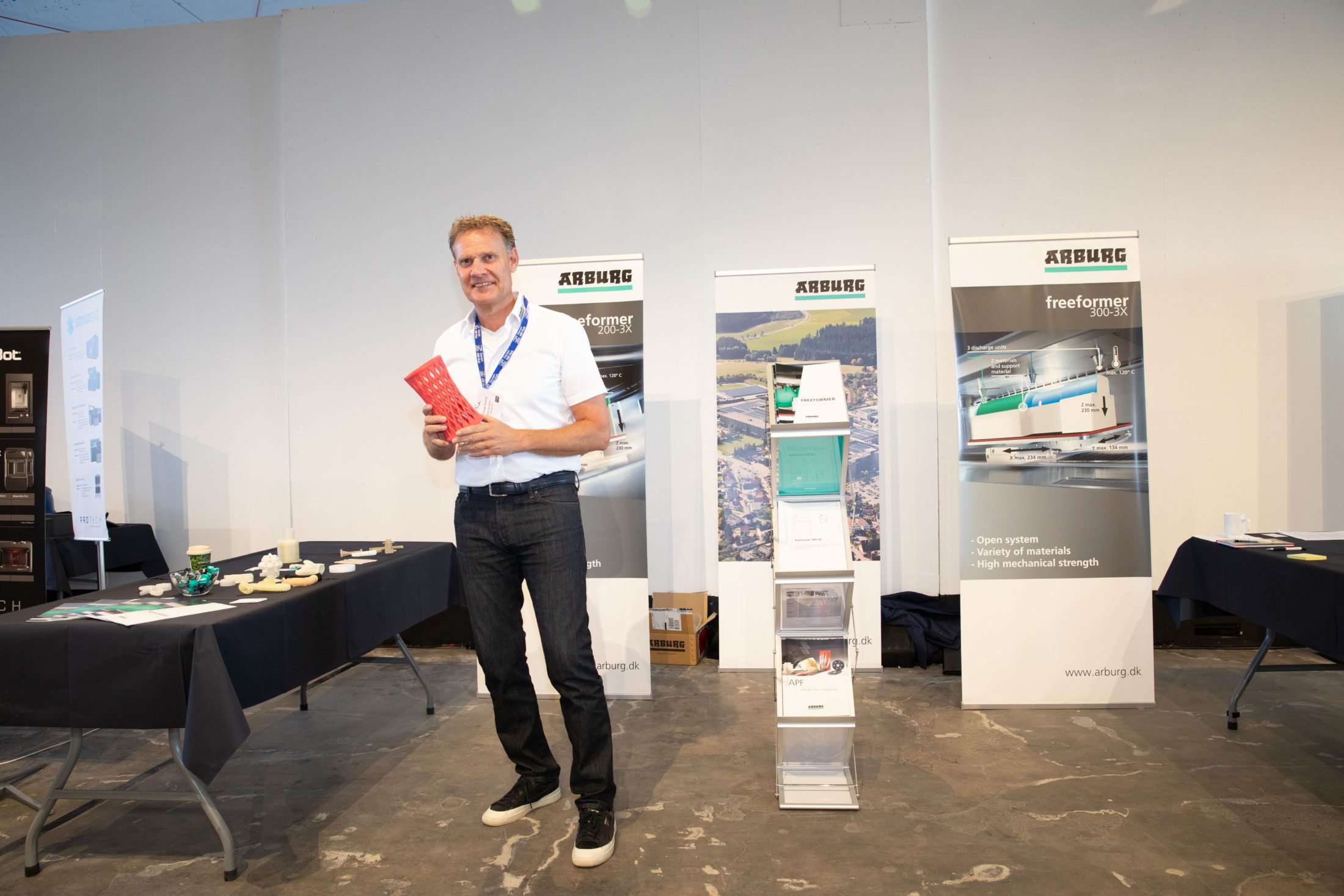
Arburg
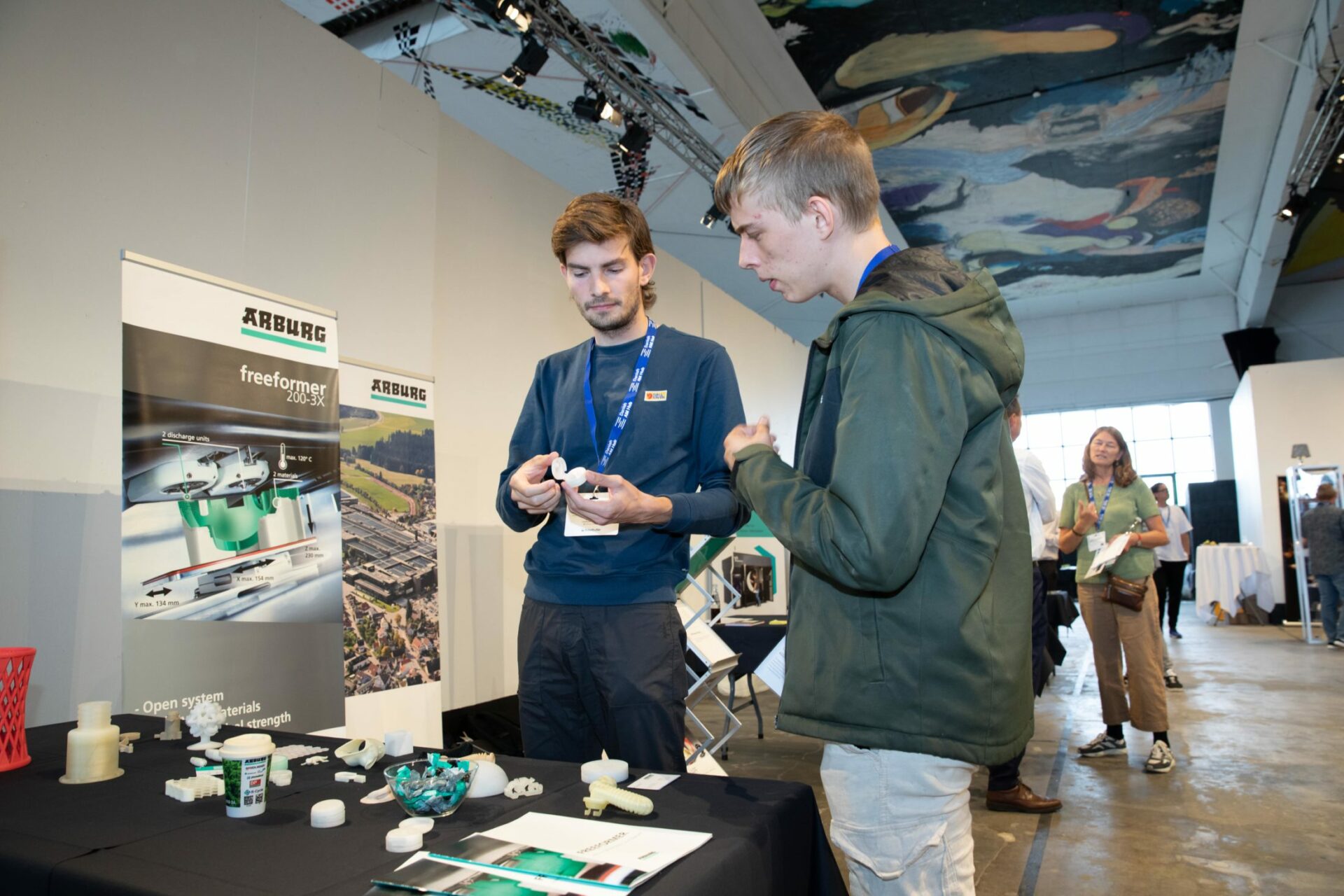
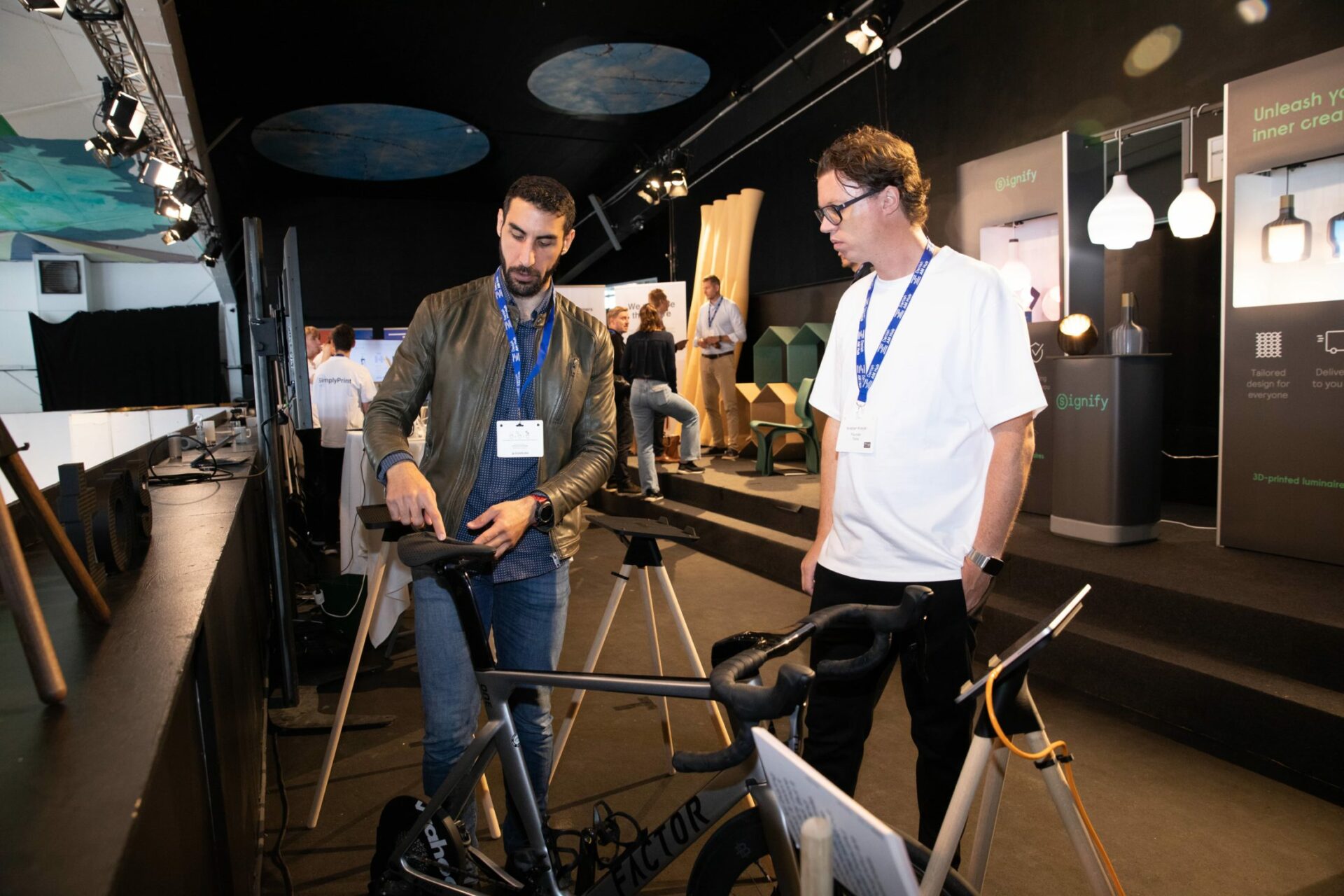
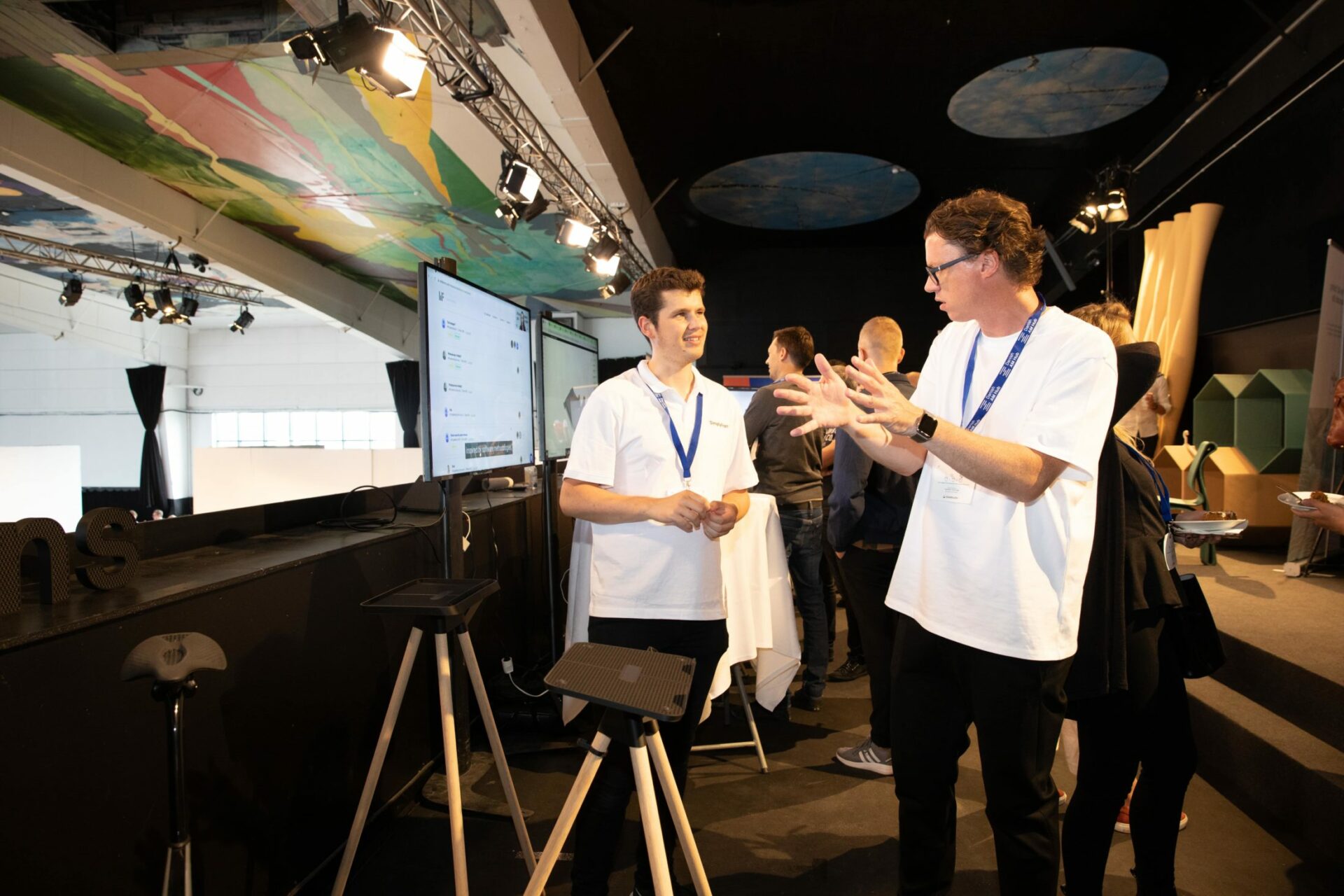
Tons.Bike
Particle3D
Zoles
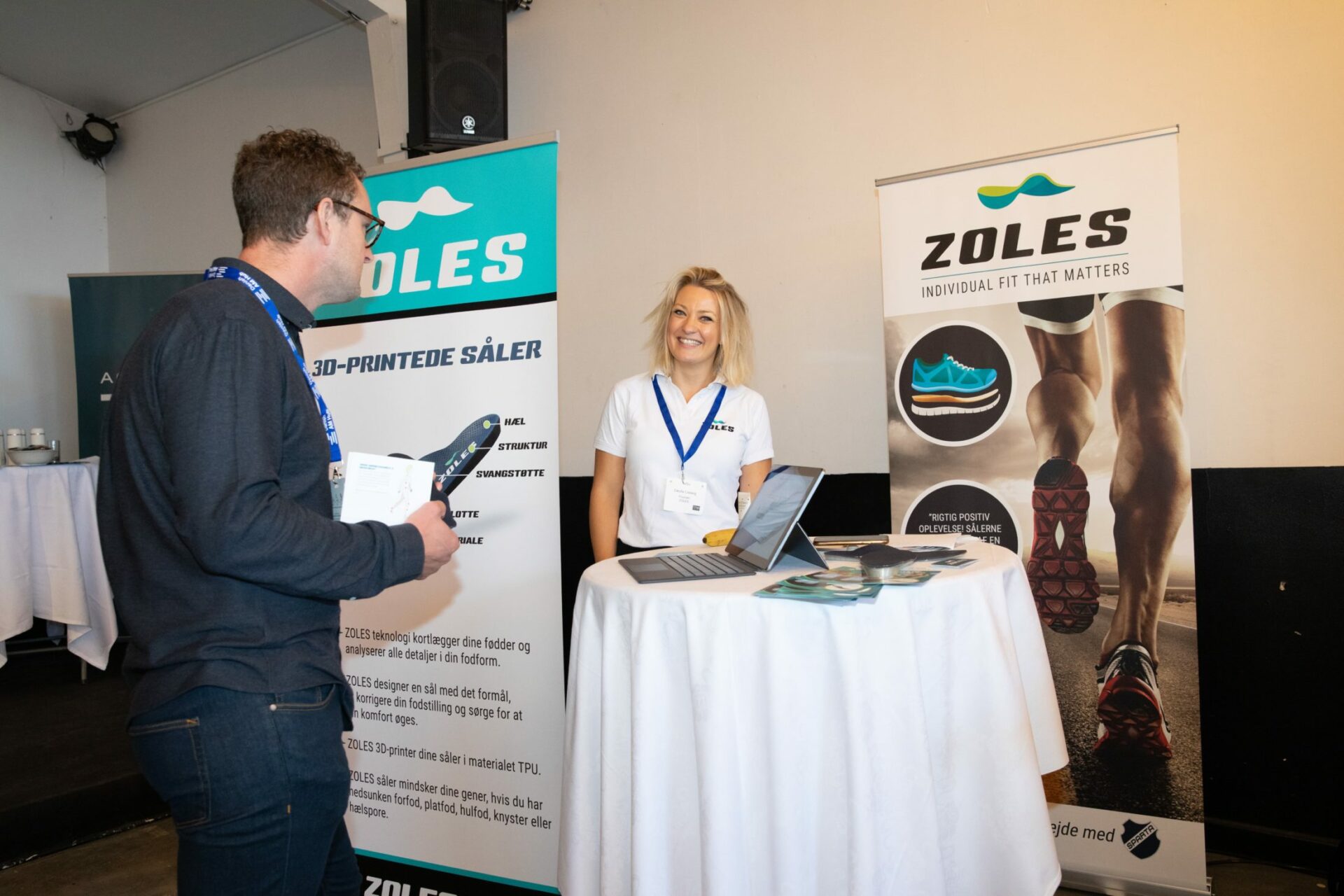
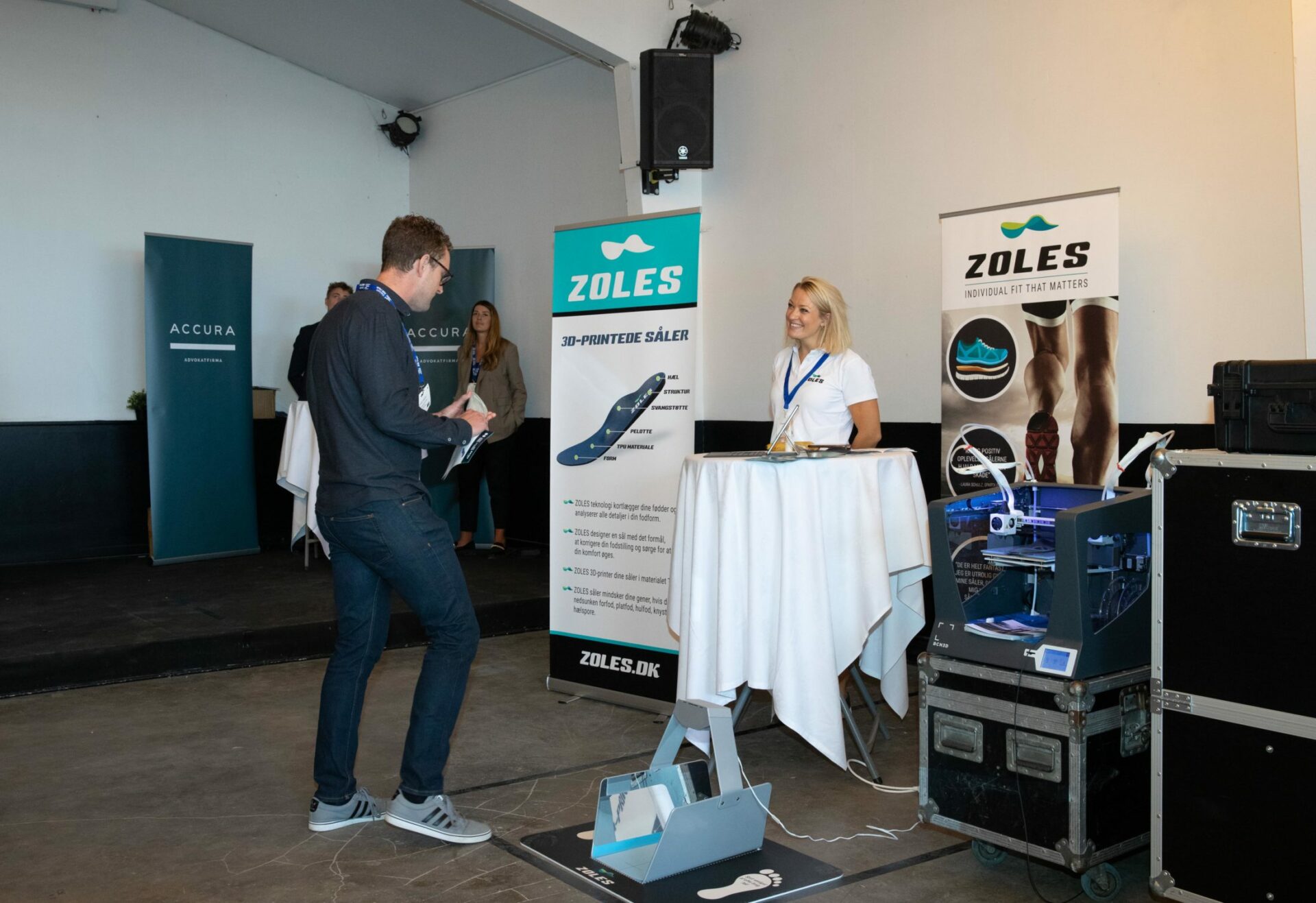
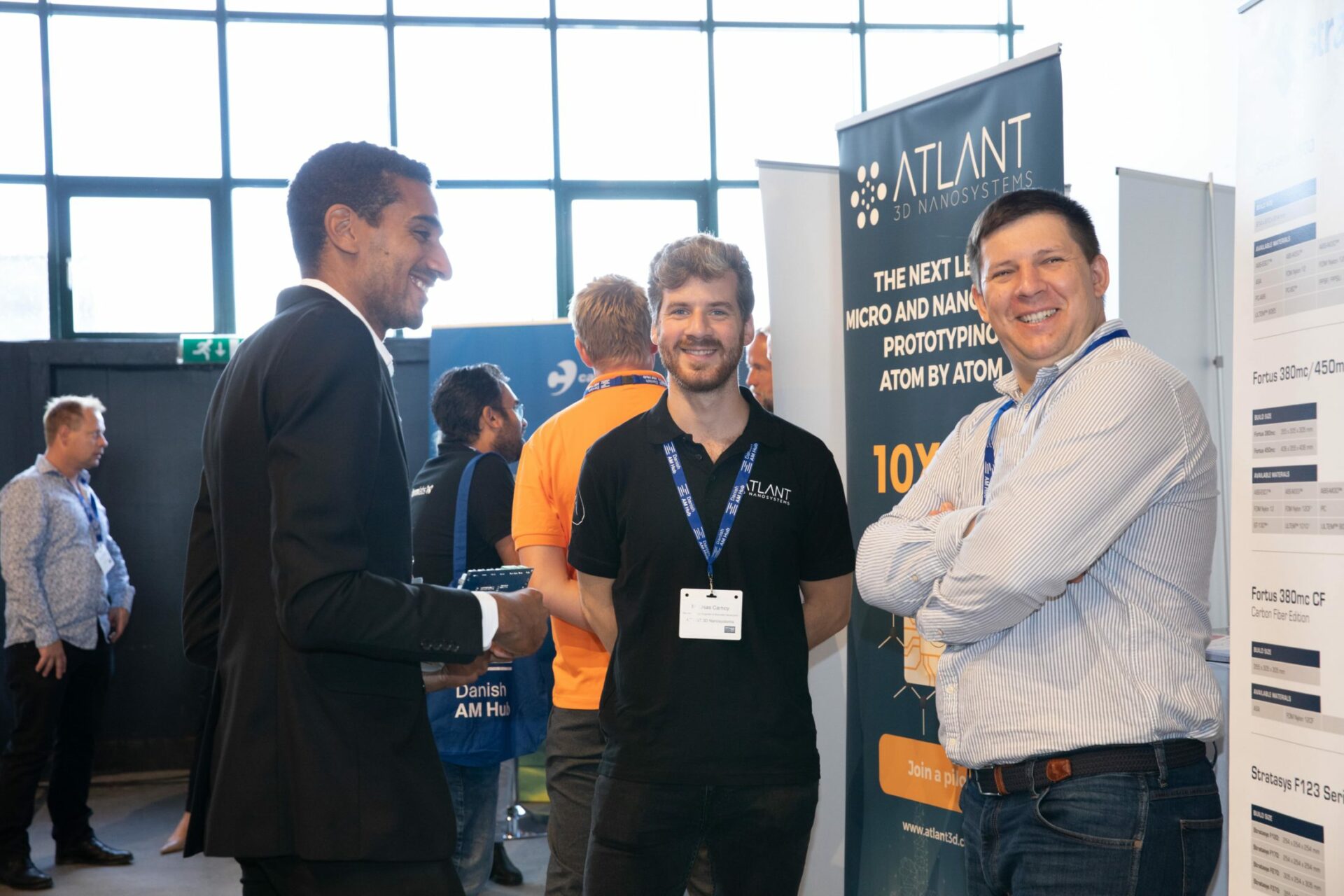
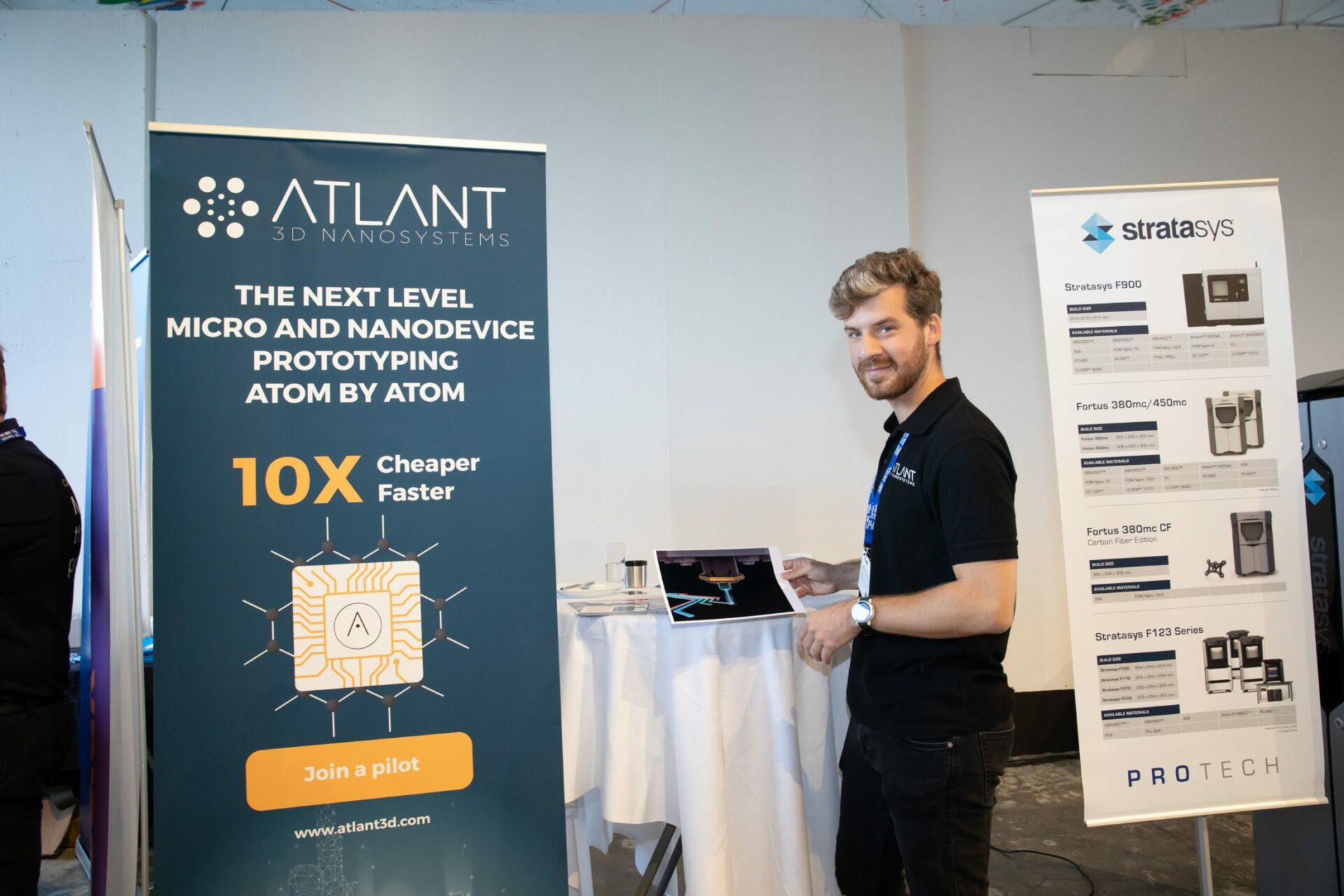
ATLANT3D NANOSYSTEMS
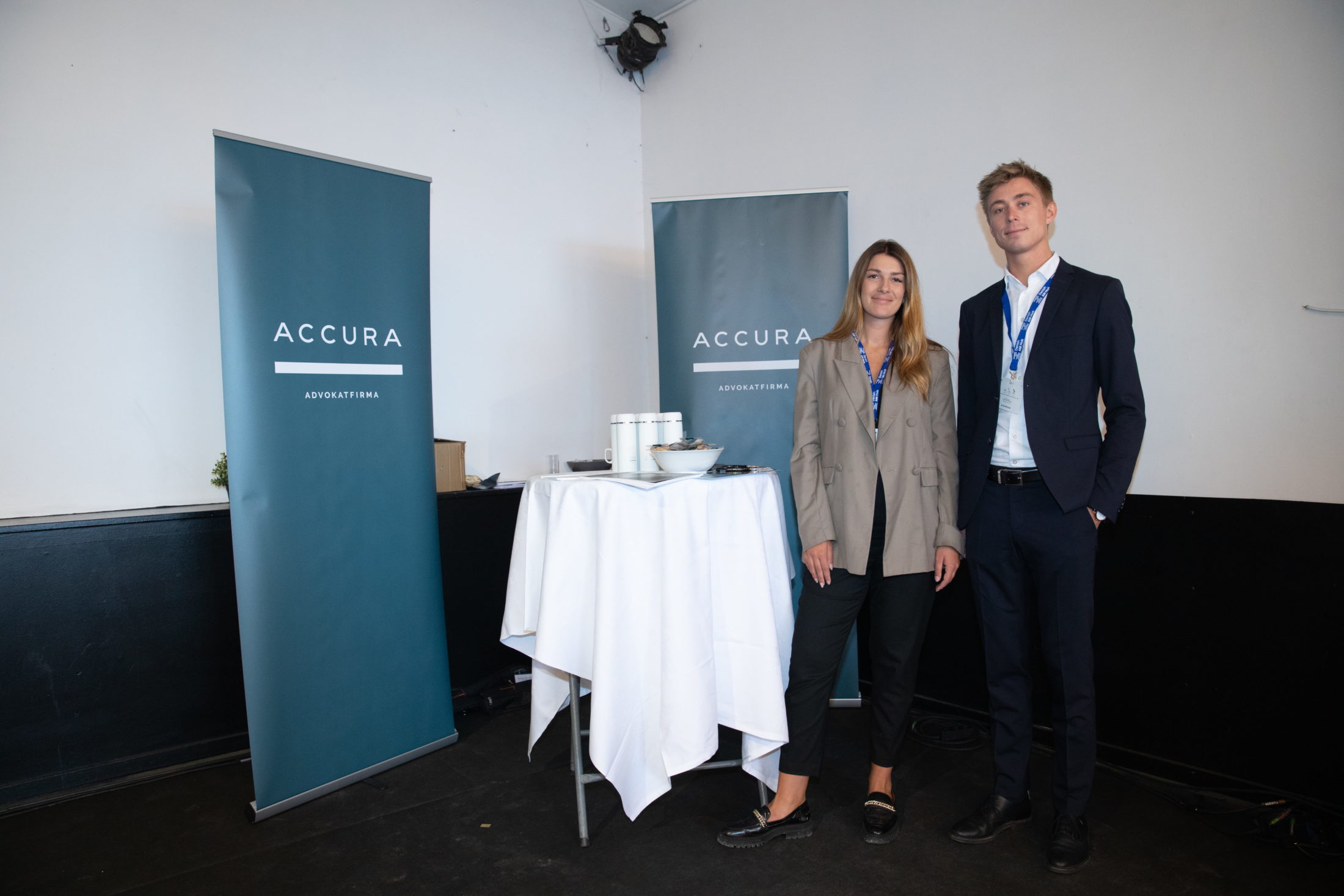
Accura
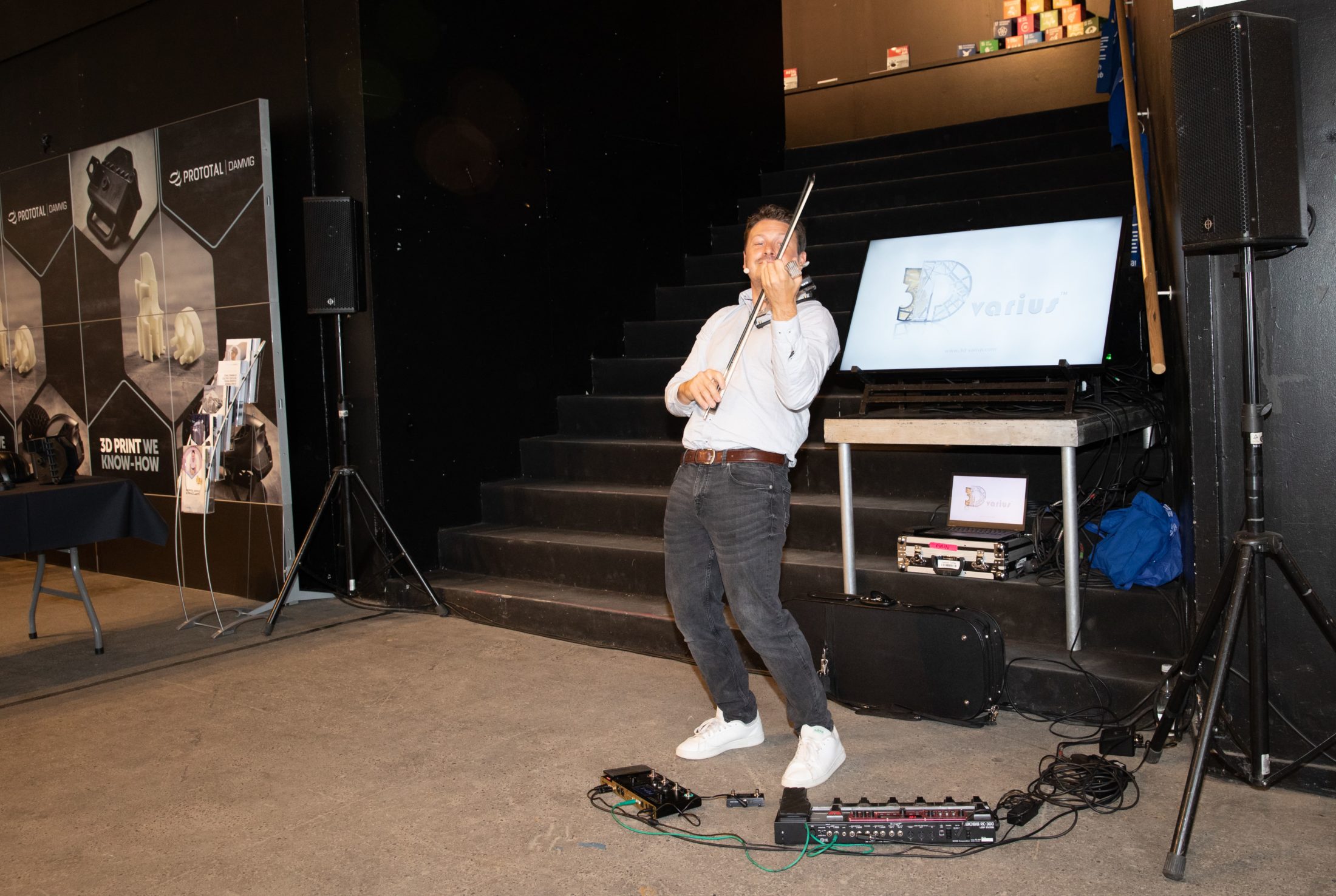
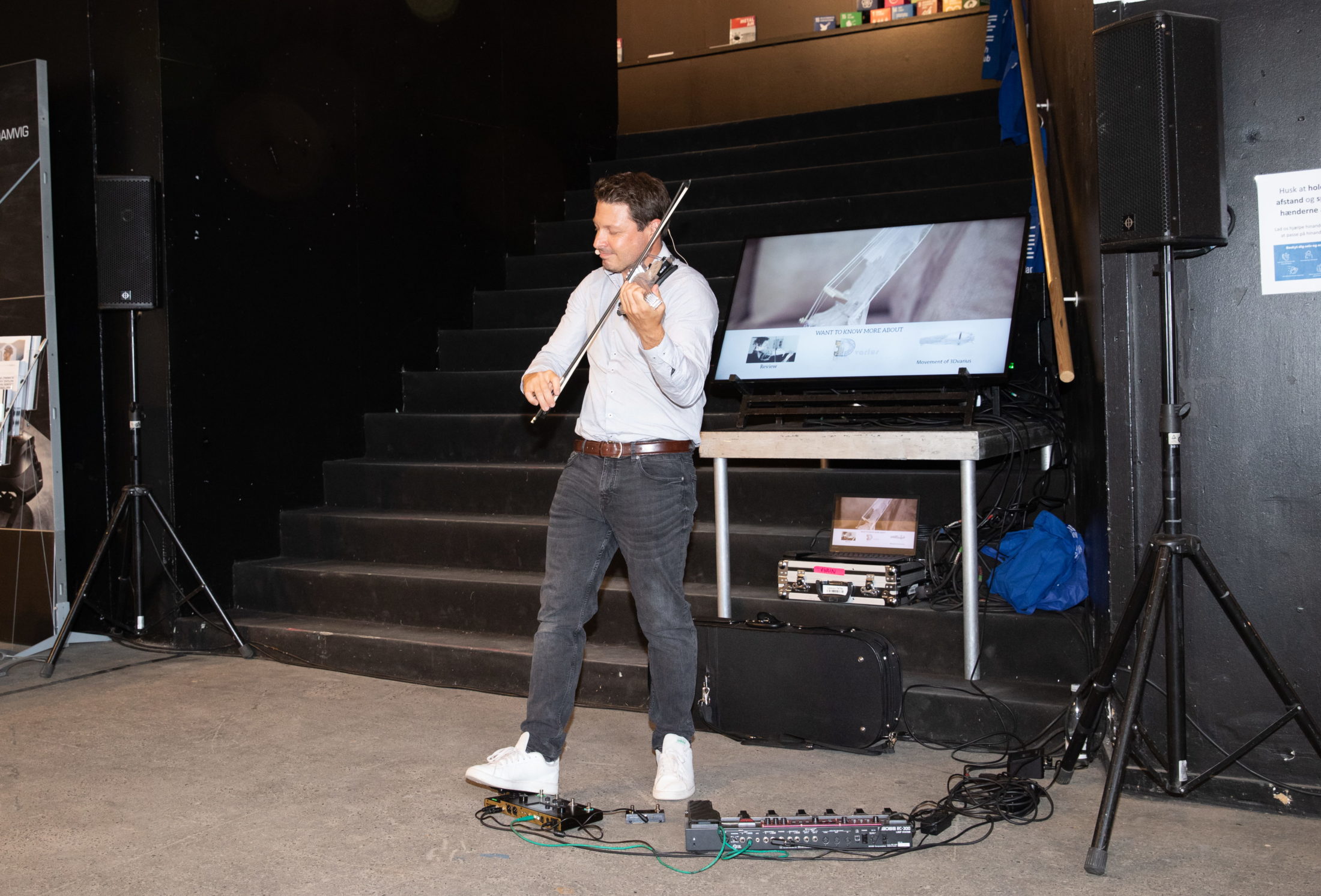
3DVarius
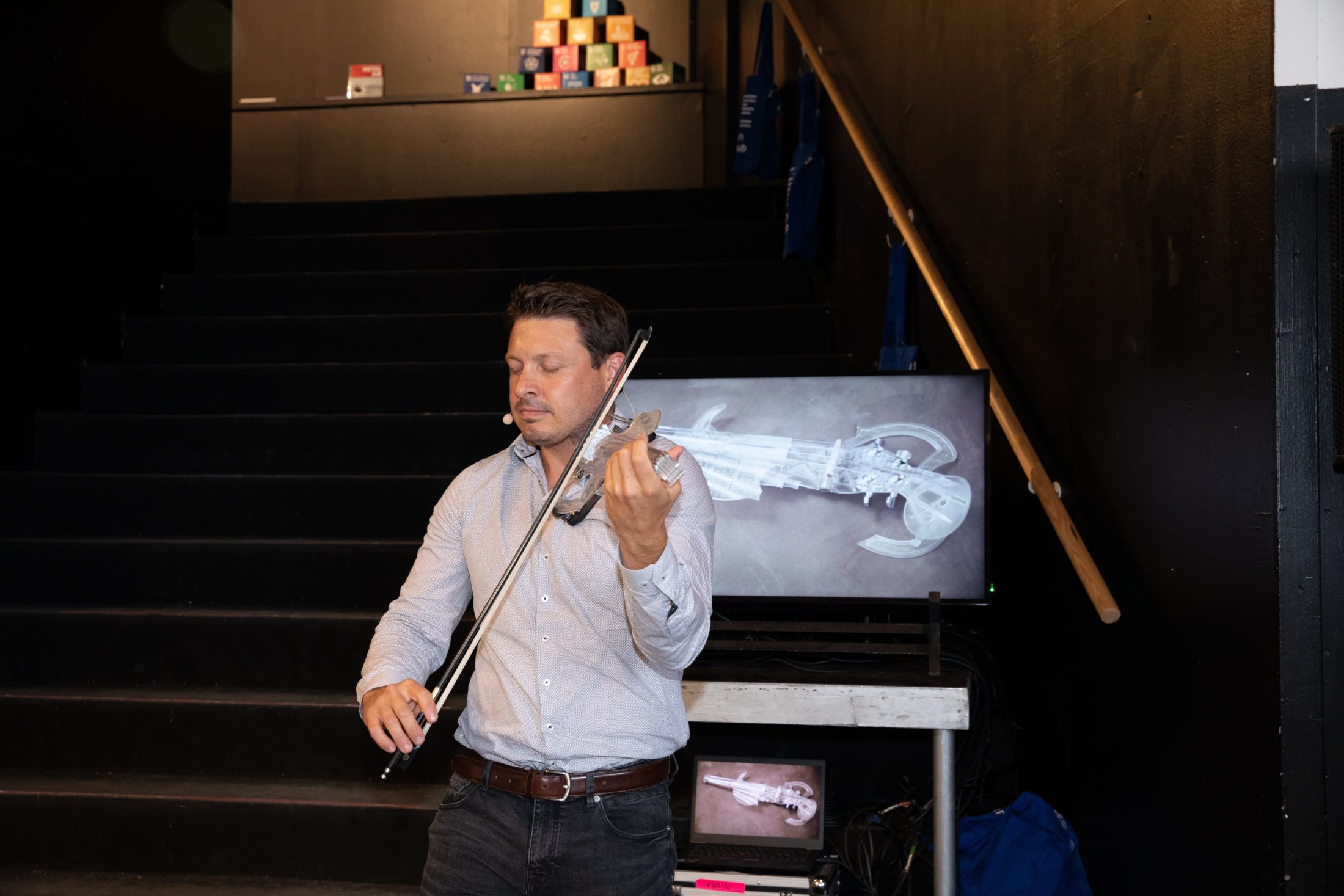
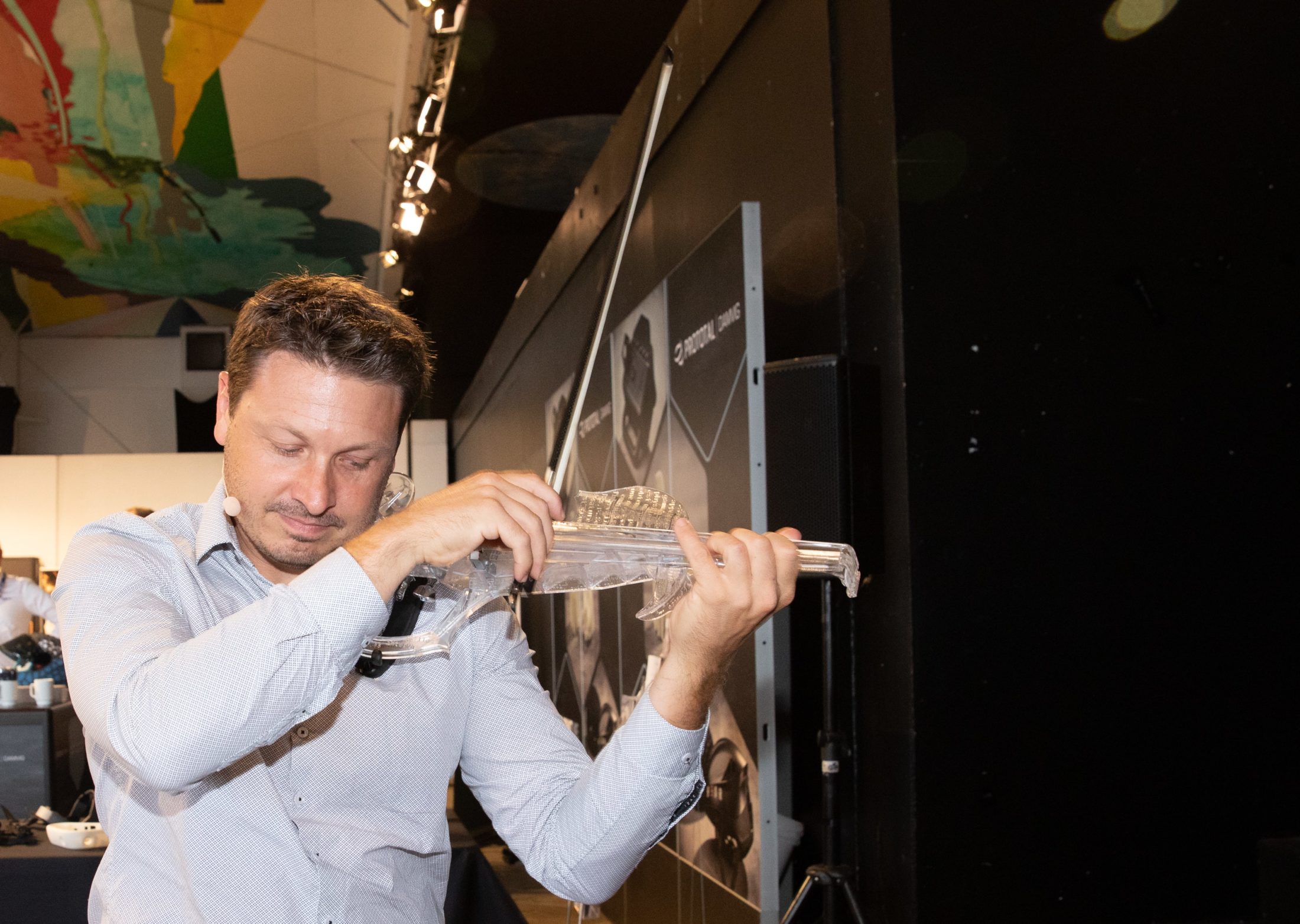
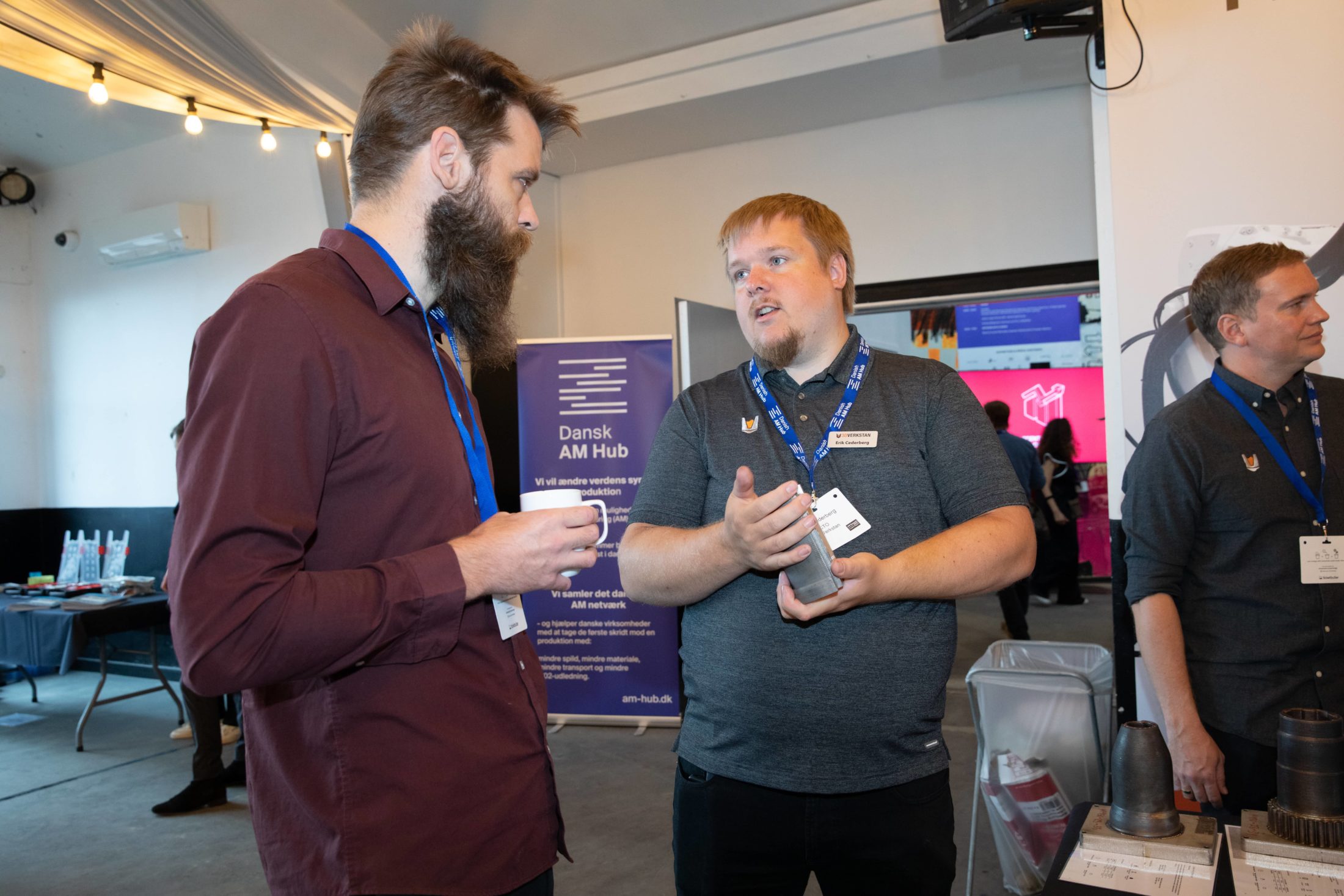
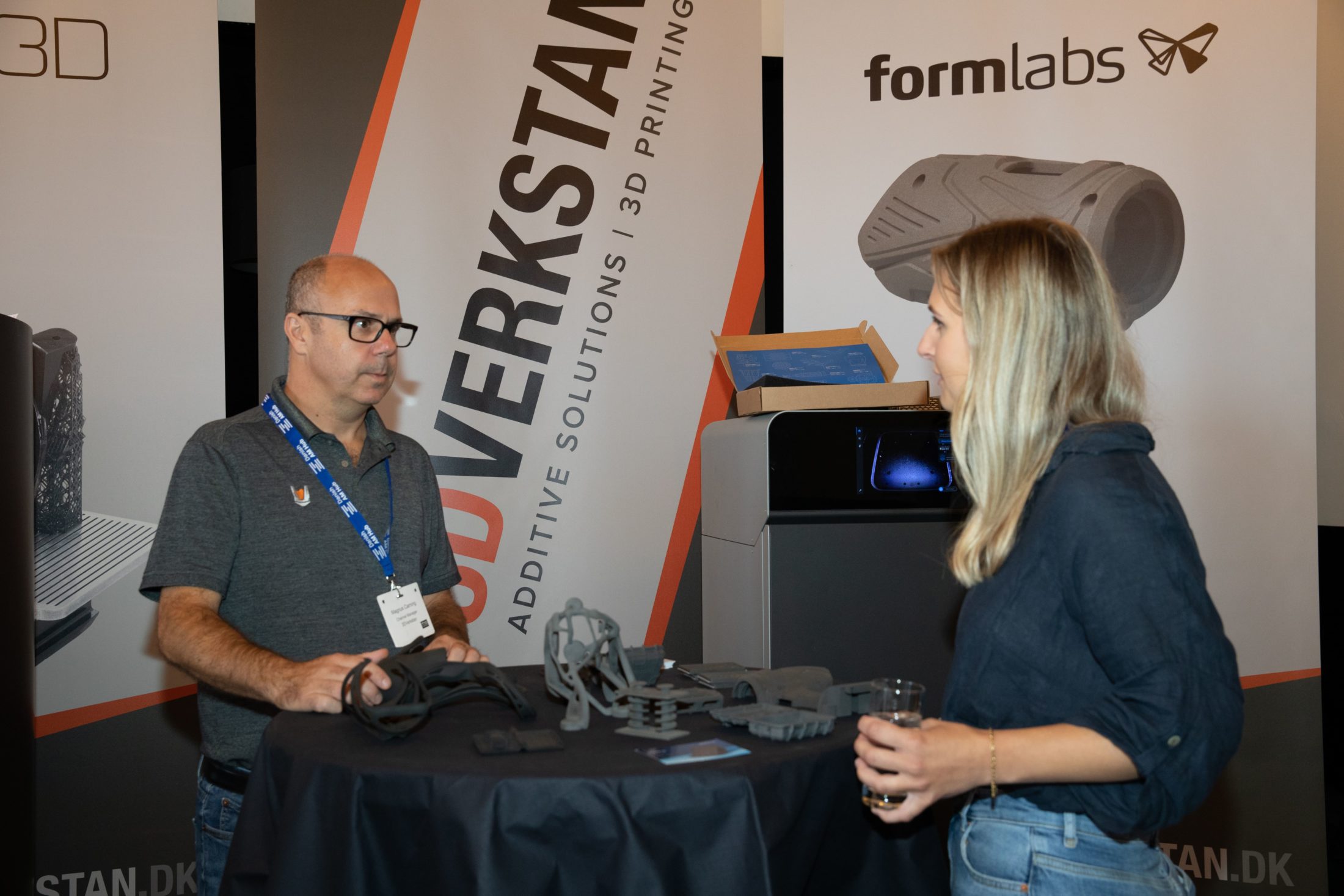
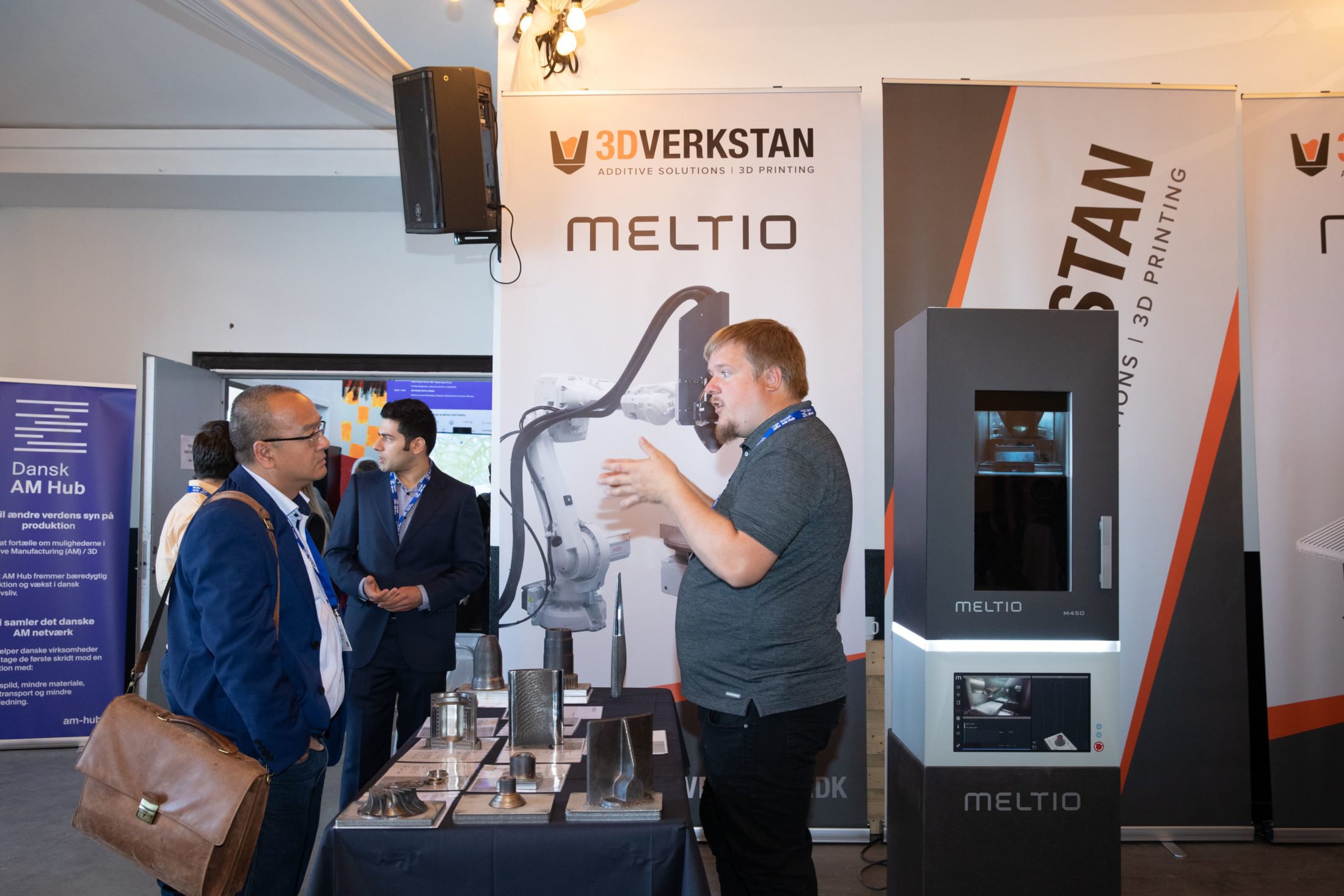
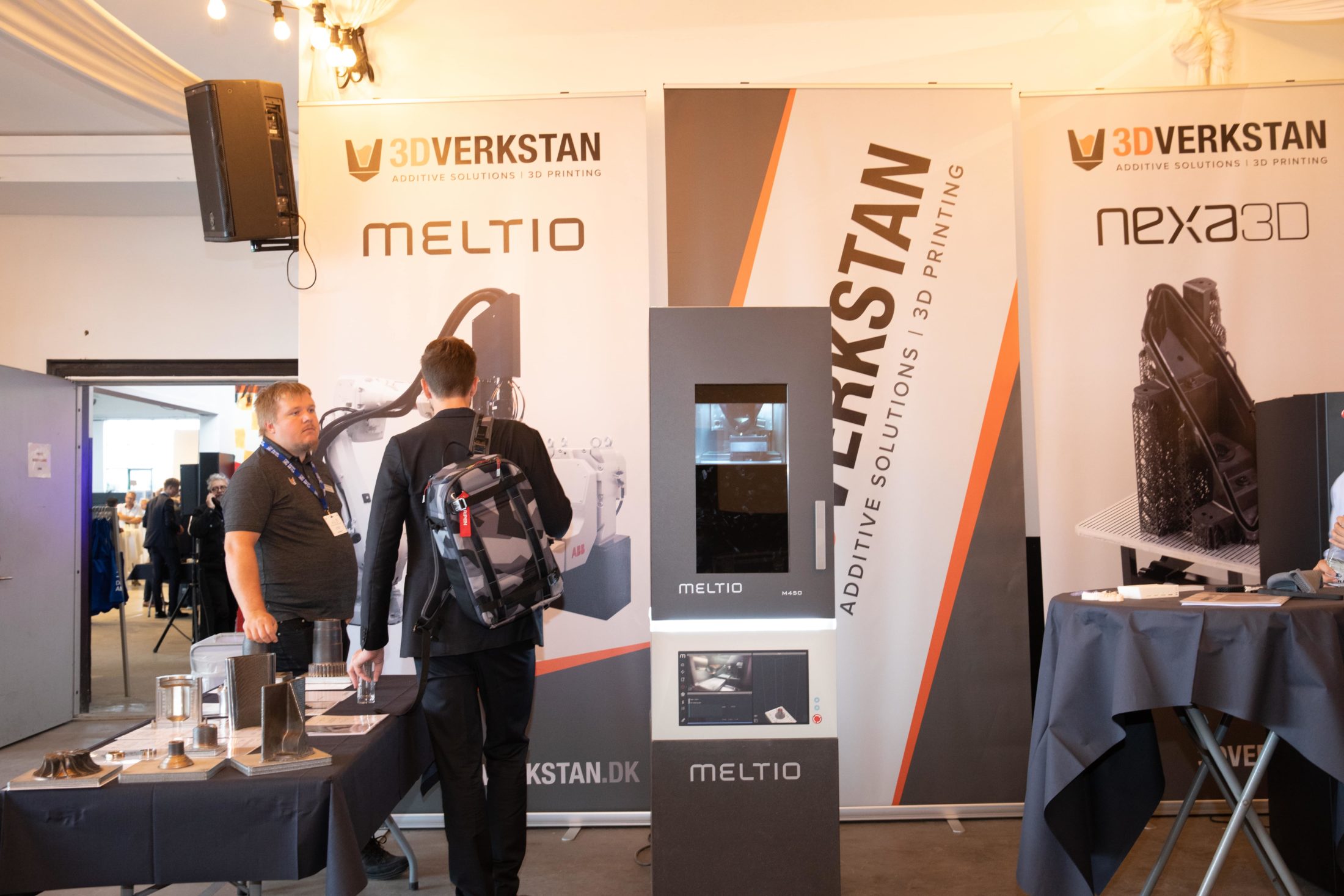
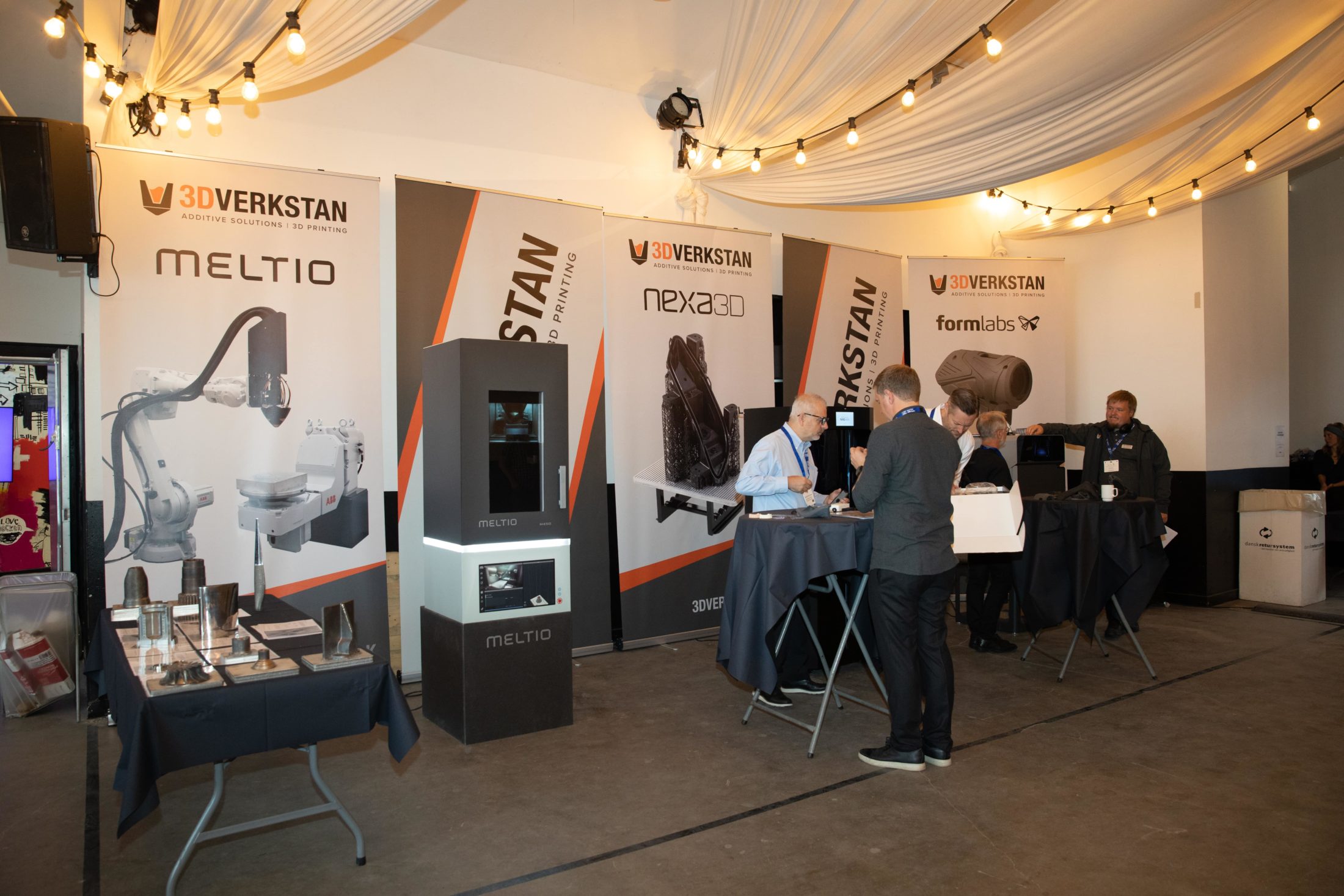
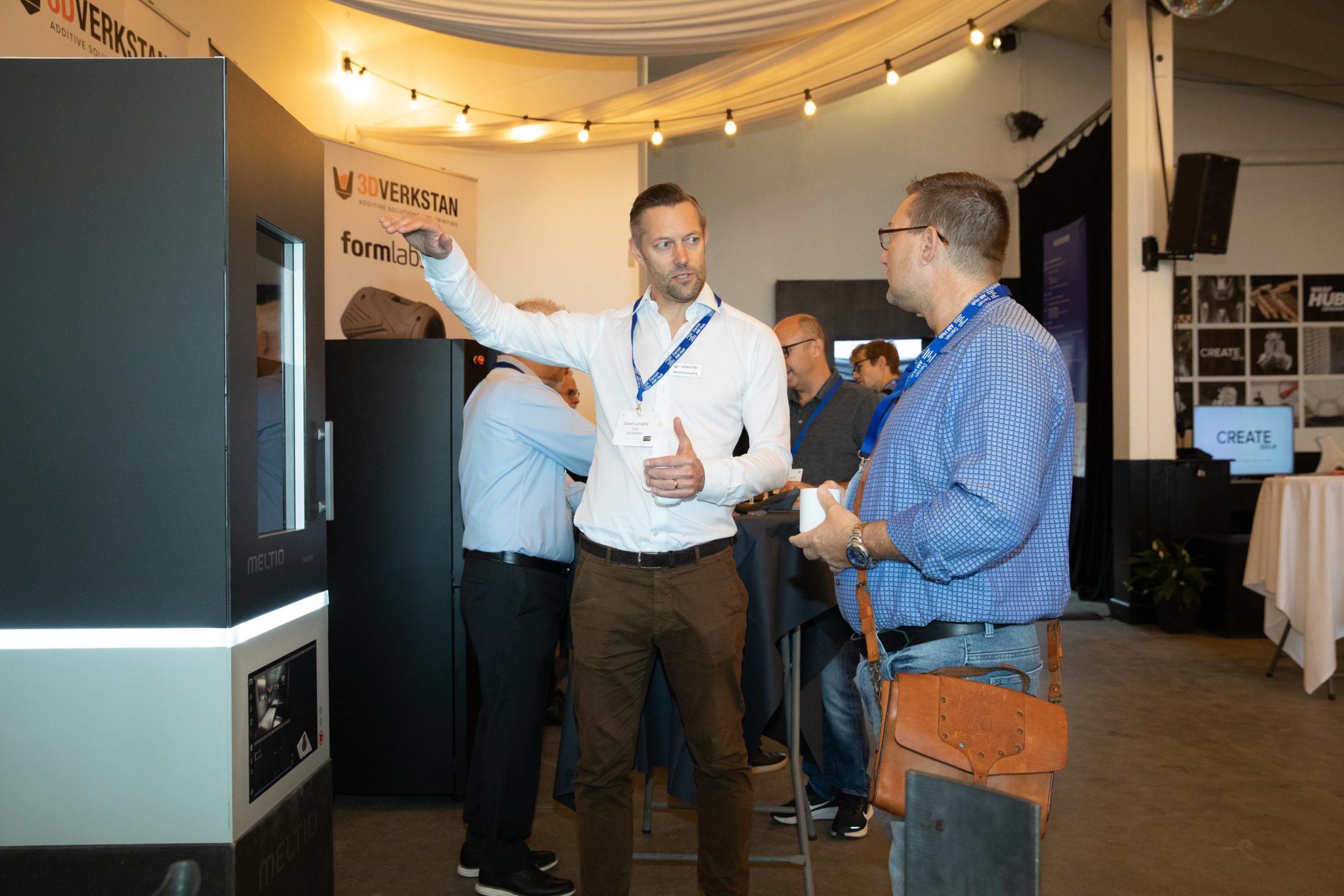
3DVerkstan
KADK
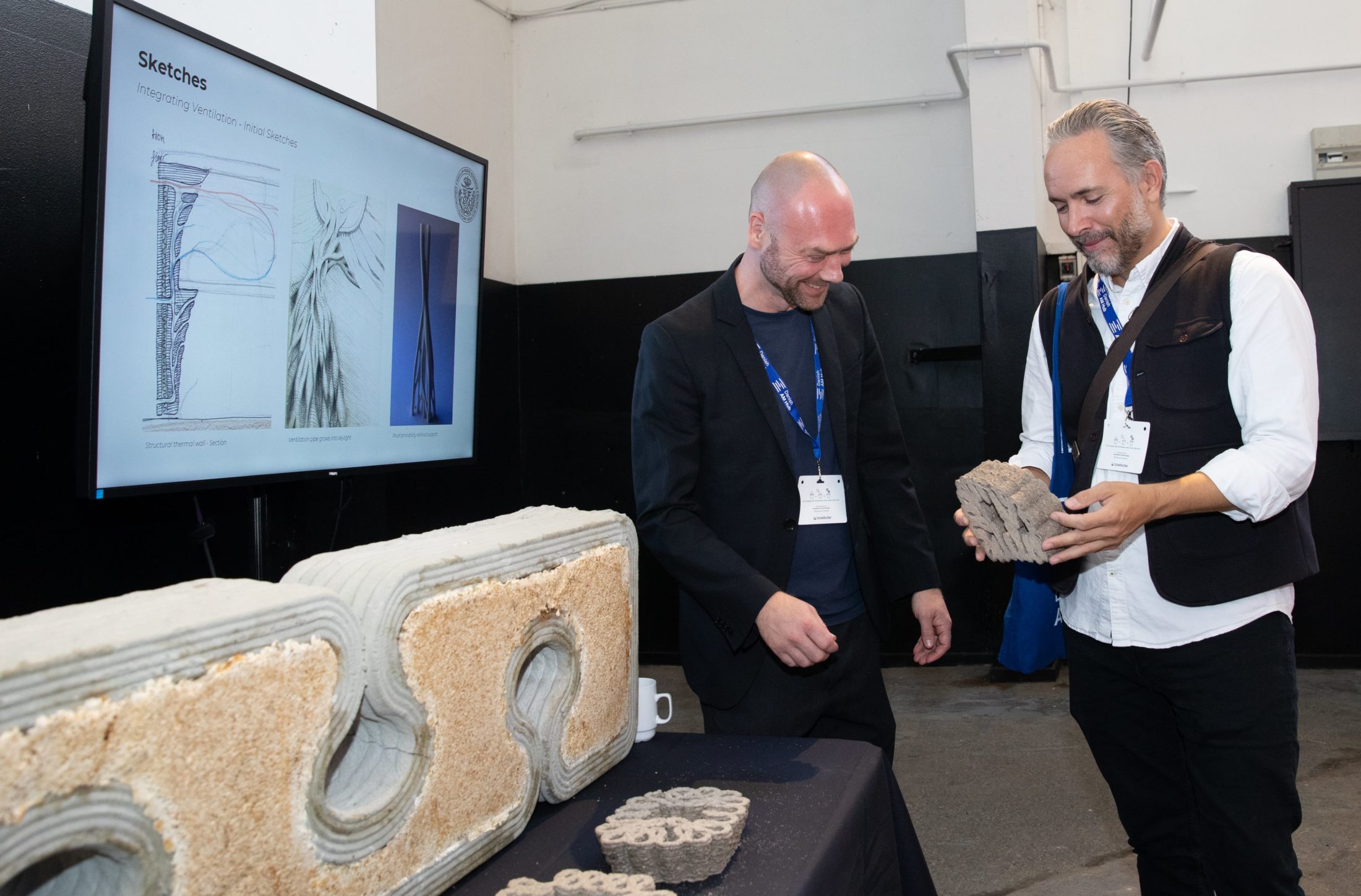
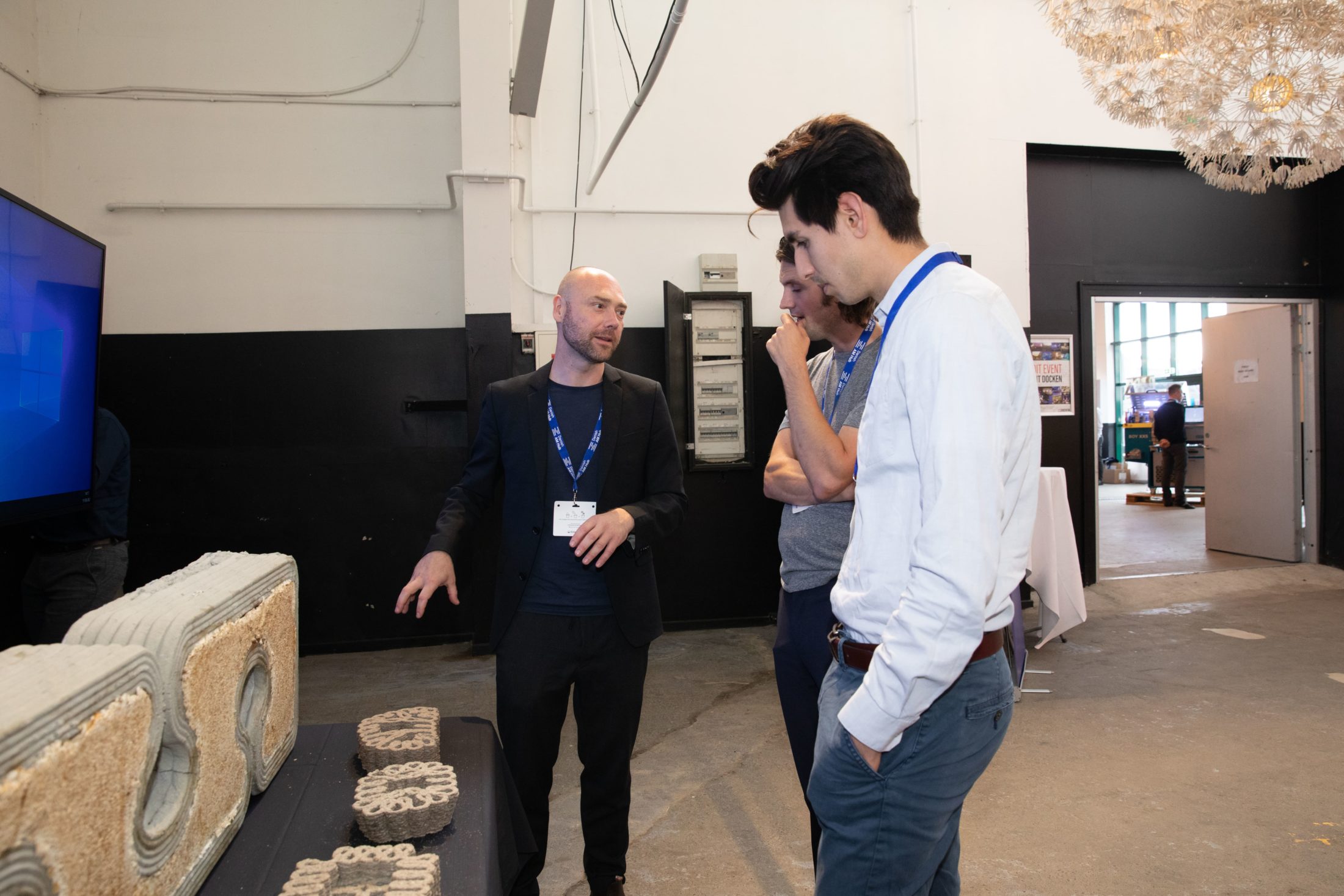
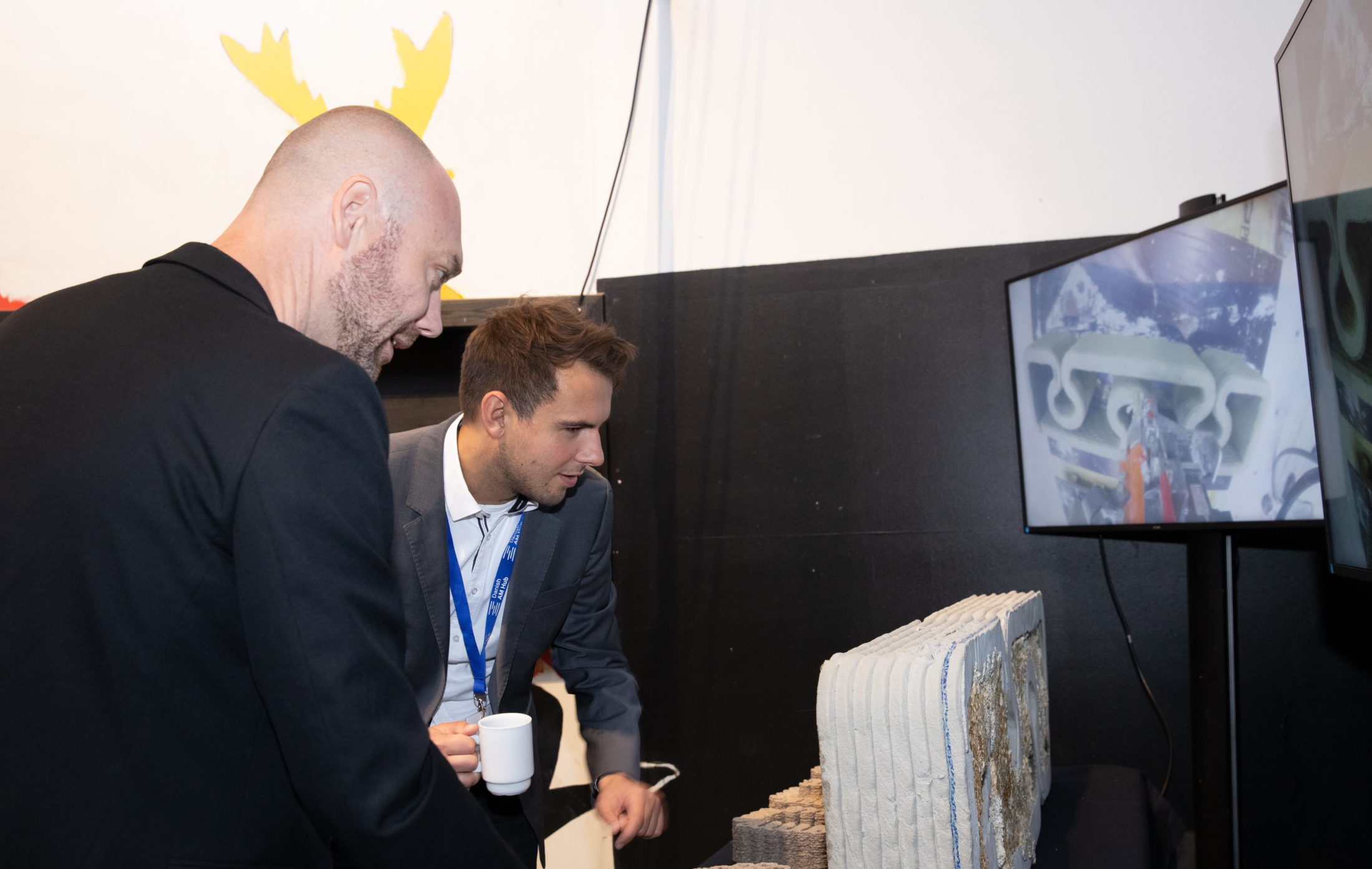

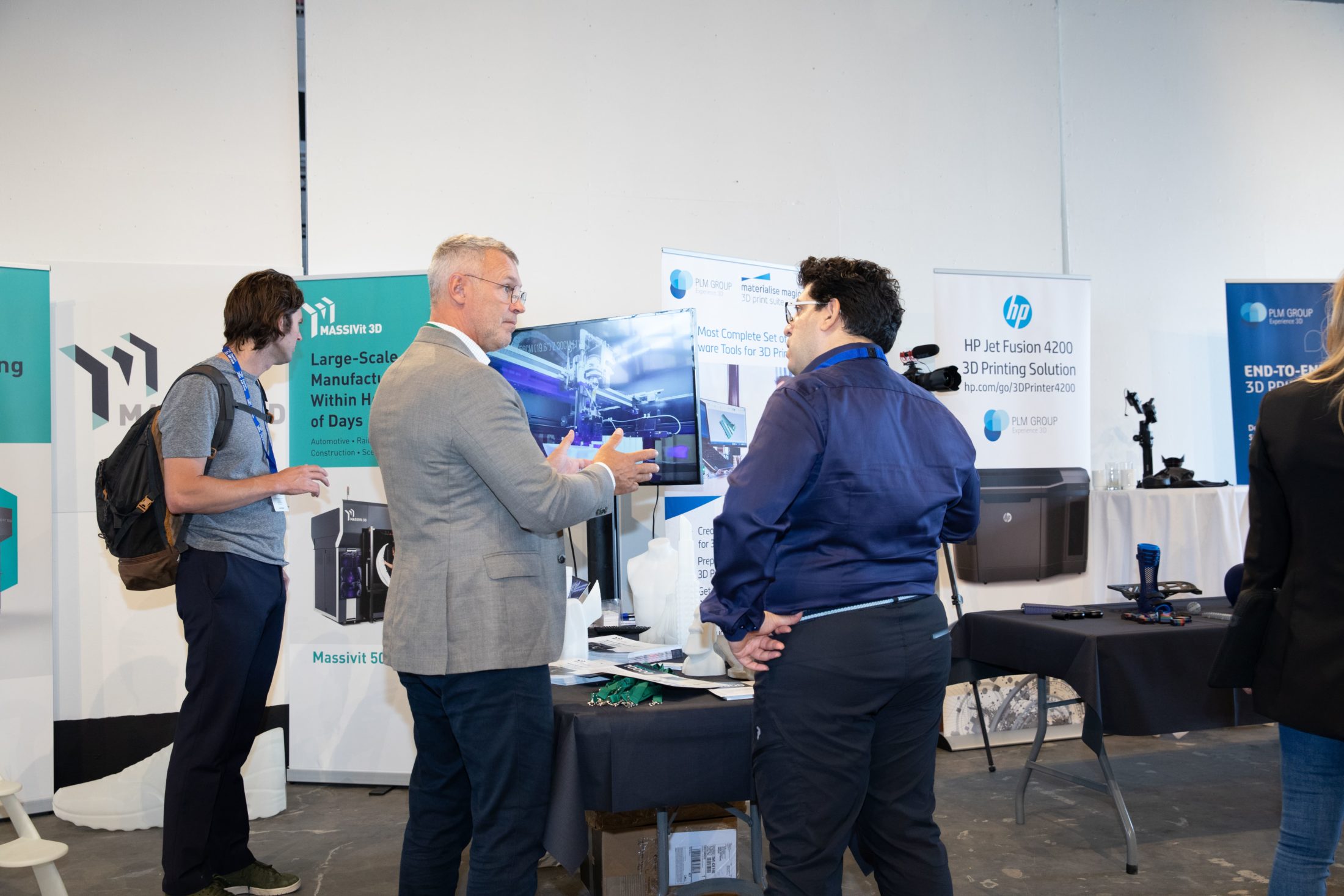
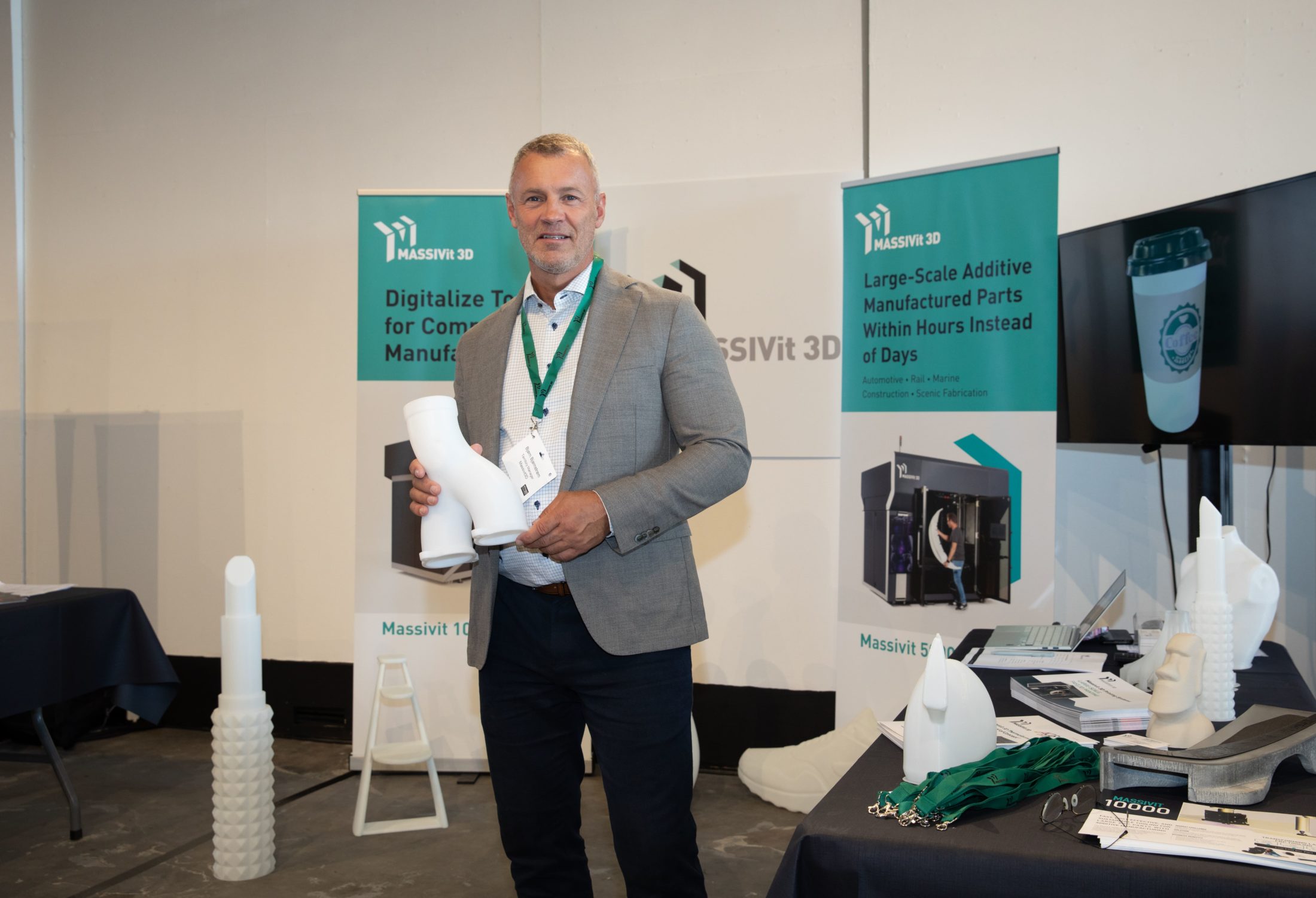
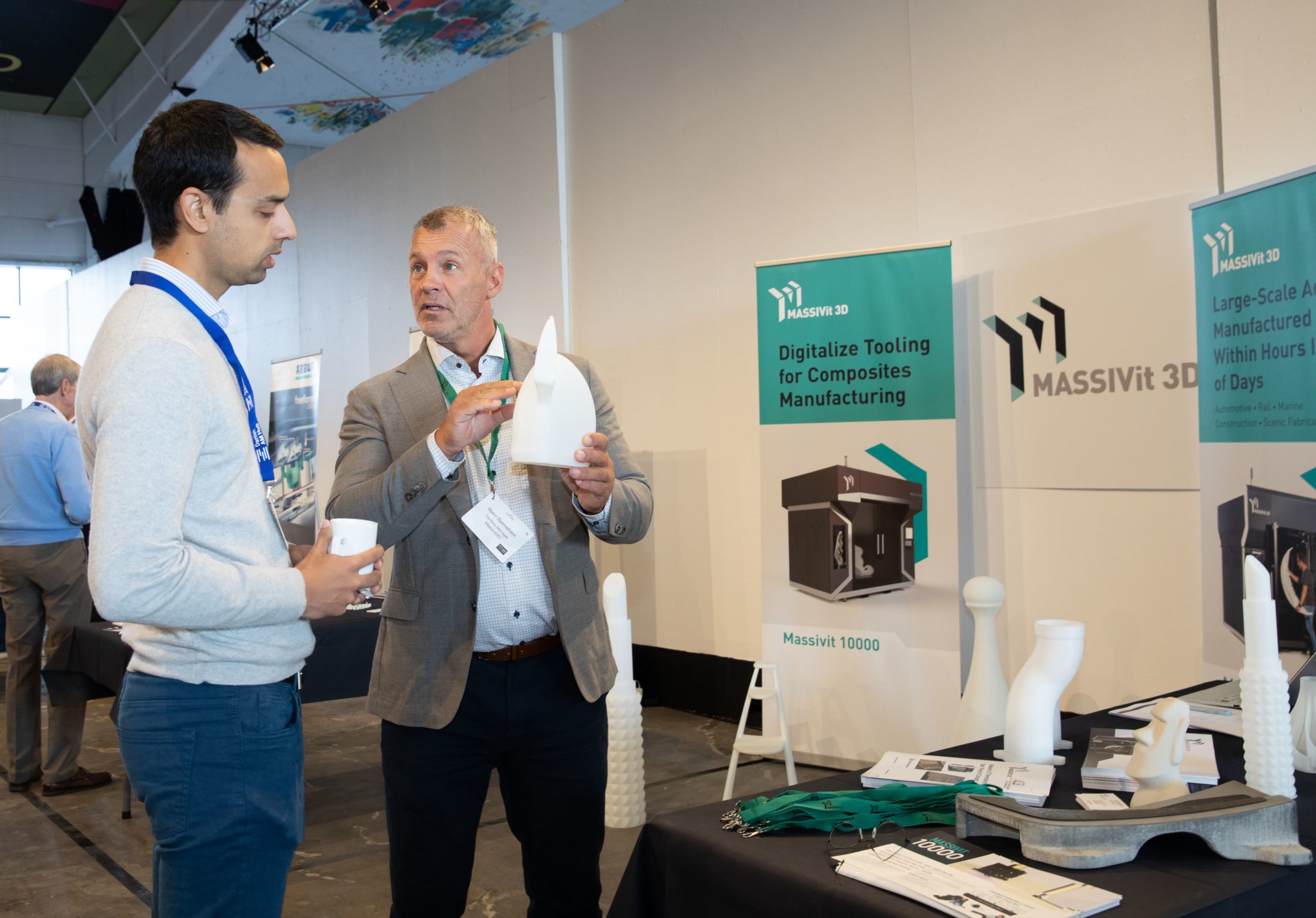
Massivit3D

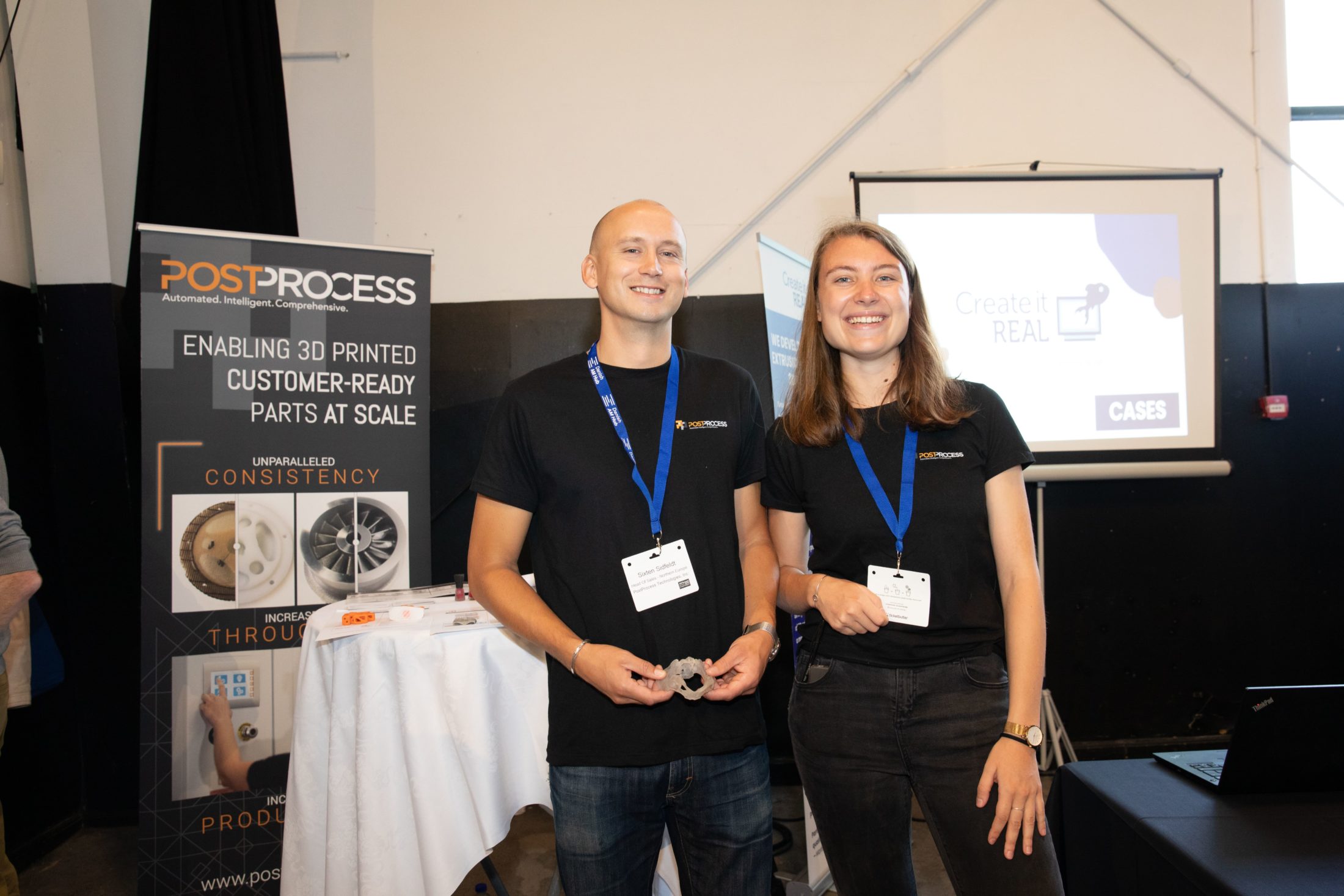
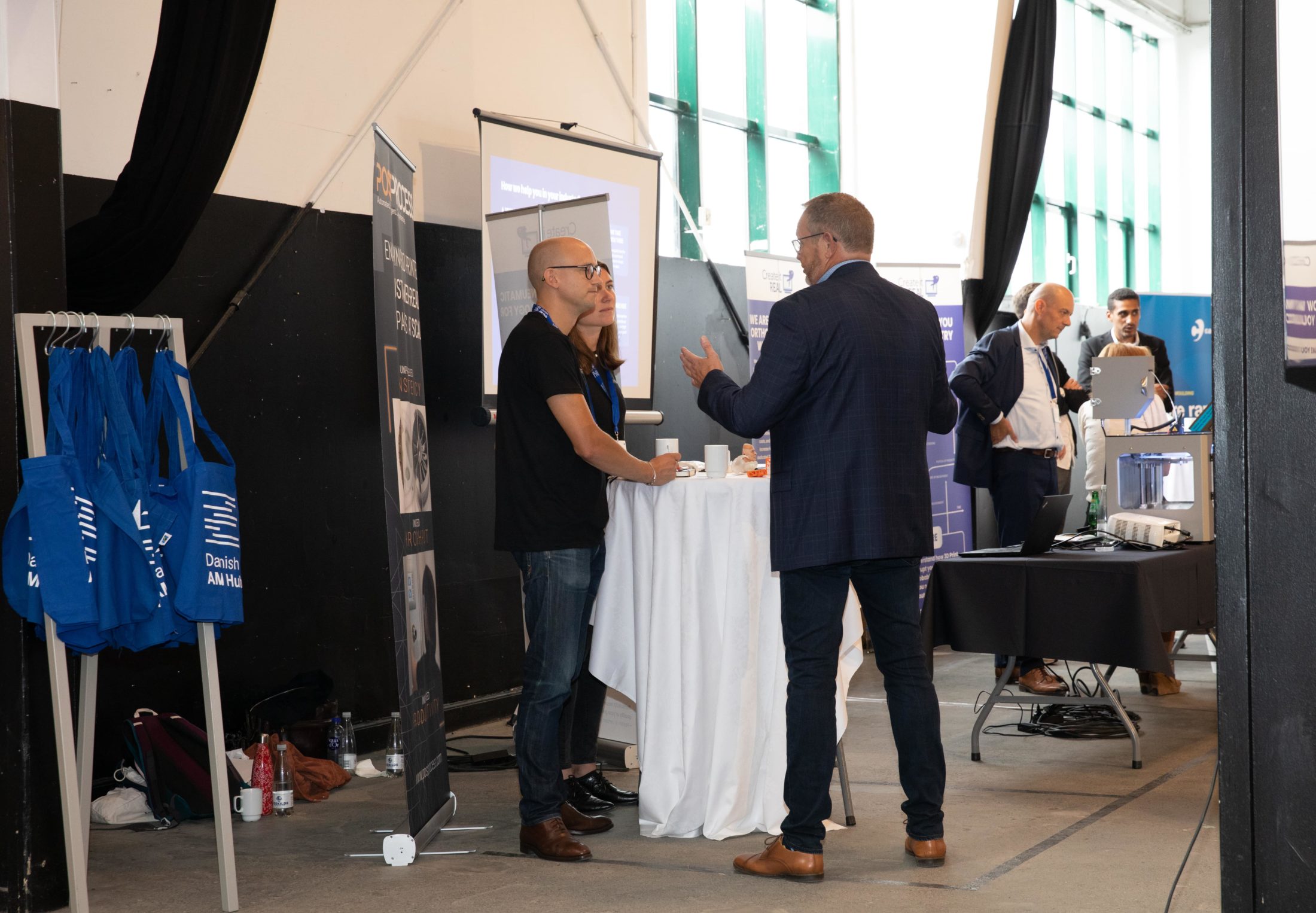
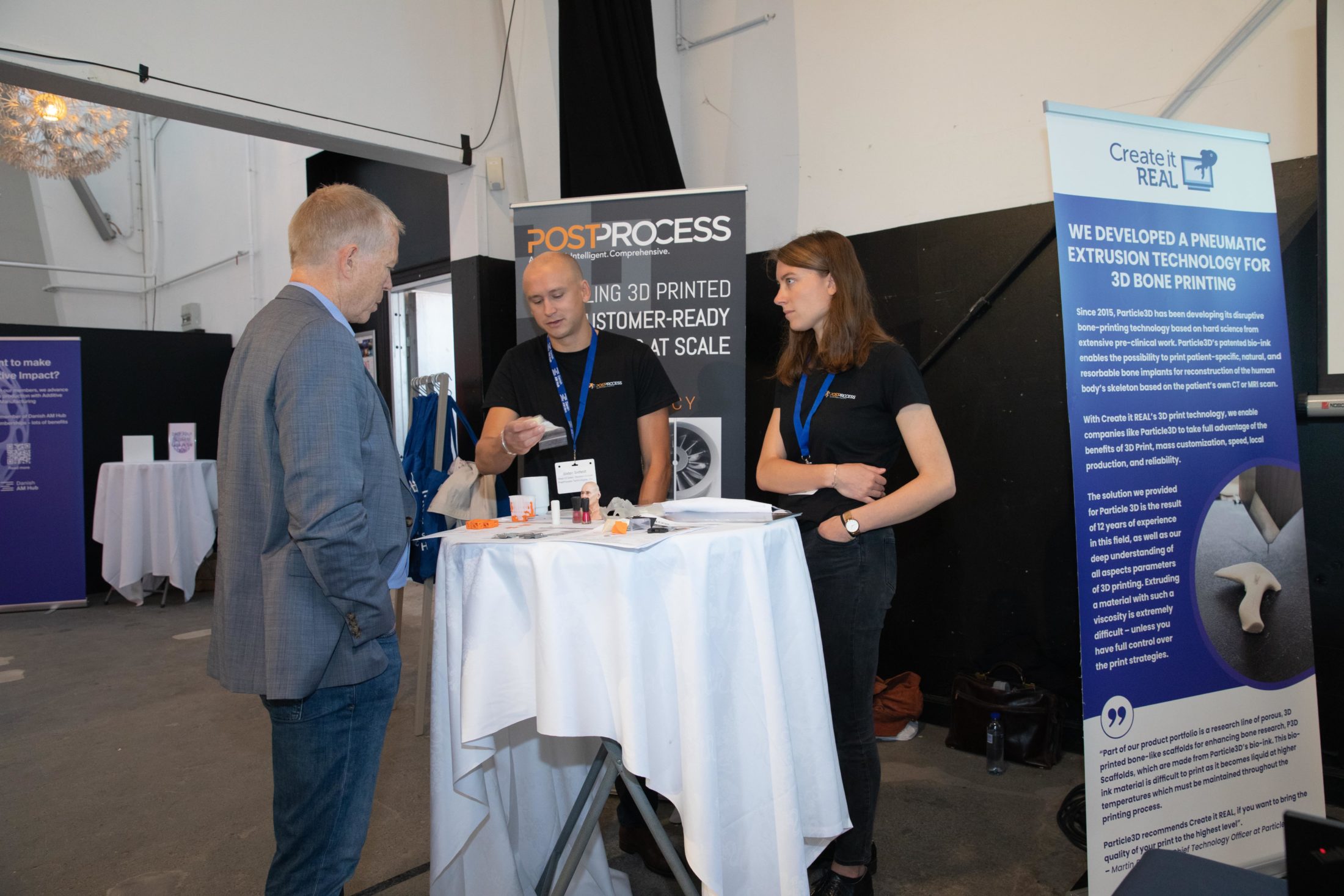
PostProcess Technologies

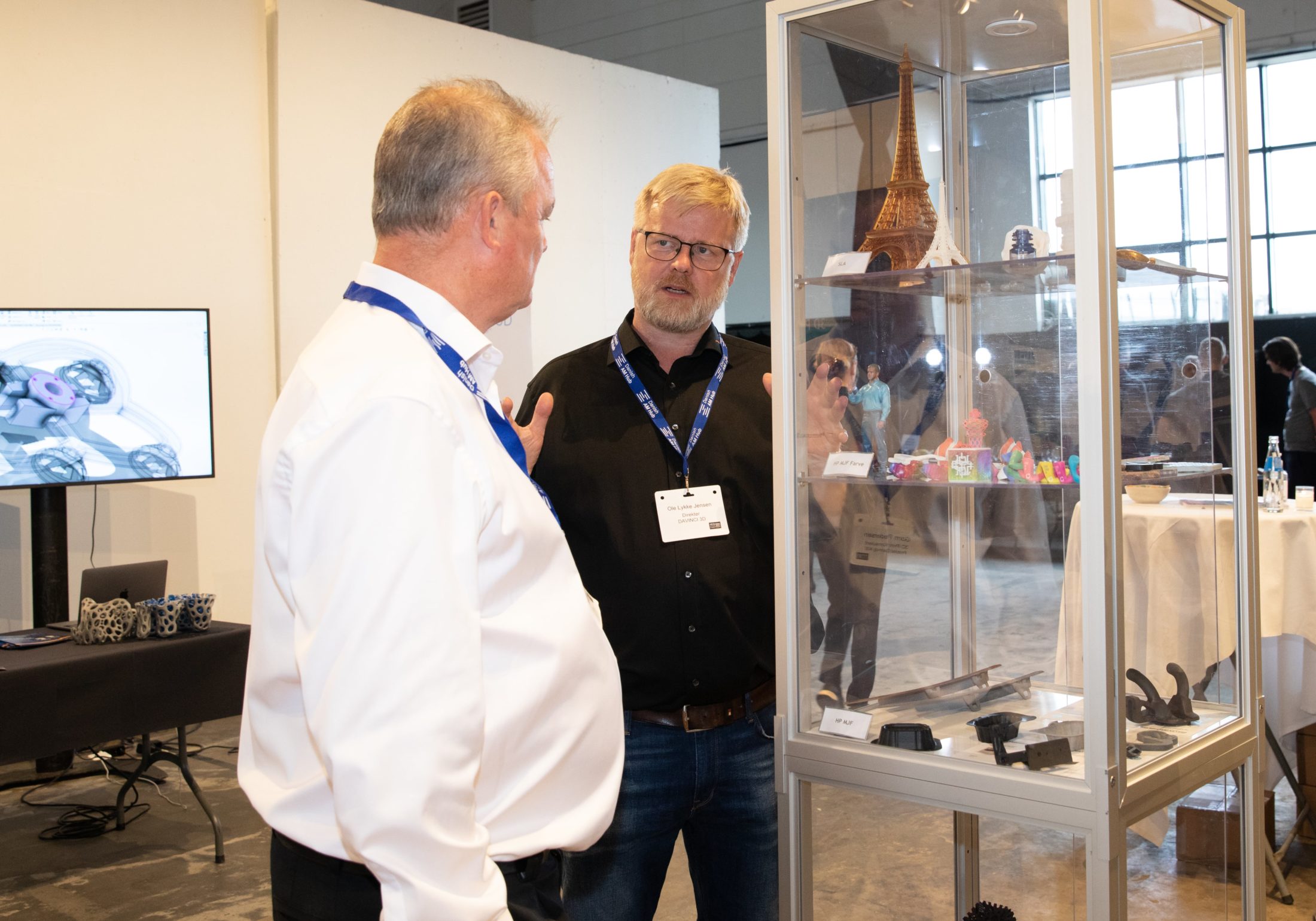
Davinci 3D


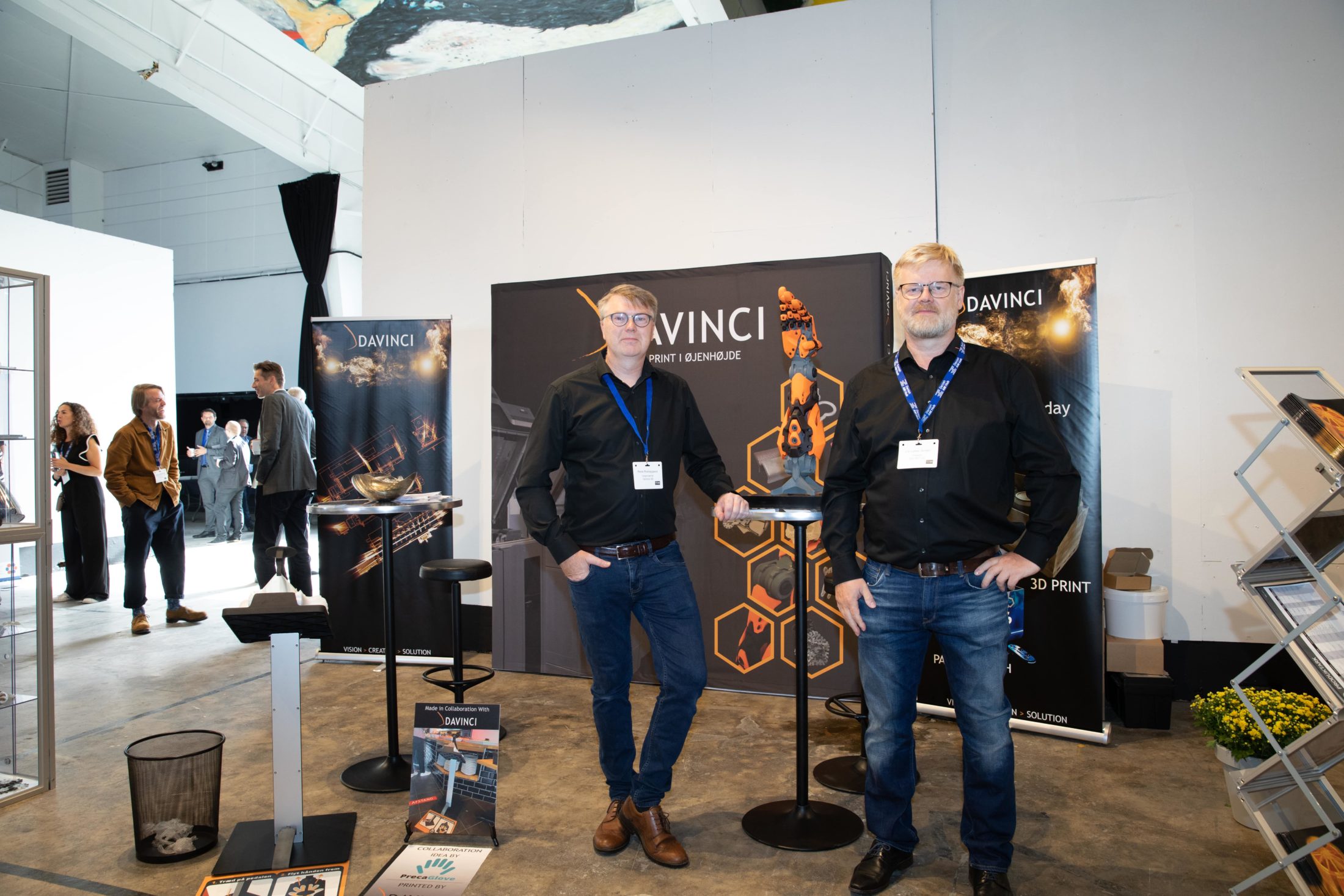
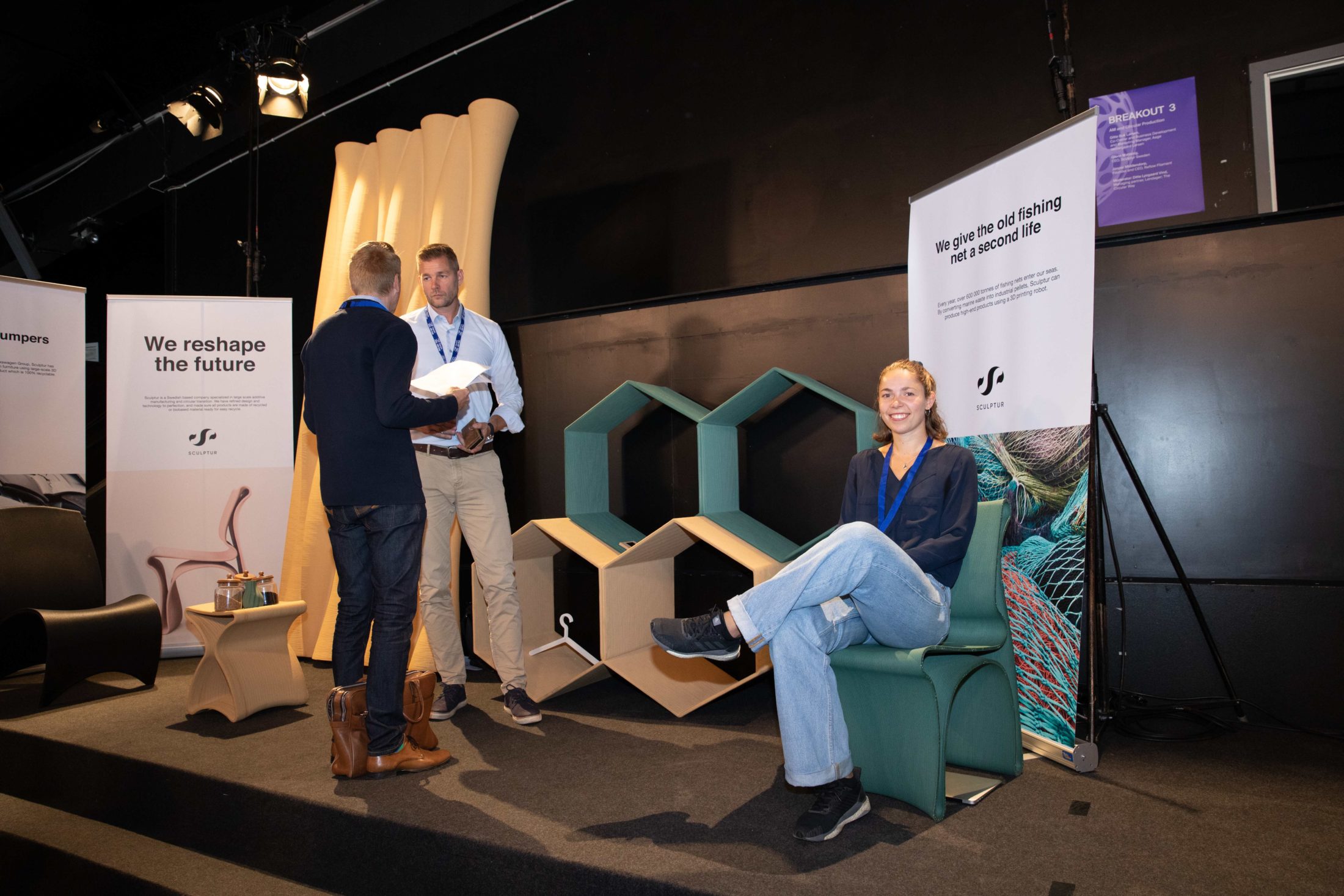
Sculptur
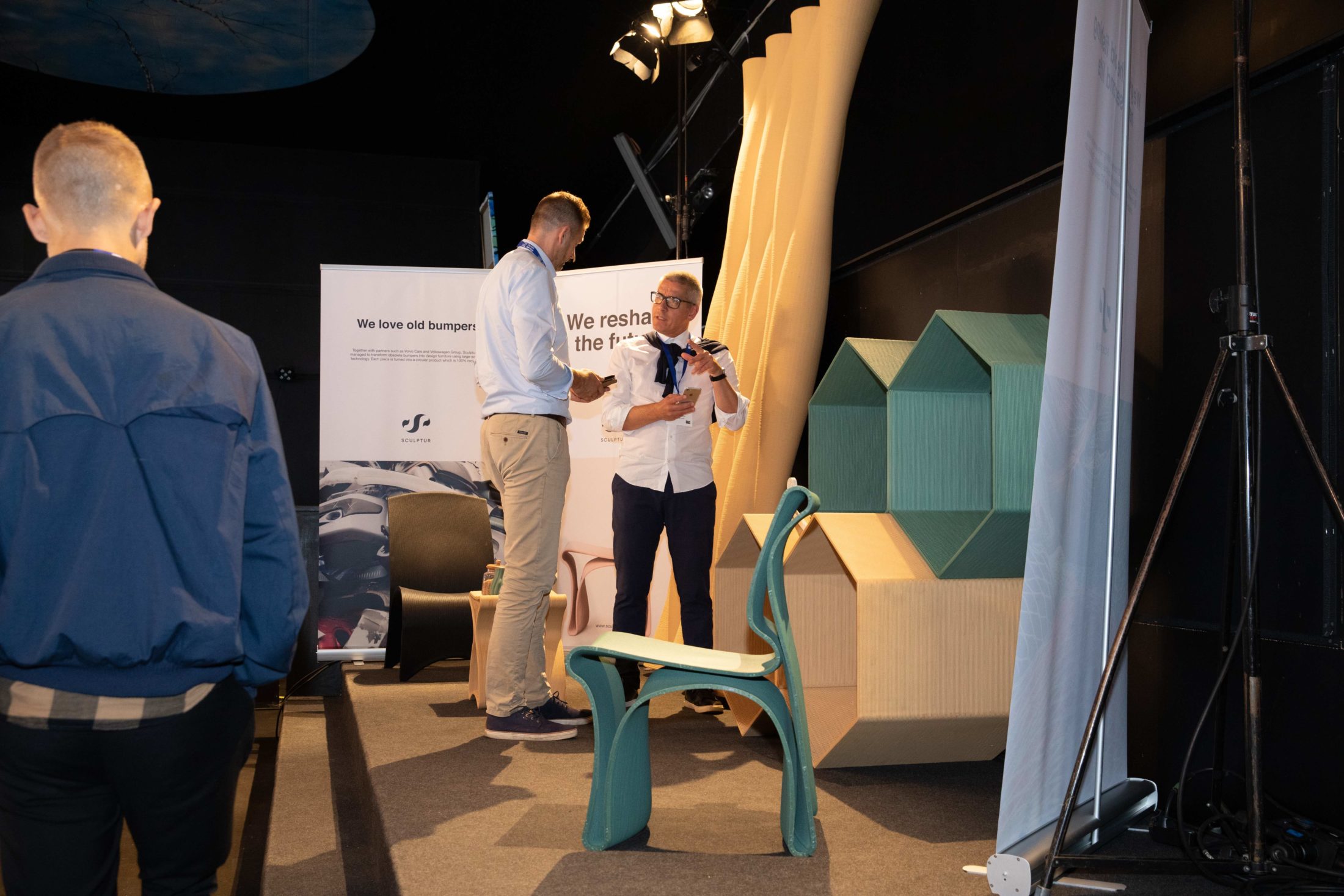
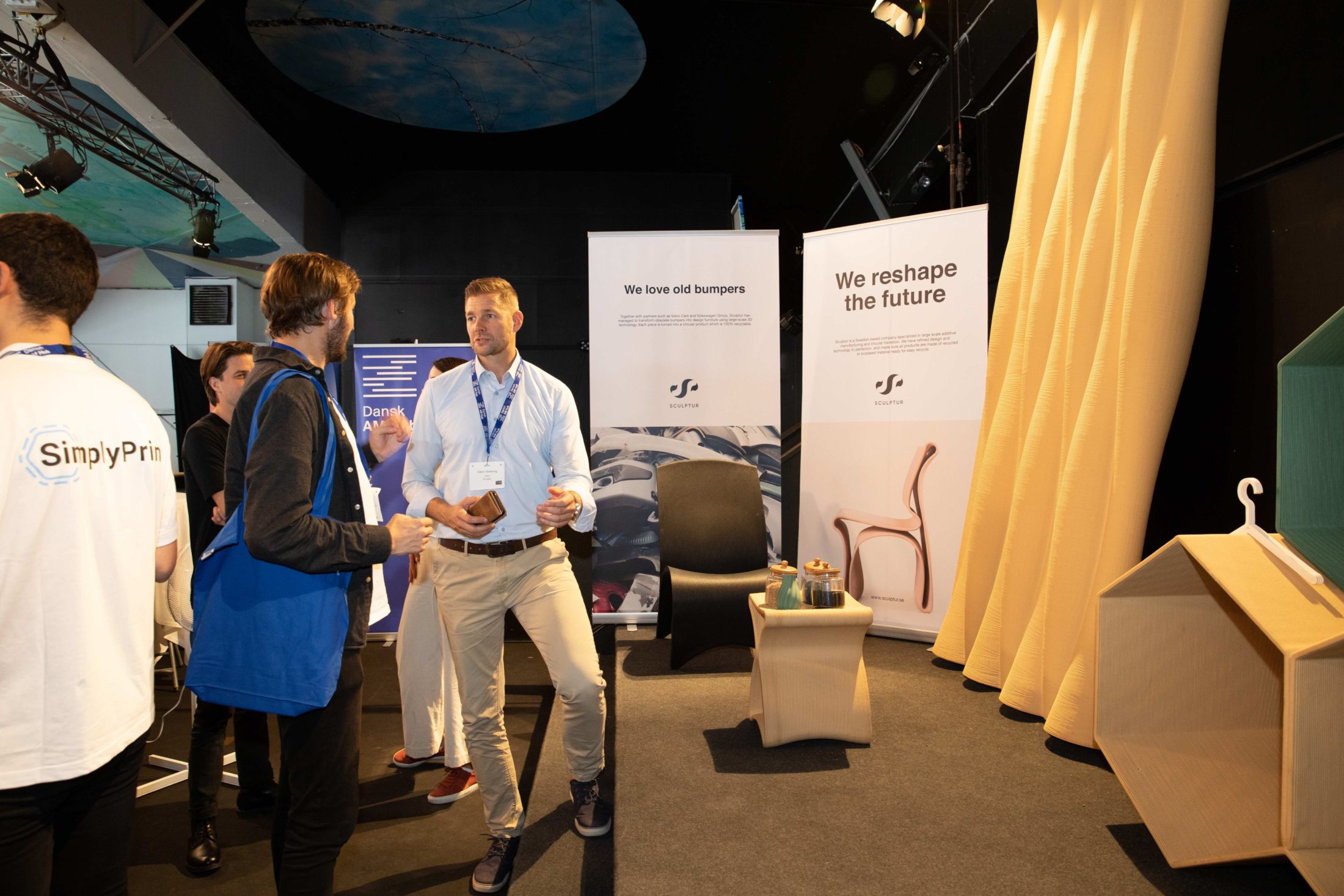
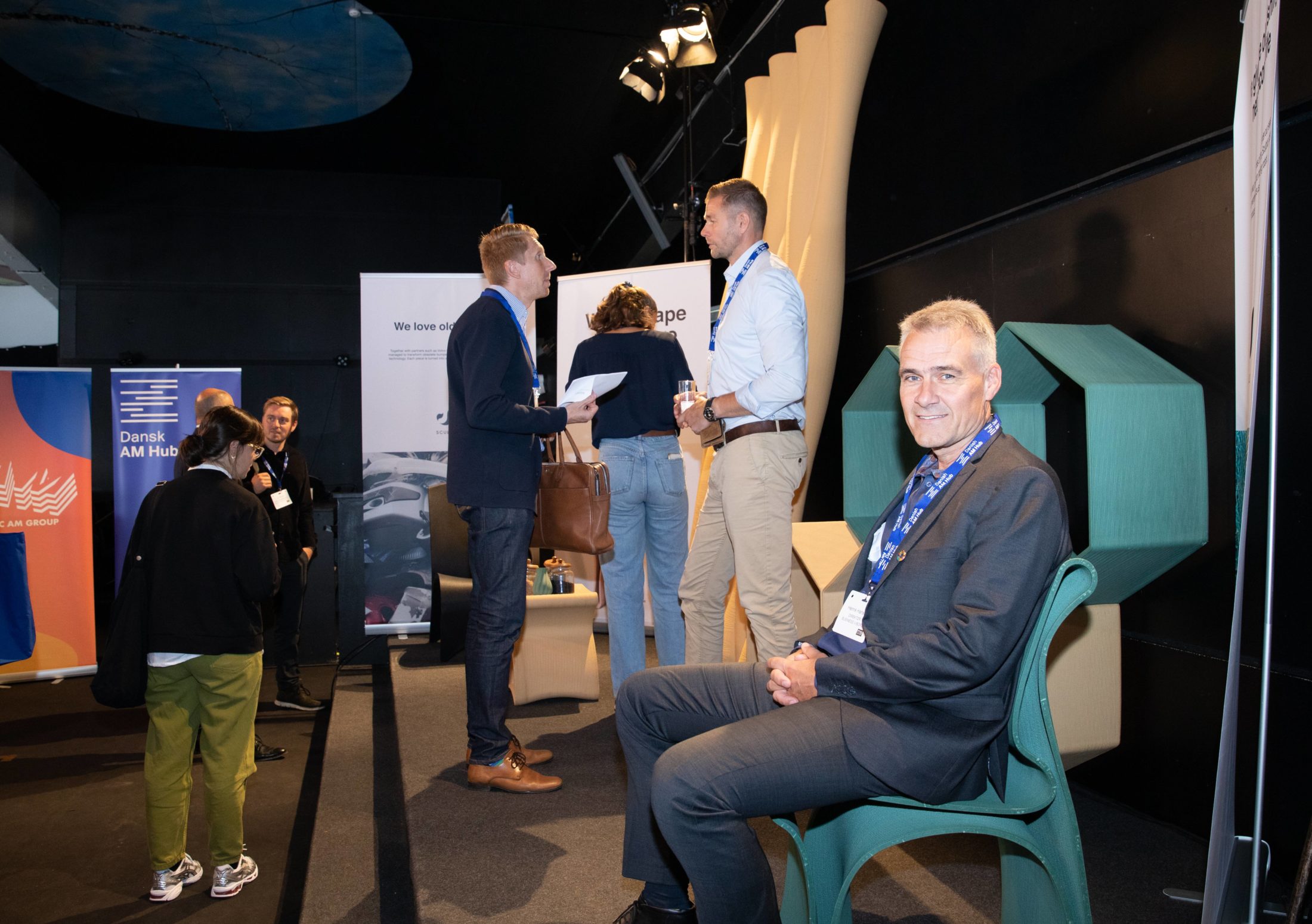
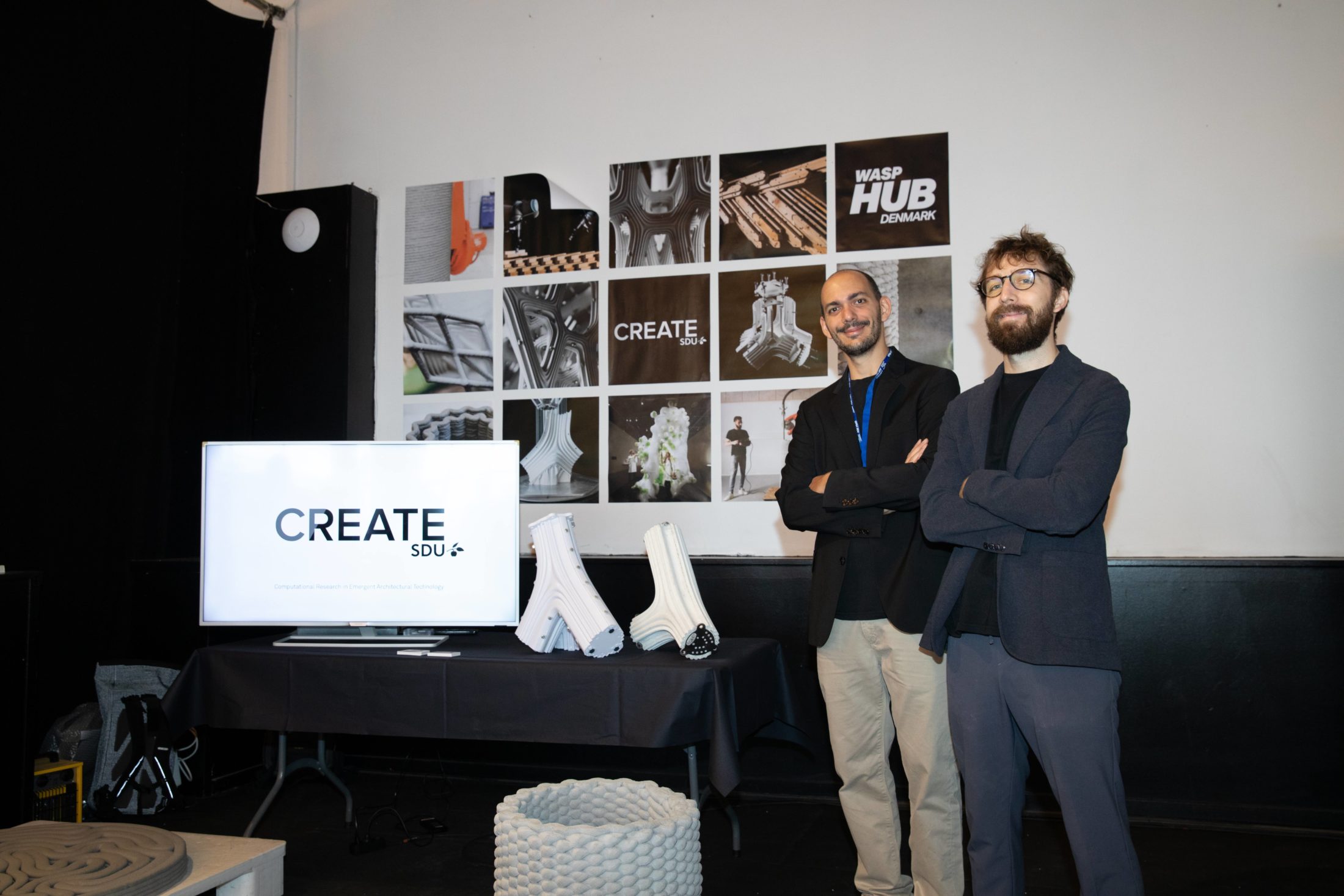
SDU
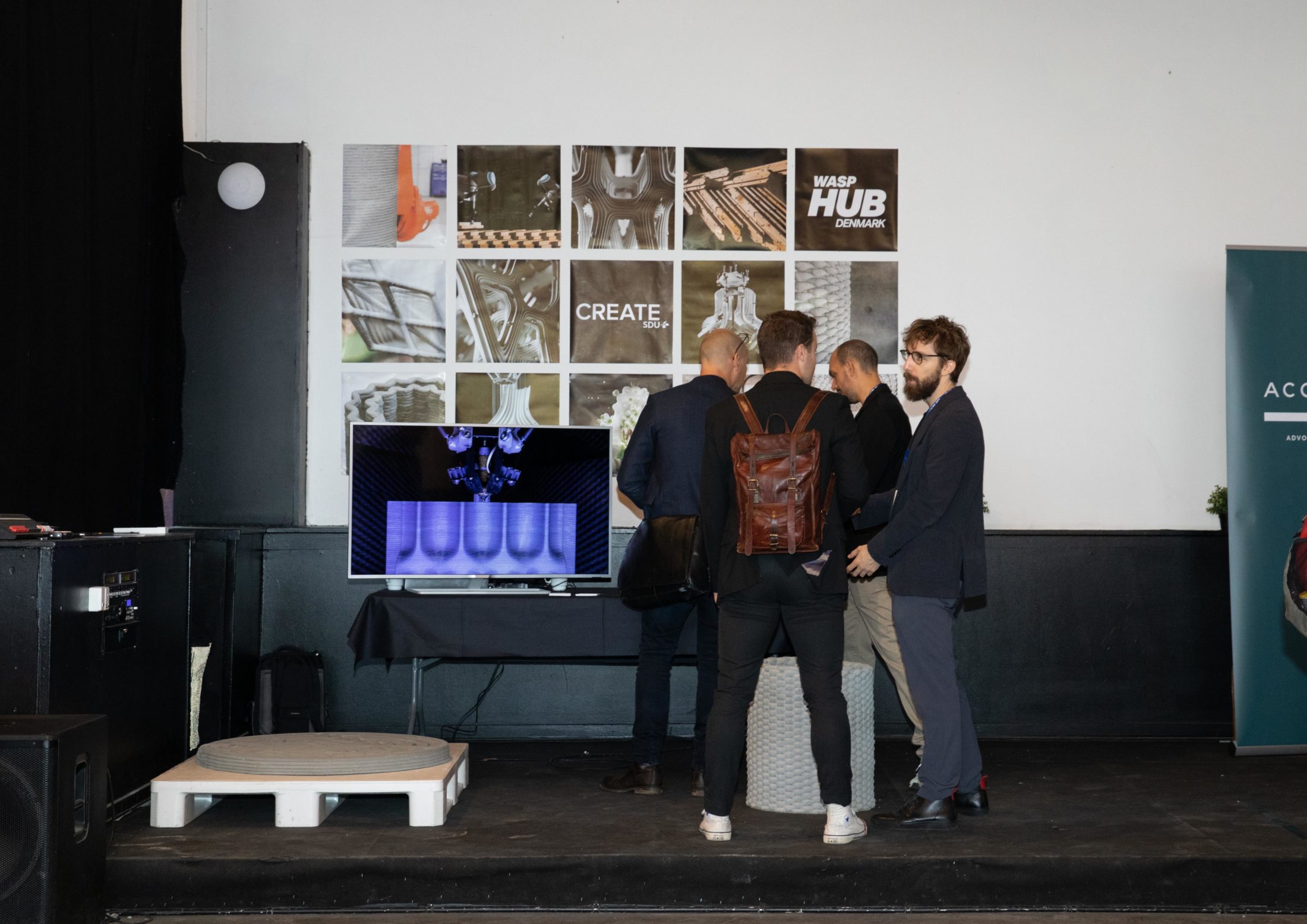
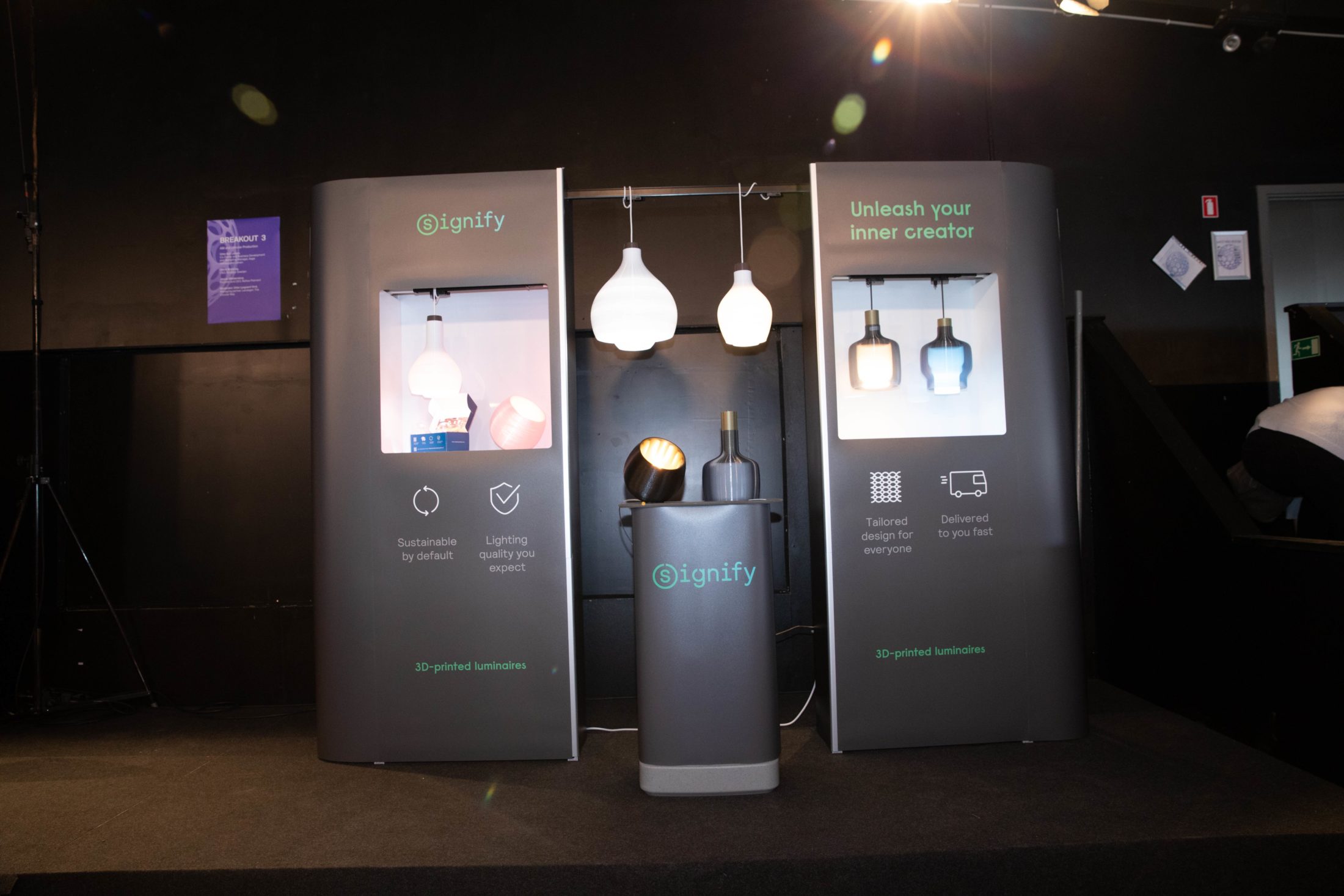
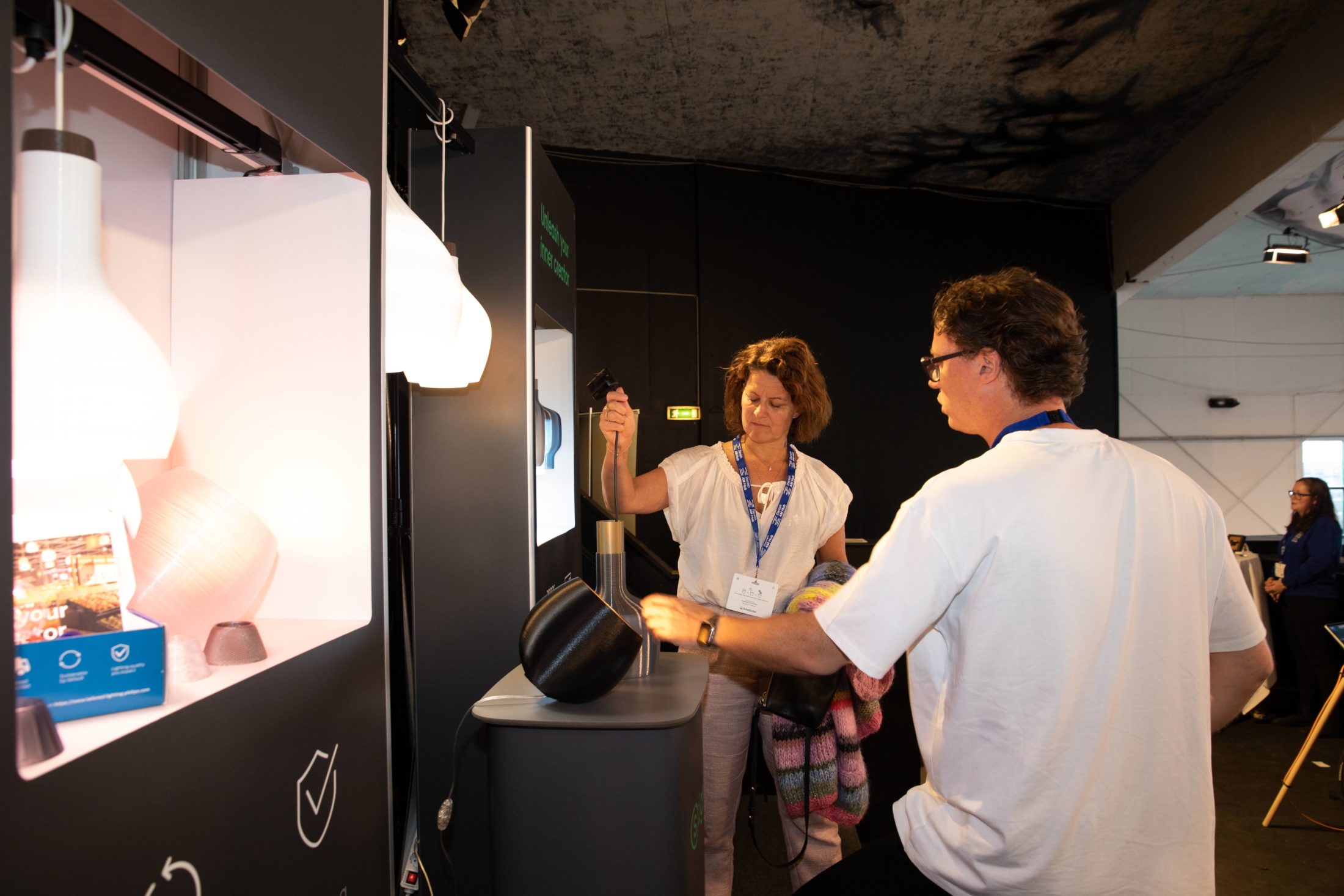
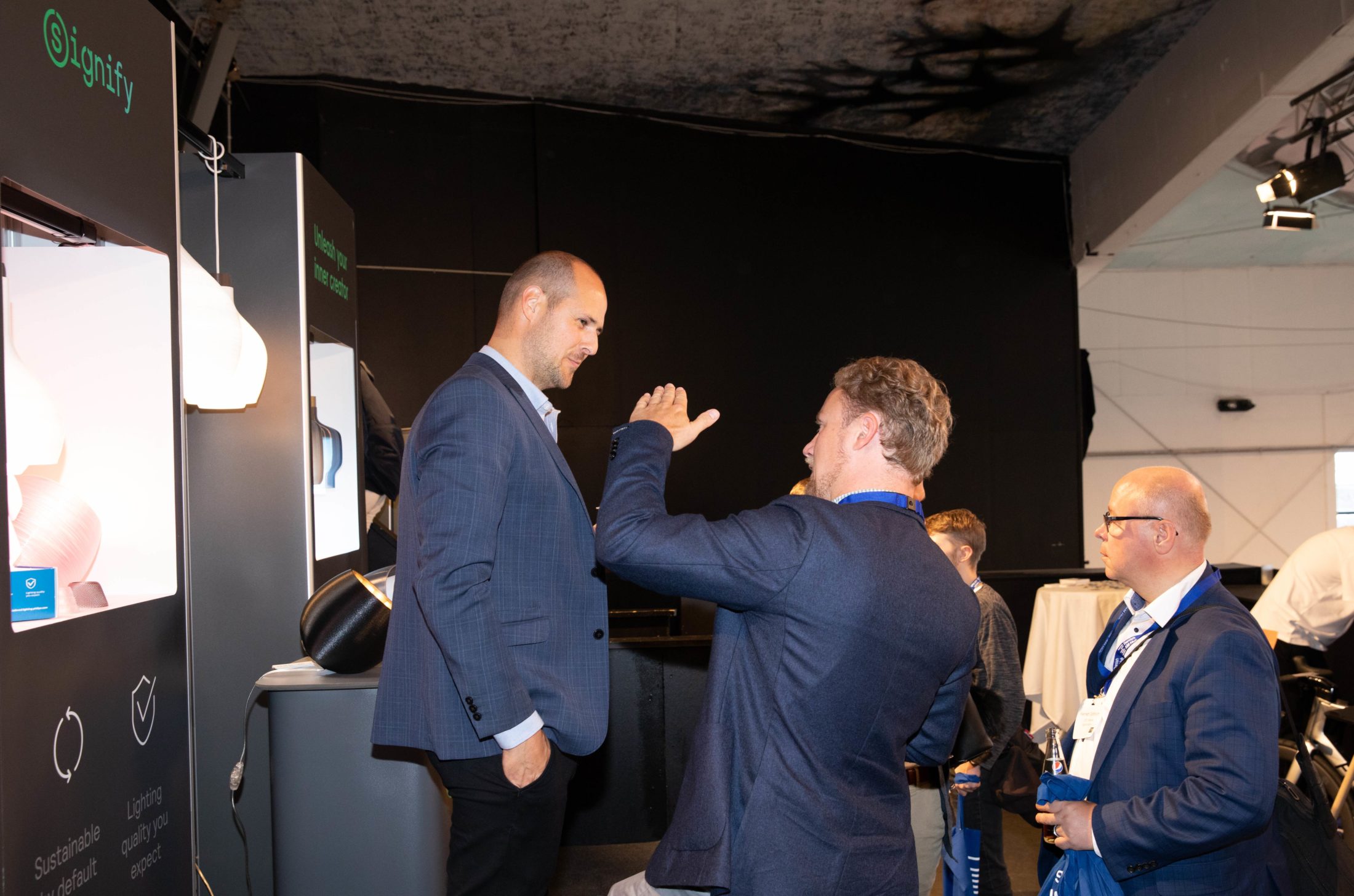
Signify

SimplyPrint
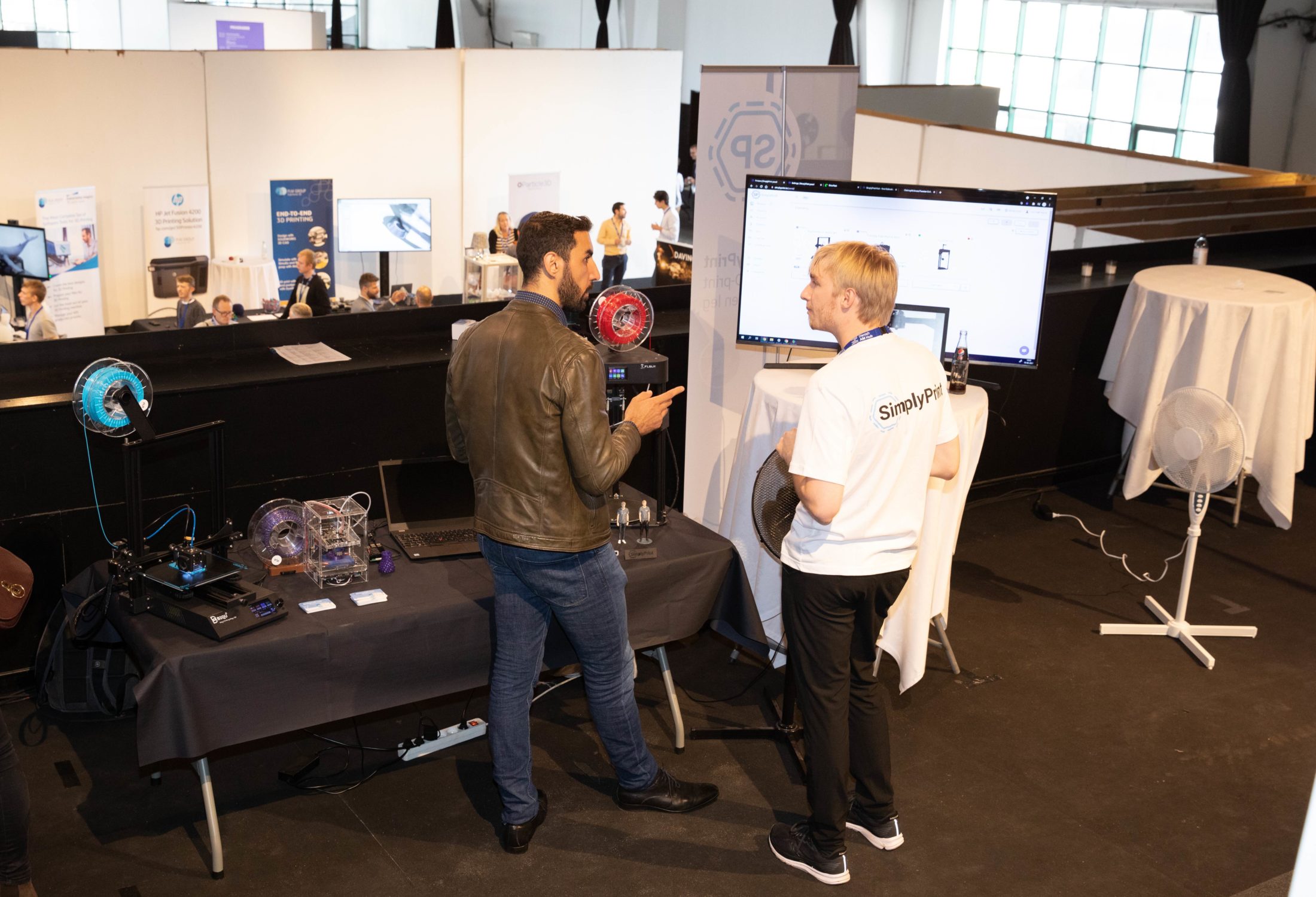
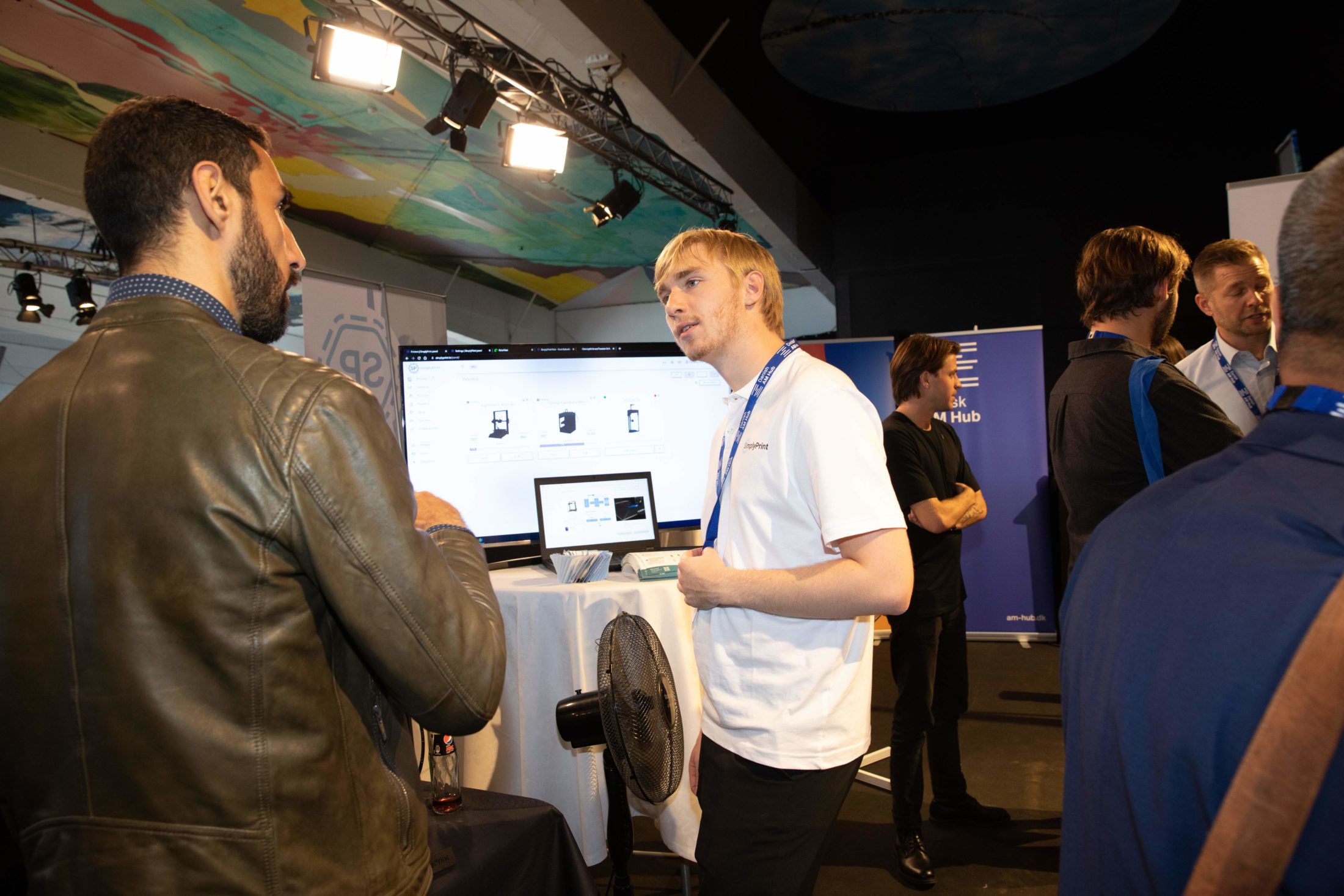
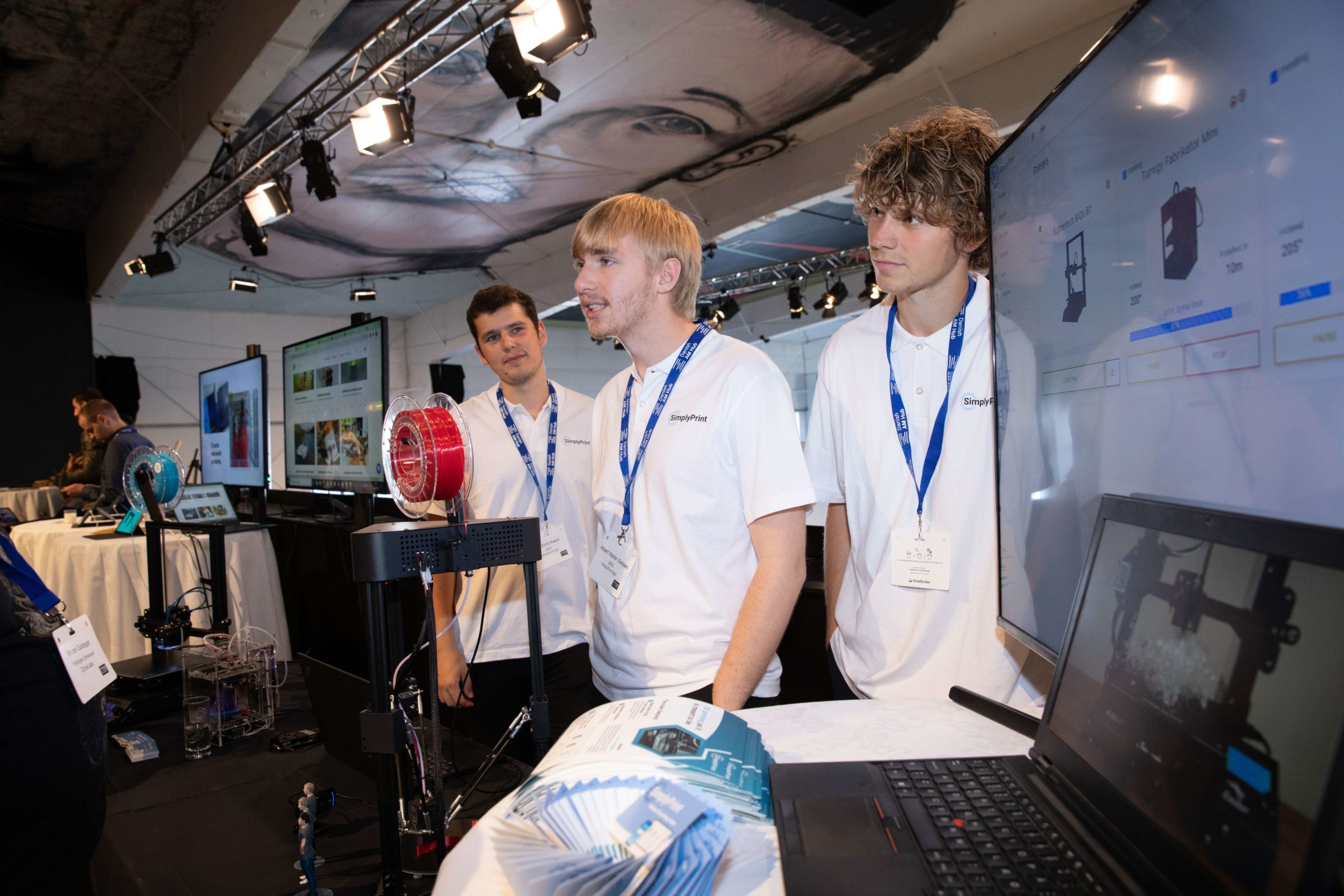
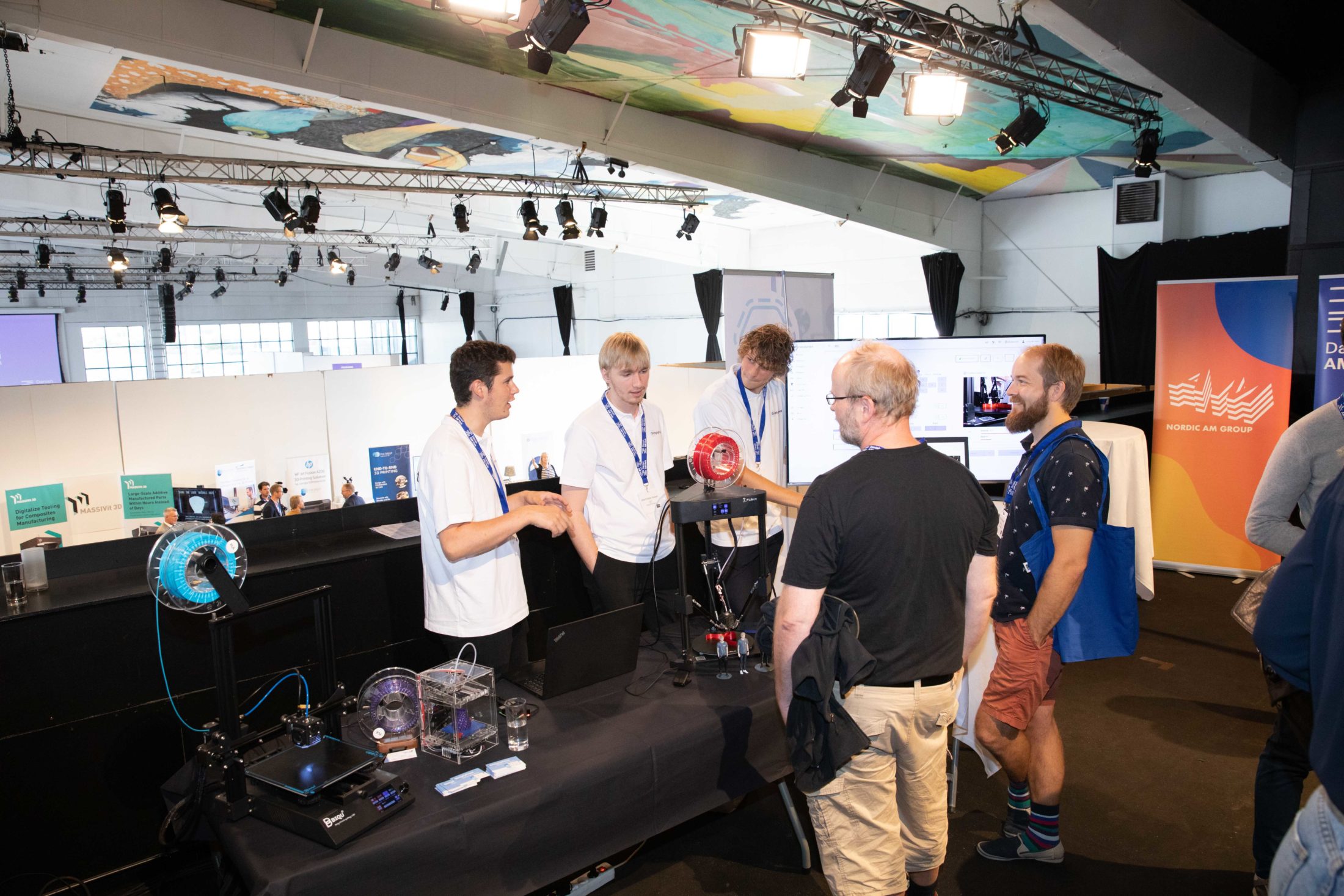
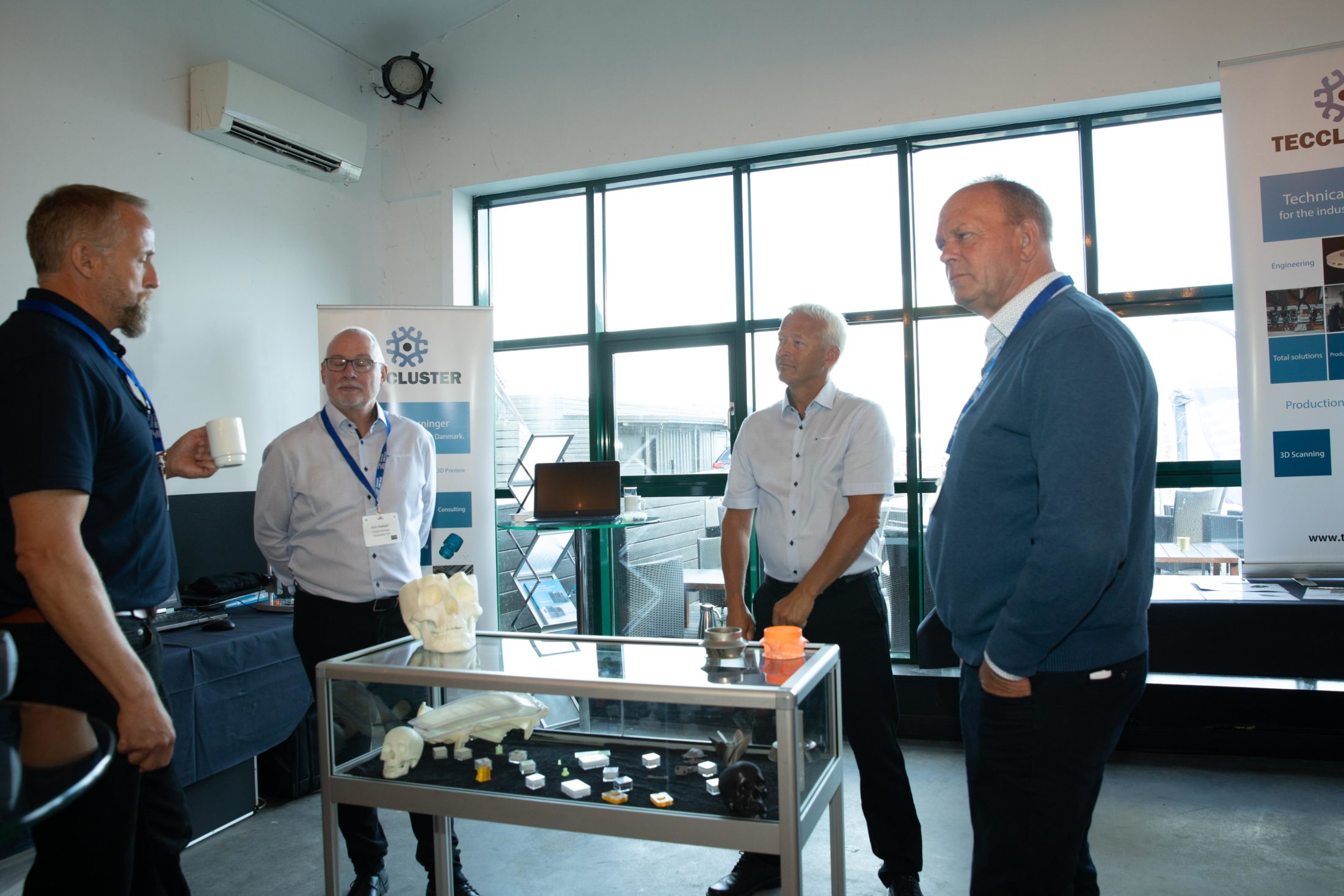
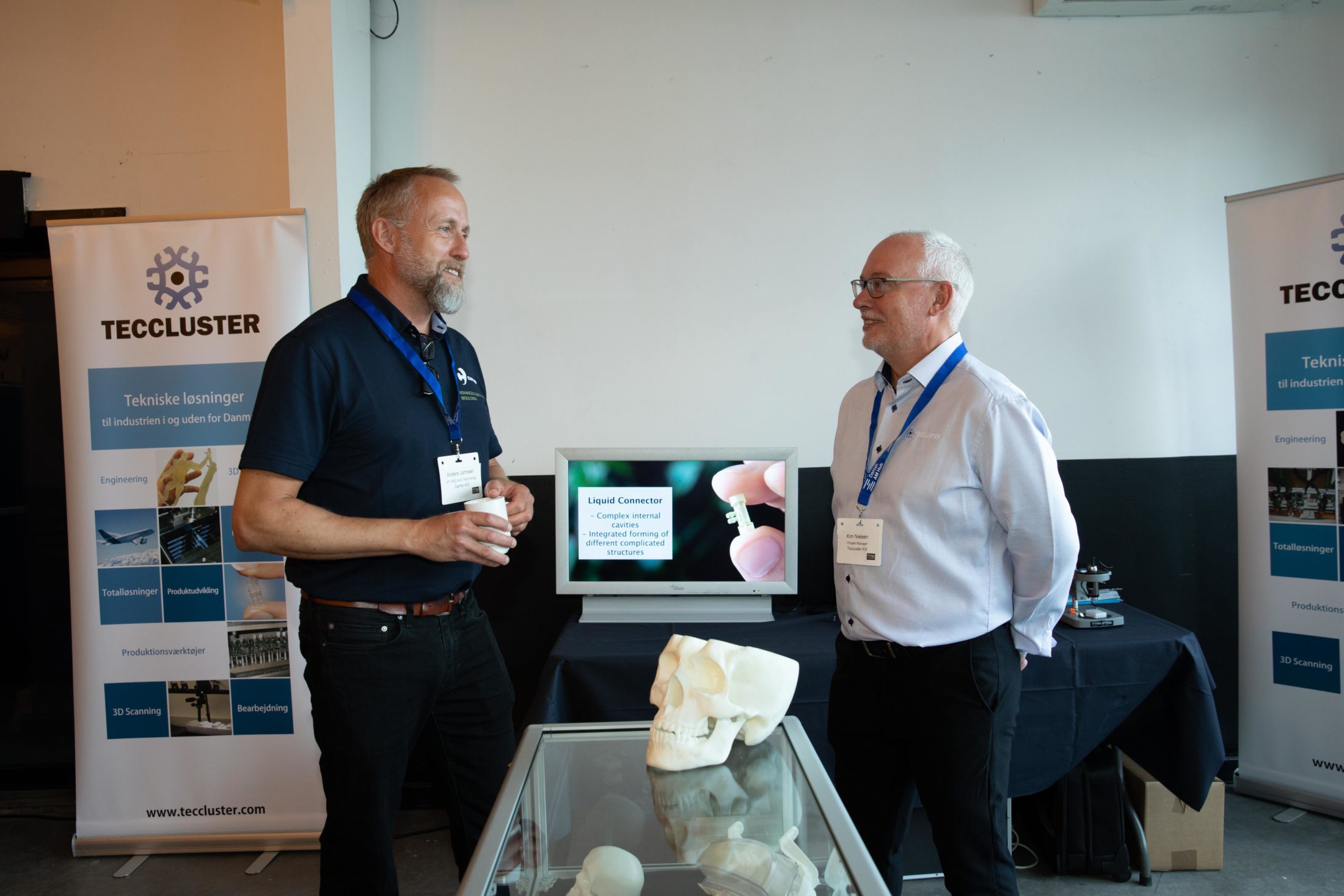
TECCLUSTER
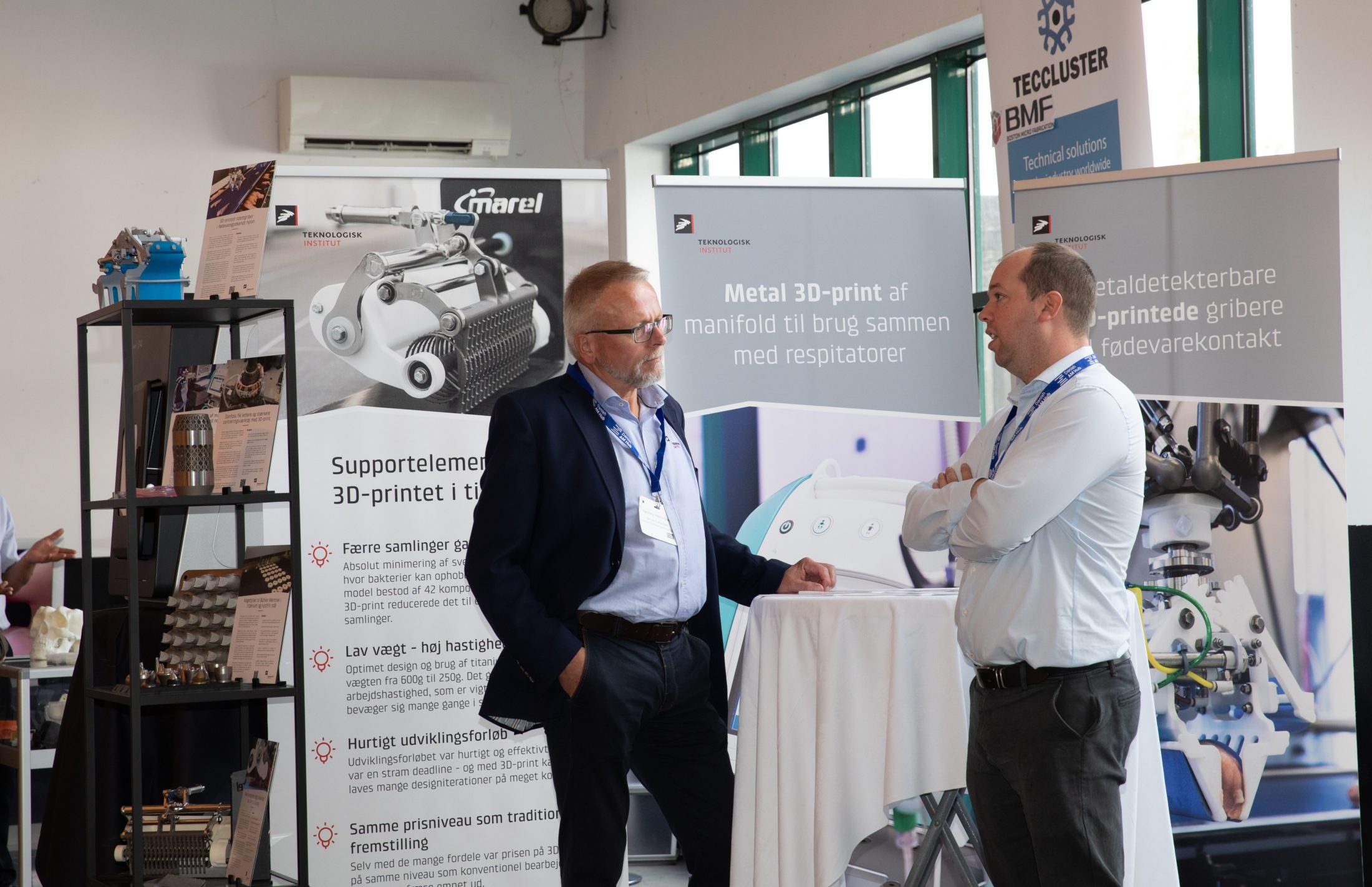
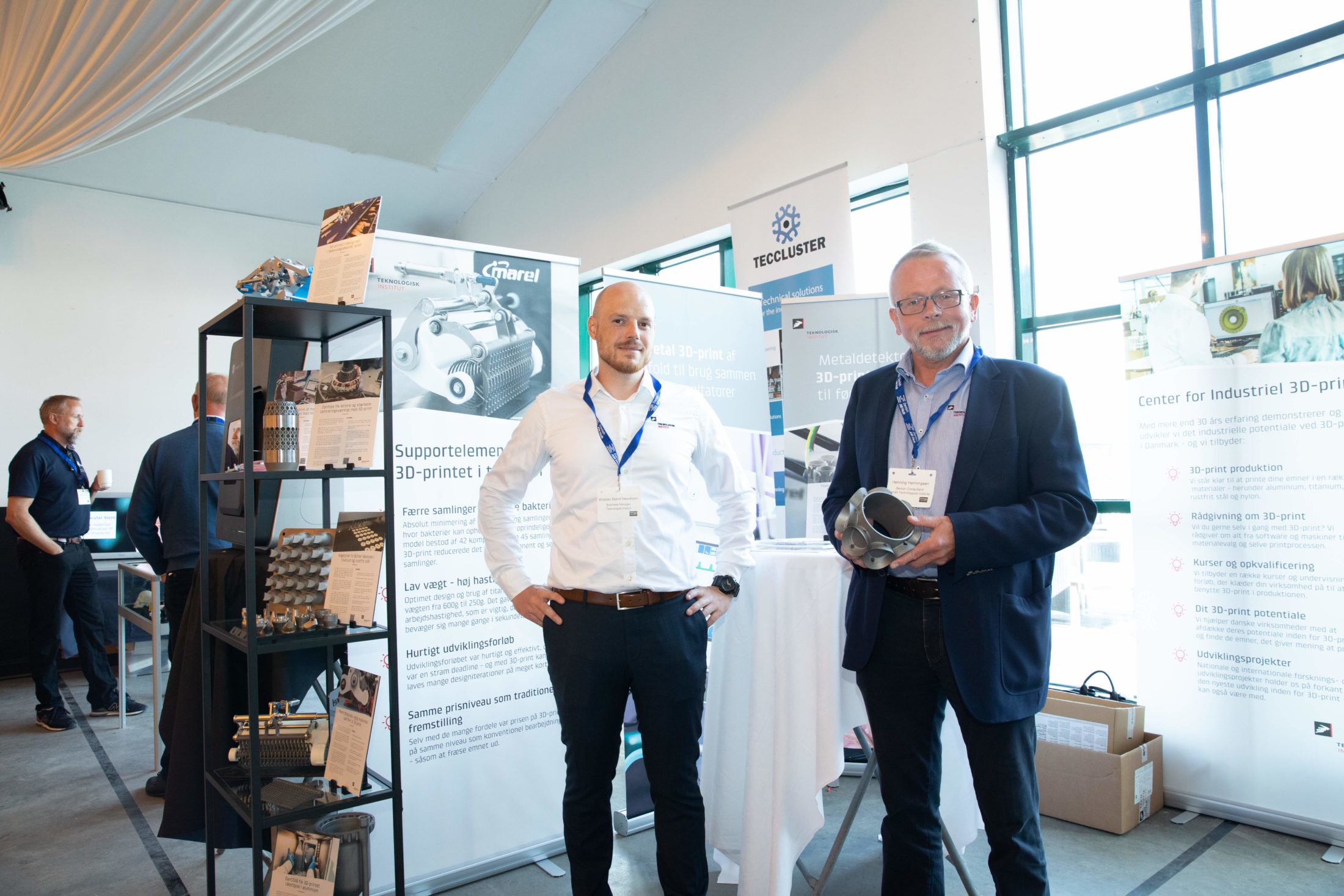
Danish Technological Institute

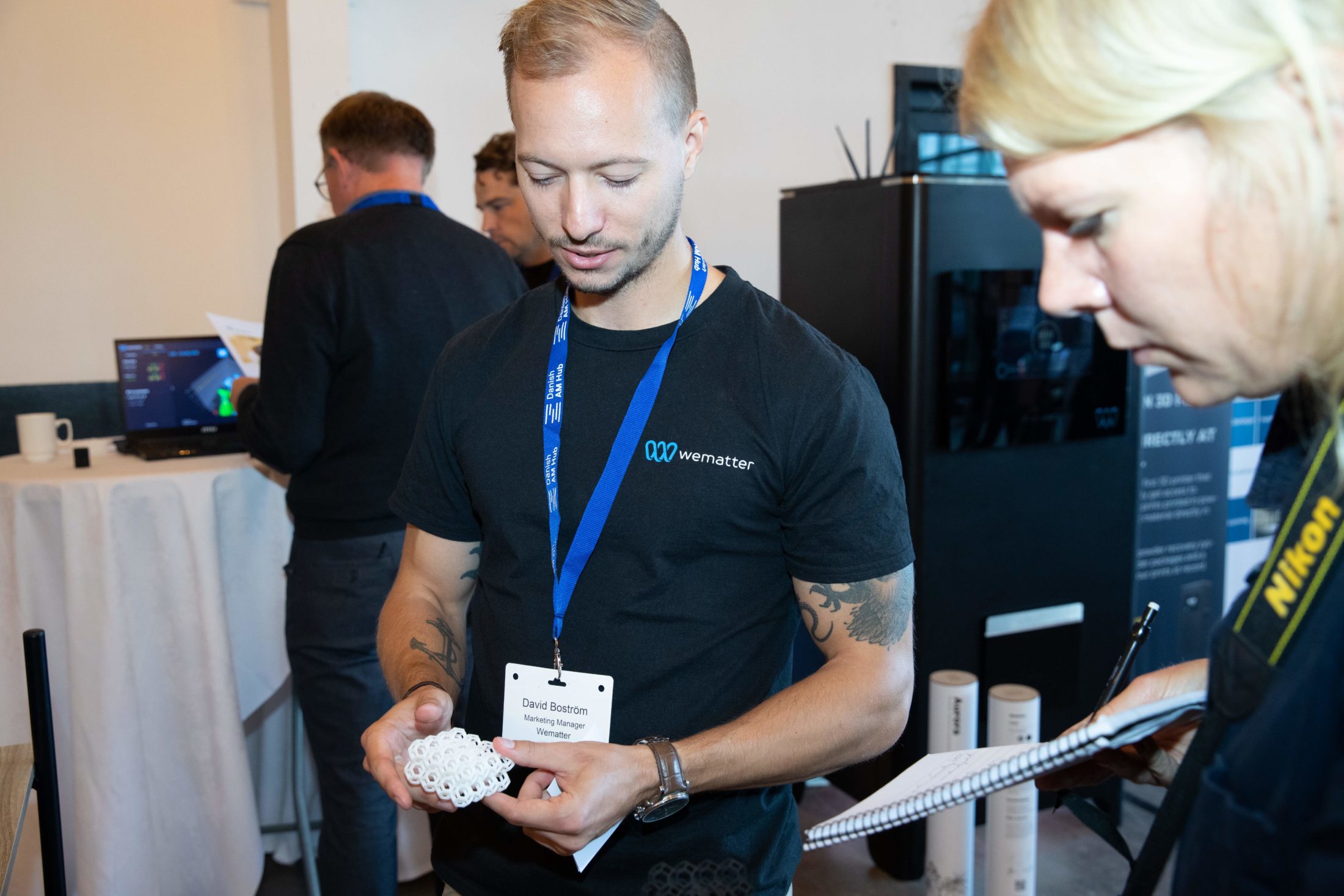
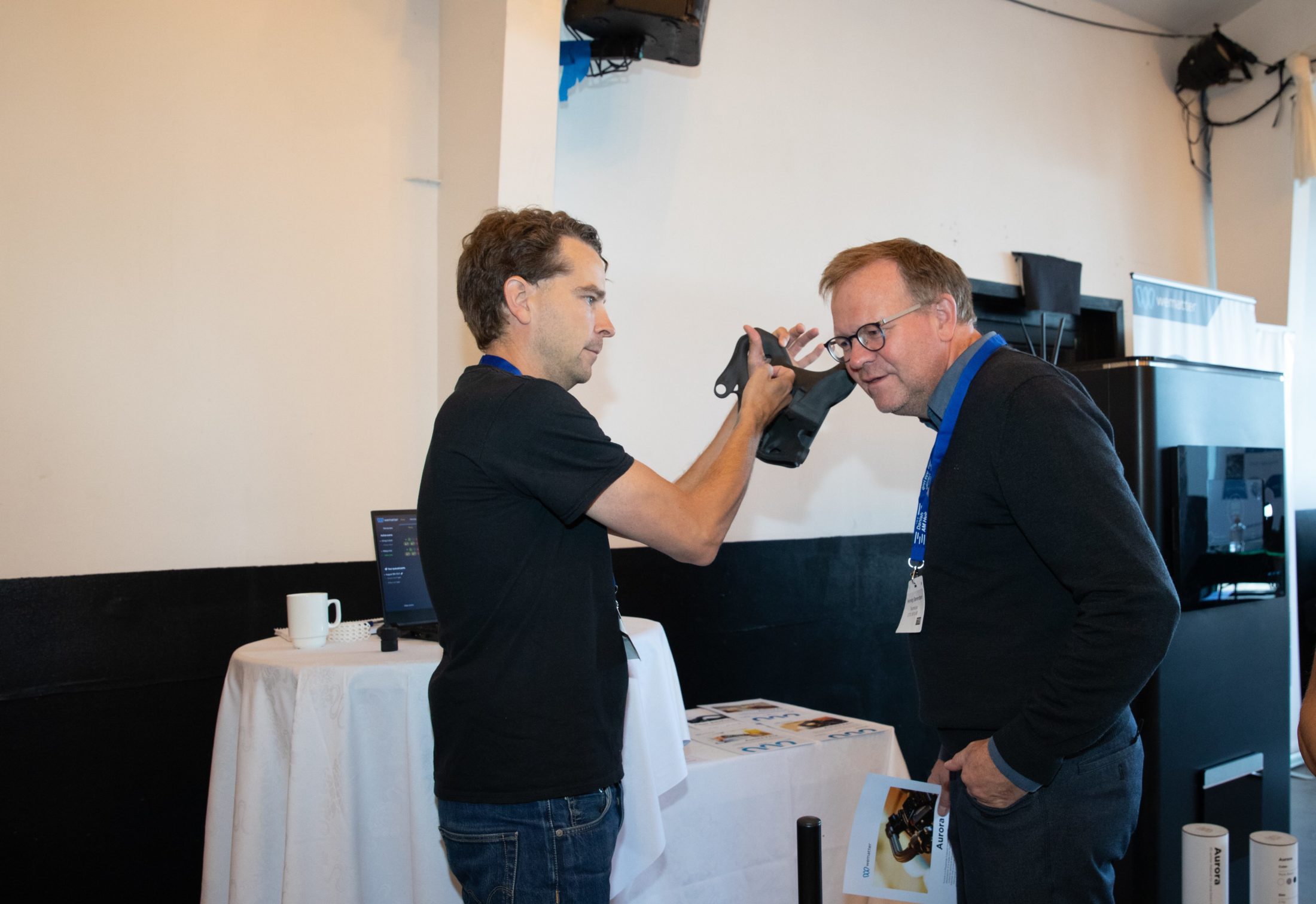
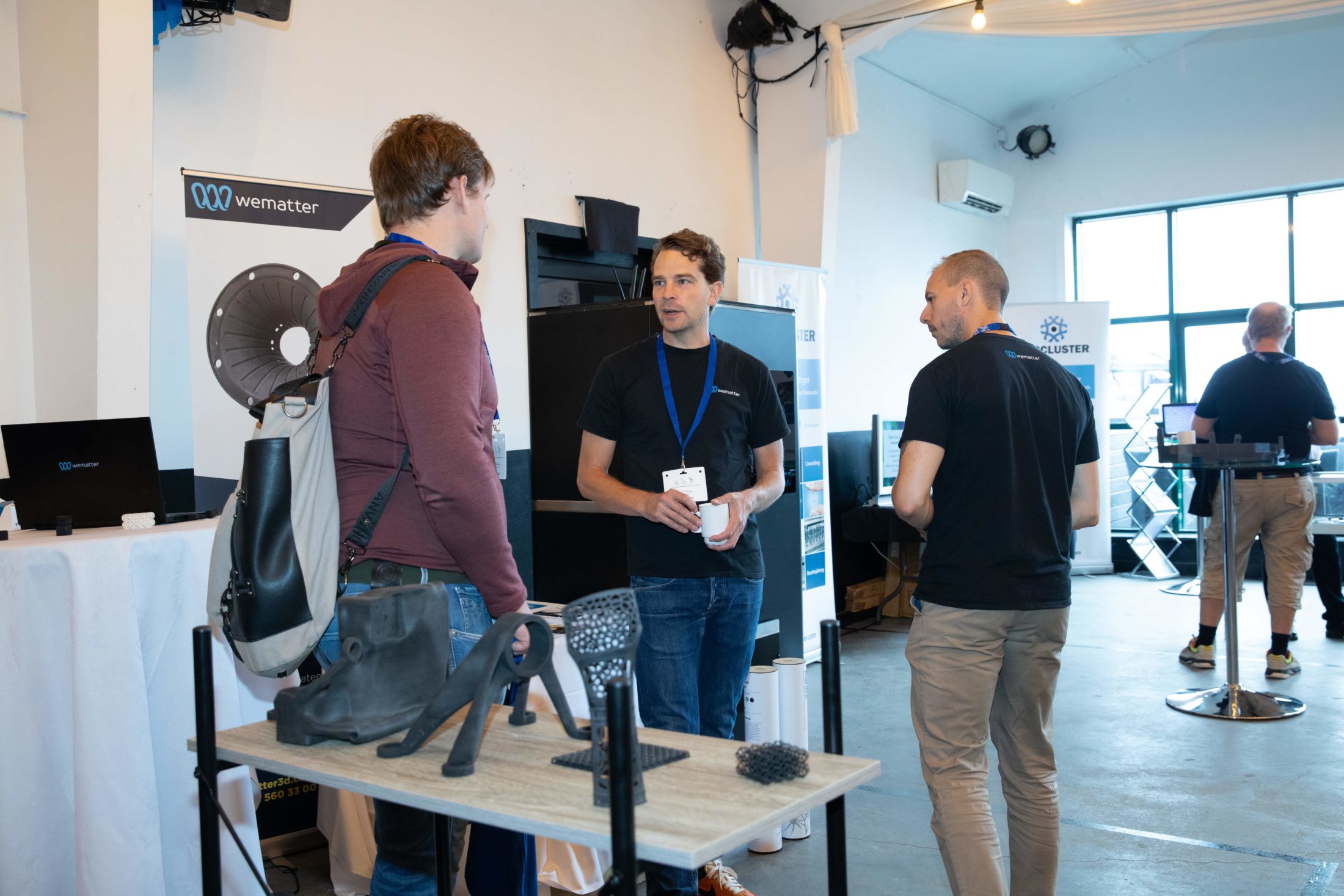
Wematter

Wikifactory

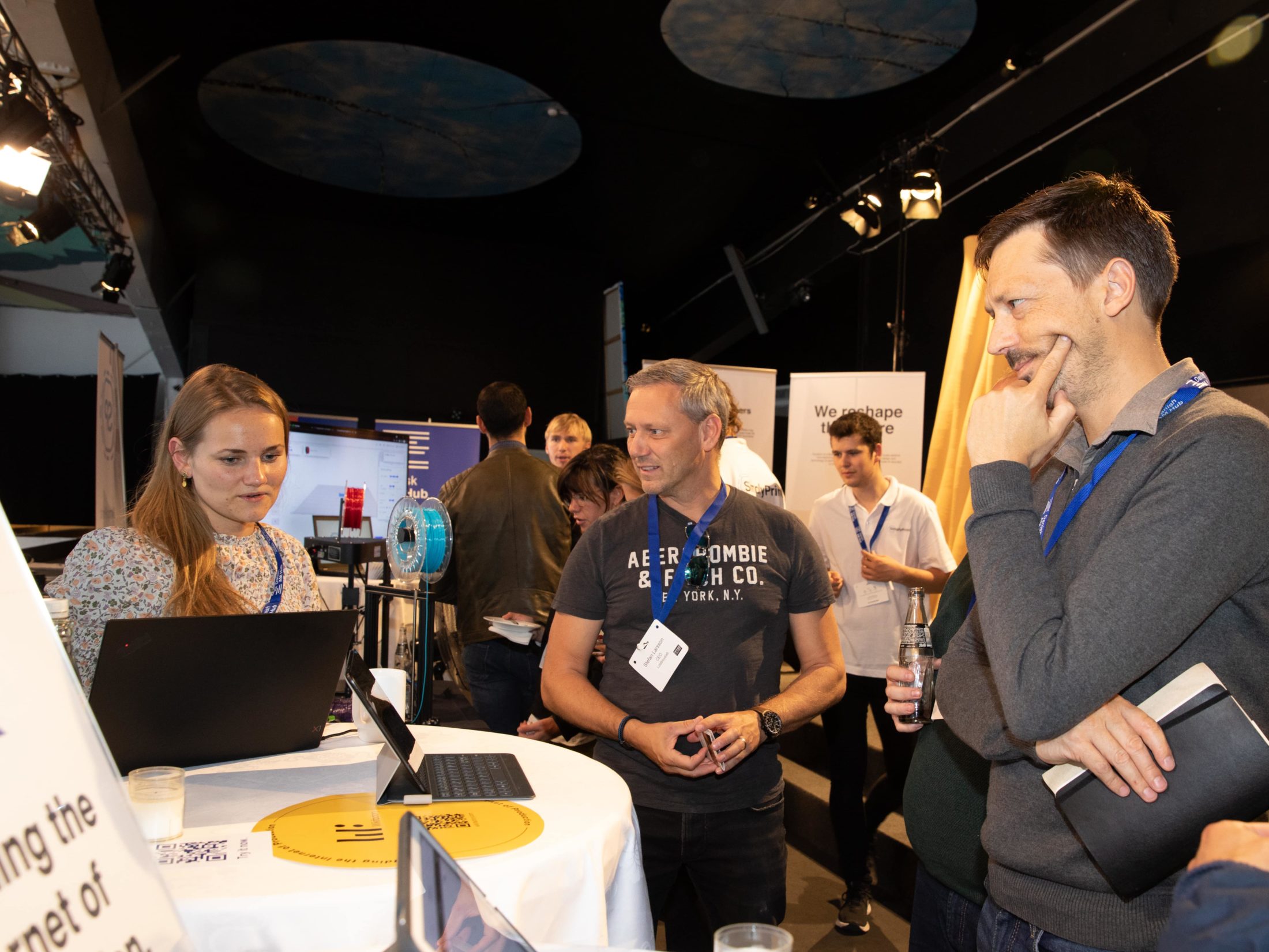
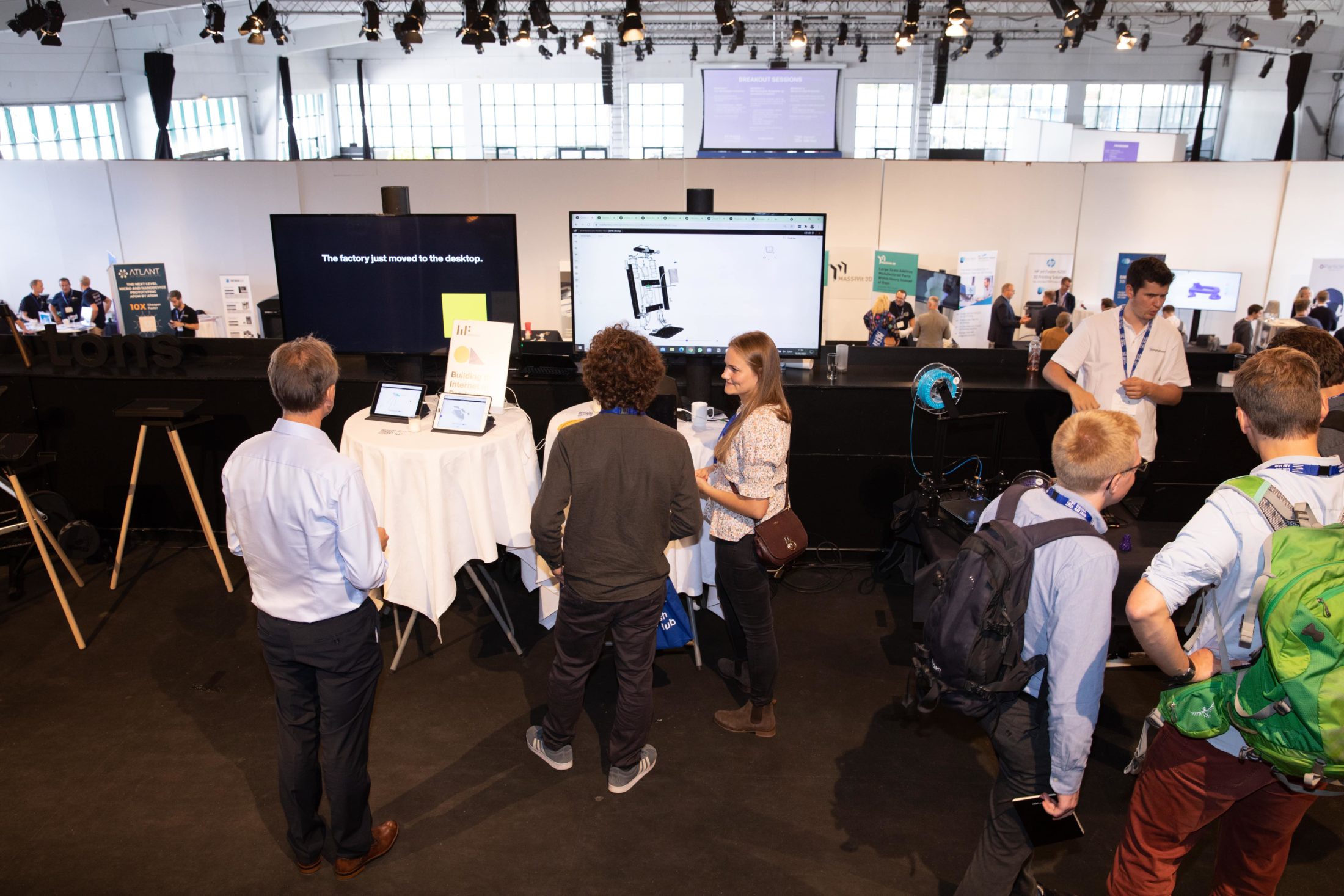
AM Summit 2021: The largest Additive Impact ever
350 participants. 30 speakers. 40 exhibitors.
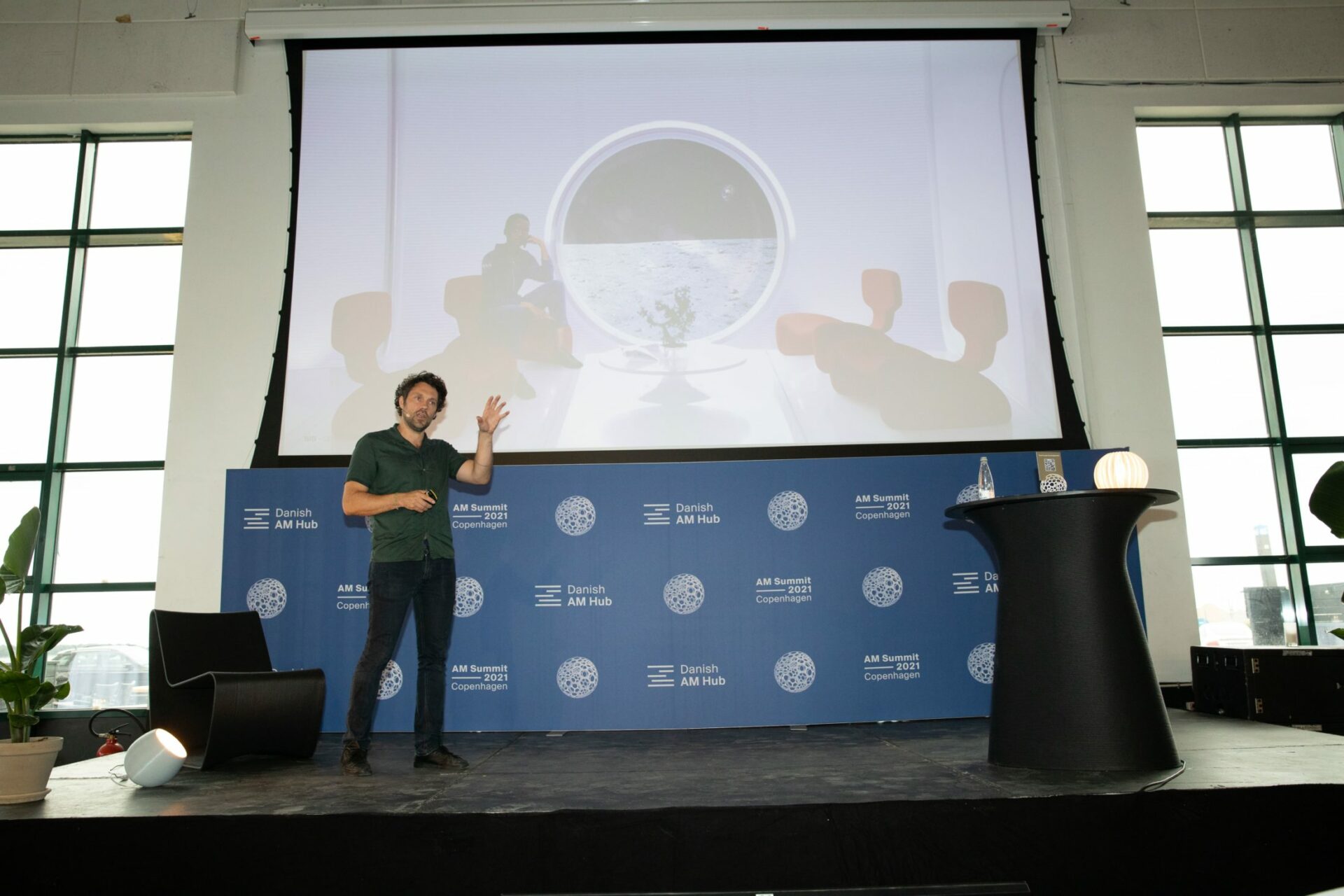
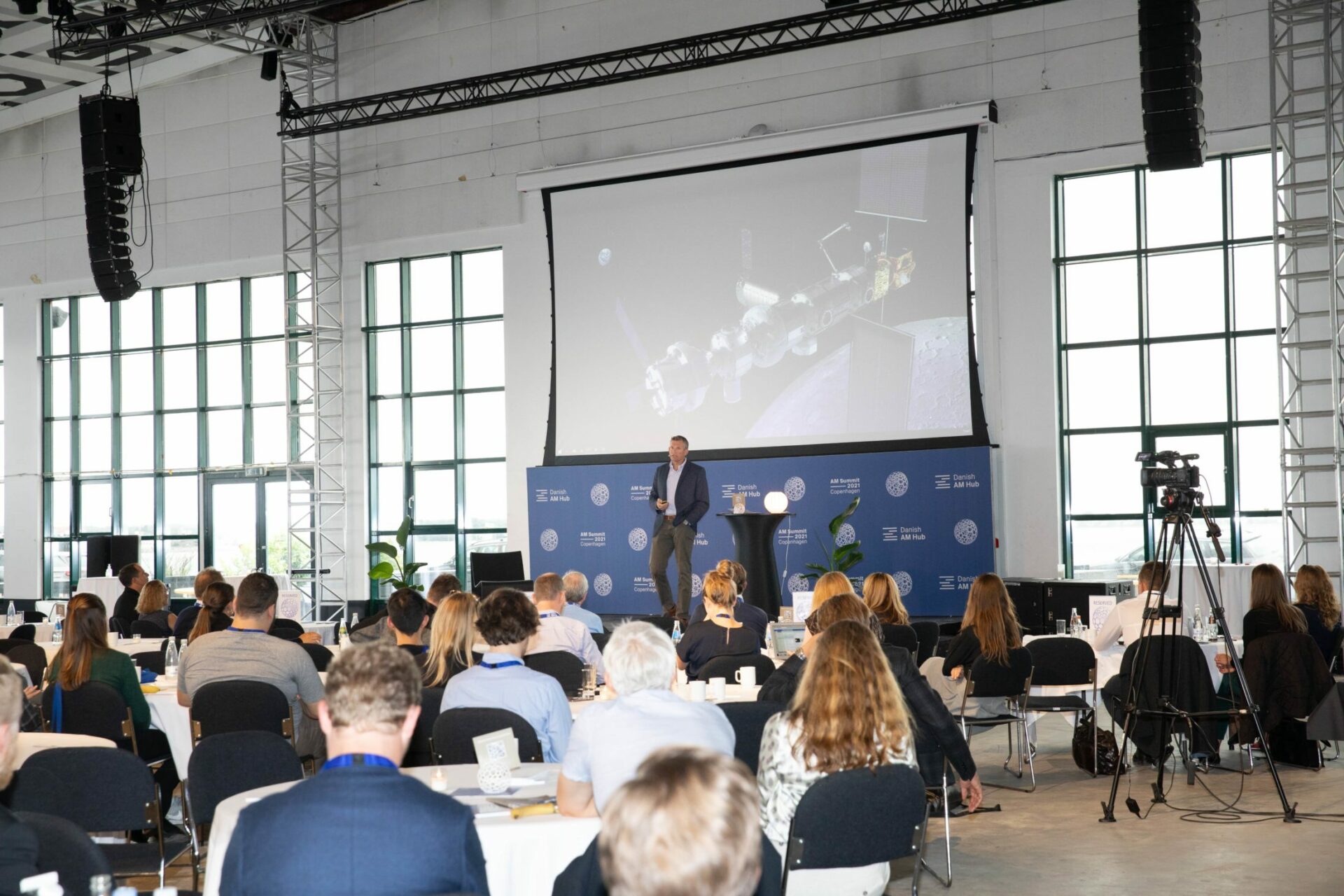
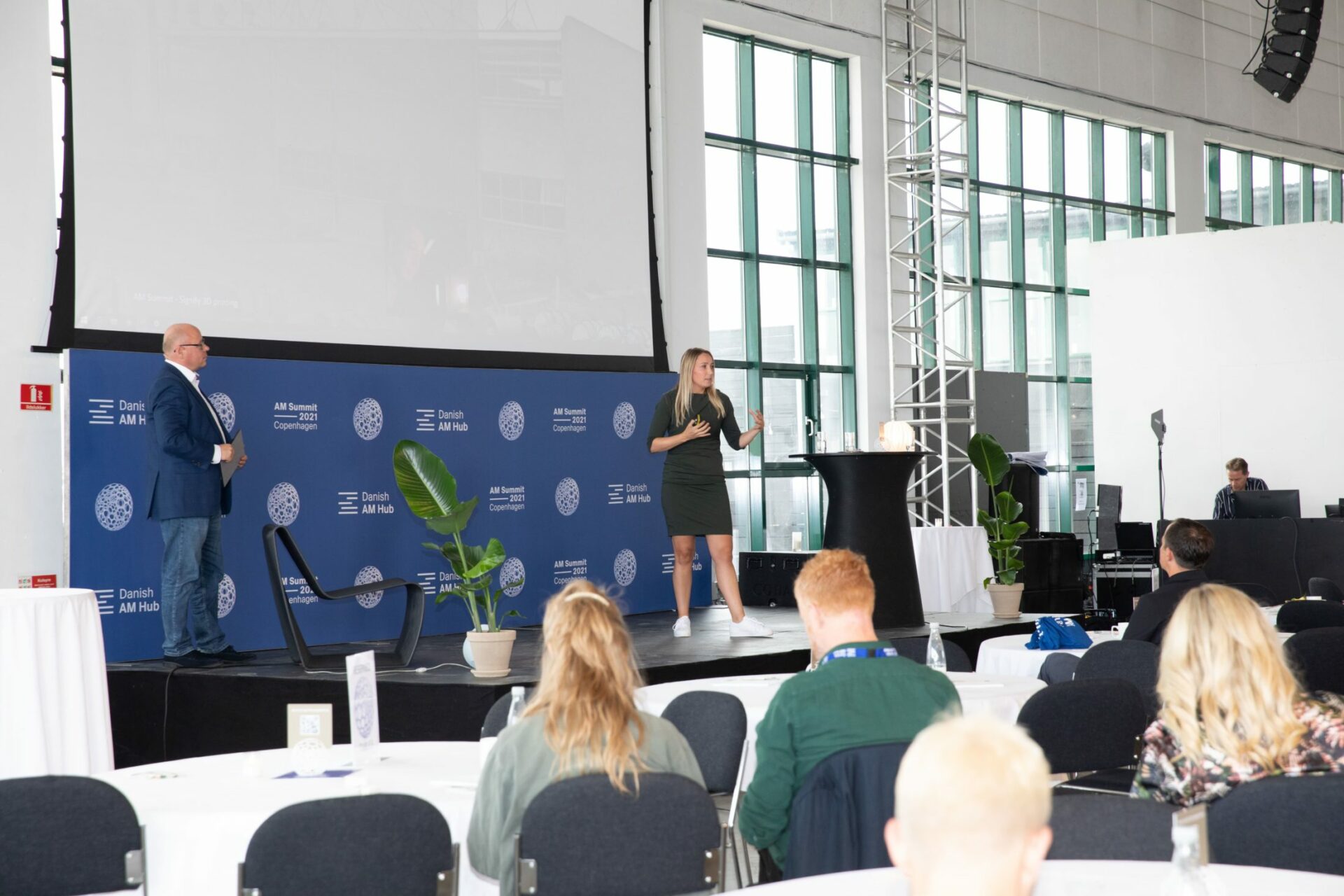
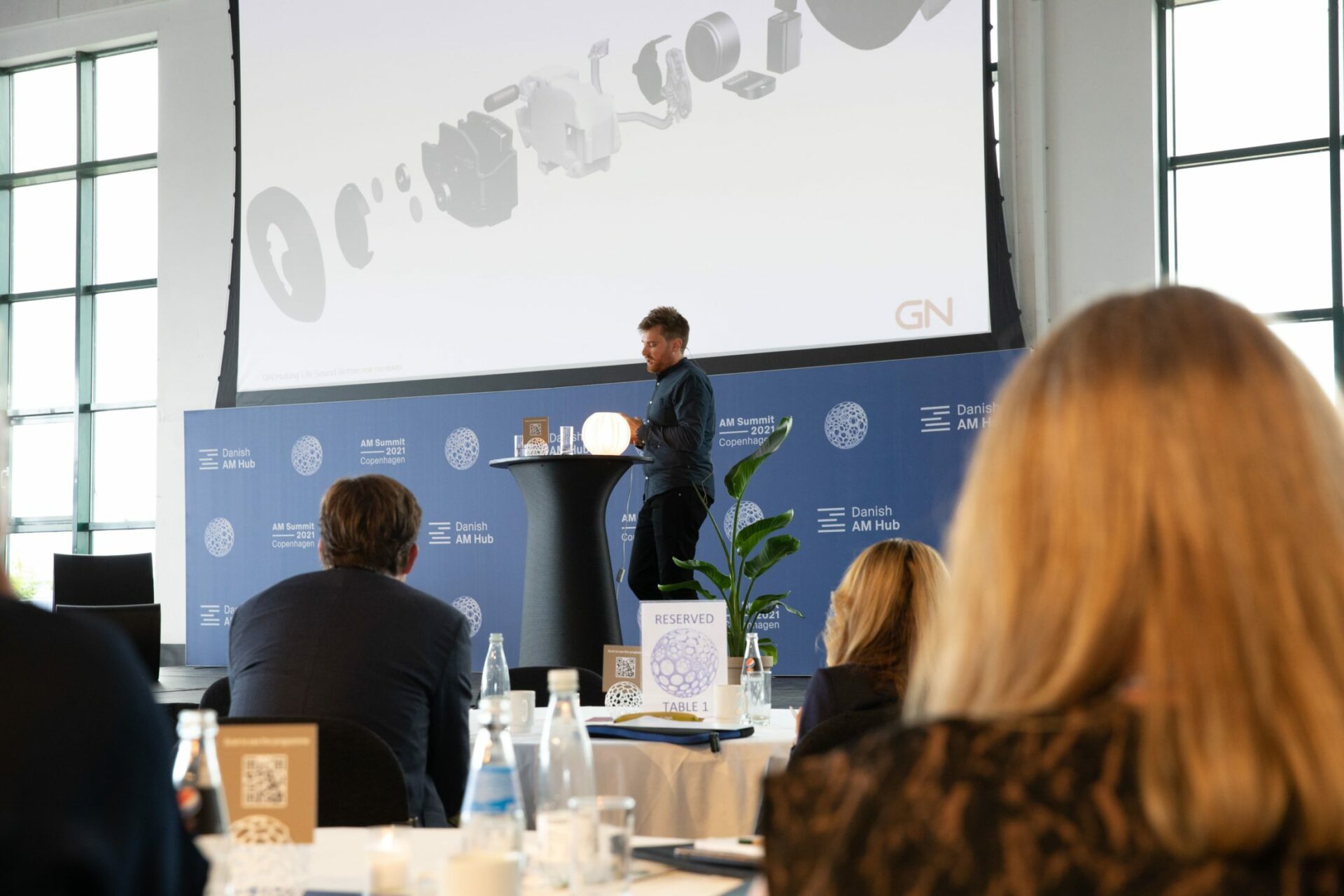
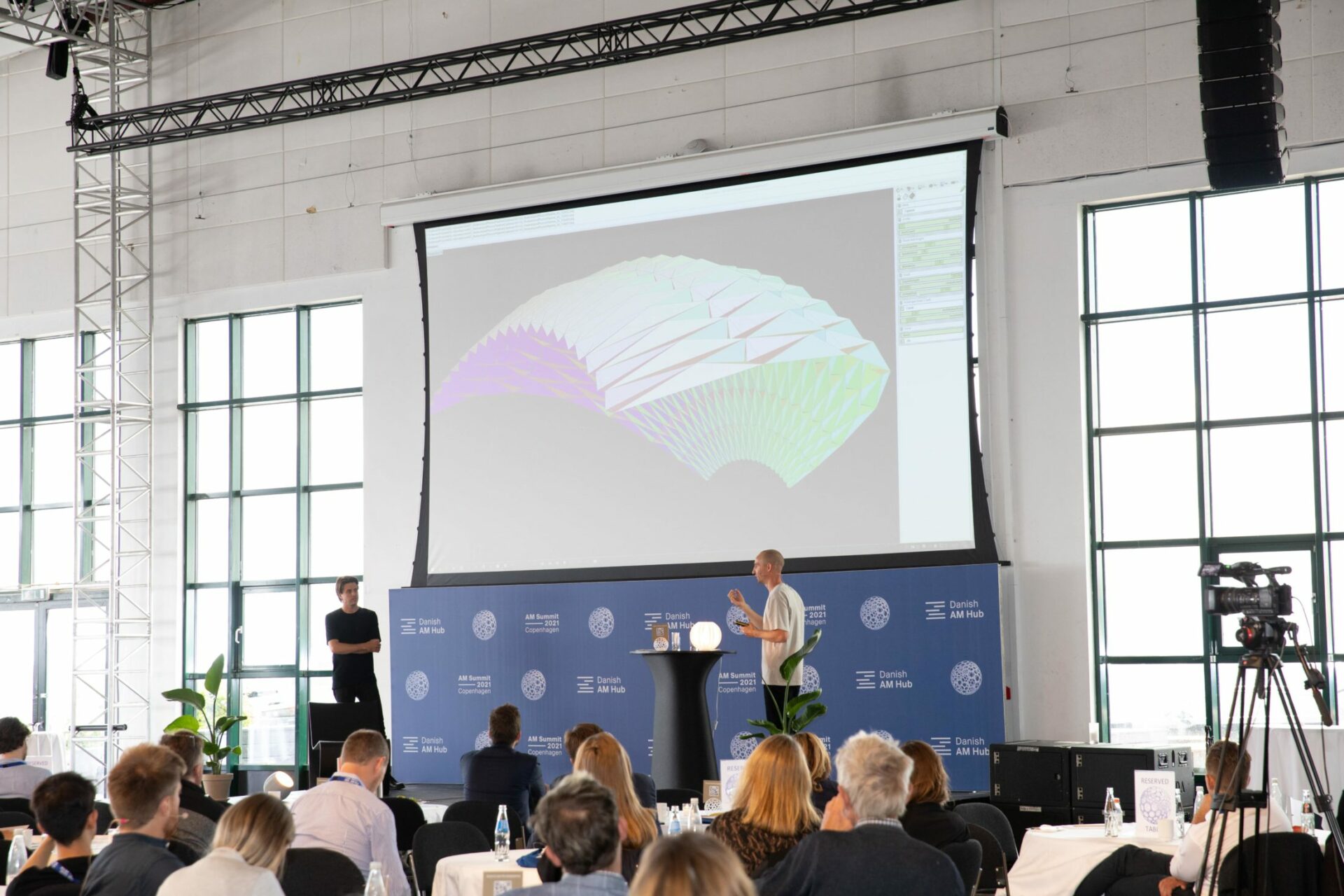
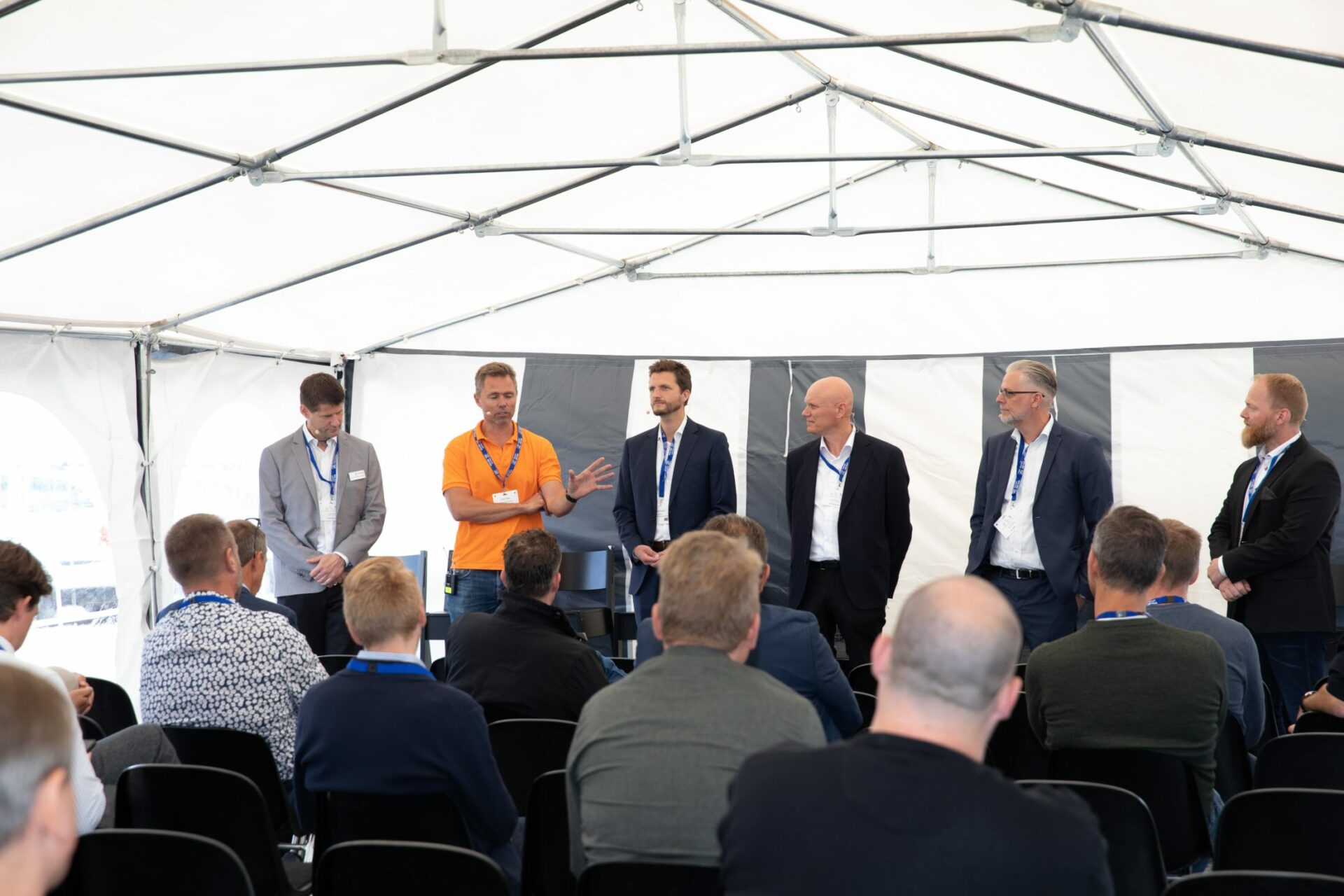
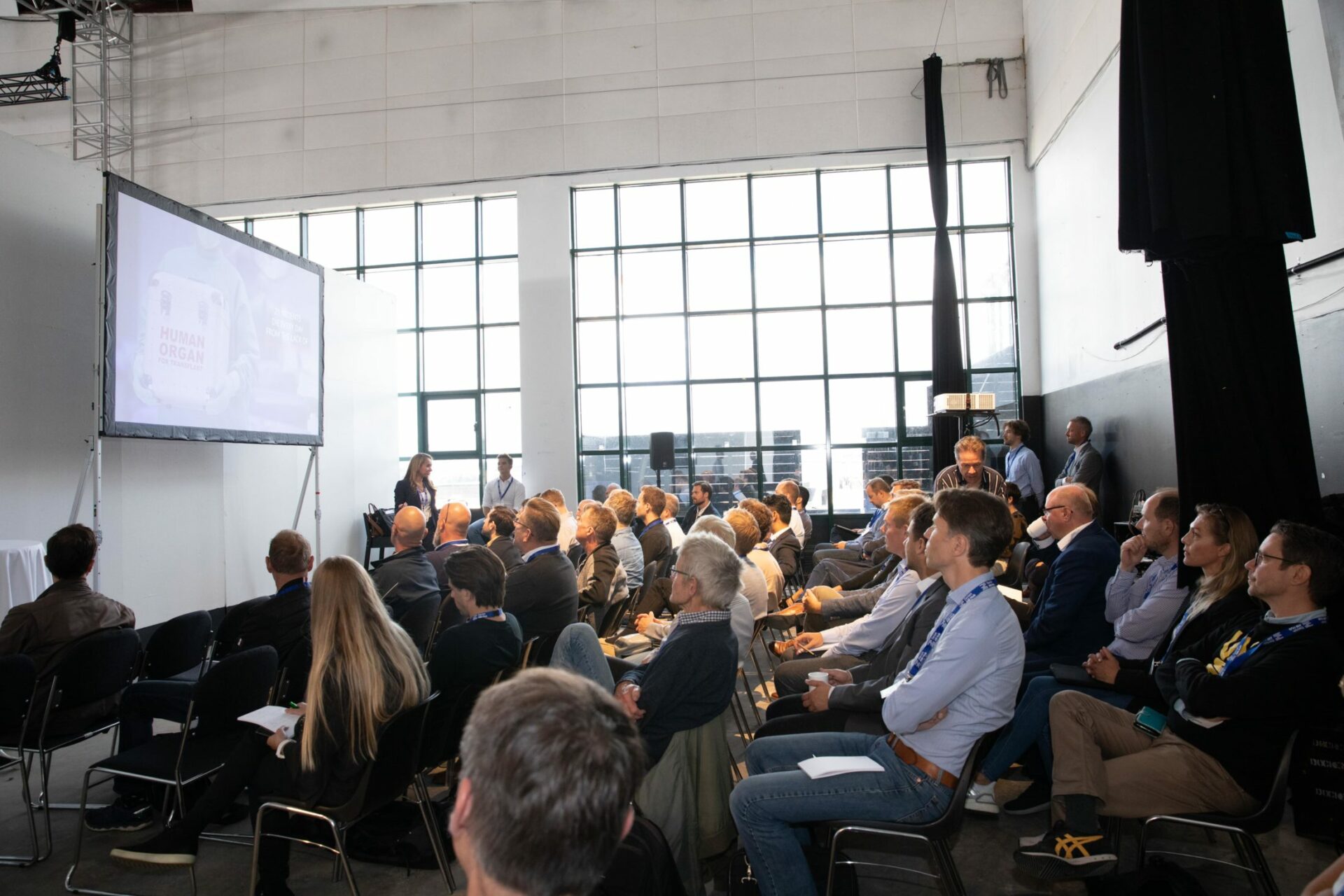
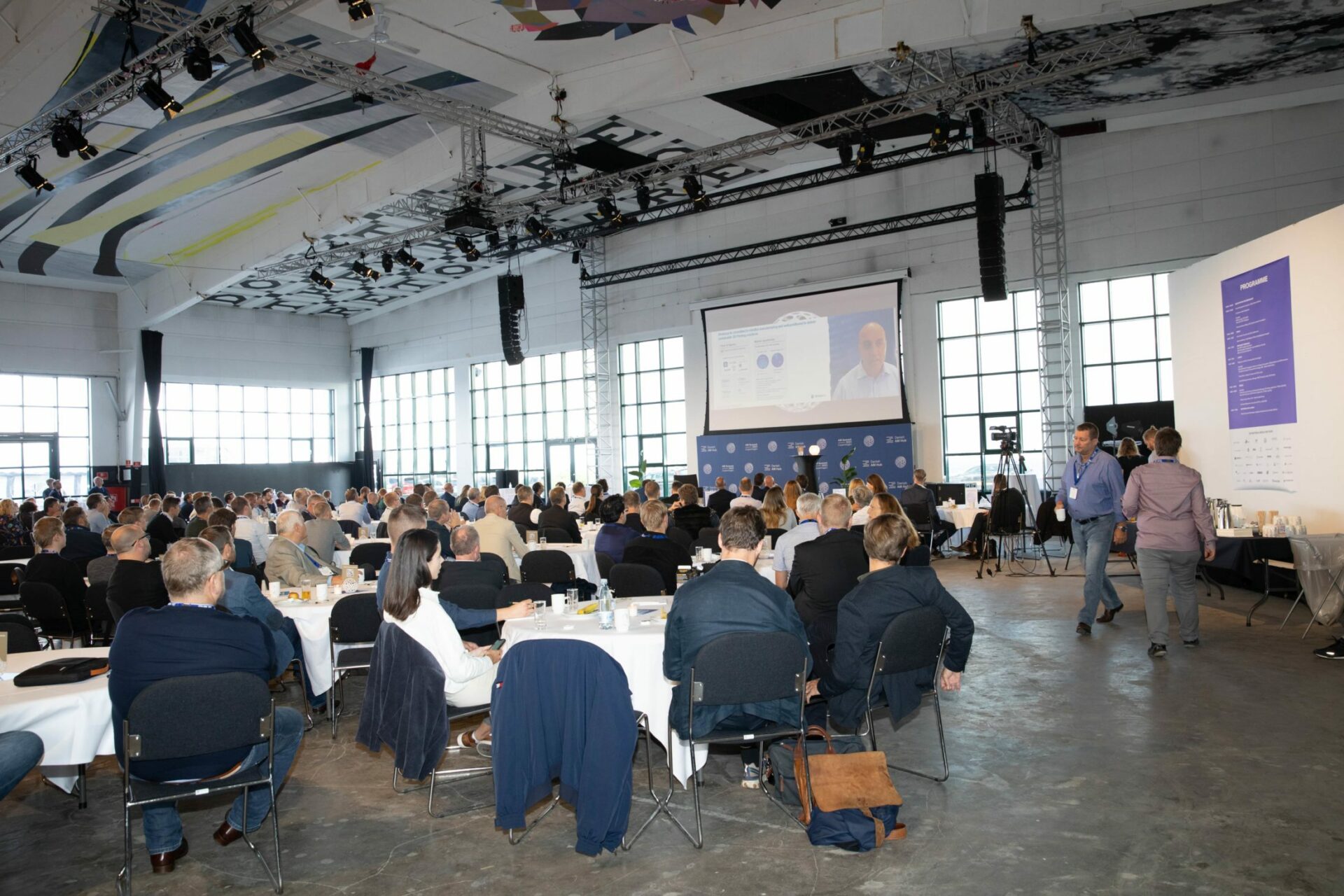
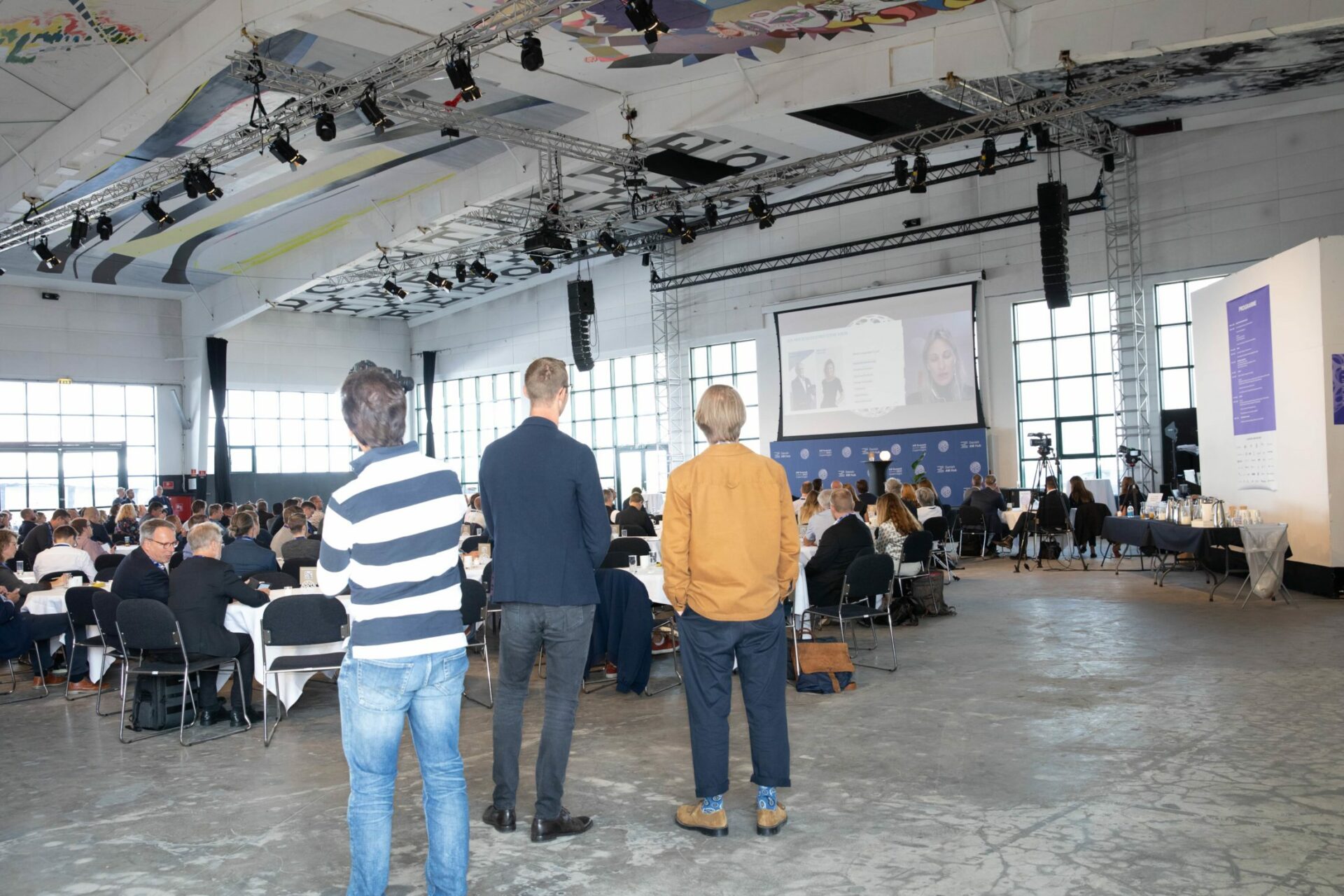
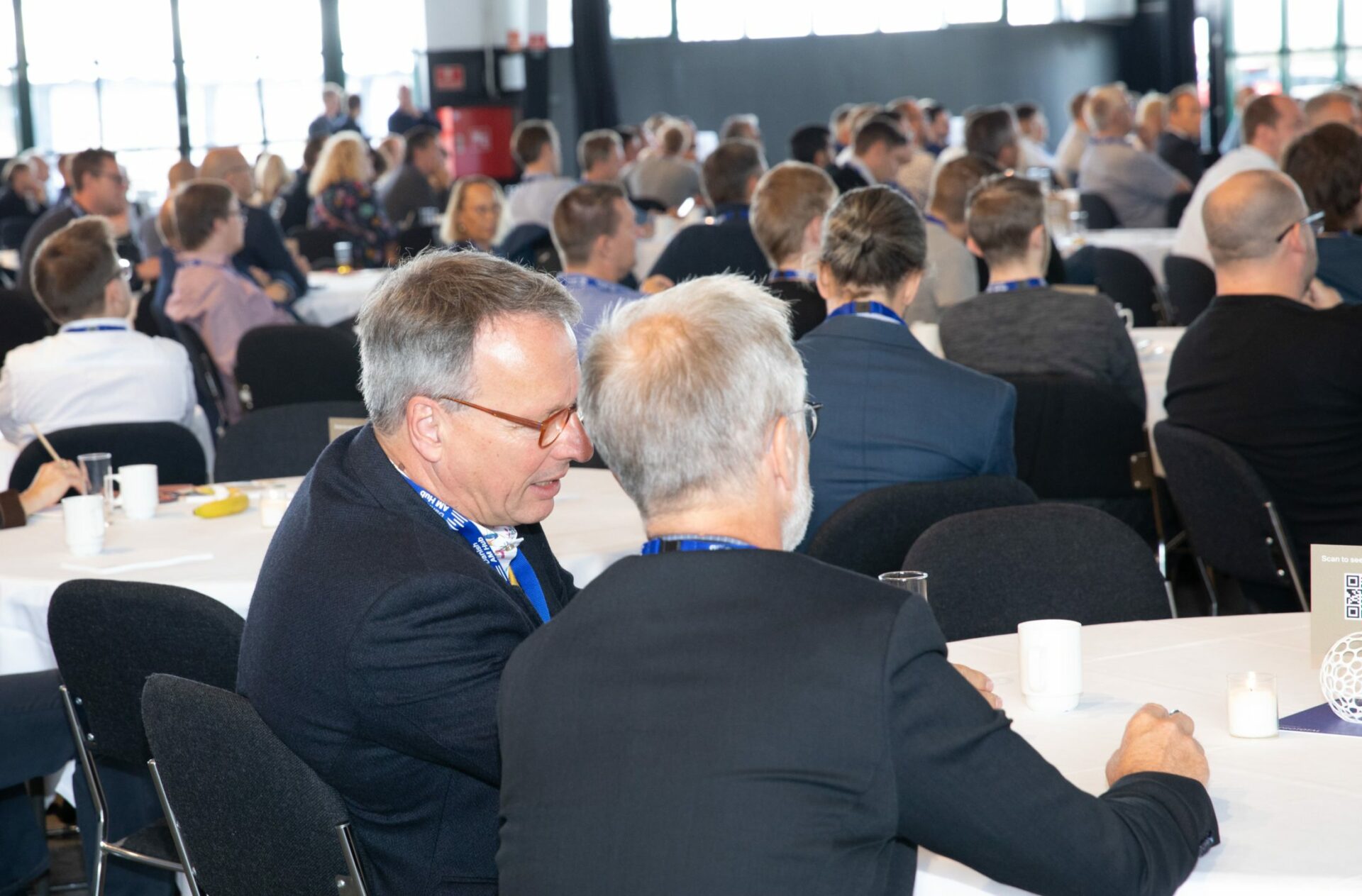
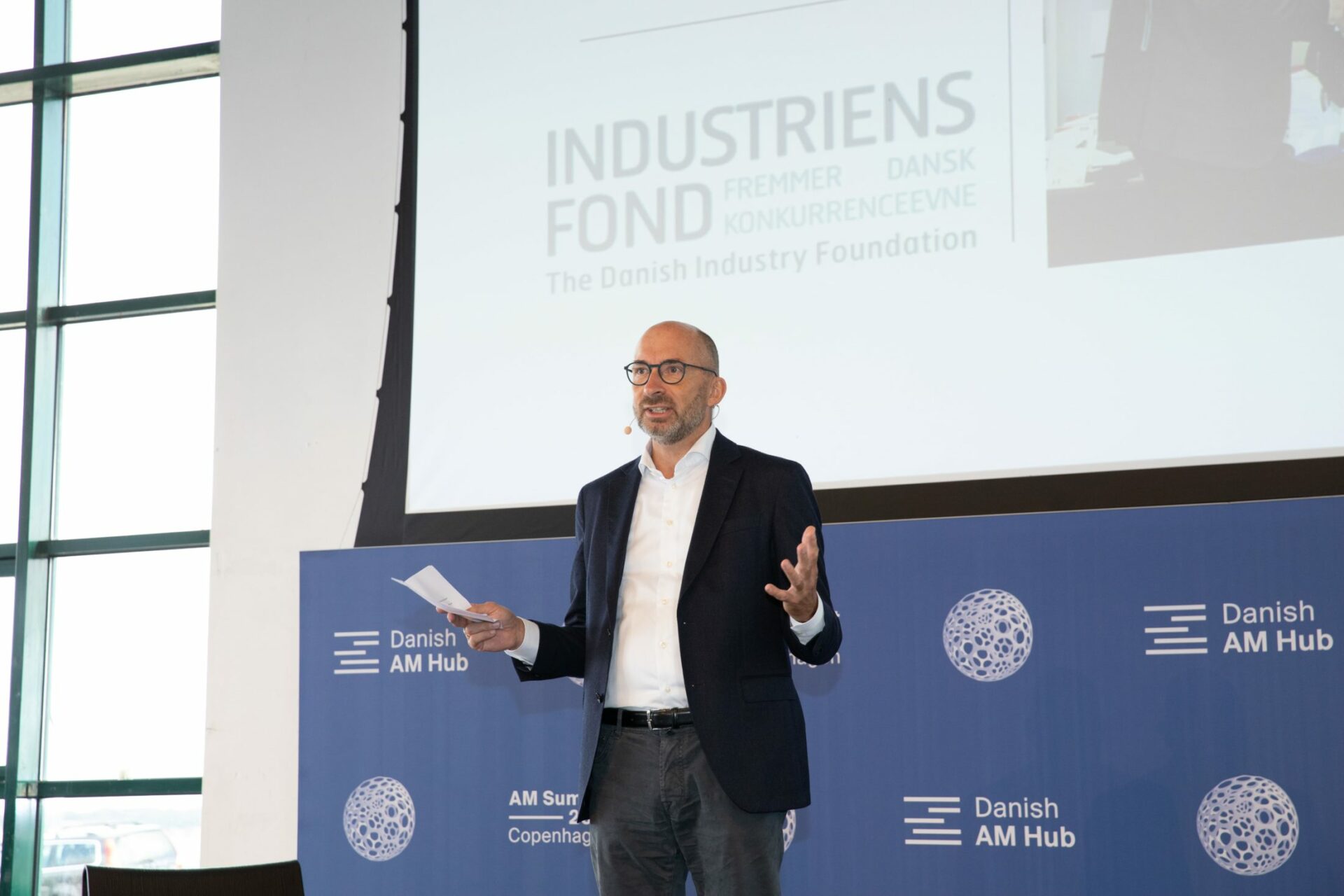
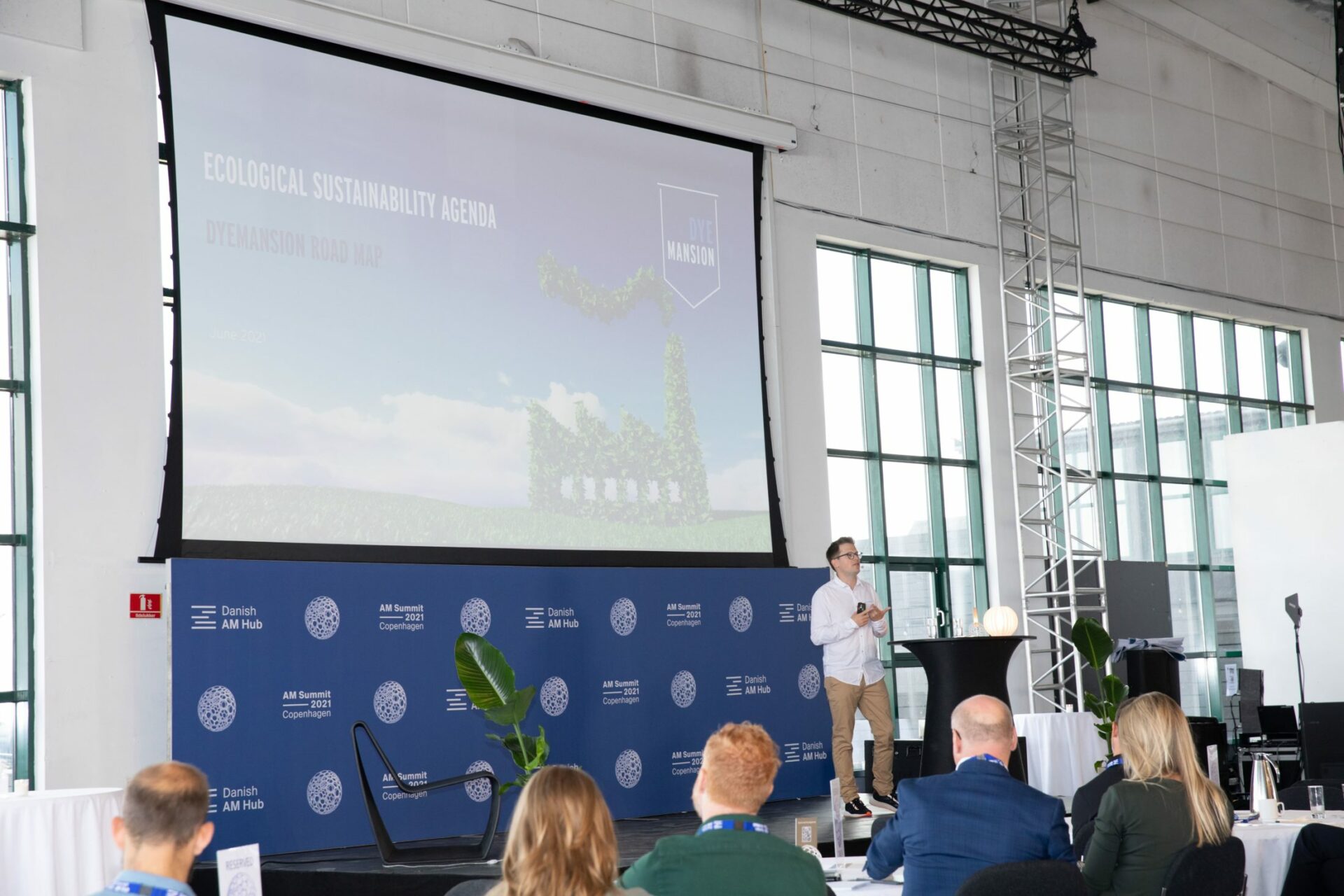
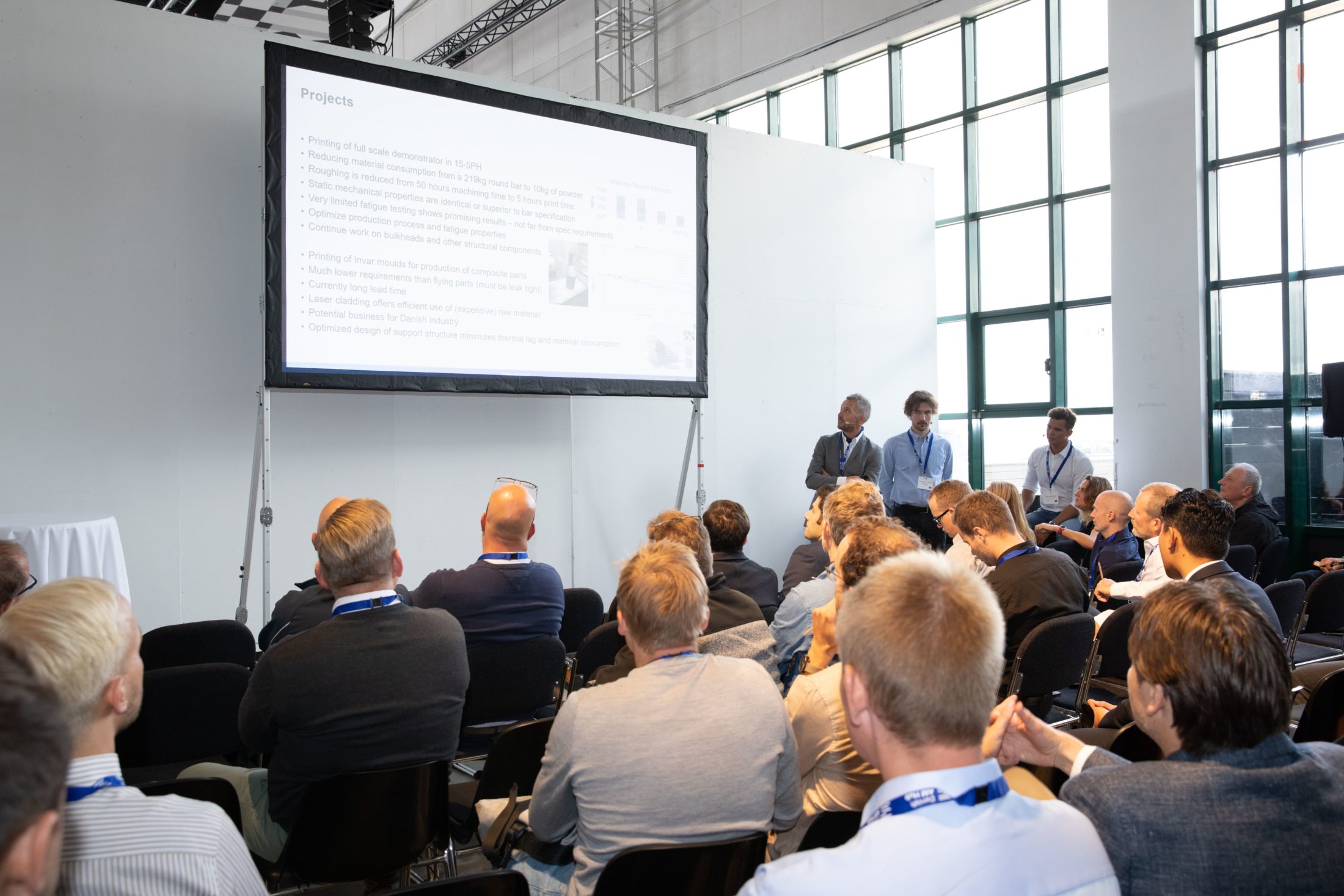
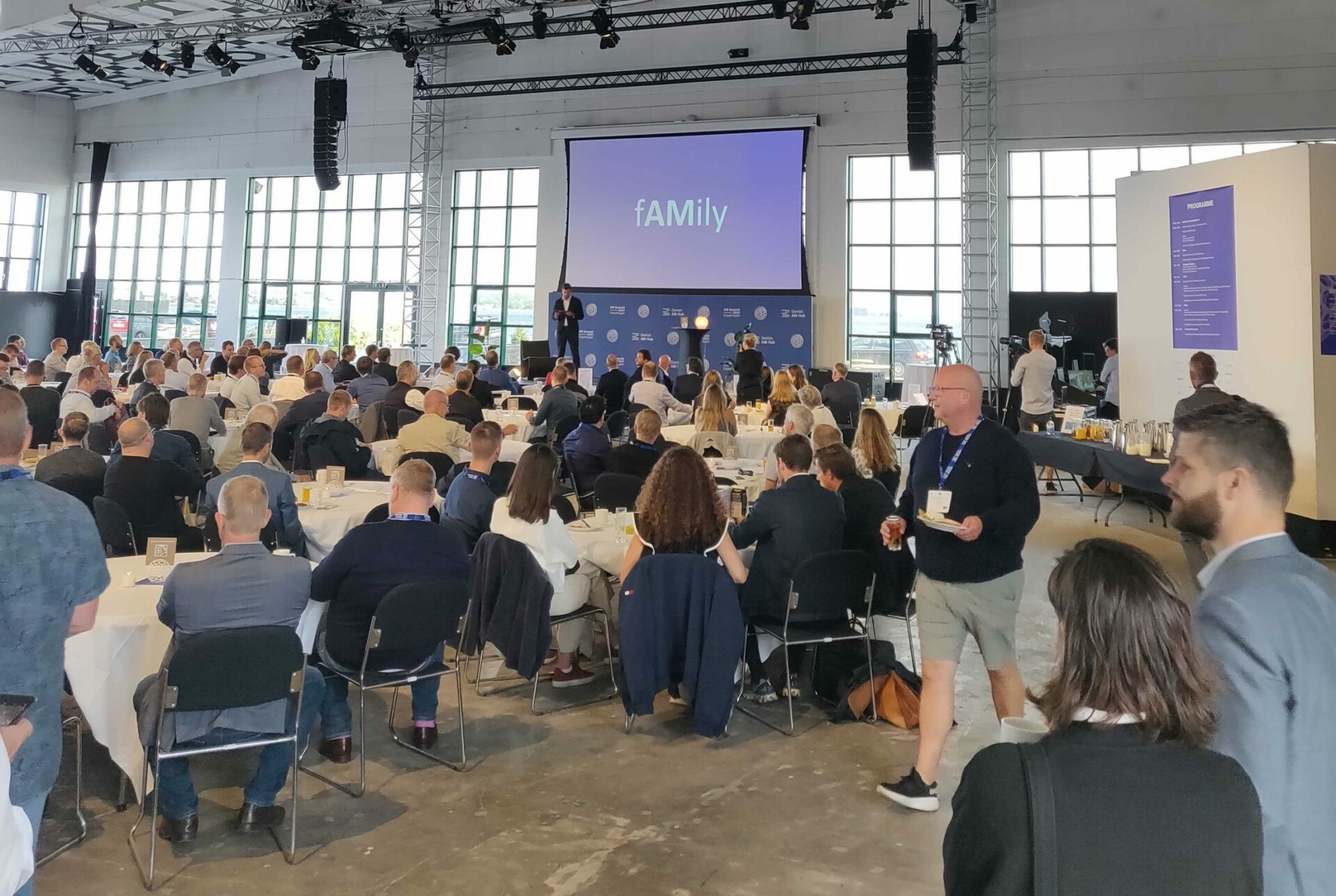
In August 2021, Danish AM Hub held the annual AM Summit – Scandinavia’s biggest Additive Manufacturing conference – for the third time. And this year’s AM Summit set a record with the greatest support, both in terms of the number of participants and the number of companies showcasing the latest AM developments and 3D-printed products.
“An increasing number of manufacturing companies see the potential of the technology. The support and commitment from Danish and international companies and institutions at this year’s AM Summit confirm Denmark’s position as a leading hub for Additive Manufacturing,” says Tue Mantoni, Chairman of the Board of Danish AM Hub.
The 2021 theme was “Additive Impact – and how AM and 3D printing drive sustainable manufacturing”. Under this theme, we heard 30 speakers address how additive manufacturing is a crucial technology for creating sustainable production and thereby also strengthening innovation capacity and competitiveness in manufacturing companies.
“We succeeded in addressing sustainable production with concrete solutions and inspiration on how to get started with the technology and how to take advantage of its many opportunities,” says Frank Rosengreen Lorenzen, CEO of Danish AM Hub.
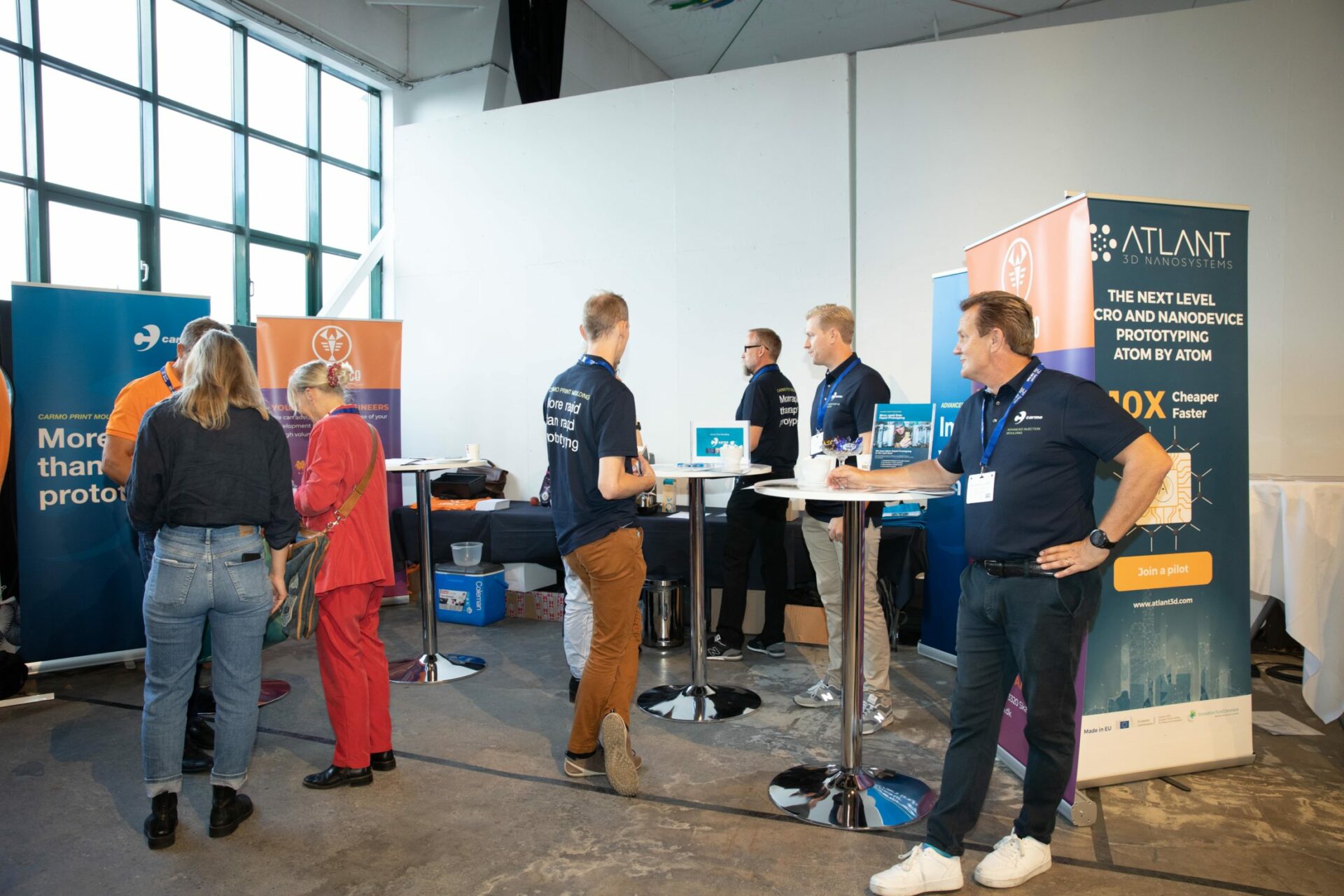
See more from AM Summit 2021 in the pictures below – and revisit the presentations from the main stage here.
We look forward to next year – to join our Summit fAMily, follow AM Summit on LinkedIn.




First Danish AM Hub Roundtable was a success
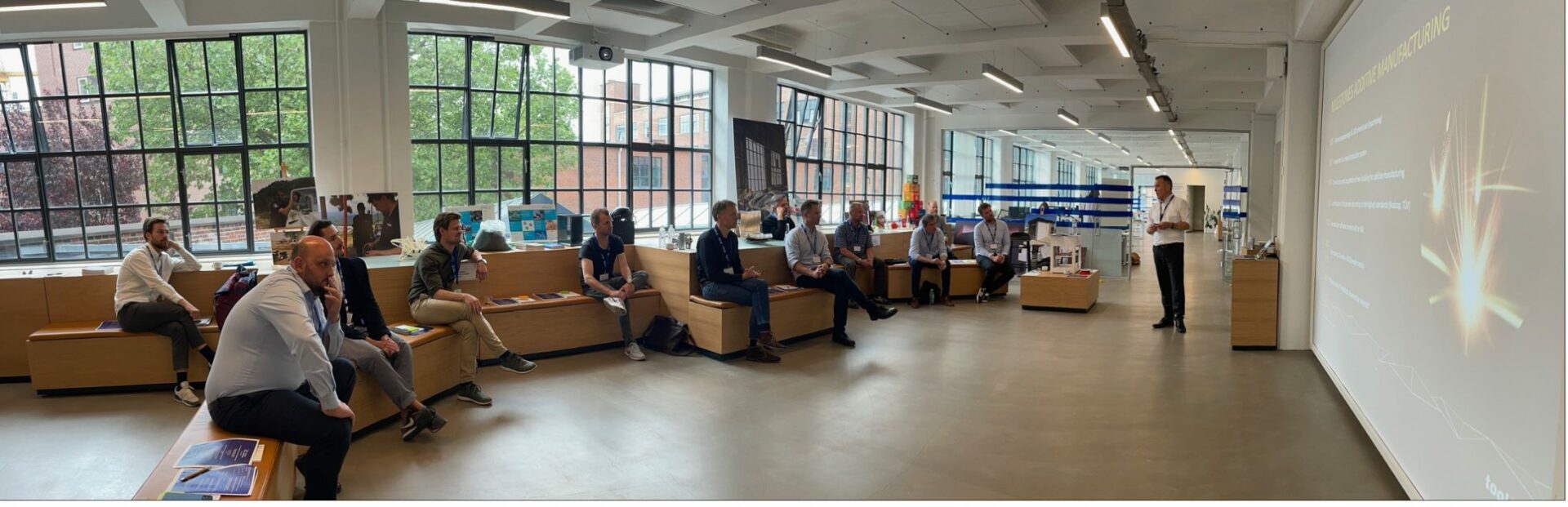
Our first Additive Manufacturing Roundtable – and what a success!
Our Roundtable session focuses on AM in production – and the first kick-off workshop was about opportunities with soft tooling using Additive Manufacturing.
We had the pleasure of bringing together leading manufacturers from Denmark, including the LEGO Group, Novo Nordisk, Coloplast, GN Group and Ambu A/S, as well as international technology providers including toolcraft AG, Fraunhofer-Gesellschaft and EOS. Actors who all share a common interest in new approaches to accelerate product development with Additive Manufacturing.
The ambition of this Roundtable was to engage in discussion and share experience on soft tooling with like-minded representatives from Danish industry. Peter Bay from J. Krebs & Co. talked about the possibilities of AM soft tooling from a Danish hybrid approach. Dr.-Ing. Kristian Arntz, Head of Department at Fraunhofer, focused on AM in industrial process chains and closing gaps in conventional manufacturing technologies – and Christoph Hauck from toolcraft talked about the future of Additive Manufacturing with their project AMbitious. The day ended with an open discussion on both experiences, opportunities and barriers related to the cost-effective method that enables you to speed up product innovation in small-scale production of parts.
Thanks to Fraunhofer-Gesellschaft, toolcraft AG and Tim Frank Andersen for enlightening and inspiring us – to Peter from J. Krebs & Co. A/S – Plastics Processing for guiding us through the day – and special thanks to the participants!
We are already looking forward to the next workshop!
Would you like to represent your company and take part in the discussions as well? Please let us know – write to info@am-hub.dk.
DKK 40 million to strengthen sustainable Danish manufacturing
The Danish Industry Foundation is now further accelerating the adoption of industrial 3D printing through a reinvestment in Dansk AM Hub, which works to promote Additive Manufacturing (AM) among Danish manufacturing companies and, over the next four years, will make Denmark a global leader in using AM for sustainable manufacturing.
An emergency stockpile of protective equipment in the fight against COVID-19.
A unified AM ecosystem—from experts to users to developers.
400 small and medium-sized enterprises inspired and engaged in programmes, of which 100 have gained tangible competitive advantages and taken an important step towards more sustainable manufacturing.
Scandinavia’s largest AM conference, held on Danish soil.
A completely new cohort of entrepreneurs using AM as a lever for their business model, and a growing international focus on Denmark as a country that masters the manufacturing technology of the future.
The list of Dansk AM Hub’s results in the first four years is long—and impressive.
It has been possible to raise awareness of the industrial use of 3D printing technology, articulate and develop the business-strategic value of additive manufacturing into methods that have in turn been used to create improved production processes, products, or value chains for Danish manufacturing companies.
The results have only been made possible through a grant from the Danish Industry Foundation, which initiated Dansk AM Hub in 2017 to promote the use and understanding of AM / 3D printing in Danish industry. And now the same foundation is injecting new energy and support into the work with another grant.
“Companies’ ability to manufacture sustainably will become even more important to their competitiveness in the future. Building on Dansk AM Hub’s strong results to date, we are now further increasing our efforts to realise the great opportunities offered by AM technology, which has significant potential to make companies’ manufacturing far more sustainable. At the same time, our ambition is that this will inspire further use of technology and digitalisation among the manufacturing companies that take on AM,” says Thomas Hofman-Bang, CEO of the Danish Industry Foundation.
A united front among foundations
Both Dansk AM Hub and the Danish Industry Foundation want to leverage the competitiveness-enhancing effect of AM technology, and in particular its green impact. The vision is to become the world’s first and leading member organisation that, in addition to strengthening competitiveness and growth, also measures initiatives by the concrete elimination of CO2, thereby documenting the sustainable manufacturing of the future on Danish soil.
Today, Dansk AM Hub has just under 50 members, including major manufacturers such as Lego and Grundfos; major international technology suppliers such as Stratasys, HP and EOS; Danish AM developers such as Damvig, Addifab and CreateitReal; and a strong core of small and medium-sized Danish manufacturing companies. Within the framework of Dansk AM Hub, they are working to create a future in which we manufacture with less material, waste and transport, while designing, developing and producing more customised, durable and energy-efficient products by leveraging the possibilities of AM technology.
“With Dansk AM Hub, it is therefore not merely a project that has been established, but a movement to leverage the opportunities of AM technology to create more sustainable manufacturing. We must now continue the work of making Denmark a global leader in using additive manufacturing to deliver very concrete sustainable results that can be measured and verified,” says Tue Mantoni, Chair of the Board of Dansk AM Hub, and expresses great satisfaction that the Danish Industry Foundation continues to see Dansk AM Hub’s potential and invests in the collaboration for the long term.
Internationally, too, there are many opportunities that Dansk AM Hub will explore in the coming period.
“The world around us must see that our green energy from our many wind turbines can also create the green products of the future,” says Frank Rosengreen Lorenzen, CEO of Dansk AM Hub, emphasising that several international players such as Apple and Facebook have already recognised the potential of our Danish green renewable energy, in which they have invested in large data centres. Now the major international manufacturers and technology suppliers must also turn their attention to Denmark, so that we can be at the forefront as the manufacturing systems of the future are created.
“The time has come for Denmark to show the rest of the world how we design, develop and manufacture the products of the future,” says Frank Rosengreen Lorenzen.